
Seville, Granada and the Sierra Nevada
Seville is in many ways a contrast to Lisbon, where I came from before landing here on a small Turboprop. It is really like a Fado club versus a Flamenco performance. The Cathedral is enormous and I enjoyed seeing Christopher Columbus tomb there. It remind me of old maps, sailing ships, canon balls and mystical stories of exploration and the sea. Alcazar is impressive too and was the first large scale witness of the ancient Arabian civilization on the Southern tip of the Iberian peninsula. But then driving over to the Alhambra on top of the city of Granada was another marvelous example. The snow covered mountains at the fringe of the Sierra Nevada reminded me of one of my first interests in Solar Energy, as the first large scale thermal solar power plant is on the Almeria plateau. From Granada heading strait South gives a nice drive along the Costa Del Sol towards Malaga. And again the distance back to Hahn Airport was only 29 Euros. A long flight back followed from Frankfurt/Main to Beijing. I did not get sleep on that one as I had to provide first aid to a collapsed passenger. The only assistance provided by the Chinese fellow passengers was to block the way and take videos with their smart phones. Welcome back to the People's Republic.
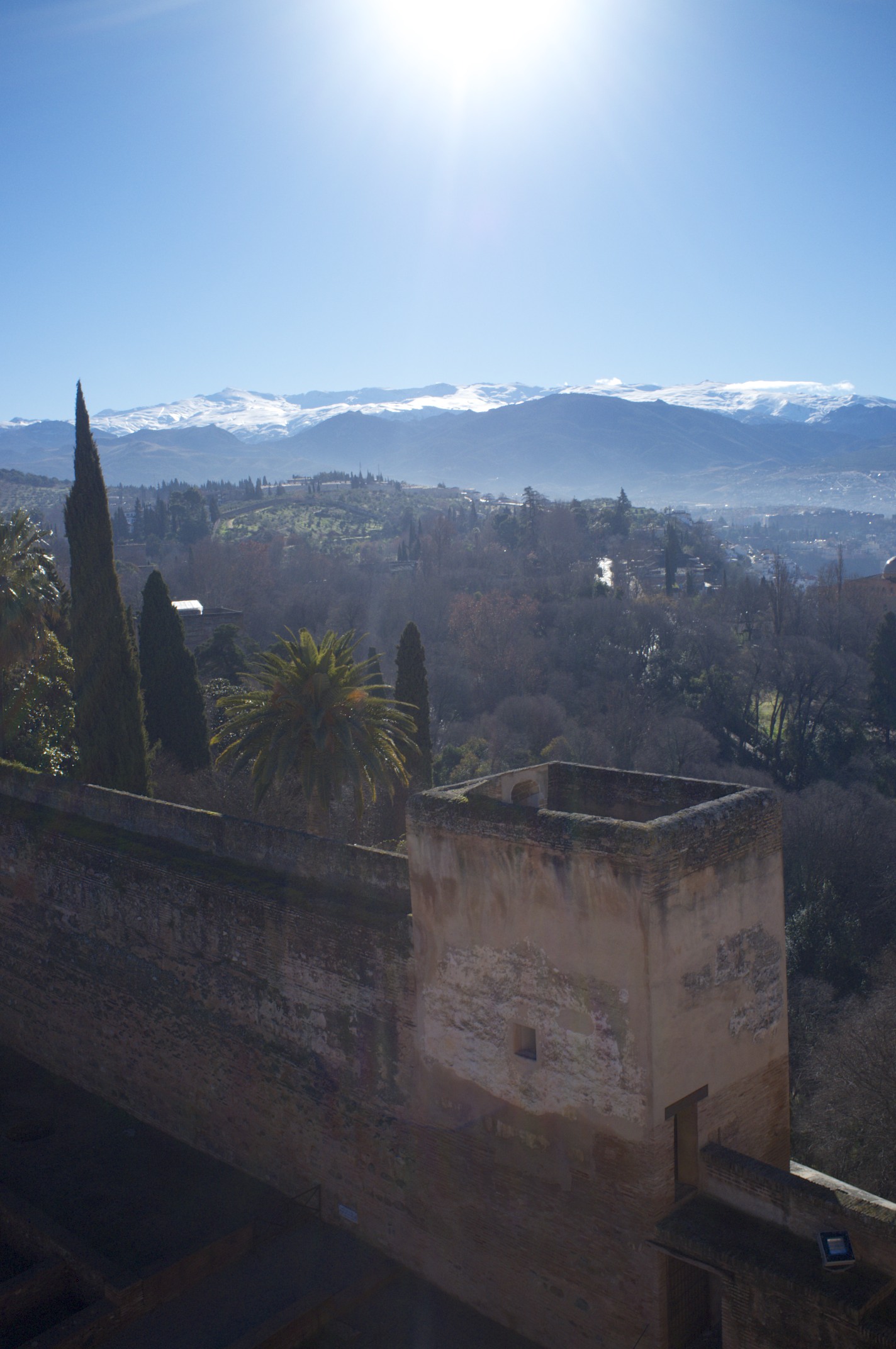
View on the Sierra Nevada from Alhambra (as seen on the 5th of February, 2014)

View on Granada from Alhambra (as seen on the 5th of February, 2014)

Moorish architecture and ornaments in the Alhambra.
Lisbon story
I have not been to Lisbon for more about 15 years, and this time it was only 29,- Euros away from the Airport Hahn, which is the civil successor of Hahn Airbase, which was during my childhood the home of the United States Air Force 50th Fighter Wing. Lisbon I always found a bit melancholic, and I liked it a lot. And these impressions stayed during and after my recent visit. A charming city, friendly and down to earth people, and the atmosphere of Fado and red wine make me want to stay longer. This time, it were only a few days. The city wakes up late and I enjoyed strolling through the narrow and steep streets in the early hours as much as taking Tram Line 28 from terminus to terminus a bit later. It is a city not just to visit, but to indulge. You can stay in Lisbon with no purpose or plan, and the city will play its stories to you by itself.

View over Lisbon

The Belem Tower
Shopping Mall Gathering

Ladies gathering in front of "The Place" shopping mall enjoying a sunny winter day in Beijing. Observed and taken on January 11th, 2014.
My 48th Birthday - Letter to a small friend
Dear small Marcus,
let me guess: you are around 5 years old, and you are strolling around the backyard of a traveling circus to see the exotic animals? You are just learning that tigers don't eat grass (but hands). You don't have money for a ticket to see the show. But I am sure you will find a gap under the circus tent to watch it for free.
You don't know me. But I know you. Today I turned 48 and I am living and working in China. I am the person you are going to become.
Soon you will go to school. It will be okay. As a teenager you will think, you are clever. But you are not. You will join the German army during the end of the Cold War. You will even go to jail. People will live, love, hate and die. And again, it will be okay. What else? There are some big changes coming: The Soviet Union will collapse, Communism will defeated itself, and Germany will be unified. You will see the part of your family again, which was separated from you by The Iron Curtain before you were born. And you will feel very strange about them. Never mind. You will have wonderful University years, become a scientist, do interesting work with extraordinary people in different industries all over the world. It will be great.
Some things will really not be as you think. For example we don't fly to Mars and we will also don't have nuclear fusion. We still drive around in the same old cars, where they make little explosions in cylinders to drive the pistons up and down. Stoneage! Many people will still go to bed hungry. Far too many. But don't be disappointed. On the other hand, today, many diseases will be defeated or become curable. We will decode the human genome - wow! And we also will have Facebook and mobile phones, even you won't care about them. And sure, they really don't make a damn difference.
Even in the future you will have the means to enter the biggest circus, you will still not join the crowds. You will travel through life off the beaten tracks, and discover exotic things and places. You will find it more interesting. For that: train the basics, think clear, ignore assholes, and learn to appreciate and understand what you see. It is fascinating. Learn science, math and languages. But don't ignore the arts. One is for living, the other for life - or the other way around. They are one.
We will never meet. But I send you my best regards from the future.
Yours,
Marcus
P.s. Caution with explosives, defective firearms, fast cars and pretty women. No drunk motorcycling, and no Antonov planes in Africa, okay? Then you will be fine - except from some bone fractures. But who cares?

Marcus Schuetz in 1969.
The models for Michael Sowa's paintings?
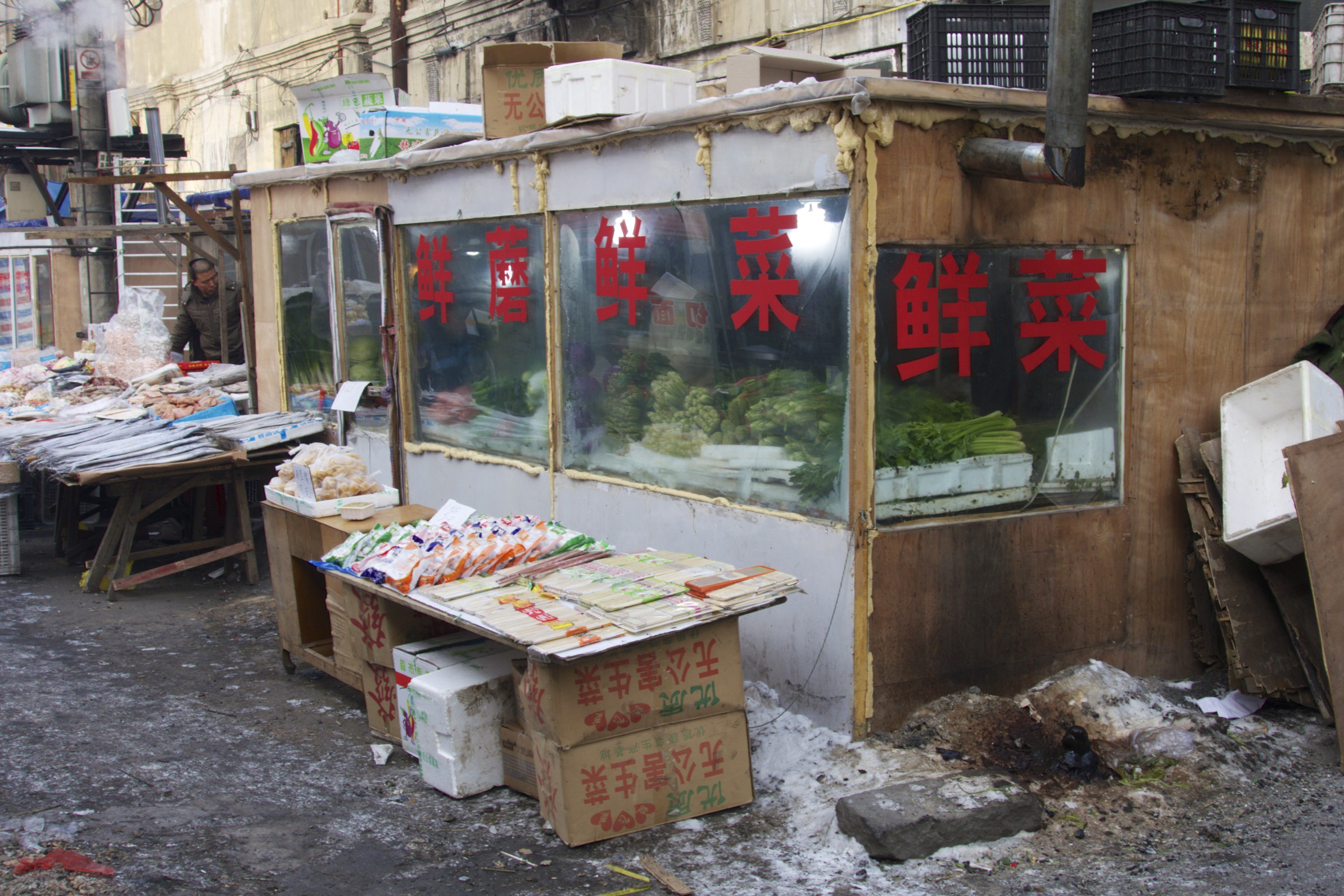
Immediately when I recently spotted frozen fish at a Harbin outdoor market (everything is frozen outdoor in Harbin at this time of the year), I thought that I have seen something very similar before. Now I know: they were perhaps the models for Michael Sowa's painting below. I came across it on a blog which i like very much, called www.artistsandart.org and the posting on Michael Sowa you fine by clicking here. Still trying to find out what fish these actually are.

Fish seen on a Harbin street market, on December 25th, 2013.

Painting by Michael Sowa, as seen on www.artistsandart.org.
White Christmas in Harbin
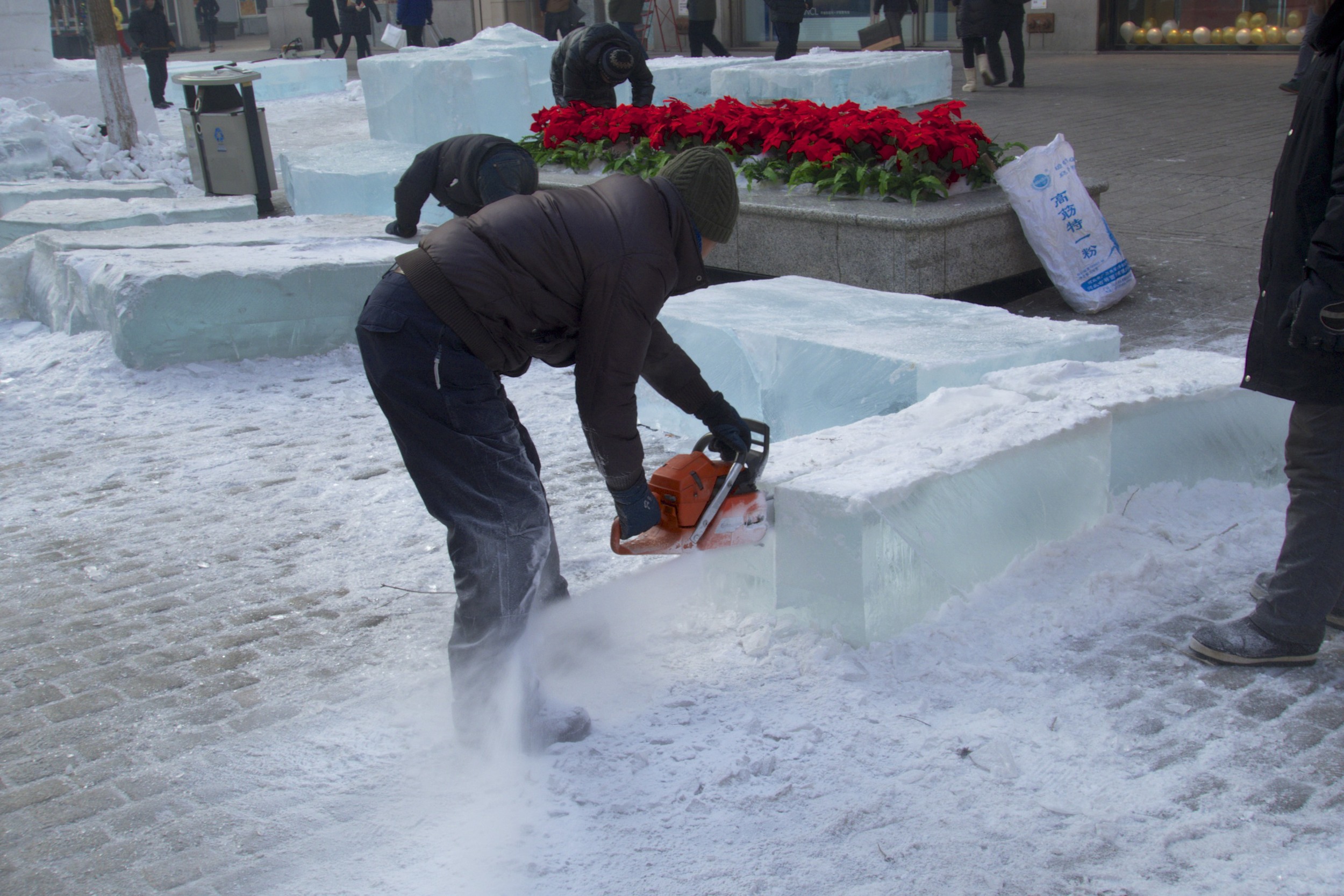
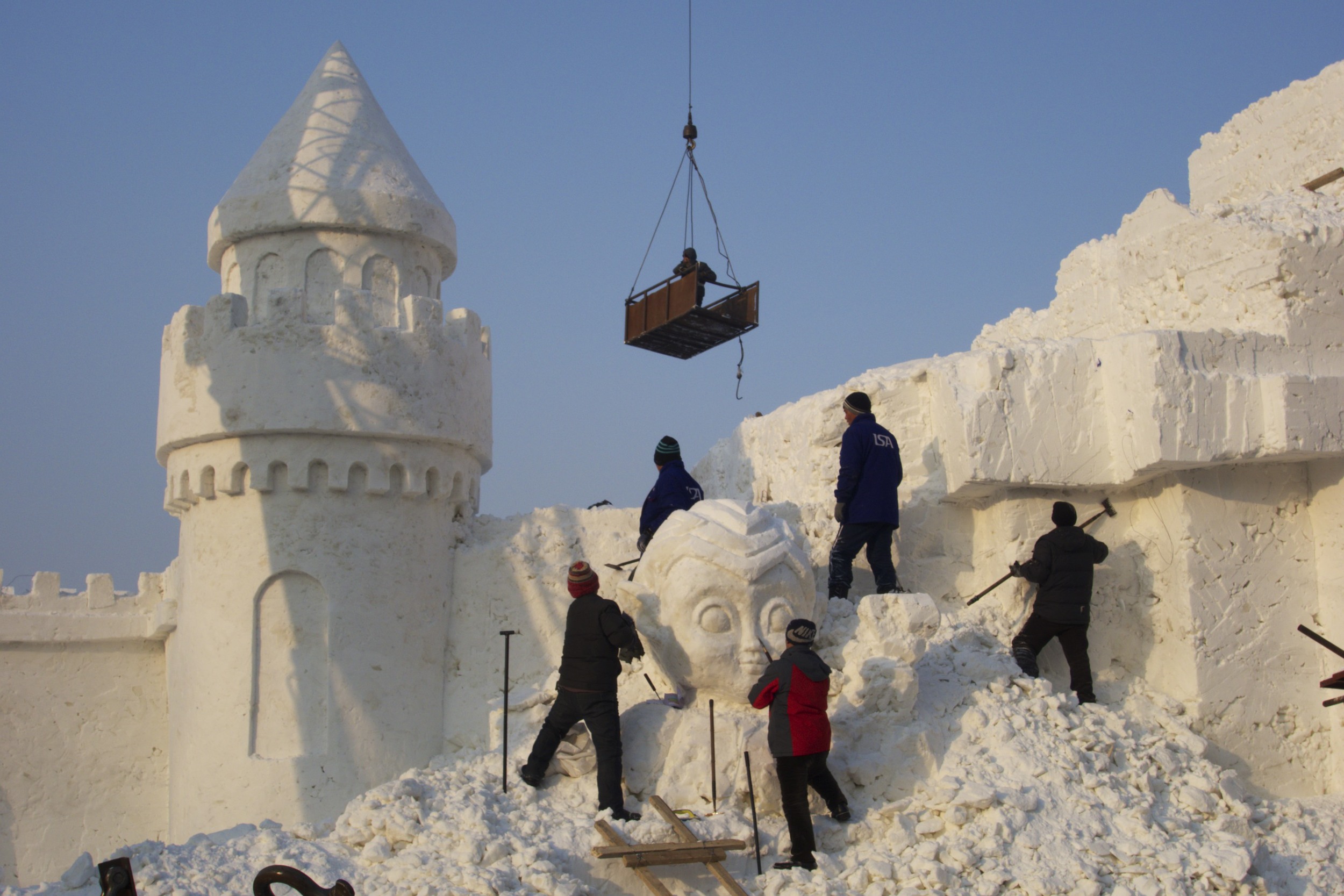
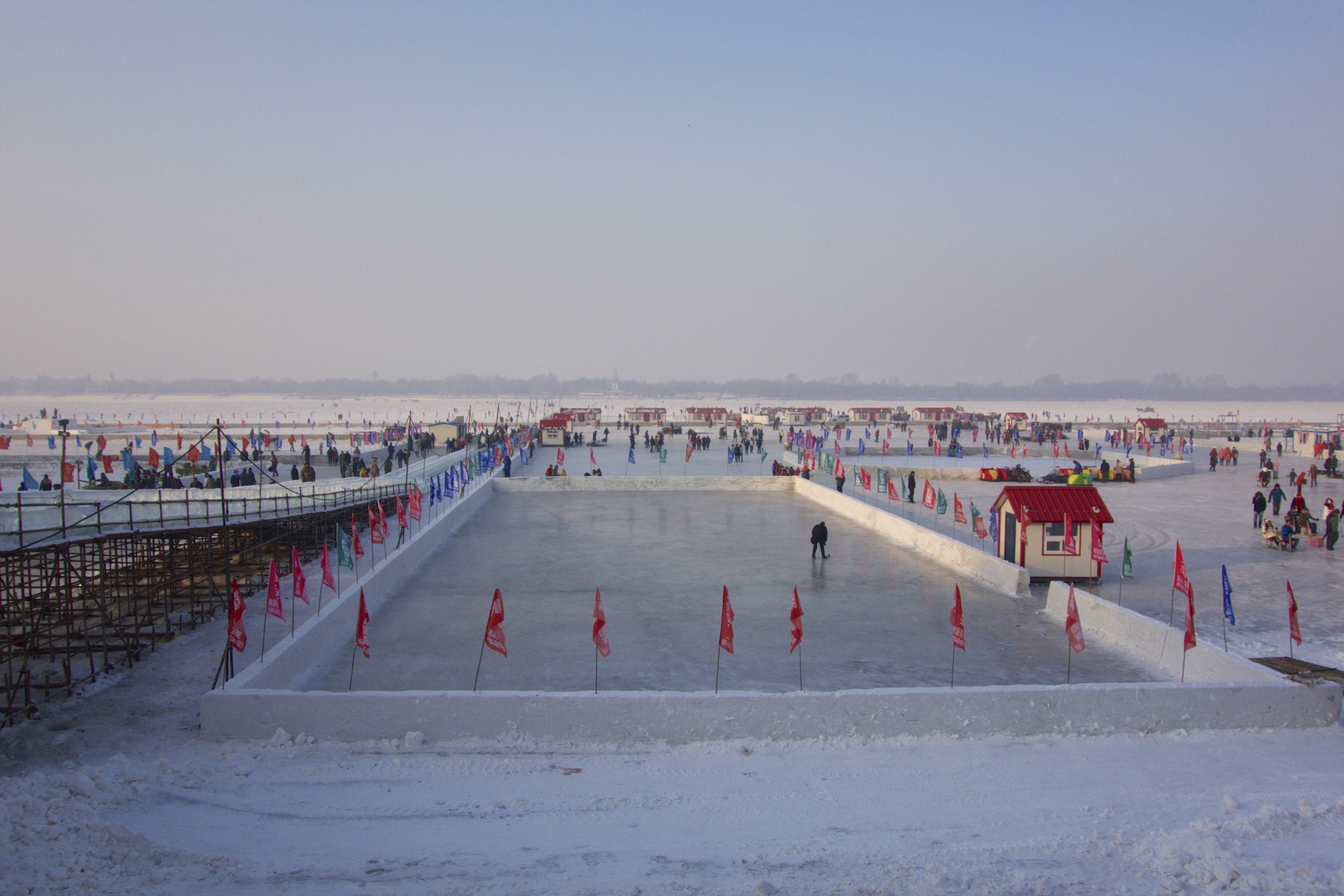
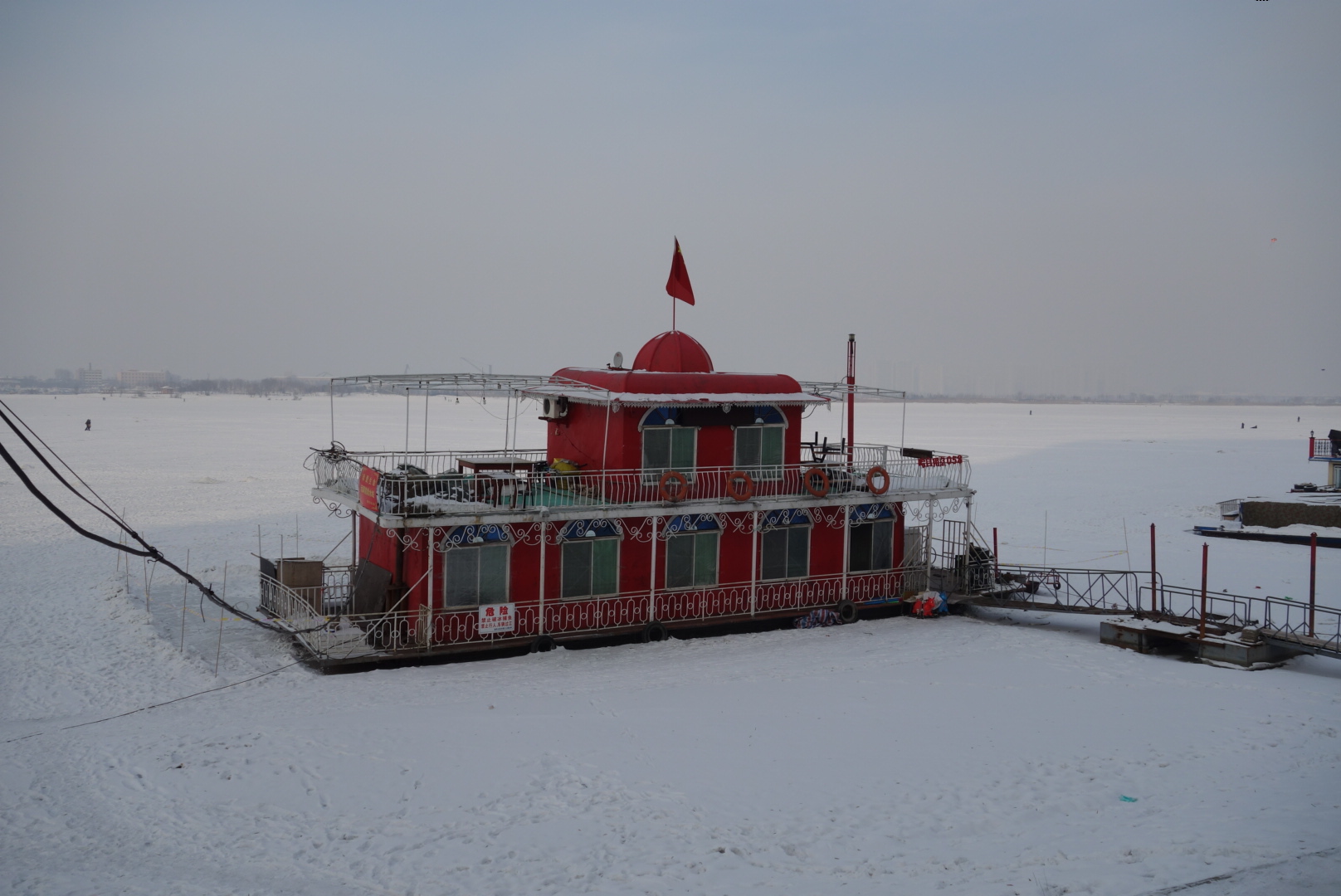
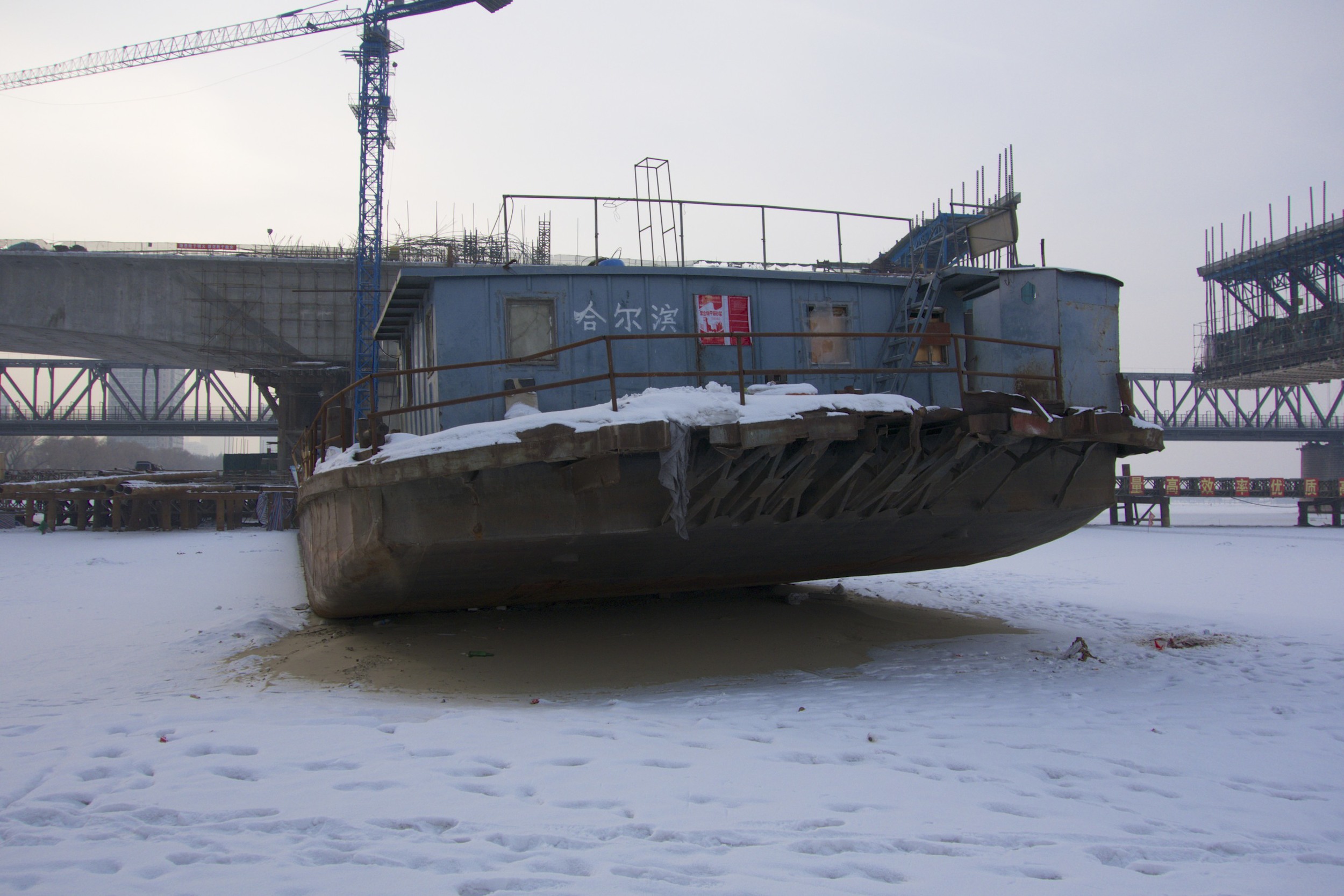
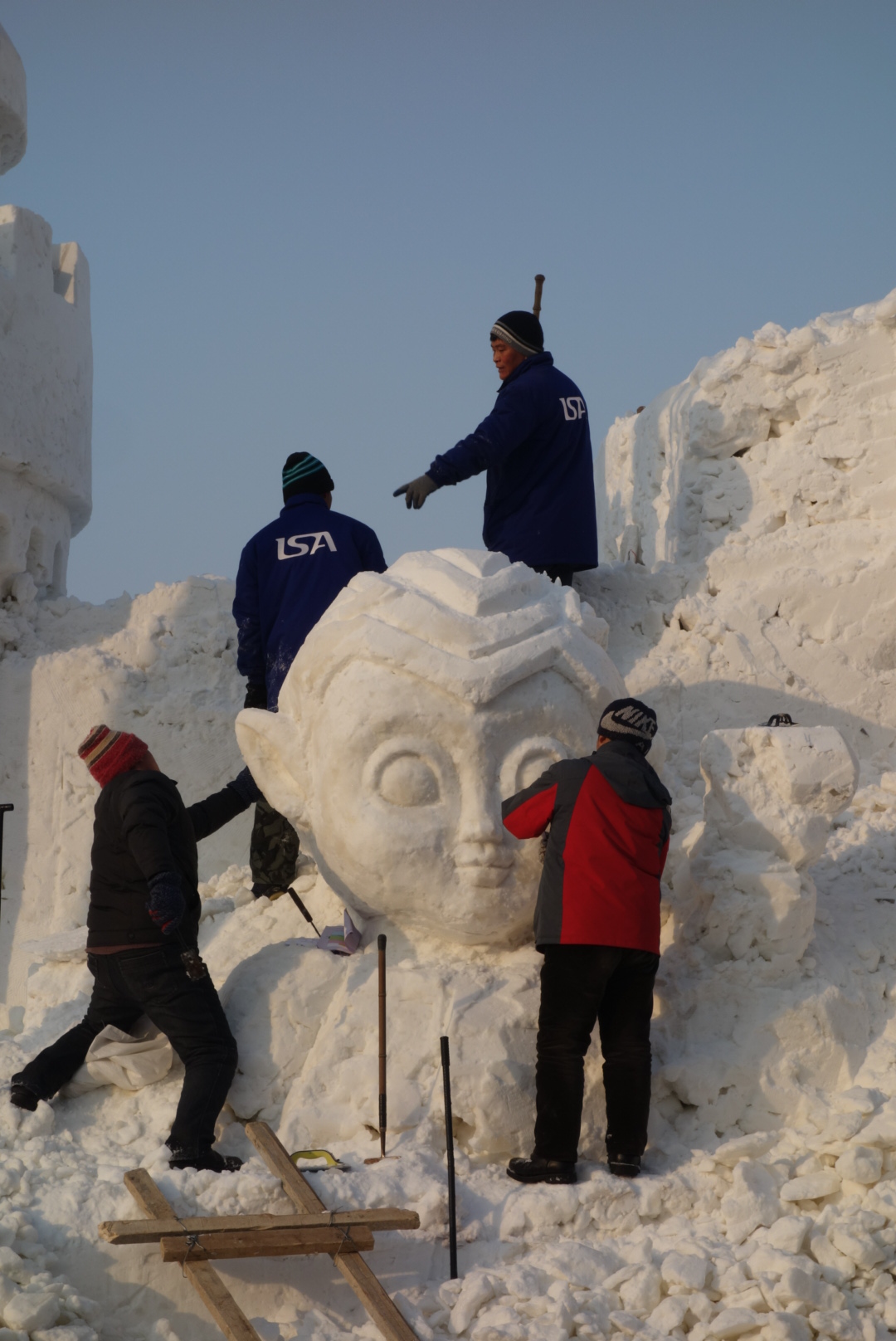
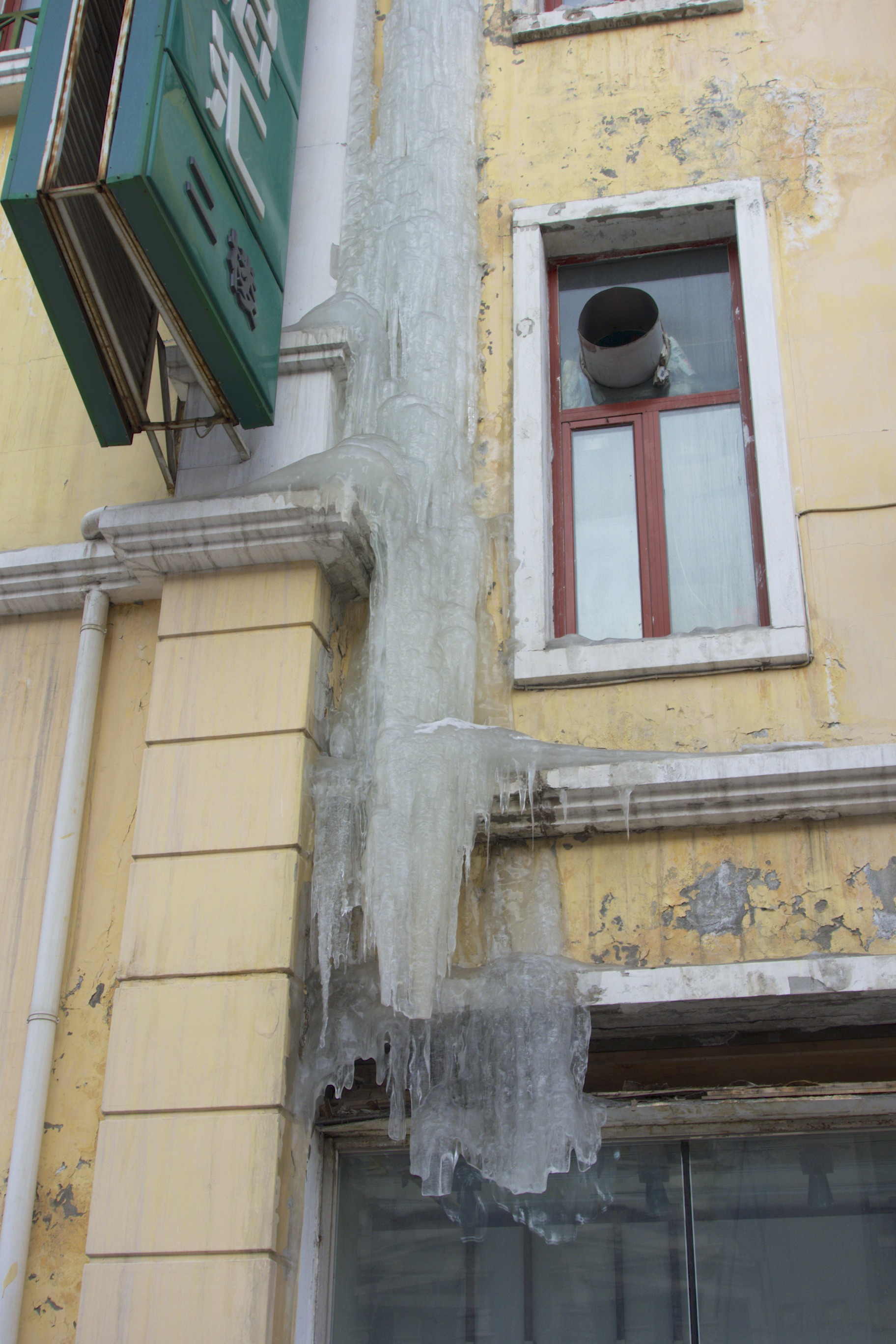
After returning from spring temperatures in Germany, a guarantee for white Christmas was making us head to Harbin in North China's Heilongjiang Province, one of the three Provinces forming Dongbei. Harbin is famous for its Ice Festival starring nice ice sculptures. But at sustained -20 Degrees Celsius, there is about anything you can do there which requires temperatures below freezing. The Songhua River is deeply packed with ice and all kinds of amusement is arranged on its surface.

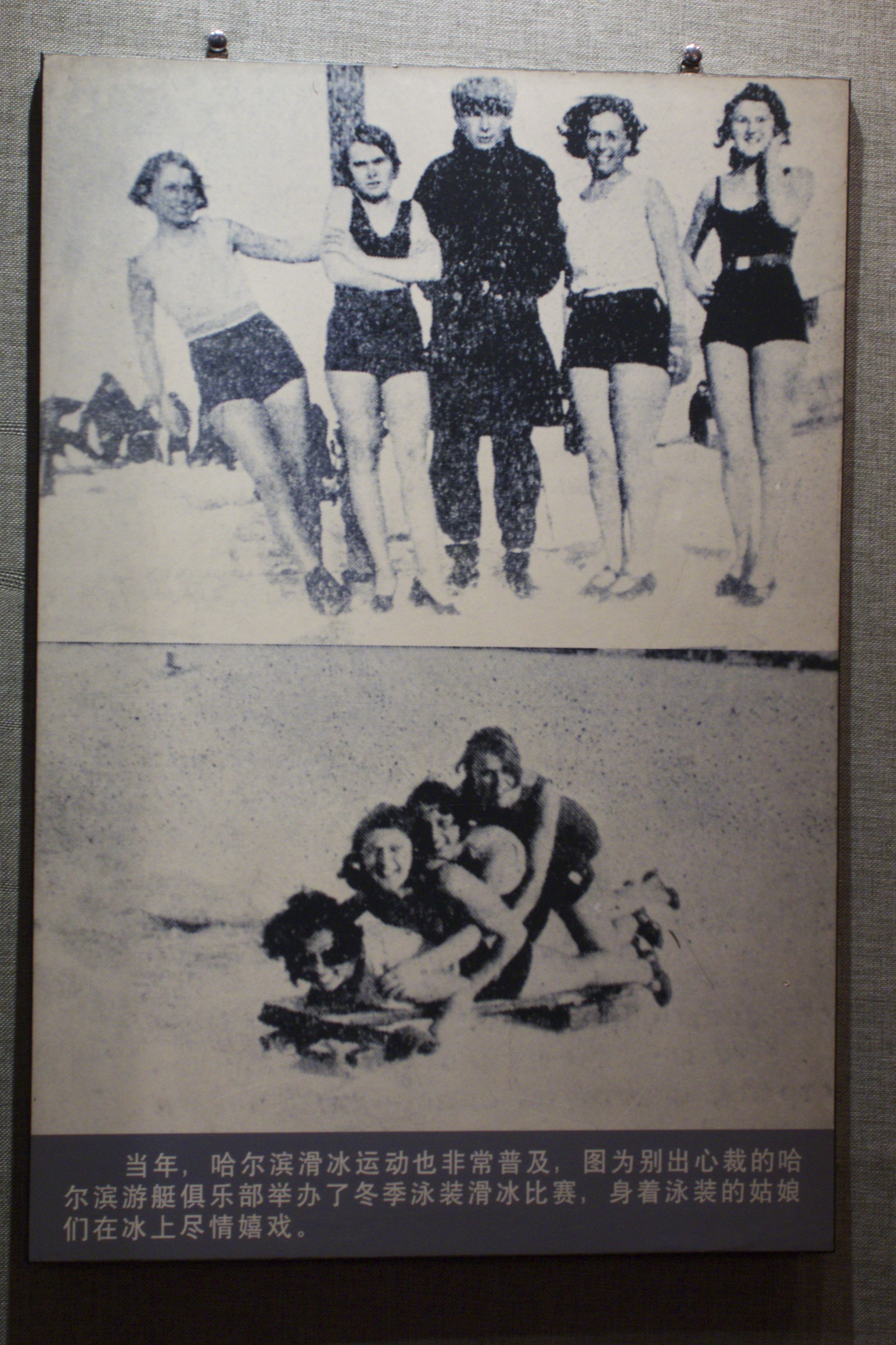
Harbin street scene in the early 20th Century. Taken in the church St. Sophie, which is converted into a photo exhibition.
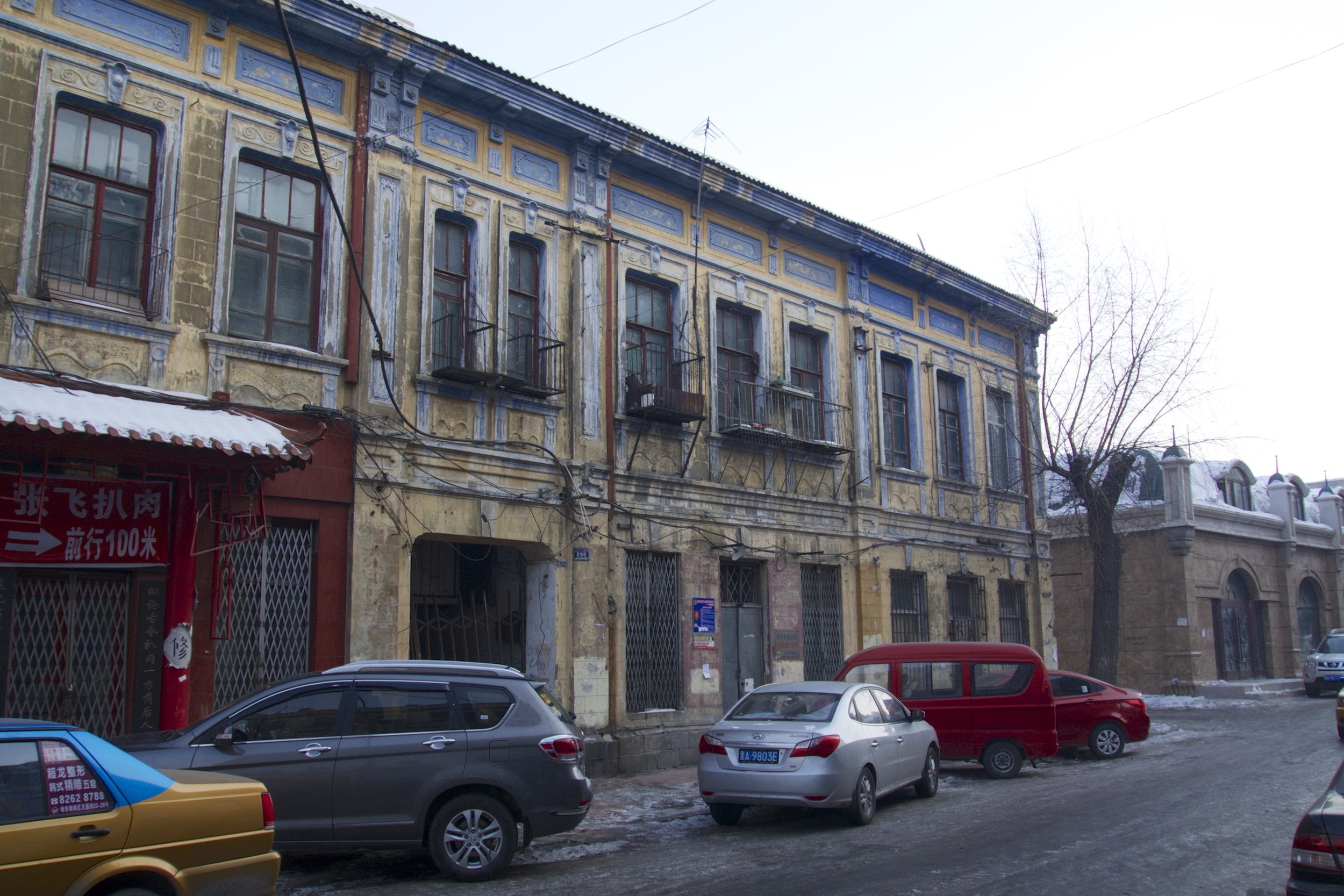
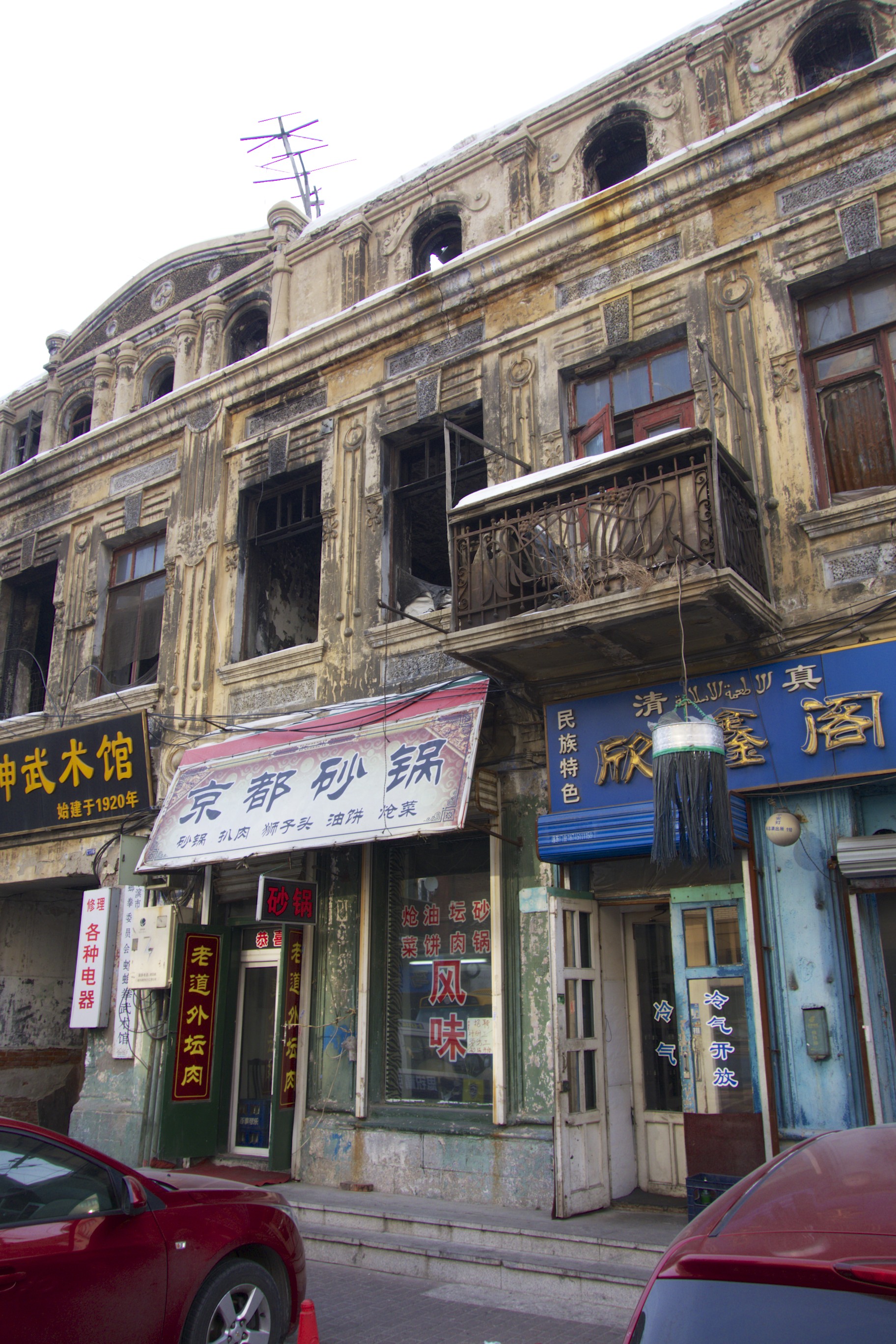
Harbin is often called the Moscow of the East, due to the early Russian settlements and also contemporary remains of Russian architecture. However, Harbin is still about 500 km away from the Russian border. The city was founded only in 1898 by a Polish engineer, during the construction of the Trans-Manchurian Railway which was linking Vladivostok, Dalian and Port Arthur to the Trans-Sibirian Railway in the East. Russia held a military base in Harbin during the Russo-Japanese War and they were defeated by Western expeditionary forces and Chinese allies soon after. Immigrants from over 30 counties settled in Harbin soon after and a big push of Russians came who fled Communism after the Russian Revolution - mainly White Russians, and about 20 000 Jews - specially in the 1930s fleeing the German Holocaust. They contributed a lot to Harbin's culture and economy and it is said that Western artists and fashion designers first reached Harbin, before Shanghai. Today, one of the very interesting destinations in Harbin is the Jewish Museum, which gives accounts to this period. In 1931 the Japanese invaded Harbin and a concentration camp style medical experimentation site, the Unit 731, was established and operated, committing war crimes at utmost horror. There is still a museum in the South of the city. But it is said to be not a real museum, but just an Anti-Japanes propaganda site, which is not worth visiting if interested in what really happened there. The Kuomintang never got hold of Harbin, but what followed were the Chinese Communists. Having Stalin and the Russian Communists in the North, and Mao and the Chinese Communists in their neck, many Jews took their chance and fled to the newly established Israel. Many other foreigners fled to Australia and Brazil. During Mao's era, Harbin was a focus point for projects of many of his misguided projects, like The Great Leap forward and it suffered severe destruction during the Cultural Revolution. There are still a few architectural remains, but generally the city now looks like any Chinese mega town. What has not been destroyed by Japanese bombs or Mao's Red Guards, has been flattened by modern real estate developments and makes Harbin as ugly as any modern Chinese city. Still there are attempts to remain cultural heritage, like music festivals and other cultural events. However, with no significant infrastructure, heavy pollution, and a corrupted local government, the city has a bigger fish to fry than being pretty.
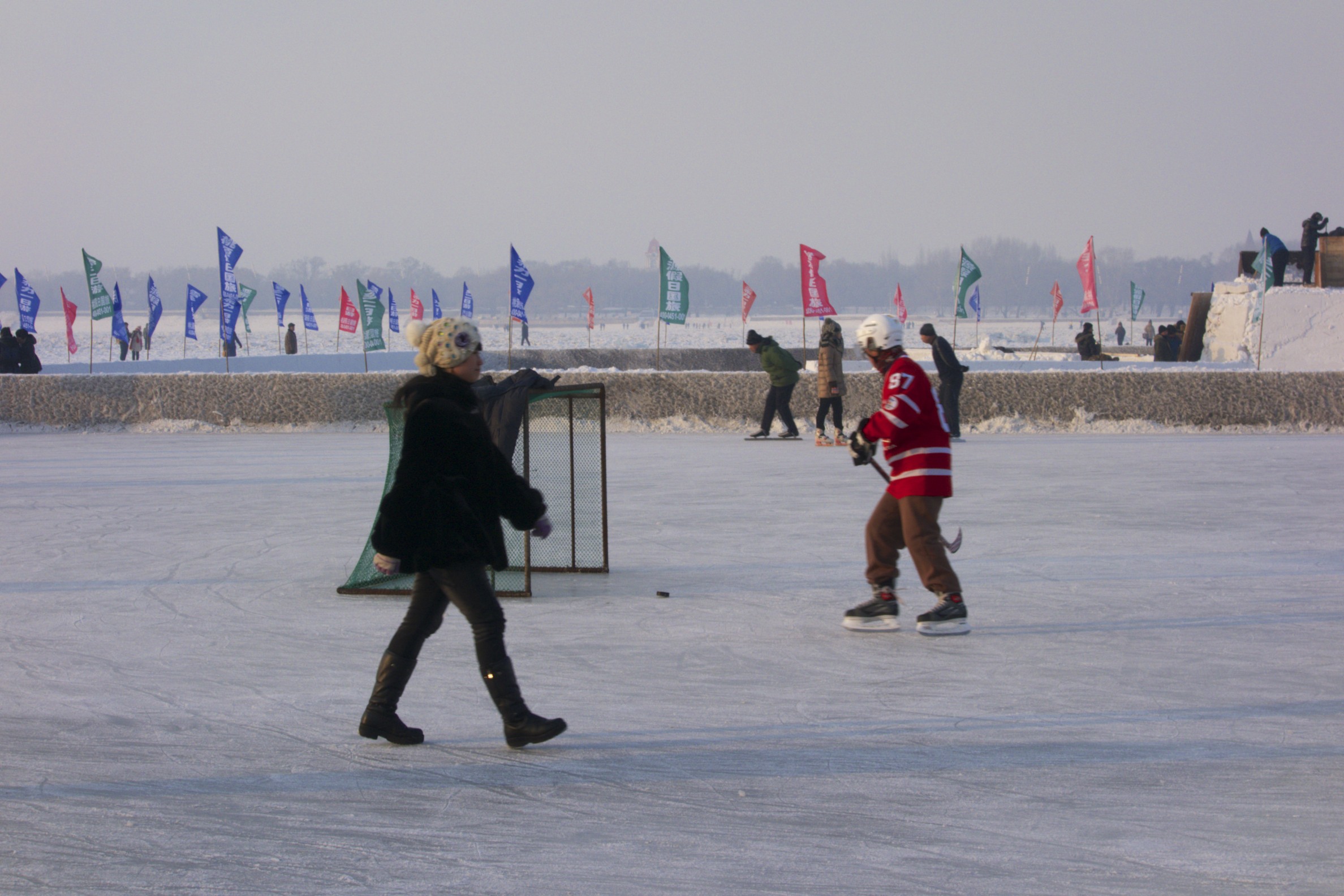
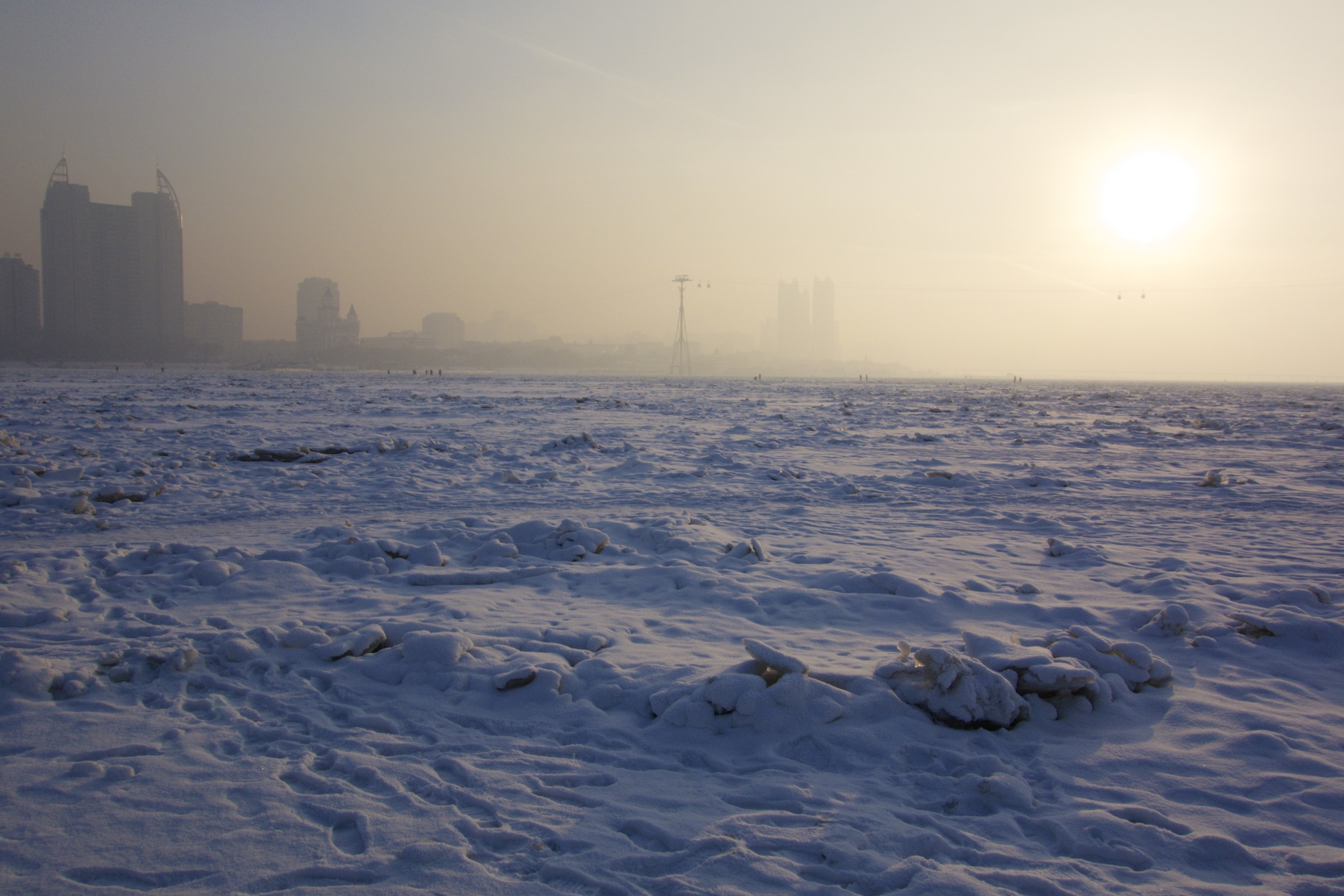
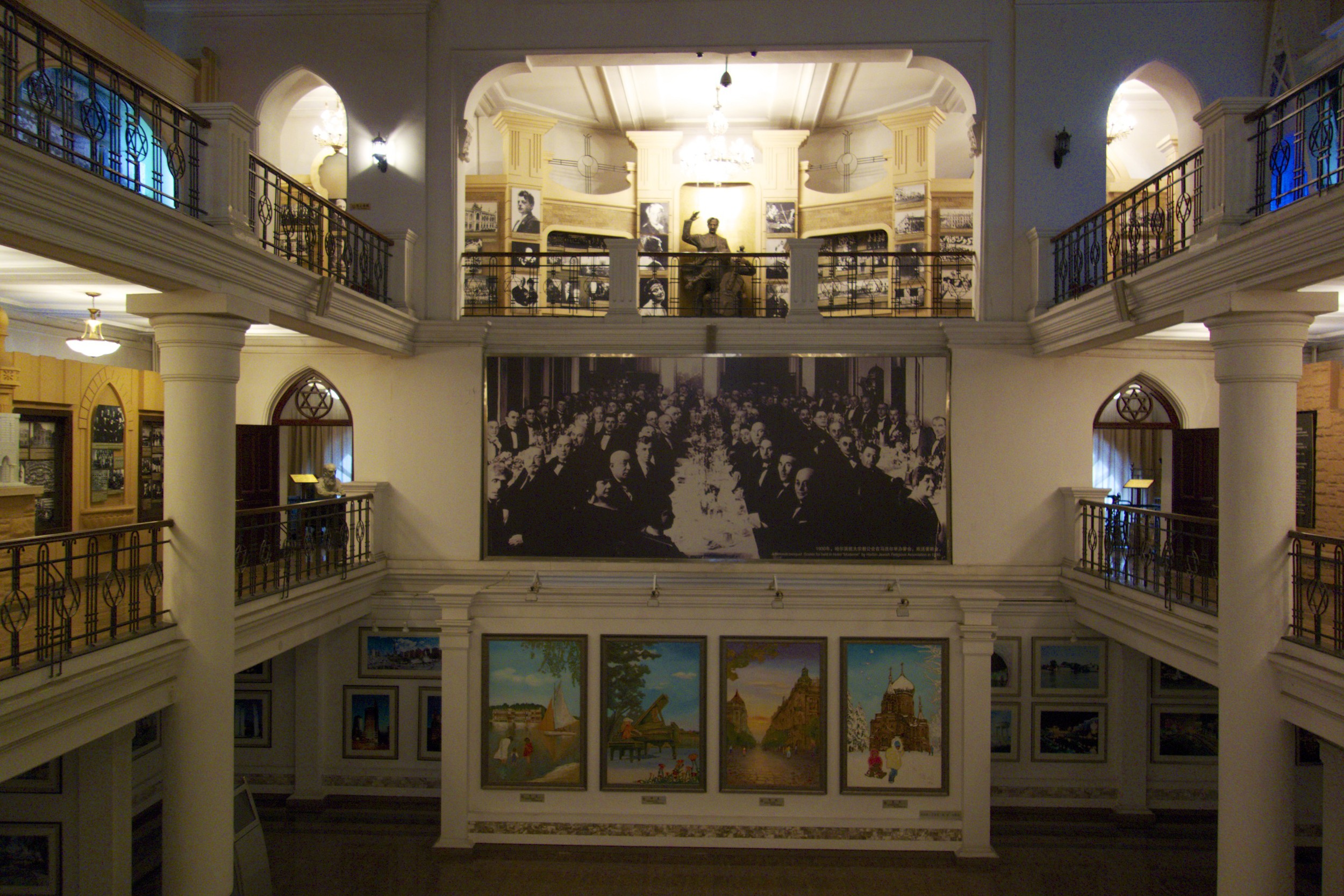
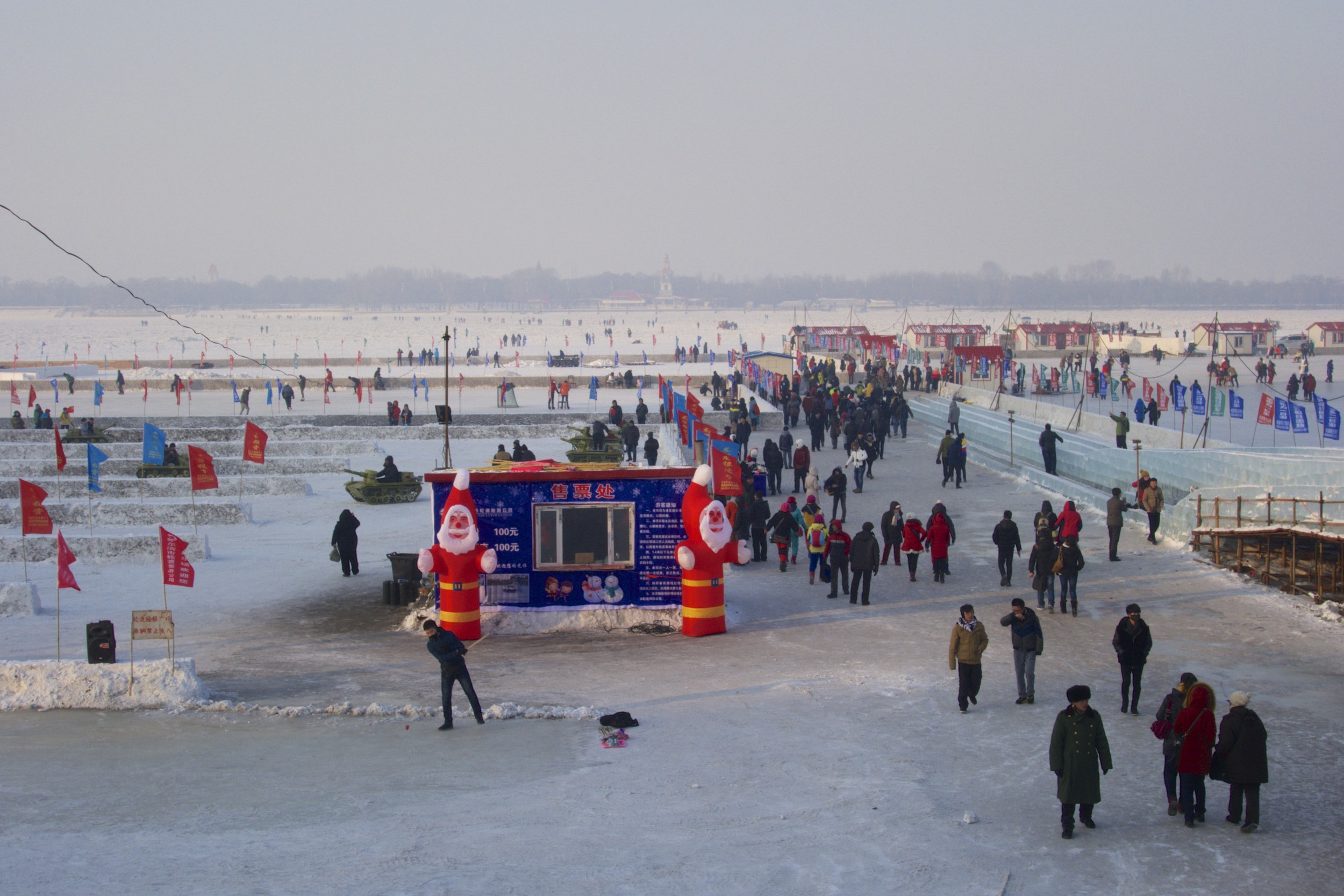
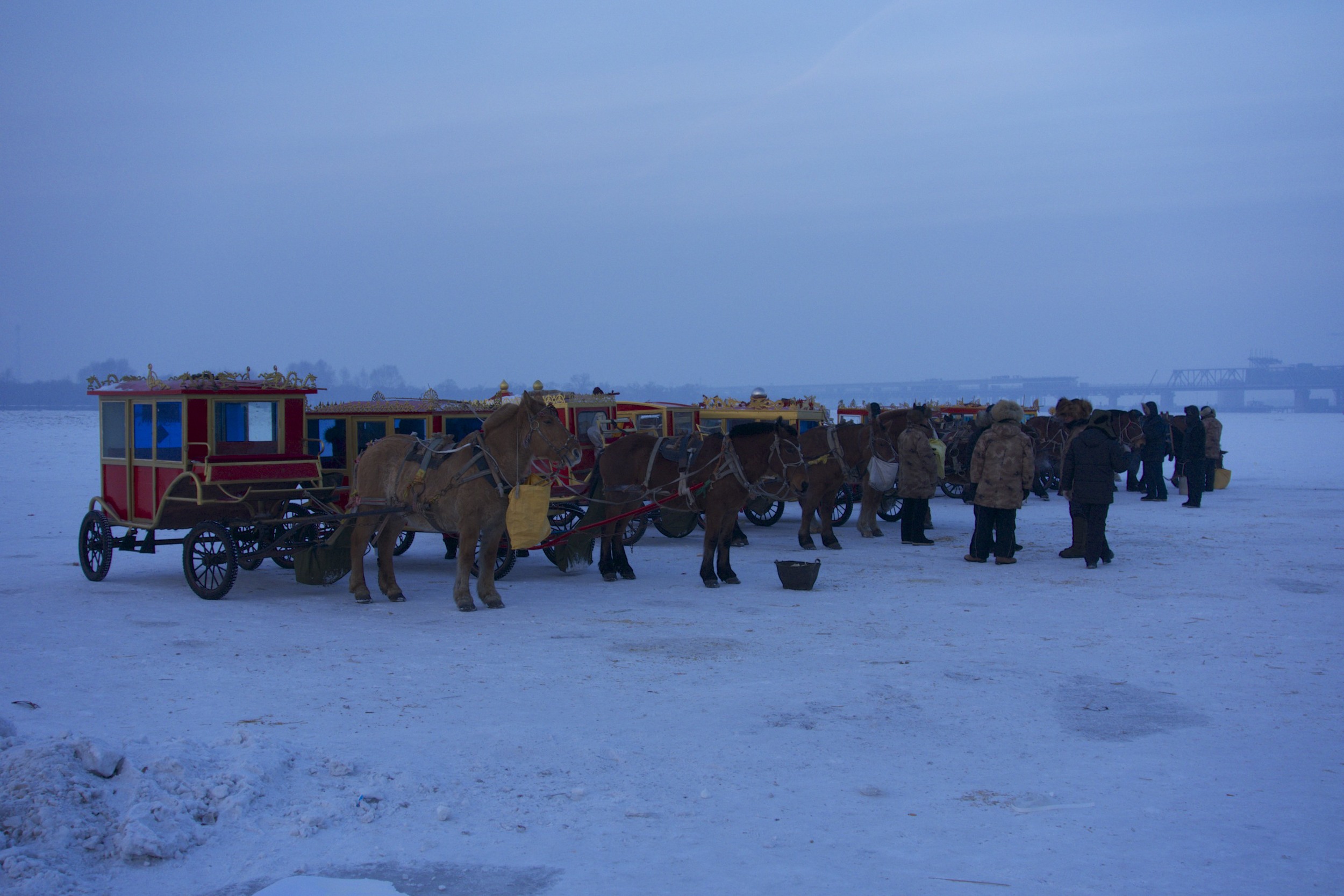
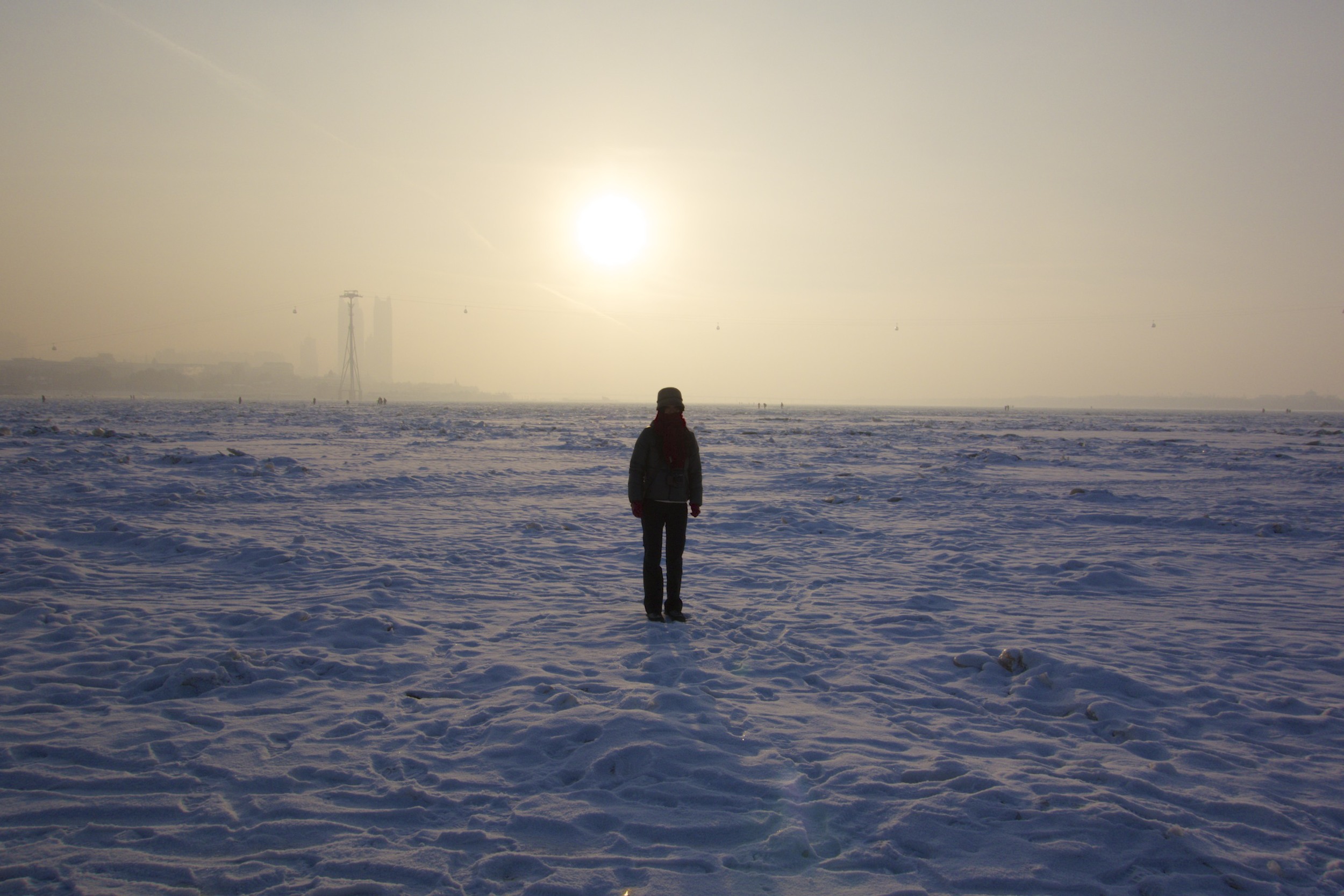
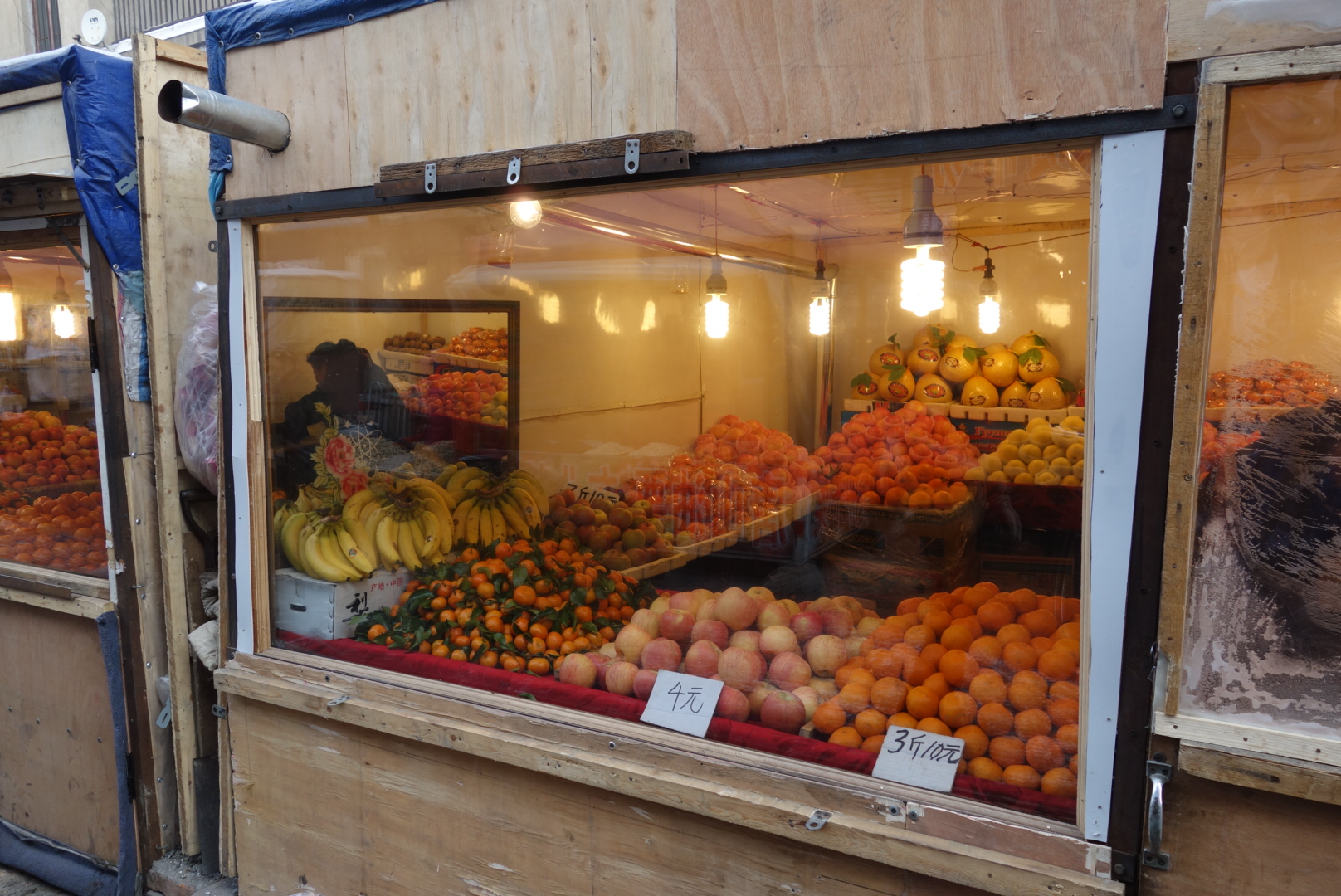
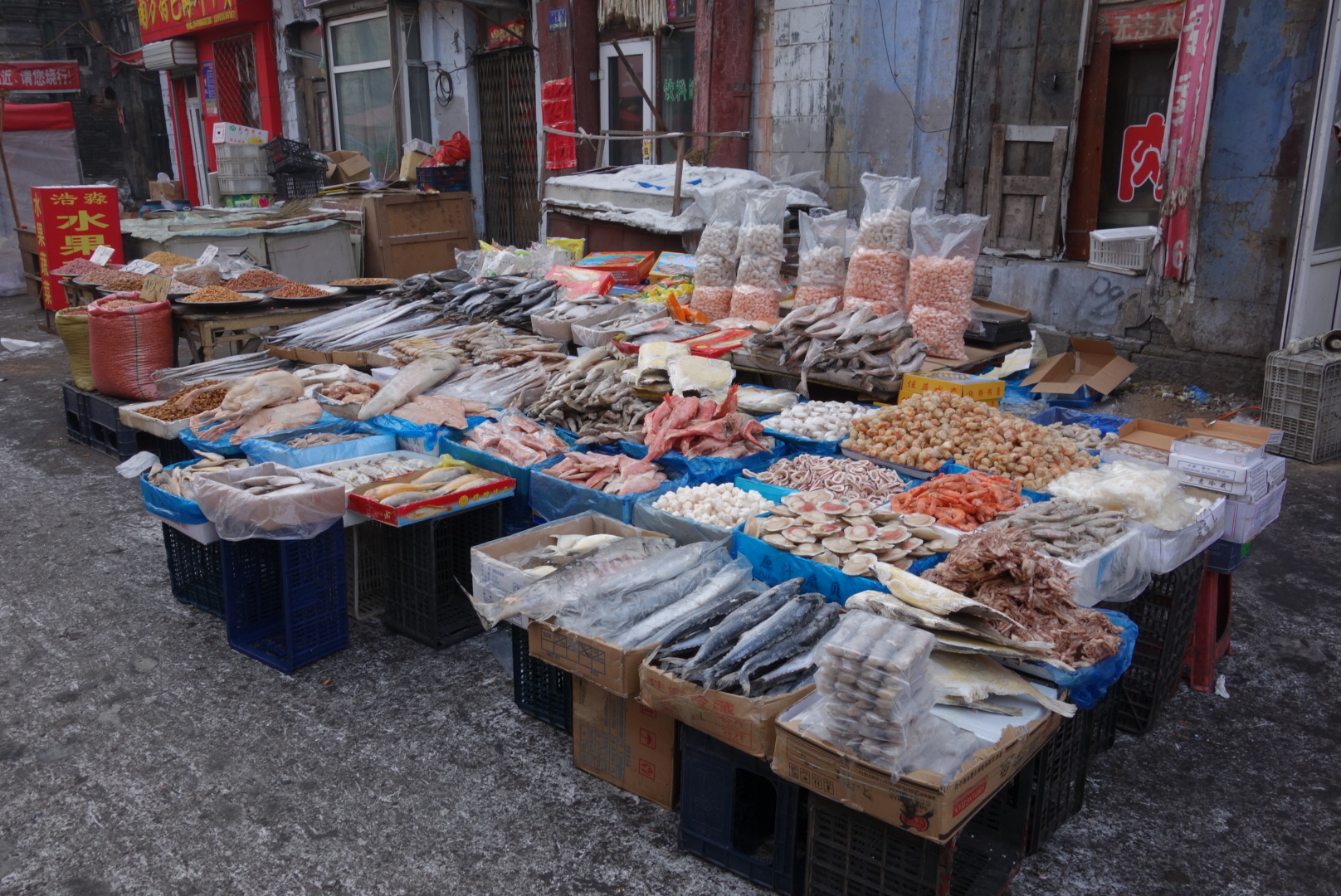


Ice carries
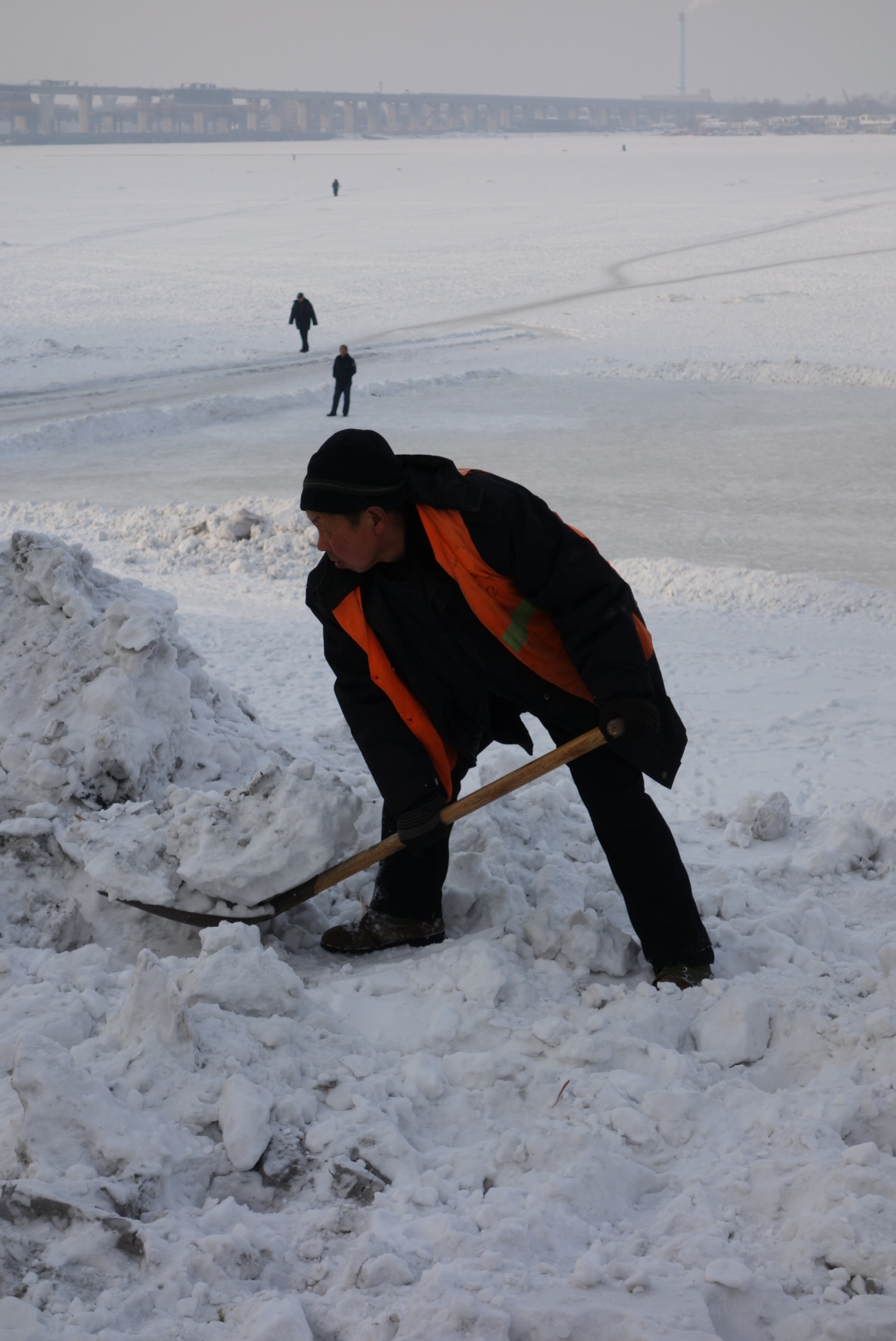
Today, I walked along the Beijing Canals to the office again, since I just came back from a trip to Wolfsburg and Dresden. Compared with December 9th, when I saw them last, the ice now carries. Like last year, people started clearing it for using ice skates. I walked on it the first time this winter. Soon then I can also commute by skates again. But now is Christmas time first and no thought of any office work.

A man with a broom taking a rest from clearing the ice for skaters.
Forest views
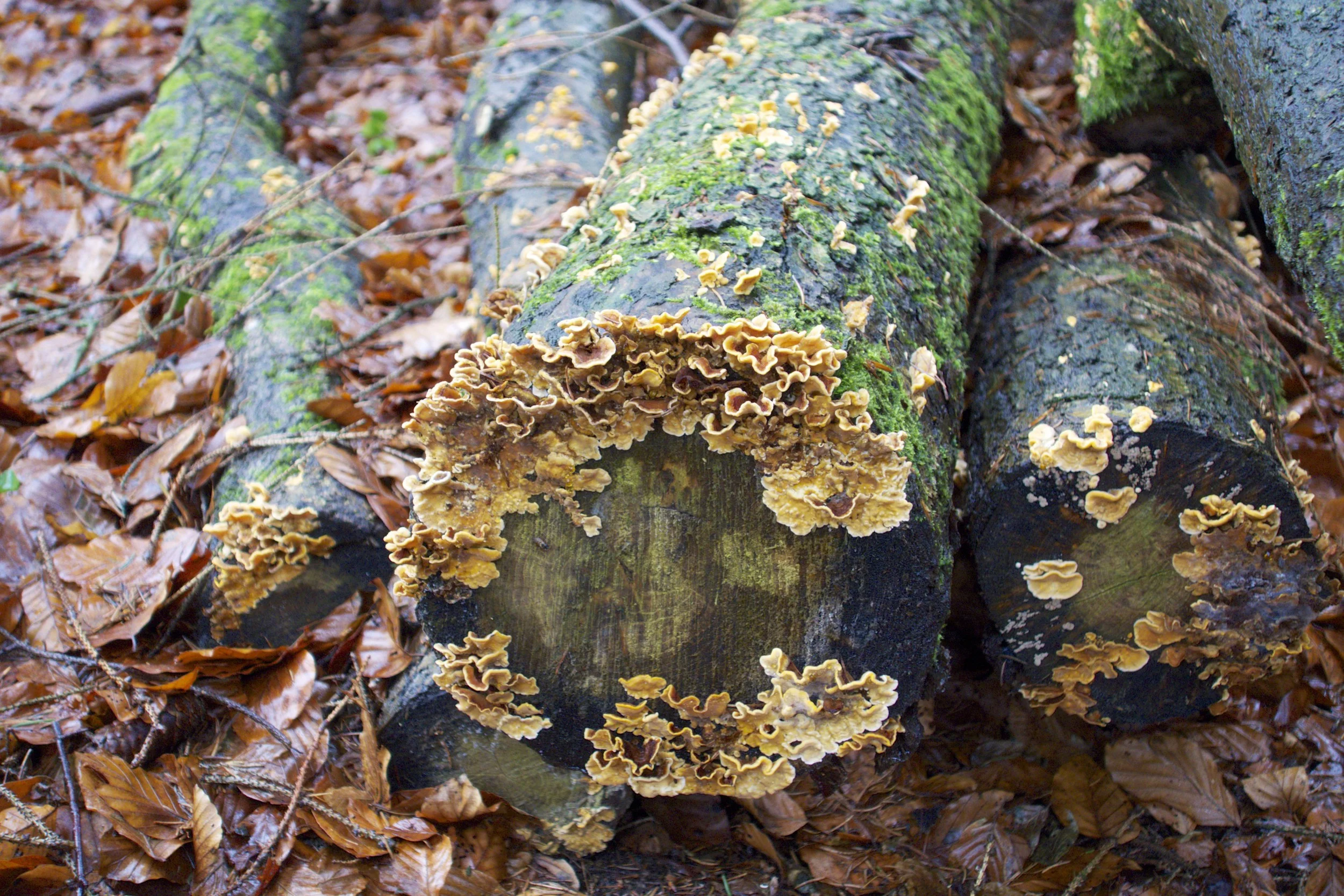
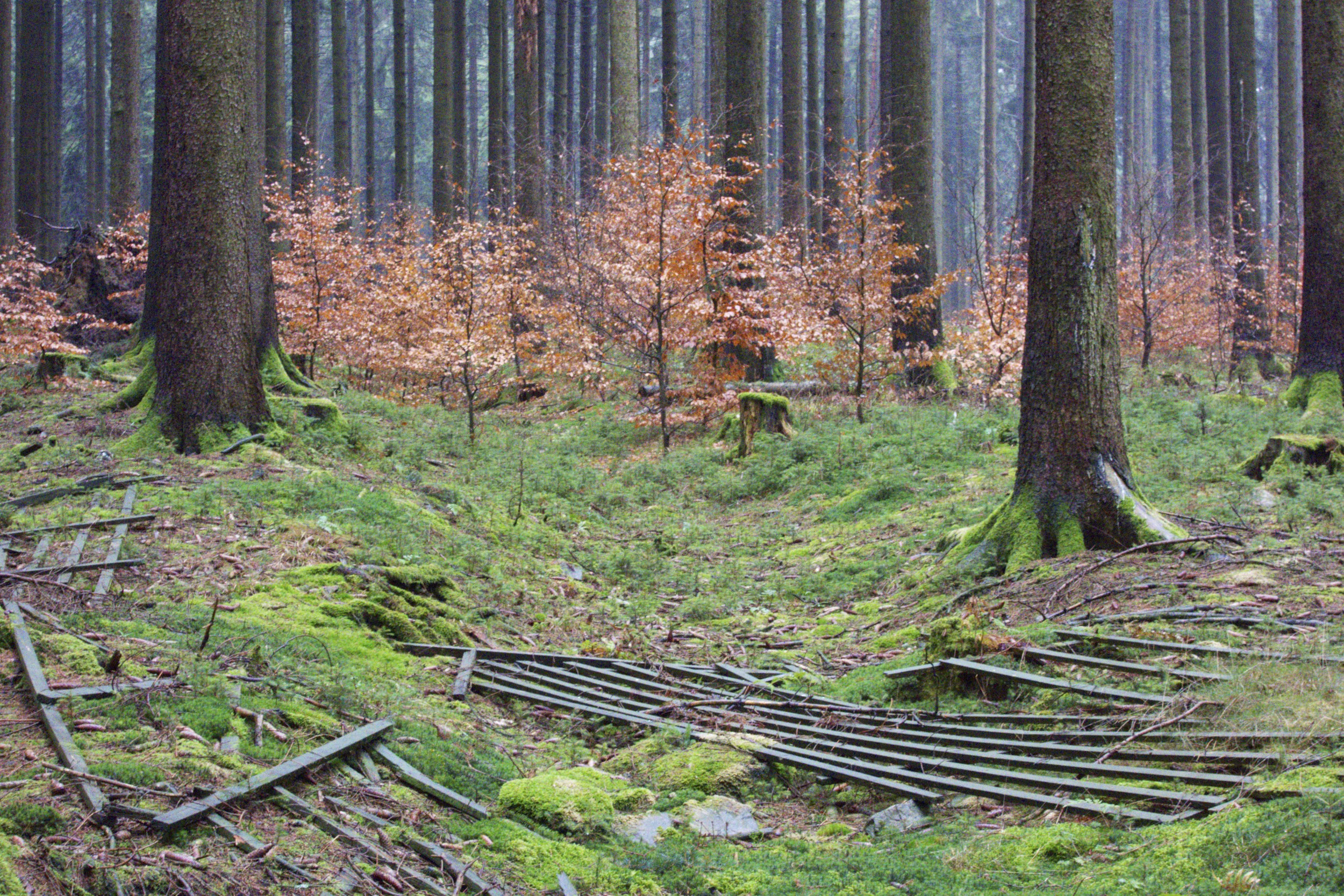
I spent about two weeks in Germany and enjoyed the forest walks back in the Westerwald. Now in China for Christmas and New Year.
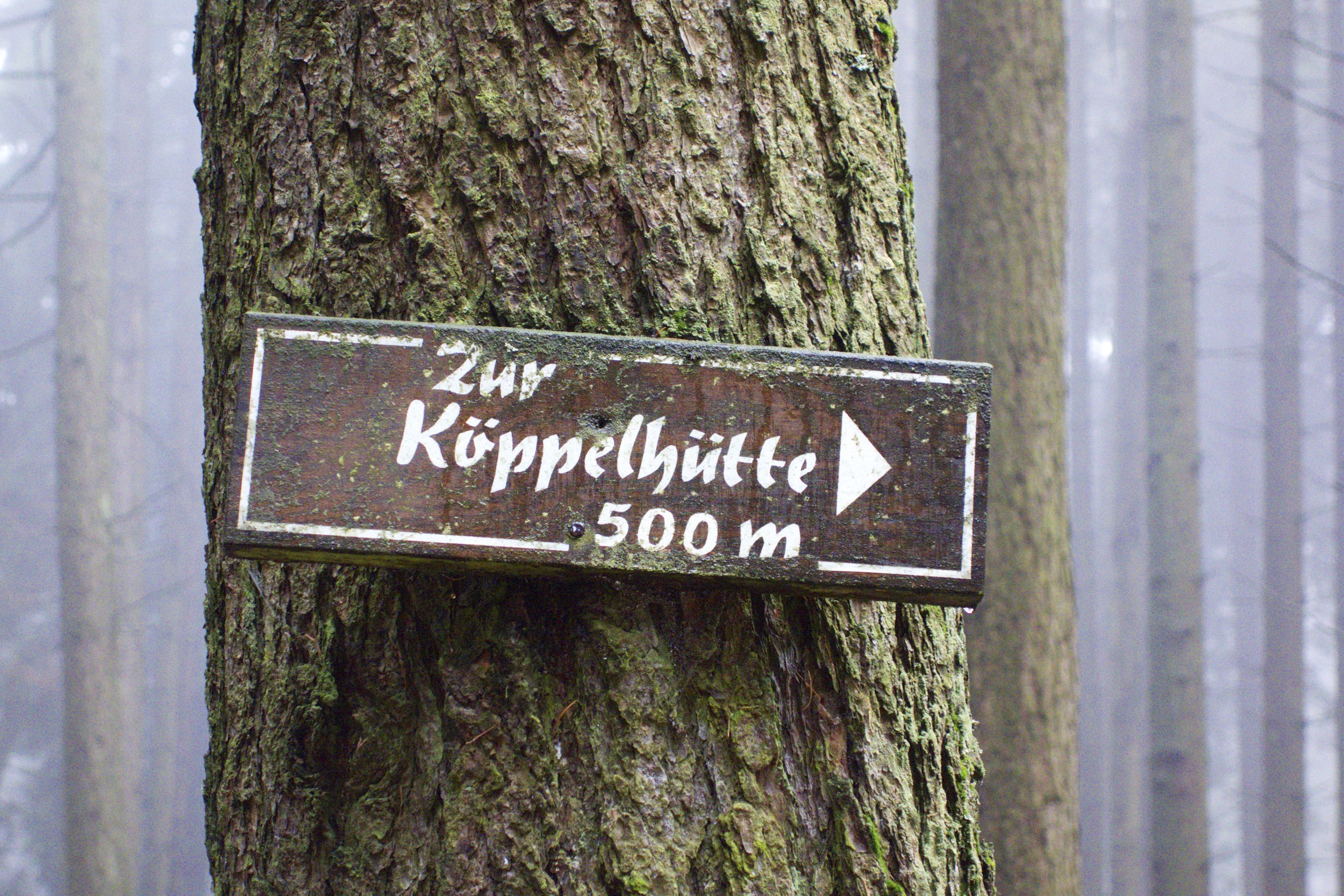
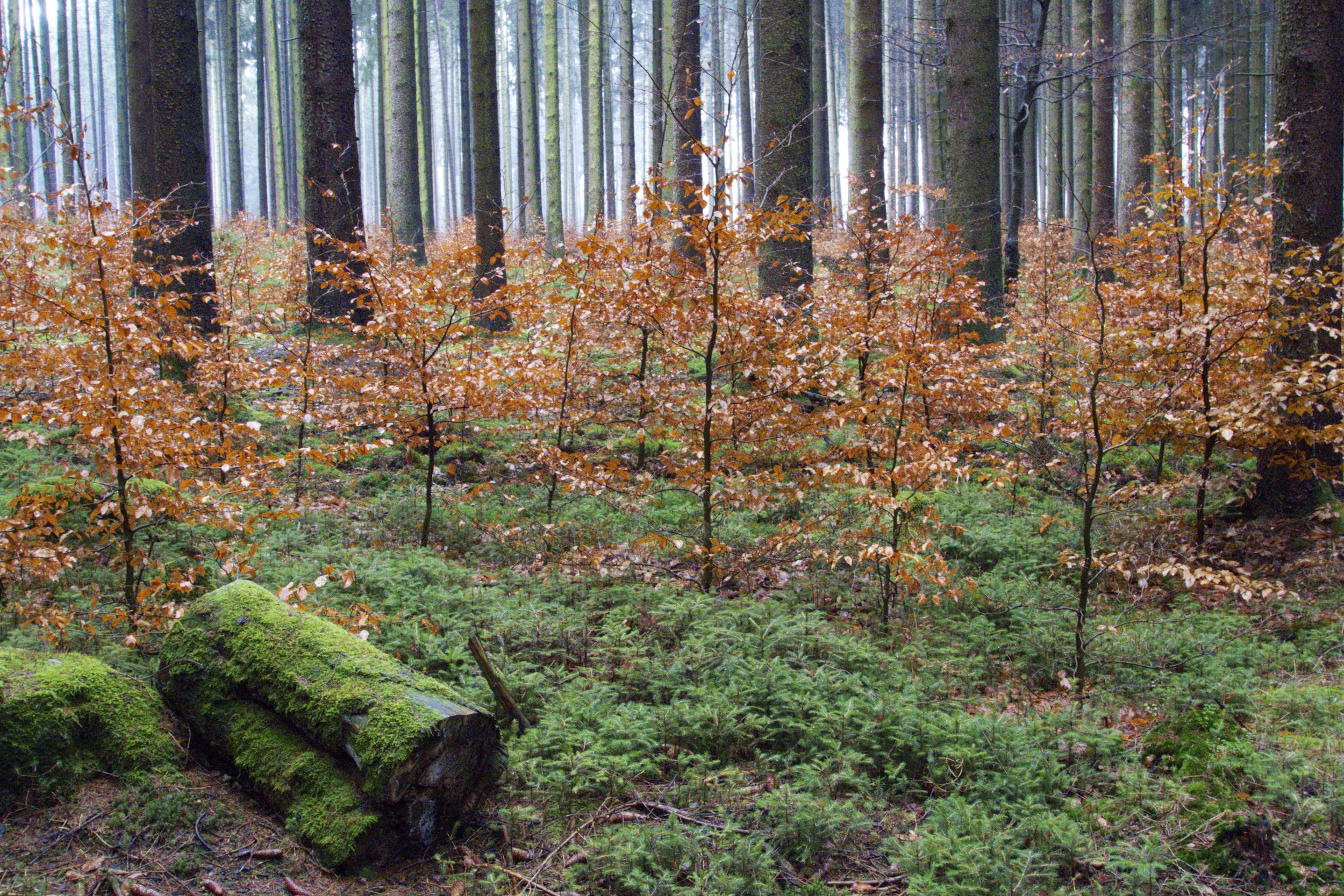
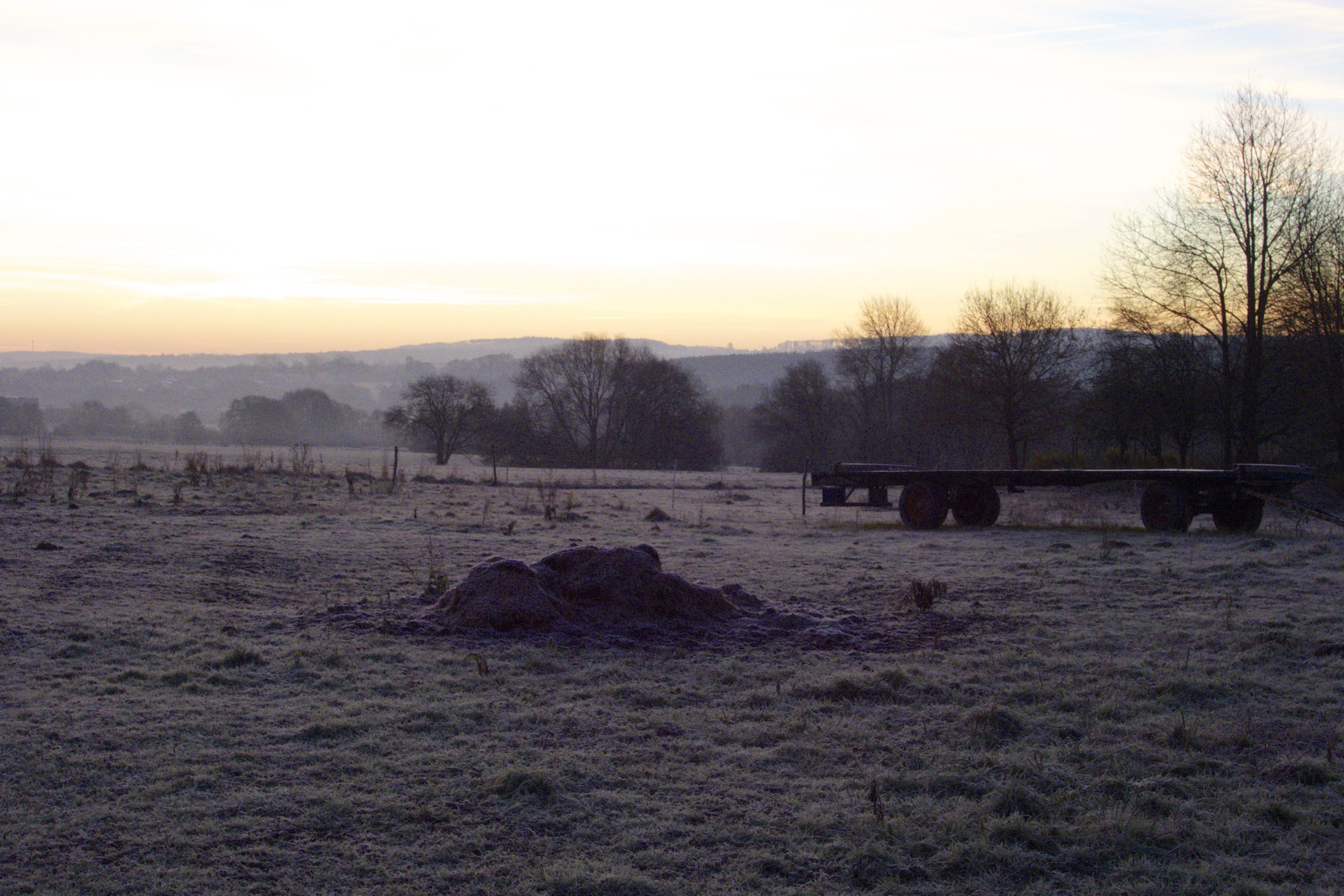
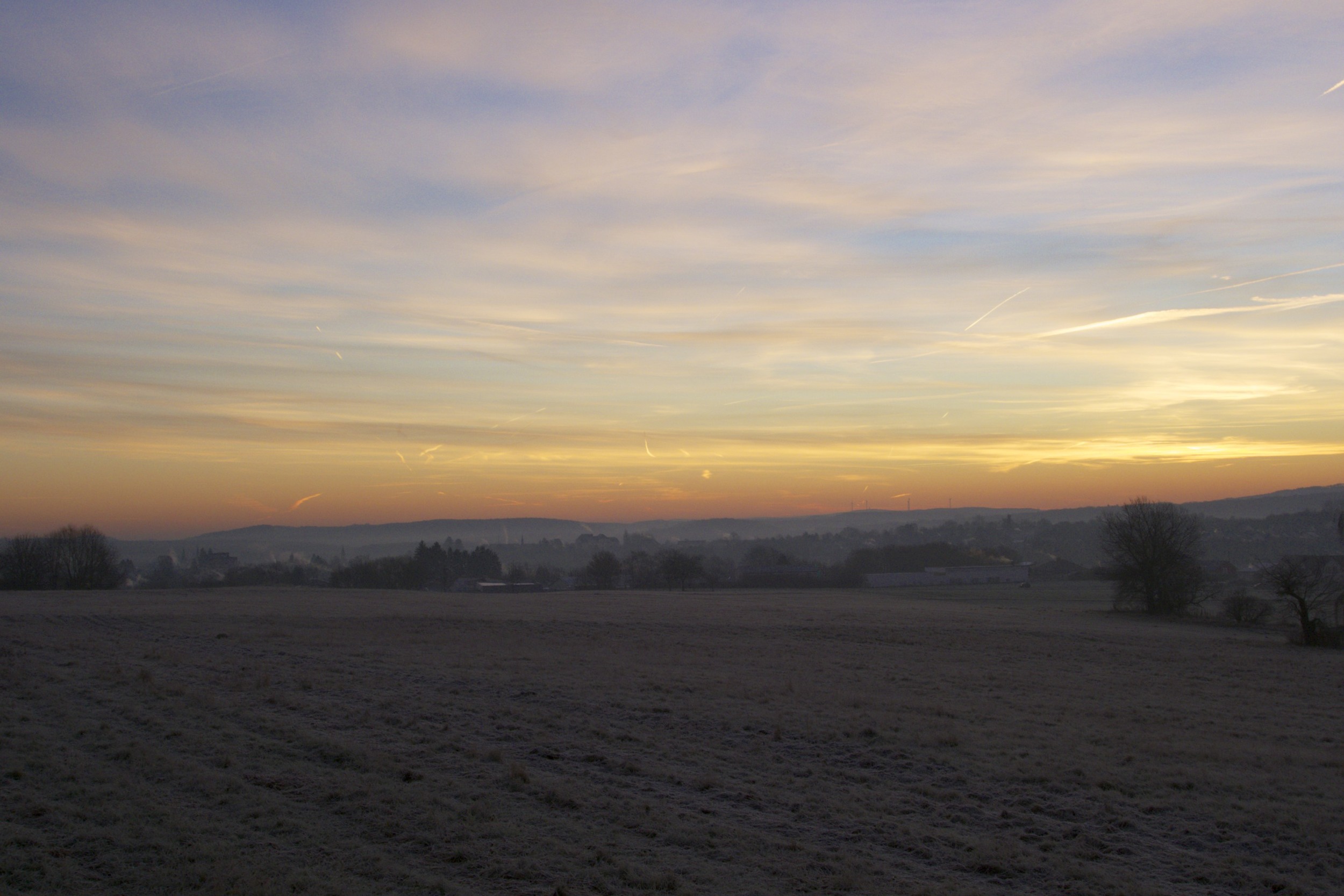
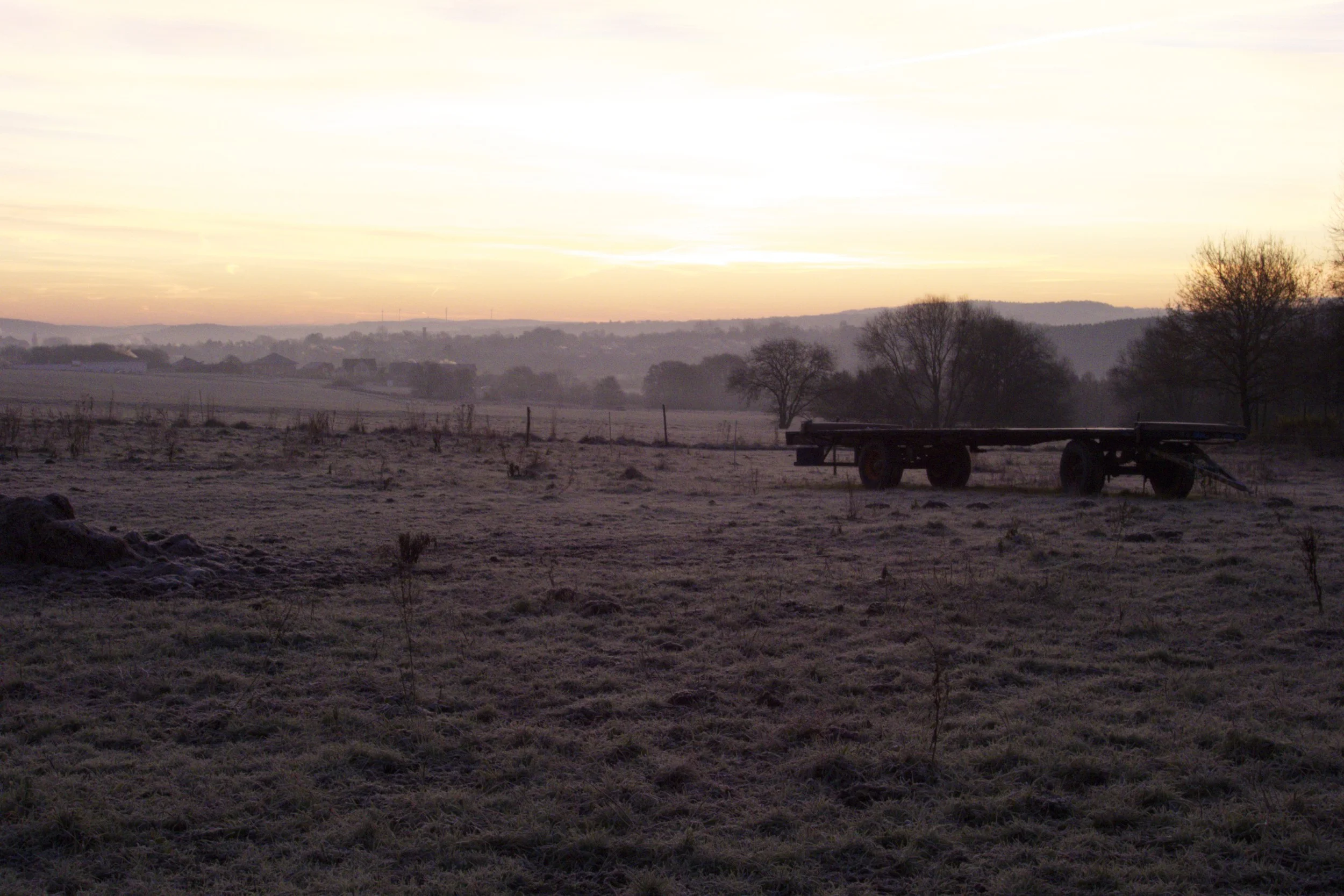
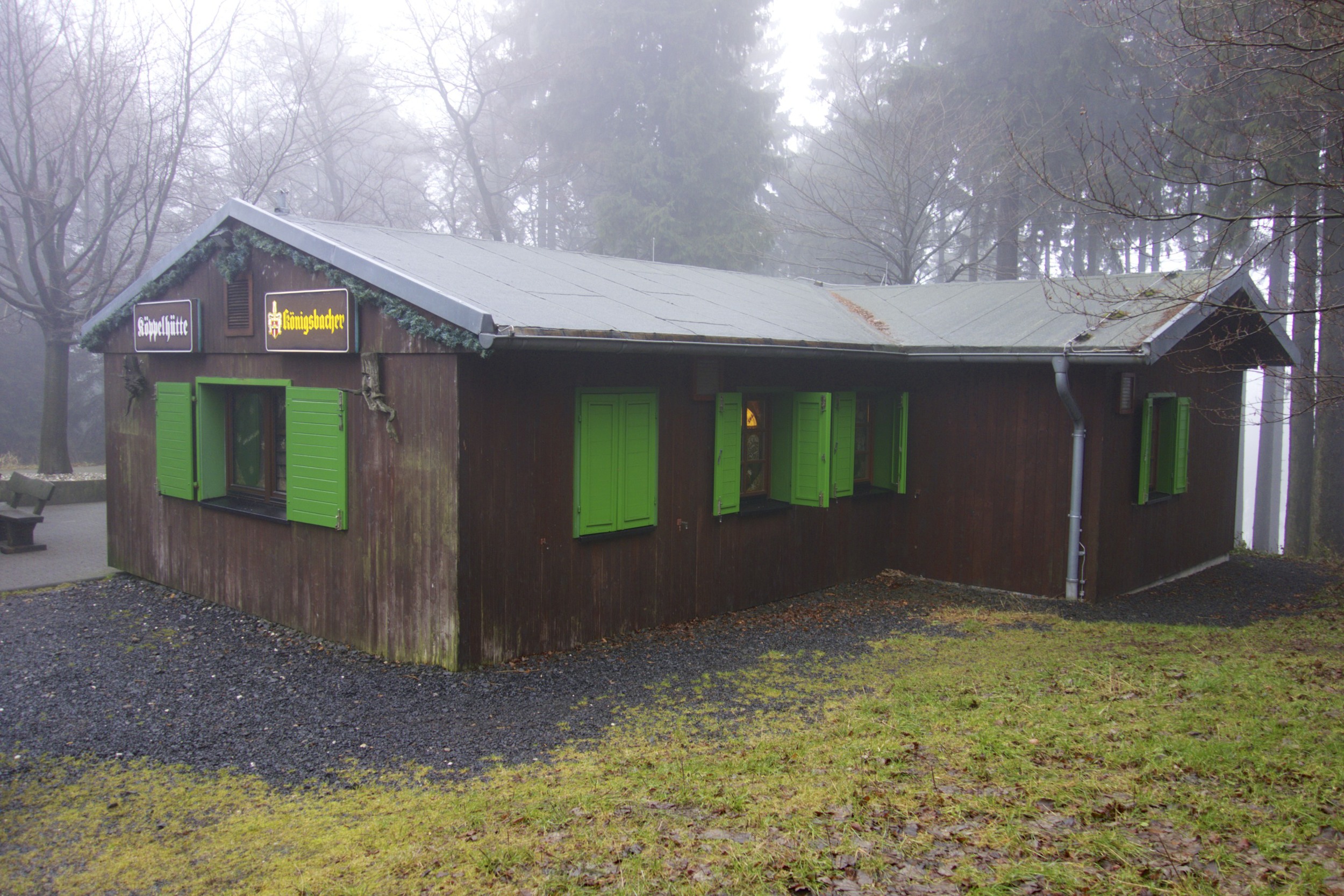
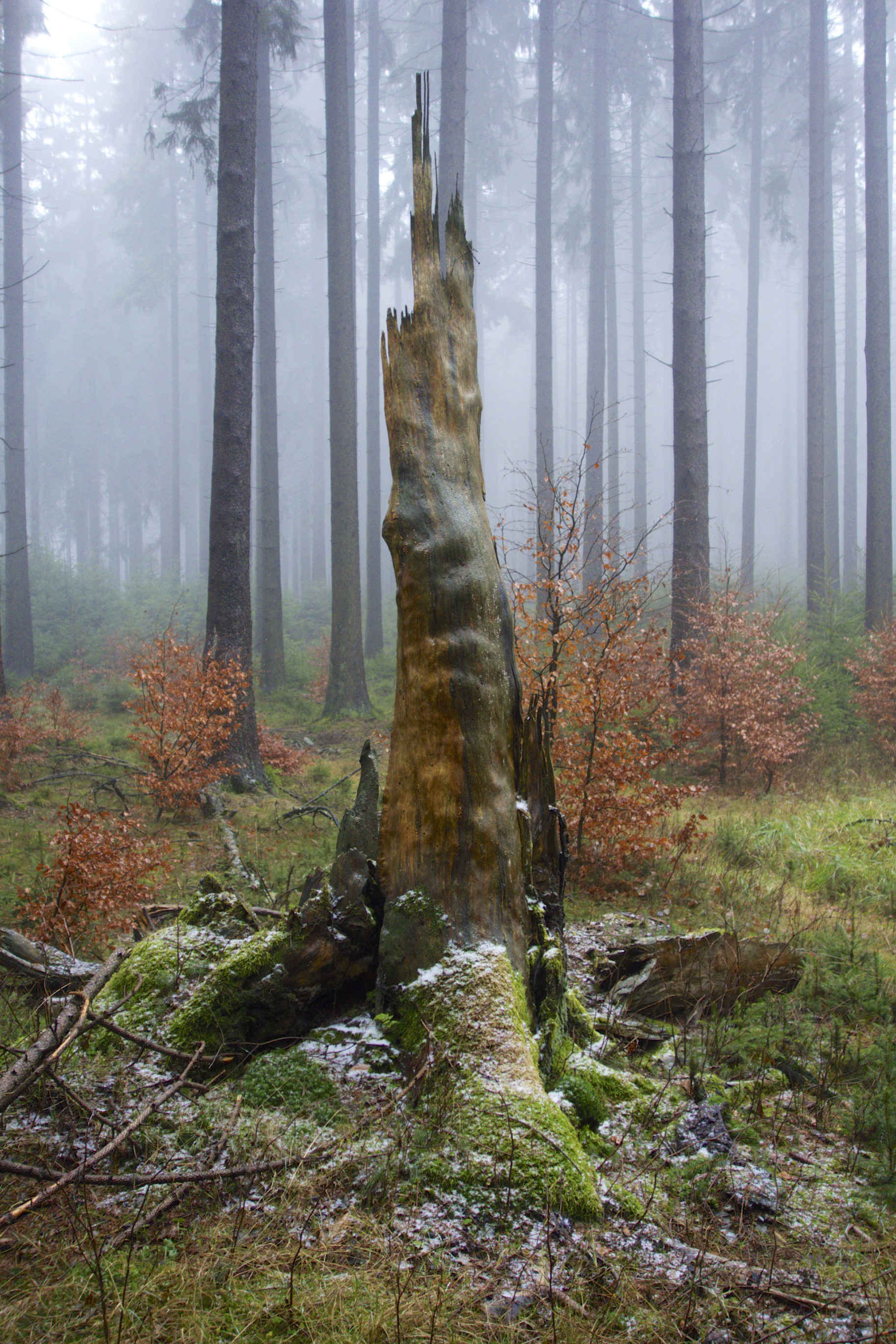

The canals of Beijing
It is still a few weeks from now and I can go to the office again on ice skates. This will be a nice commute. There is already a thin crust and expect this to become solid soon. The environmental situation of these canals has been much better this year, than before. Formerly, there was color and chemicals dumped in, to make the it not flip over into a stinking mud. This year solar powered ventilators have been applied, besides a lot of measures cutting out the access wheat. This looks like quite a successful method to keep the oxygen level in the water up.

Thin ice on the Sanlitun canals.

Solar powered ventilation of standing waters.
Master's defense
I spent the beginning of the week at Tongji University in Shanghai to participate the defense of the Master Theses of the Mannheim University EMBA. This is for the candidates the culminating point of an intensive piece of work. I enjoyed the discussions a lot and congratulate everybody to their success. Of course I am thrilled that the students I supervised did very well, even two of them "excellent", which is a very outstanding result in our very rigorous evaluation system. You convinced a very tough evaluation committee of two Universities of the quality of your work. Well done. Now I am on the last Airport Express train back on the way to Beijing city. The air is filthy, and the sulfur bites the nose. Always when I arrive in Beijing Airport and the hall looks like somebody burned a fire in there, I just want to turn around and get on the next flight to hop over to Japan. But okay, the week will be a short one. And perhaps we get a bit of wind from the North.

Chairman Mao hailing on campus. He is not really known as somebody who cherished academic work, sharing of knowledge and a fair debate. So a University campus would be the last place you might expect his statue. But he is still around. I guess moving these monuments needs more than just a bulldozer.
Camera Obscura
Recently I went into a Leica store in Beijing. Sure, the brand has revived. But it looks like it is more about special editions than about special cameras. I am waiting for the Hello Kitty Leica. Please don't ask for it! They will make one! Don't get me wrong: the M9 is a wonderful camera. So are others. But first of all, I don't think many professional photographers can afford them. And secondly there are quite a few compacts in the range which are surprisingly close to some Panasonic models. The staff in the shop was by the way incompetent and unfriendly. But this might not be Leica. It's China.
Now I just discovered that Hasselblad seems under the same urge of entering the "mass market" of the new rich. The Hasselblad Stellar is nothing but an overpriced Sony RX 100 , both with the same Zeiss lens. No difference except three times the price and a bit of design makeover. The Hasselblad Lunar is the excellent Sony NEX-7 (have one) with a nicer design and a leather case making it five times the price. If I would be a Private Equity company, I would probably do the same thing. As a professional manager also. Shareholder value, I know. But as I always looked up to the great cameras of Leica and Hasselblad for their technical abilities, I feel I will rather stay with my Fuji X-100 and Sony NEX-7 and read the specs more carefully before being impressed by legends.
Die Bremer Stadtmusikanten
In the last few days I was more on the phone than on the computer. There was a bit of administration "with Chinese characteristics" which drove me nuts. But who cares in the end? A dear old fellow and colleague passed away, after suffering for more than two years. Three days before his death he had a five hour conference call with his team. His mission was to give us the right cars at the right time. He did. For now and for the years to come. I admired Reinhard Fischer for his good humor, for his determination, and for never complaining. Facing death for years, he still put his mission first. That's all I knew of him. Of course I was wondering whether this is heroic or sad. But now is not the time to wonder. It is heroic!
Friends called from all over the globe. Mostly in their early 60s or just late 50s. We chatted and they told me how they are doing. It was often ironic. We laughed a lot. I heard a lot of anecdotes how the leaders of the past are becoming a burden of the present. And how they are told that they should step down, after they have been encouraged a lifetime to step up. The young hotshots are pushing. Have I not been myself a young hotshot recently? I am still in my 40s.
I was reminded of a tale, which every child knows in Germany: Die Bremer Stadtmusikanten (engl. The Town Musicians of Bremen). But no child understands it. It is the story of an old donkey picking up an old dog, and old cat and an old rooster. Together they go to Bremen, which was then a free "Hansestadt" (some kind of free trade zone) and become town musicians. Everything must have been possible at the Bremen of that time. They all leave a place where they are presumably a burden to the one who feeds them. And on their way they defeat a gang of robbers heroically, each with its unique skills and experience.
I have seen this story so many times in corporate life. And I have witnessed often enough how embarrassing it can be when big corporations "handle" their passing staff in the final stage.
And this is where I remember the childhood story and my favorite quote: "Join me. Something better than death we can find anywhere."
Hutong Weekend
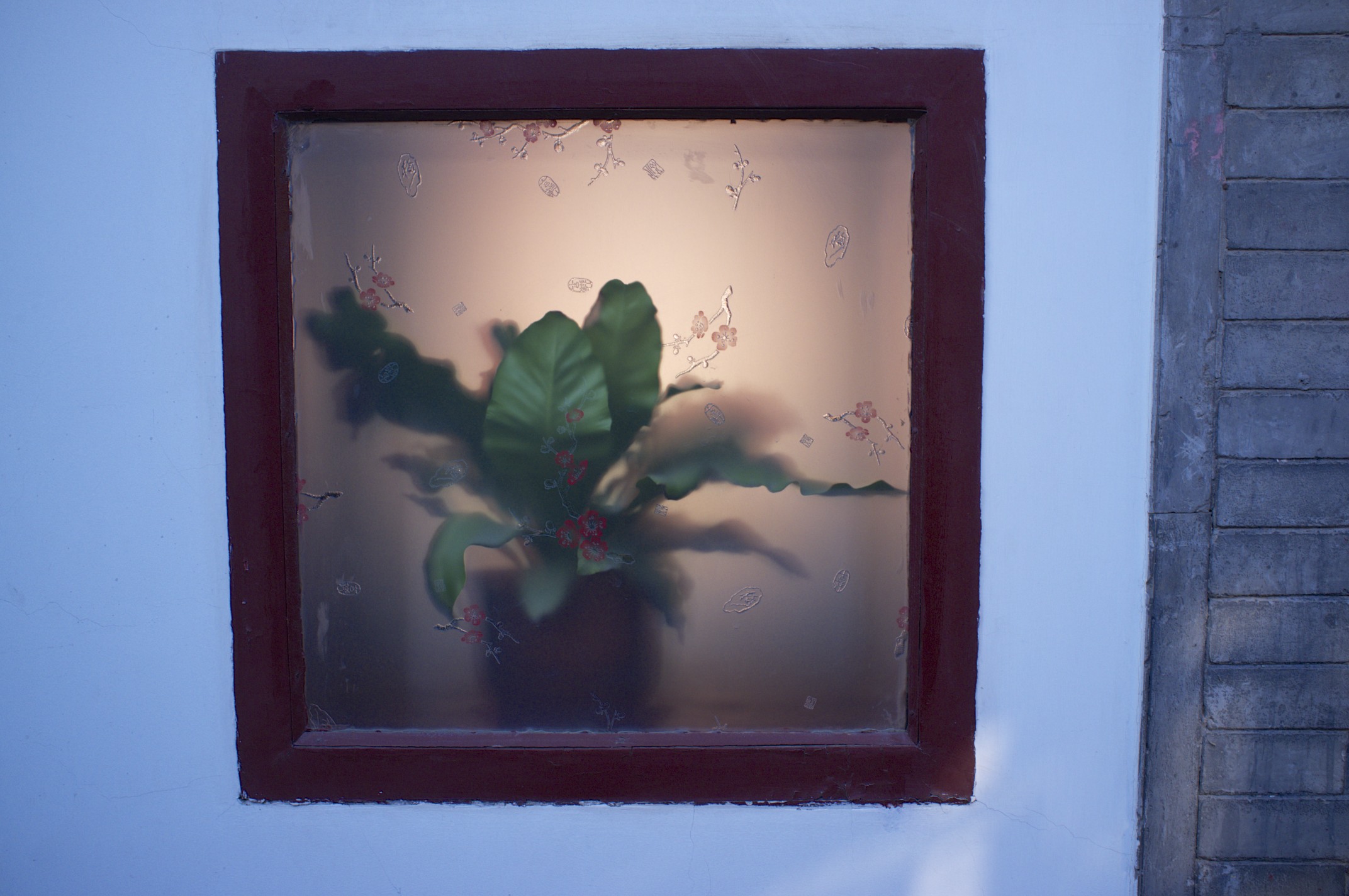
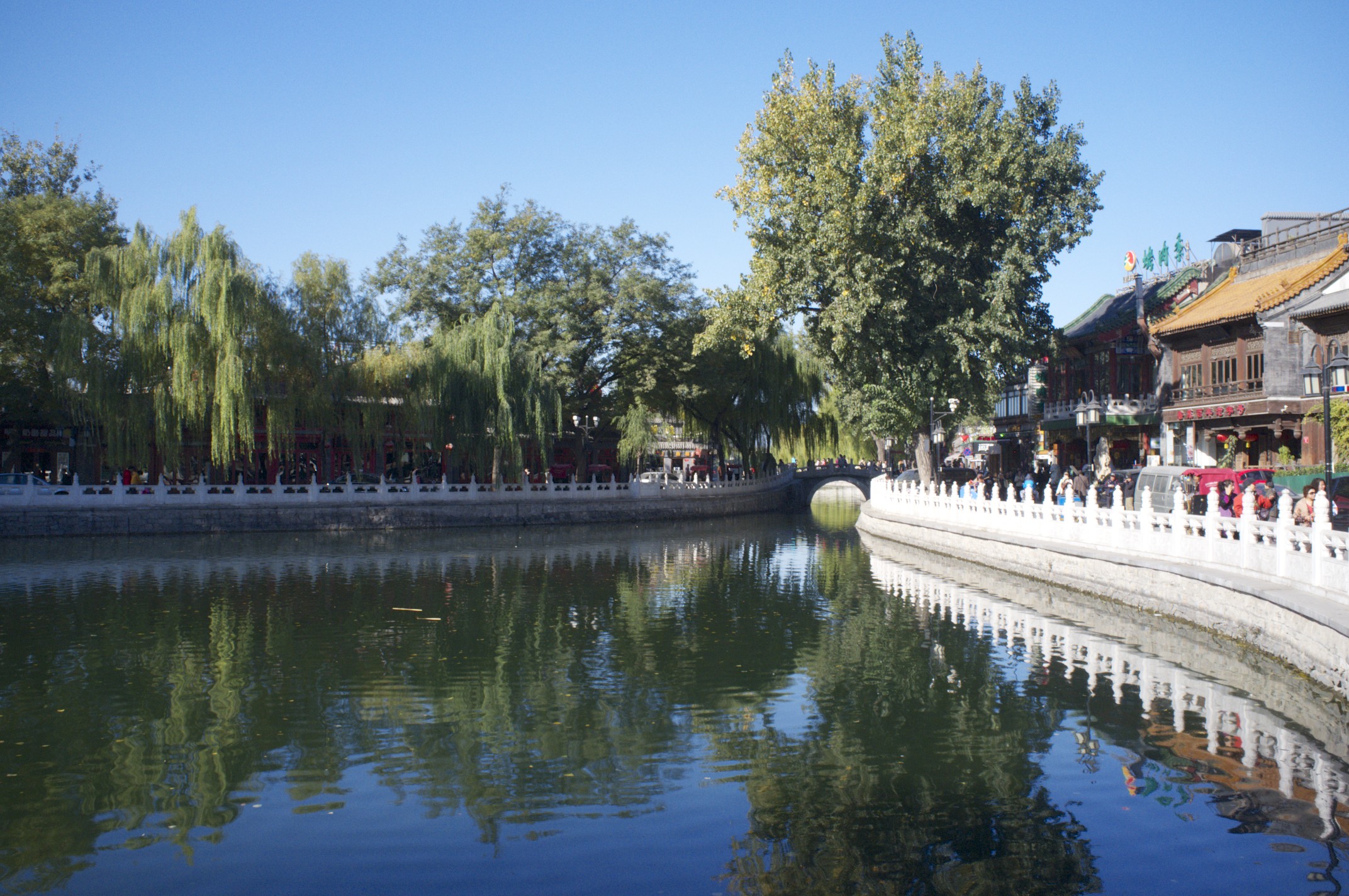
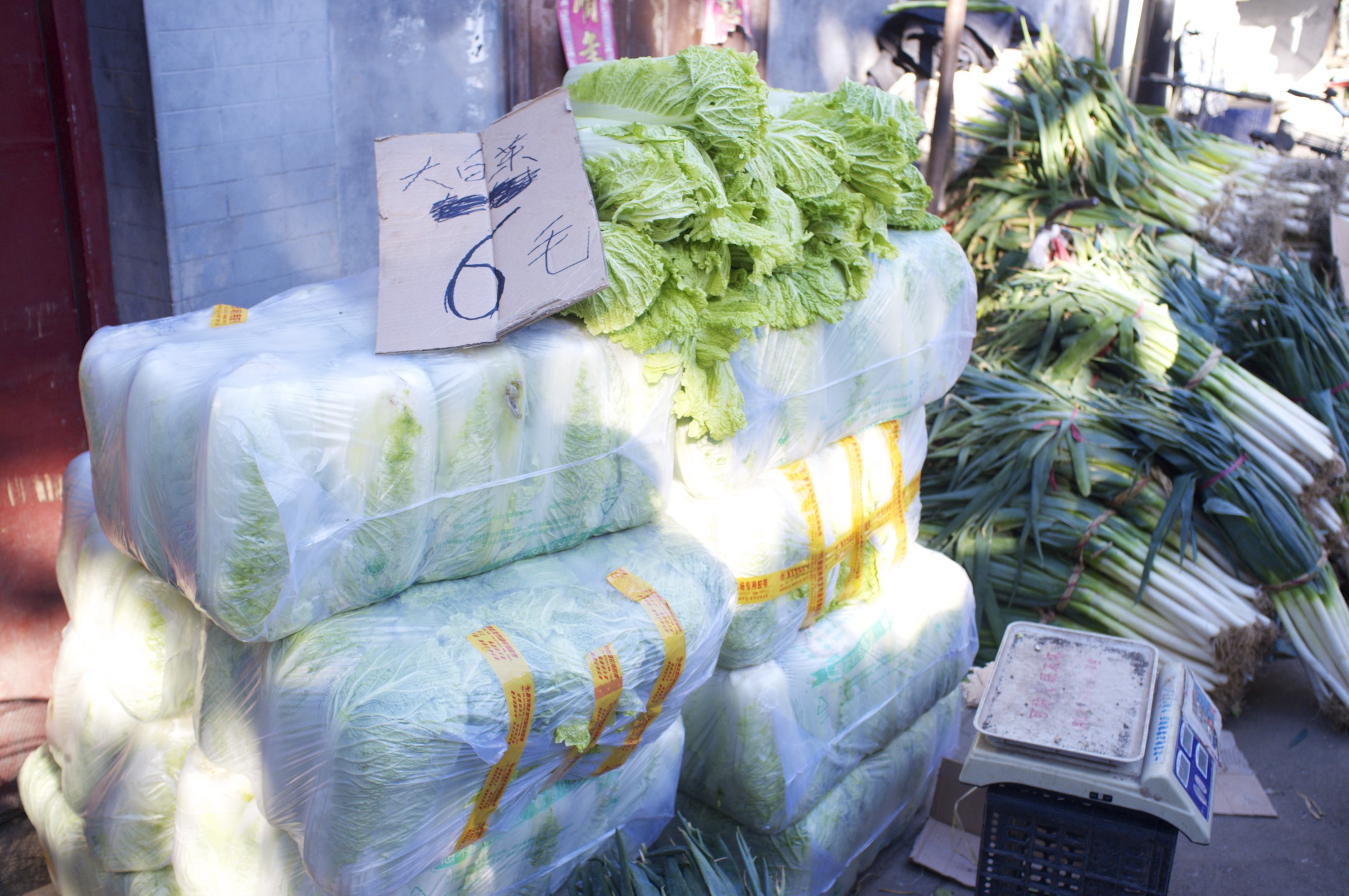
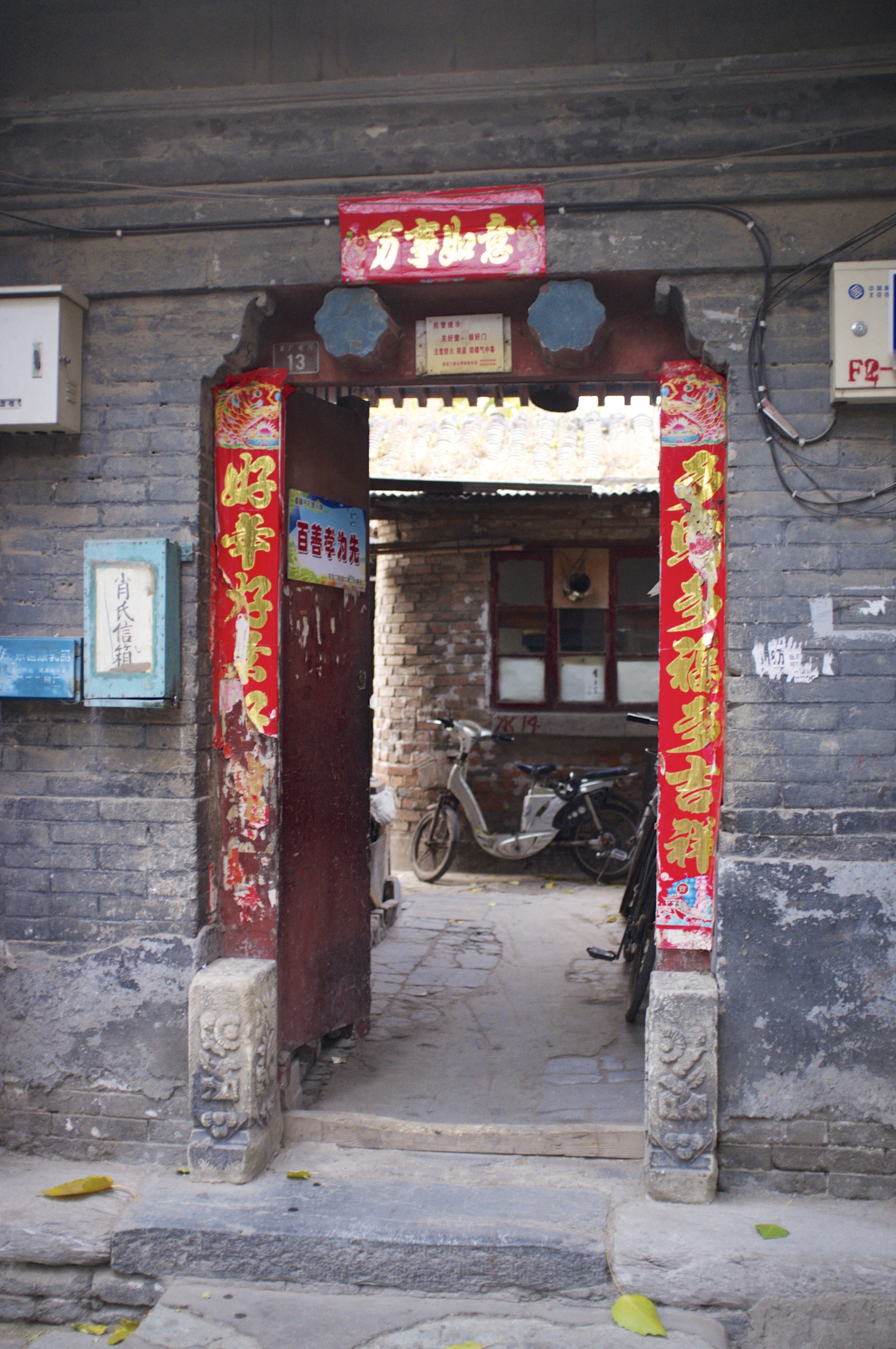
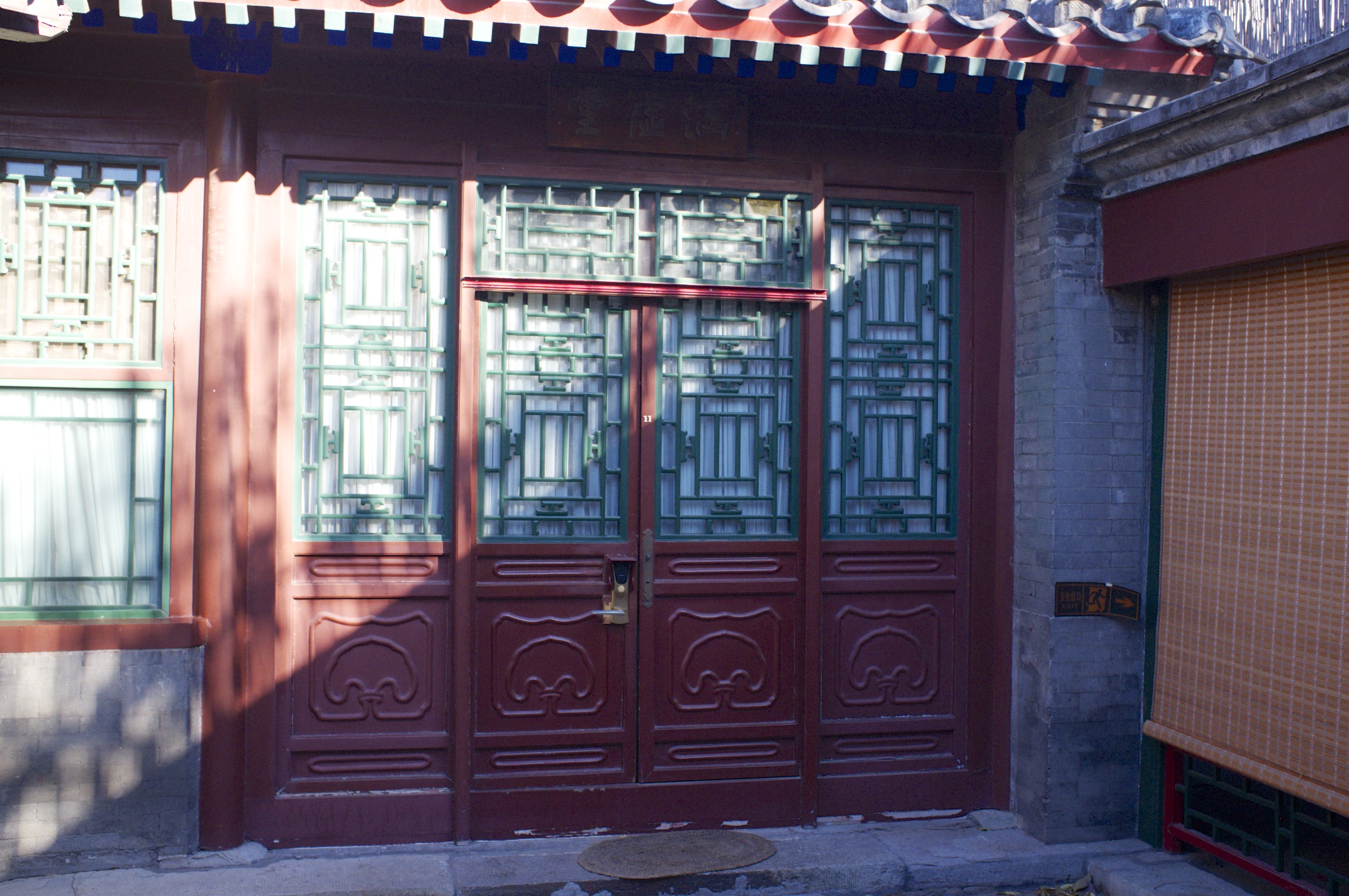
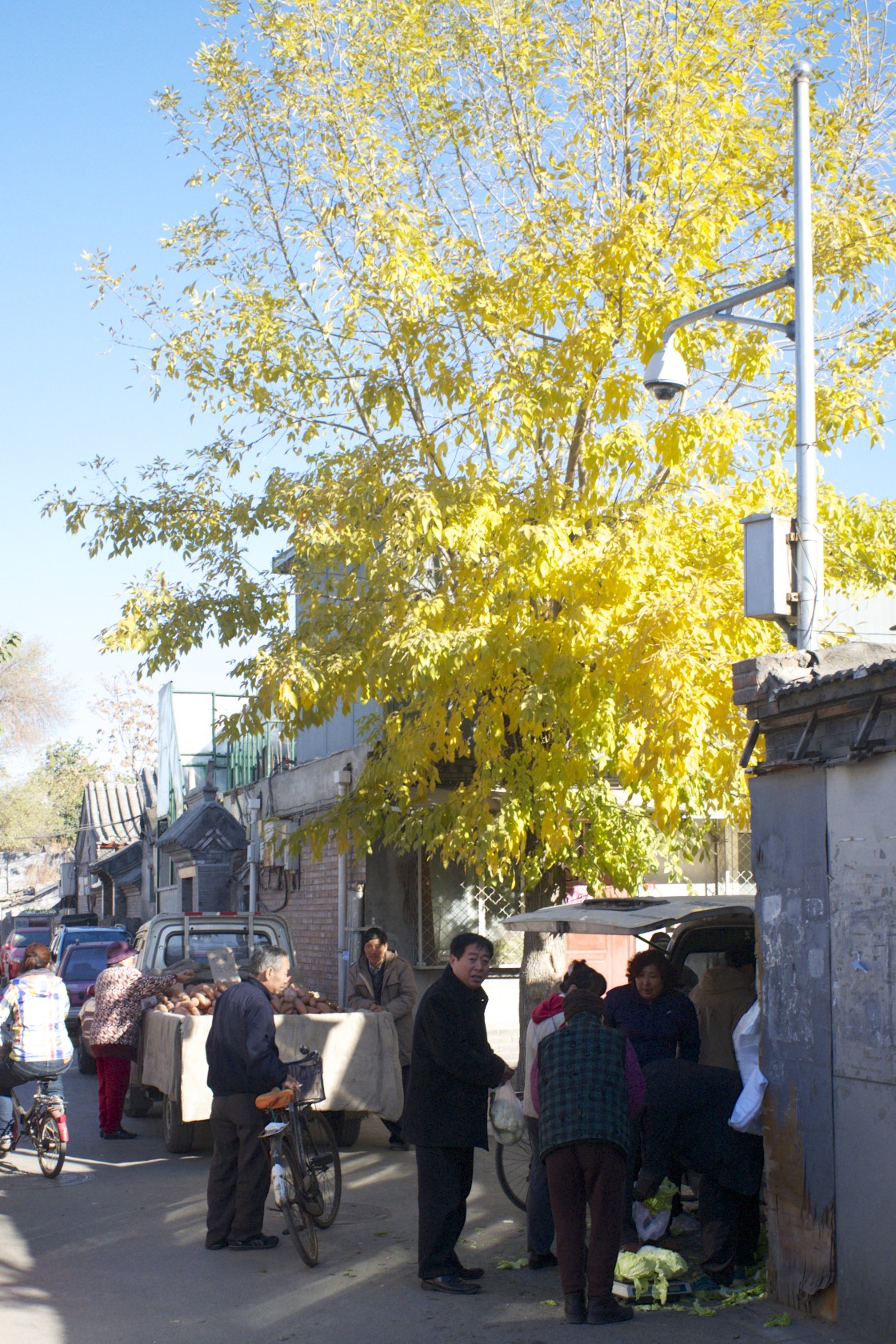
Usually at this time of the year the weather in Beijing passes through a very short autumn into winter. So it did this weekend. The best place to experience this, is in the Hutongs. We spent the time there staying in an old courtyard and woke up after a night of strong wind in piles of crackling leaves and with clean air and blue sky, exploring the narrow streets and its markets in the morning of Sunday. This is one of the most genuine parts of the city. Now winter will follow very fast. And it will be a cold one I guess. For me personally, it will be also the last one for a long time to come.


Chuandixia Village
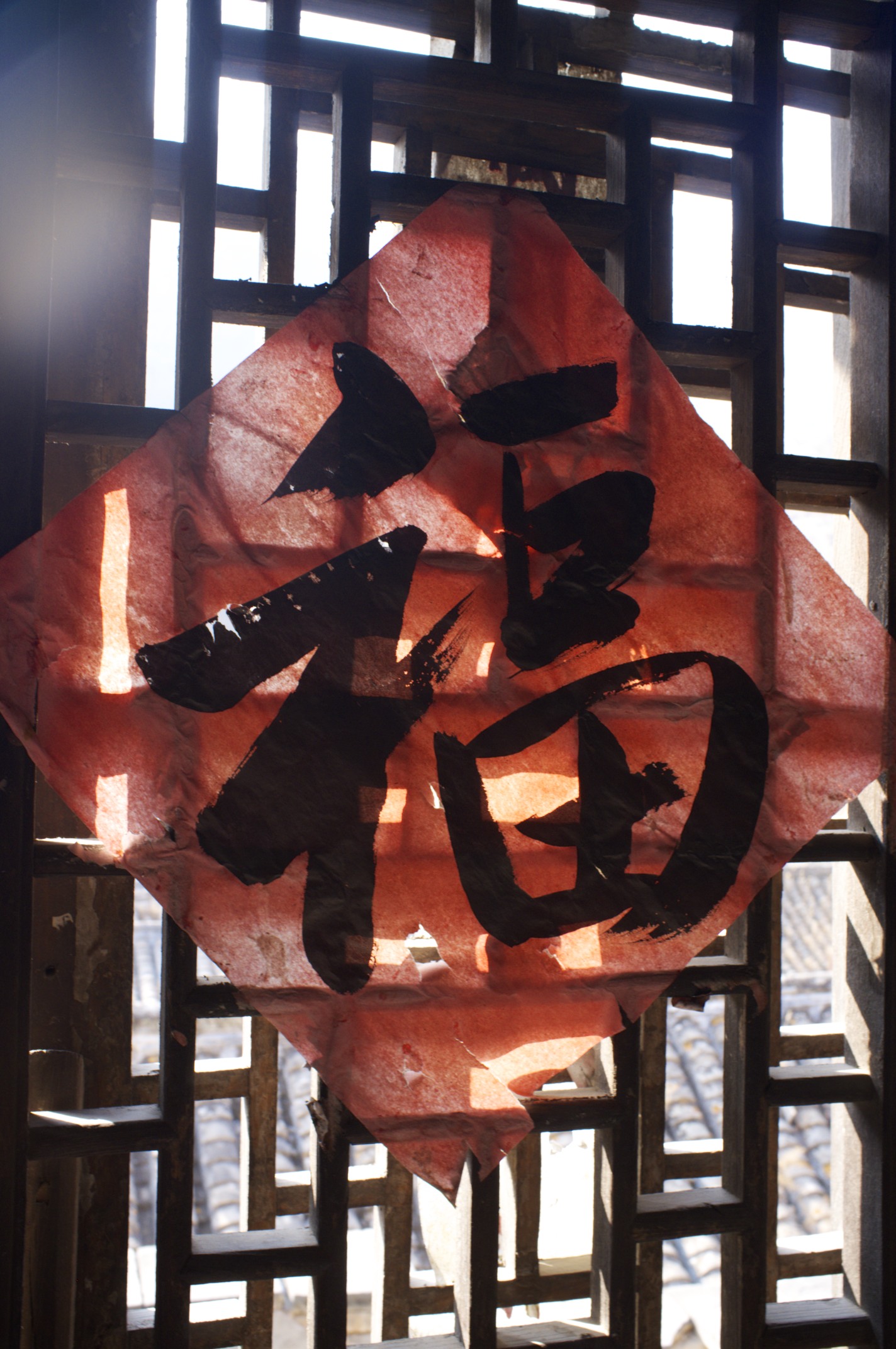
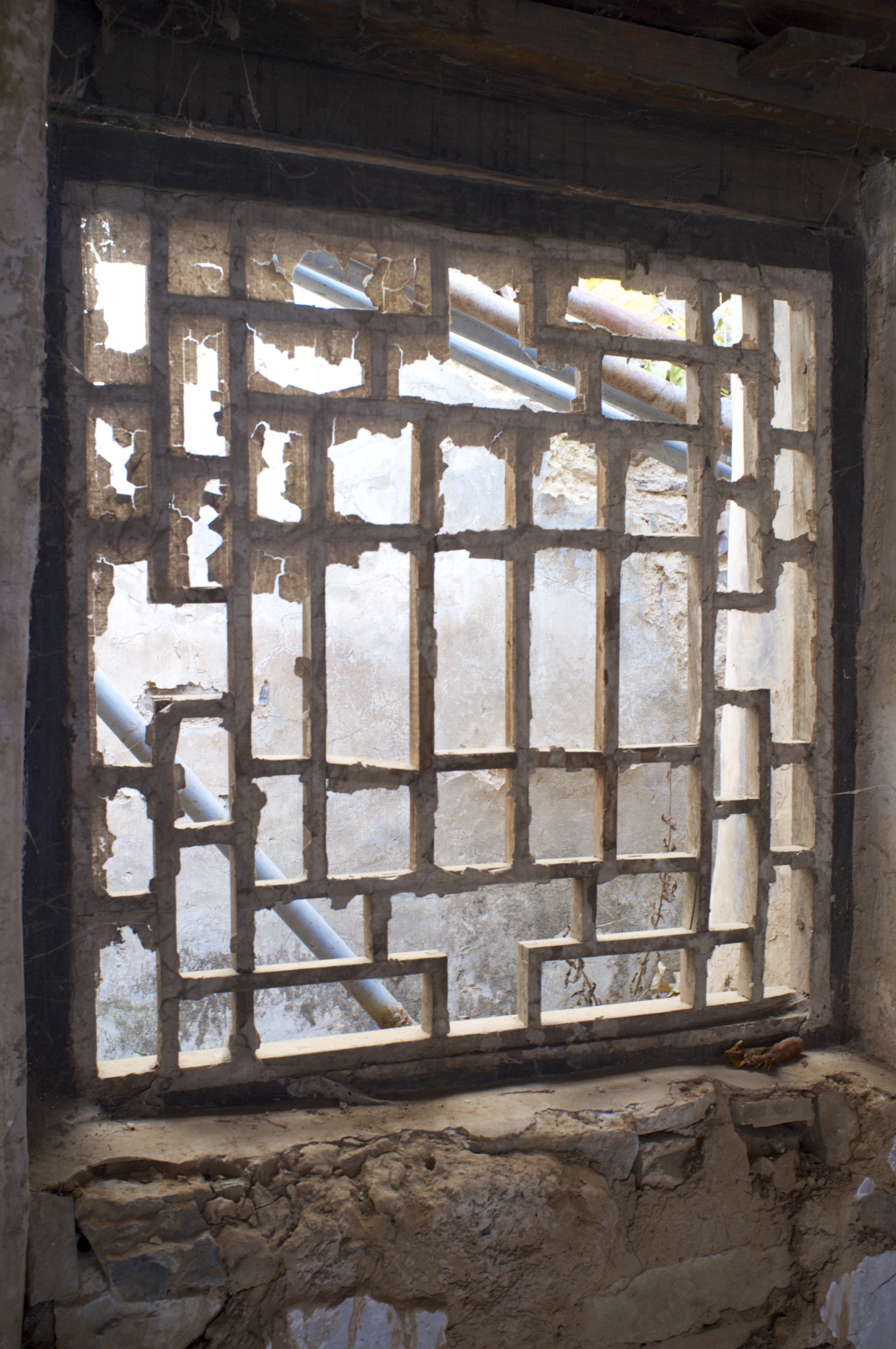
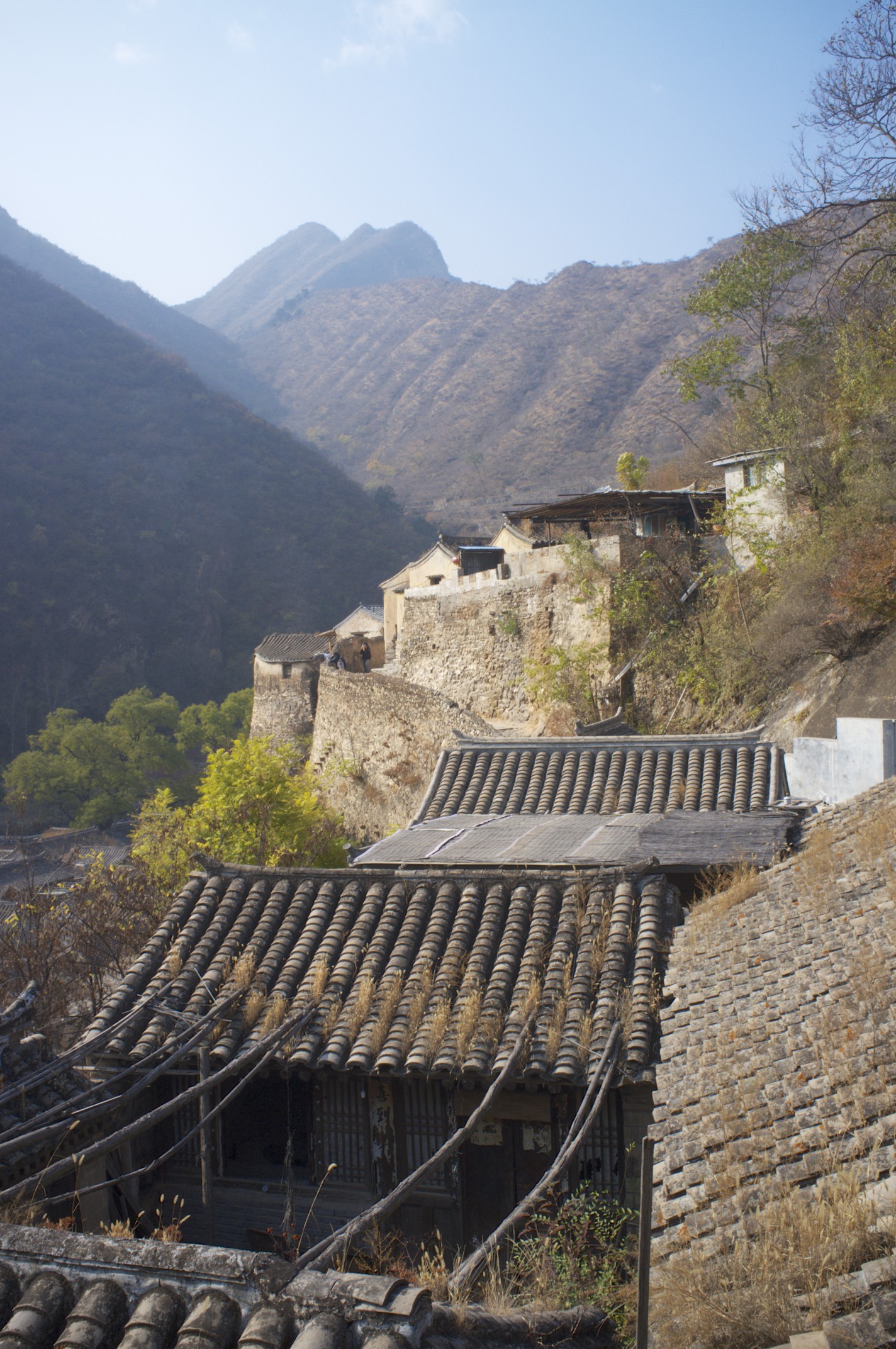
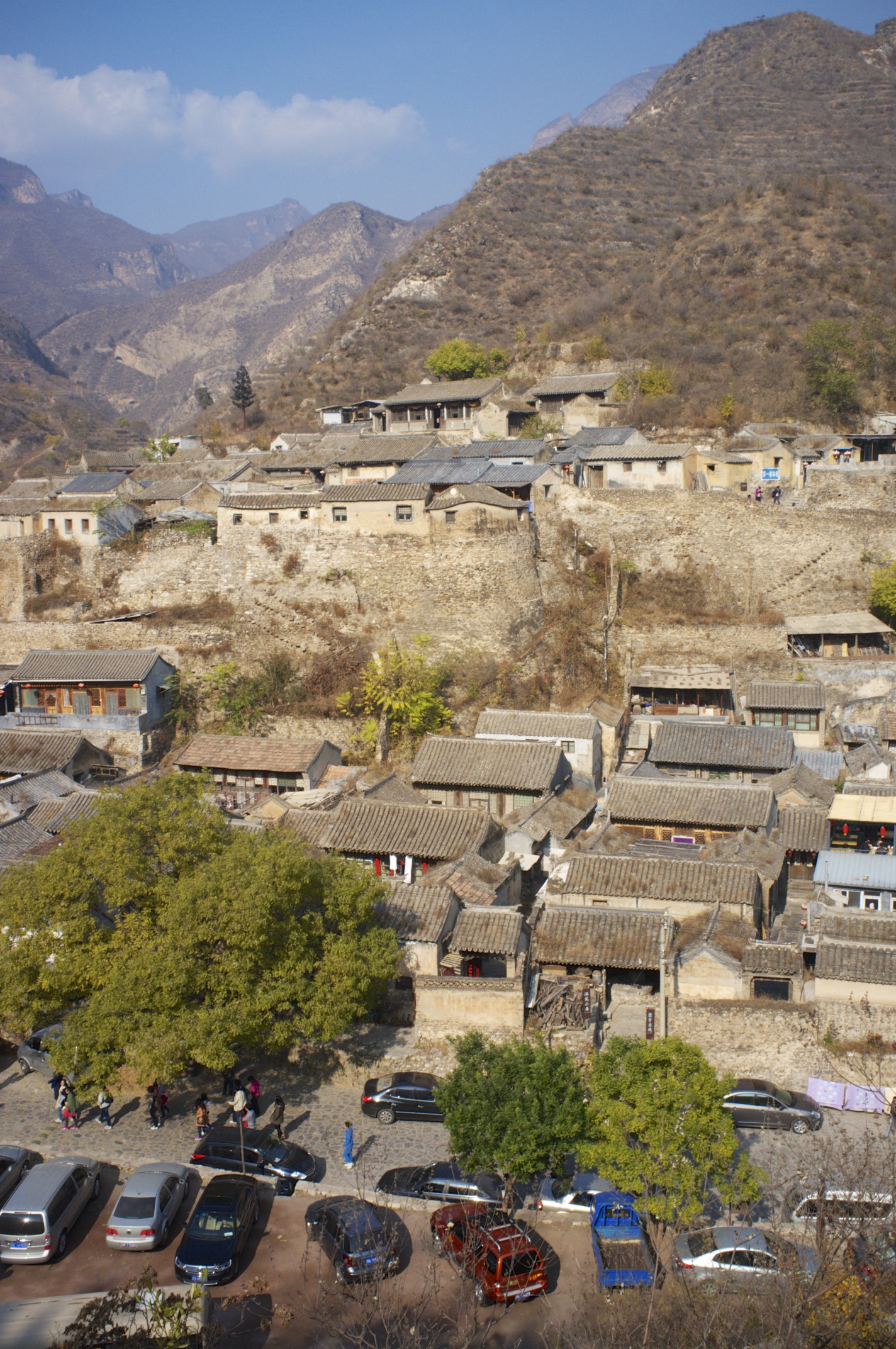
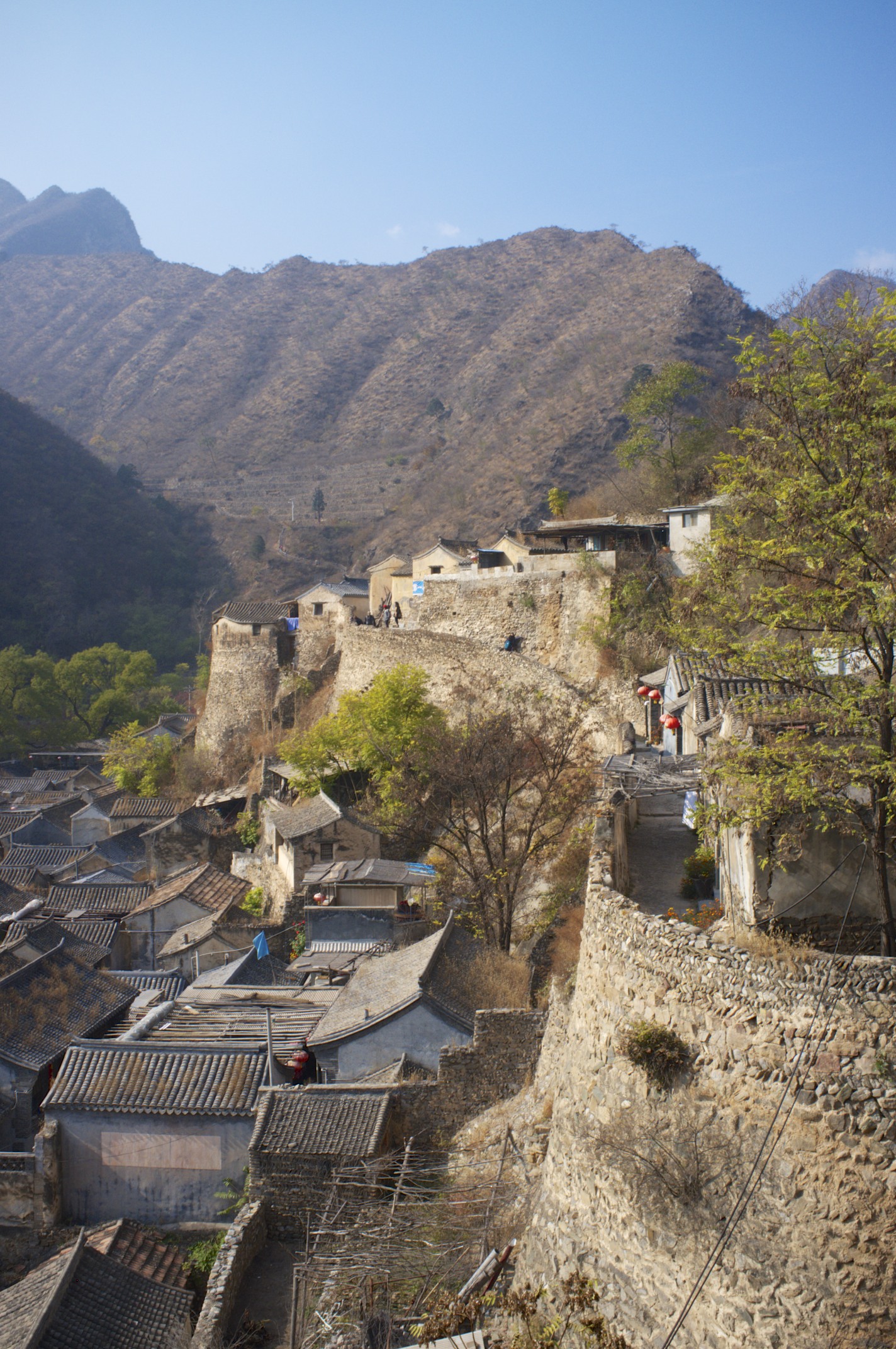
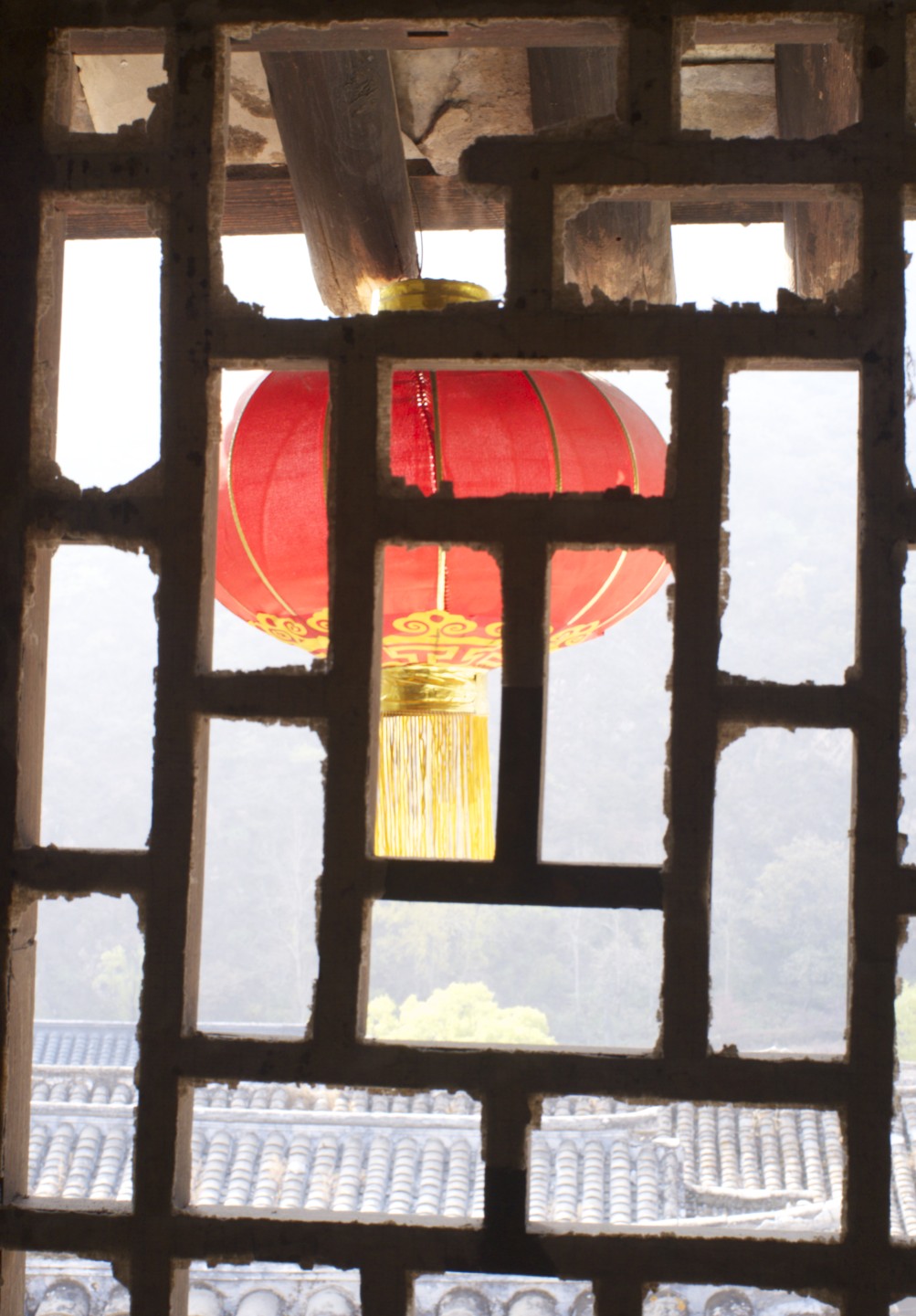
Chuandixia Village lies about hours drive into the mountains West of Beijing. It is a small village of courtyard houses, which was located at an ancient trade route and served as a resting place for traders before they reached the Beijing markets. It was also one of the strongholds and hiding places for Mao's troops in the Anti-Japanese war. After 1949 the village fell into economical hibernation until it was "rediscovered" by photographers, painters and film crews in the 90s. It is a nice day trip into a beautiful mountain landscape. The roads are curvy and it needs a bit attention, as some drivers do risky maneuvers overtaking. But the location is easy to reach. We actually did it in a company outing, driving in a convoy of 6 vehicles.

Chuandixia village as seen from the hill on the Southern side of the valley.

Trail marked on Google Earth, showing the way up to the viewpoint on the village.
You may download the GPS track including the driving route by clicking here: in gpx- and tcx-format. The Southern branch of the mountain route leads to an excellent rural restaurant.

General location of the village in relation to Beijing city.
Baojin Shankou Hike
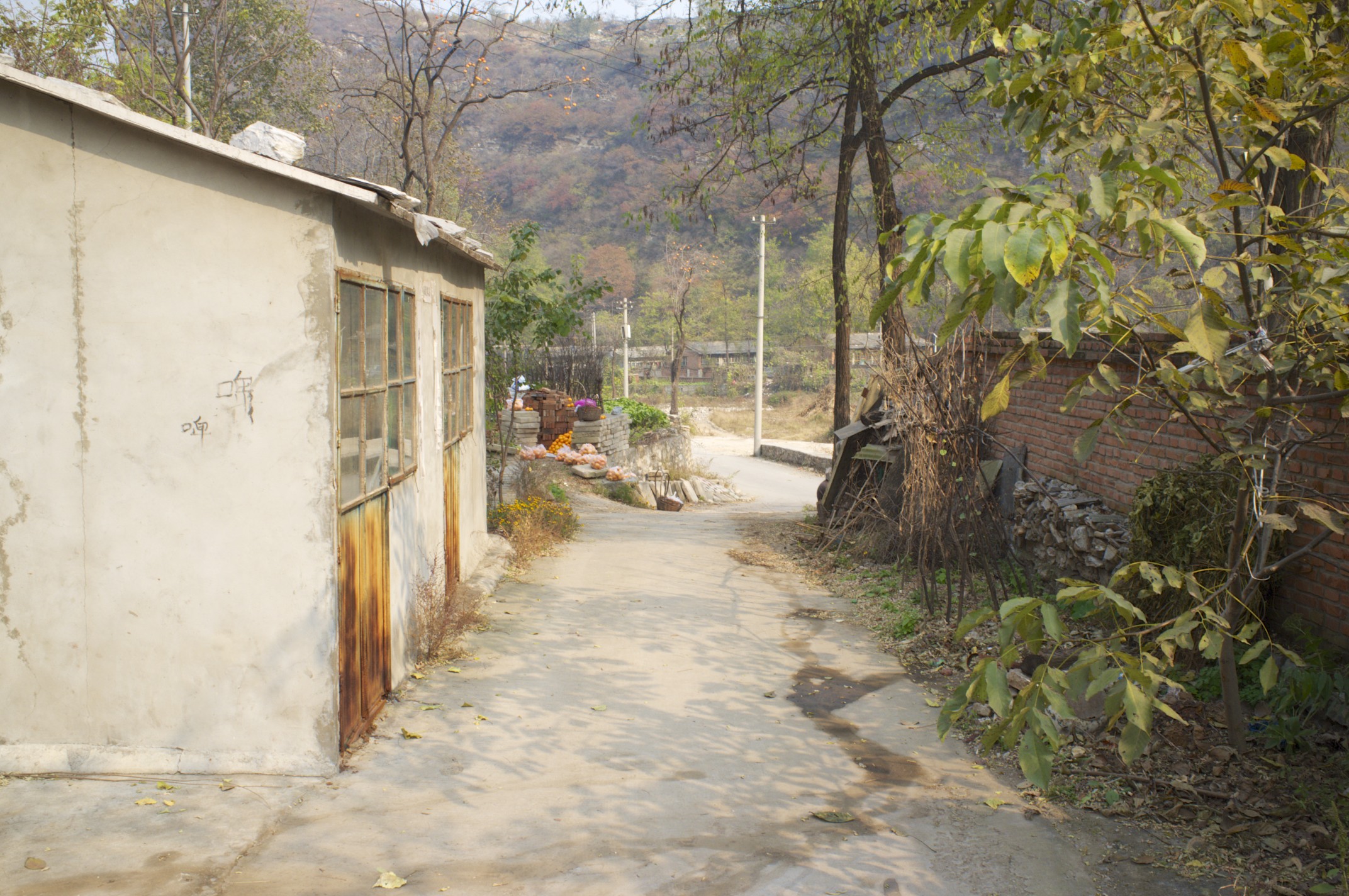
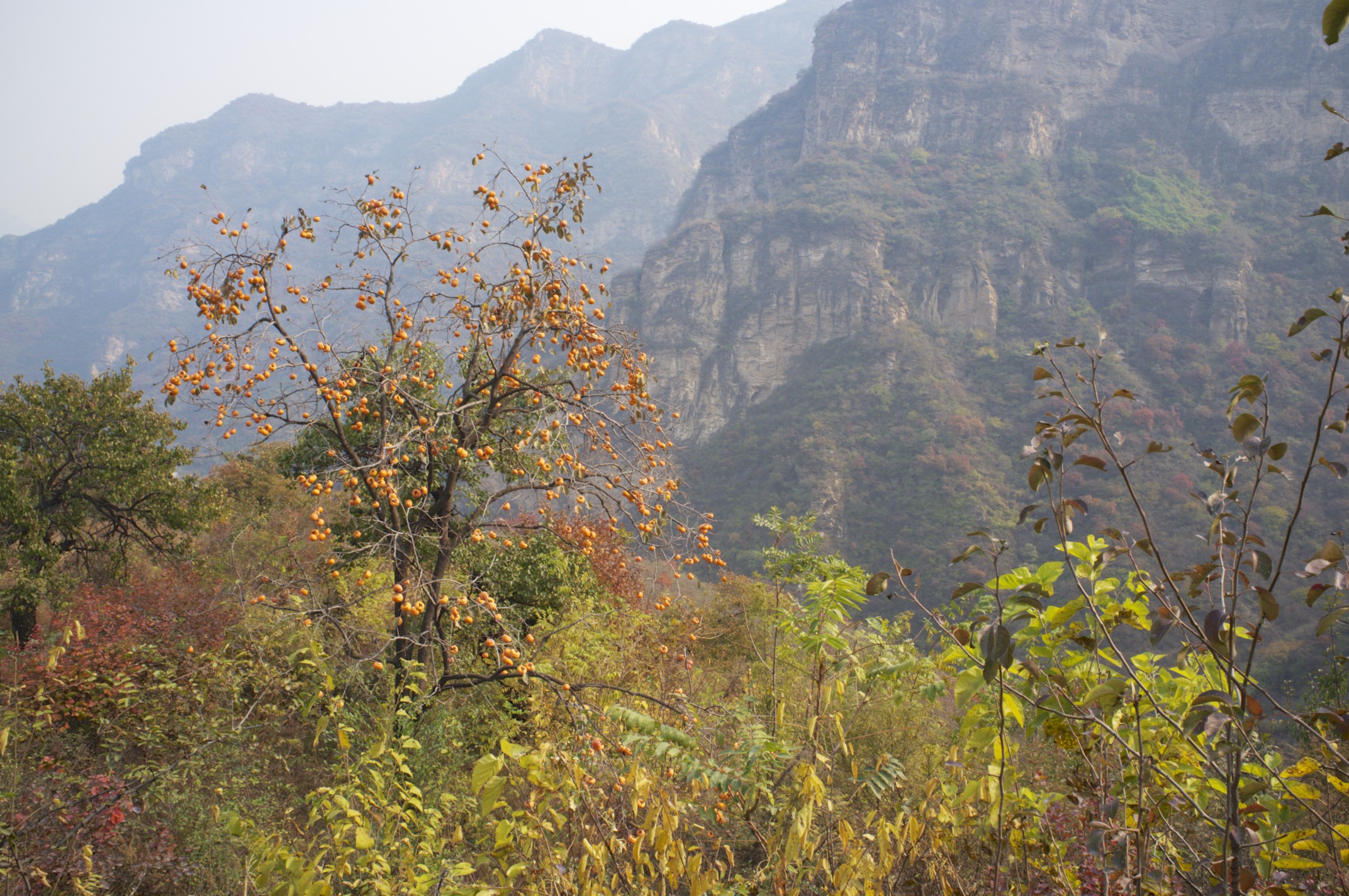
In the South-West of Beijing lies a limestone area resulting in a magnificent karst landscape, North and South of the Baojin Shankou Canyon. There was a bit of haze today, but it clear weather it must be even more beautiful. On the South there are gardens and small farms. In the past all over here food was grown. Now there are just remains left, but they are still active.

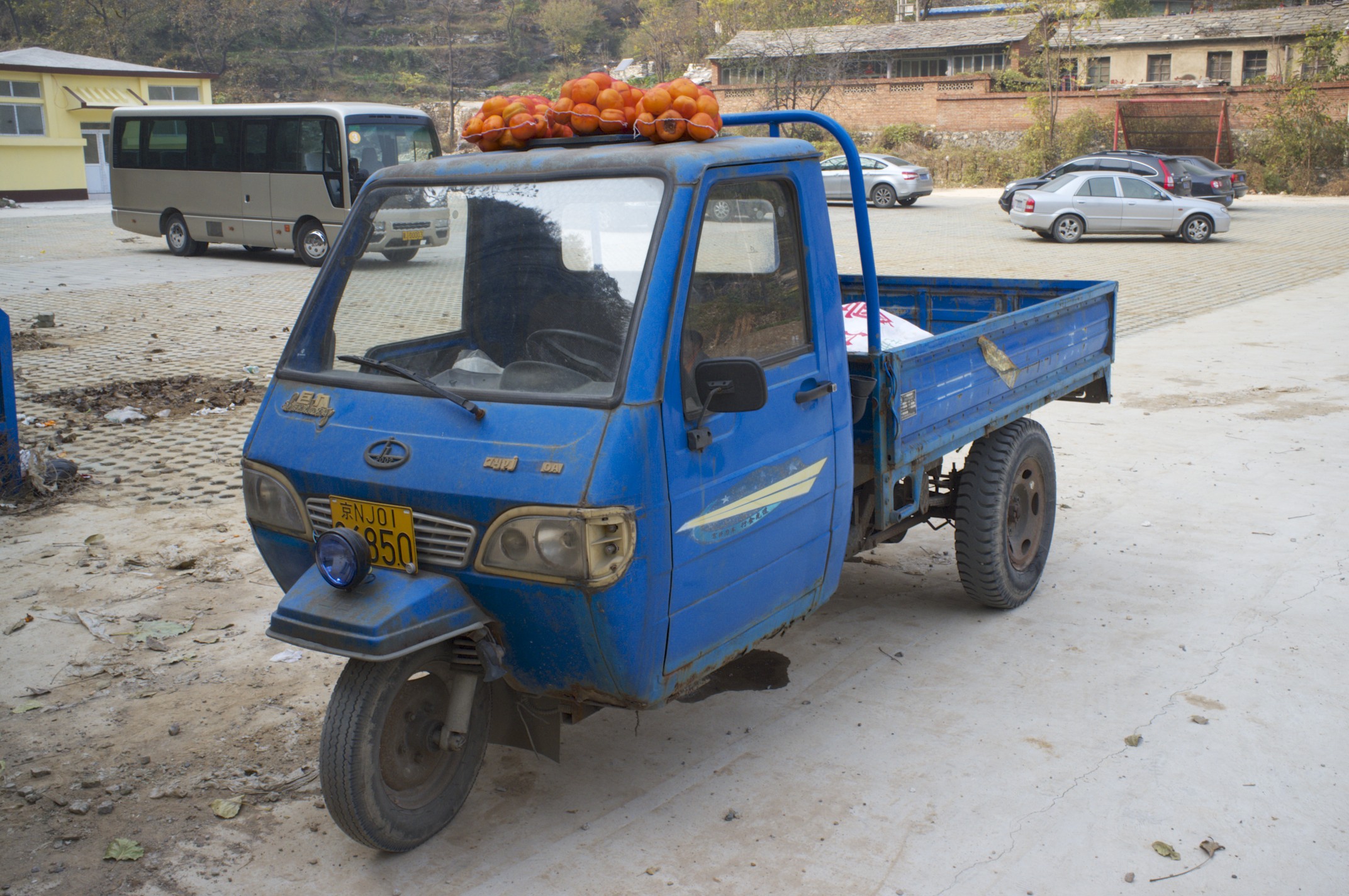

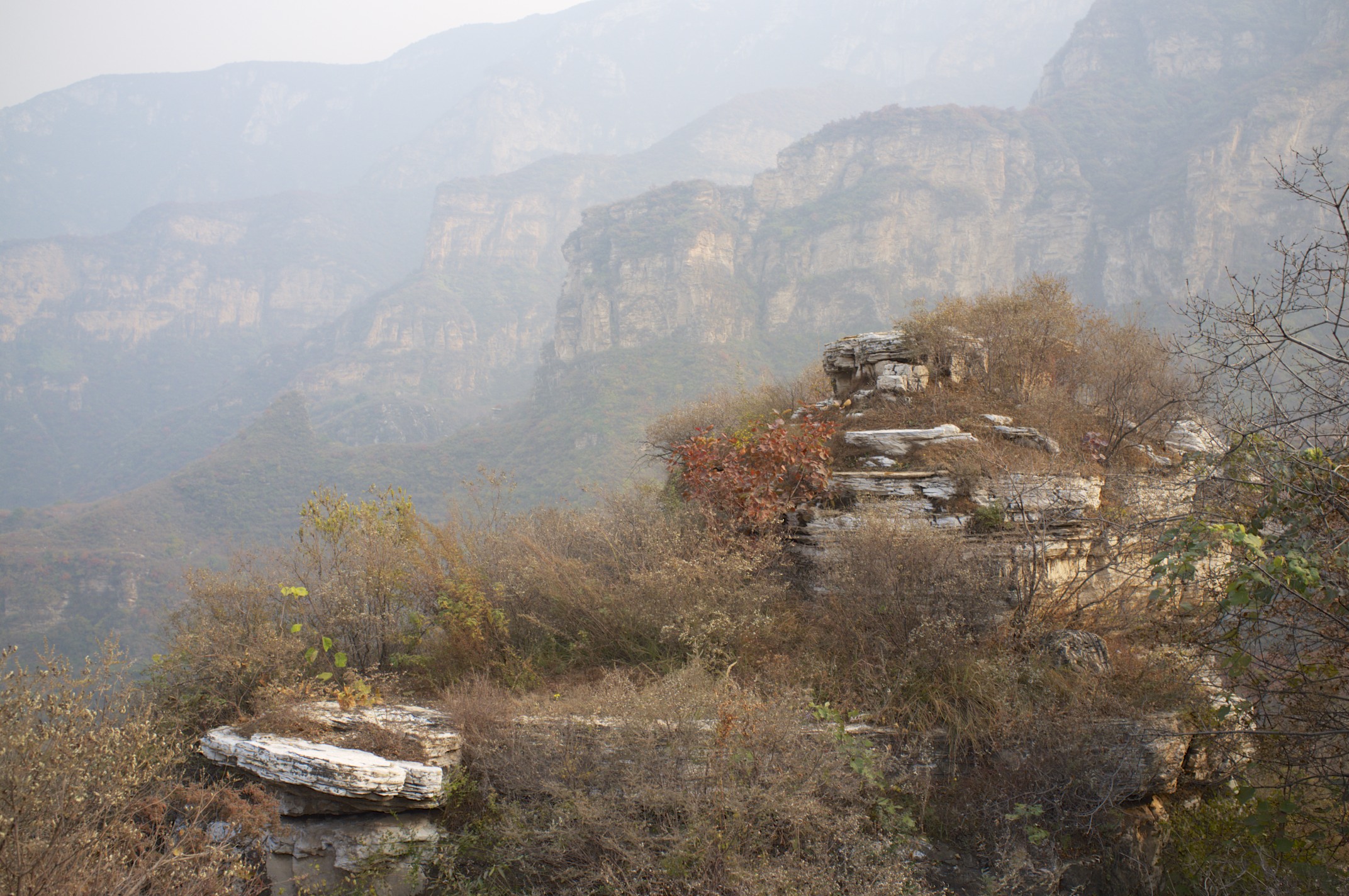
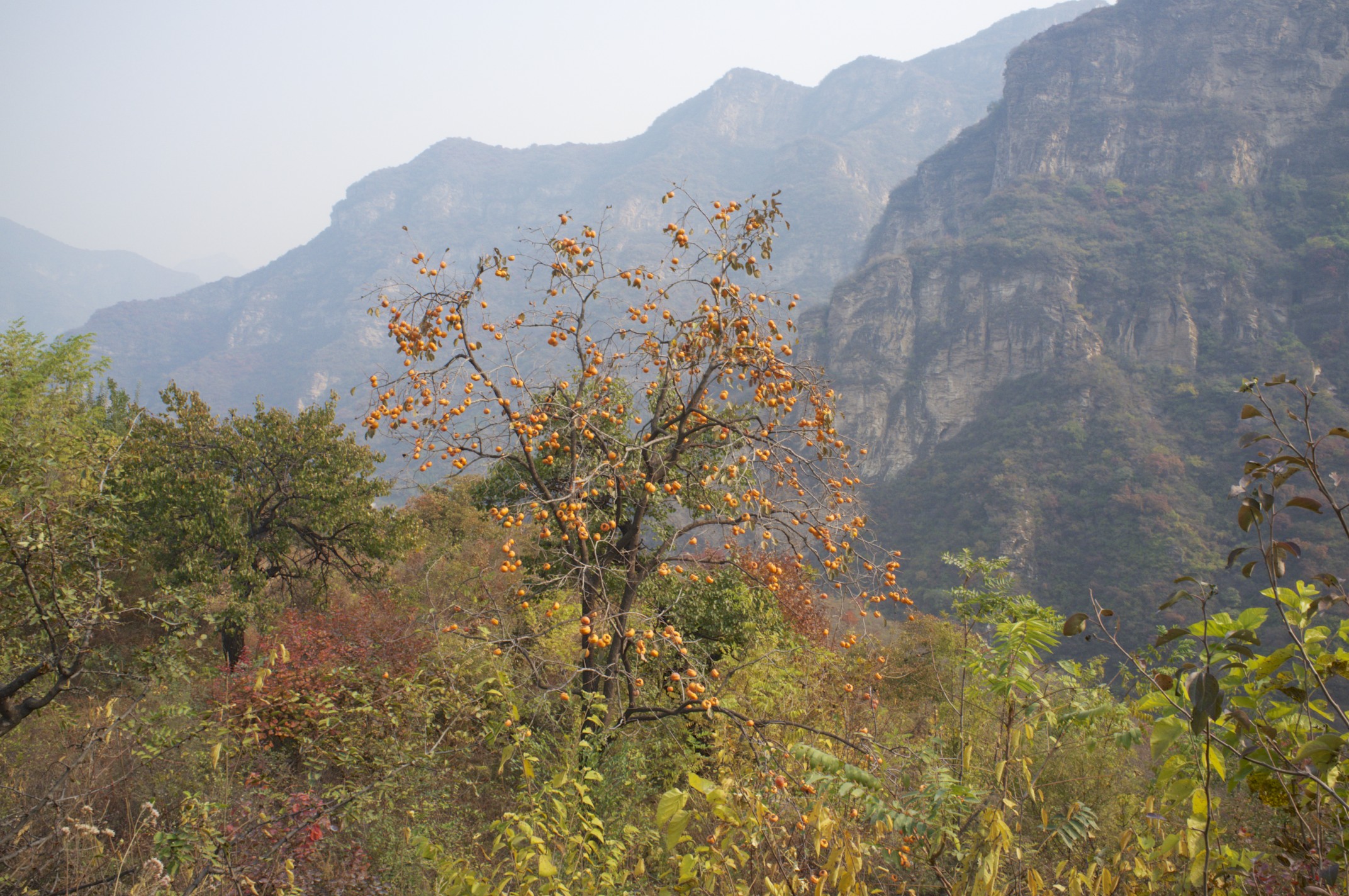
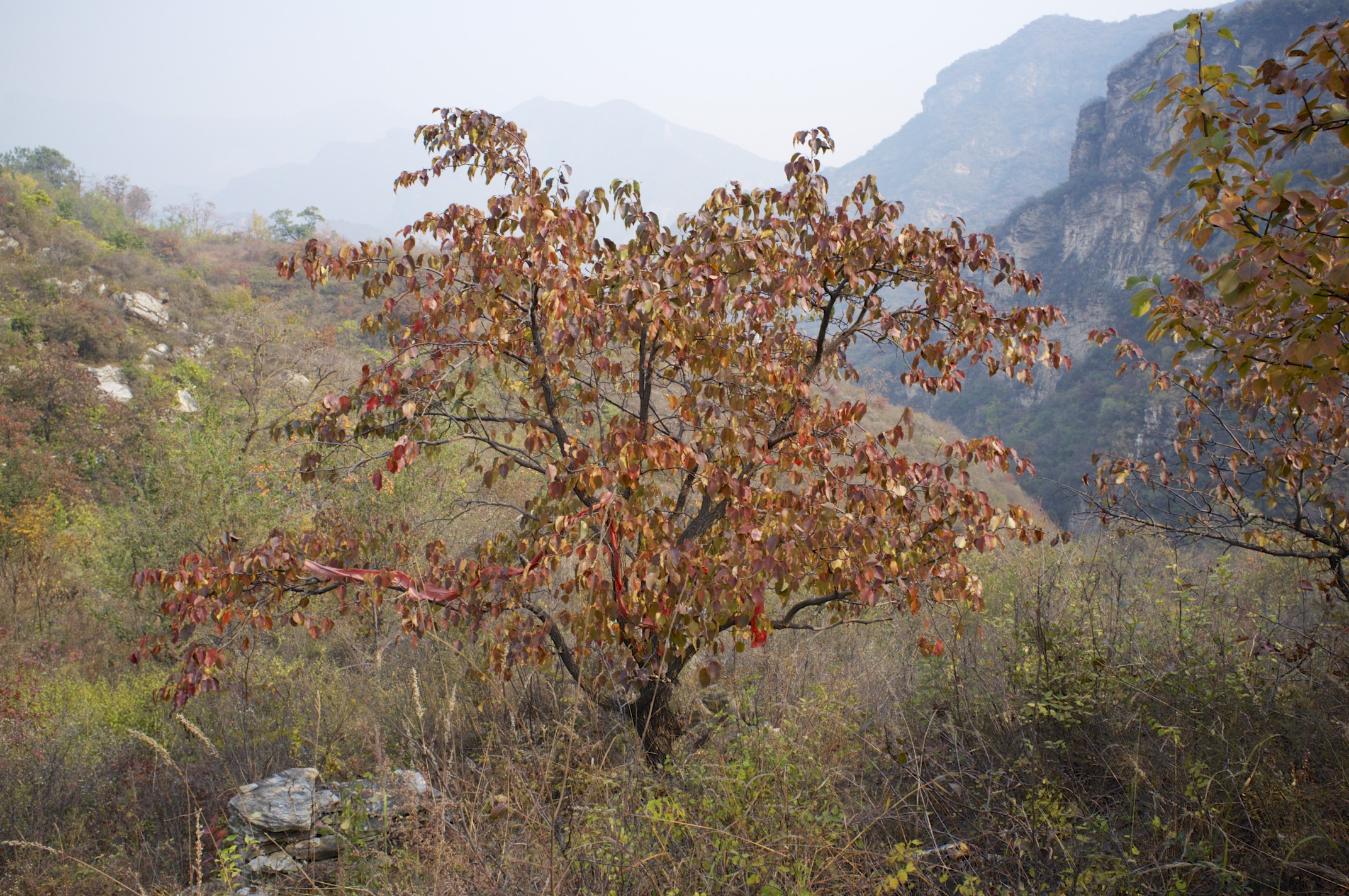
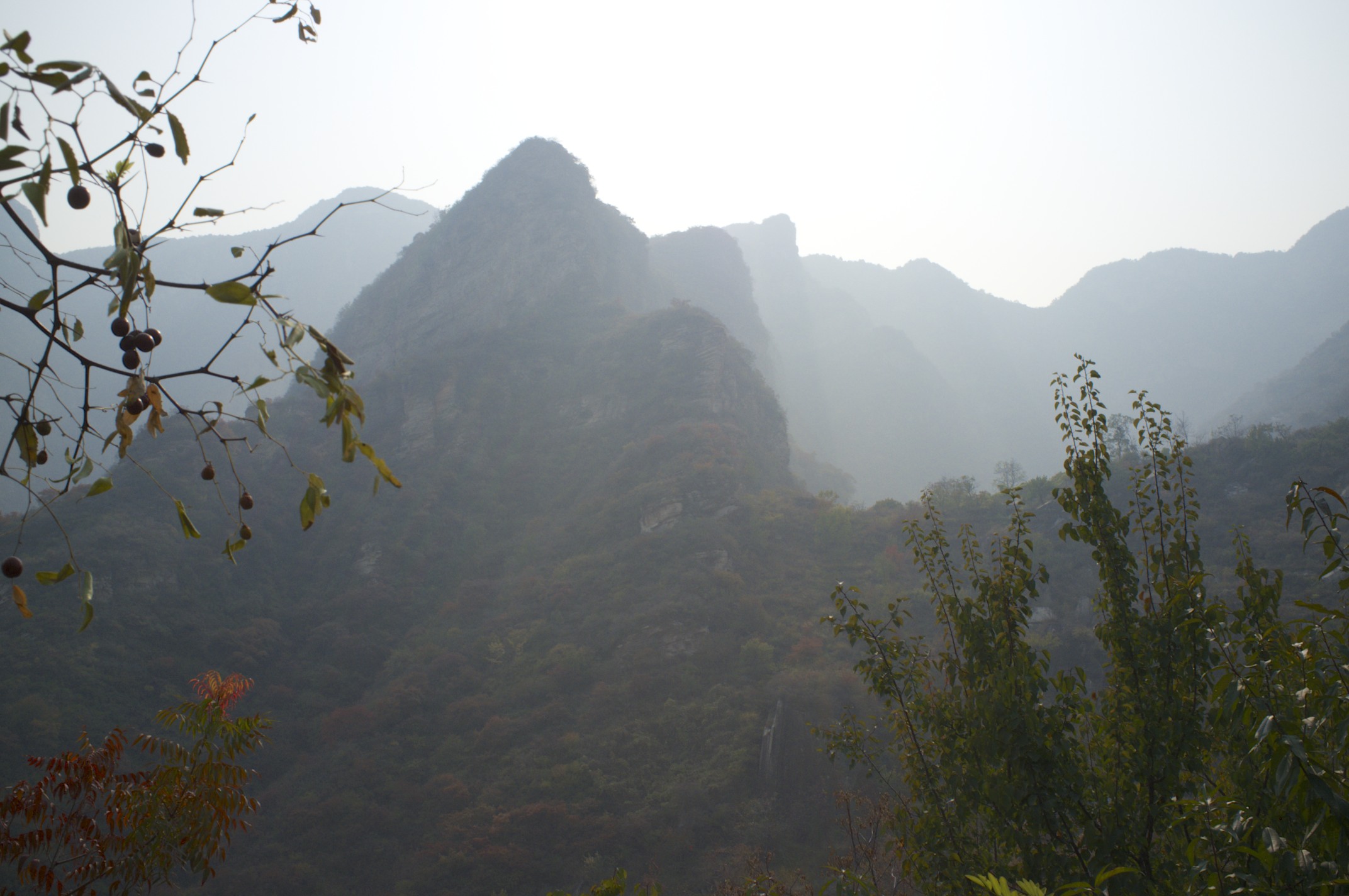
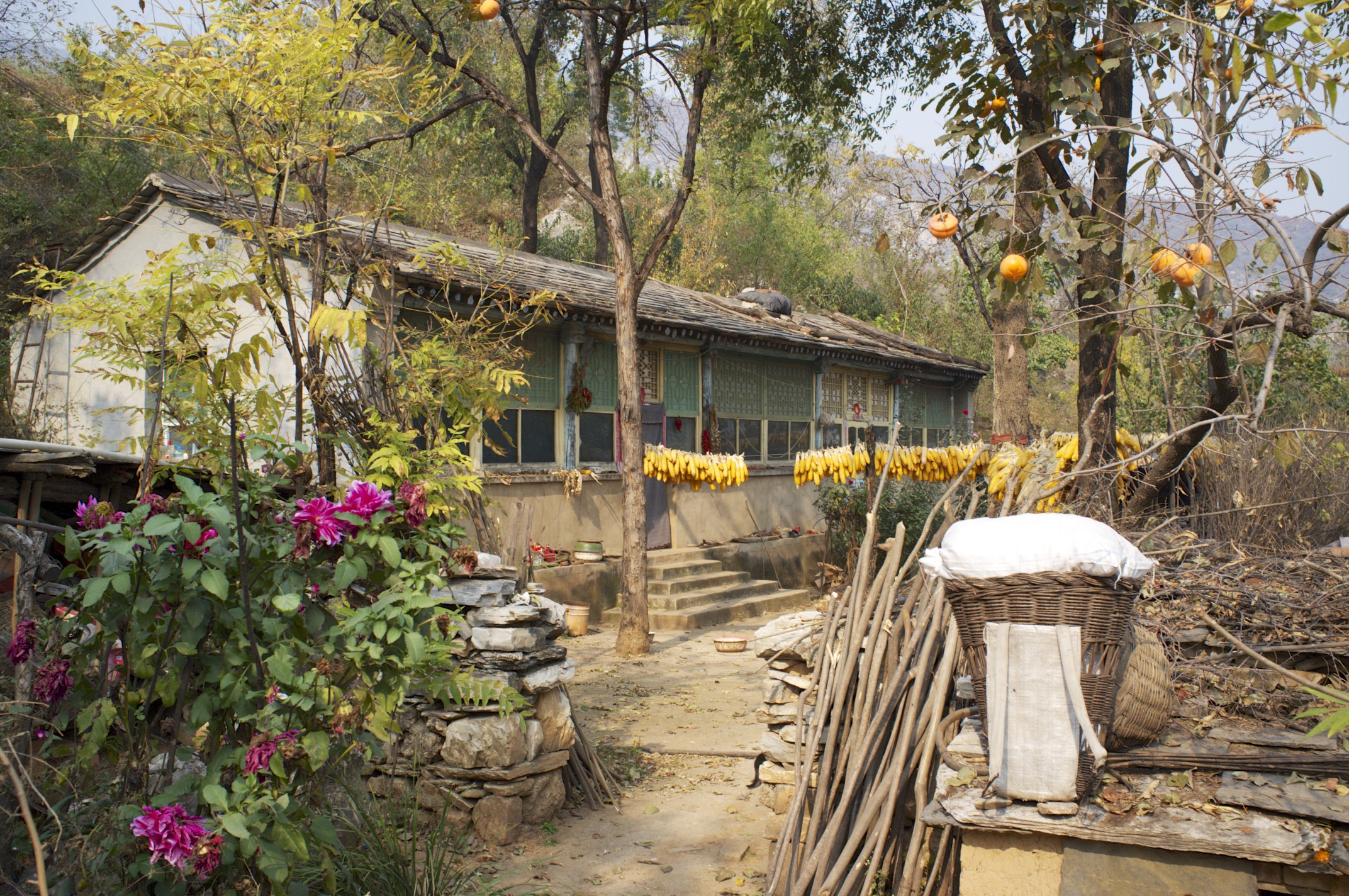
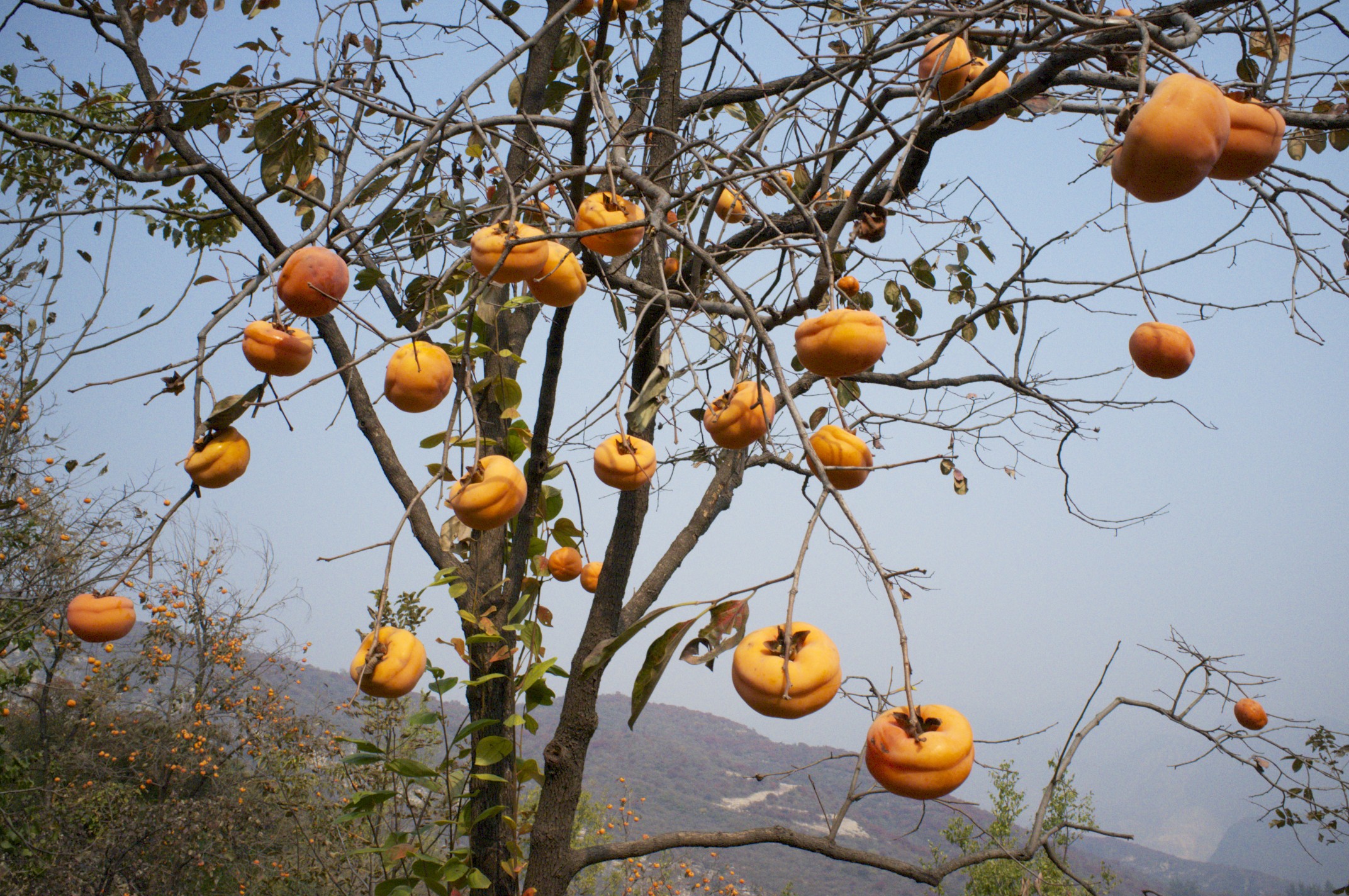
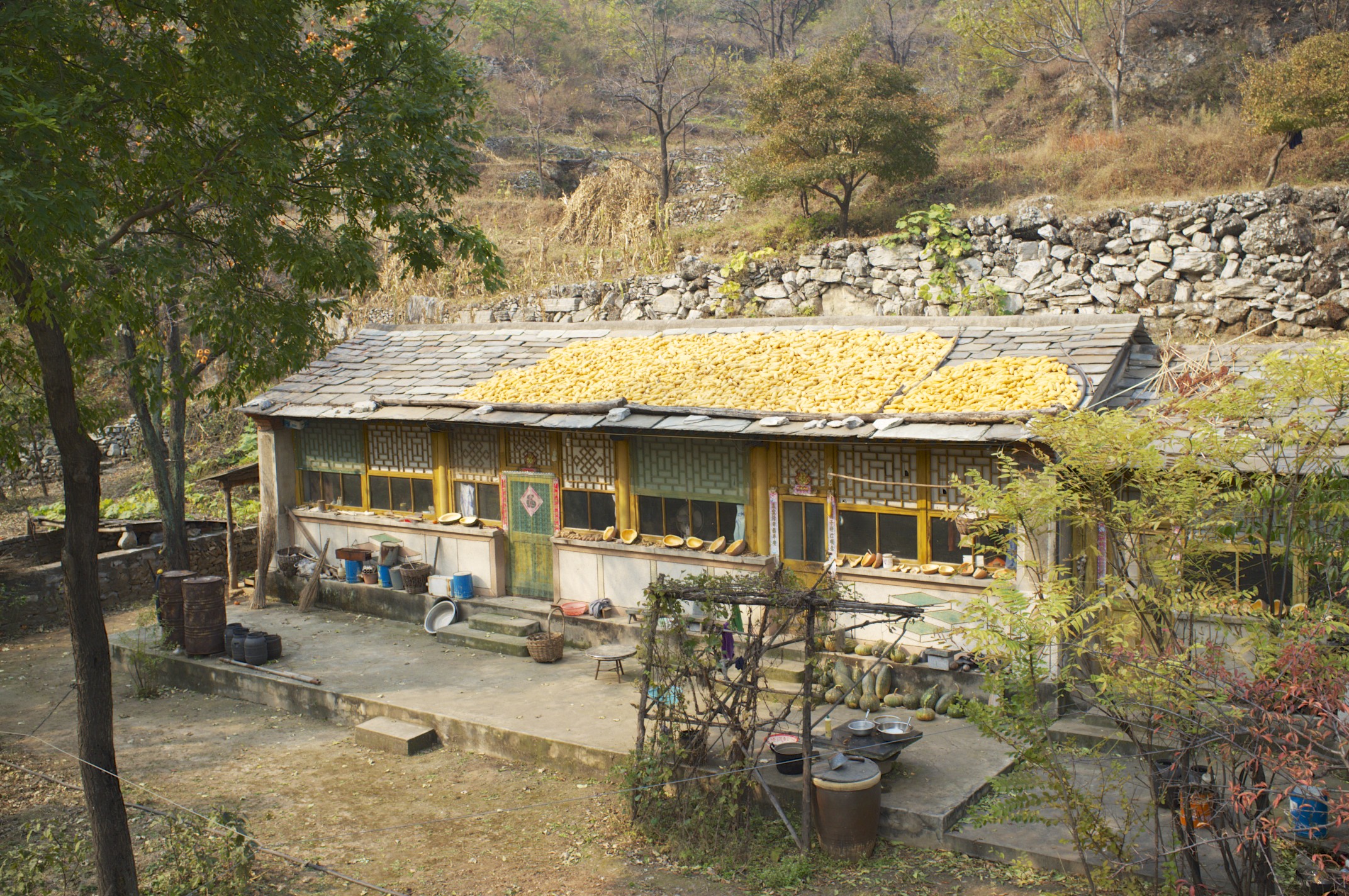
You may download here the GPS track in gpx- and tcx-format. We started a bit late today and did not explore the area to the fullest. Given the geology, there must be caves around. We met a teenager with a torch (and an acrobatic throwing knife, which impressed me a lot) who was heading for one of them. But we returned to avoid sunset before reaching clear trails again. To reach the starting point you will have to cross a bit of "Tourism with Chinese characteristics". But no worries, they will all disappear into some sort of park worshipping with their mobile phone cameras some sort of plastic Confucius. This absorbs them all, really.
Here comes position and GPS plot:


Yangtaishan Sunday Walk
Yangtaishan is in the North-West of Beijing, beyond the heavily tourist contaminated territories, but still close enough to the city for a sunday outing. You might still run into so-called "hiking groups", but they are noisy enough to be avoided from far. There are some "parks" around. But the term "park" means a different thing in Chinese. It is more like: "build a gate and randomly ask for money". So, don't enter the "parks". Today's walk was about 16 km and elevation gain 1041 m. That's nearly a bit of exercise. You may download the GPS logs in tcx or gpx format by clicking on the links. The first trees are turning yellow and red these days and show us another autumn is coming.


Development knocking at the door
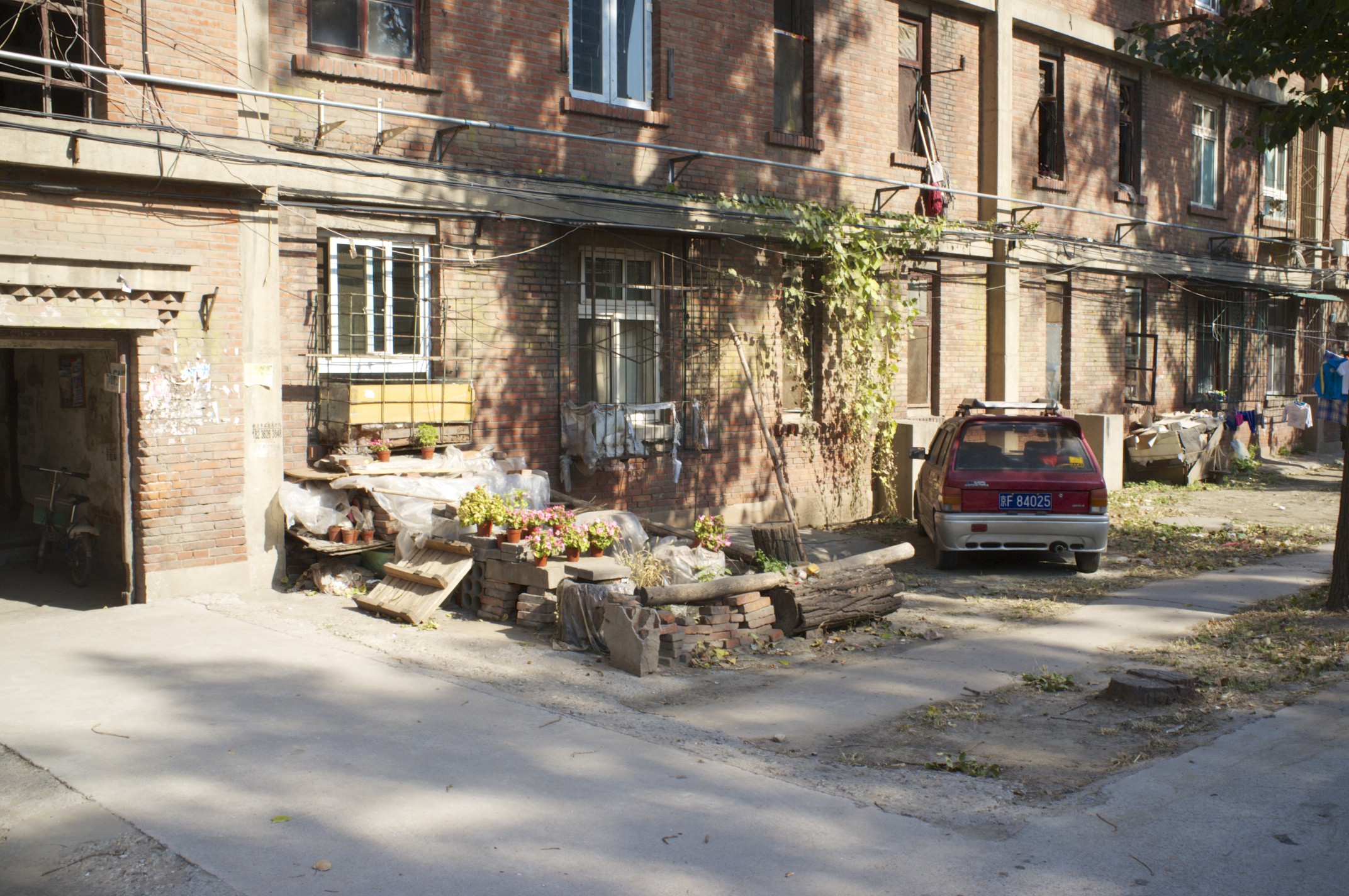
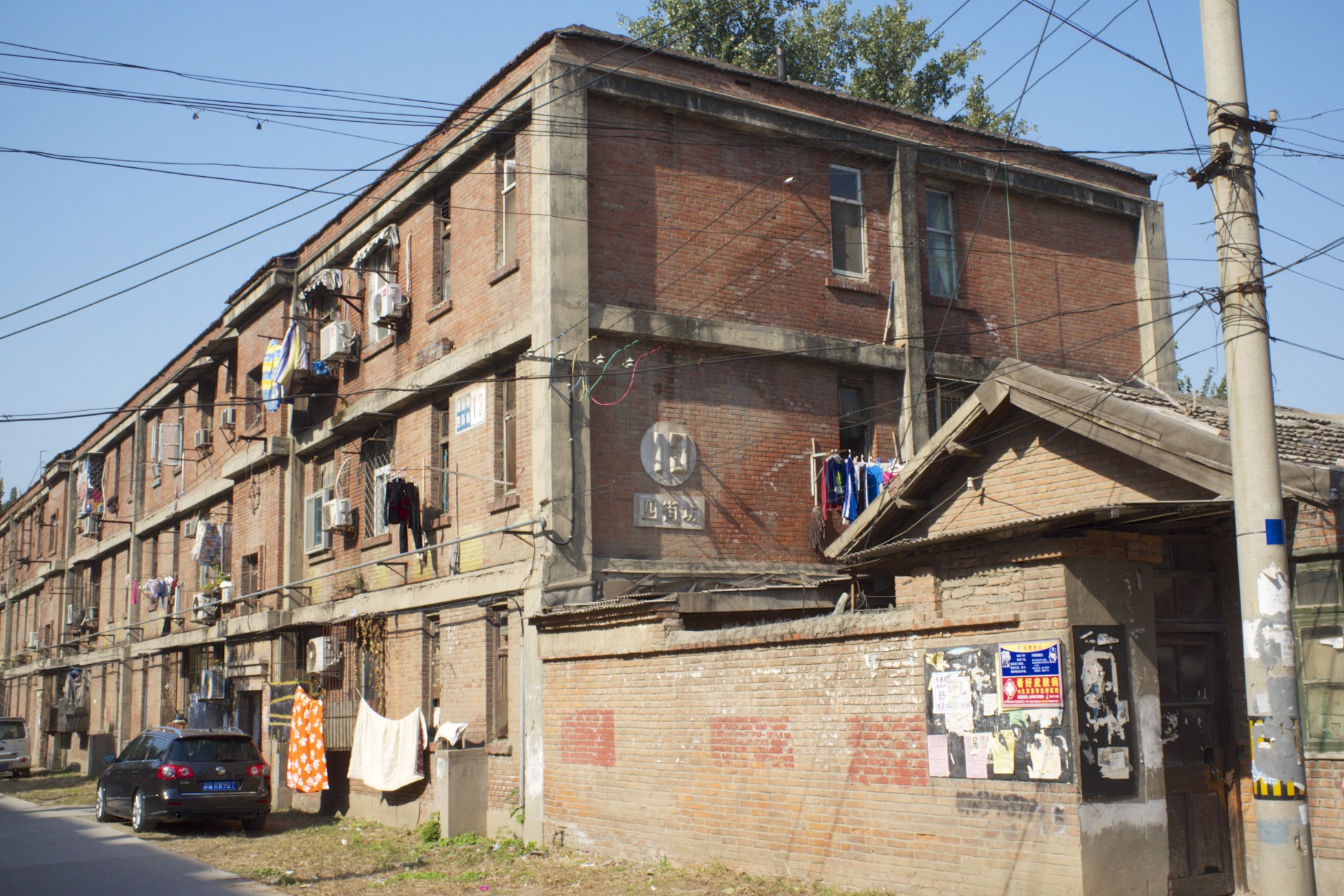
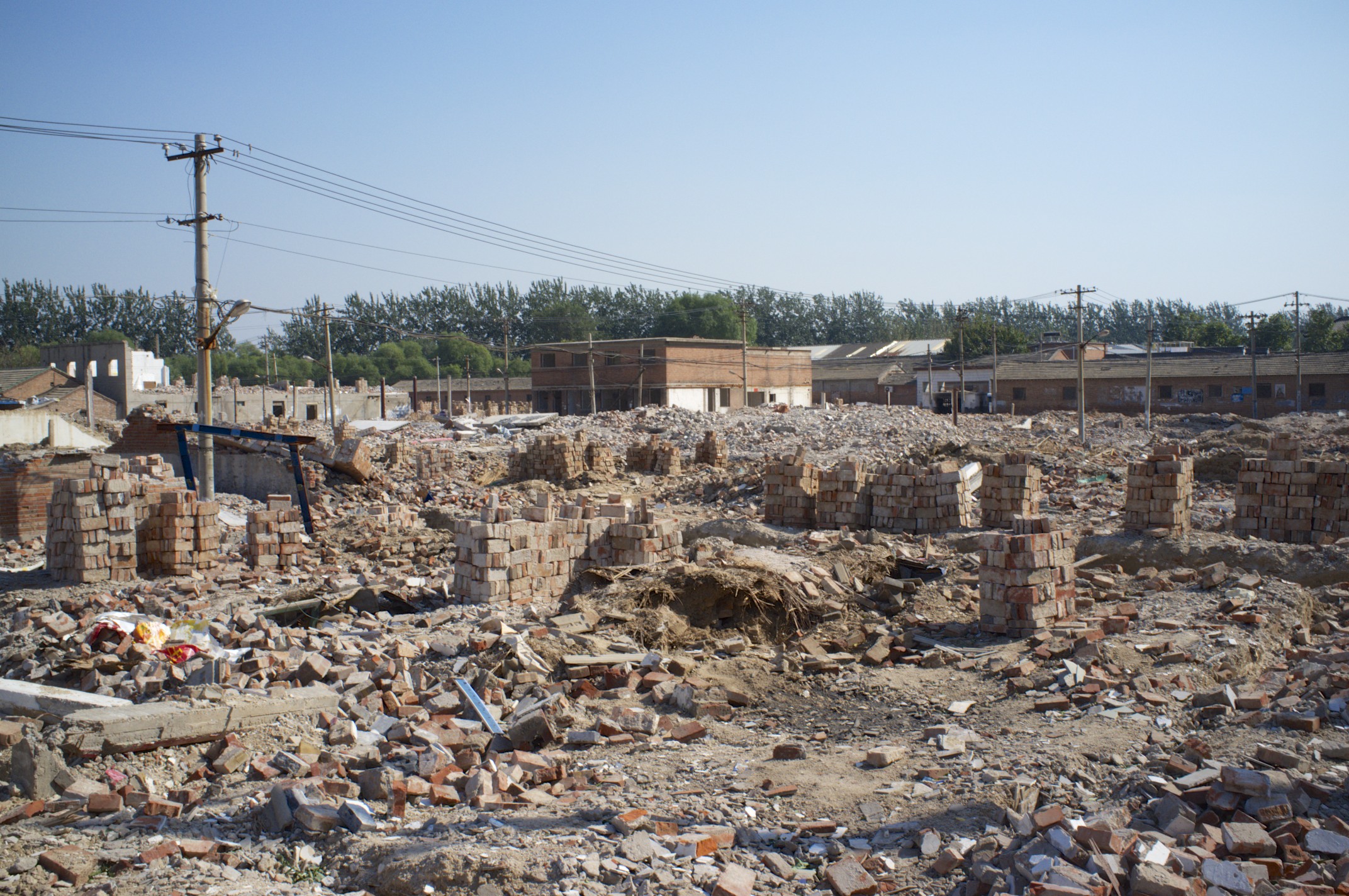
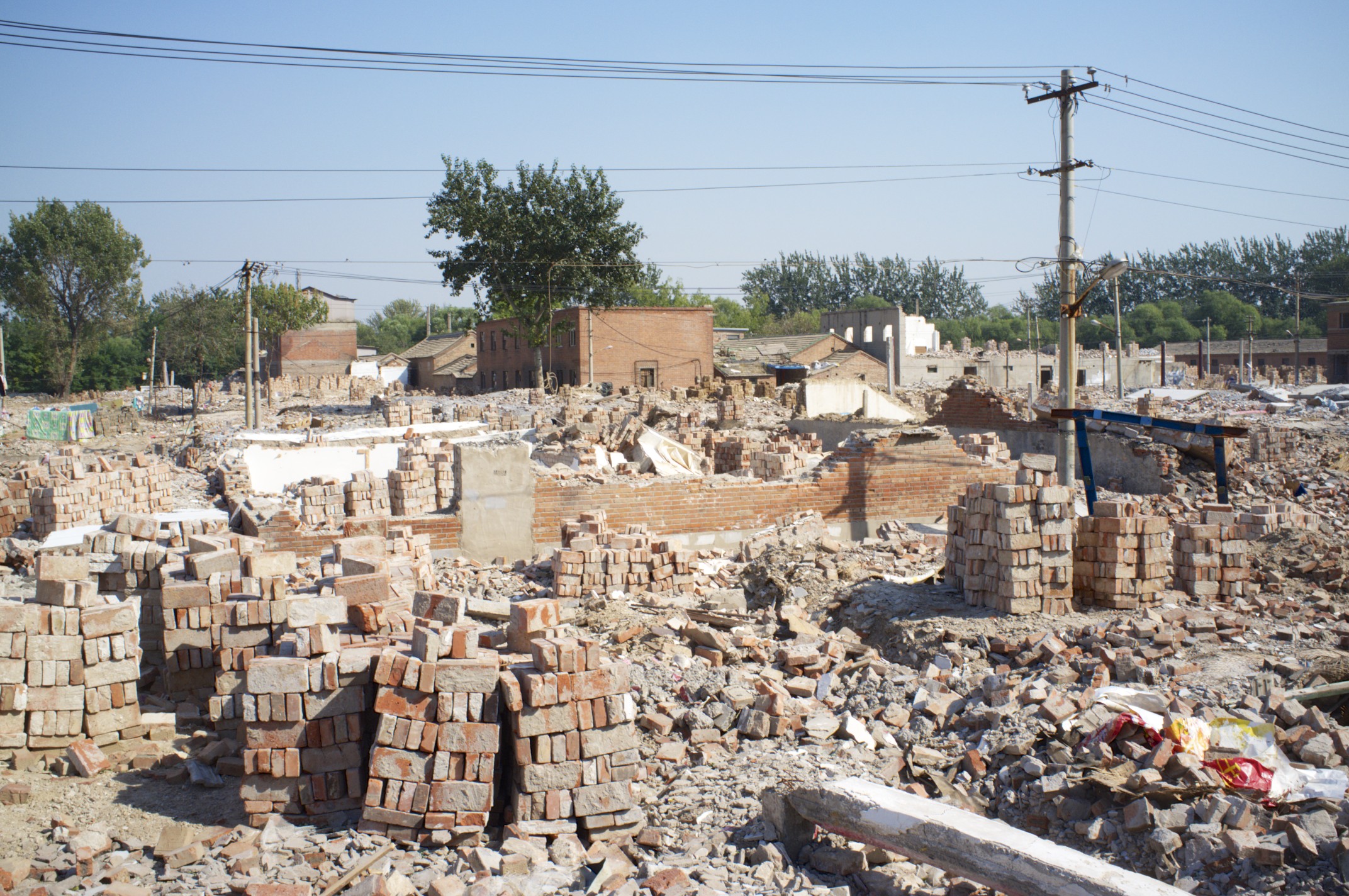
Before traveling to Europe for about a fortnight, I cycled along some old residential places in Beijing. Actually, they are not old by normal standards. But they have become rare here, while land has become incredible expensive. They are not in good condition either, and would be costly to renovate; not even to think of the "opportunity cost" versus putting a few high rise buildings there. They are not Beijing Hutongs, which have been partly accepted to be a heritage, and they are neither "useful". So, they are neither seen as heritage, nor are they viewed as something of value. Their time has come.
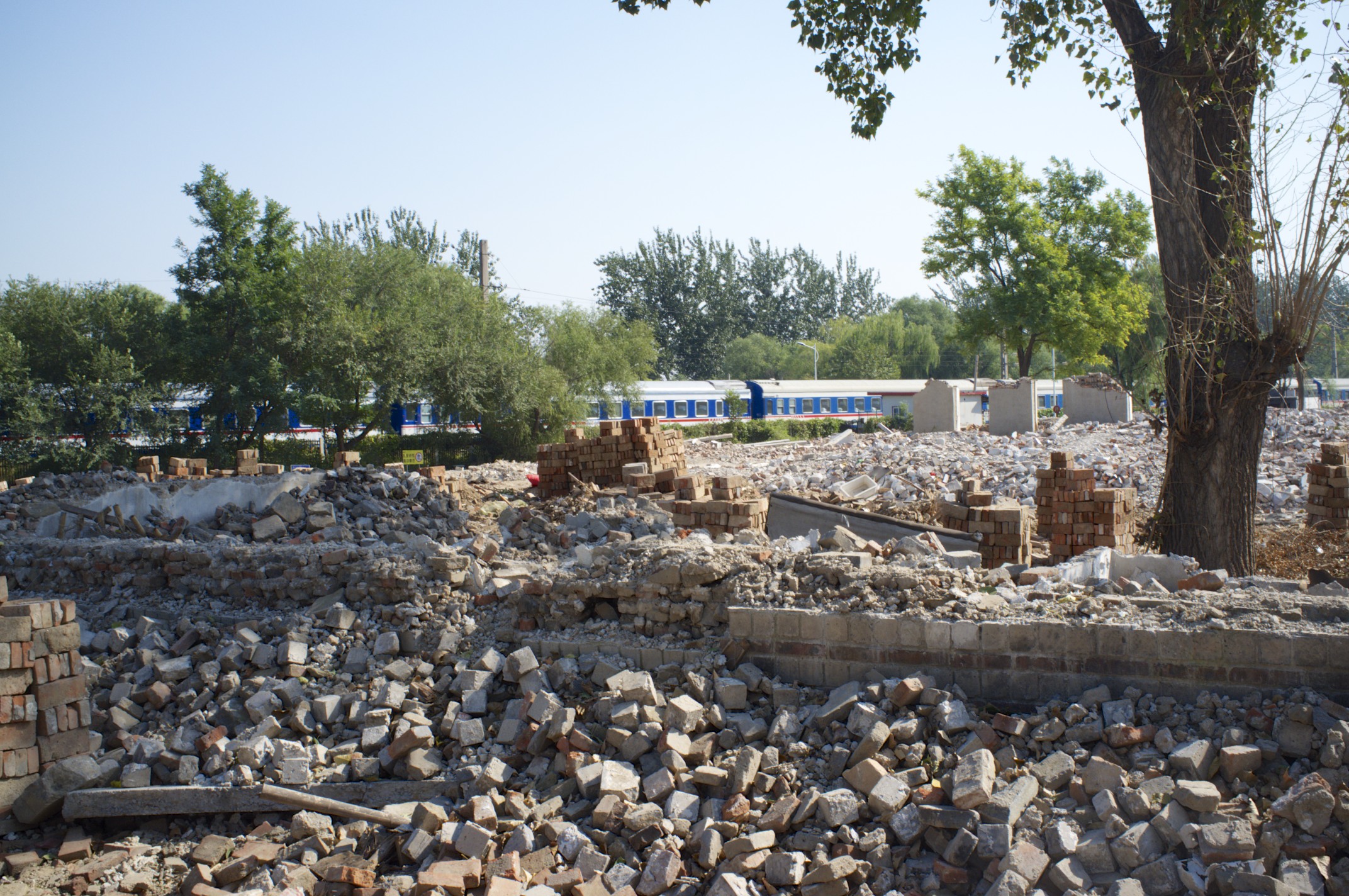
I decided to come back with a camera and take a few snapshots. I was lucky, because when I returned today, some of them were already demolished (the satellite photo underneath still shows the blue roofs which show that this was a more recent development) . They are/were along the canal, outbound the city, beyond the 4th ring. Please refer to the co-ordinates in the grid below for exact location.
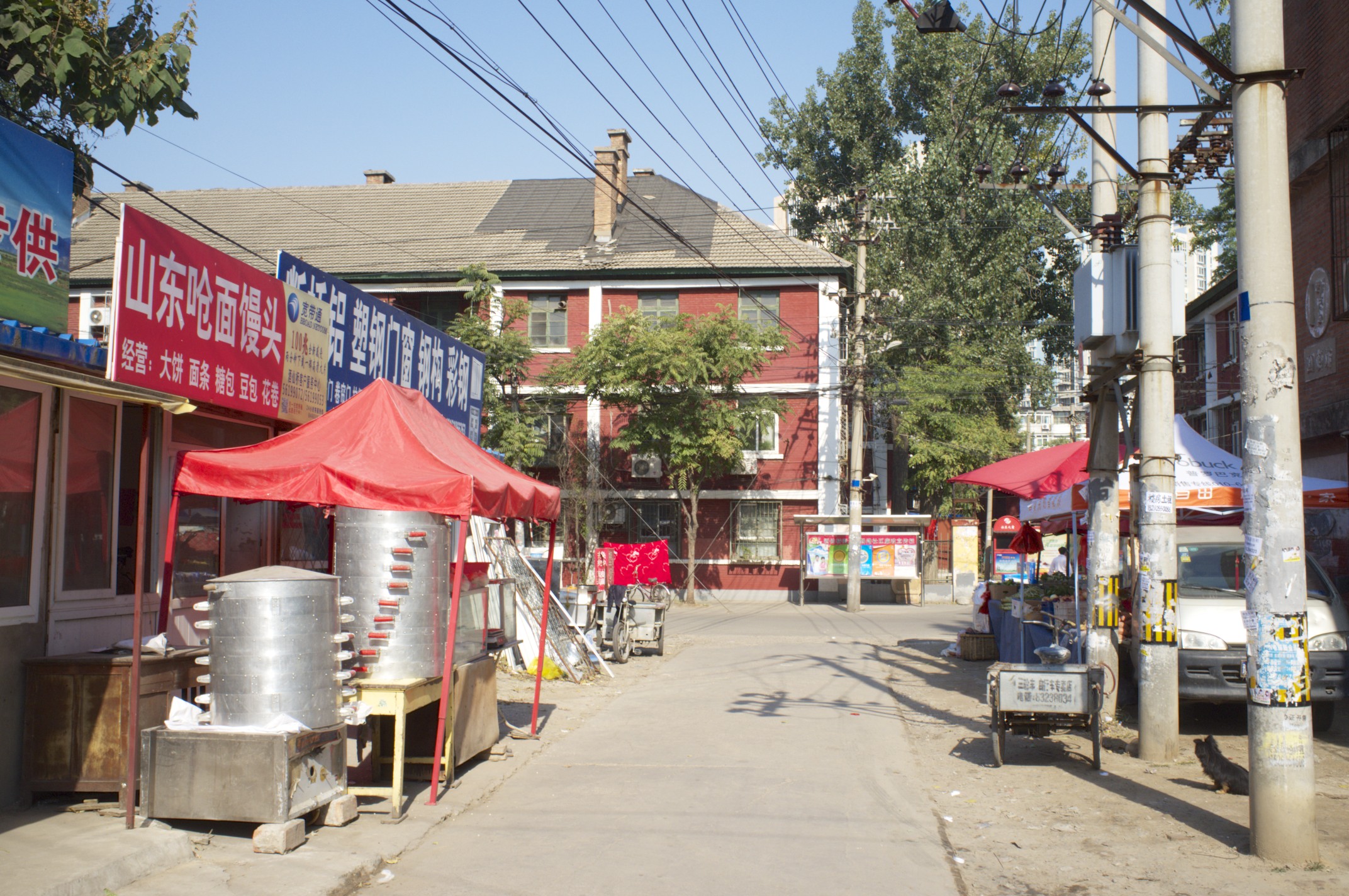
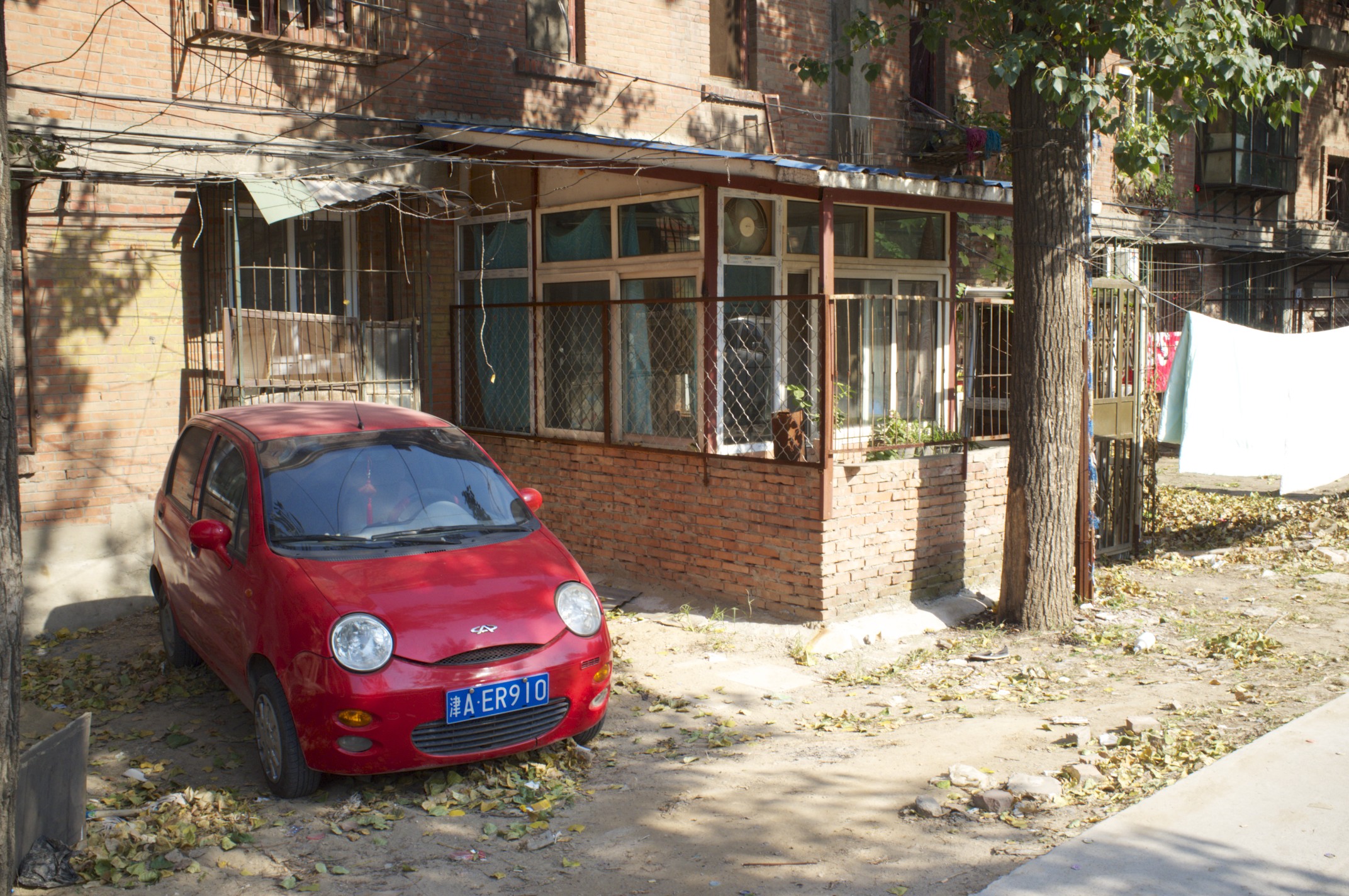
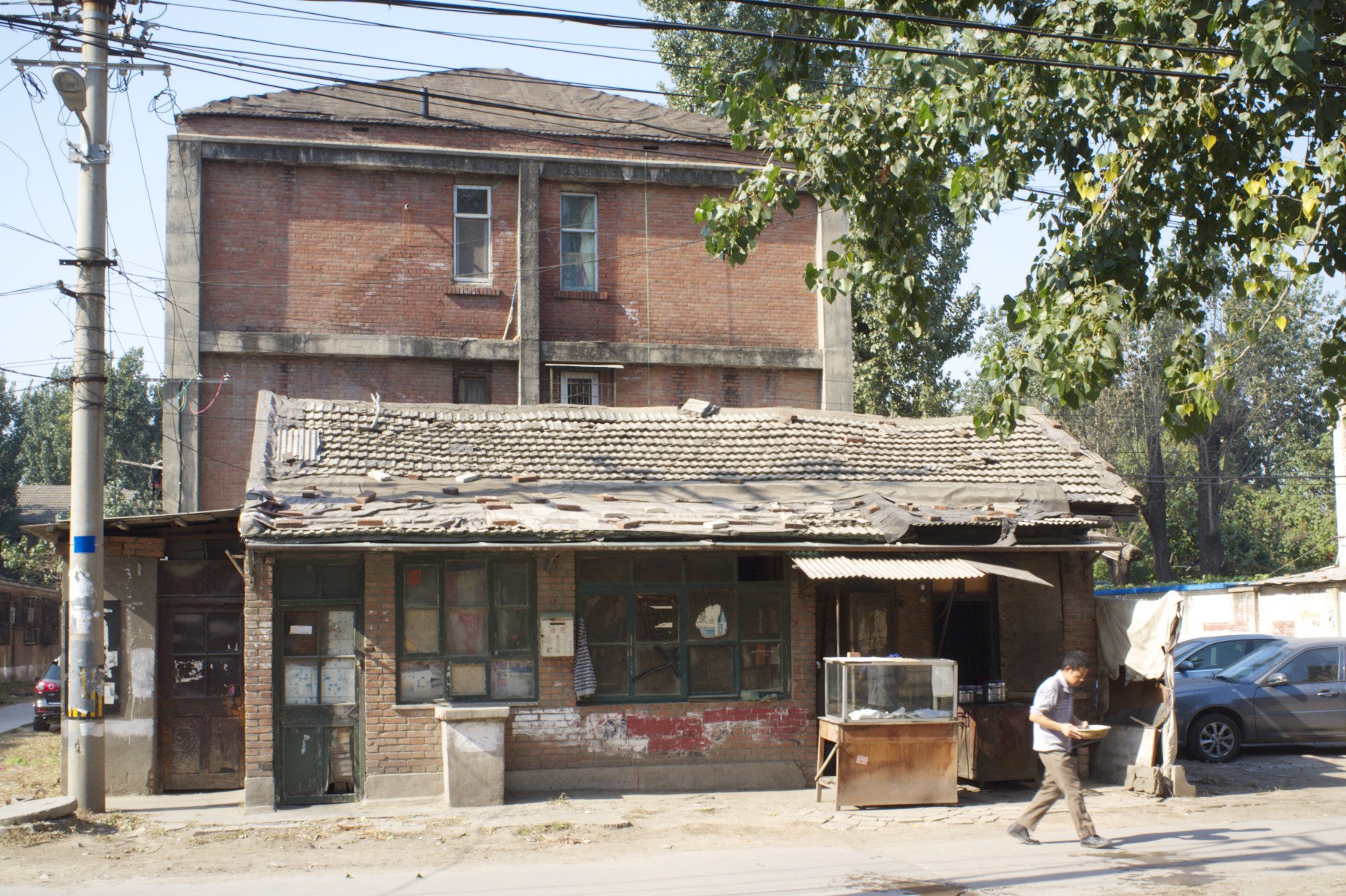
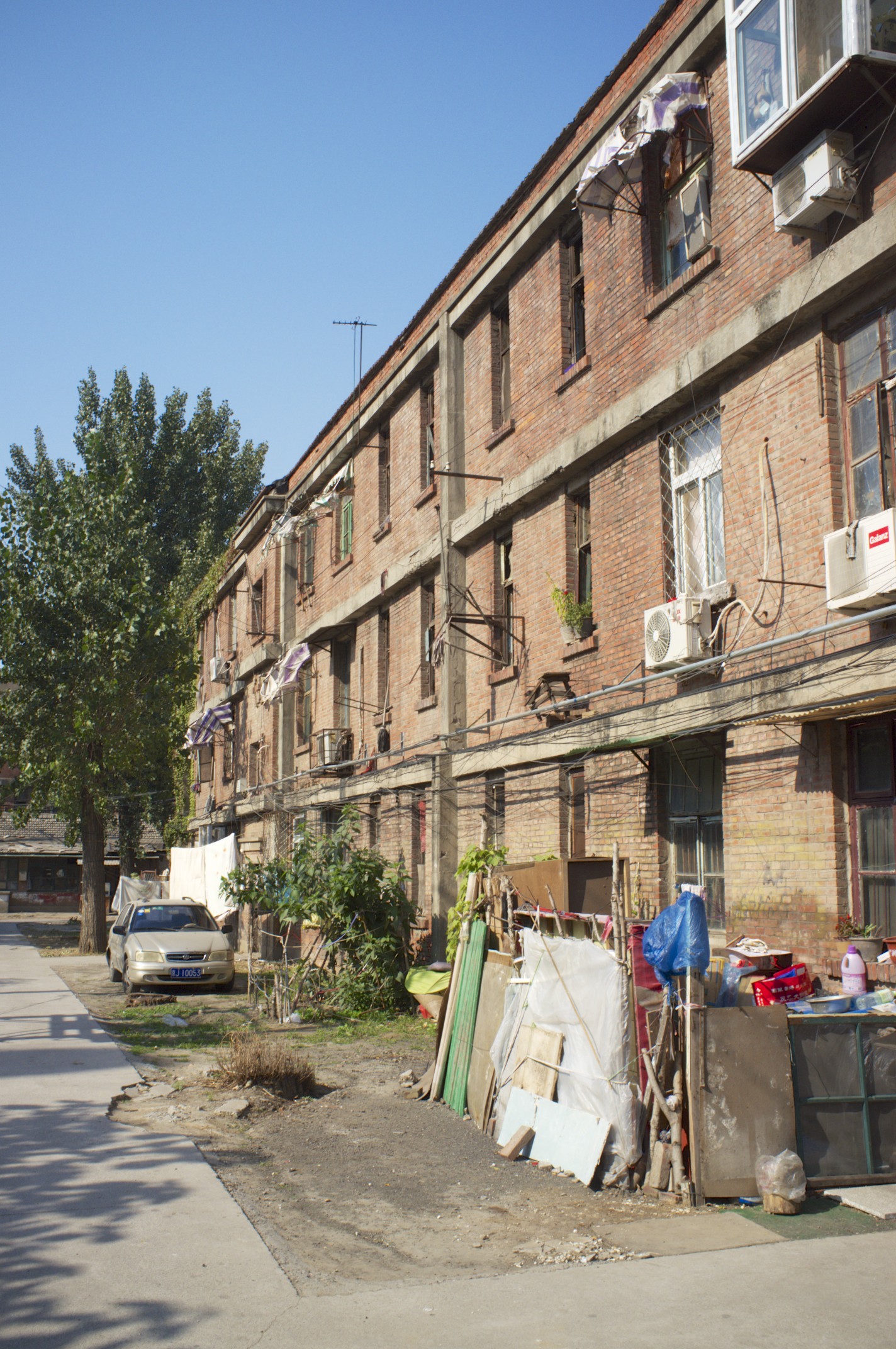
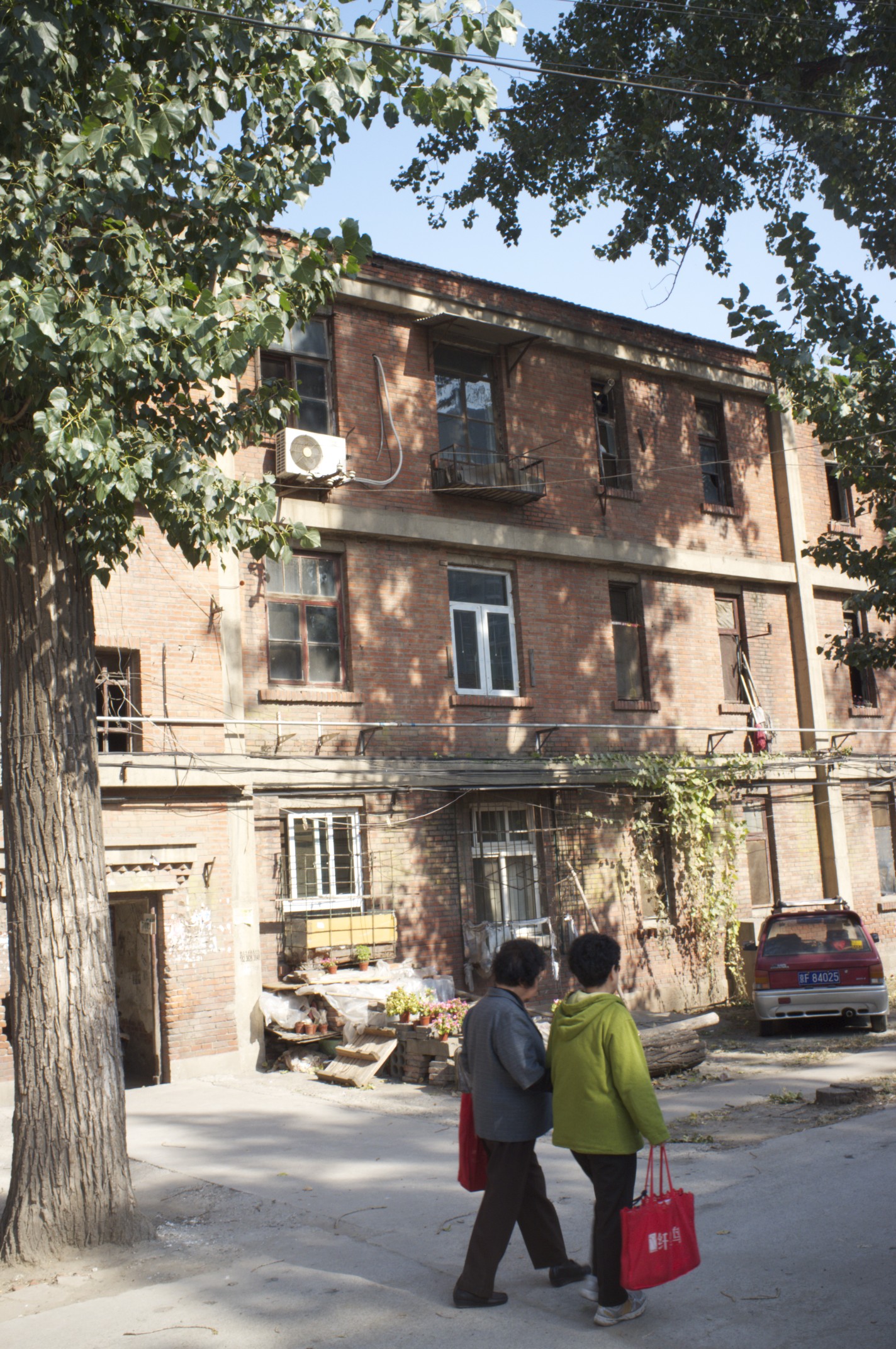
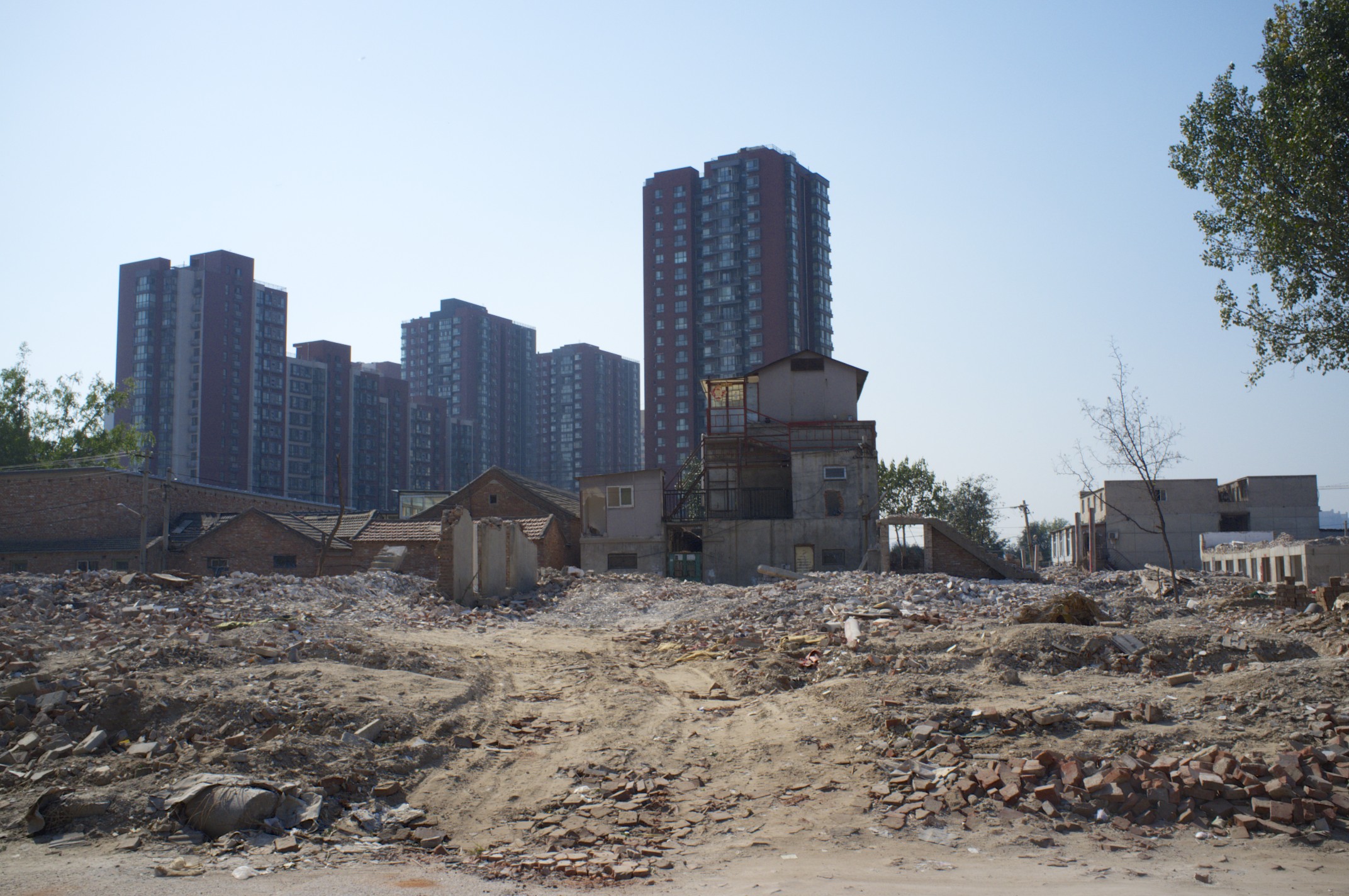
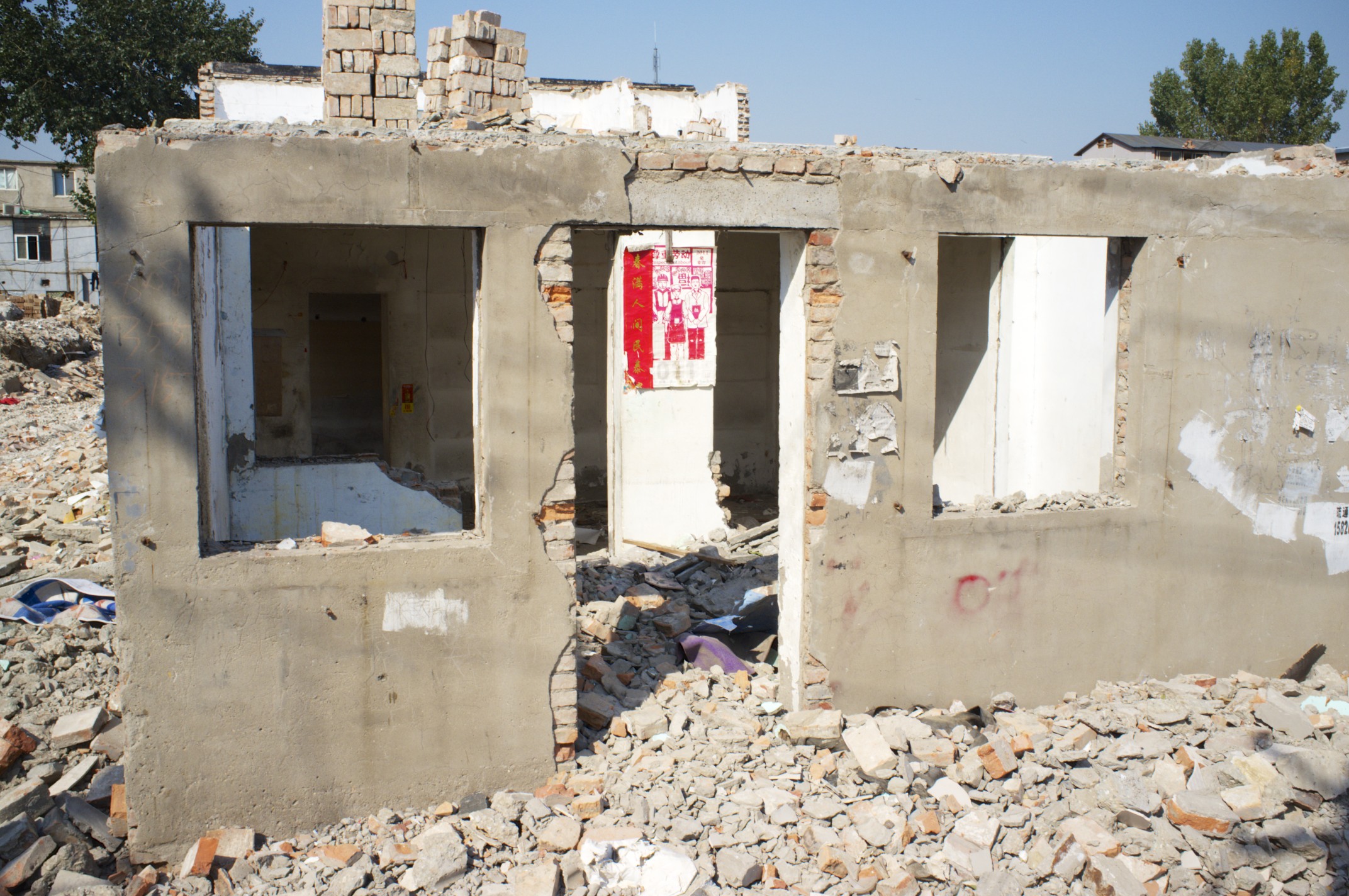
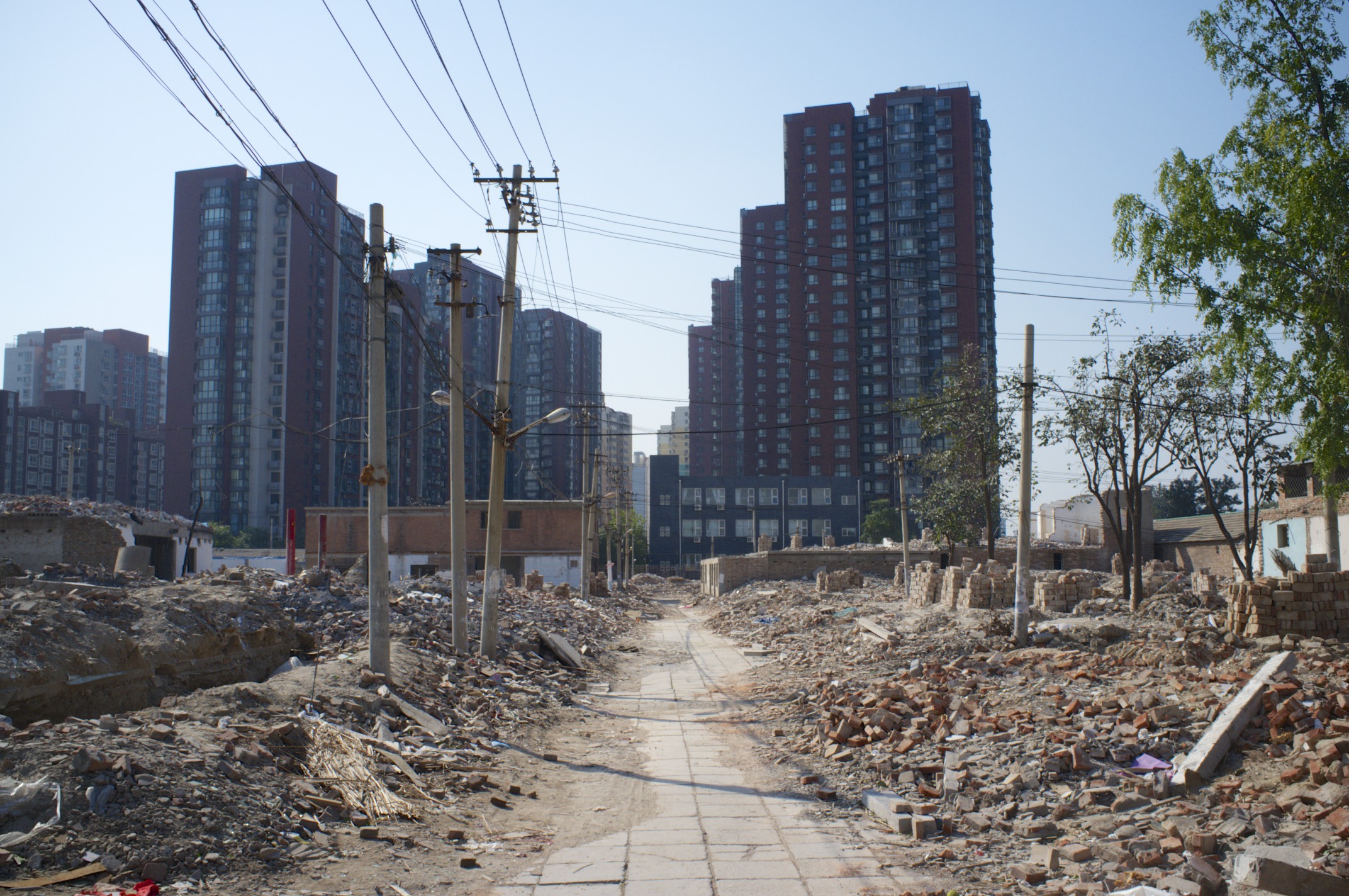
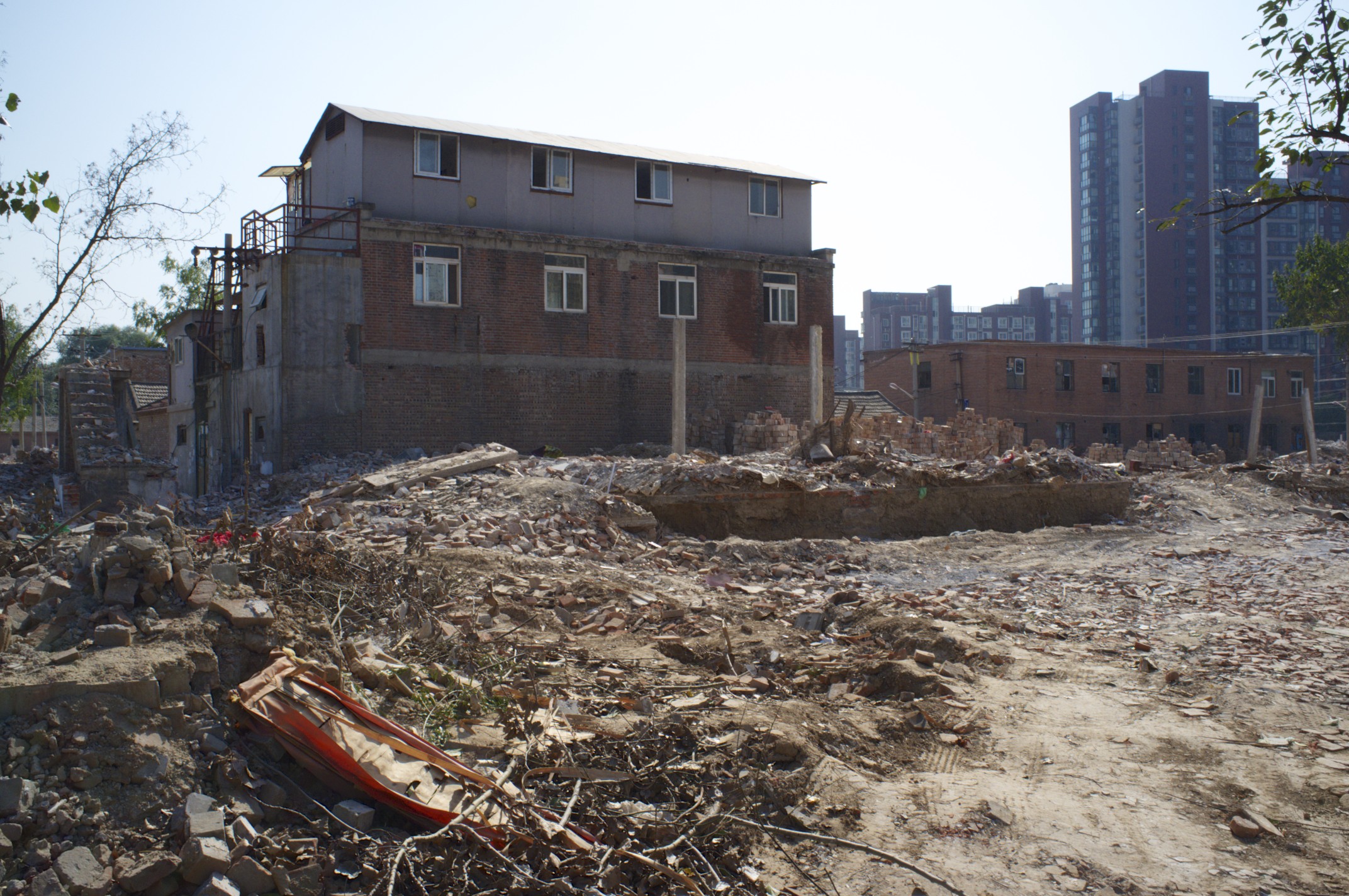

Location of the residential area which is still in tact.
- Satellite photo: Google Earth (on the 11th of October, 2013)

Location of a demolished area. In the East is the railway, which can be seen in one of the photos.
- Satellite photo: Google Earth (on the 11th of October, 2013)
Phillips' Economic "MONIAC Hydraulic Computer"
In absence of electronic computers William Phillips used a hydraulic system to simulate national economy. Only 14 of such machines have been built, and the original design was meant to be a teaching aid. It was called MONIAC (Monetary National Income Analog Computer), and it is quite fascinating to watch. Even without seeing it operated, but just exhibited in the London Science Museum, it explained to me very well the principles and how the different factors of an economy work together. It is a system of tanks, valves and water represents money. The bottom tank is the National Income. Phillips demonstrated the machine to economists in the London School of Economics (LSE) first in 1949. Have a look by clicking here how it works.

MONIAC computer exhibited in the Science Museum London (2013).

Schematic description of the MONIAC.
Changing ways of crossing bridges
Two decades ago, I had my own way of crossing bridges. When I returned to this one in Stoke-on-Trent last week, I figured out that my way of doing it has changed: I keep my tongue in the mouth.

Crossing a bridge over the canal in Stoke-on-Trent (1989).

Crossing a bridge over the canal in Stoke-on-Trent (2013).