
With my Vespa passing through Rhine-Nahe
The year is soon coming to and end, and even it’s not quite time to wrap up yet, I am spending some times in the forests above the Upper Middle Rhine Valley. It is a UNECO World Heritage Site, with idyllic landscapes of rolling vineyards and historic castles. Very picturesque, but also here you can feel economic pressures and cultural decline, like in many other parts of Germany. The areas does not just stand for castles and old Sagas like the Nibelungs, …
The year is soon coming to and end, and even it’s not quite time to wrap up yet, I am spending some times in the forests above the Upper Middle Rhine Valley. It is a UNECO World Heritage Site, with idyllic landscapes of rolling vineyards and historic castles. Very picturesque, but also here you can feel economic pressures and cultural decline, like in many other parts of Germany. The areas does not just stand for castles and old Sagas like the Nibelungs, but also was a once celebrated viticultural land. Thomas Mann’s Felix Krull - Bekenntnisse eines Hochstaplers (Confessions of Felix Krull, Confidence Man) is set here in a time the wine industry was the backbone of the region, attracting also travel and tourism from across the globe.
In deed, the Rhine and Nahe valleys have been synonymous with world-class winemaking, also beyond renowned Rieslings. Working in the steep, sun-drenched slopes, meticulously terraced over centuries is hard work. I have done it as a teenager during harvest season myself. But it is not only the wine production itself, but this industry also sculpted a unique cultural landscape. Now when I travel through the vinyards on my Vespa, I can see more and more land unmaintained or abandonned. Since 2025, an alarming two-thirds of independent German wine producers are in financial distress, with nearly one in three facing the risk of closure. The crisis is most acute for bulk wine producers and cooperatives, which form the backbone of the industry, with many forced to sell their wines at prices below the cost of production.
This crisis is not the result of one single factor and been brewing for years. A dramatic 30-40% surge in operational costs since 2019, encompassing everything from labor and energy to packaging and machinery, has squeezed profit margins to unsustainable levels. Compounding these economic woes are significant shifts in consumer behavior. A growing health consciousness, particularly among younger generations, has led to a decline in alcohol consumption. If you wonder where the drinking of alcohol originated? Historically, when water was infested by anything from e-Coli to Cholera, ethanol was a way of purifying water. It was literally safer to drink beer or diluted wine, than water. Sure, there are better ways to keep water safe today than adding a cell and nerve poison. The career of alcohol as a recreational drug, started later. I am personally always confused by the term “recreational drug”, because I doubt the “creation” part of that story. So, in a way, when the government of Rhineland Palatine (a German province), subsidizes the wine industry, it may even prevent a necessary structural change, and putting taxpayers’ money in the wrong place. Some people told me that the provincial government would do it because they “profit” from the alcohol tax. In fact the German alcohol tax is a federal tax. So it’s not like the “Taliban supporting the opium production in Afghanistan to get a share or benefit from trade involvement and raising protection money”, like one (drunk) local tried to convince me.
Another factor, is the increasingly volatile climate, creating whiplash effects in supply: while some years have seen yields slashed by extreme weather events, others have resulted in oversupply, flooding the already saturated bulk wine market and causing prices to plummet and more producers going out of business.
The increasing abandonment of these terraces, which are difficult and costly to cultivate, has a cascading effect on the environment. Without the deep-rooted vines to hold the soil in place, the abandoned slopes are highly susceptible to erosion, leading to the loss of fertile topsoil and increased runoff. This not only degrades the land but also poses a threat to the delicate ecosystems of the Rhine and its tributaries.
Once, with my Vespa, I pass the vineyards, and entering the main towns, also the cultural effect is very prominent, even more pronounced on the left river bank, where the sun does not allow significant wine production. There are still some lovely very small towns which can maintain their character. But once you come into places like Bingen or Bad Kreuznach, they are mere shitholes. Unfortunately, for Germany, this is not the only industry in a crisis, and we look at parallel developments in many producing industries, while the former competitive advantages dwindle. There is also not just one thing you can do, to turn it around. It’s a country in a cluster-fuck!
On a positive note, there are beautiful forests and landscapes above the Rhine valley towards the West, towards Luxembourg and France. It’s the land of “Schinderhannes” (Skinner Hannes), a famous outlaw active around the turn of the 19th during French occupation. He is often remembered in folklore as a kind of “German Robin Hood,” though historically he was primarily a violent robber and extortionist. The area was very poor back then, and the Devonian base rock does not produce large stretches of fertile soil. So, there are amazing forests maintained and landscapes to hike for days. And if you have enough of the green, the area as one big plus: it’s a short drive to Paris.

Moving since 3 years
I am maintaining a journal in the format of noting down the days in a tabular way, having always the same day on one page, just for the current year. Like this, I see what happened exactly that day the years before. Such has a capacity of 5 years. There are also versions with 10 years, but then the daily space for writing gets quite compressed. This is a very nice way of keeping a journal. Now I realized that exactly a year ago, I packed a “Movecube” which is an OSB box available in different sizes …
I am maintaining a journal in the format of noting down the events of the days in a tabular way, having always the same day on one page, just for the current year. Like this, I see what happened exactly that day the years before. Such has a capacity of 5 years. There are also versions with 10 years, but then the daily space for writing gets quite compressed. This is a very nice way of keeping a journal. Now I realized that exactly a year ago, I packed a “Movecube” which is an OSB box available in different sizes offered by the Seven Seas Worldwide shipping company. They are very well and transparently priced, and all worked very reliably. They obviously don’t have all locations in their programme, but Wiesbaden-Toronto was available. Wiesbaden-Malta wasn’t. So this required moving thing into a local storage and then shipping by sea freight. I used Transpak Malta for that and again I was very lucky that all went very well and reliable. These things just arrived last week. All this building, moving, packing started actually in March 2023, now lasting the third year, when I started building a cabin. I called my blogpost back then “The last dirty mile is really dirty”. It stayed that way. Also unloading the houseboat. Over time, I asked for more help. But still, it’s tough. On the other hand, you have a built in gym in your life by design.
I am happy to wind all this down now. Most things are kind of in the place they should be, in a global network of accommodations, spanning over continents. Even this sounds exciting, getting there is actually a very inefficient period of life. Sure, you can go everywhere with hand luggage. But you have 3 washing machines, 4 wardrobes, multiple vehicles, all needing to be maintained. But of course, once all is set up, it is a very interesting way to see the world.
With all the moving, one of the most annoying things was to get out of Germany, when it comes to administration. I don’t think, they try to make it difficult to leave the country. They just make it difficult for everybody. And because when you emigrate there are so many admin touchpoints in a short period of time, that it really it really appears absurd sometimes. But now also this comes to an end. This time, I did not have Frankfurt airport as a touch point on the way from Tallinn to Malta, but flew through the Netherlands. It is so much better to stay away from the chaos of Frankfurt and all these grumpy people. Germany kaput! Heading back to Toronto through Warsaw, with a little stop over in town.

The cradle of Teletubbies
When Wilhelm Kattwinkel visites the Olduvai Gorge in 1911 to research sleeping sickness , he observed humanoid archeological remains, in 1913 identified by the German Geologist to be probably the “cradle of mankind”. I visited Germany, also for a different purpose, but now sitting at Frankfurt Airport waiting for my flight out, I am convinced, I discovered “the cradle of Teletubbies” …
When Wilhelm Kattwinkel visited the Olduvai Gorge in 1911 to research sleeping sickness , he observed humanoid archeological remains, in 1913 identified by the German Geologist to be probably the “cradle of mankind”. I visited Germany, also for a different purpose, but now sitting at Frankfurt Airport waiting for my flight out. Now, thinking back I am convinced, I discovered “the cradle of Teletubbies” (Teletubbies - Wikipedia). It is amazing resemblance in shape, vocabulary, grammatical proficiency, everyday activities and outlook on life. Yesterday I took first a local train from Bingen to Frankfurt Main station, packed with them. My plan was to extend my expedition with a walk through Frankfurt. But the station is cordoned my a non-penetrable ring of “Zombie Proto-Teletubbies”. Before they had the chance to bite me, so I may become one of them, I jumped on an Uber and escaped to my airport hotel. There was not much around there, but I went for a little walk to discover a store selling organic produce. So, I went in to get myself some dinner ration, to discover the “Mindful Proto-Teletubbies”. It is a tribe where body and mind are one, which seems to be manifested by the IQ and the Body Mass Index (BMI) being the same number. They are so “mindful”, introverted and slow, that the main outside difference to the “Zombie Proto-Teletubbies is, that they have better teeth, and they look more peaceful, and you can communicate with them easily with the vocabulary: “Oh, oh, ey”. It’s a super efficient language, because you can express a lot of different things using these three words in a different intonation. It can be surprise, confirmation, anger, educational … anything. I guess, that’s what they call “German efficiency”. Well, I am out of here.

Via the North Pole to Hong Kong
Luckily Chinese Airlines continue flying over Russia, and so I was able to take the short cut from Toronto over the North Pole to Hong Kong. It is interesting watching the flight map, diving into Asia from that perspective. Still the 12 hour time difference, made me a little trouble this time. Then I also caught a fever and still had to flag pole over Macao due to a delayed visa process ...
Luckily Chinese Airlines continue flying over Russia, and so I was able to take the short cut from Toronto over the North Pole to Hong Kong. It is interesting watching the flight map, diving into Asia from that perspective. Still the 12 hour time difference, made me a little trouble this time. Then I also caught a fever and still had to flag pole over Macao due to a delayed visa process. So, everything became very tightly scheduled and there was only very little time for anything extra. I did not even go over to Lamma Island: no hike, no seafood, no nothing really. I apologize to all the friends I did not see this time.
Hong Kong is slowly digging itself out of the Covid-recession. It’s not easy. It helps to be closer connected to Shenzhen and the Pearl River Delta. But you can feel, the city is in a bit of an identity crisis. But at least it’s peaceful, unlike it was in 2029. That’s partly a result of the National Security Law implemented, and also because economic pressures start biting. There were celebrations for the 75th anniversary of the foundation of the People’s Republic of China. And as usual, an amazing fireworks lit up the skyline. 75 years. That’s a lifetime, and a period of tremendous development in China - including ups and downs.
Just after finishing my course at Hong Kong University, I drove to the airport and travelled to Turkey. This time over India with a little detour. I like Turkey a lot, and I can only imagine that it must have a great economic future. There is no real reason why for example many German companies should not move production capacities into Turkey. The country has a young, well trained and motivated workforce. There are some unwise economic policies, I think. But that should not be hard to fix.
Finally, my trip also brought me to Germany, in a plane from Antalya full with German tourists. Luckily it was just a 3 hour flight, and manageable. But when landing in Germany, still with this preparation, it came to me like a shock how agressive the environment has become. Germans lives in the frustration of the second year of self inflicted recession, and meaningless government slogans like “Doppelwums”, “Wachstumsturbo”, “Bauturbo”, “Zeitenwende” … The socialist past socialist GDR-Slogans at least were not baby speak, and you could understand the words, if not the intended meaning. The effect though is the same: nobody listens anymore. Instead they start blaming random groups for their misery. Sometimes they even blame me. Today I parked my Vespa motorcycle (orderly) in front of a shop to get some food and somebody just kicked it over to the ground, while yelling something about immigrants. Luckily, actually an immigrant, helped me to put it back on its wheels, so I could continue my ride. Let’s see how this stopover in Germany is going to continue.

Birthday South of Greenland
I started my birthday on an Air Canada flight, up in the air over the Atlantic, South of Greenland. In the afternoon, I drove to visit my parents in Westerwald and crossed farmers’ protests on the way. This was one of the most friendly and well-organized protests I have ever seen, …
I started my birthday on an Air Canada flight, up in the air over the Atlantic, South of Greenland. In the afternoon, I drove to visit my parents in Westerwald and crossed farmers’ protests on the way. This was one of the most friendly and well-organized protests I have ever seen, with strong support from the public. For the police, this was a pure traffic management job. No riot gear, no water canons, no teargas. Instead, the protesting farmers arranged, together with the police, emergency lanes in case something would be needed for rescue services. People still have in their minds the recent protest in Berlin, where an ambulance was blocked by climate activists glueing themselves on the roads, where rescue services could not reach an unrelated accident site, and subsequently, a woman died. Members of the current German government have preemptively discredited the farmer’s protests unfairly. Discontent with this government is extreme, and all hope is the call for a vote of no confidence and opening up the path for new elections. The question just is how the political landscape changed and what reasonable and competent coalitions could emerge. At the moment, it feels like it can’t get worse. But who knows?
This morning I had an early start driving to Tilburg. Train staff started striking today, so I was taking the car and passed through commuting hotspots before the rush hour. Still, the drive was slow because of the many construction sites until I reached the Dutch border. Infrastructure in Germany is a complete mess. I had lunch on the University campus and will start teaching a strategy course at TIAS tomorrow. This is a very nice business school co-owned by Tilburg and Eindhoven Universities. It will be long days with 12 hours of “stage time” per day. But I am looking forward to it. It’s an MBA programme, but unlike some other programmes, these students are special as they are already very experienced. So, it’s more like Executive Education, which is what I like doing.

How to prepare if you have to use the German Railway
I embarked a train trip from Germany to Switzerland and unfortunately there was no Swiss train matching my schedule. So, there was no other choice than using a connection supplied and operated by the German Railway Company, called Deutsche Bahn. I really like travelling by train, and I did so in many parts of the World. But it’s always important to know what to expect …
I embarked a train trip from Germany to Switzerland and unfortunately there was no Swiss train matching my schedule. So, there was no other choice than using a connection supplied and operated by the German Railway Company, called Deutsche Bahn. I really like travelling by train, and I did so in many parts of the World. But it’s always important to know what to expect so you can best prepare for the journey. And in the case of Germany, you may go in with the misconception, that you can experience a certain standard in one of the world’s richest countries.
I better give you a few tips below.
Plan direct connections where you don’t have to change trains on the way. It is likely you will miss your connection and get stranded somewhere in a filthy train station for hours.
Have nice words ready for the train staff. They are mostly very friendly and take any situation with good humour trying to keep the spirit high. They often go more than the “extra mile” to help, whatever happens. And it’s always better, to crack a few jokes together than complain.
If you still have hand sanitiser from the Covid times, take it with you. For example, this journey started in Wiesbaden with a drug addict vomiting all over the place.
When you wash your hands in the bathroom, always check first whether the water is running before using soap. Otherwise, you may find yourself with soap in your hands and no way to wash it off. Anybody who travelled in developing countries knows the situation.
Don’t wear light colour clothes, because the trains may be really dirty. Perhaps even consider bringing something to cover the seats. People eat, drink, crumble and spill everywhere. I even developed a theory of why Germans like to travel with backpacks. Then they still have both hands to keep eating Chicken McNuggets while they walk. At the same time, they will jam their backpacks into your ribs.
In summer, the air conditioning notoriously malfunctions. So, carry a small hand fan. I got used to this when I travelled on the Columbo-Kandy train in Sri Lanka. And it comes in handy in Germany too.
There are actually quiet compartments where passengers are not supposed to use their phones. But some people don’t care and yell into their phones. Take some noise-cancellation earphones not to be forced to participate in their conversations. Here it comes in handy if you don’t understand German because at least the dull content will not bother you, and it’s just noise.
Some fellow passengers may watch movie clips or listen to music without headphones. Or, in the worst case, they blast you with a computer game. What helps here is a Wifi and GSM jammer, which interrupt the internet connection. You can buy these Shenzen. As a result, your fellow passengers will get very upset for a few minutes, because they first have to develop an alternative to what to do with their little lives in the time to come. Then they order alcohol, gaze out of the window and fall asleep. Job done.
Should you plan to work with a Laptop, synch your files and Outlook client to a local drive. There is wireless internet, in theory, but it’s patchy and slow.
Last but not least. Most of these tips refer to long haul trains which are relatively safe. But should you ever come into the situation that you have to take a local train (e.g. “S-Bahn”), you also have to consider repelling real troublemakers. Of course, de-escalation is the best first response. But even if this is successful, still consider informing the police. People who are really looking for trouble, will continue harassing others who maybe even more vulnerable. Should it come to the worst, in such confined spaces the application of teargas will cause more harm than good. Also, I learned recently that CS does not stop effectively somebody who is on drugs. So the methods of choice pacifying a Zombie are electroshock, stun grenades and cable binders for the aftermath. Besides the omnipresence of drugs, also knifes make such incidents really dangerous. On the positive side, luckily, Germany has relatively strict regulations for firearms and they are usually not involved. But better stay away from local public transport and take an Uber or rent a car.
The Deutsche Bahn has announced that they will fix all these issues by 2070. So, not in my lifetime. For me, should I have to procure the services of Deutsche Bahn again, I will take it as an adventure and with a smile, a backpack, Chicken McNuggets in one hand and a stun grenade in the other.

German autumn, between Hong Kong and Beijing
Having a stopover in Germany on the way to Beijing, I am still following events in Hong Kong from far. After a massive wave of violent destruction, the rioters left a shattered future of the city, and again made it clear that there is nothing to be learned from Hong Kong for Greater China …
Having a stopover in Germany on the way to Beijing, I am still following events in Hong Kong from far. After a massive wave of violent destruction, the rioters left a shattered future of the city, and again made it clear that there is nothing to be learned from Hong Kong for Greater China. Instead of taking a lead in using its administrative autonomy to create innovative models for Greater China, it became a failed experiment and a great disappointment. With the US legislation pushing forward to impose sanctions over Hong Kong potentially and make it a bargaining chip in the larger trade matters with China, everybody who has the ability is pulling out of the city. Even some rioters themselves are now playing the "freedom fighter" Trump Card and want to leave. Recently a group of them was stupid enough to barricade themselves in the campus of Polytechnical University, which is like hiding in a mousetrap. They gave up because they were cold, hungry and afraid. Good to have a peacful ending, but it's 18 Degrees Celsius in Hong Kong now, and already this shows you which kind of hobby terrorists we are dealing with - luckily. After the US has helped stirring up the unrest, now they may grant student visas for those with a "protest background". So, Islamic terrorists are perceived as a threat in the US, and potential Hong Kong "revolutionaries" are welcome? And after they are indoctrinated, trained, armed and approached by the CIA, they will return to their motherland? Sounds like a movie, doesn't it? From Washington with love.
In Germany it is autumn, and I am enjoying the colours. I will miss most of this season this year and head straight into Beijing coldness, then German advent, then Maltese set of summer and finally the year will end in Northern Russia. Expecting temperatures very low and wind, I got myself some winter clothes and fur boots. I rarely go to shop things which are not food. Who has time for that? There was a time I tried online shopping. But now I gave up shopping altogether.
This time is always about starting the closing of the year. Soon will be the 11+1 forcast for many. And for others making plans for the new year. So do I.

German style Dachia (Schrebergartenhütte) still defying winter with some blossum.

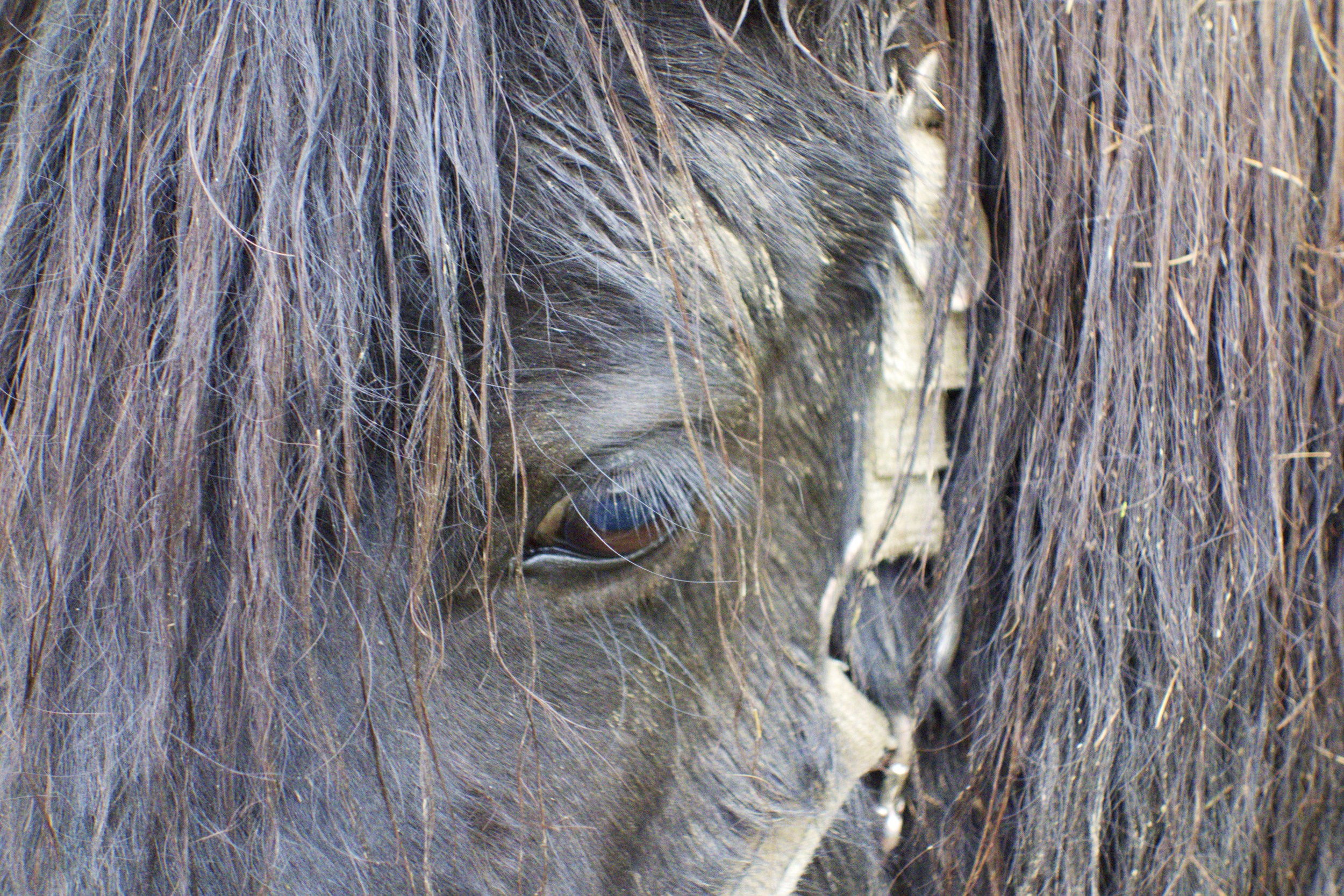
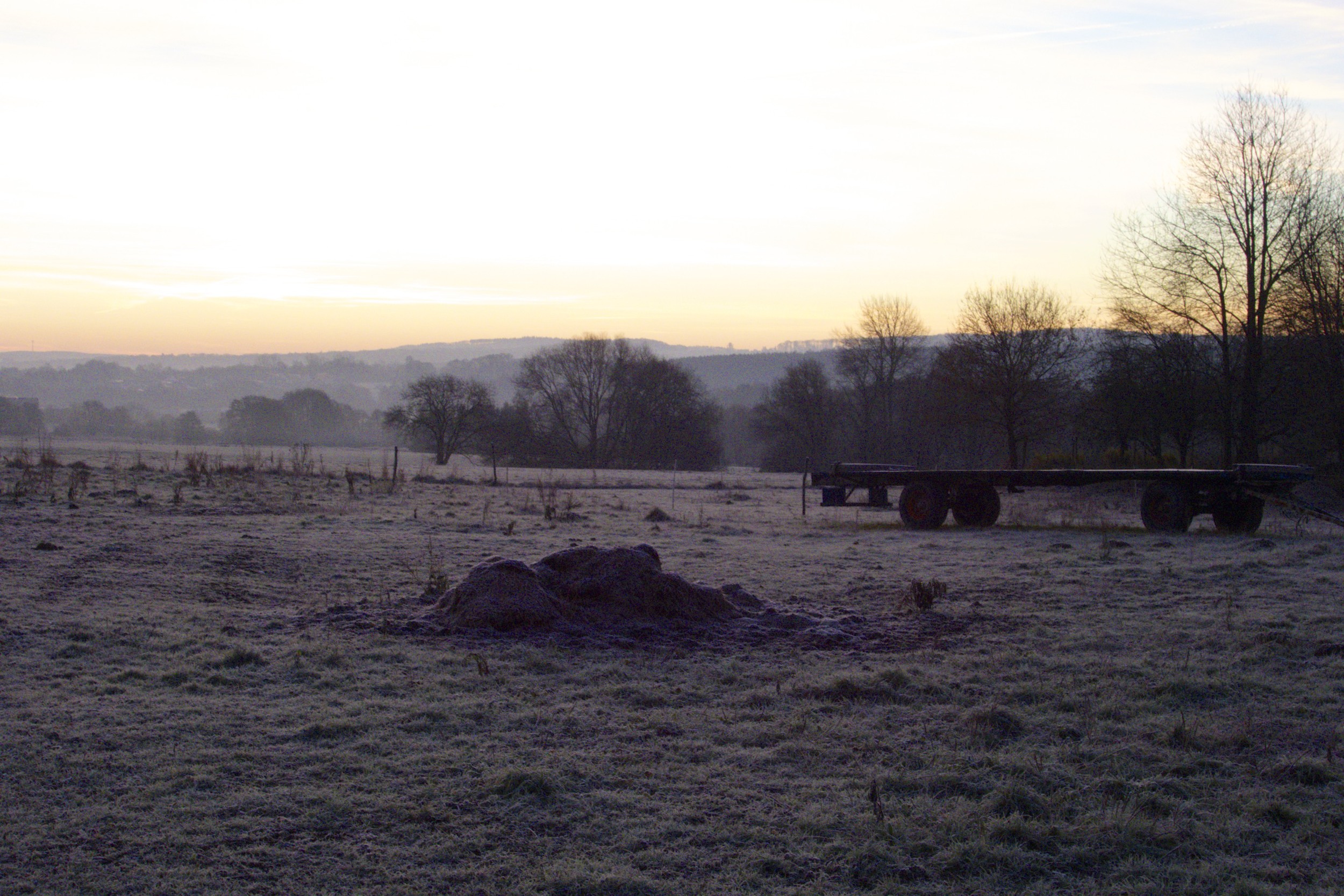
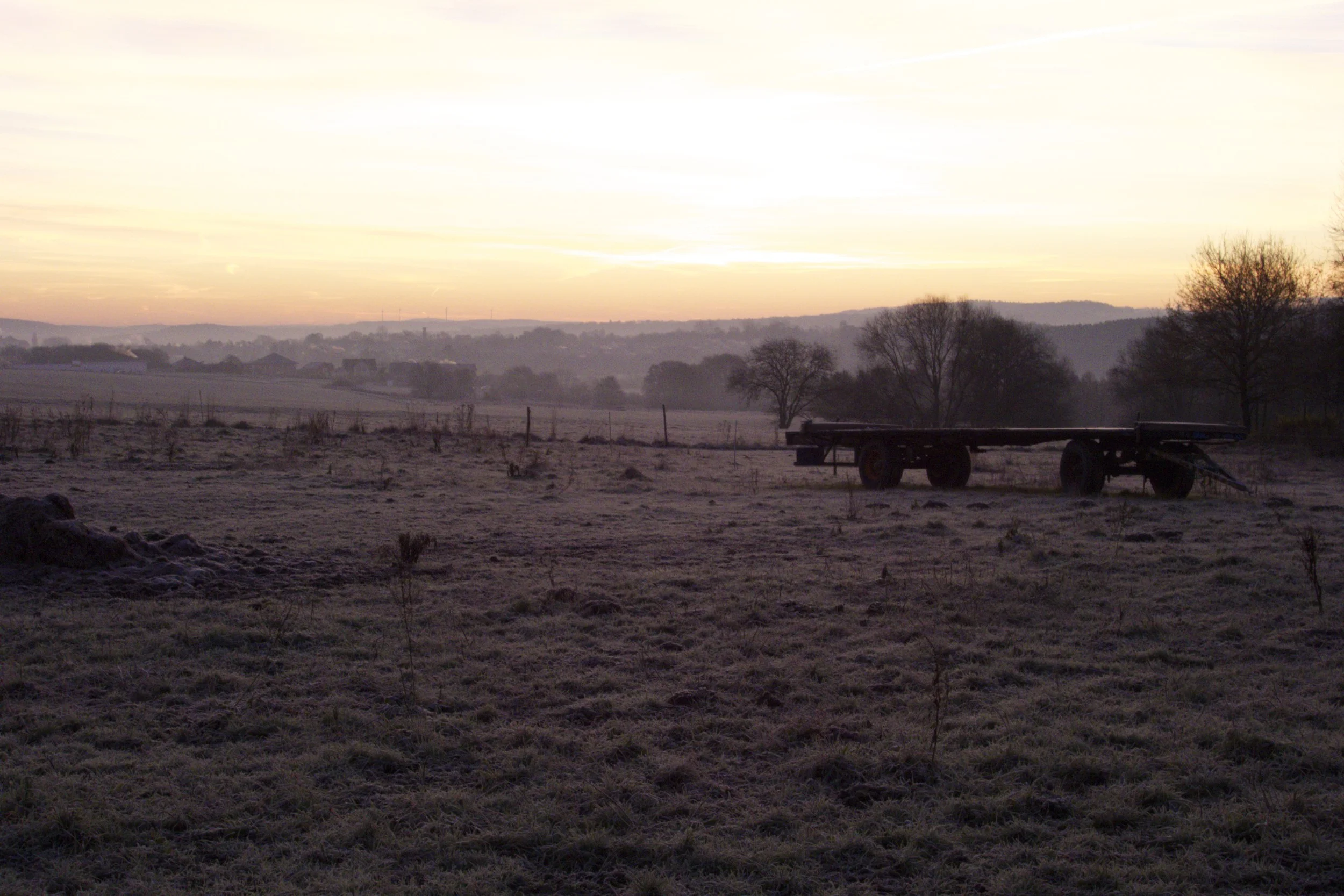
Westerwald cold blood in the early morning hours

Shopping for winter clothes and accessories.
"Deutschlandreise"
As I am on a trip to Germany, I took Roger Willemsen's "Deutschlandreise" as my pocket book of the week. Roger Willemsen, passed away recently and far too early. This is why the publisher, reprinting in a haste, forgot to print the title on some of the book covers and fixed this in the post production with a sticker (I bought them as paper versions for reasons of nostalgia and even overcame my aversion to contemporary bookshops for half an hour). I really like the author for his interviews and other productions. But "Deutschlandreise" I found shallow. Perhaps it is, because his observations in Germany were too common for me. Two more of his books I have in my bag though: "Die Enden der Welt" (The ends of the world) and "Momentum".
Constant travel

Global view in Amsterdam.
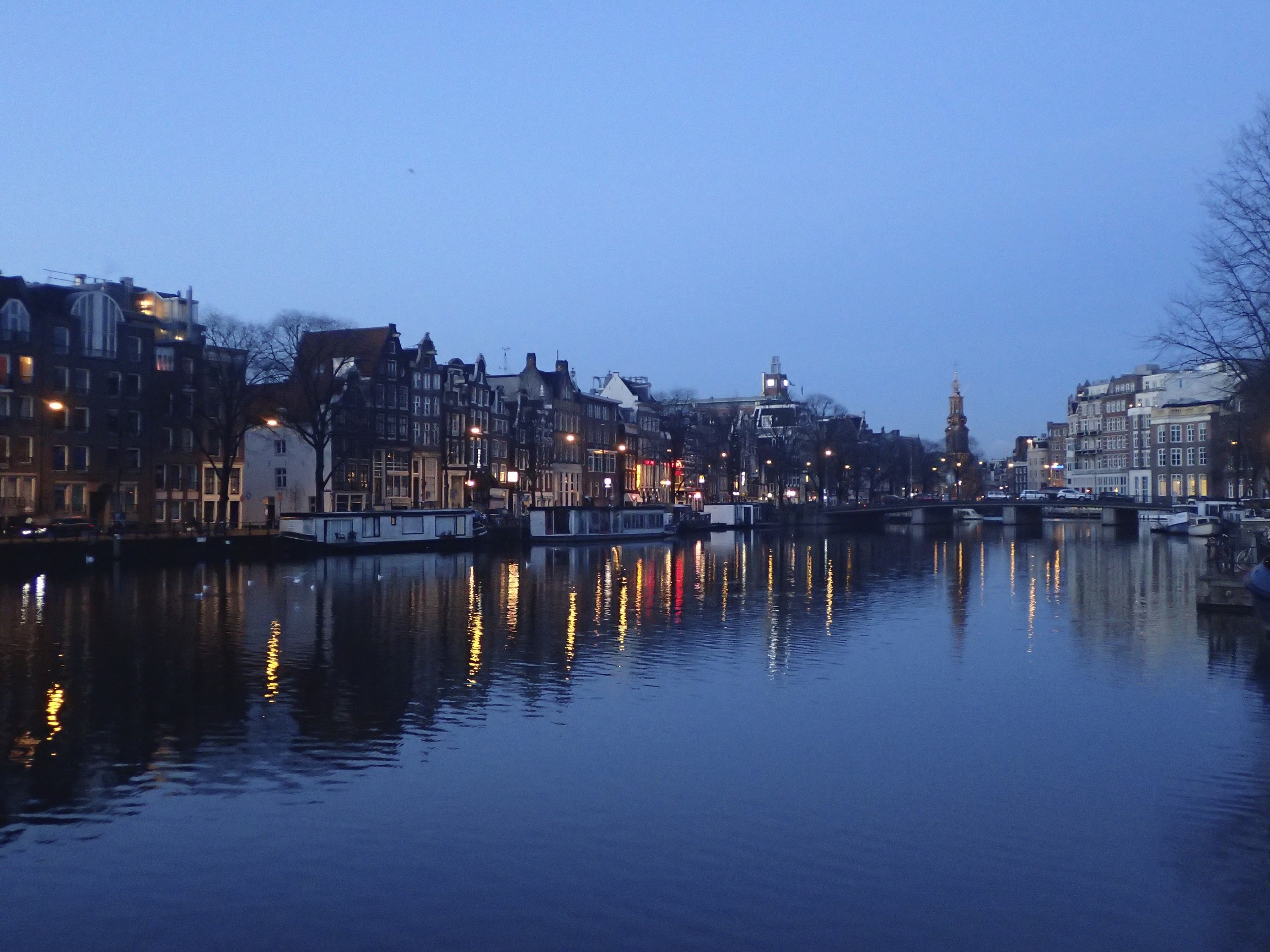
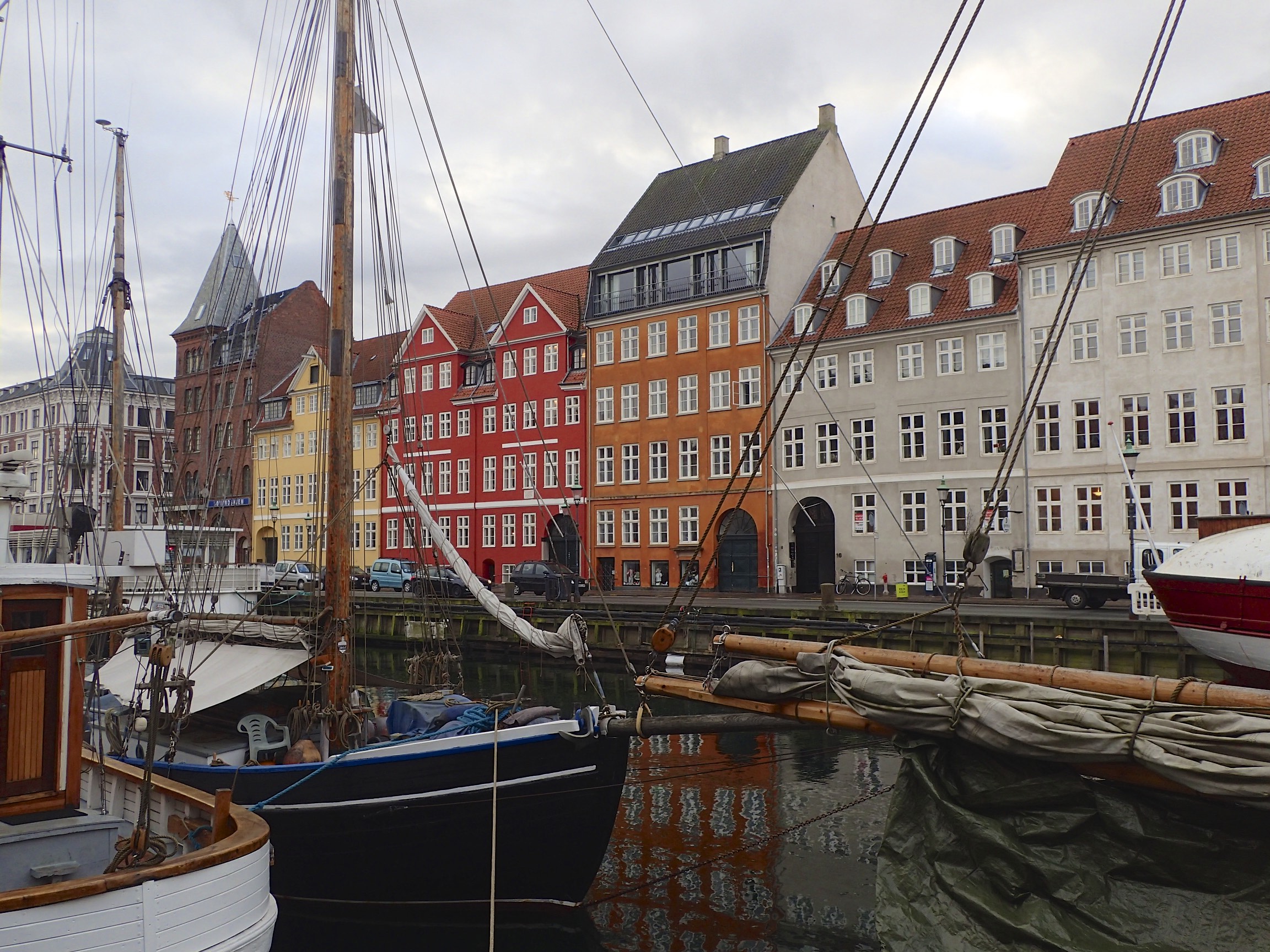
Travel became so much the norm for me now, that most of the path is described in my normal blog. There is no base from which I do "trips" now. But it is all one long journey, since the end of November 2014. Starting from Beijing, first some places Germany, then Amsterdam, Copenhagen. Then one month in Hong Kong, 6 weeks in Australia and New Zealand. Back to Germany. And now as I write these lines, I am sitting in London.

Sydney Rawson Institute for Seamen
Sometimes I try to make an analytical judgement on which might be a place to settle. But there are so many factors, which are completely random, but still making a deep impression. In the end it is more the what than the where, on which the decision will be based.
But a few things, I learned about travel itself. For example to stay in every place at least a week, if not a month. If you move around too much, you don't find the time to get things done, and you stay a tourist. Also it became quite conscious, that I don't like winters. They are cold, dark and you have to carry a lot of clothes. Traveling light is important: rather 15 kilograms, then 20. Also when you mix urban and real outdoor trips in one bag, this will get quite bulky and not appropriate for any of the two purposes. As we had to repurchase a lot of things, after our destroyed container from Beijing to Germany, this also lead to quite a "modernization". There are no heavy leather good or business suits any more. And when you live so minimalistic, you think twice, whether you buy a book on paper or electronically. I even have a luggage balance, with which I scale a pair of socks before I buy them.
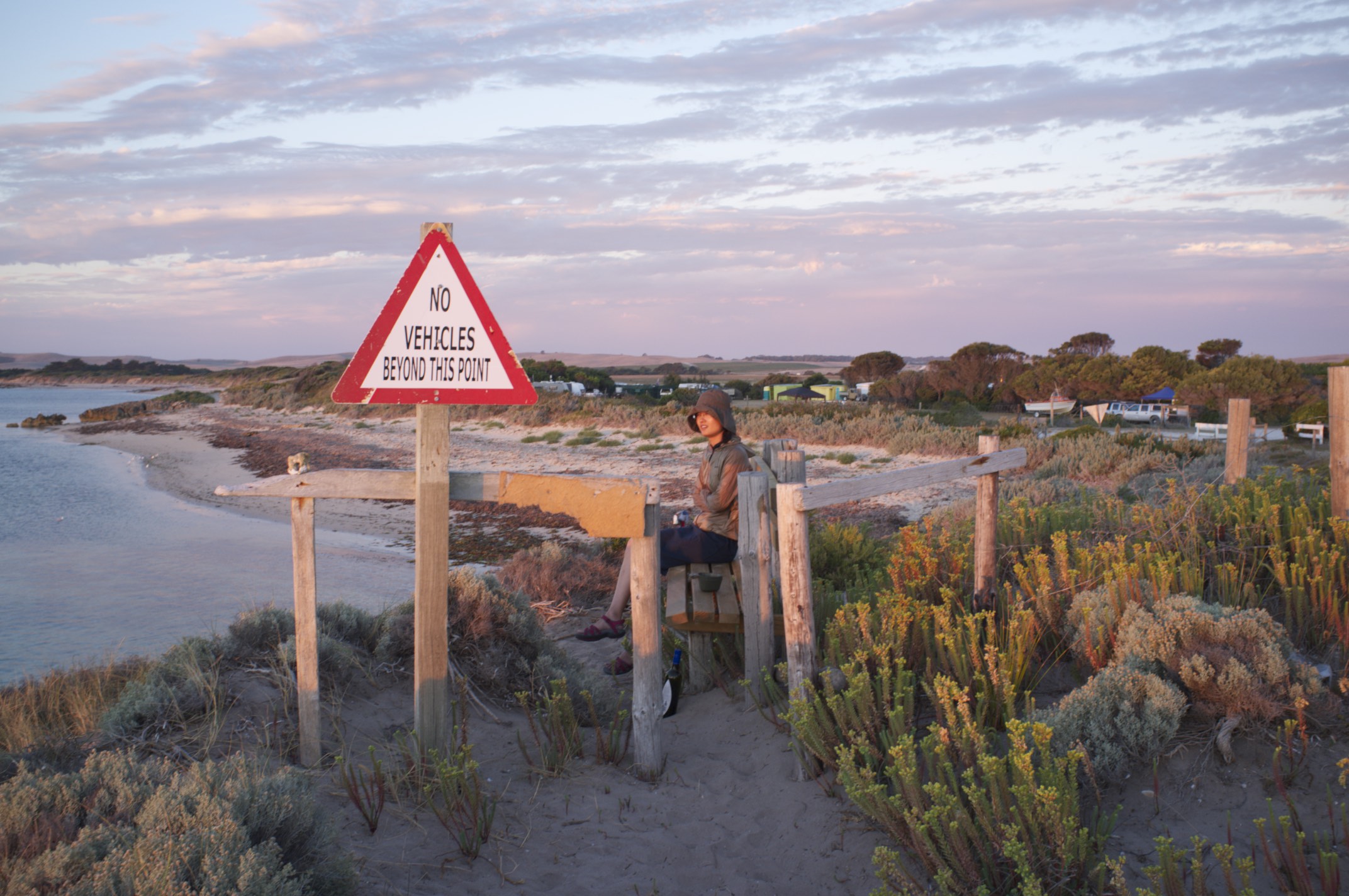
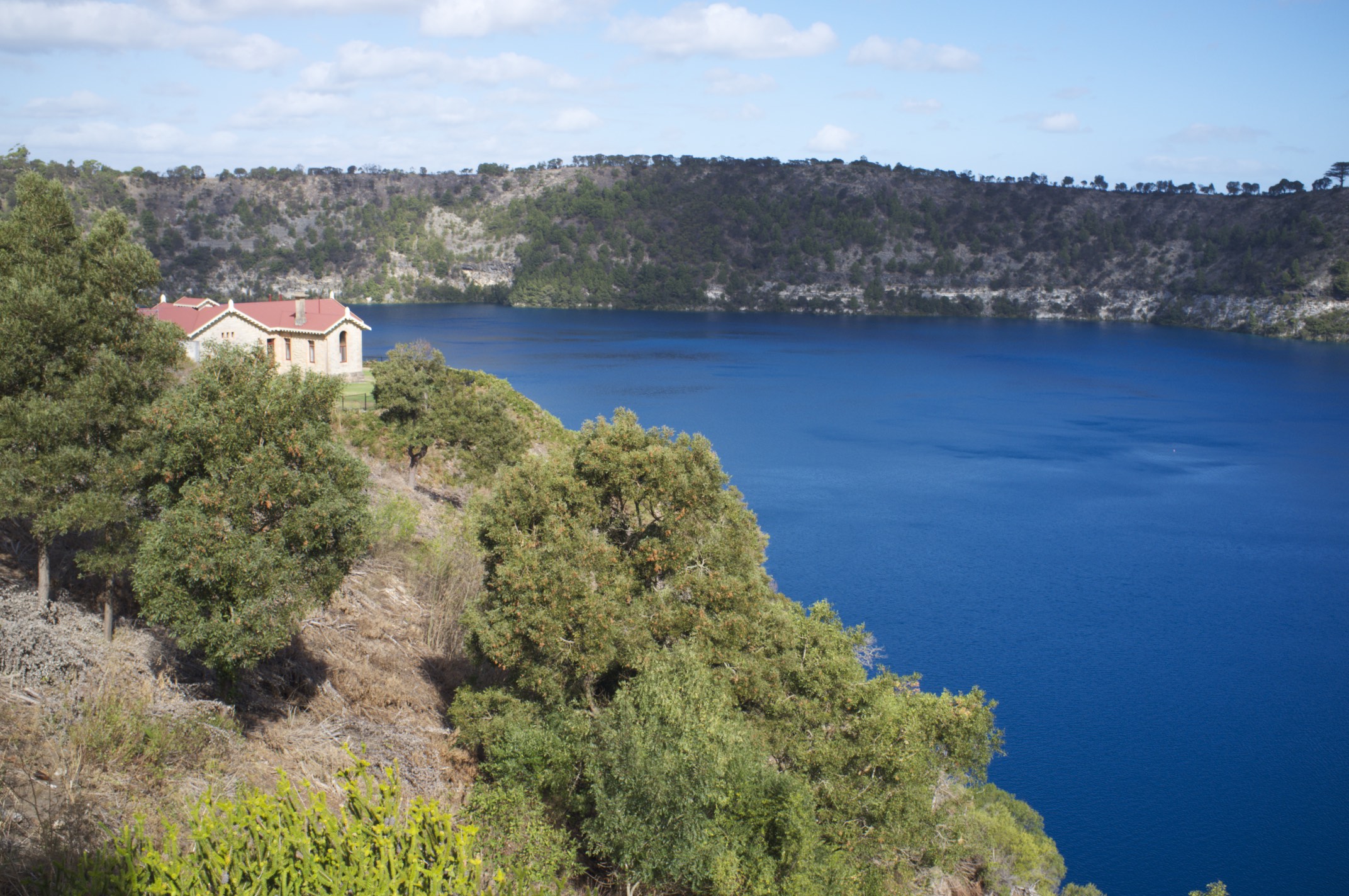
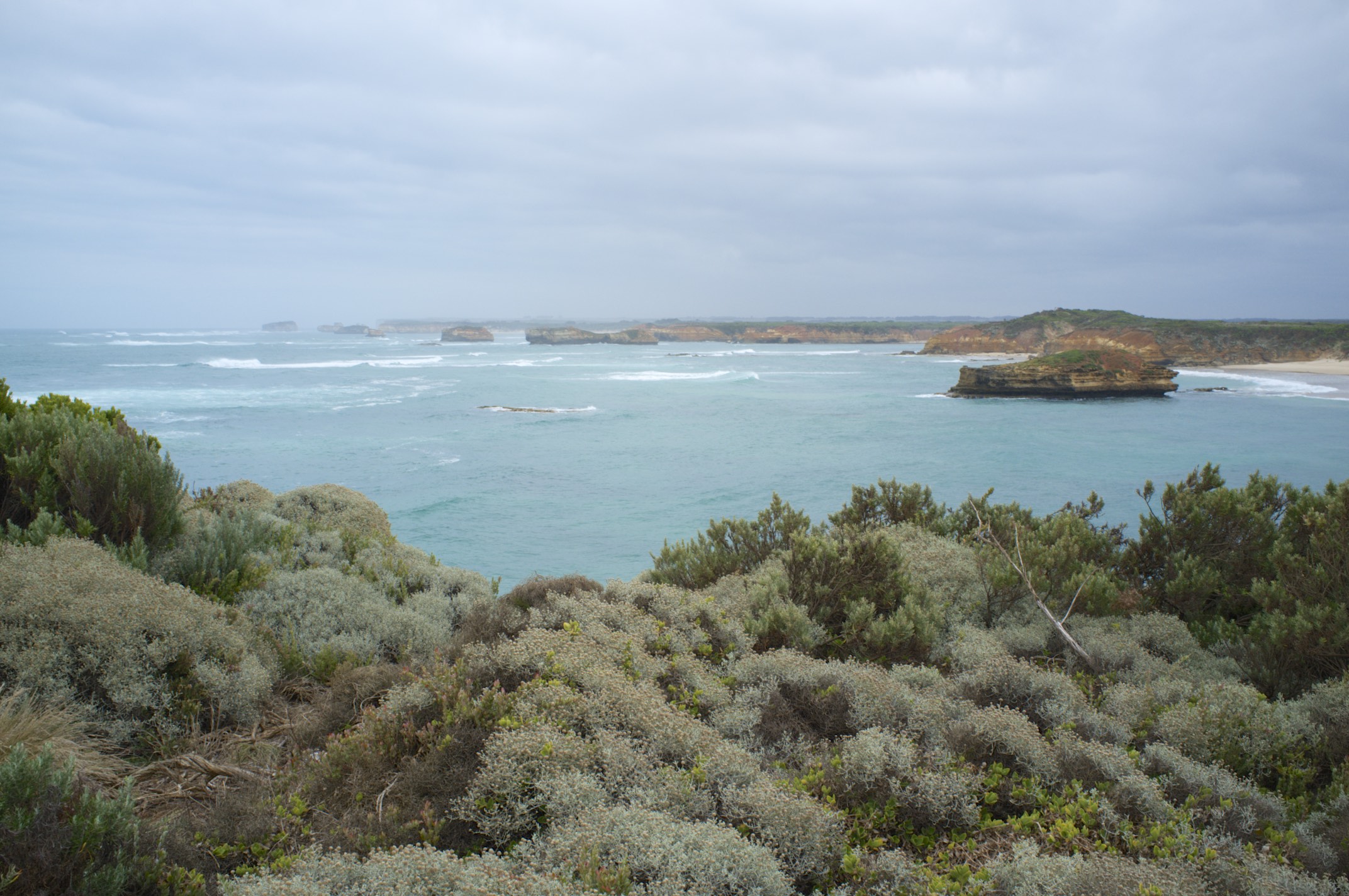
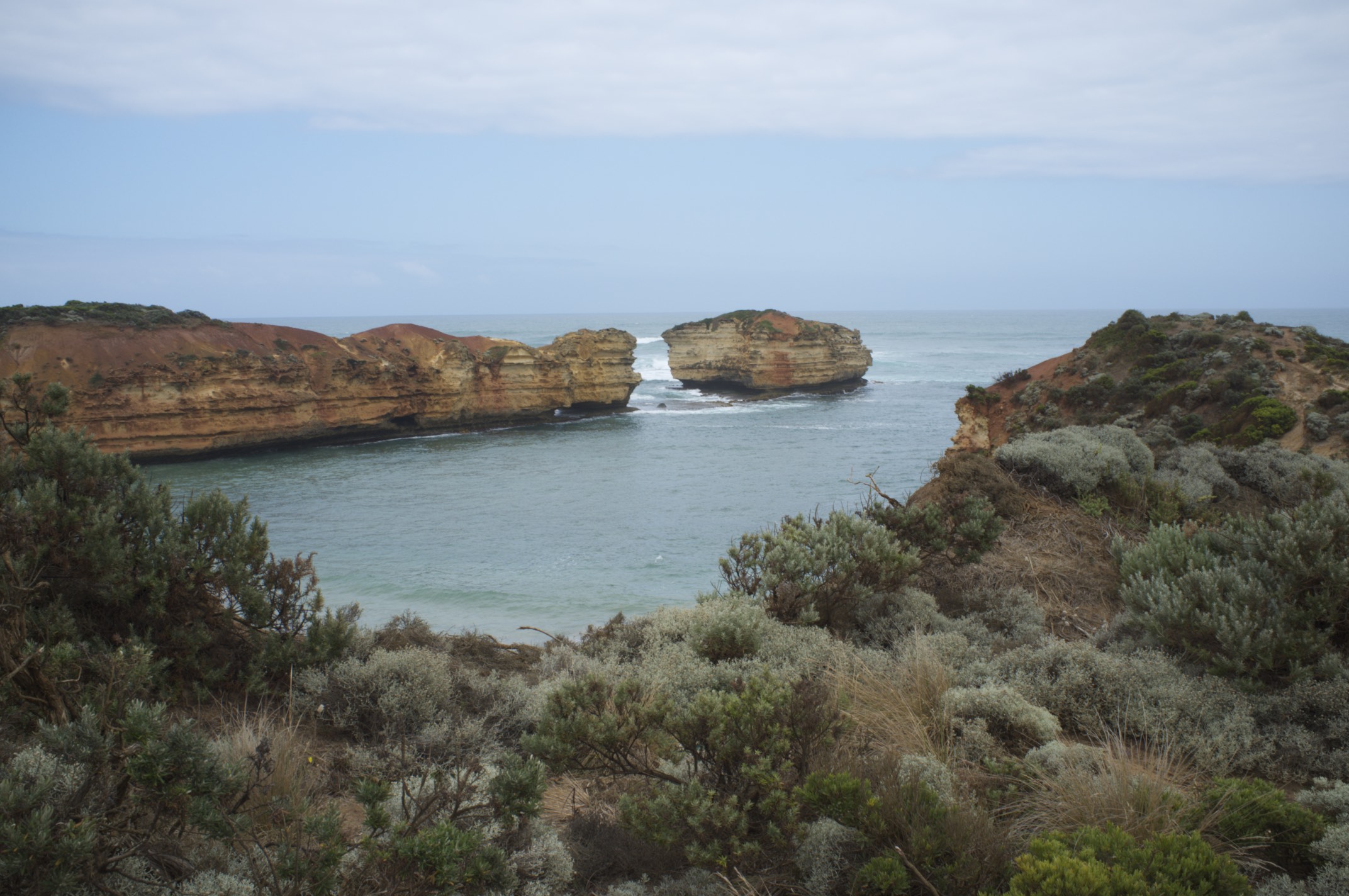
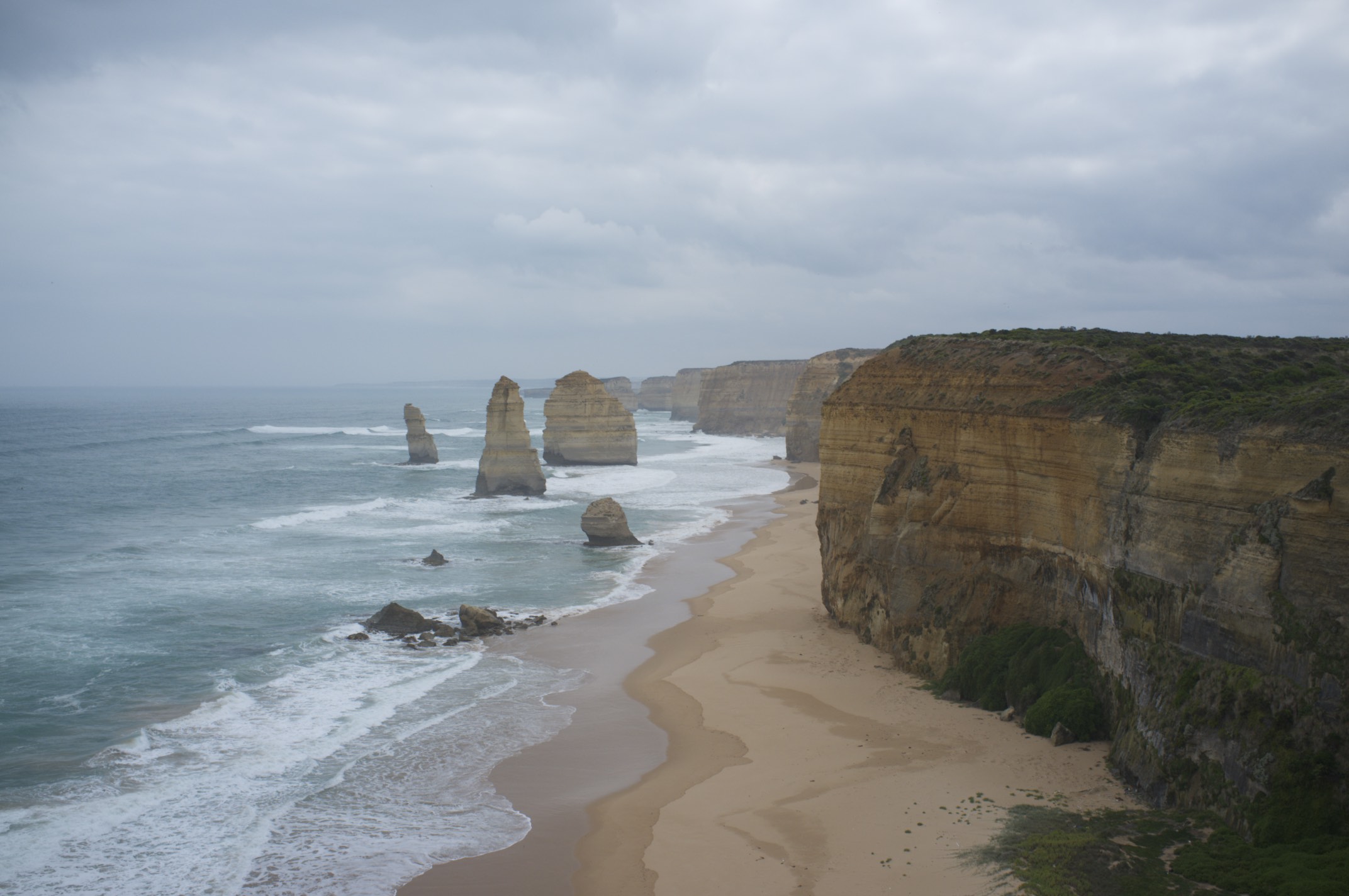
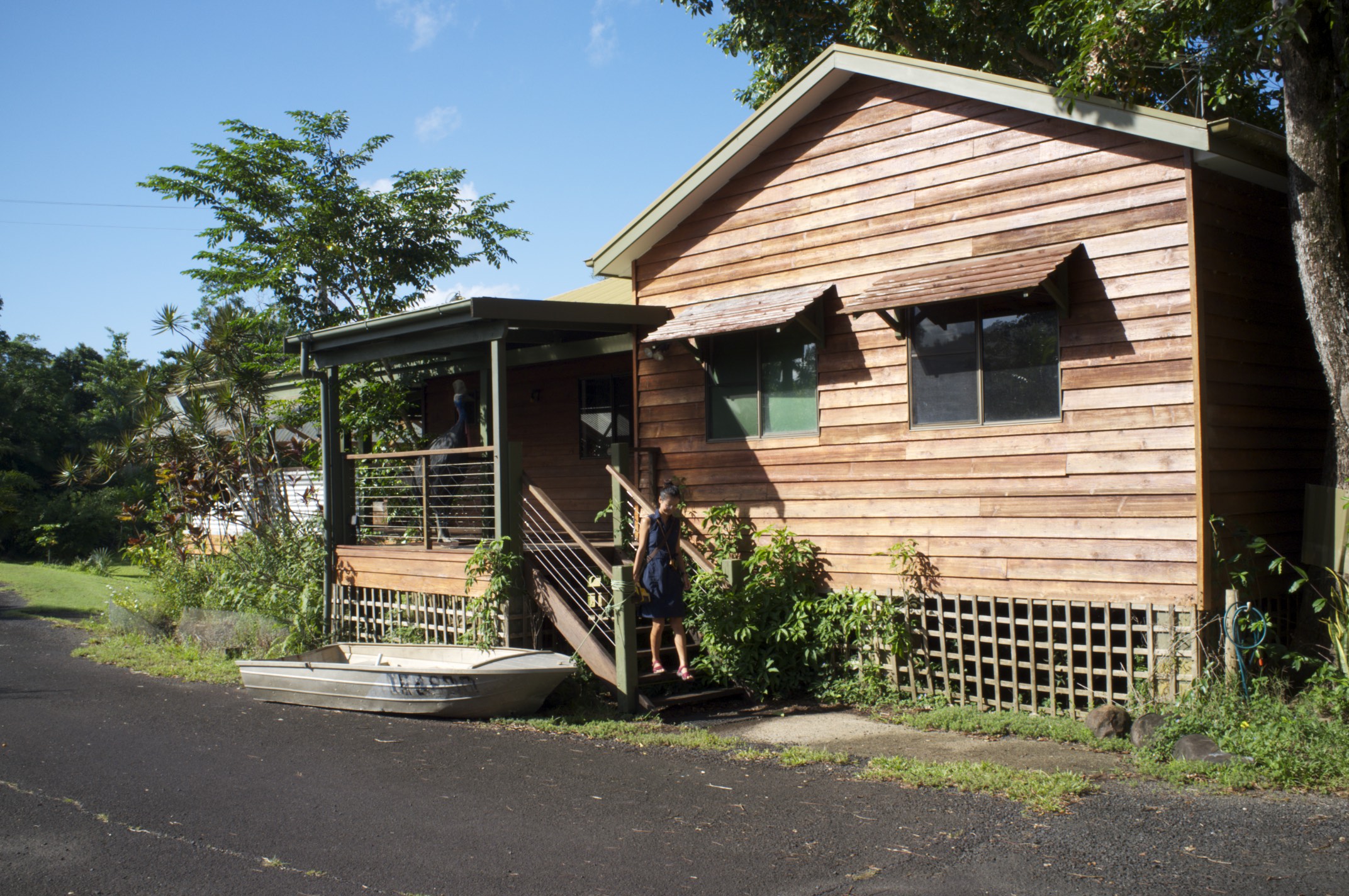
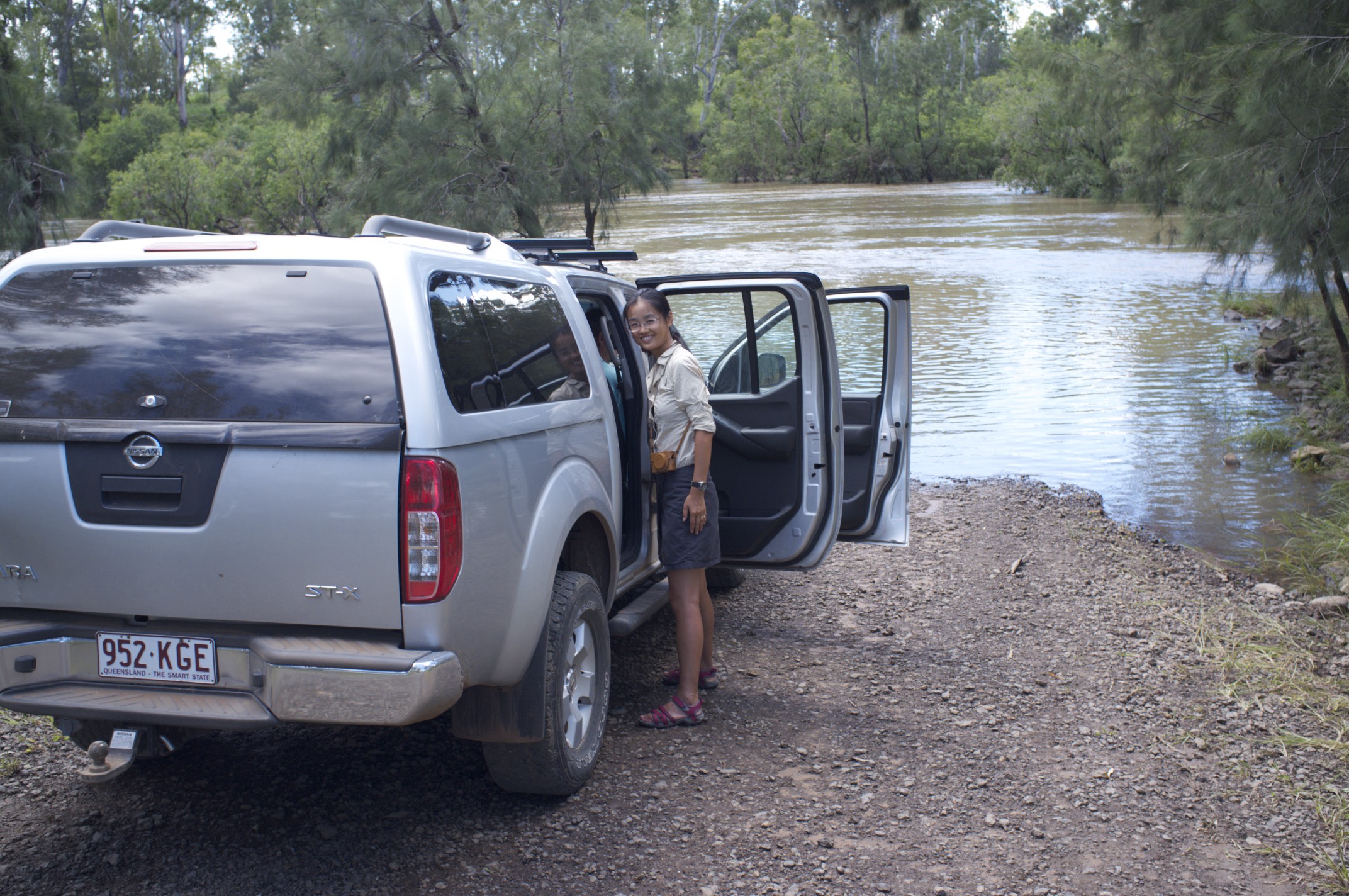
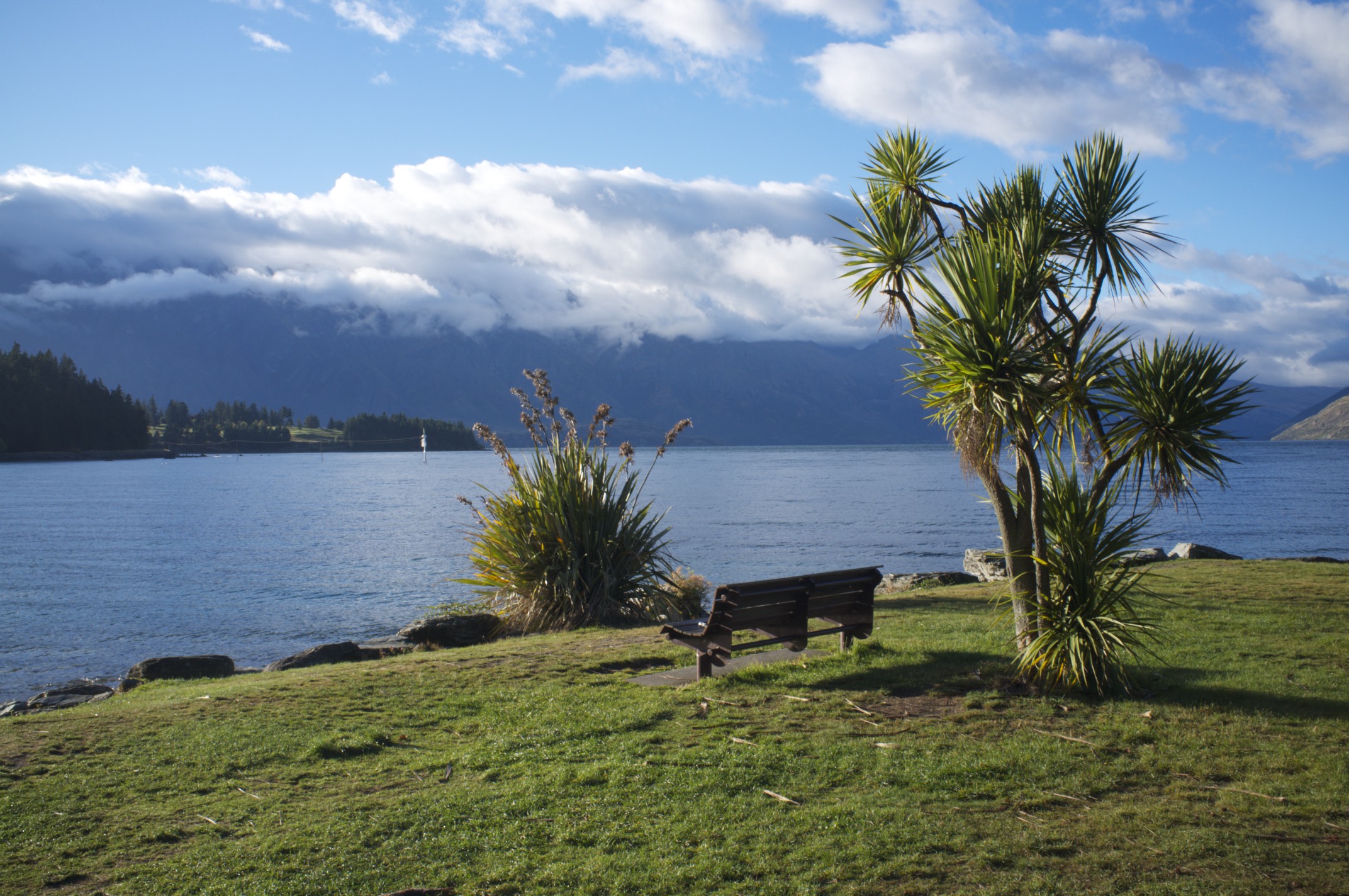
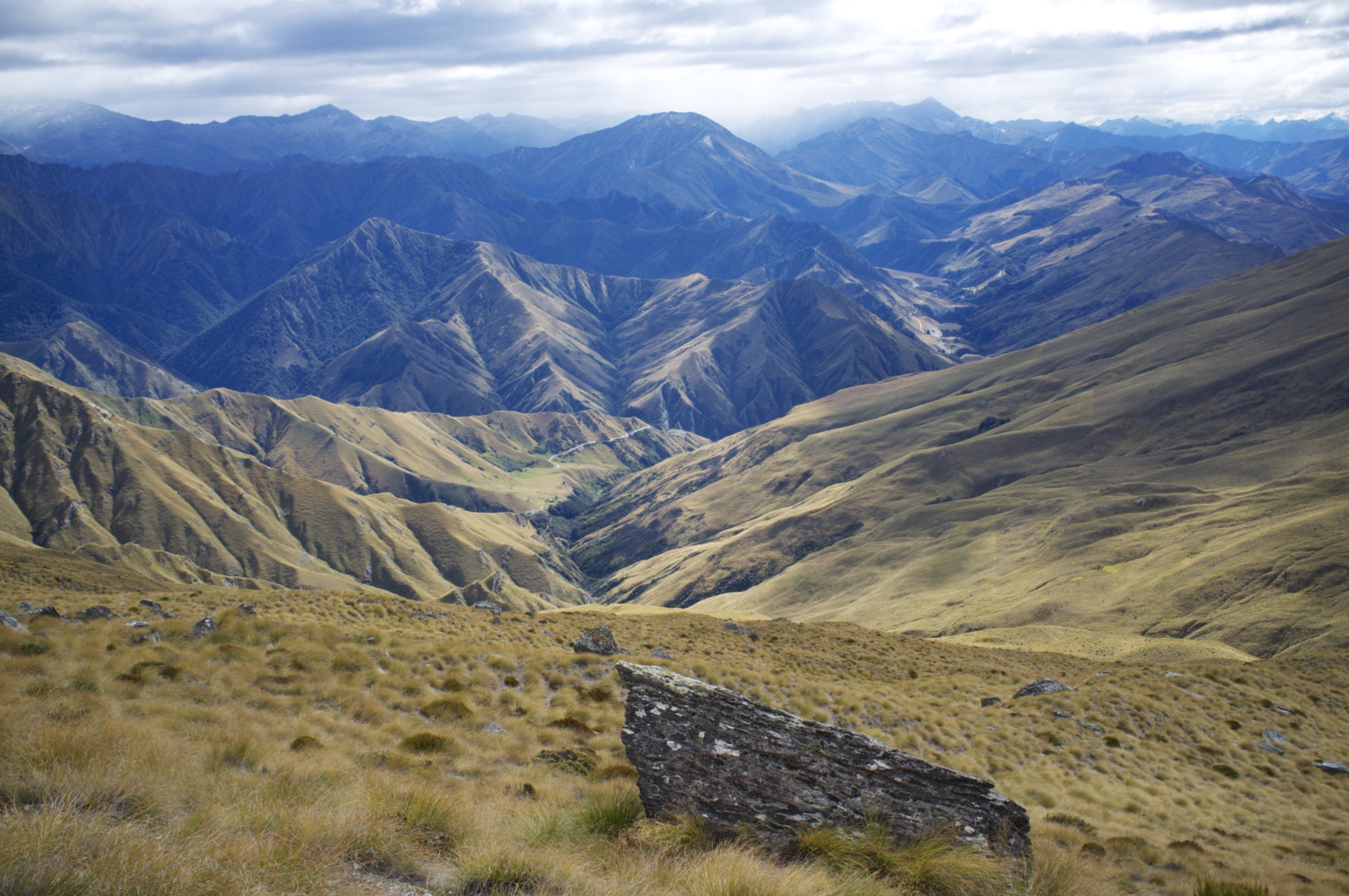
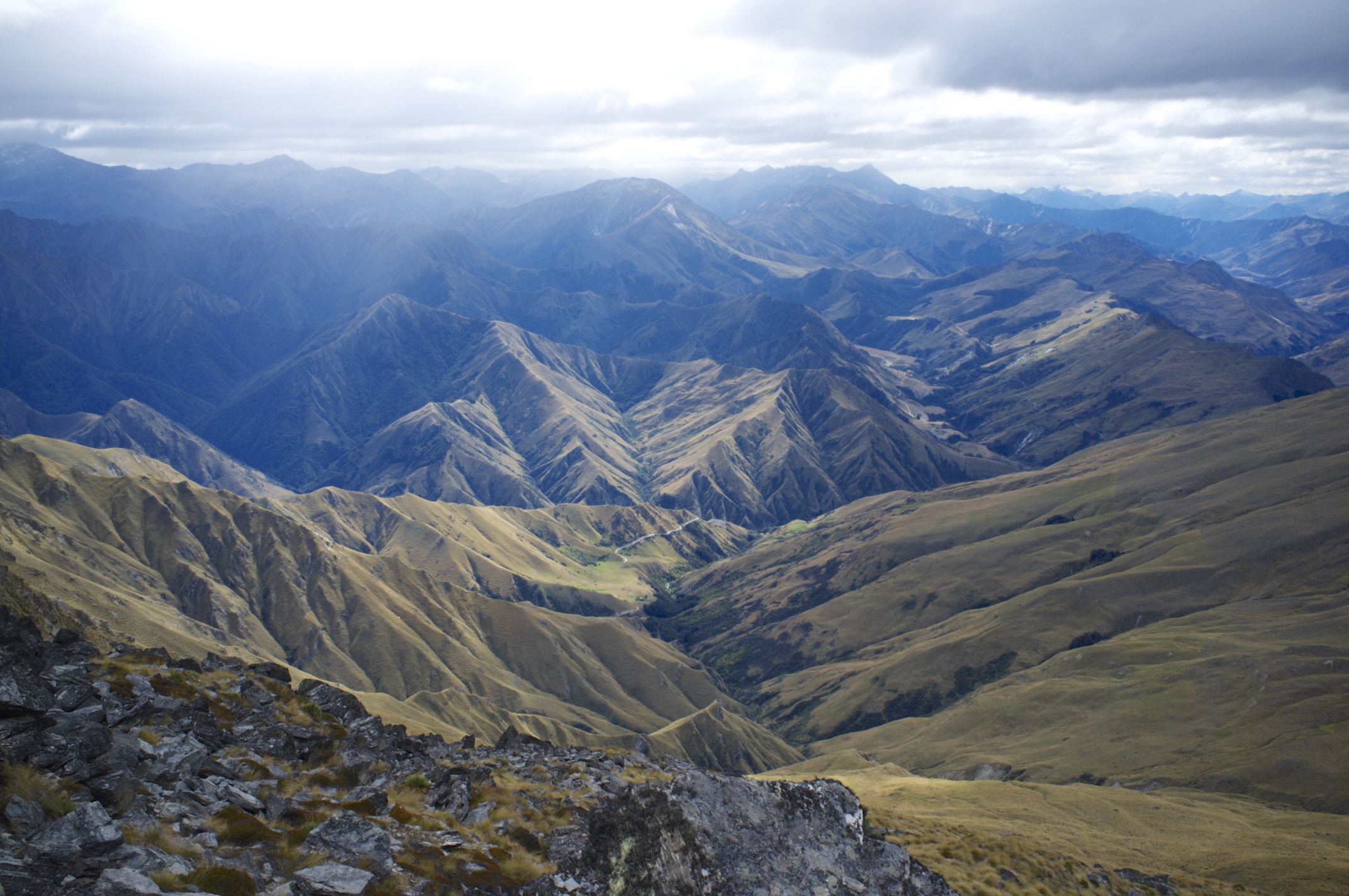
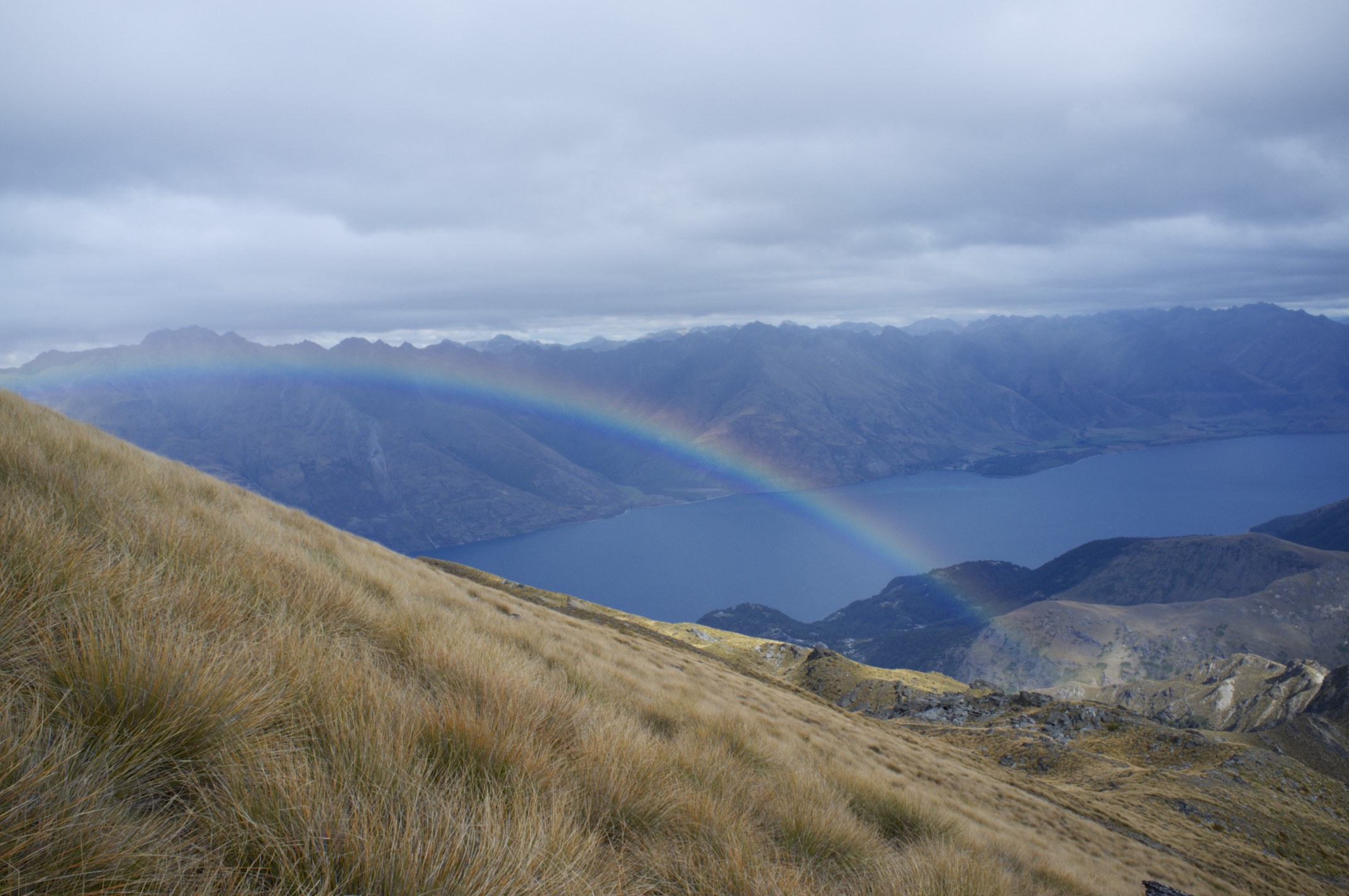
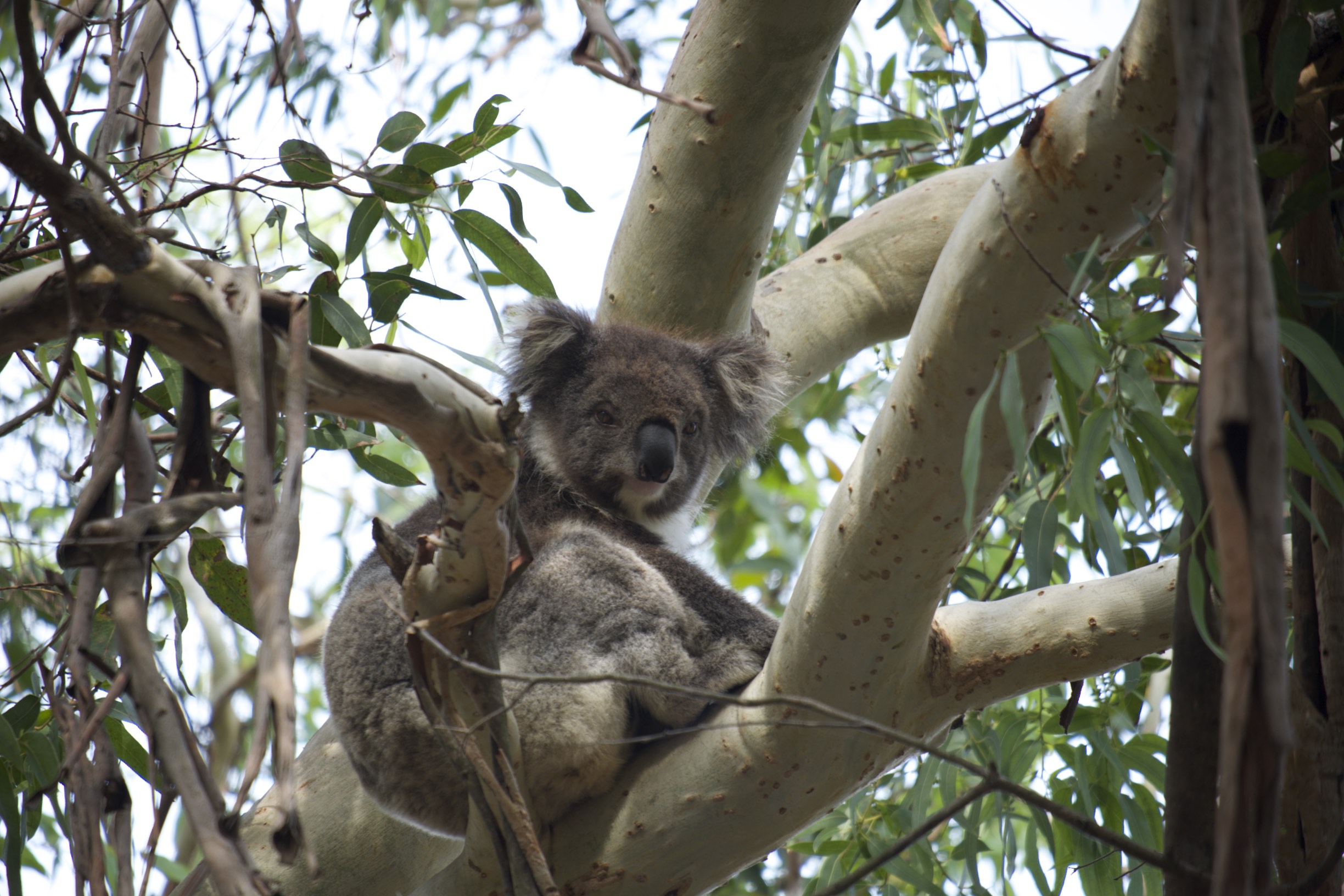
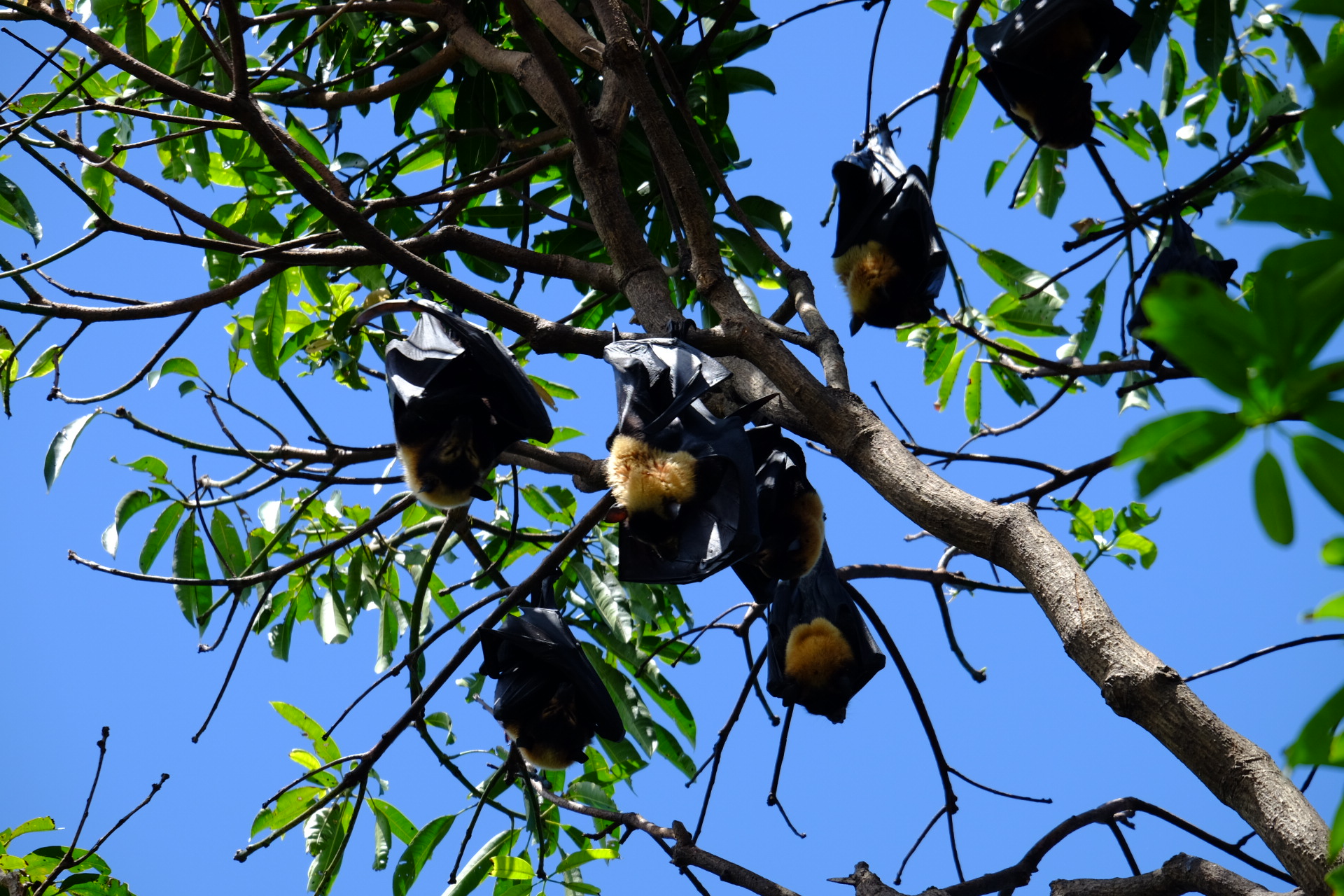
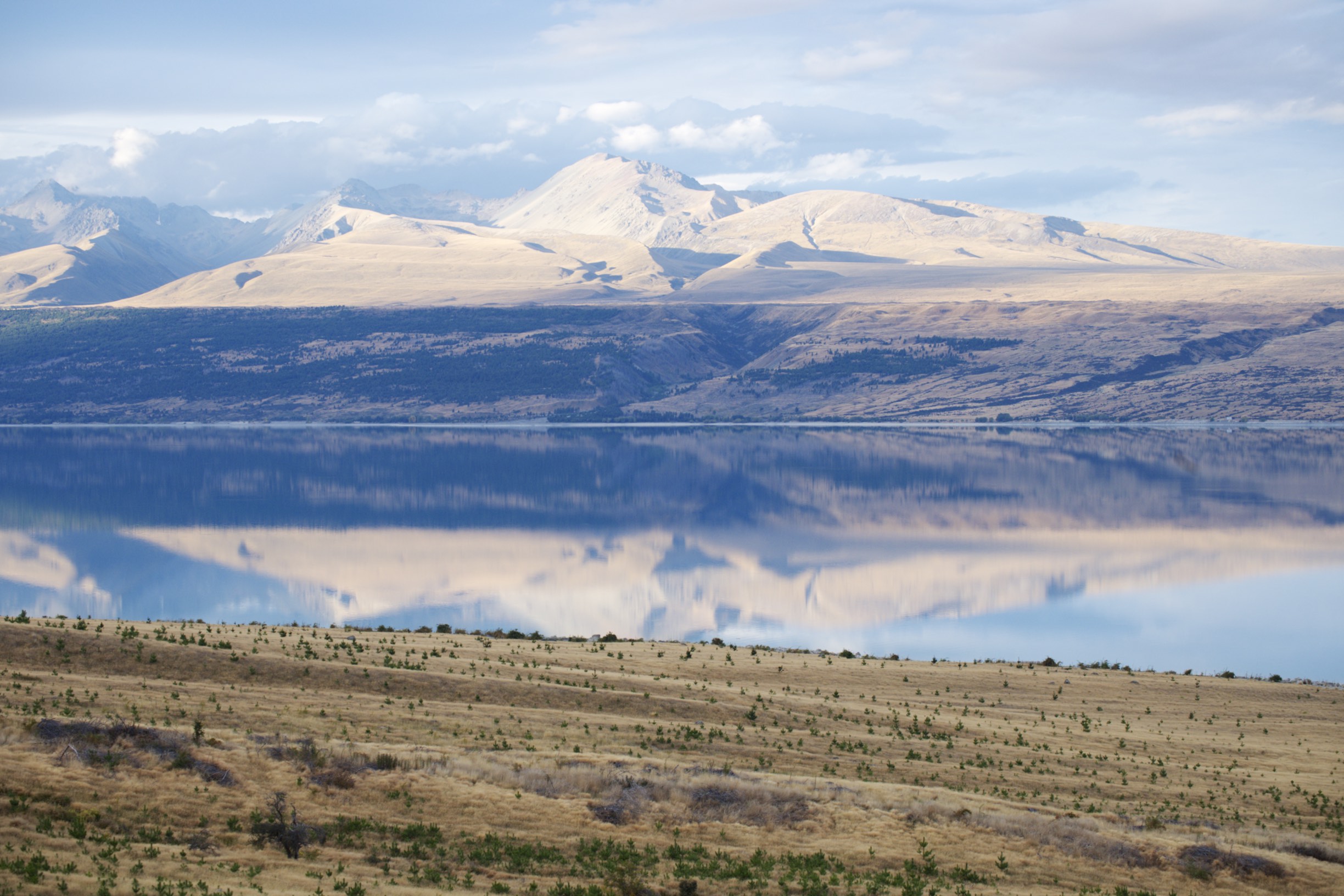
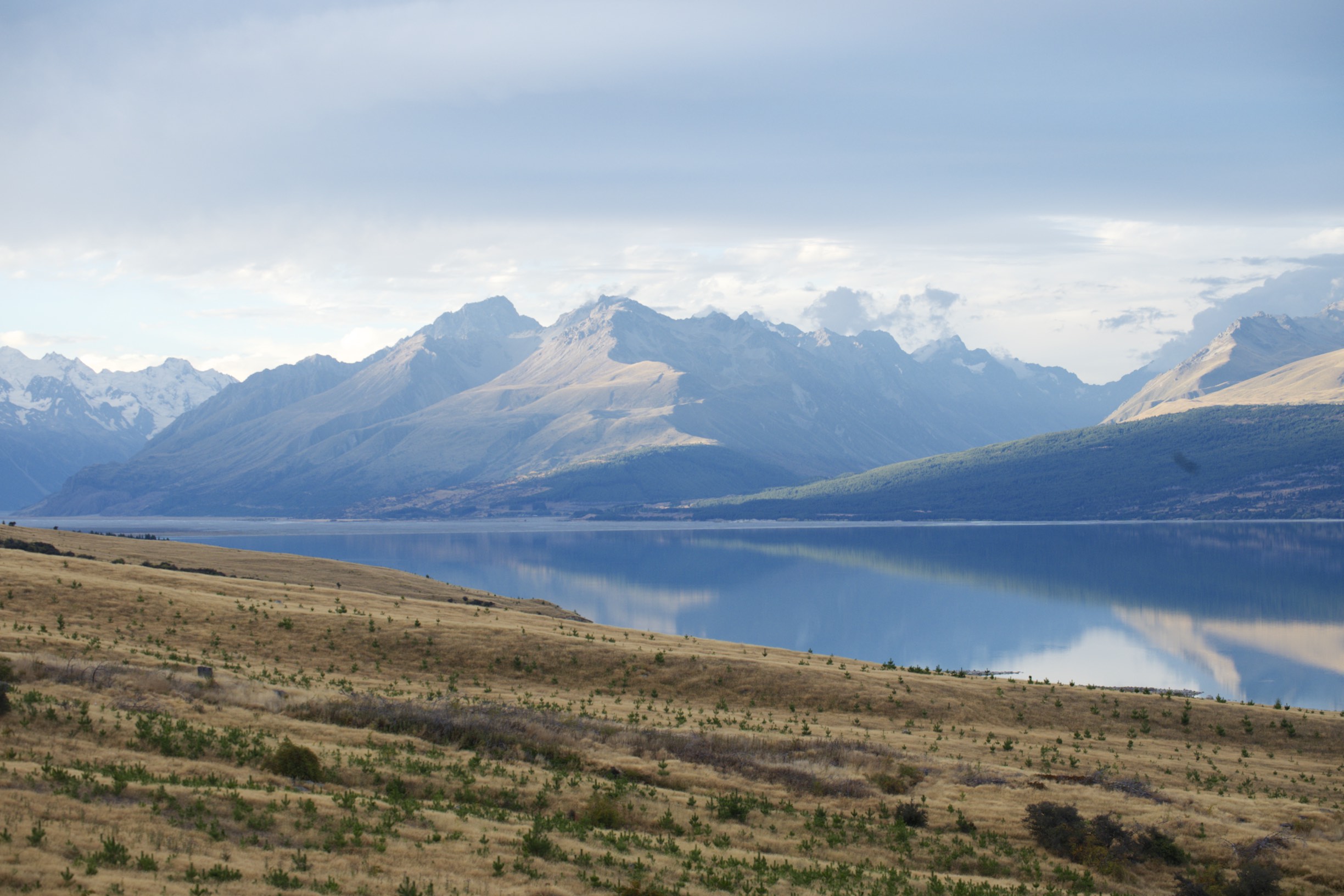
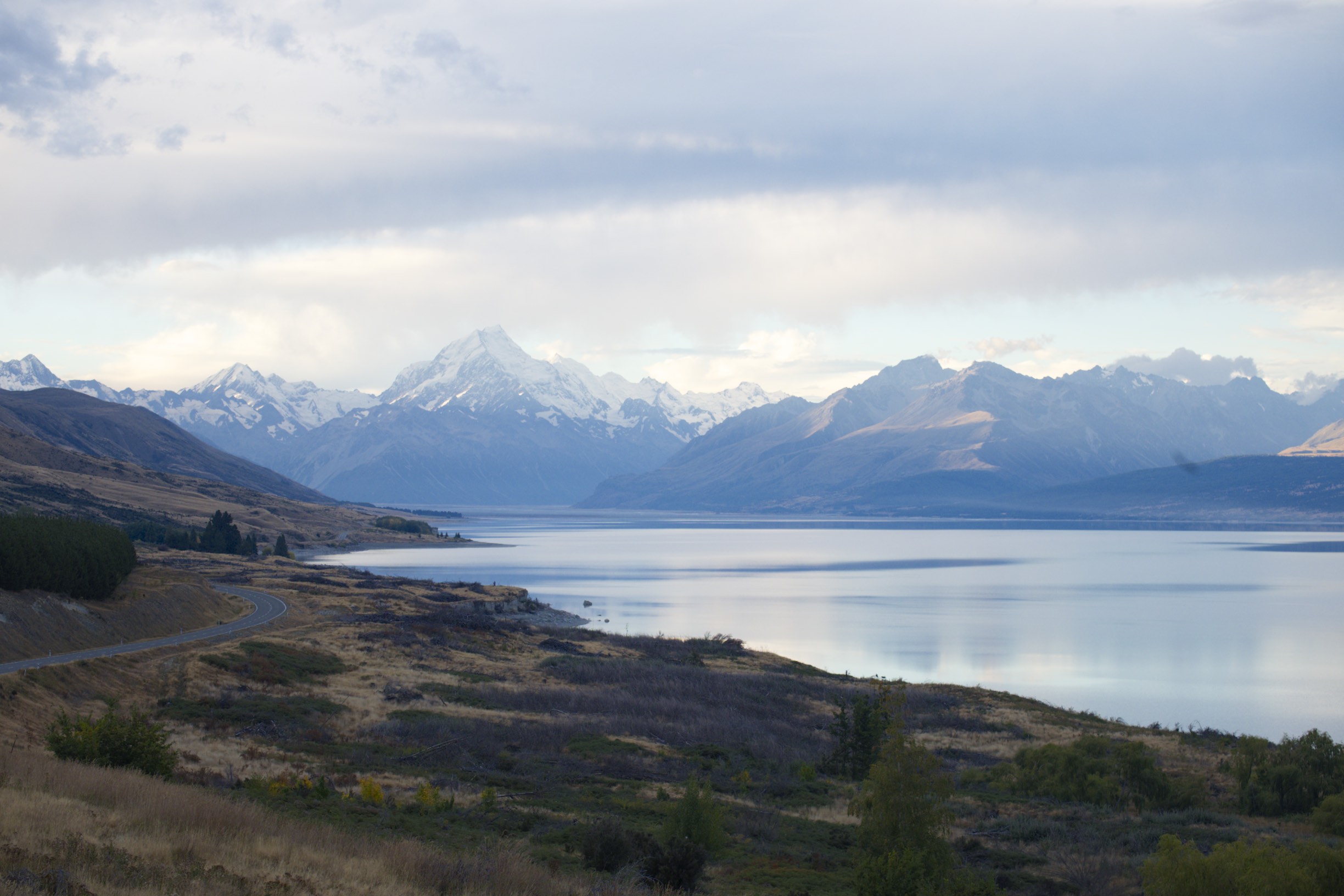
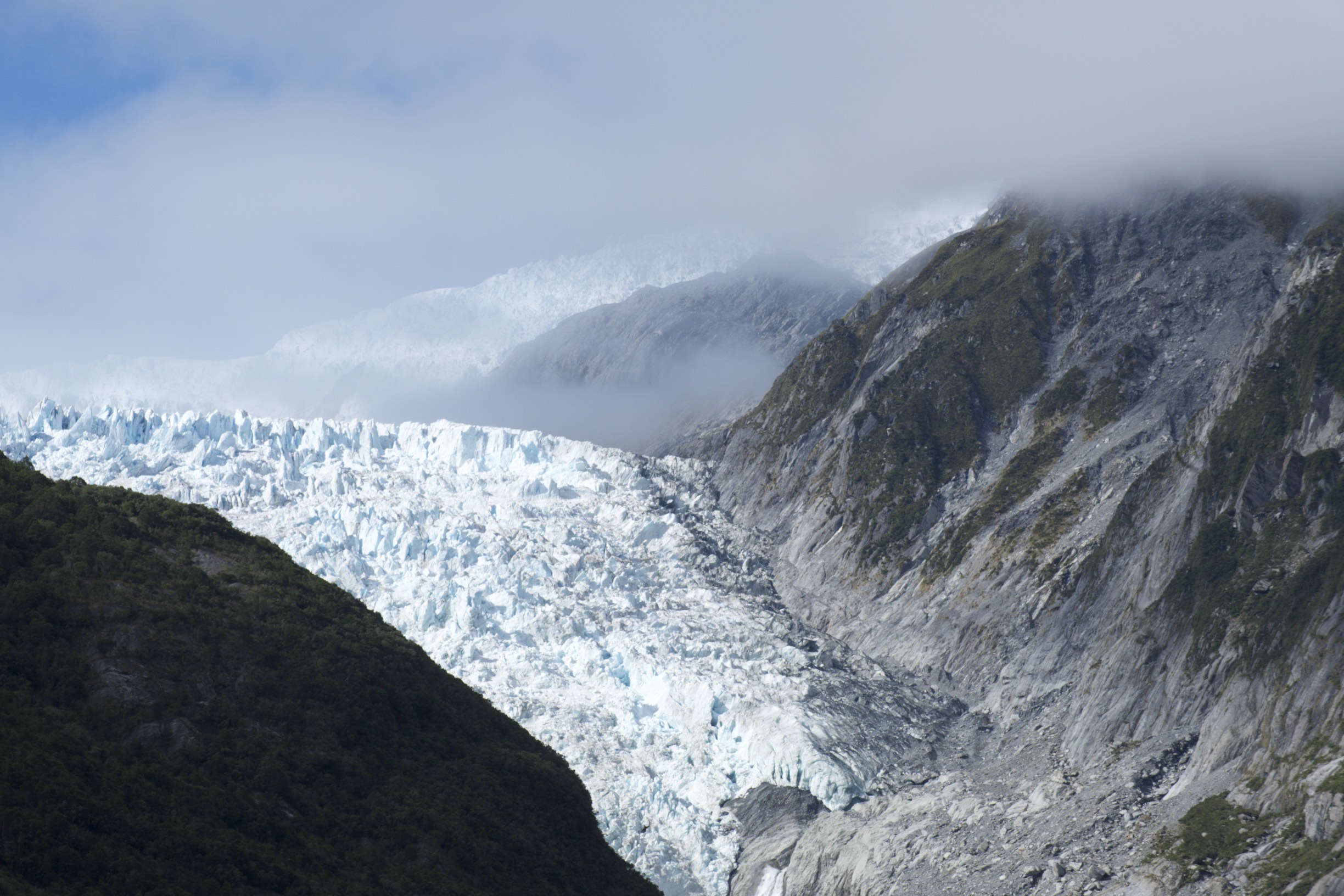

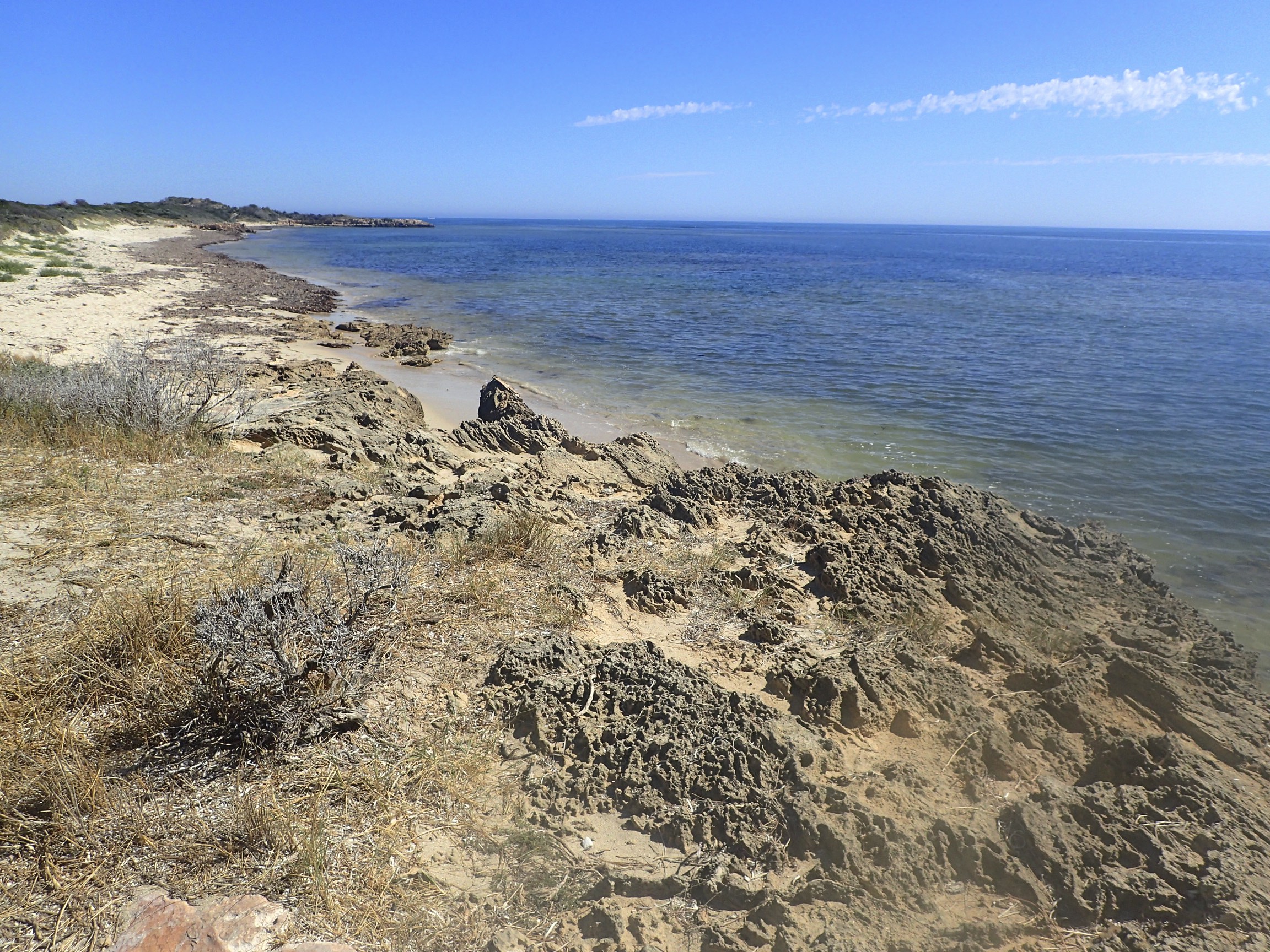
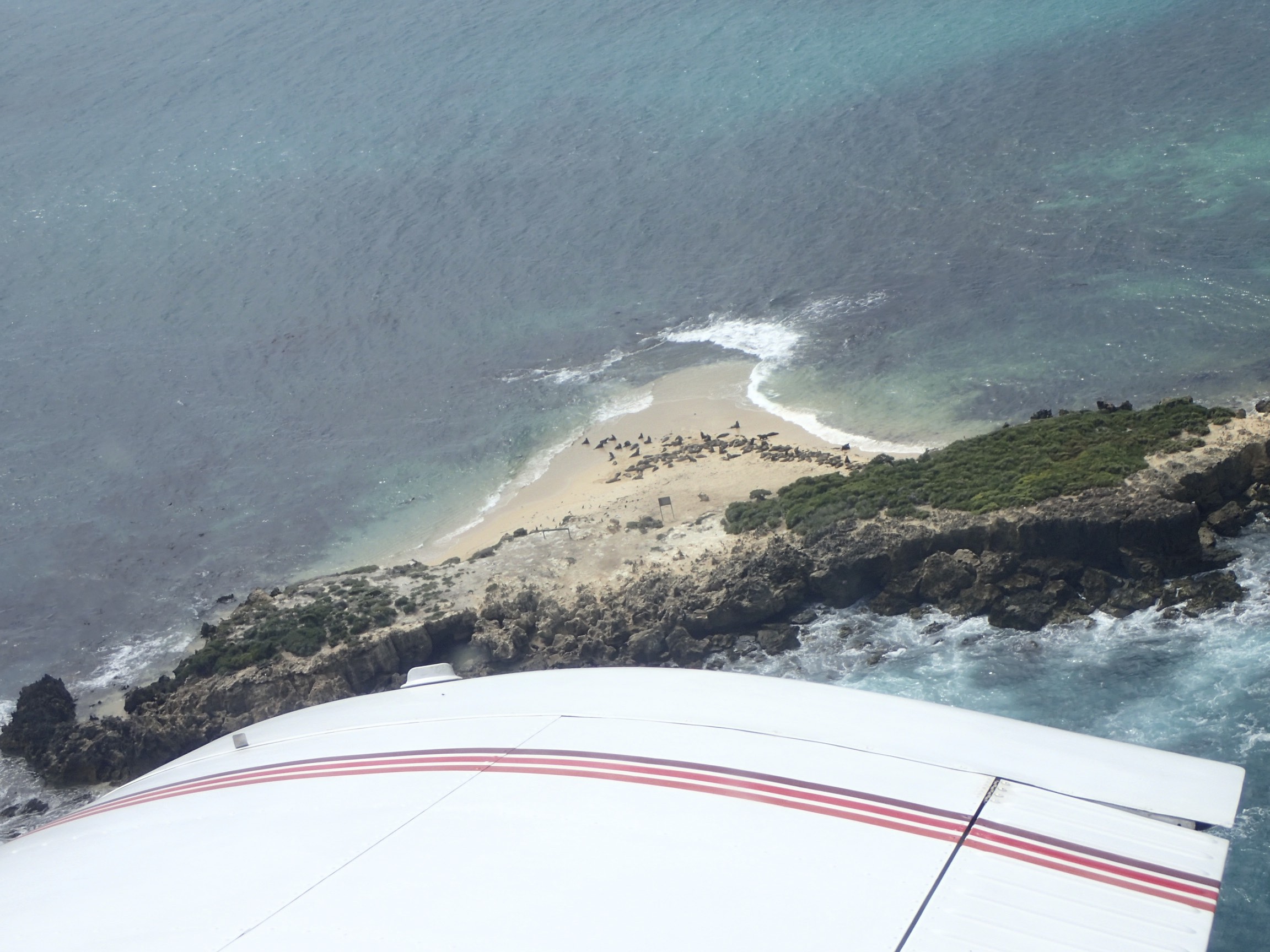
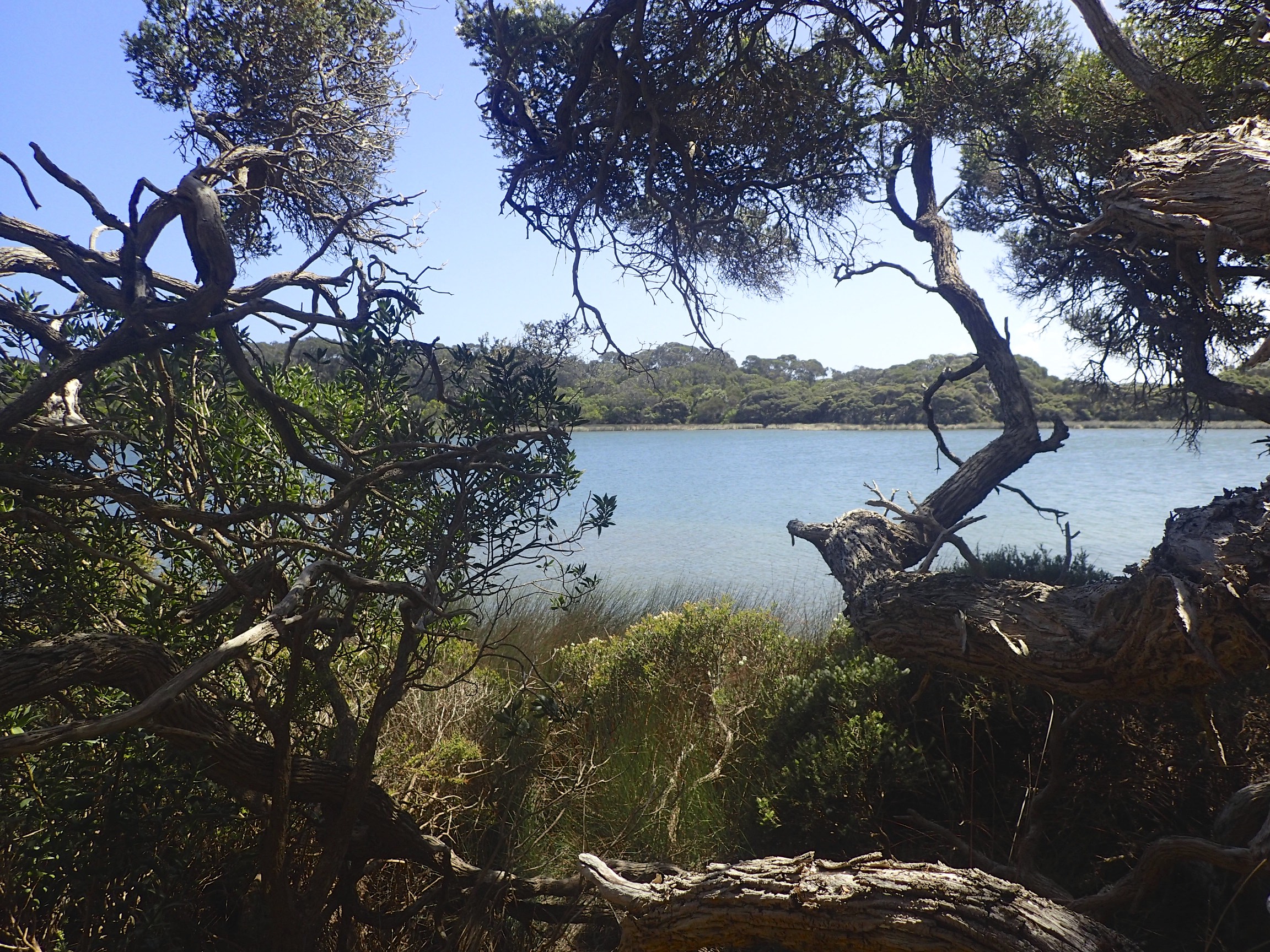
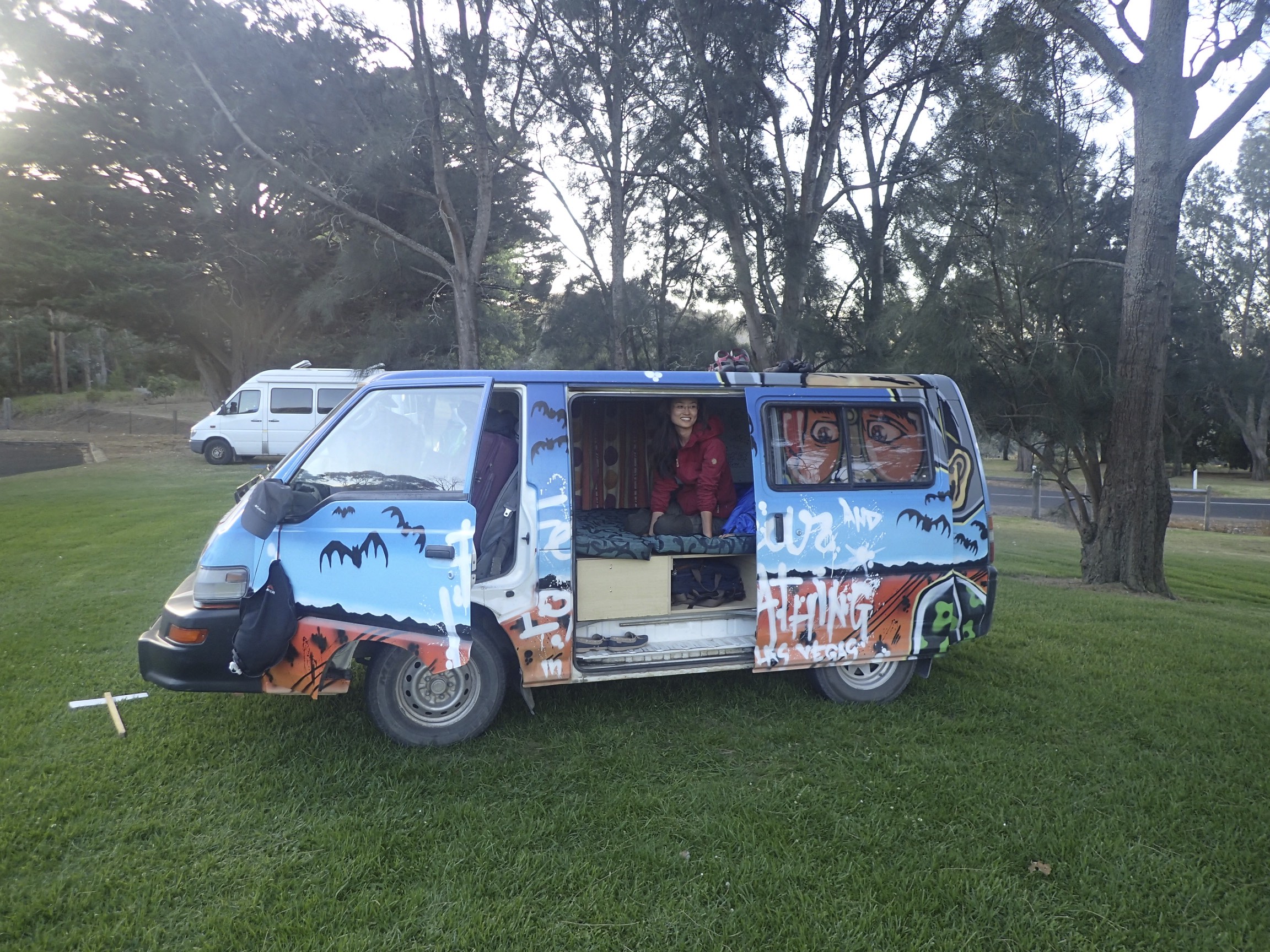
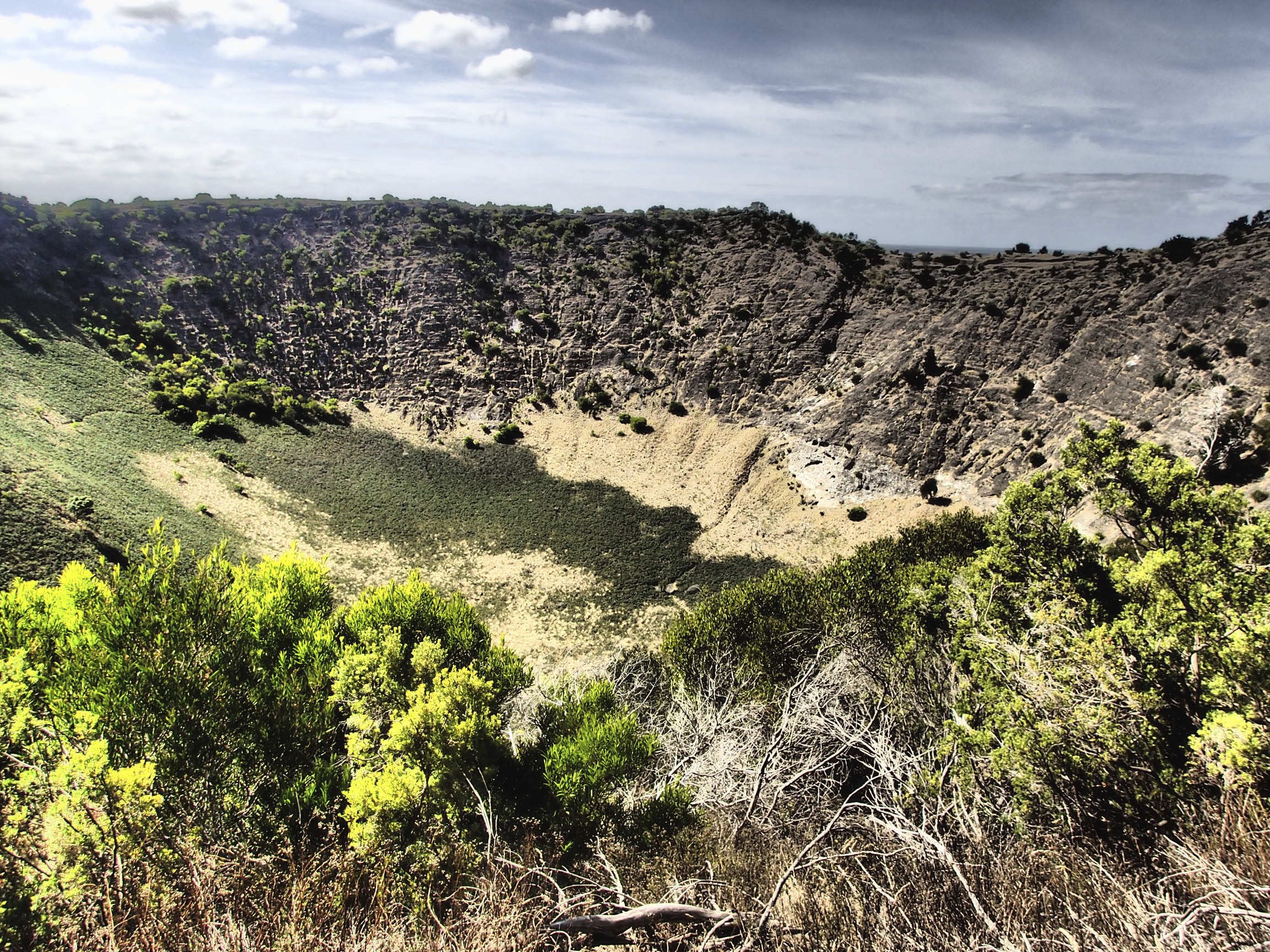
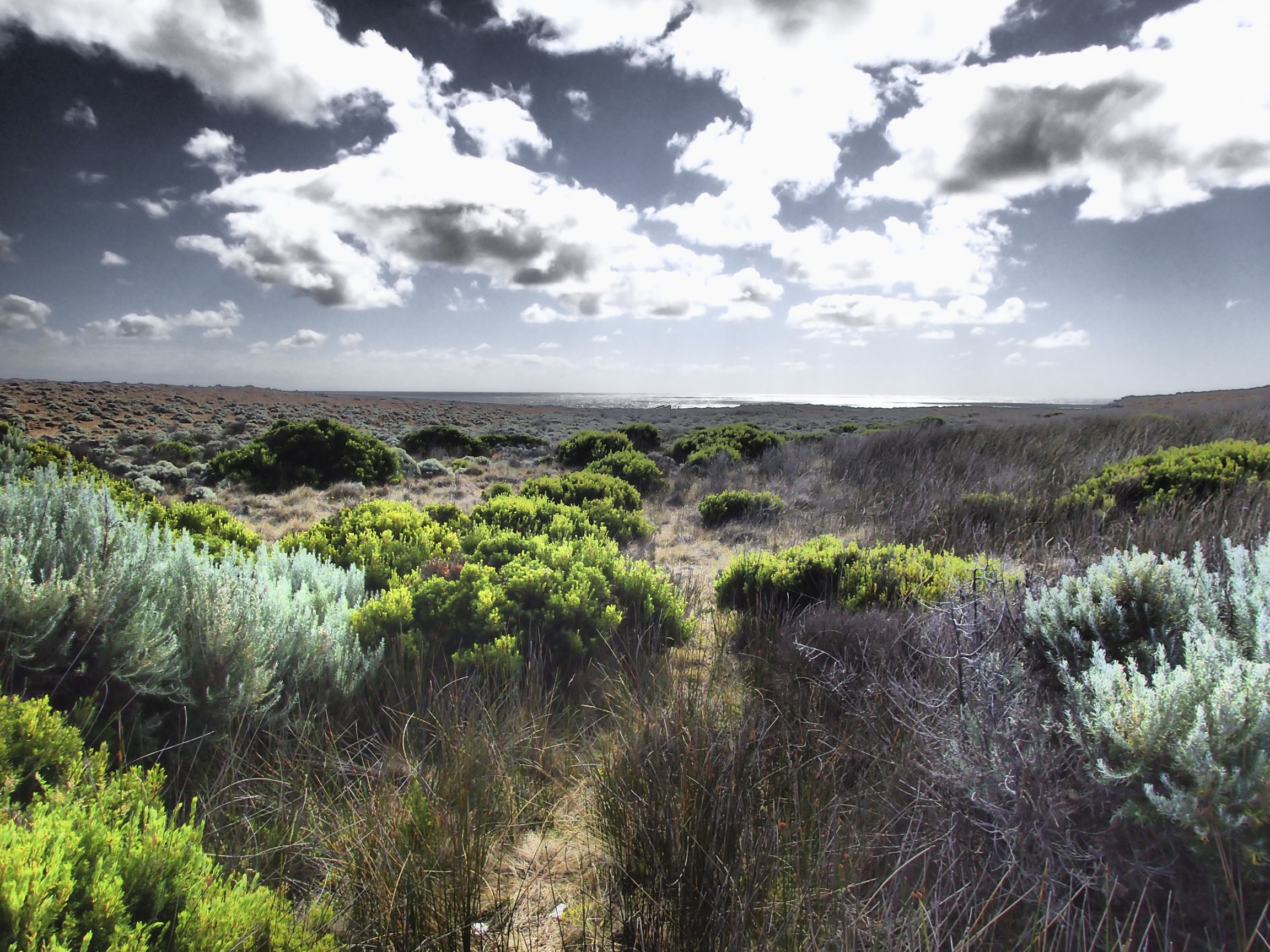
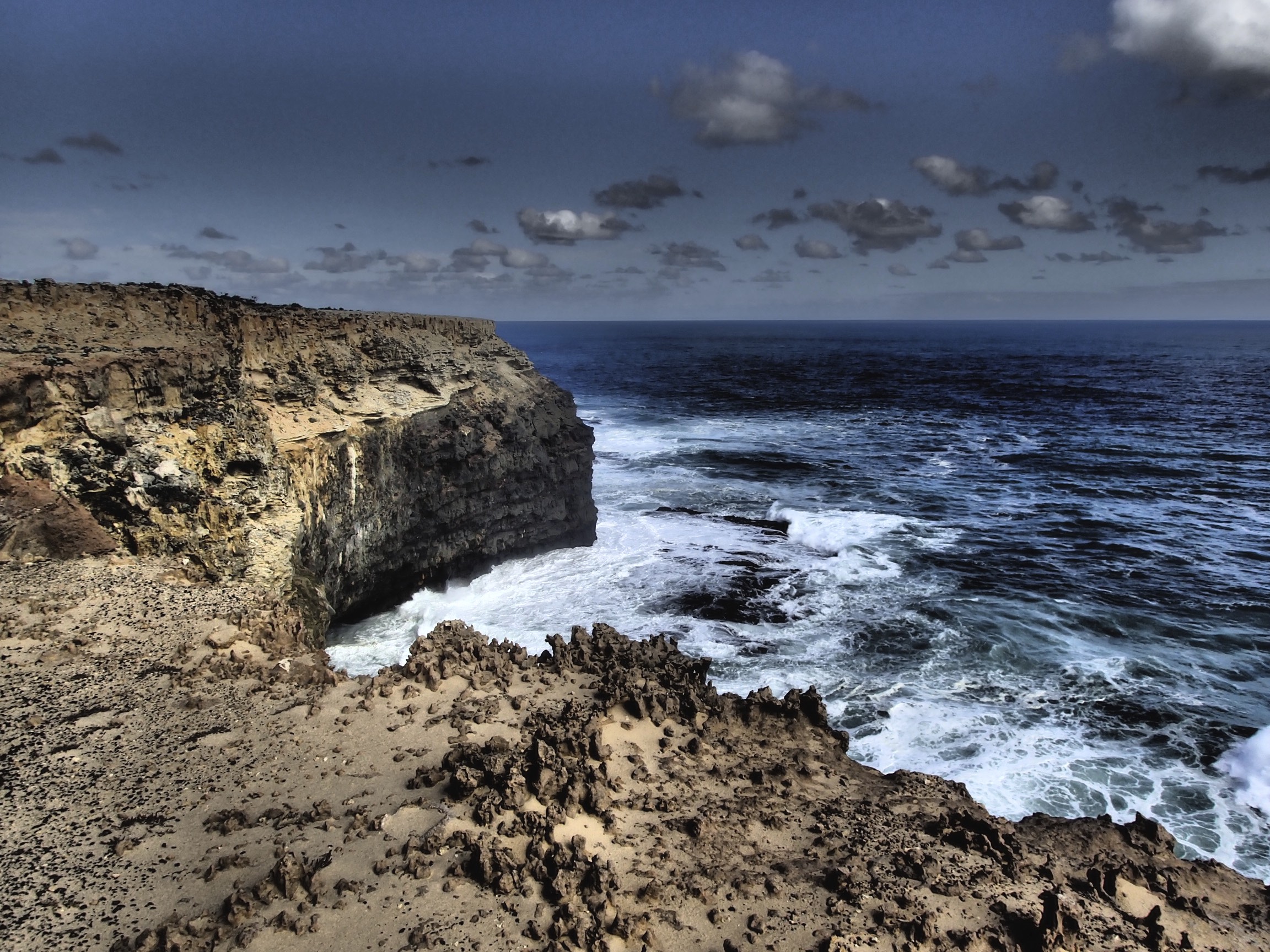

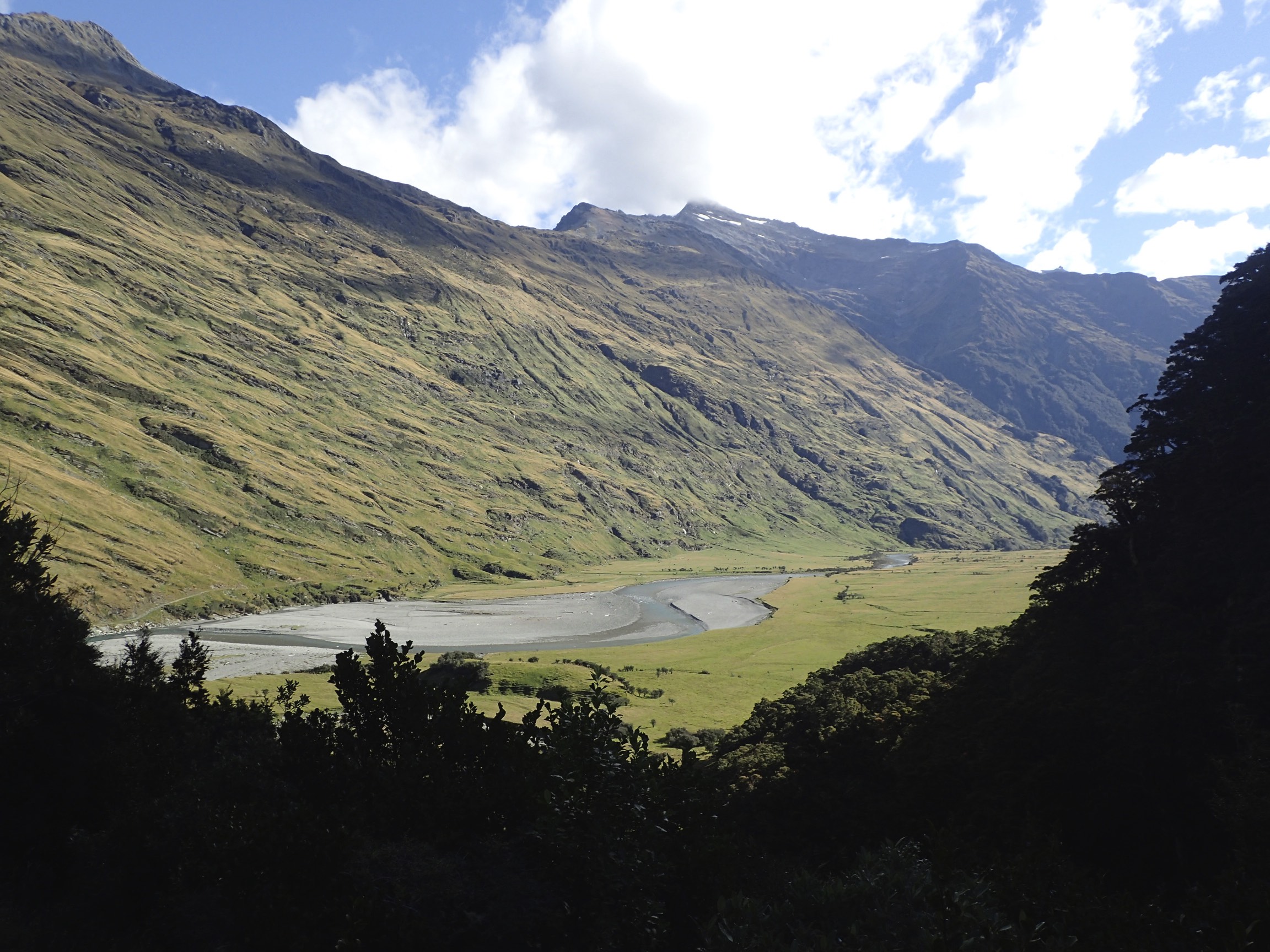
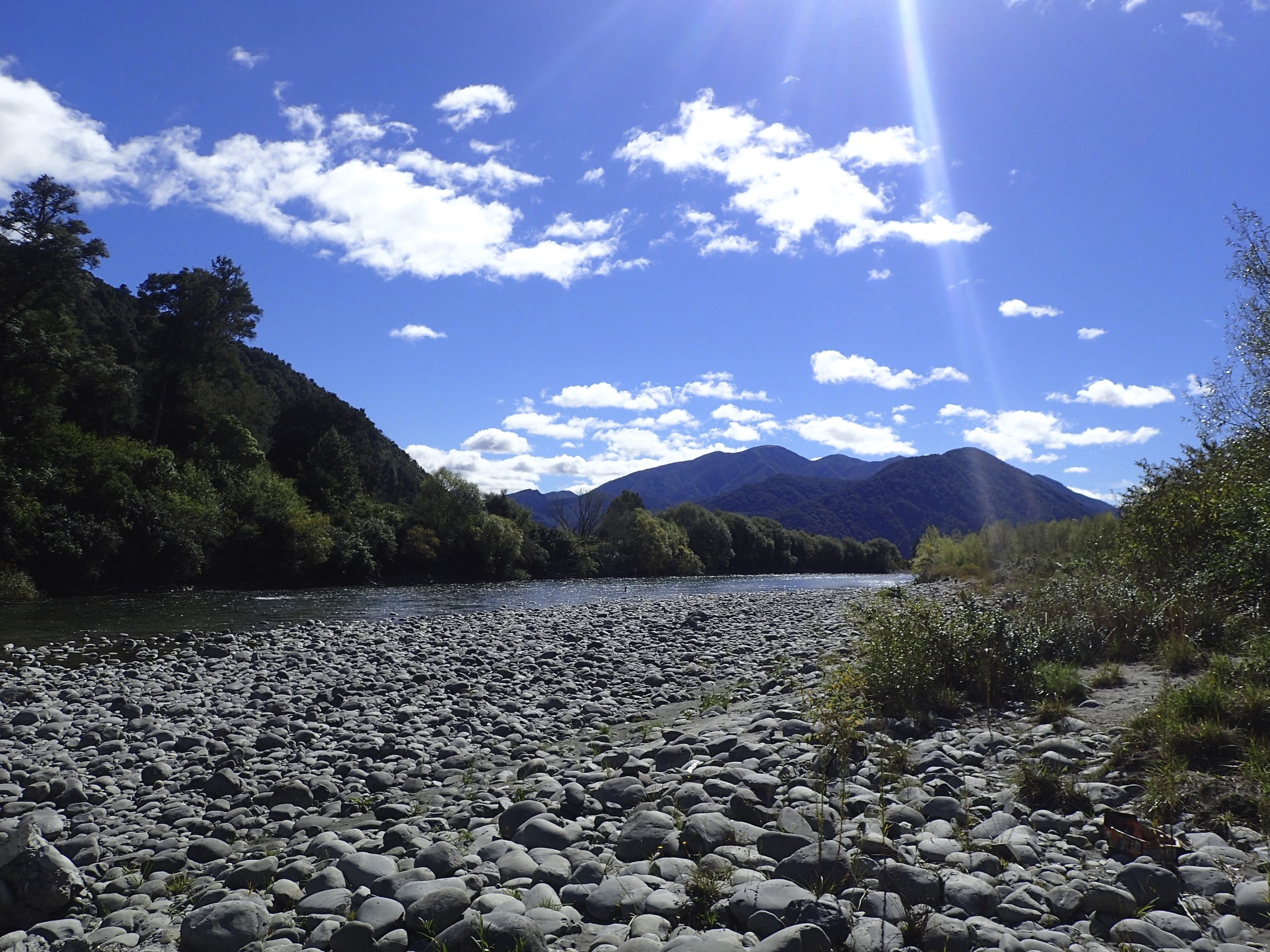
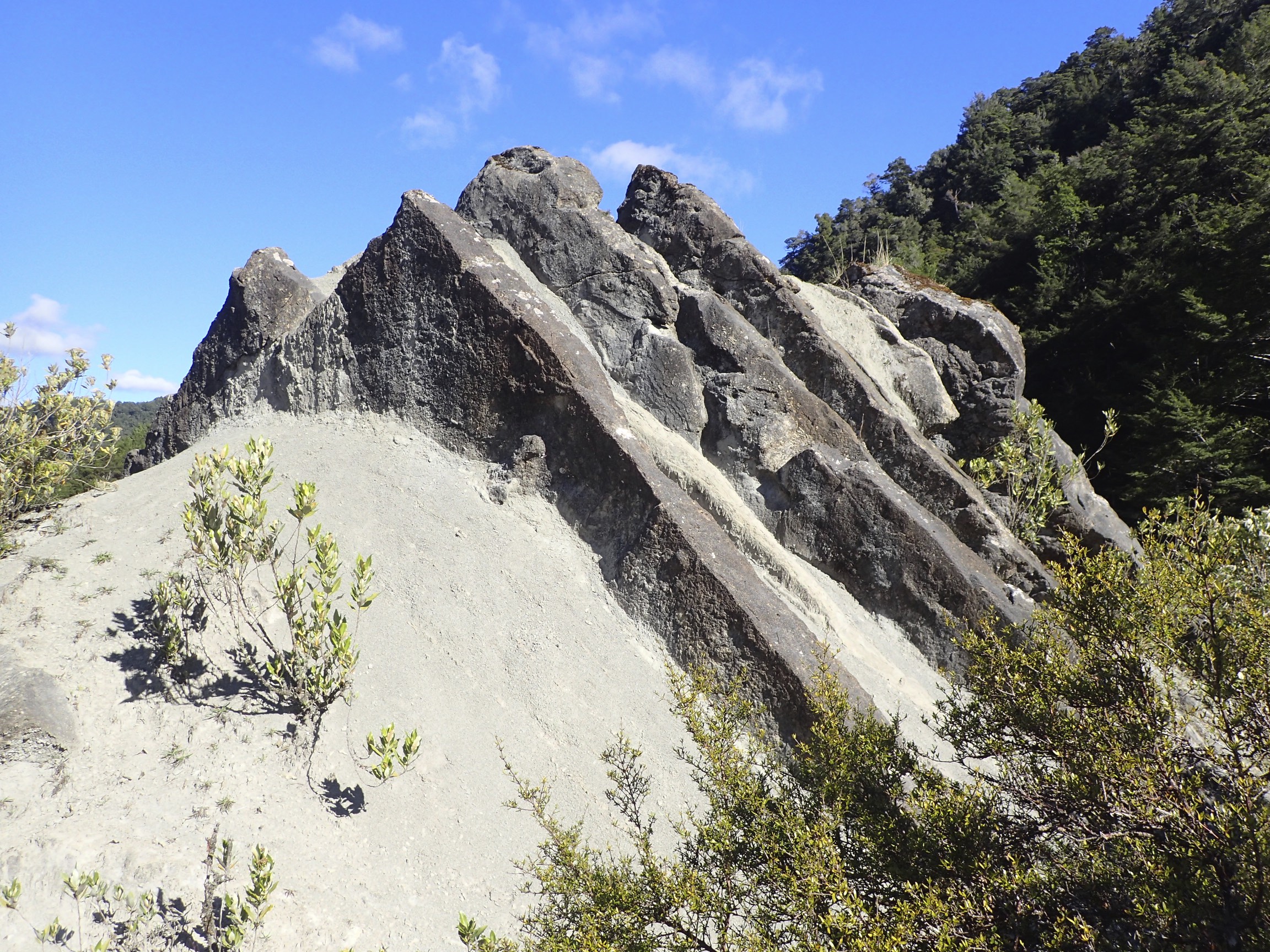
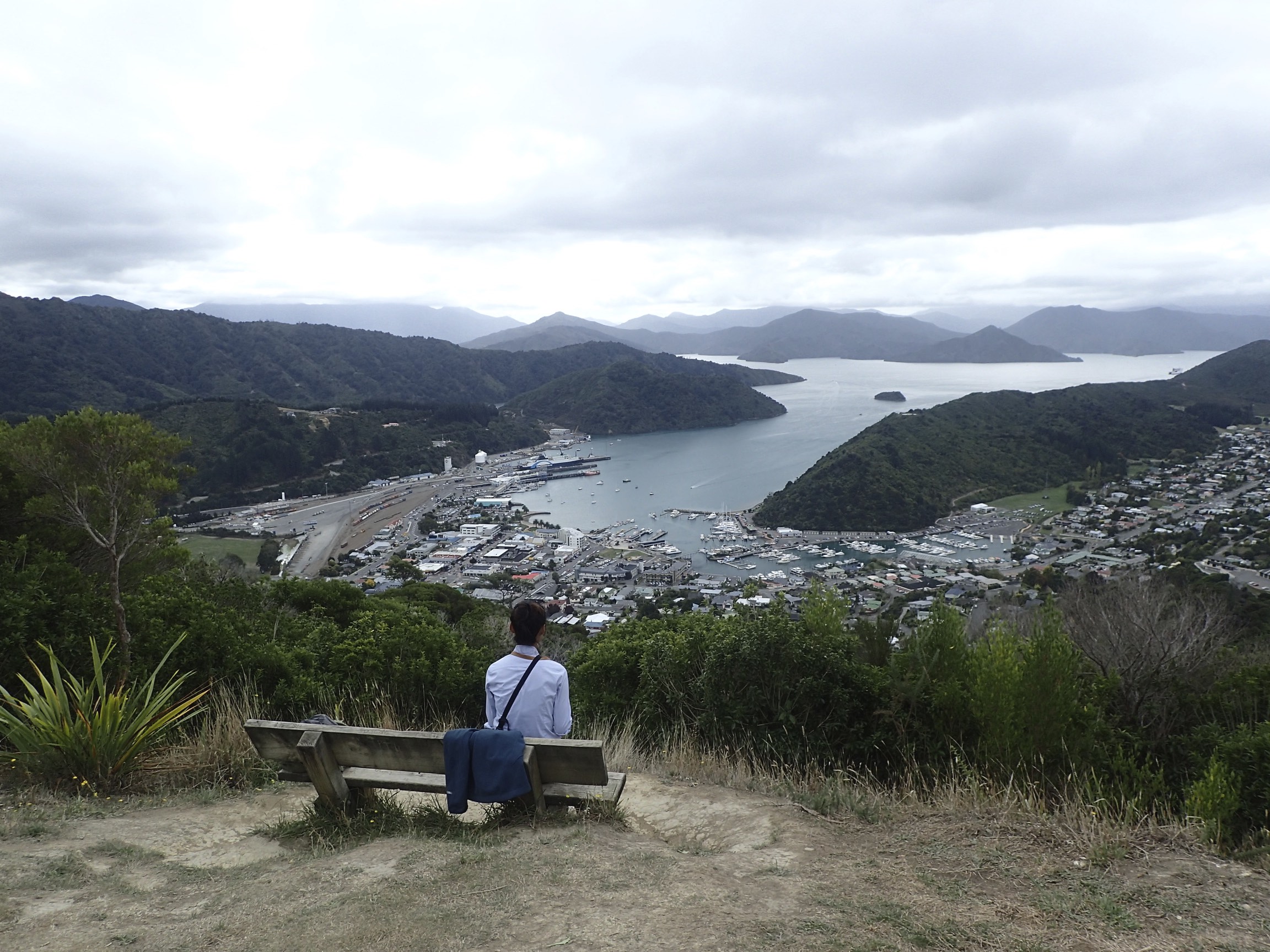


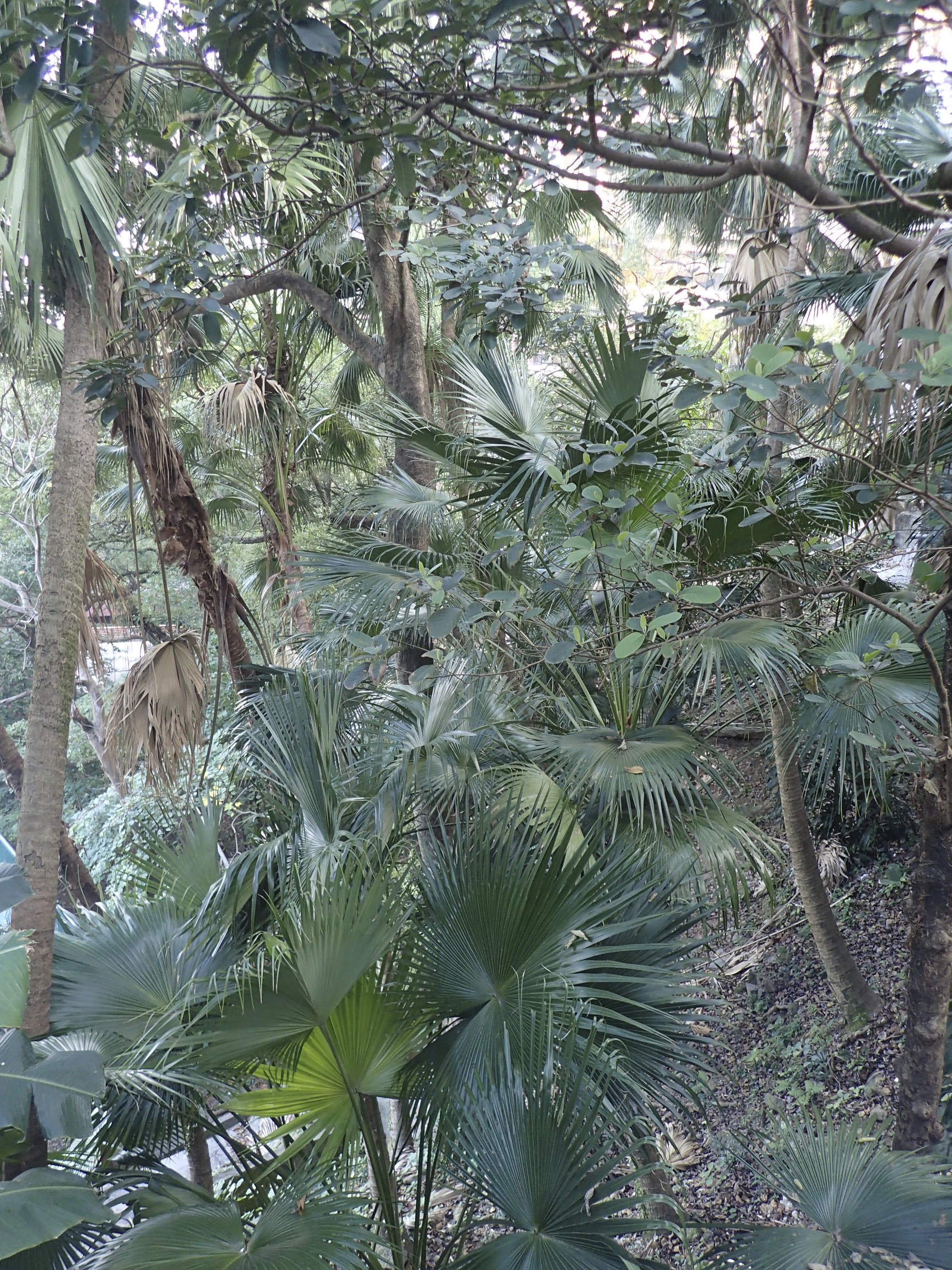
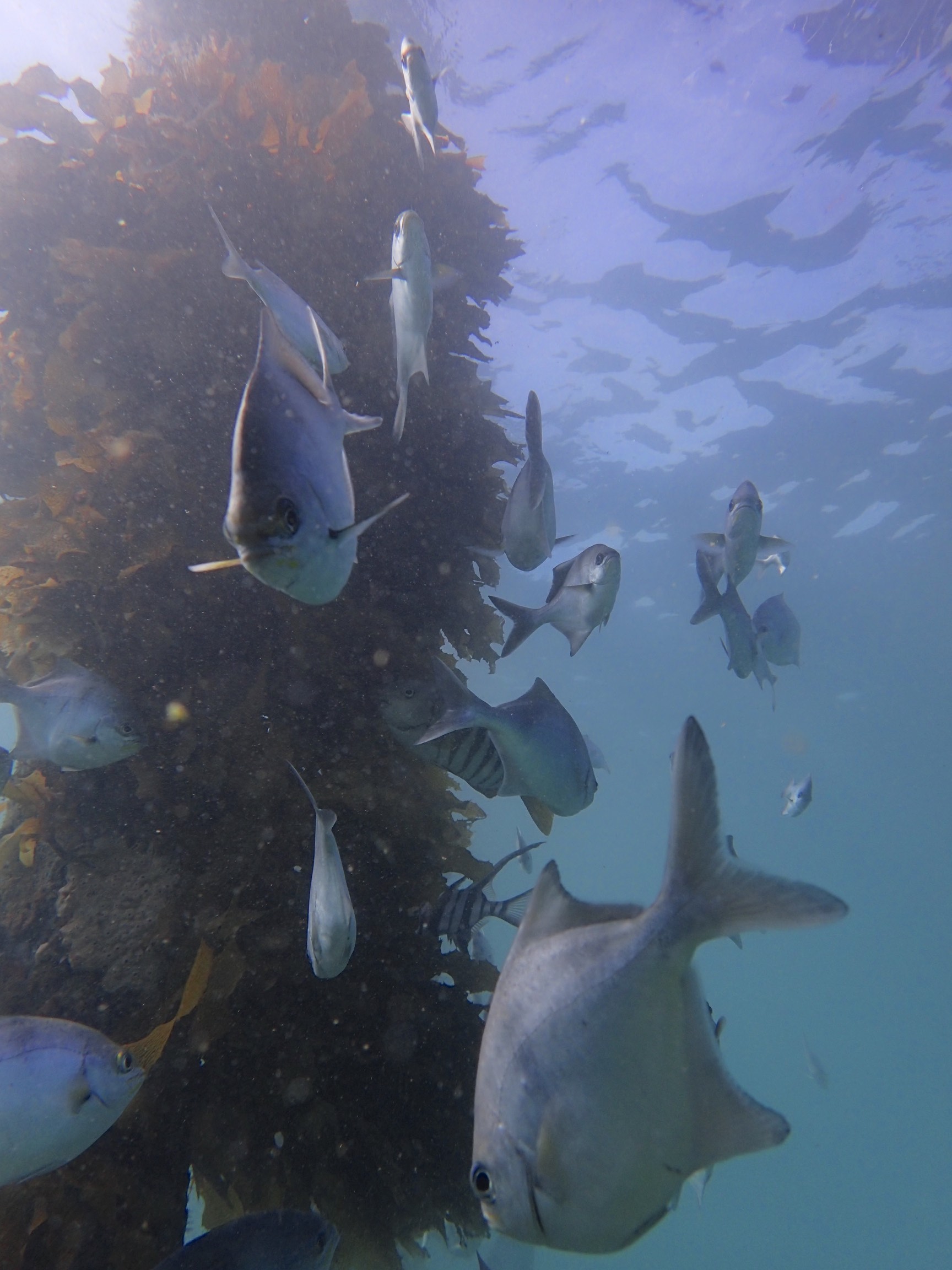

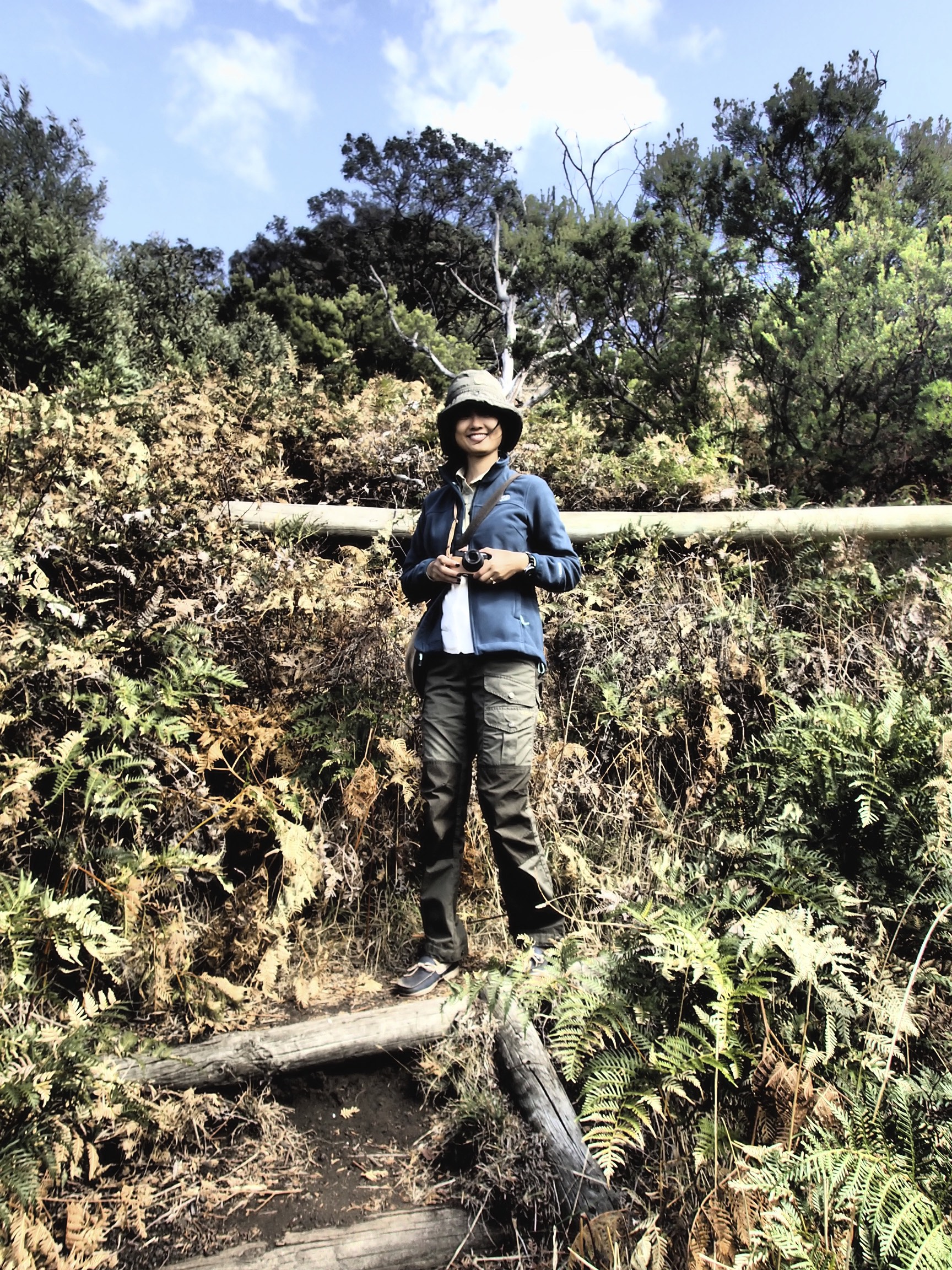


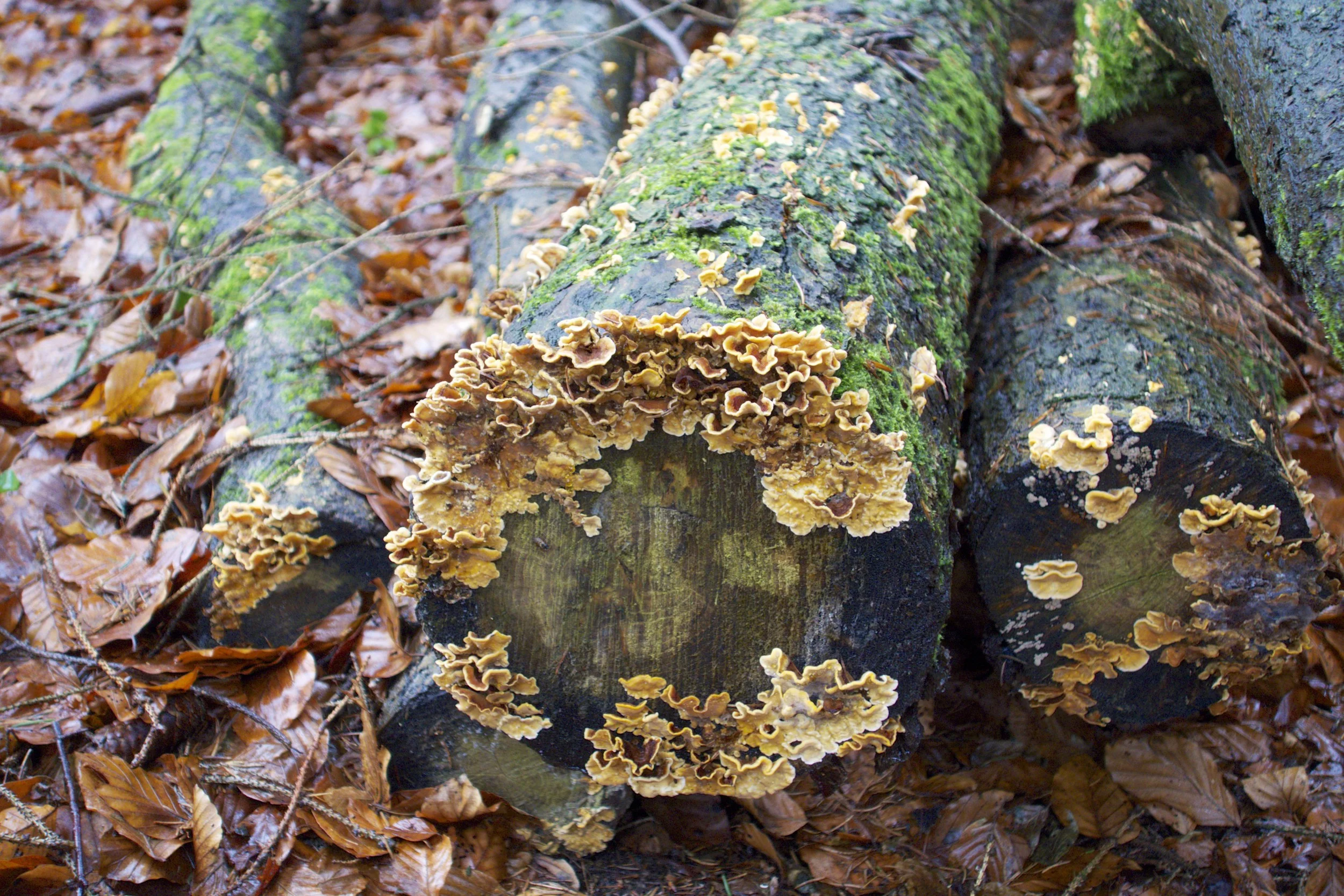
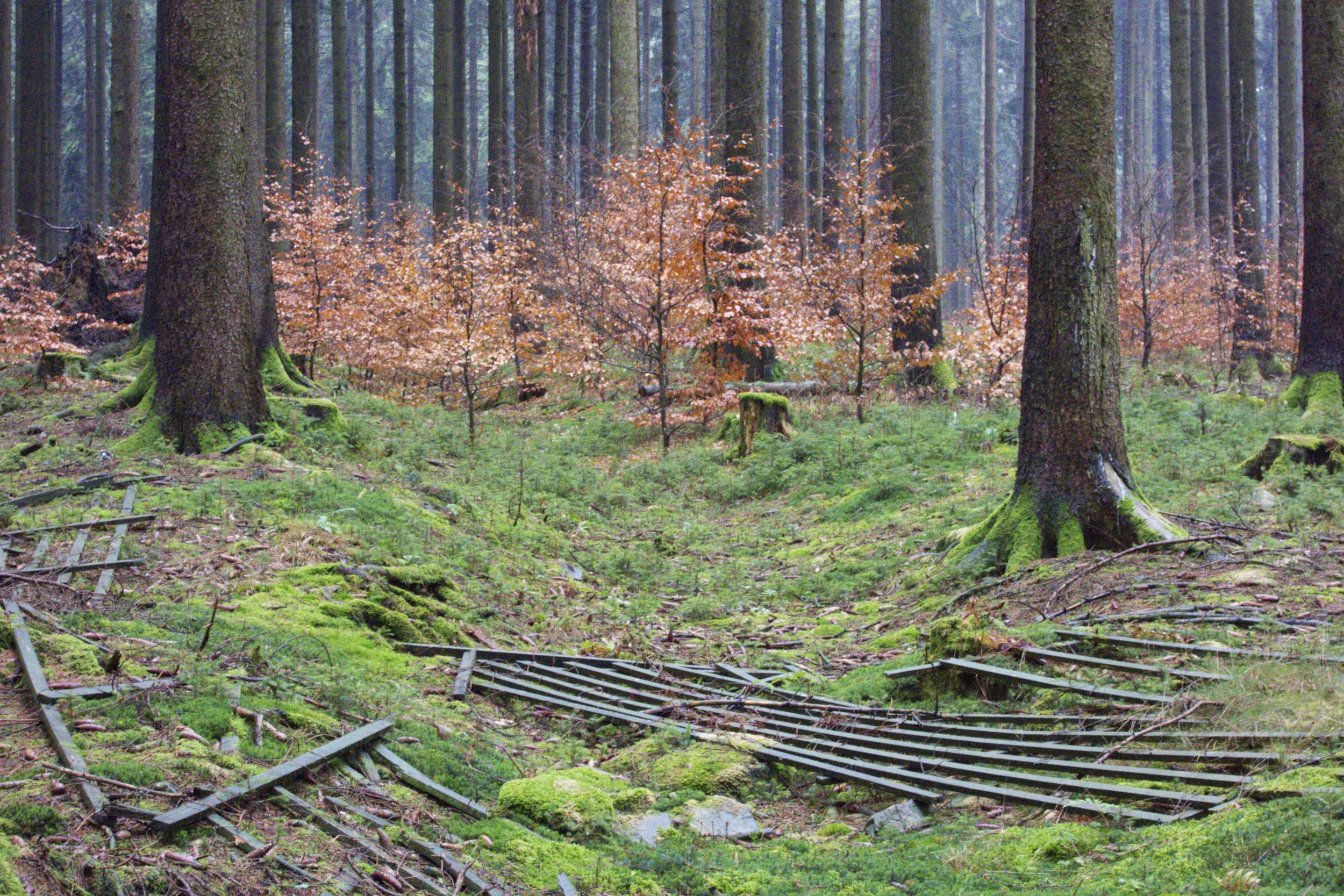
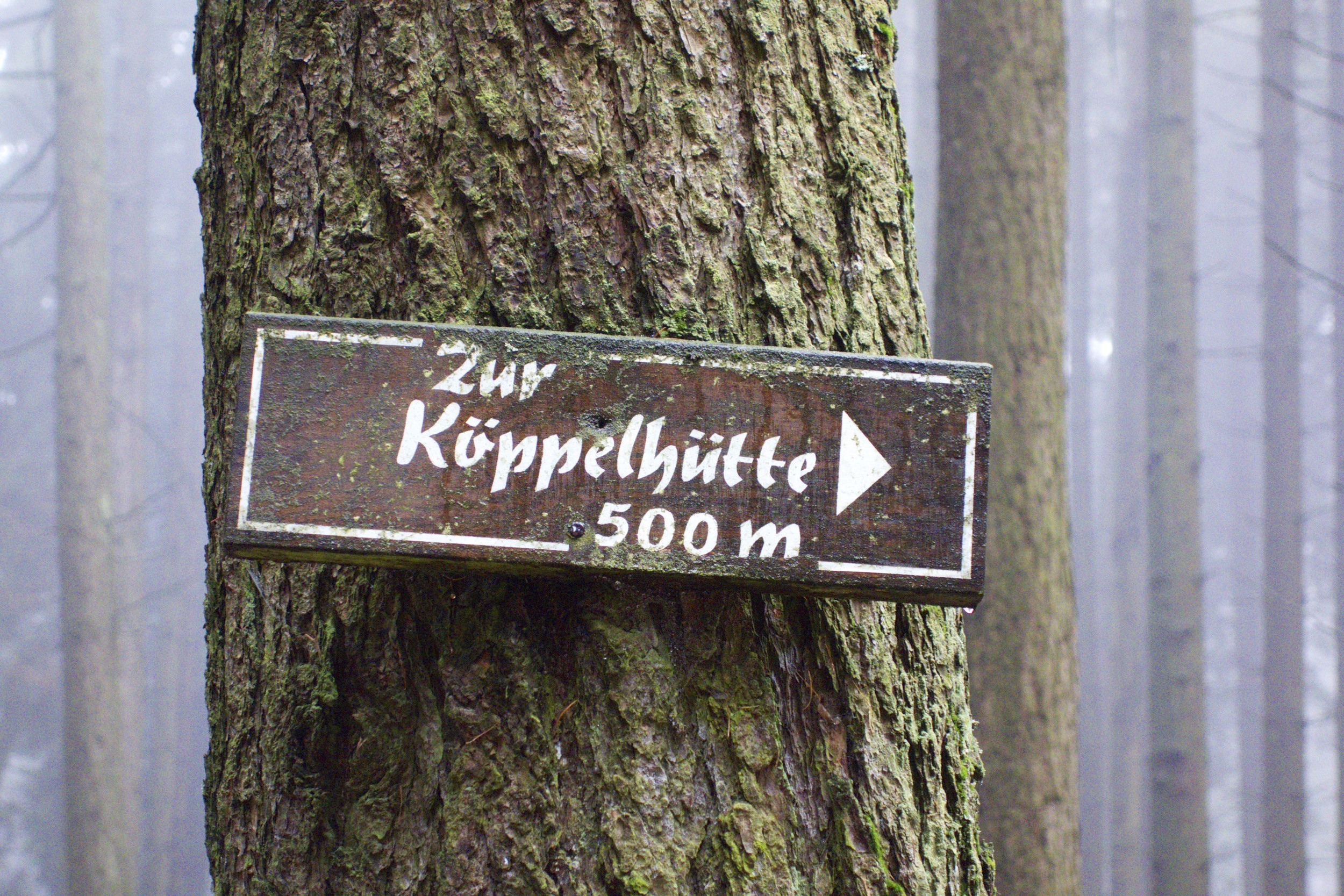
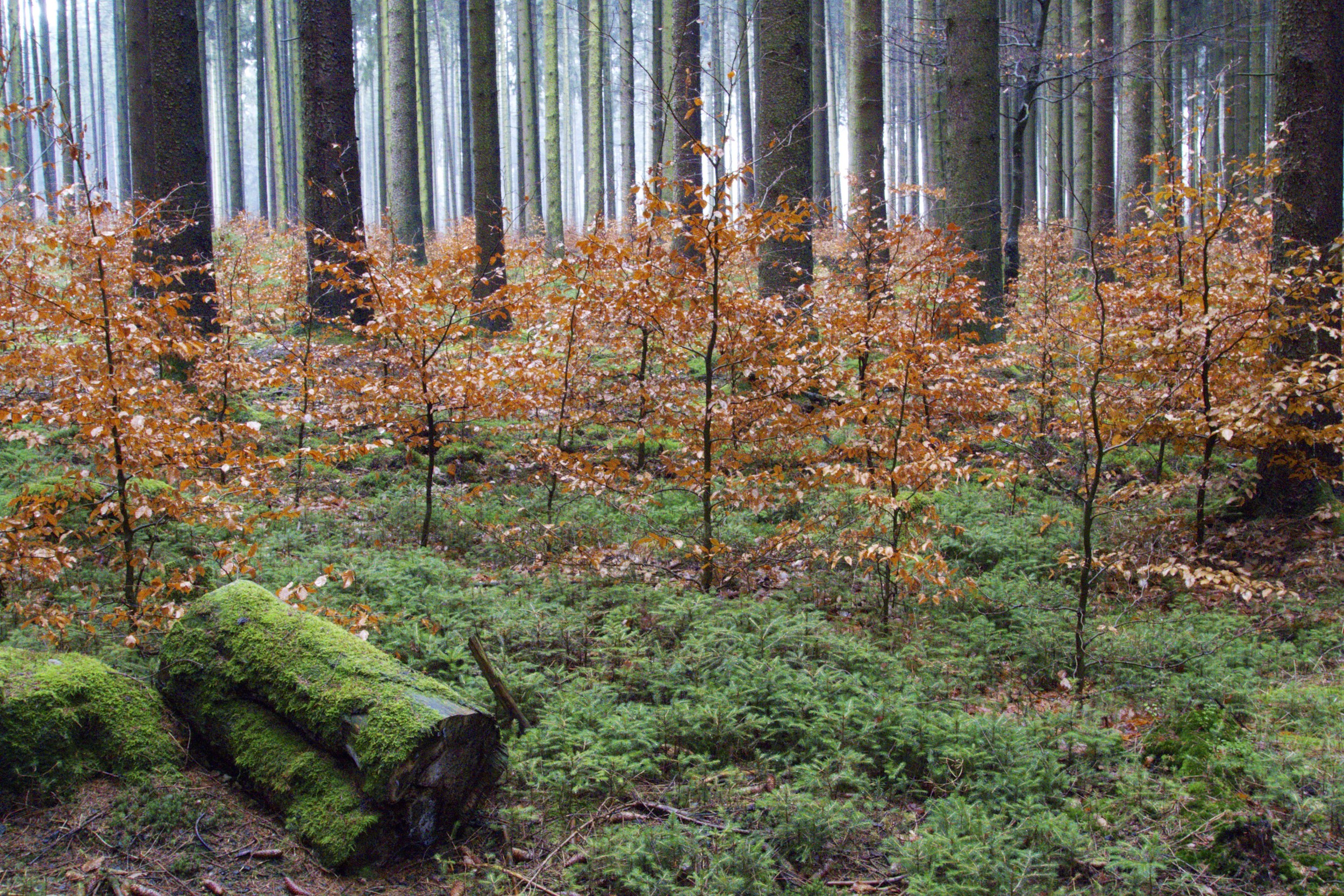
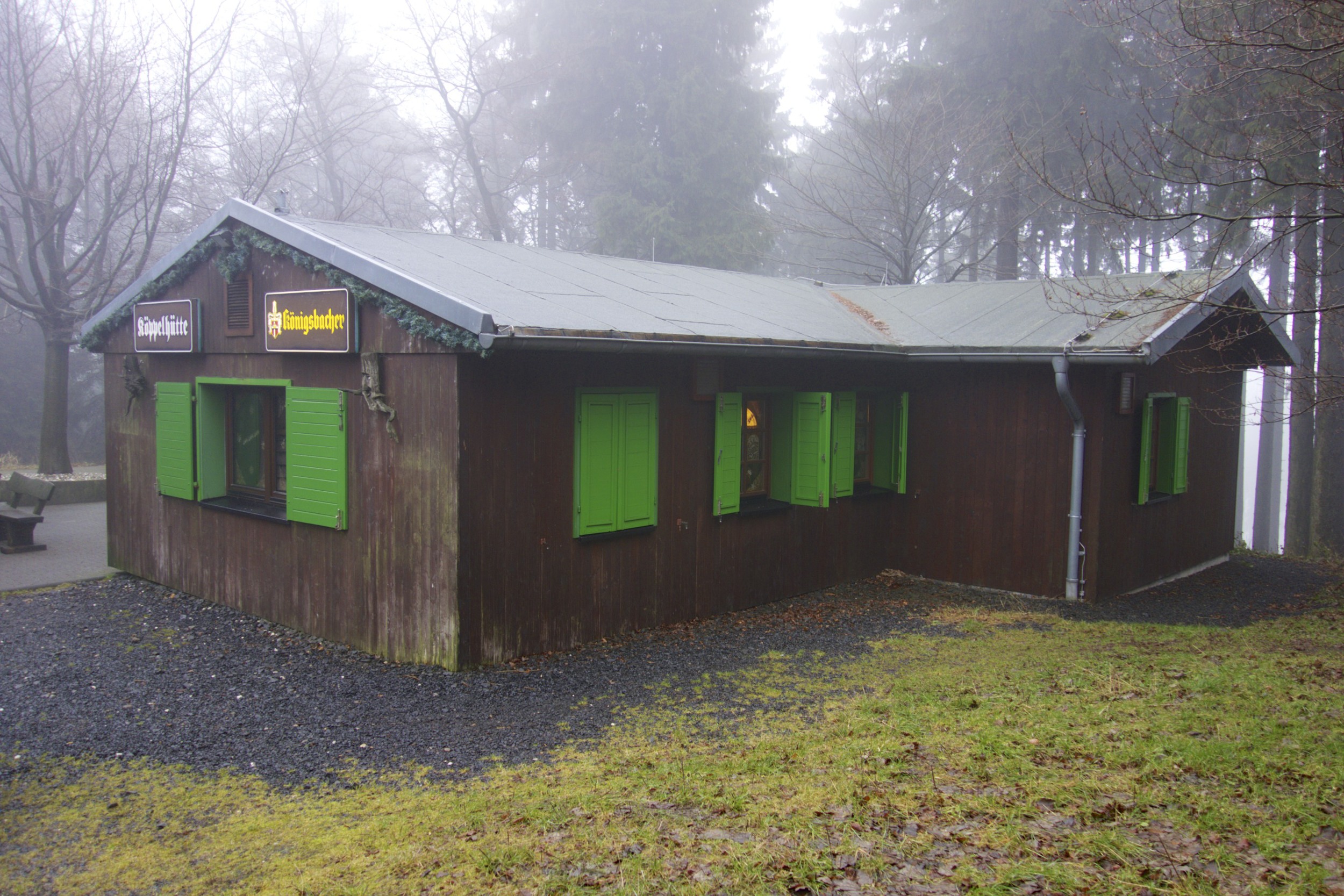
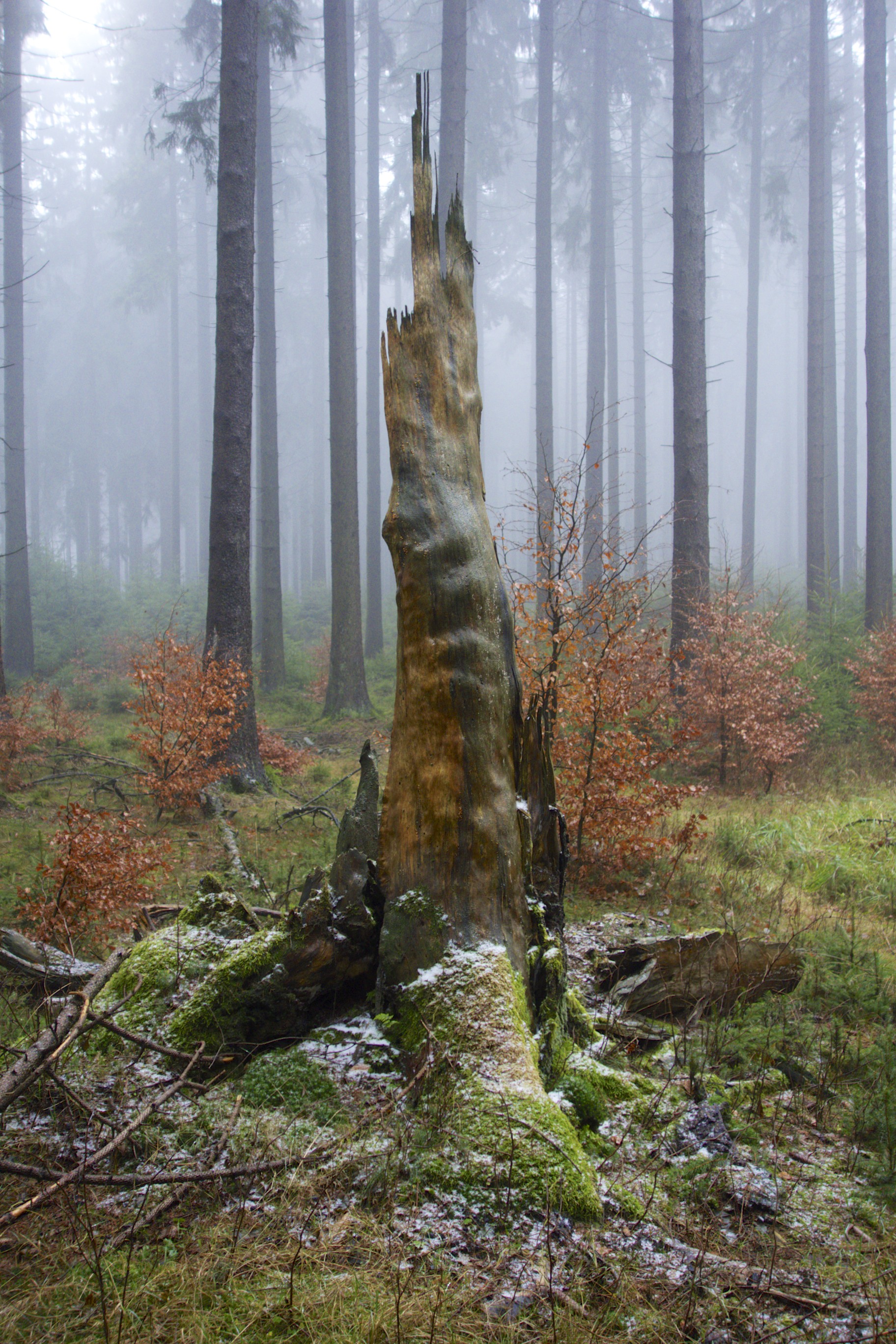
Forest views
I spent about two weeks in Germany and enjoyed the forest walks back in the Westerwald. Now in China for Christmas and New Year.

Breakfast at "Erlebnisstadt Wolfsburg"
Ulrich Wickert, one of the most popular news anchors in German television, once when he was asked what he likes most, answered: "French wine, French cheese and French women's legs". And then, when he was asked what he dislikes most, he said: "German wine, German cheese and German women's legs".
I was somehow reminded of this quote sitting over breakfast in the dining hall of my hotel in Wolfsburg, being surrounded by a group of mid aged (actually about my age) German woman who must have come here for shopping in the so-called "Designer Outlets". But they seem to be traveling also internationally, as they were talking about their "Australia tour" and many others showing off to me where they have been.
I see these woman traveling the world as an integrated part of the German National Defense strategy. Nobody would ever dare to invade or attack a country where such women come from. They are the modern form of maintaining the Cold War "Balance of Threat Strategy", not with nuclear weapons but with an enormous potential of retaliation. As Germany is a core NATO member, I would be really careful as Syrian Air Defense shooting down Turkish planes in the future. You want us to send you a tour bus strait into Damascus? - Wom!
With many hardware and systems manufacturers diversifying into the service industry, I could think that these women could make a substantial part of the business of companies like Krauss Maffei and Rheinmetall in the future. And it makes it easier also, because unlike a battle tank, combat helicopter or submarine a tour bus would not need parliamentary export clearance. Well, not yet!
"Draussen nur Kännchen" - in Bonn (Germany)
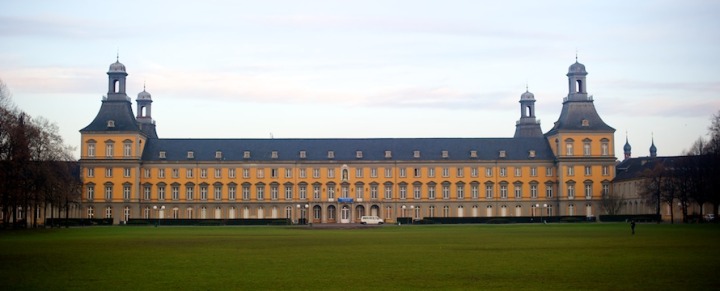
I spent some time in Bonn, working right in the middle beside the University, and staying with friends on the Rosenburg. The office was right over one of the large bookshops and coming from Hong Kong, it felt good to see that people are still interested and reading and that the bookshop does not just have a place in the centre of the city, but also in the centre of their life. There are nice coffee houses around, where people meet or just drop by to read the first few pages of their new book. Still many small old stores exist. I bought an old style shaving knife in a shop which still offers sharpening services. And further on I got two pair of hand made Budapest shoes. The staff in there knows everything about their products, greet you with a “Guten Tag”, and advise you on your purchase, but also just chat with you on your interest.
Bonn was made capital of Germany after the War as it was a neutral ground to be the centre of the new Federal Republic, even it is geographically very far West. After the re-unification in 1989, the capital was moved back to Berlin. Many were afraid at that time that Bonn would go down, but installation and strengthening of European functions, research institutions and also companies have kept the city going. It is a bit like a village with the cultural program of a capital. And in my view it combines the advantages of both. Of course it is less colorful than back in the times when foreign diplomats were on the streets. But it is still a rather civilized city with much to see.