It have always been the first autumn colors I recognized: the trees between the canal and the Diplomatic Compound on my way to office. This fall is the last time I will witness this change. The temperatures are dropping sharply and very soon there will be the first freezing nights, followed by a deep winter. The spitting patches on the streets will freeze first, which makes it easier to set the foot in public space. Then the canal will turn into ice and the skaters will make their rounds. The fishermen will make holes into the ice and sit on camping chairs waiting for their catch. This year I will not stay long enough to commute to work by ice skates. A few more weeks and I am gone for good. It has been a long time.
Concrete things
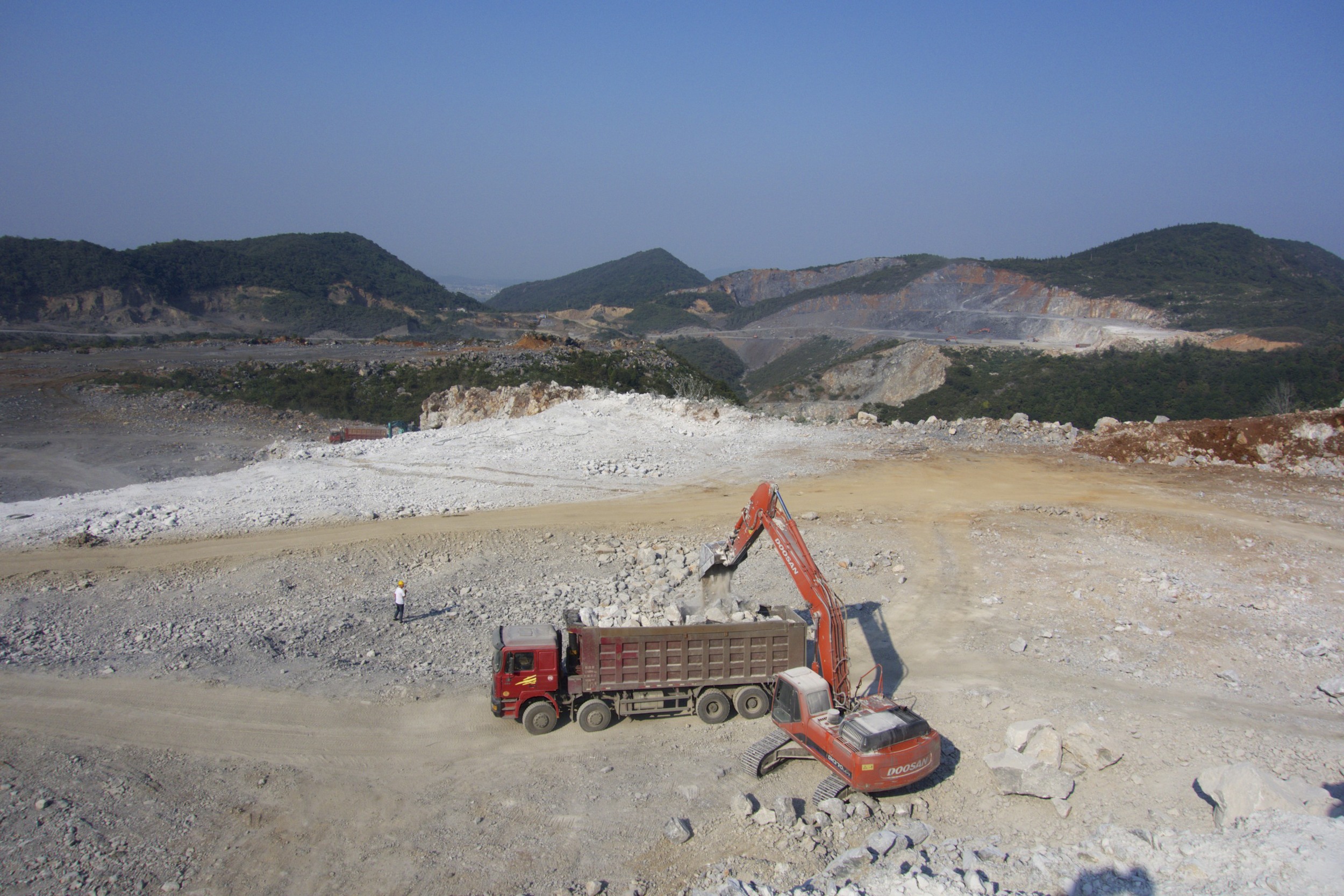
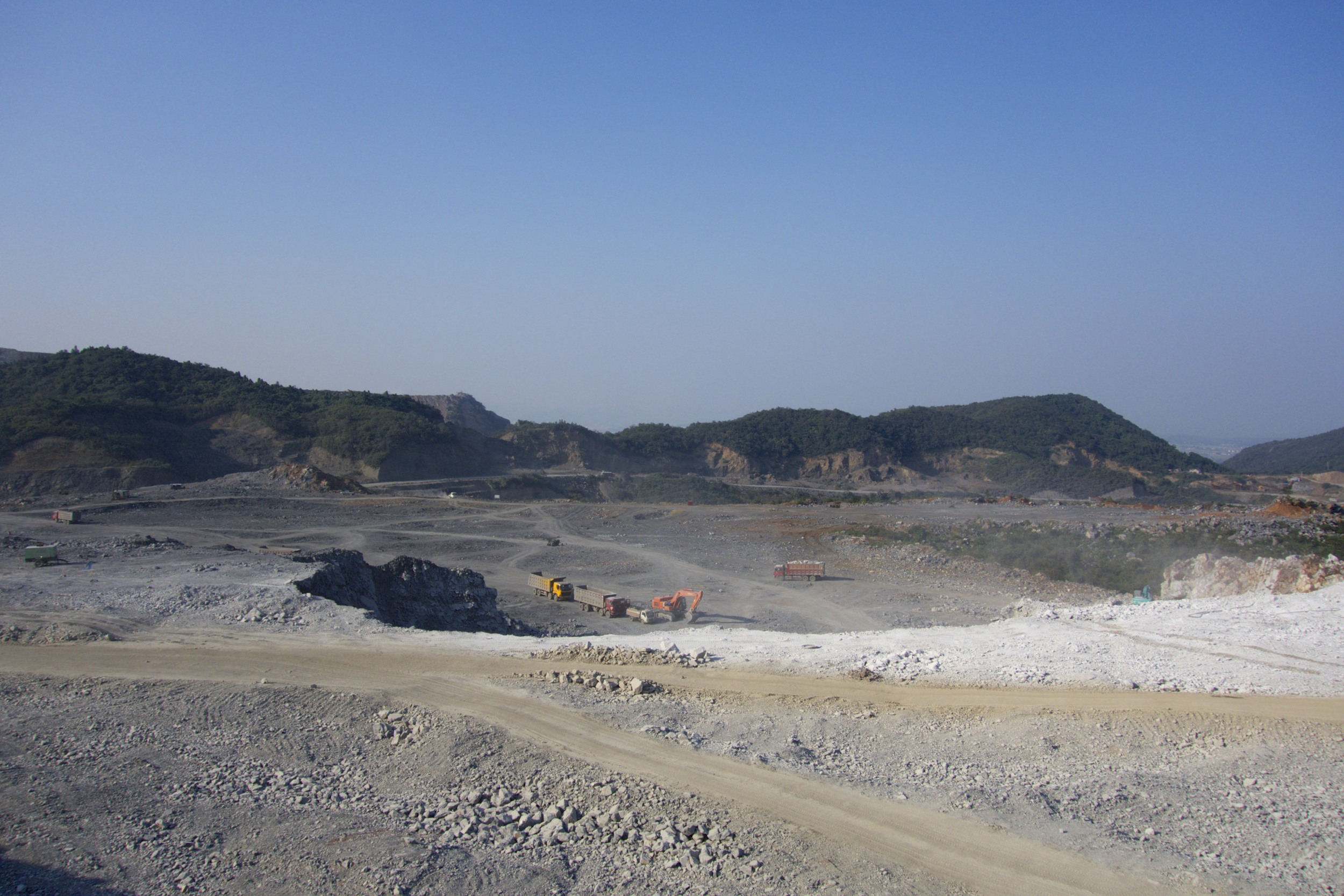
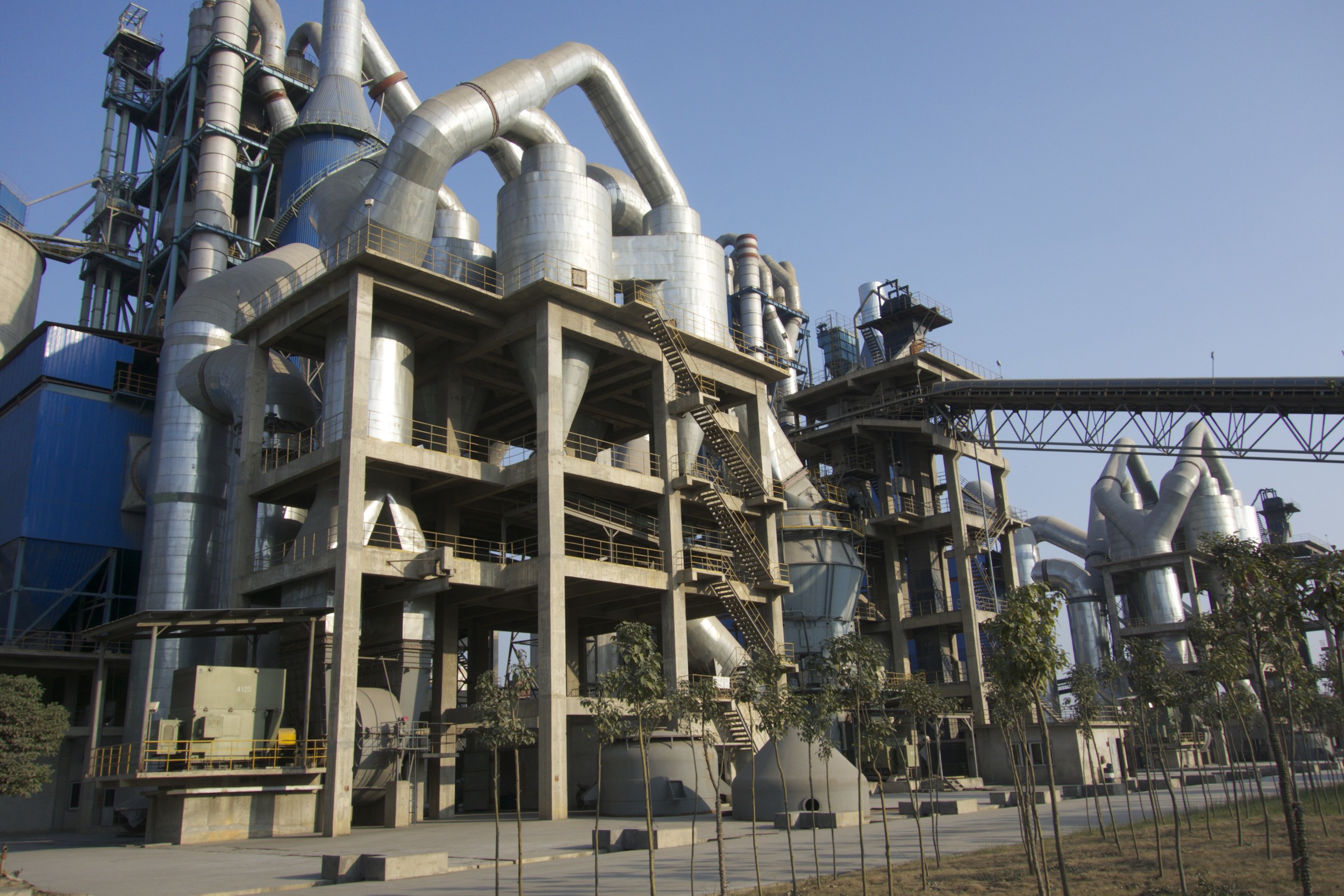
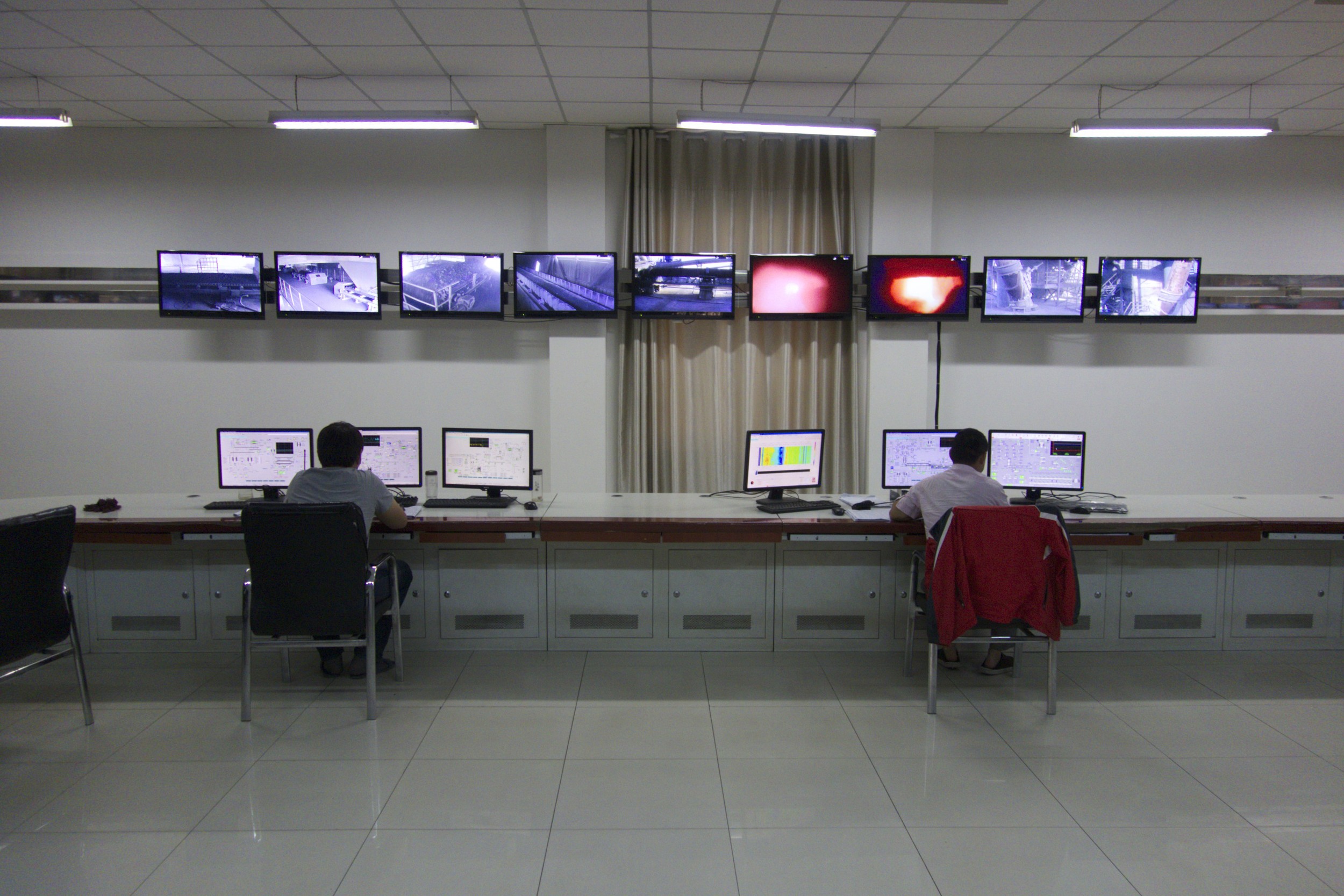
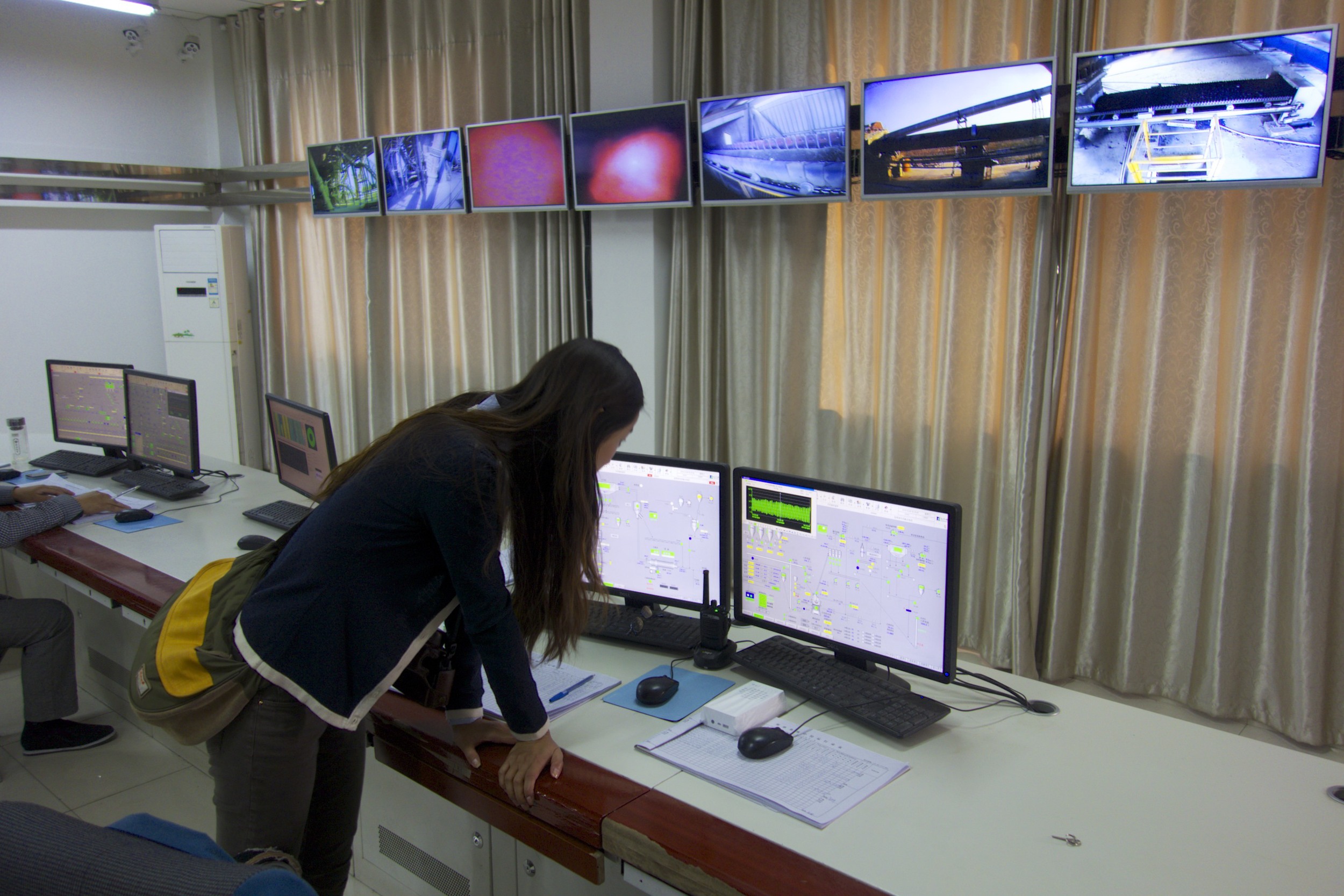
We have been out and about to visit the limestone quarry and cement factory of the Leida Group in Anhui Province. Leida is based in Dongtai (Jiangsu) and integrated vertically by adding mining operations. The high grade limestone goes into PVC manufacturing which is invested by Anhui SASAC and is trucked out from the site. Lower grades go via a 2 km covered conveyer into cement manufacturing. Rest heat is used in two turbines and fed into the grid. From there the cement which is not used locally, is shipped to Jiangsu. The pier is still under construction, but it will be the largest pier of Anhui Province. Also the mining, is the largest quarry in Anhui.
As I have worked in the mining industry before, I felt quite at home on site. Very nice to see how well managed it is. It has been a long time for me, since I was the little man with the Land Rover Defender, installing and operating monitoring equipment in UK coal quarries. Even my client, British Coal, does not exist any more. 25 years passed. But I always enjoyed doing real things, like moving mountains.
Yellow Sea Views
It is amazing that the long coast line of China does not have much to offer when it comes to natural beauty. There is a bit around Hainan, and a few small corners on the way. The rest is pretty unattractive, man-made and mostly covered with trash. I am currently close the Yellow Sea, and as the name already indicates, it is not a blue ocean. The color comes from the load of silt coming from the rivers. But that is not what is disturbing. The coast line is a completely artificial one, with fish farming behind the land reclamation areas - biologically degraded, polluted and overused. China has the policy, to develop first and clean up later. But what has been done here to the coastal ecology is irreversible. I am sure, you don't want to go there without professional purpose, but still you can download the route I took by clicking here (GPX-format).

Beach with Chinese characteristics.

Dongtai (Jiangsu Province) to the Yellow Sea and back.

Fish farming, inland the Yellow Sea (Jiangsu Province, P.R. China)
Opening
Yesterday was the opening of my solo photo exhibition “China’s Empty Quarters” in the Shuangcheng Cafe (46 Fangjia Hutong, Beijing). The photos will be hanging until October 26th. It was a very nice event and I enjoyed the discussions which went far beyond the pictures themselves. Those of you who are in Beijing and interested: the Shuangchen Cafe is a very nice and quiet cultural hub in the Hutongs close to the Lama Temple. It has the mission to build a cultural bridge between Beijing (People’s Republic of China) and Taipei (Republic of China). They have the world’s best Taiwanese pineapple cake, Erdinger Weissbier, and this is not enough there is free Wifi. And yes, my photos, of course.
One Touch Dutch-Chinese Online Movie Festival
Yesterday Feibai was busy in the opening ceremony of the second One Touch Dutch-Chinese Online Movie Festival. It was hosted by the Ambassador of the Kingdom of the Netherlands, His Excellency Mr. Aart Jacobi, at the Beijing Film Academy. Many were involved in preparation and it was a very nice start with the children movie Fidgety Bram in the afternoon, having fun over Dutch cookies and soft drinks, and the documentary Raw Herring by Leonard Retel Helmrich. I really liked Leonard's movie and found it funny that in in the later discussion with him, and among each other, Chinese students found it puzzling not find the opinion the film maker expressed clear enough. I guess the Chinese audience is more used to a stricter guidance what to think. There are not many documentary movies, in the true sense of the meaning, produced in China. And they have to pass strict censorship rules, which request a clear, compliant opinion, and not leave much room for interpretation.

My view on cities
In preparation of the opening talk of my photo exhibition, titled Cities, countrysides and why all heavens are gardens, I have been reviewing my own perspective on cities. It is pretty much like the photo I took of E'erguna (Inner Mongolia) a few days ago: interested to go there, endless grasslands in my back, and flowers brightening the view to town - and happy to get out again. Paul Theroux expressed it nicely like this: "My ideal of travel is just to show up and head for the bush, because most big cities are snake pits" (Theroux, Paul (2011-05-19). The Tao of Travel: Enlightenments from Lives on the Road (p. 8). Houghton Mifflin Harcourt. Kindle Edition).

E'ergunga (Inner Mongolia), as seen from the hill leading to the wetlands in the plains
North-East of Inner Mongolia
When I was a child, anything coming close to Vladivostok, was at the end of the world. Today, I know that the main difference between the far Northern East and the extreme American North, Alaska, is the narration I received. Alaska was told to me by people like Jack London. They were stories of gold rush and adventure. The stories of the far Northern East, were told by my grandfather. They told about displacement, gulag, starvation and insane dictators (responding to our own insane dictator). Last week we flew into Hailar and made it to Shiwei, then up the Chinese-Russian border close to the most Northern Chinese tip. It is a region, which was been signed over by Heilongjiang to Inner Mongolia. It is the end of summer. And it is beautiful.

Inner Mongolian Grassland, North of Hailar (People's Republic of China).
Inner Mongolia is for me the synonym of endless grasslands, but heading North these very soon change into a birch forest vegetation and then into the Greater Khingan Forest. The border to Russia is perhaps the best protection of the Yalu River, as it is fenced by barbed wire and marks the National Border just in the middle of the stream. There is trade of building material, wood and stones between the countries, but not much of an interaction, except the exchange of money against goods part. The few towns are like Jack London's gold digger towns. Just, that there is no gold.

Shiwei centre - A Chinese border city to Russia
Heading for a peak, to get a good view over the forest, suddenly Jack London came much closer than expected. We walked up a steep slope, with bushes to our right. Feibai was sick of the height and was wondering how to get down again. I was wondering what was following us in the cover of the dense forest and saw with suspicion grass pressed down by some really big creatures lingering there. Kind of naively, I asked: "Any wolves reported here?"
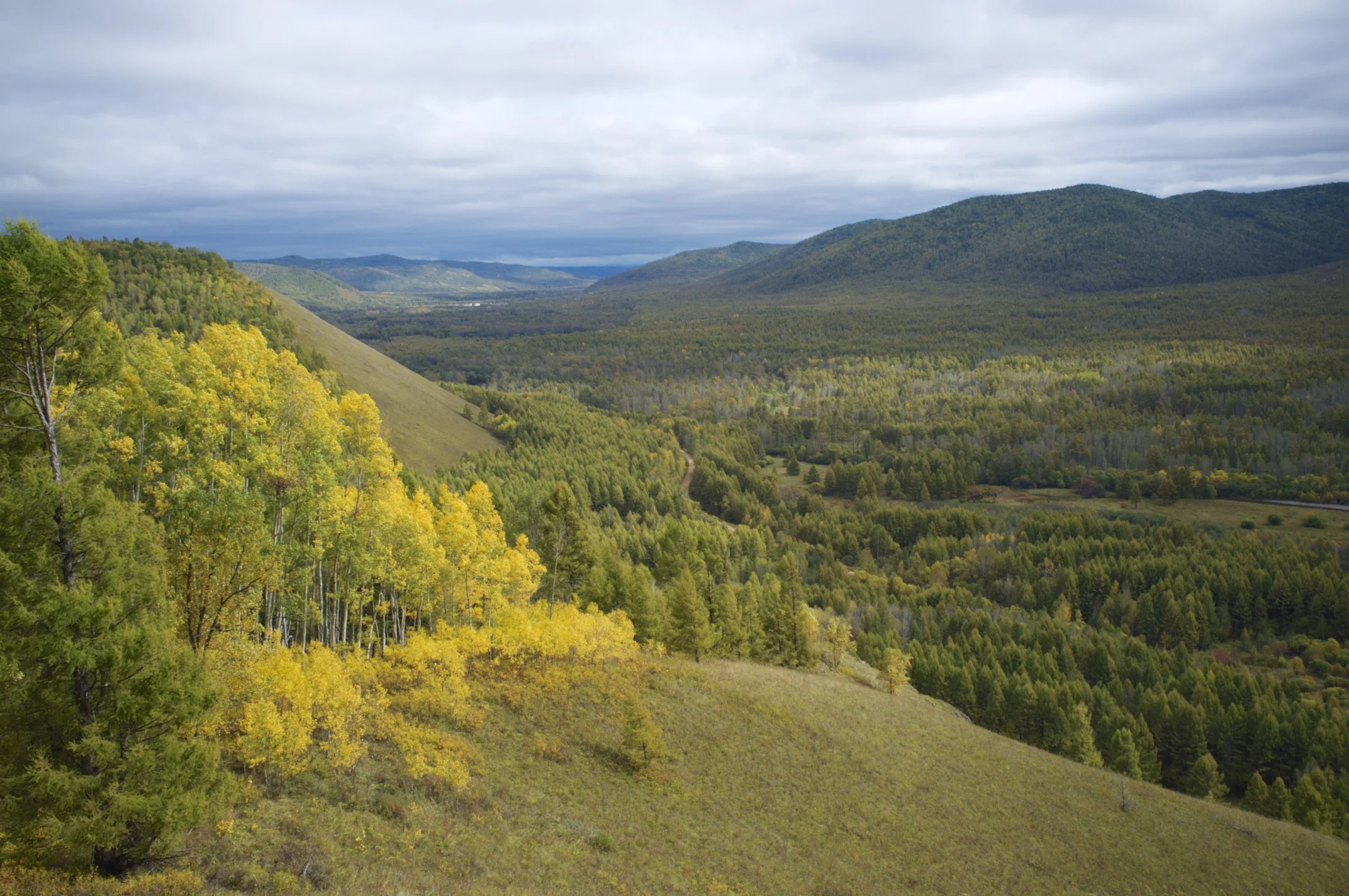
Forest view in the most Northern region of China.
It did not take much longer, until I saw who was looking over the hill ahead, ready to block our way: at least two bears. Shit! I have never seen bears in wilderness, and they were obviously more than our size. I wanted to turn back over the rocks, staying at distance of any bush providing them cover. But I was also aware that they would not really need to hide from us two little creatures. I requested Feibai, please to walk like a healthy animal in the eyes of a bear, and I was not sure whether she got the message what that means. At least she was not afraid of the height any more. We still had to cross a dense forest band, back to the "road" and were completely venerable to meeting the bears. There are no firearms allowed in China, so there is no, what so ever, chance to survive the attack of bears. But they did not attack. Don't know, whether is was our "supreme tactics", moving in the forest, or whether we were just really, really lucky.
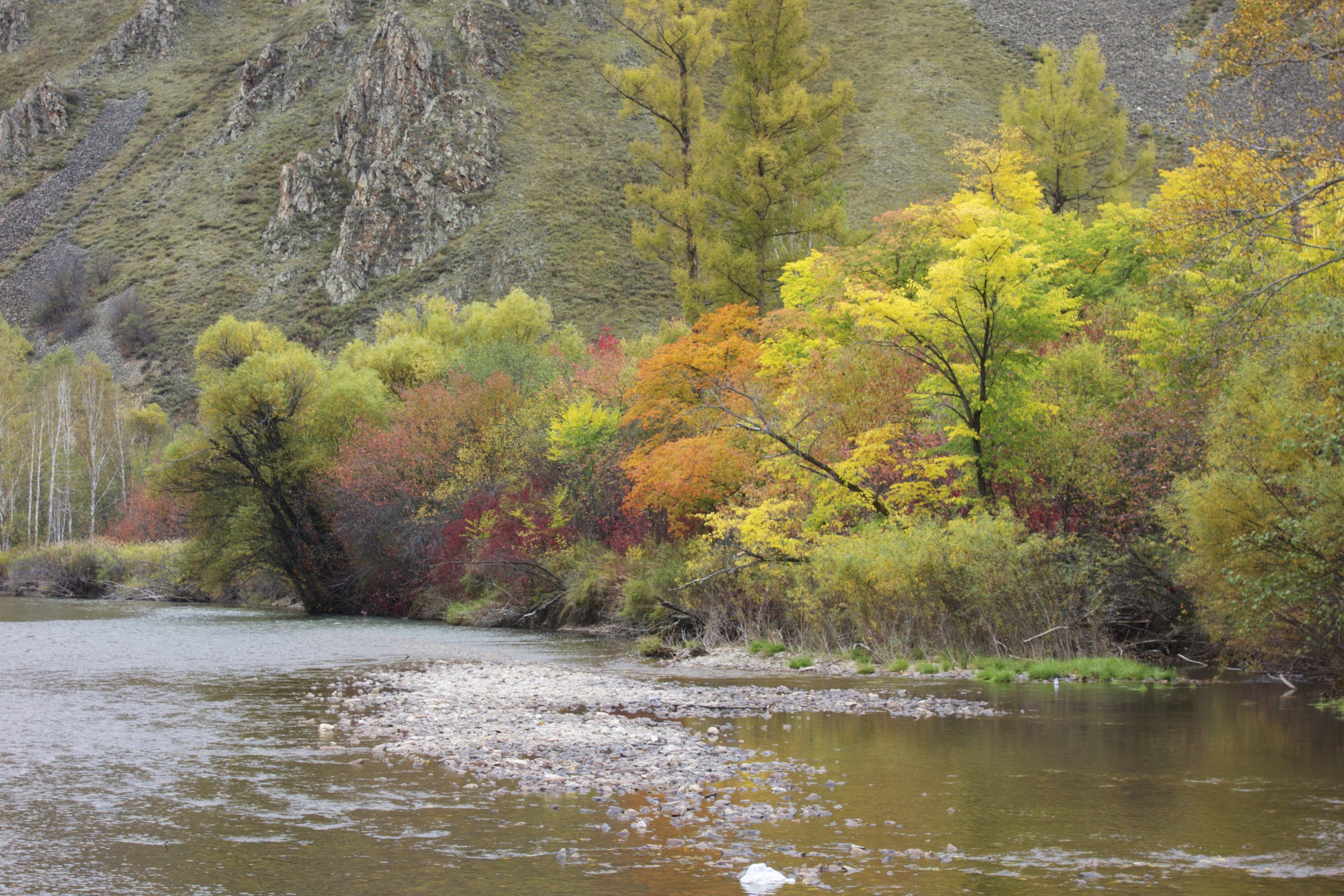
There is another thing about Mongolia, which I nearly forgot: the Mongolians. They make only about 10% of the local population in Inner Mongolia, and have their own language and writing. They are nice. But actually, everybody up here is nice, no matter which ethnic. When winter drops down to -50 Degrees Celsius and summer is short, you better treat your fellows well.
The far North-East is a "no bullshit country". And there are not many left of it. They had no Jack London, but I think they deserve one. Even there is no gold. There was also not much in Alaska, lets face it.

Mongolian grasslands and swamps.
A dog called Leica
Somewhere between Caochangdi, 798 Art District, the railway and some vegetable markets, there is an amazing photo printing workshop. Here you can do everything. And you do a lot together, which is really interesting. There is a fully fletched darkroom, digital printers, scanners, a courtyard where everybody lives and a big table where everybody drinks tea, and a dog called "Leica". Yesterday, was the day when I first saw my China pictures appearing on large format paper. The photo exhibitions starts to materialize. It is Shan Shui Zhi Jian 山水之间 (Jiu Xian Qiao Bei Lu, Huan Tie Wu Huan No. 5, 酒仙桥北路环铁五环五号, Tel. 010-84354297).
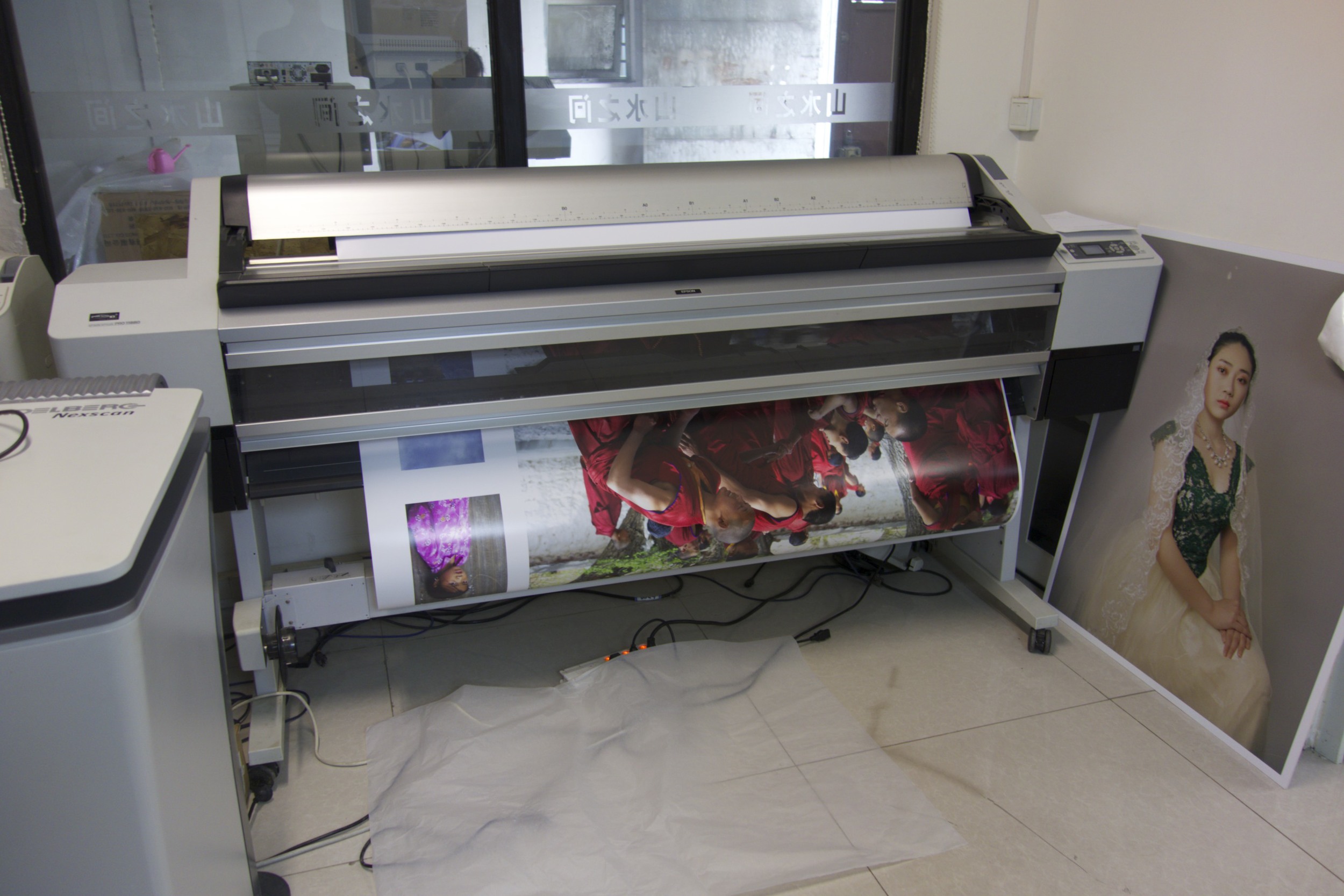
The birth moment of my "China's Empty Quarters" Exhibition.

Cutting table

Photo printing like in the "good old times".

Leica, the dog.
Late summer garden pleasures
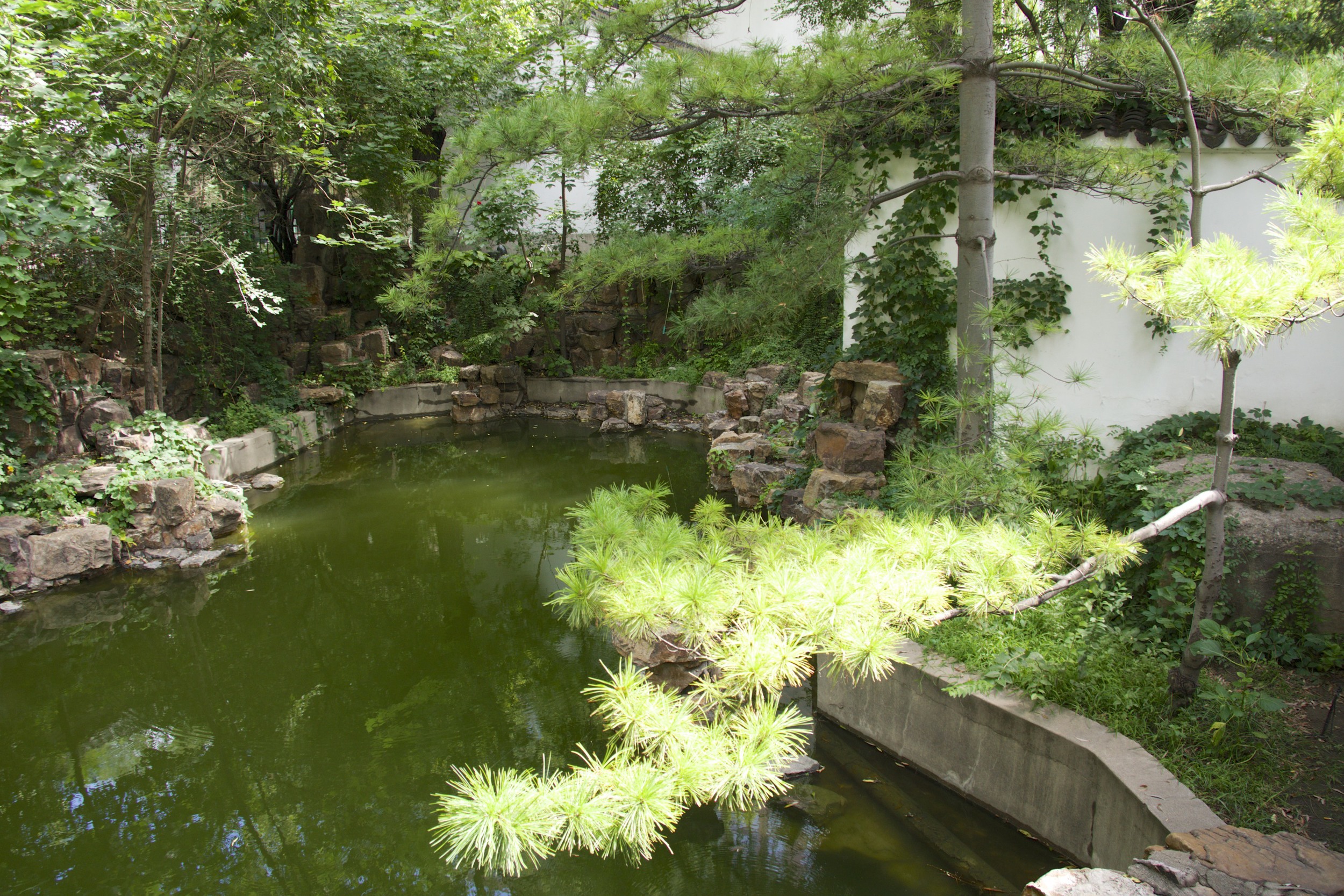
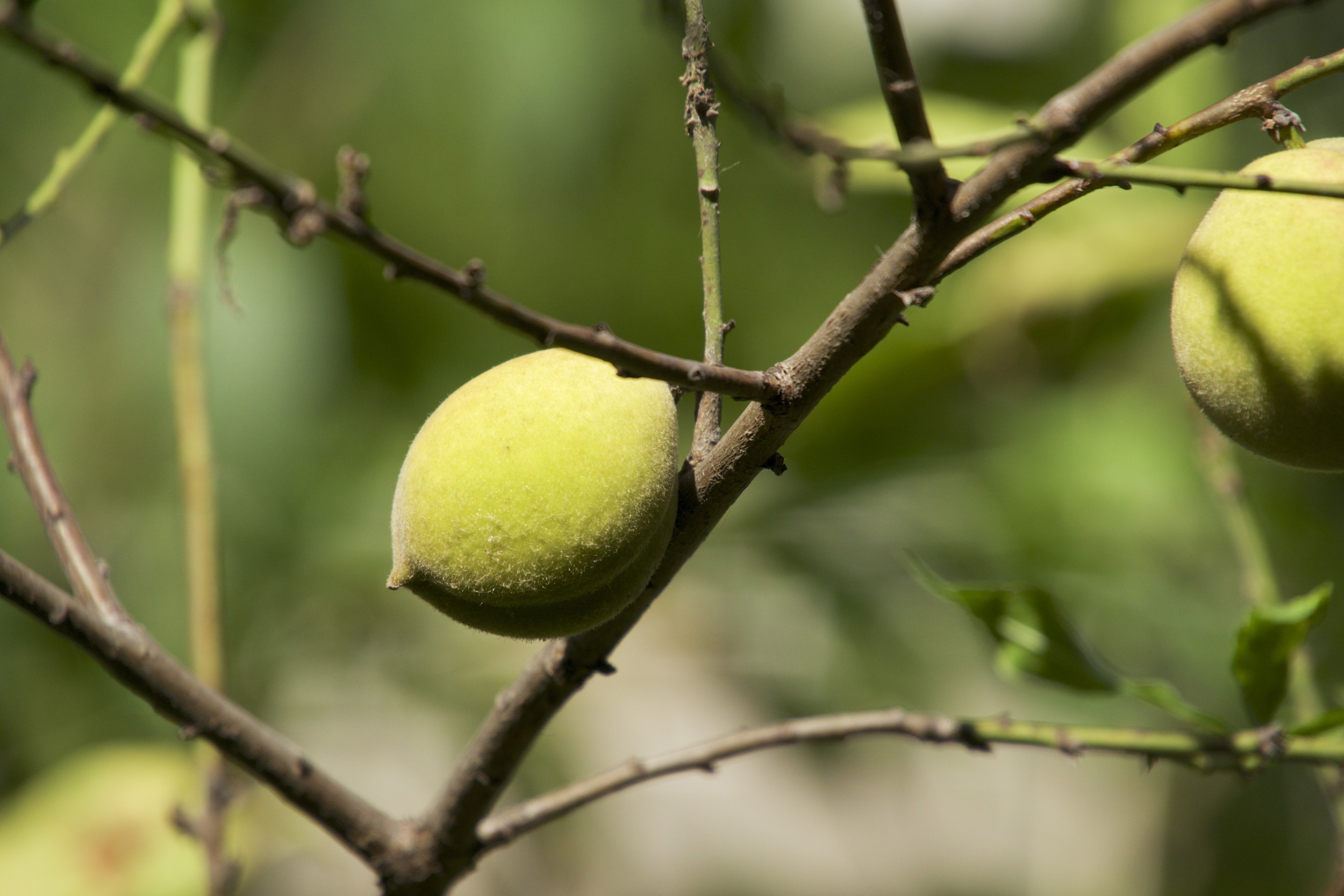
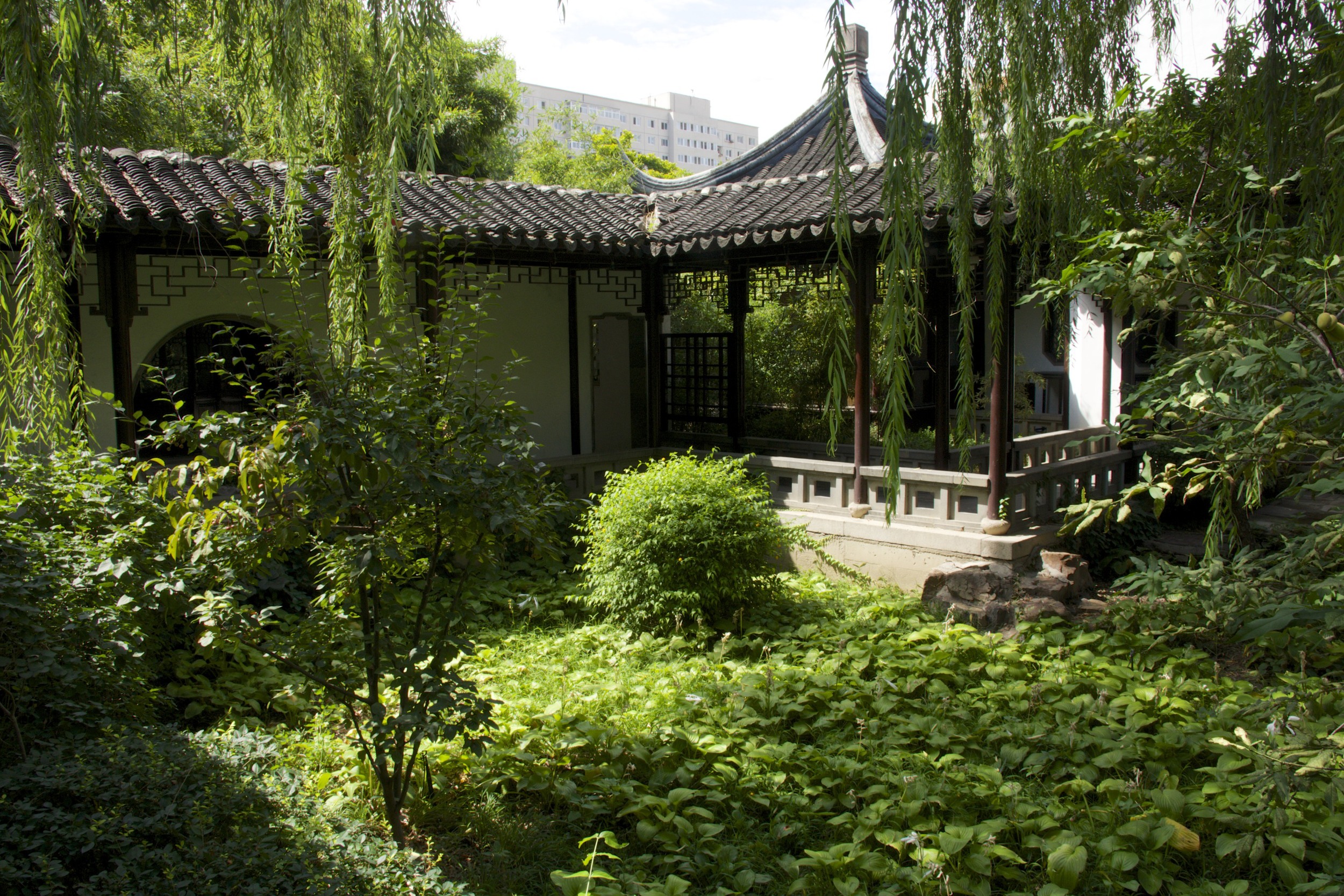
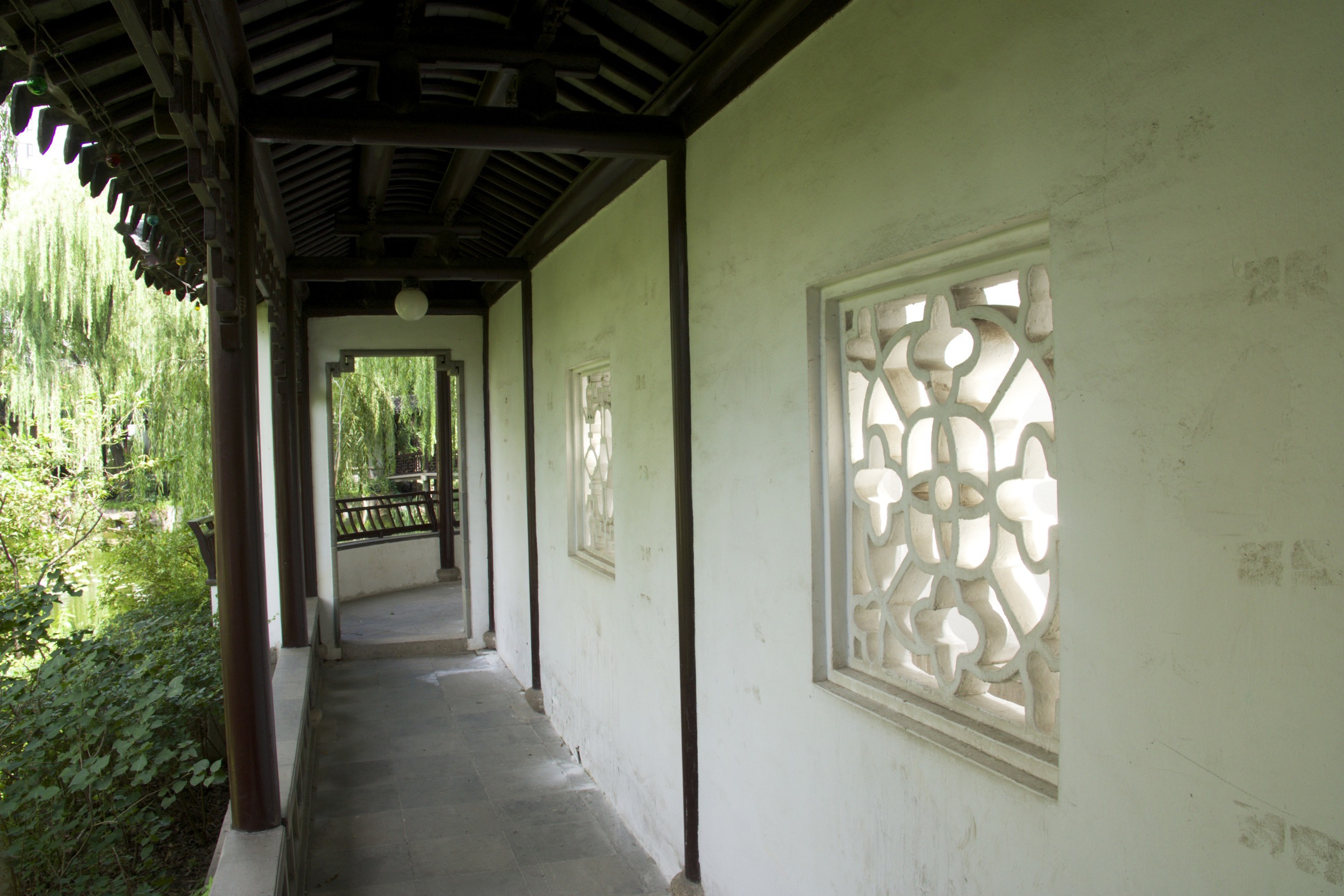
One of the things I really like about living in East Lake Villas is our garden. It is one of the advantages you have in older compounds and with dedicated gardeners who obviously enjoy their profession. It is rare that developers are willing to "afford" keeping a little oasis like this and not convert it into skyscraper, a shopping mall (or worse).
Now you can feel that the height of summer has passed over Beijing this year. When the air is clean, it is time to sit out reading and enjoying the mild days and evenings. Fall will be a short one here. First leaves will be dropping soon.


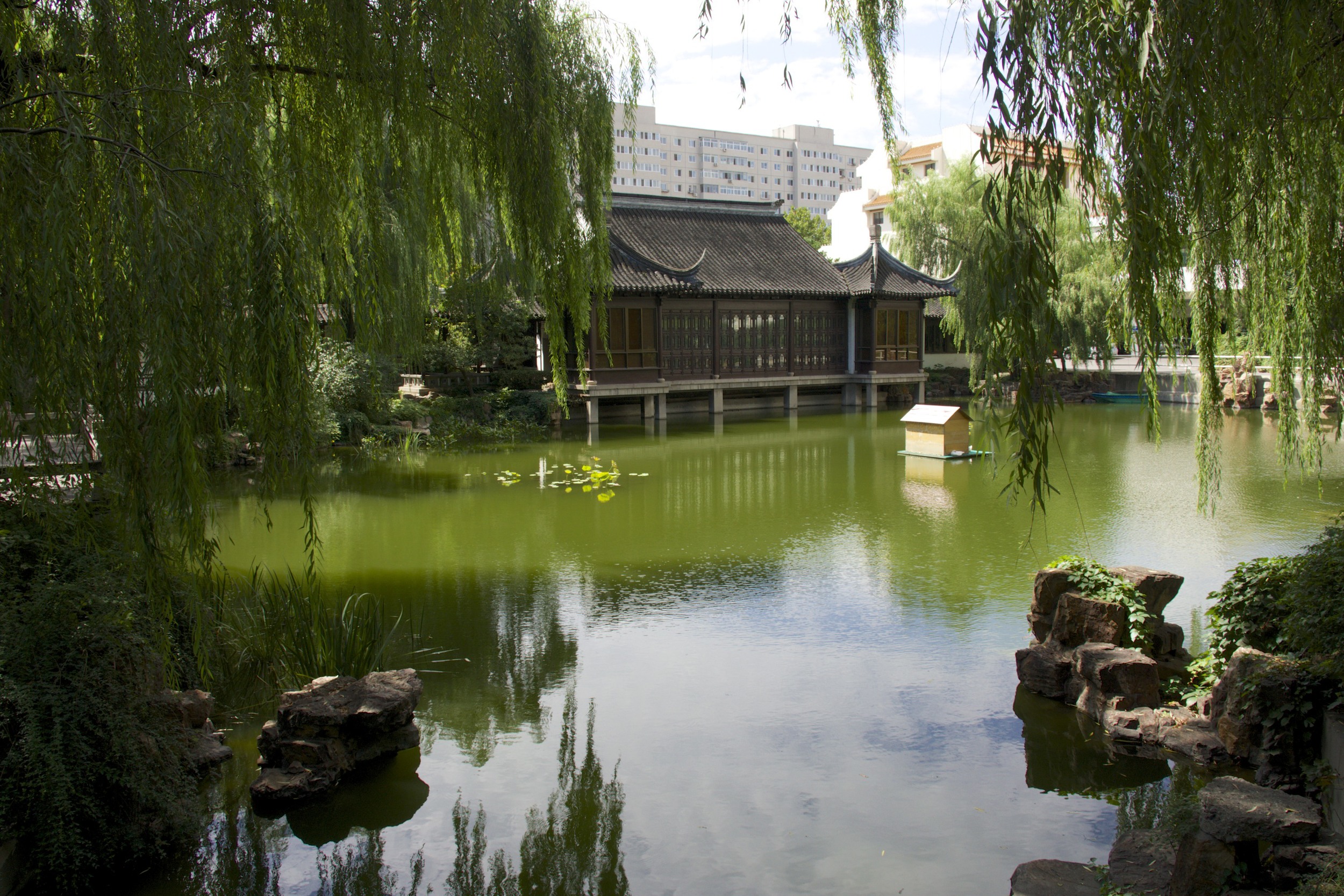
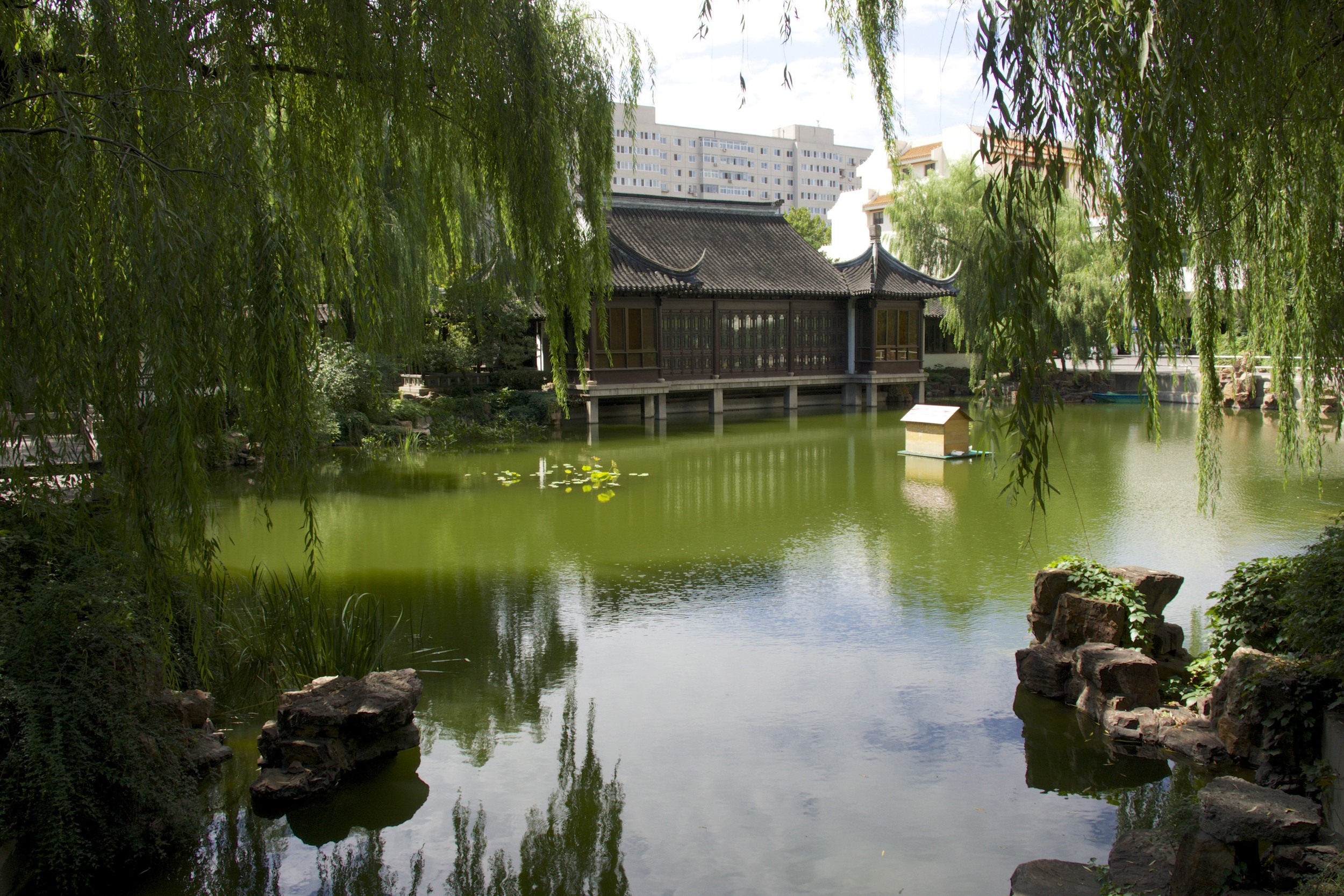

Jean-Claude Mougin's Palladium Photography
Yesterday, August 16th, was the opening of Jean-Claude Mougin's photo exhibition le jour / la nuit in the 798 Art District Beijing. It was the first time for me, that I had a close look at palladium process photo prints. They are really beautiful. Most of his photos exhibited are 18 cm x 18 cm, and some are larger portrait formats. I very much like his pictures taken in Kairouan (Tunesia). Some are available on Jean-Claude's website.

A selection of the Kairouan photos by Jean-Claude Mougin (please refer to his website for more).

Jean-Claude during his opening on August 16th in Beijing's 798.
Yun Meng Shan revisited
Yun Meng Shan is always a very nice path to stroll up and around on a weekend. We did it before, and you may download the GPS file here. Last time the weather was rainy and foggy and the whole landscape was in the mood of an old Chinese painting. This time it was sunny and clear and the same path was in a brilliant light. It takes you about two and a half hours up to the peak (1410 meters, elevation gain 850 meters) and about the same time back.
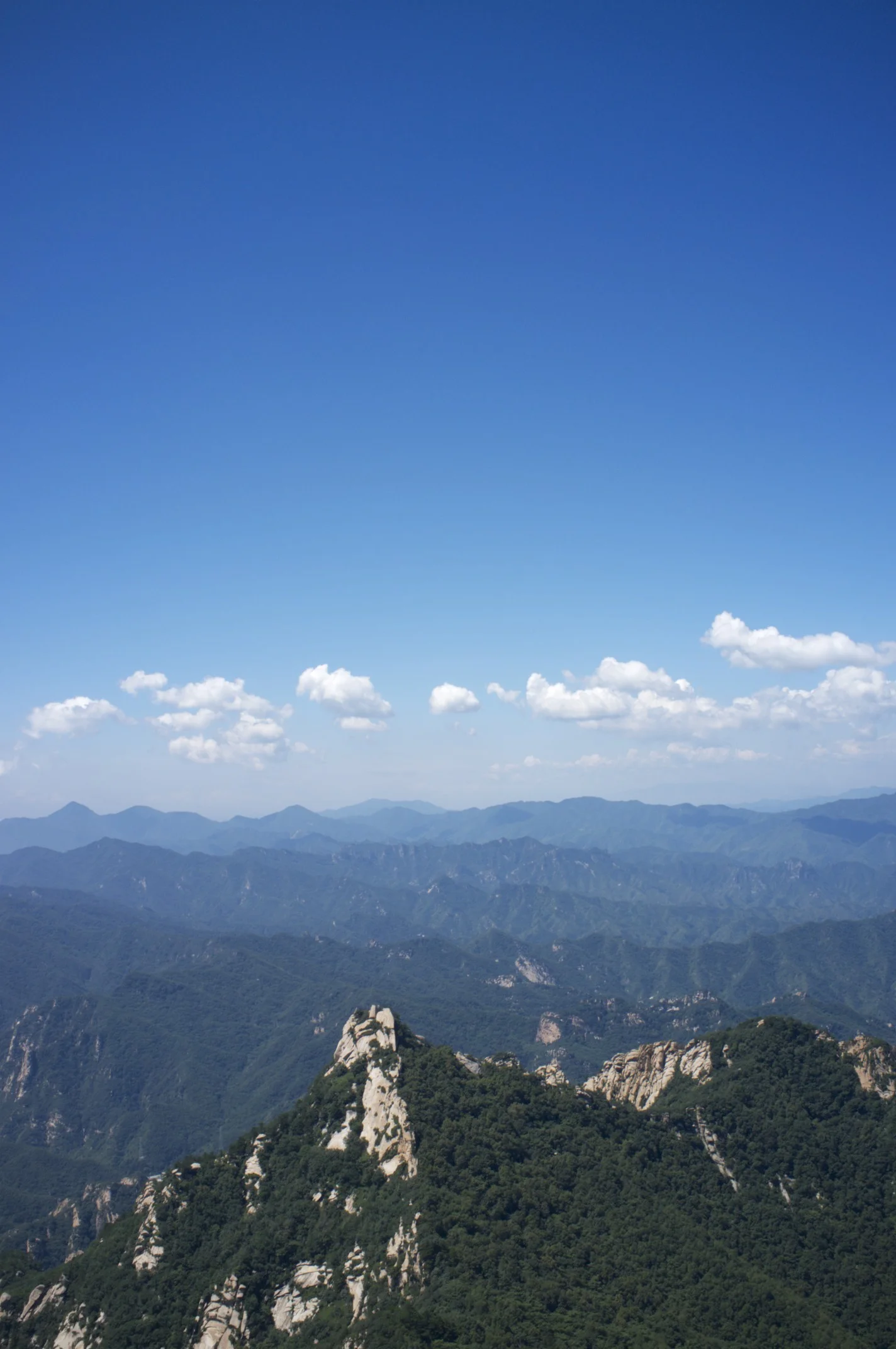
View form the Yun Meng Shan Peak over the mountains North of Beijing.
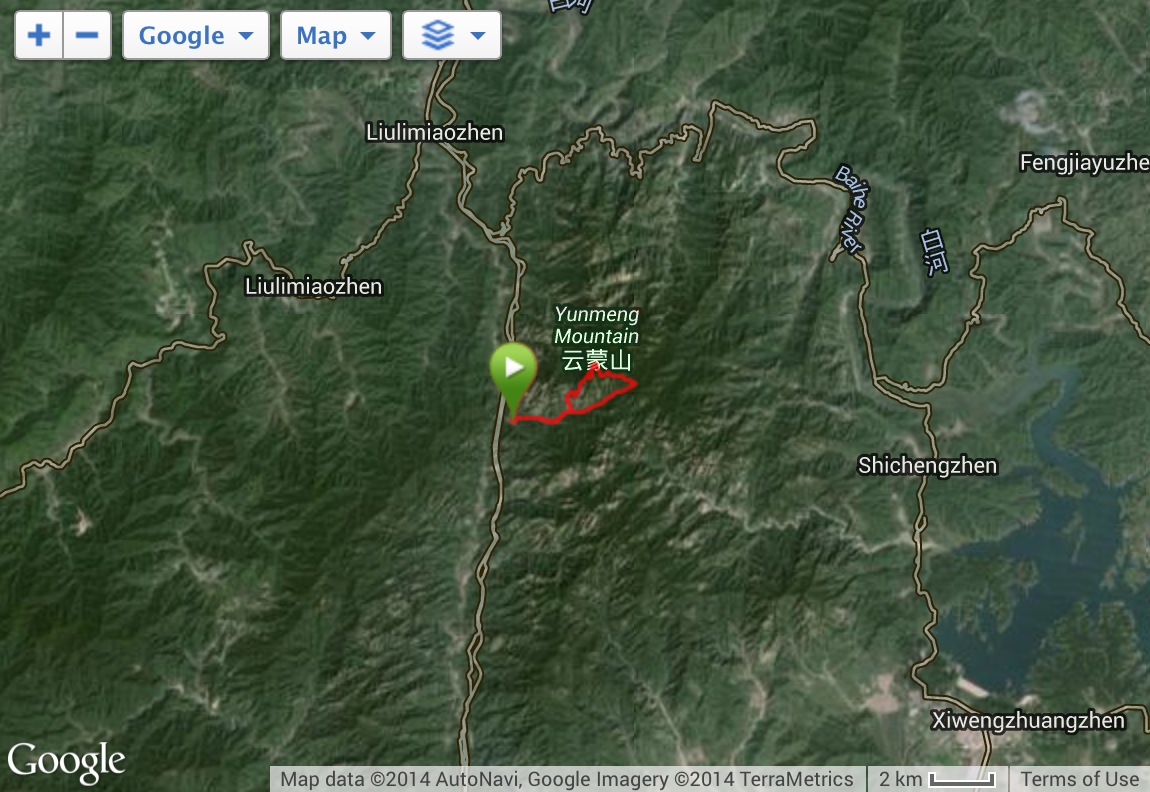
Satellite View on the Mountains around Yun Meng Shan.
"Die Grosse Chance" by Dieter M. Gräf and Nina Zlonicky
"Die Grosse Chance" is a solo photo exhibition of the German poet Dieter M. Gräf in the Three Shadows Photography Art Centre in Caochangdi, Beijing. It will be shown from August 09th until September 5th and represents a series of pictures, taken by the poet while (re-) exploring his parent's house after both's death. The hanging shows the ups and downs, like walking though the house. The location is a village near Mannheim (Germany) and I can quite well relate to these pictures. What surprised my technically, was that they are all taken with an iPhone, and still come out quite well in large print. The exhibition is curated by Nina Zlonicky who, as an architect, reanimated house's building layout on the gallery walls. Beside the artist's work, there have been many people involved in technically turning a USB-stick into a fully fletched photo exhibition in just a few days. It was supported by the Goethe Institute Beijing and what made it special for us, was not just the nice collaboration of many professionals, but that Feibai got an insight into the process by being part of the team.

Opening of "Die Grosse Chance" by Dieter M. Gräf in the Three Shadows Gallery (Beijing).
Three Shadows Photography Art Centre
Currently the Three Shadows Photography Art Centre in Caochangdi shows two excellent exhibitions: RongRong & inri, the founders of Three Shadows, and secondly of Zhang Kechun.
RongRong & inri's Tsumari Story a series of black and white photos shot in Echigo-Tsumari. They are really impressive and strong pictures, and have been taken after the couple was able to free themselves from the very busy time managing the Three Shadows shortly after its 5th anniversary. The exhibition will be on from July 26th until October 26th.

Tsumari Story (27th of July, 2014)
The second exhibition is Zhang Kechun's series called Yellow River. They represent a body of work which has been shot mainly from 2010 to 2013. They are pale in color and perfectly catch the mood of the stream and its people. Zhang Kechun walked over ten times upstream from Kenli County, Dongyin, Shandong, through Henan, Shanxi, Shaanxi, Inner Mongolia, Ningxia, Gansu, Sichuan, and up to the source near the Bayan Har Mountain in Quinghai. They are long shots taken with a Linhof 4x5 camera, which make them even more brilliant and unreached by any digital camera these days.
'The shape of the Mountains'
Today Xi Chen had a very nice opening of his small exhibition, titled The shape of the Mountains, in the ShuangChen Cafe (双城咖啡). He studied at the Munich Academy of Arts and I was happy and surprised that he speaks German so well. It was not just an exhibition opening, but also a gathering of commonly minded people, in a very nice environment. The exhibition is on until September 20th and it is a nice stop during a walk in the Beijing Hutongs West of the Lamma Temple. The address is: No.46 Fang Jia Hutong (北京東城區方家胡同46號).
Beijing on a clear weekend
These are windy days and it is nice to see the blue sky and even some stars in Beijing. Also the traffic was not too bad this weekend. Well, I spend most of the time away from the busy crowds anyways and enjoy my last few months here, to keep the city in a good memory. A weekend like this one, make it easy.

View from home at a clear full moon night.

Early Sunday morning in the Temple of the Sun Park.

Lotus flower, as seen in Temple of the Sun Park.
Hyperopia
Finally my arms got too short to properly be able to read small text. They call it Hyperopia, and it means I am getting far sighted. First I though of getting longer arms is not that easy, and may look rather imbalanced when I am scratching my feet walking along. So we went to the Beijing Glasses City. Here you get custom mades glasses starting from 5 Euro, and it is quite some fun also.

A wide range of entry models at the Beijing glasses city.
Hans van Dijk - 5000 Names
I found 5000 Names is a very interesting exhibition on the Chinese work and legacy of the Dutch born curator and scholar Hans van Dijk. It shows works, letters and artifacts of the time in the 1990, when he was a mentor of the coming generation of contemporary artists, when there was no such thing in China.
The exhibition is running until August 10th in the UCCA Ullens Center of Contemporary Art in the 798 Art District, Beijing.
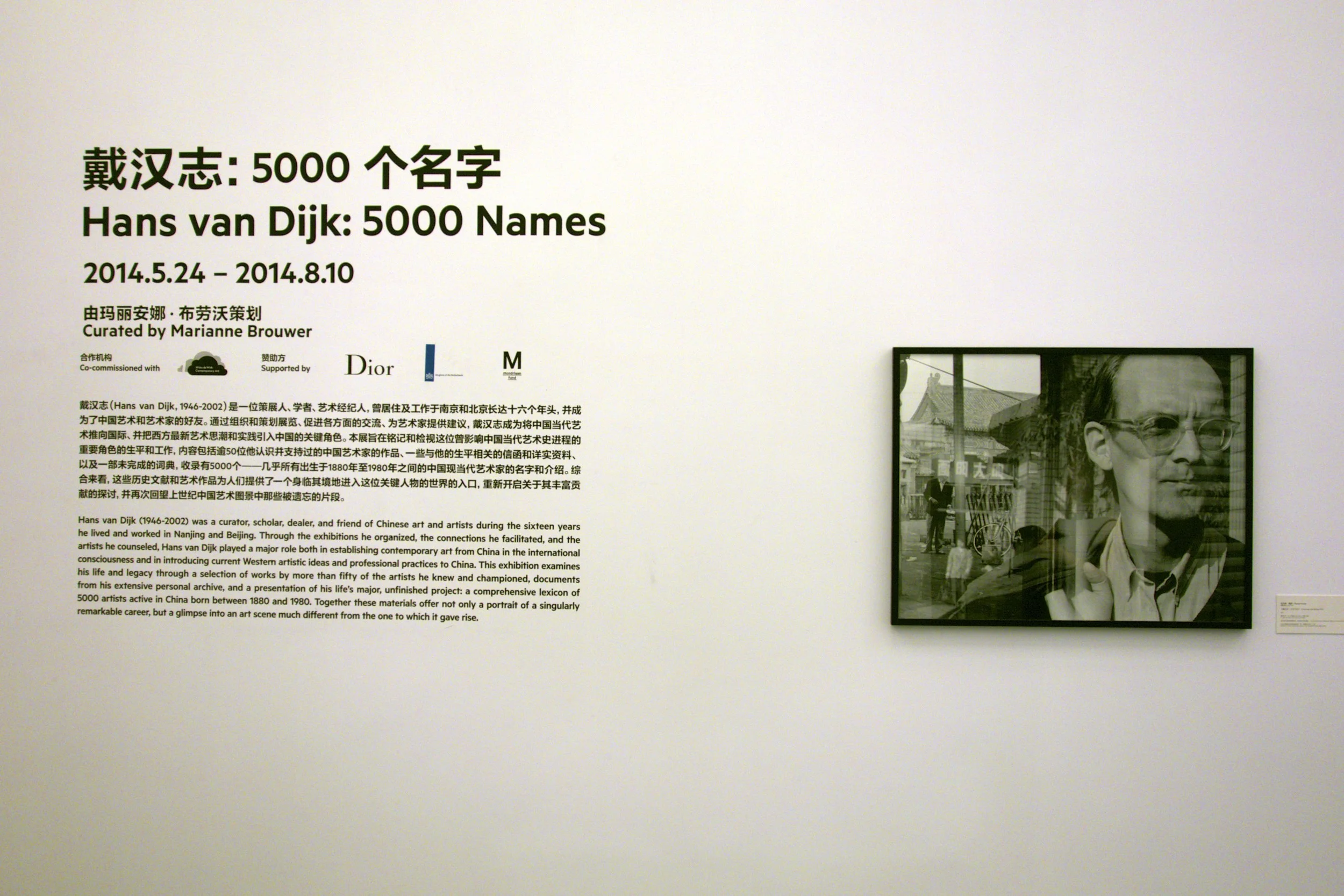
Exhibition entry and introduction.
Builders at the Sheshan Observatory
Sorting photos in preparation for exhibitions, I came across these two snapshots. One is taken 2004 and shows workers doing maintenance work at the Sheshan Observatory. When they saw me climbing around the roof with a camera, they posed for a photo, as if they knew (they didn't) there is a similar photo dated 1899 which is hanging in the Observatory Museum, literally below their feet.

Builders at the Sheshan Observatory, as seen in 2004.

A picture of builders of the Sheshan Observatory from 1899, as seen in the Observatory museum in 2004.
Gozo Island
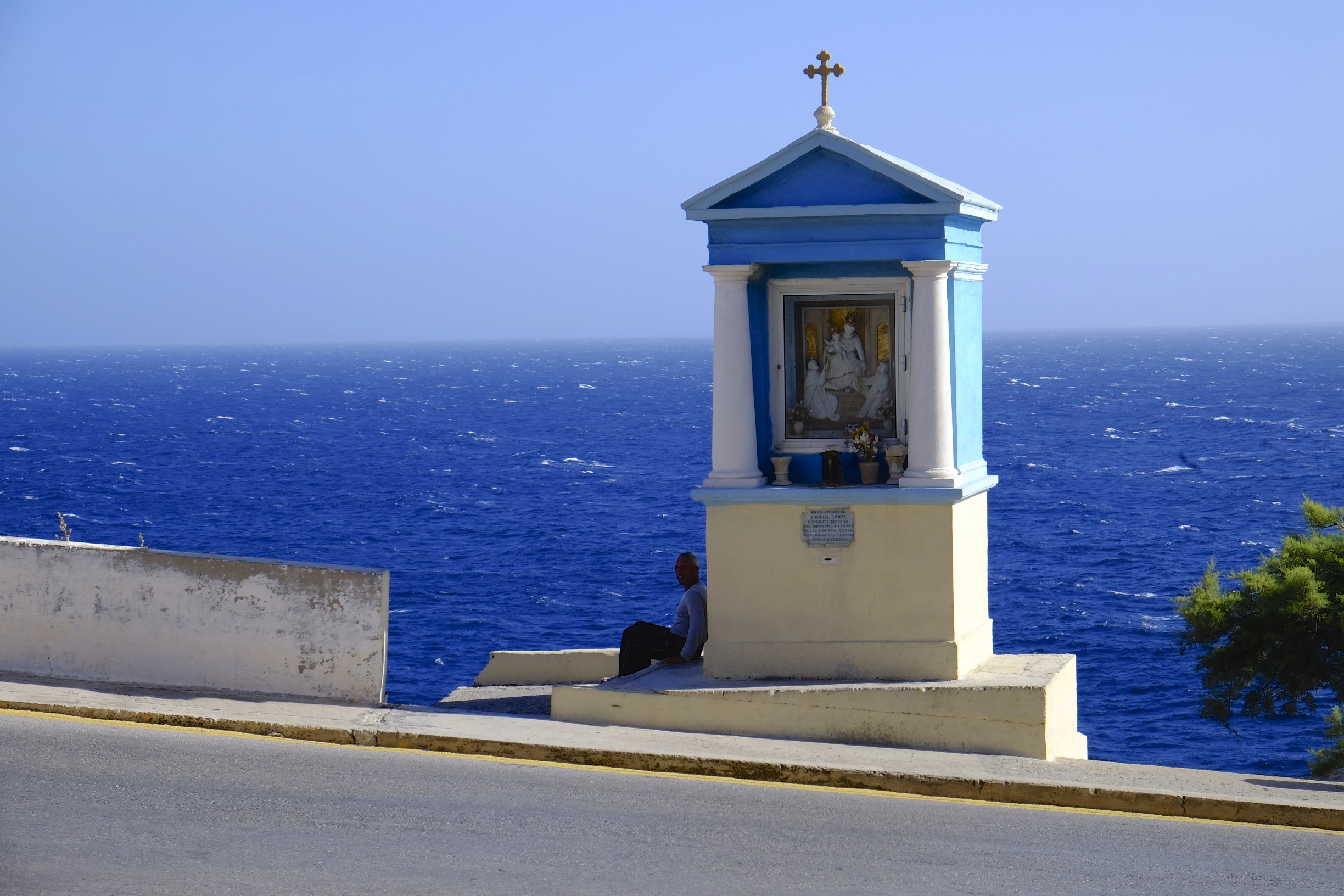
Gozo Island is in the waters of Malta, located on its North-Western tip. In the centre, the city Victoria with an amazing Citadelle already shows that this is not "just" an island with fishing villages, but that it has history going back into Neolithic age, and it was also in historical times a place of importance. Odysseus might have landed in the Calypso Cave, overlooking the islands , and all over the bays show defense towers which date back to the 1650s. A nice place to hop over by ferry. I was told that Gozo feels like Malta twenty years ago. Both places are very nice, but sure Gozo is more rural and (even more) laid back.
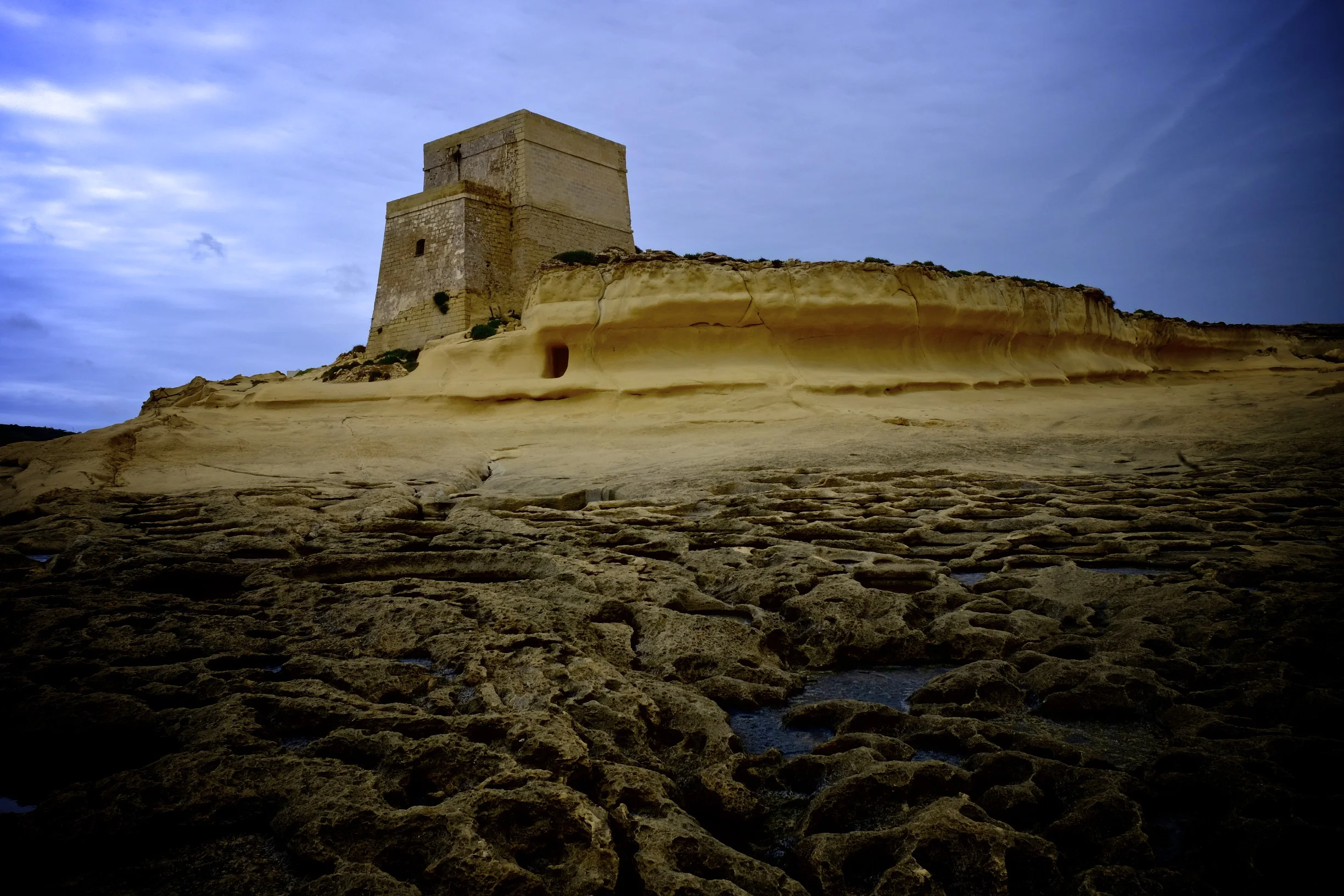
The Xlendi Tower (Gozo Island)
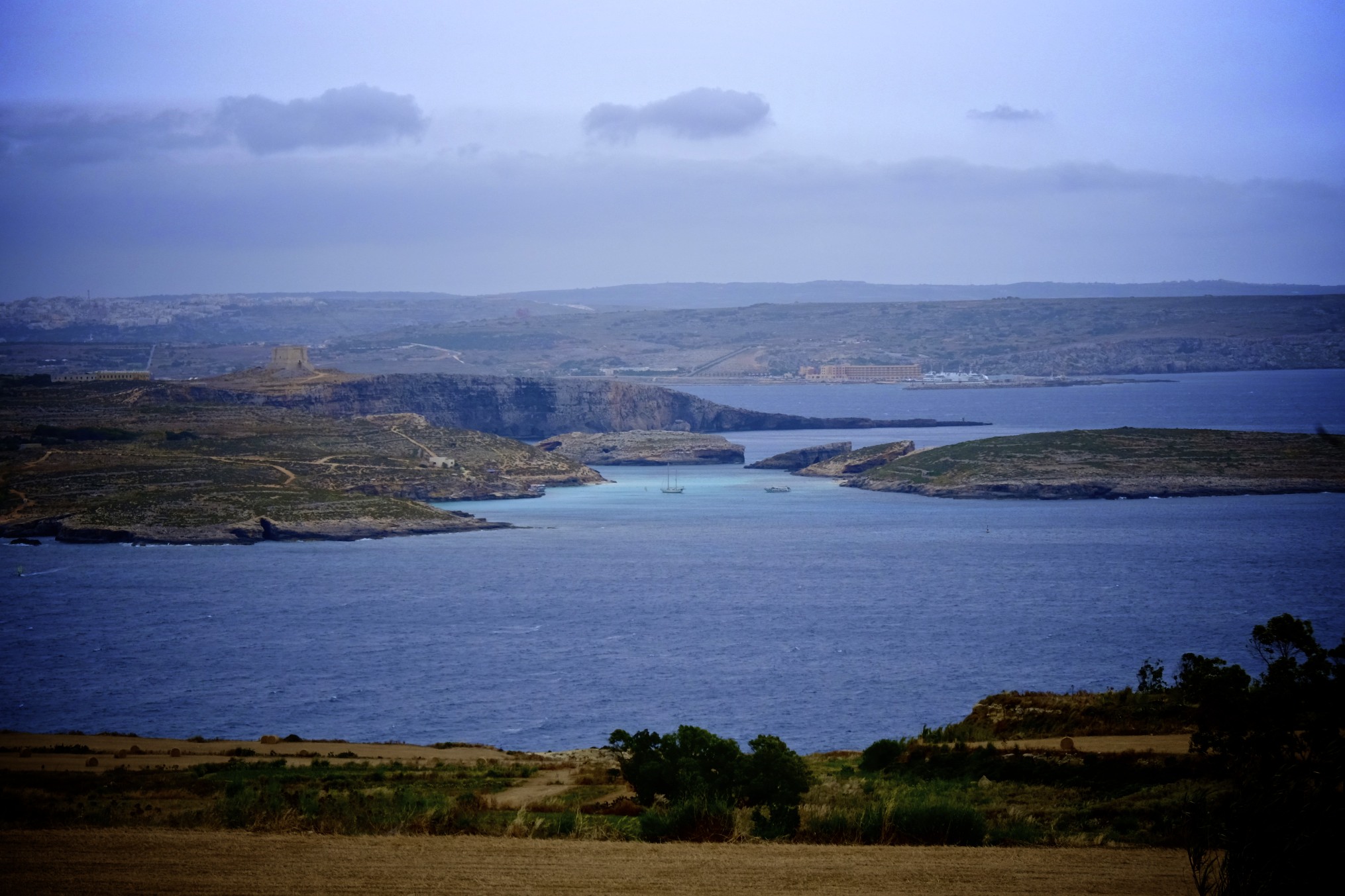
Malta
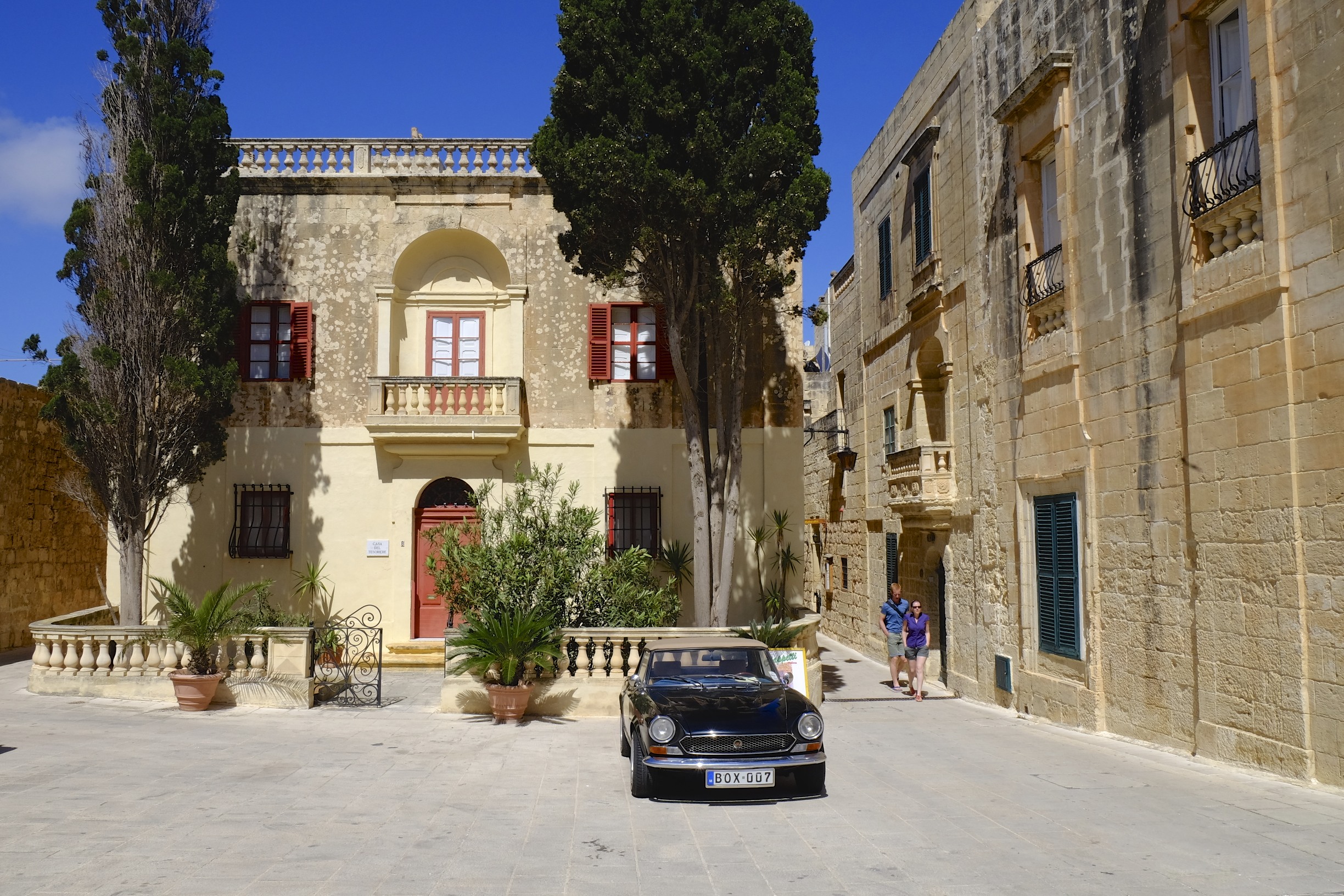
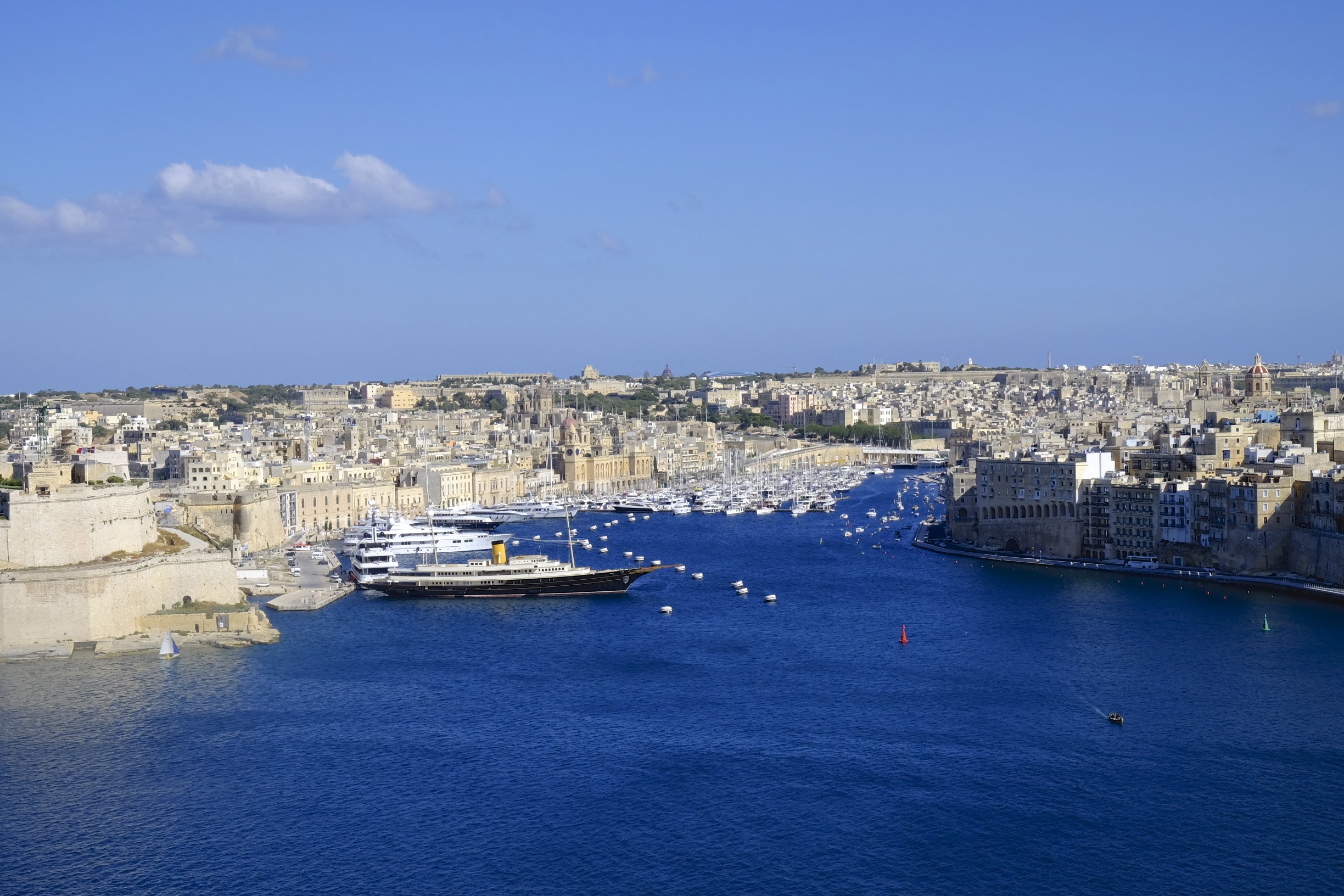
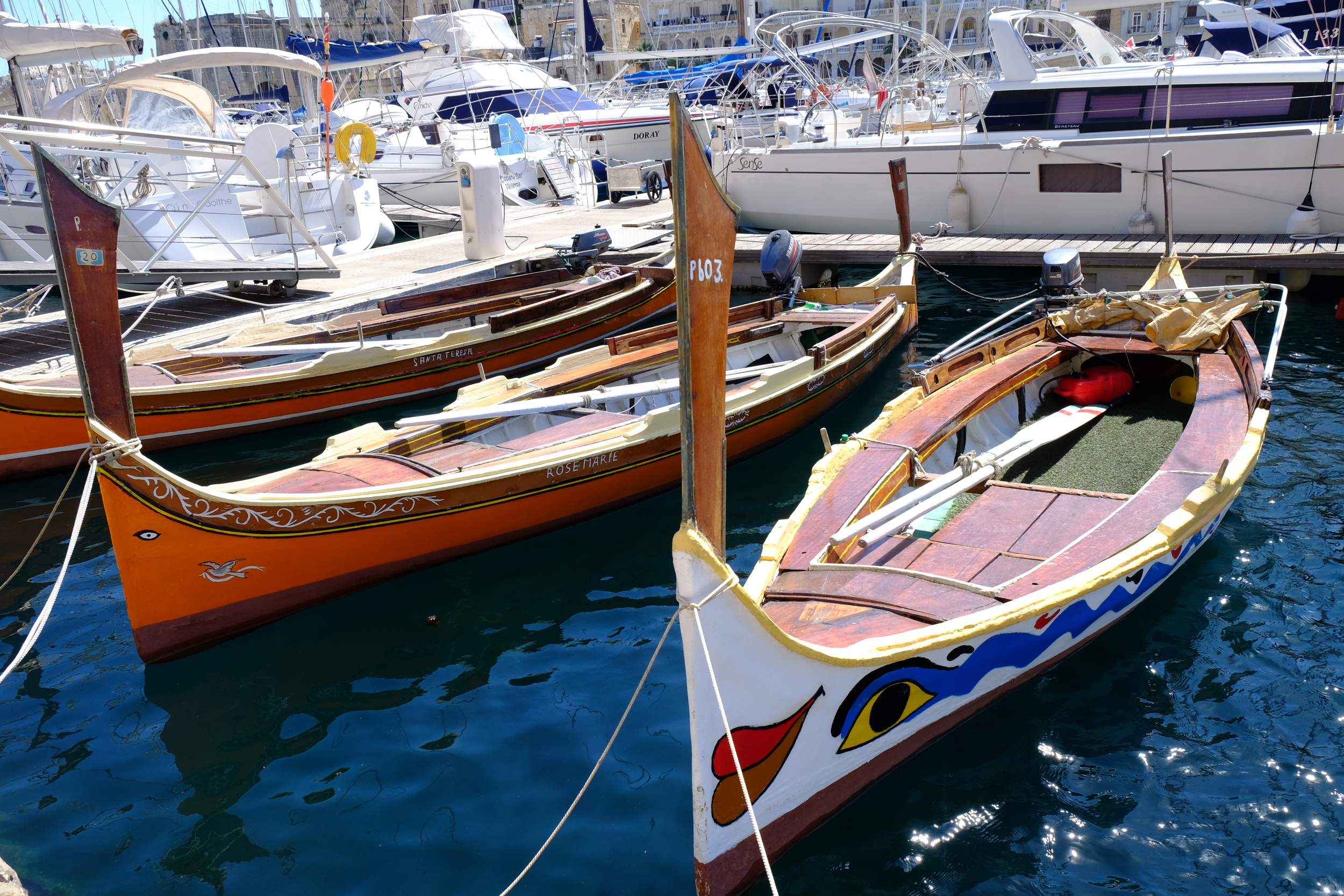
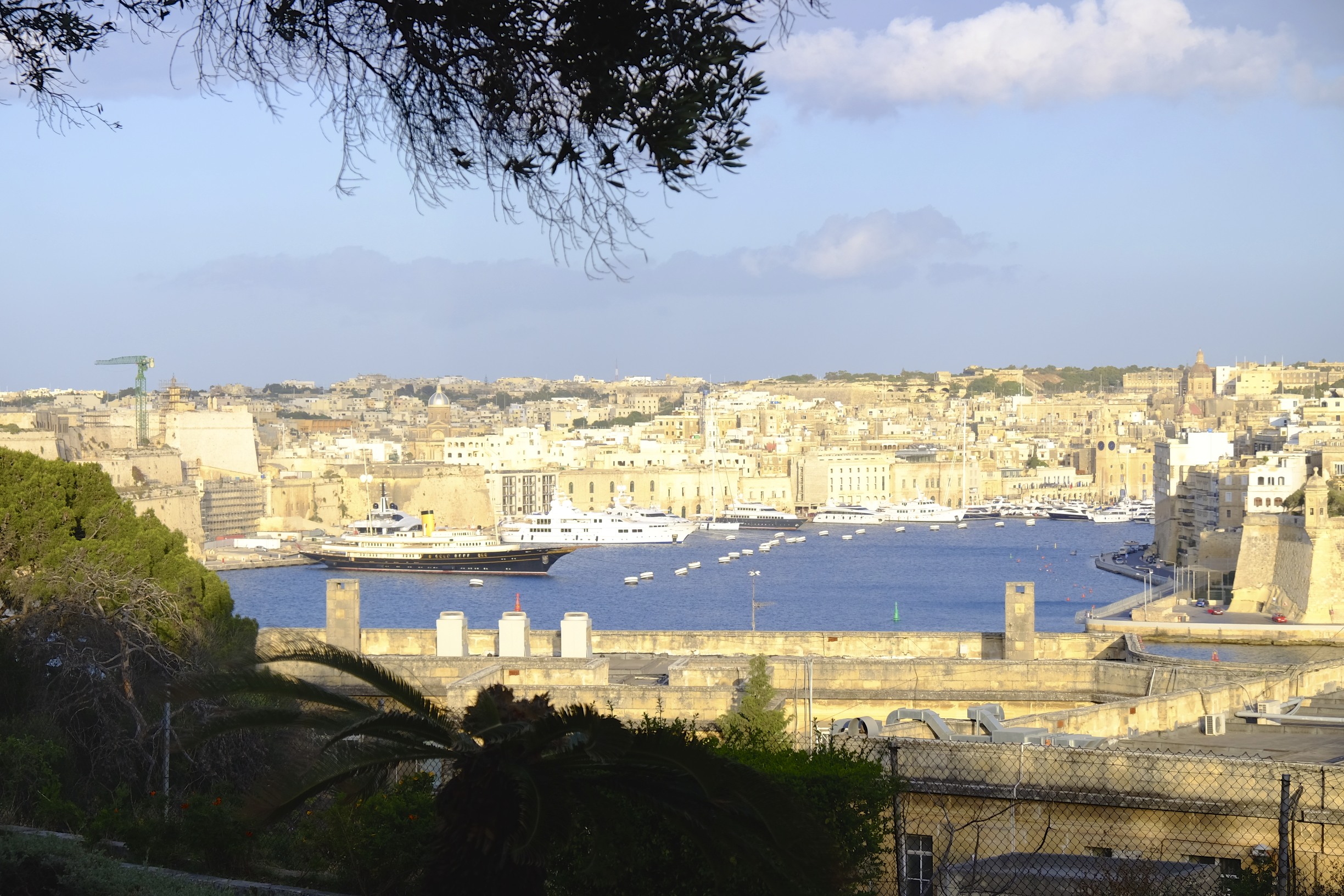
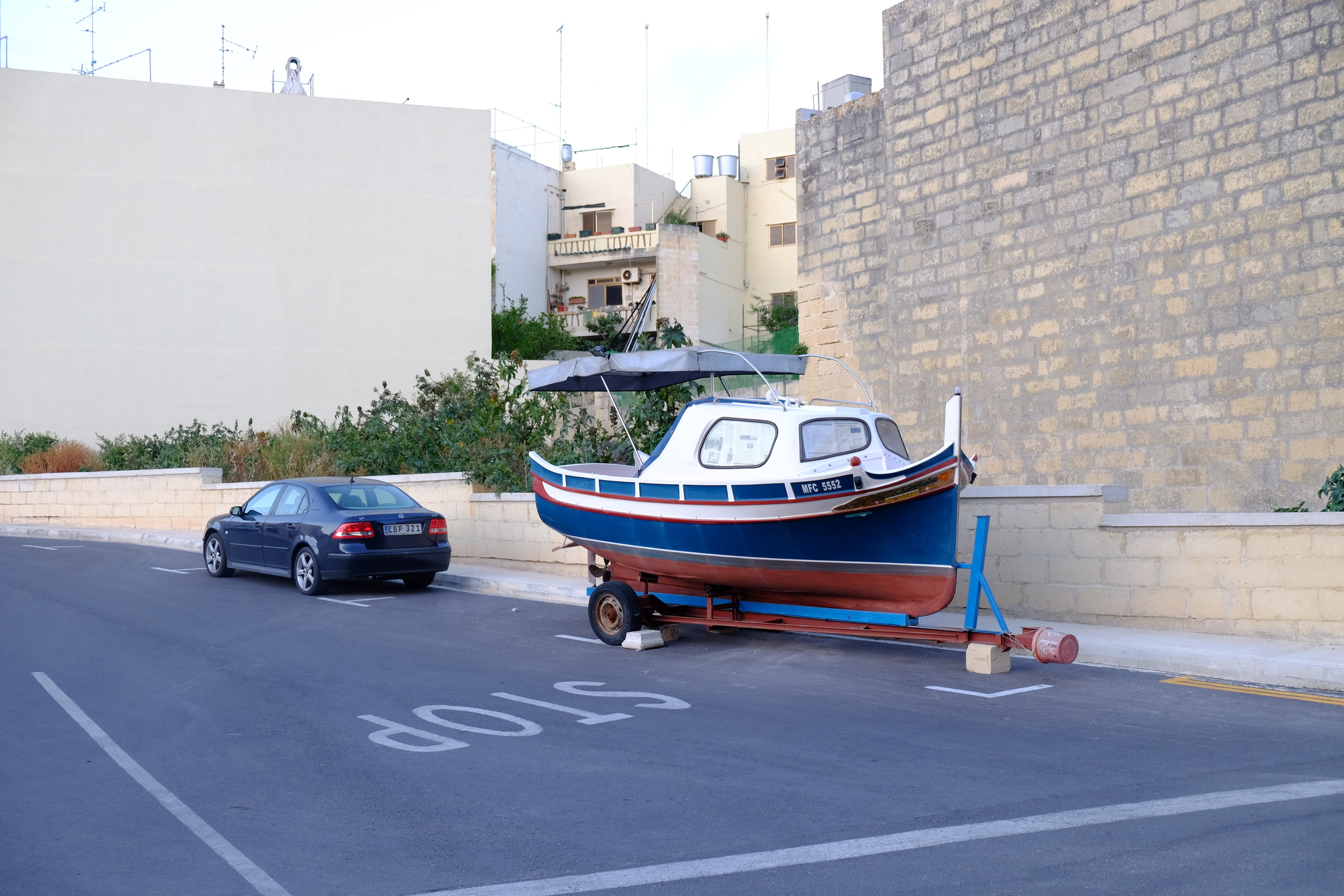
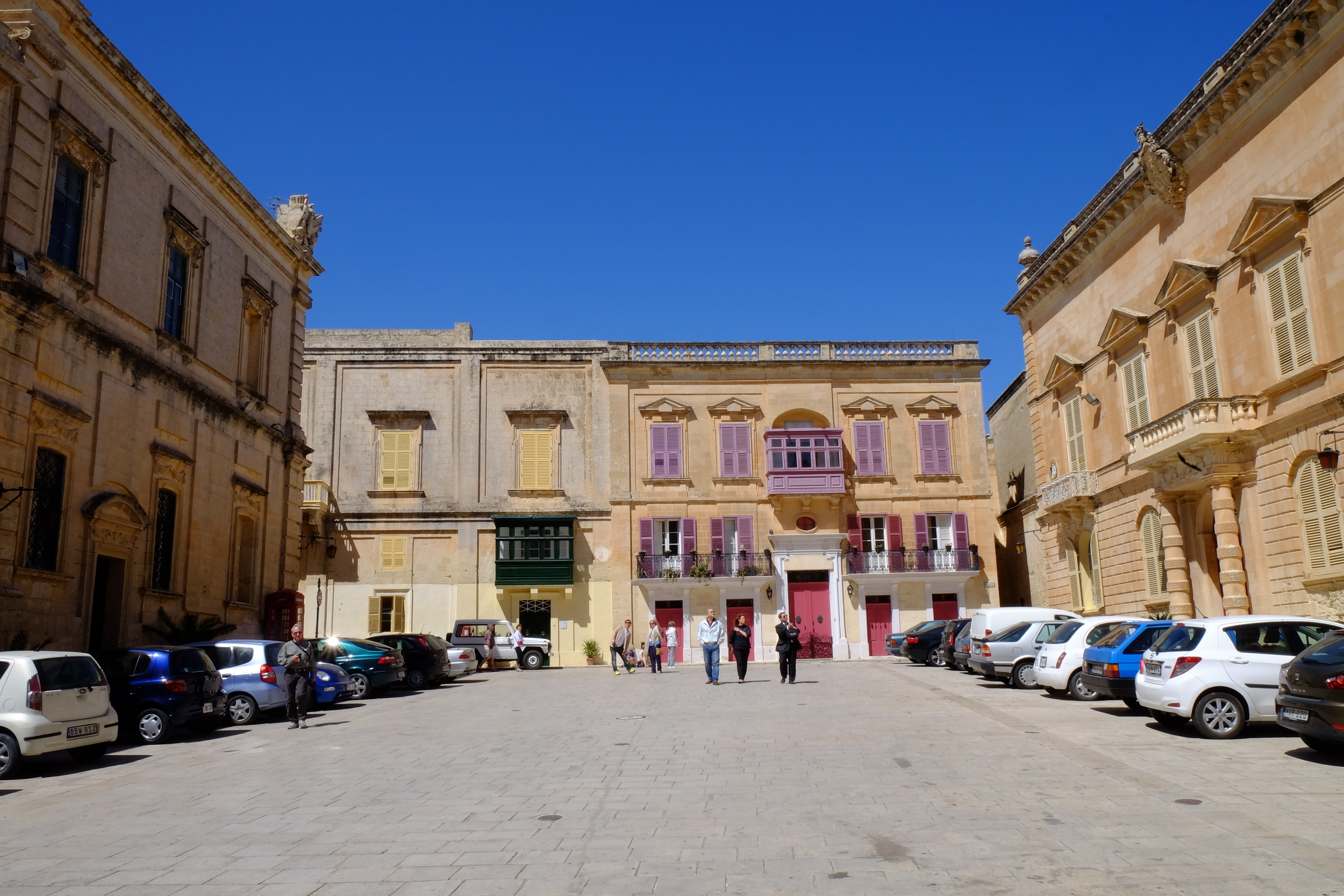
From Germany we made a quick trip to Malta and beside the holiday aspect, I had the honor and pleasure to be invited for a research seminar to the University of Malta. This is a very impressive place with very friendly people, and we enjoyed it a lot. More on the stay you find in the travel blog, and here just a few snapshots from the stay in Valletta, Mdina and Rabat.