Land of Honey

Even the group of islands is located very near - just off the coasts of Italy, Tunisia and Libya - I never before went to Malta. Pre-history started in Malta about 5200 years ago, with hunters from Sicily. Since then it had a lively history, which is exciting to study. And nearly anywhere in Malta you see its history and culture at such high density, that it would take you ages to explore the small country really in depth. I had the honor and pleasure to give a research seminar at the University of Malta, which itself was founded by Jesuits in 1592. The seminar itself, I enjoyed very much, and more so the hospitality and good humor of my kind hosts. Malta has an indigenous breed of bees which gave the islands the nickname "Land of Honey", and actually there are a lot of aspects which make the lands biblical. Powers have changed often, and the last scares of siege (but not invasion) are from the attacks of Italy and Germany. 

I was very much surprised by the size of the fortification of Valletta. It is an amazing city and current construction activities are developing it into a perfect blend of history and modernity. It took me a long time to make my first trip to Malta. But it won't take me long to come back.

Essen

I stopped by Essen in the centre of the Rhine-Ruhr-Area for one night, and briefly dropped into the University Campus where I did my PhD in a research team of the German Research Foundation (DFG). This was two decades ago.We were a interdisciplinary team working on the improvement of urban water cycles, and I was the “rain man”. There were also other Geoscientists, Chemists, Biologists, and Engineers and we all looked together at a common task from our own paradigm. It was interesting. I enjoyed that time, with all the ups and downs one has, when you are on your way to scientific discovery. It is not a famous University. But the purpose was to attract top research into an area where it was needed. This had the advantage of experiencing the object of research directly, and it was of course also meant to bring some outstanding minds on a campus, they would normally not go. What “outstanding" really means, I don’t know. I remember I was told that there were 1600 applications per scholarship position. If “outstanding” means “competitive”, then yes: we were outstanding. Now the department moved to another campus nearby. I dropped by my old office, where now genetic research labs are. In the Geosciences nobody was in. All were out for field work, I assume. Funny, how all the old pictures and memories come back walking through the streets and halls. But the main reason to come to Essen this time was to meet a friend, who is just recovering from a severe brain surgery. He is well, but copes with the uncertainty of living another 12 months, 12 years, or longer? I know the stats is different for him, but actually, we all have that uncertainty every day. Just he of course thinks more about it, and we don’t. Whatever consequences he draws one day for his life, we probably should come to similar conclusions for ours.

View from Entrance S05 over the Essen University Campus.

View from Entrance S05 over the Essen University Campus.

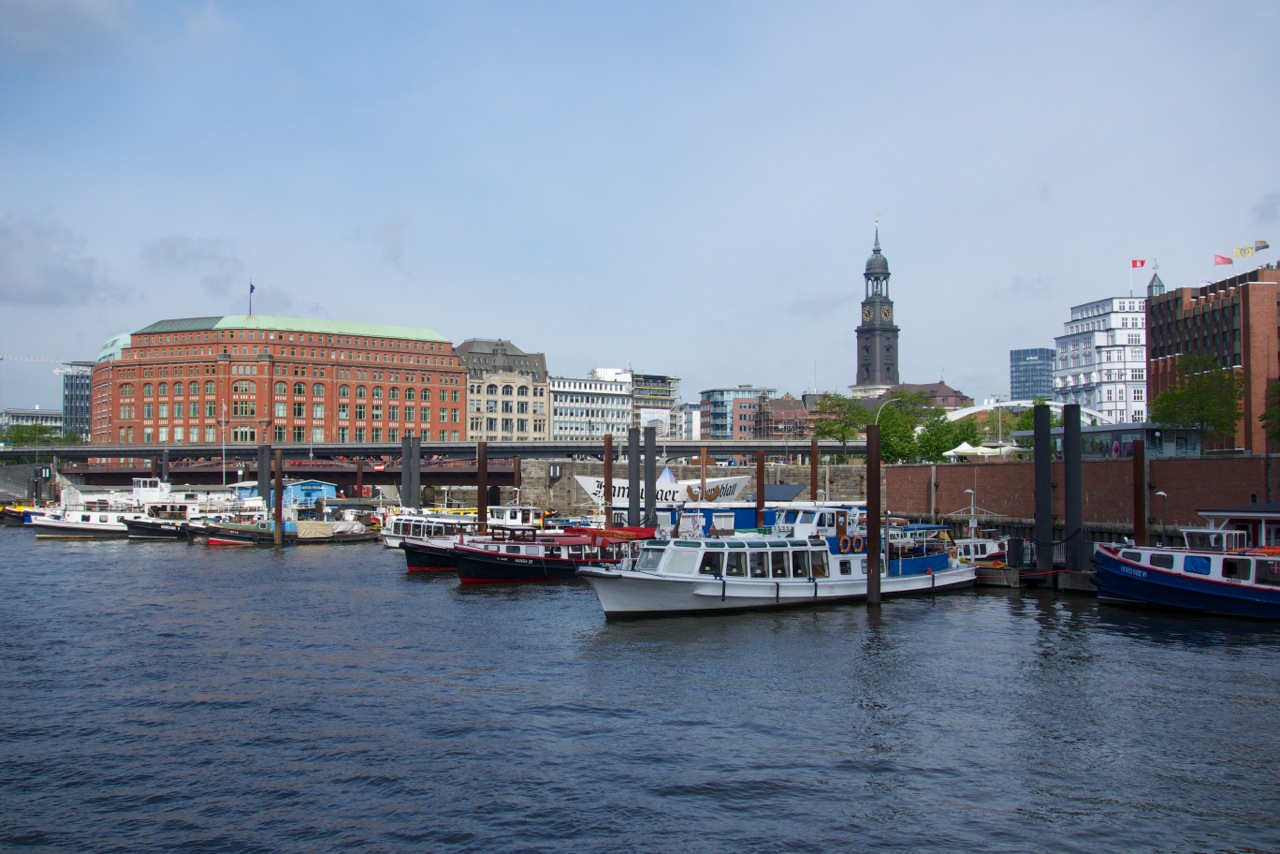
Hamburg

This weekend I visited a dear old friend in Hamburg, and enjoyed the stay very much. The city celebrated the 825th birthday of the harbor, and put its whole marine history and heritage on display. The weather was “nordic” and I got a thick woolen sailor’s pullover and enjoyed the fresh breeze and horizontal rain. I bought it at Ernst Brendler: the store close to the city hall, where I got many of my clothes about 25 years ago. Nothing changed in the store; not even the assortment. Hamburg though has developed a lot. I always liked it there, but now I experienced it even more as a very nice and livable city. Of course we also strolled around St. Pauli in the footsteps of Hans Albers. With container ships, sailors have no time to come here any more. But it is still a walk on the wild side. Ours did not last until sunrise and started the new day having breakfast on the fish market, but civilized with a brunch at the Alster. No swollen right fist, no broken heart, no blood stains on the leather jacket. Yes, it has been a quarter of a century. And that’s a long time.

Finally in a pair of shoes again

Have been cycling and walking around in Beijing yesterday for the whole afternoon, with a normal pair of hiking shoes. Goes well. I thought my foot might be swollen or hurting today. But all is reasonably fine. Still it will take a while until I can jump around a bit. But for now, I am at least already mobile again.

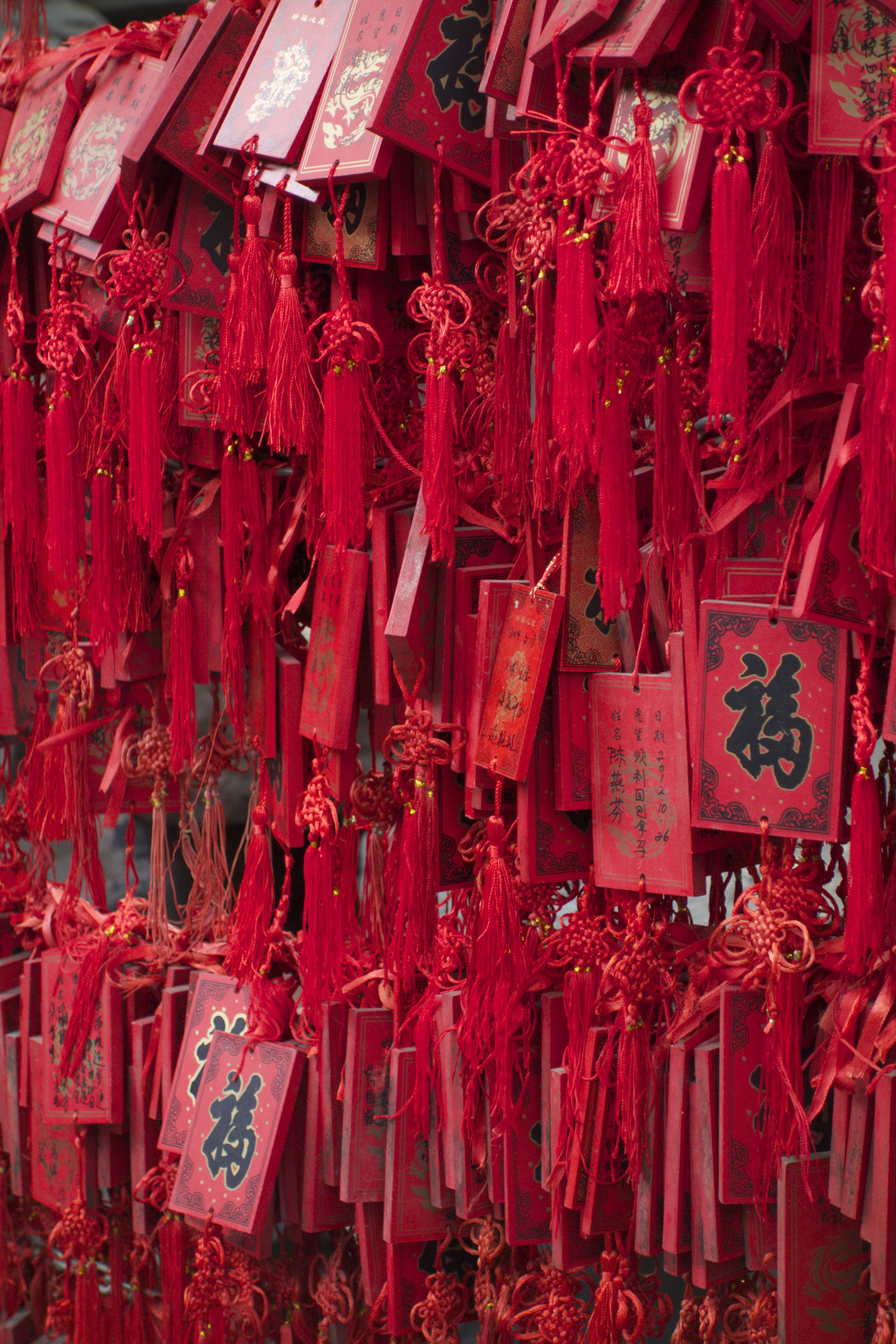
Wishes inside Prince Gong's Mansion (恭王府)

Wishes inside Prince Gong's Mansion (恭王府)

Walking freely

I was advised to keep the cask around my foot, for 6 weeks. But minus 33 % healing time sounds like a reasonable target for a fracture. So, I drank a glass of milk in the morning (for the calcium) and now I am walking around without it; after 4 weeks. All the muscles are gone and it looks a bit like a chicken foot. I spare you a photo. But seems to work. I take it slowly, sure. It is actually amazing how fast the muscles degenerate. A month isn't that long. It makes me think about my other muscles, and what happens to them in office life, where they are not used. And of course I am wondering what's left of my brain. 

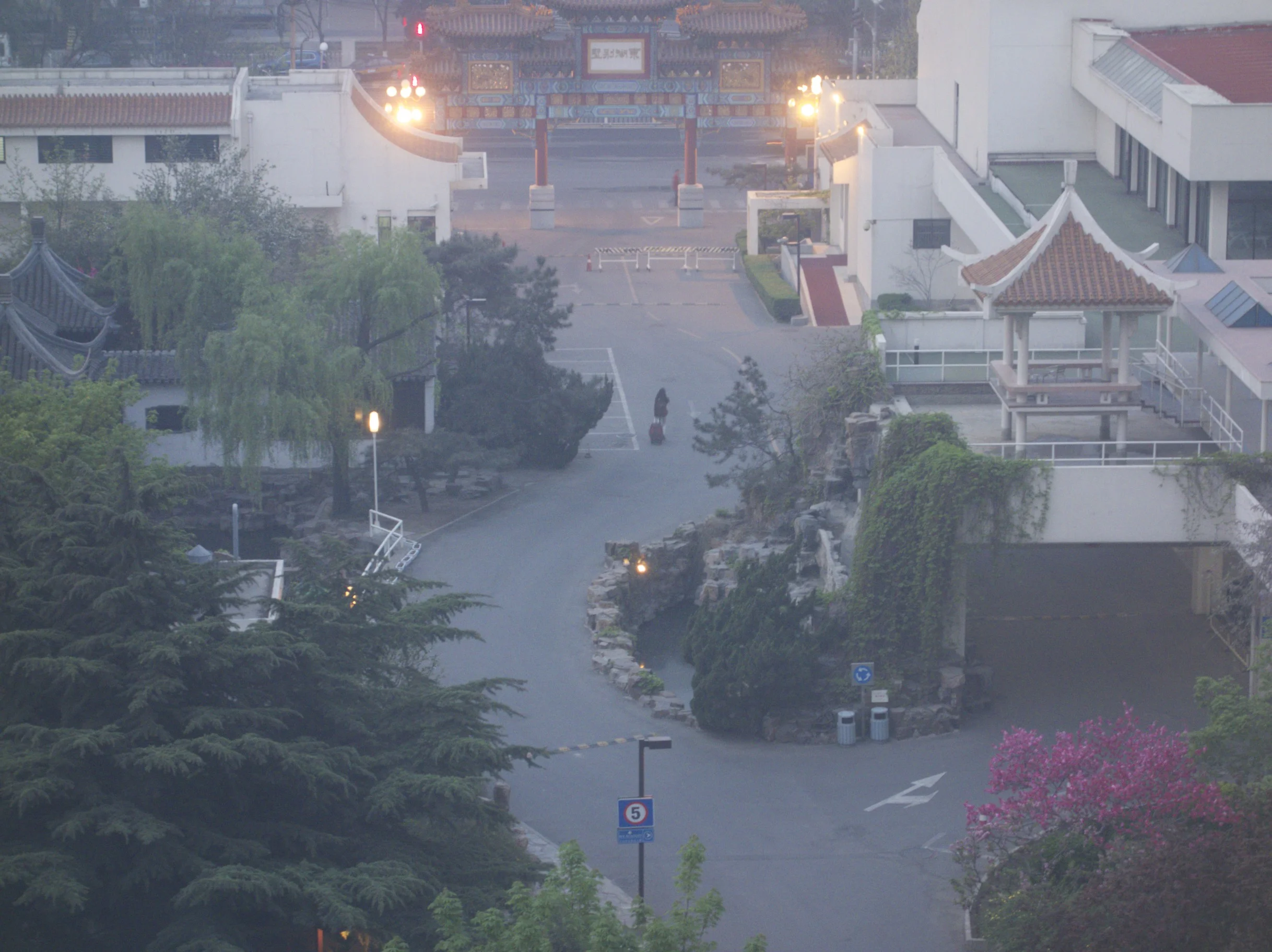
Heading towards the gate

5:30 in the morning. She passed the iron gate and then the speed limit sign of 5 km/h. Then did not take the right turn, even there is a peach tree in blossom making this look nice. But it will only lead into the car park. Who cares about cars? Instead, went around the speed bump to the left - not speeding at all. Just finding it inconvenient. Having a look at the lake to the left and the bridge at it's Eastern corner. The heading for the illuminated gate - and further. See you in Kyoto. 

Feibai on her way to "Ten days in silence" in Kyoto.

Feibai on her way to "Ten days in silence" in Kyoto.

Kitchen window views

These orchids to my surprise are now in the third blossom. They have been always just standing at the kitchen window without receiving much care. They witnessed changes in the inside, as well was the environmental decay of Beijing outside the window. These plants are extremely robust. They don't even need water for weeks. But they always come back with flowers. And somehow they look like having a mild smile towards the ugly city. They watch the seasons pass, without being really part of them. That's as good as it can get in Beijing.

Toona sinensis (香椿)

Today I saw something at the vegetable market, which I have never seen before. It turned out to be Toona sinensis, which is actually a tree, also called Chinese Mahogany (香椿). Pan fried with egg, it gives the dish a nutty taste. The supply seems limited in the markets. There is no farming format for it, but just harvest from trees around. And the small supply first goes to restaurants. Strangely the "vegetable" is still not expensive in the market. So, I guess, individual demand must be low. There seem to be quite a few medical applications of the plant, and it is a Traditional Chinese Medicine remedy. Having seen a bit of Chinese research, my first suspicion, when I see overwhelming press on something, is: must be bullshit. But the veggie is good. I really like it. It says, that it also enhances the mobility of human sperm. Well, lets try.

Toona sinensis (香椿) in the market shelf. Never seen this. 

Toona sinensis (香椿) in the market shelf. Never seen this. 

Cut off the lower part of the leaves.

Cut off the lower part of the leaves.

Then stir fry with egg. Yummy!

Then stir fry with egg. Yummy!

Mathematica 9

I have not been impressed by any piece of software during the last 20 years or so. But now I installed Mathematica 9 and became addicted immediately. Specially, since my own brain got a bit dull in my corporate job, the predictive features are really helpful to shake the rust off my Neocortex. Mathematica 9 proposes after every step what would make sense to do next. And it always makes sense. This includes not just the obvious, but thousands of rules. I am stunned.

By the way, I always found that advanced mathematics is really undervalued as a lifestyle product. And Mathematica 9 really had the potential to be presented in the Financial Times publication How to Spend It. For the professional version which allows you to use it in mission critical Infrastructure, Aeronautics and Nuclear applications, you can spend up about 7 kUS$. And with this you are clearly show that you are a Connoisseur - believe me. If you do want to keep up with smalltalk at the next cocktail party, go to the Wolfram Website and buy your copy.

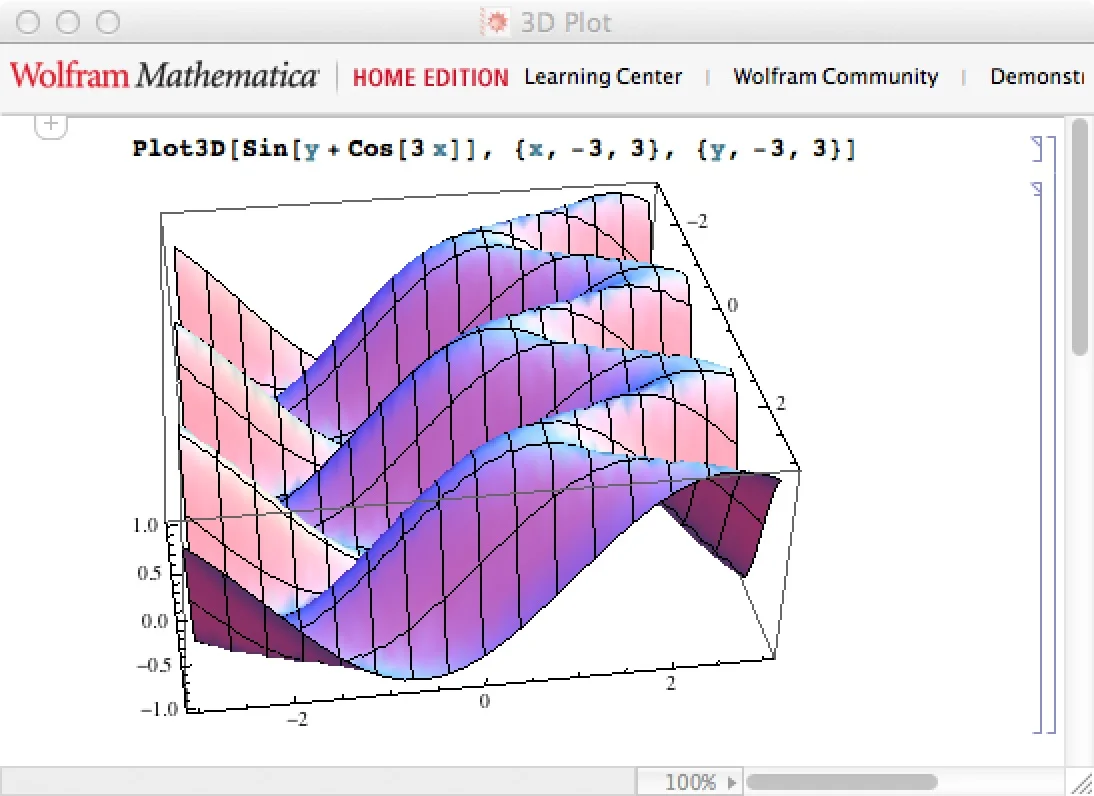
For example on the farewell party of a colleague last week, there was a cake served called Donauwelle (engl. Danube waves). And when I was asked how the chocolate layer looks like, I said: "A bit like z(x,y)=sin(y+cos(3x))" . There was a bit of silence around me. But if you have a bakery as a supplier for Donauwelle, you need to tell them somehow precisely what you need. And geometry of the inner cake structure is one of the things, right? I am actually quite happy, I am still invited to social events in our company - thank you. But see, now how easy it is to know what I mean:

Donauwelle in Mathematica 9 (Home Edition)

Donauwelle in Mathematica 9 (Home Edition)

Finally dried up my Sony NEX-7 SEL 18200 (18 mm -200 mm)-lens

Last year I ditched with my Sony NEX-7 into a lake in Cambridge. The camera body dried up during the night, but the SEL 18200 (18 mm -200 mm)-lens was struggling even after all fog was gone with the communication to the camera. I was still using the camera with the 18 mm - 55 mm lens. But today, without really knowing what I am looking for, I took the long lens with a screw driver to pieces, cleaned everything, and put it together again. And guess - it works. Excellent!

I am not using heavy SLR gear any more, as I find it not just too heavy to carry, but also too intrusive when you want to shoot in real life and not in a studio. So, I am happy now my Sony is back and I have a bit of longer focus length again.

Currently my cameras are:

  1. Fuji X-100 (with mounted 23 mm fixed lens)
  2. Fuji X-E2 with 18 mm - 55 mm zoom
  3. Sony NEX-7 with 18 mm - 55 mm zoom and 18 mm - 200 mm zoom
  4. Sony RX 100

The flash I use is a Nikon Speedlight SB-800.

As these cameras are all quite light and compact, I only need a Gitzo G1097 tripod. 

Big right foot

It has been over 20 years ago since I last broke a bone. And I well remember that the first few hours are full of excitement and then it just bloody hurts. Well, that's what it now bloody does. I broke a right middle foot bone and it is swelling like crazy. Small bone. Never mind. The r-ray of the fracture shows no displacement. So, that's an easy one. Just hurts. And they have these fancy shoes these days. No cask and plaster any more. This is really an innovation. I like it. The rest I don't like. But what can I do? If I remember right, this becomes really bad the first night. Let's see. I am ready. Good night.

Tango Fire Company of Buenos Aires performing in Beijing

Yesterday night we went with friends to see the Tango Fire Company of Buenos Aires in the Opera House of National Center of Performing Arts (NCPA) in Beijing. The show was called "Tango Fire and choreographed by the Argentine choreographer and dancer German Cornejo. It was amazing. If you are in Beijing, get a ticket and go. Besides what happened on stage, I also enjoyed that the Chinese audience got really excited and some even dropped their smart phones into the pockets. Excellent.

Photo source: click here

Photo source: click here

Mind over matter

Another "mad week" is over: air was suffocating and work did not even leave time for lunch. But as there is sunshine after rain, there is also blue sky after smog, weekend after week and lunch after breakfast. Now we have a nice blue and clear day in Beijing, which makes me quickly forget the recent filth. Temperatures are up to 18 Degrees Celsius and soon a very short spring will be followed by summer. But in this quiet and pleasant day, still echoes the call of a friend who leaves for Germany with a brain tumor for treatment. How often does it feel like mind is over matter? But when the neurosurgeons go to work, all is matter. Who we are, is then reduced to a wiring of cortexes, lobes and neuronal tissue. And when we have to work on this mechanically, we touch the centre of our inner world with tools which seem inadequate. 

Seville, Granada and the Sierra Nevada

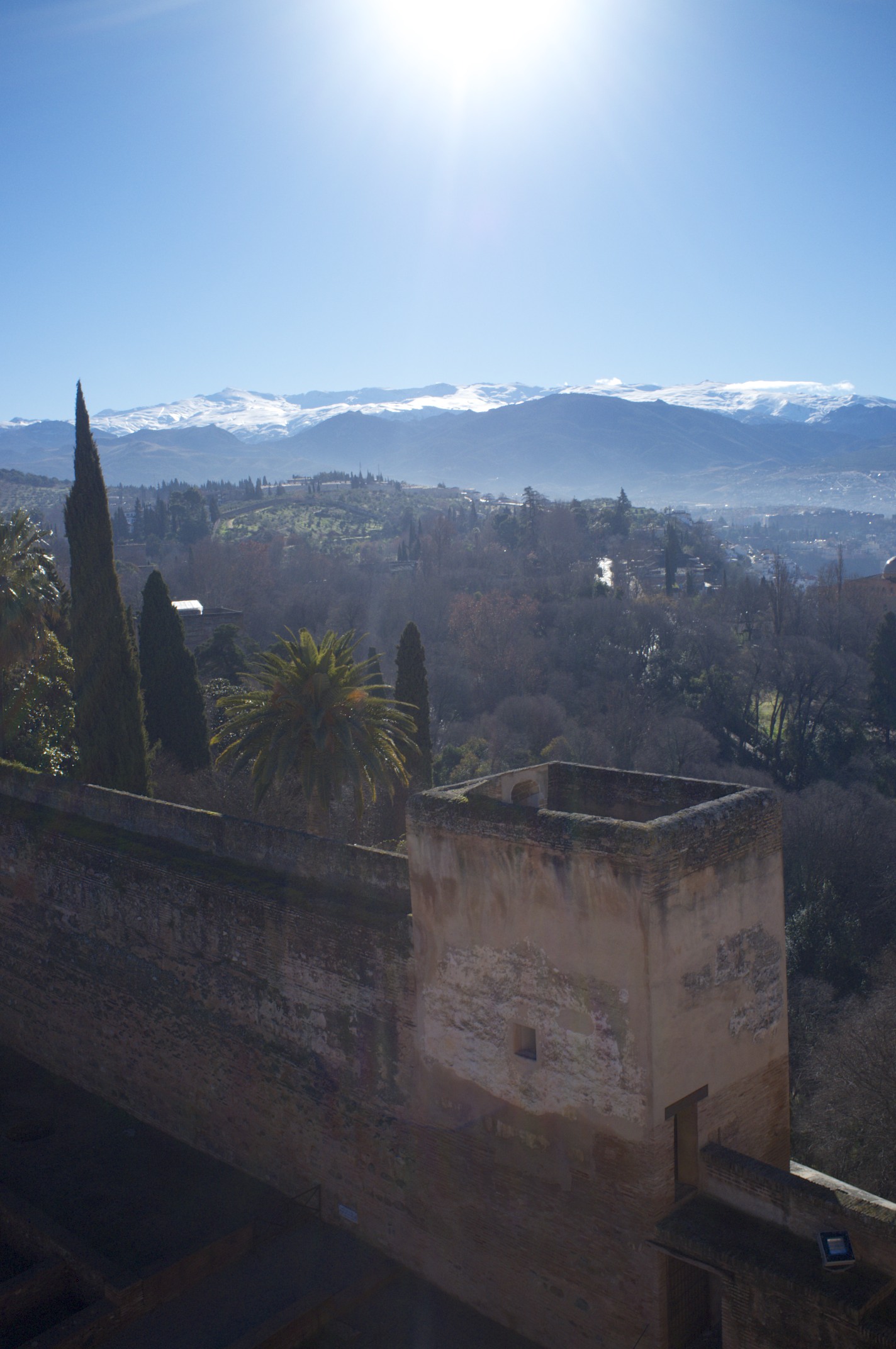
Seville is in many ways a contrast to Lisbon, where I came from before landing here on a small Turboprop. It is really like a Fado club versus a Flamenco performance. The Cathedral is enormous and I enjoyed seeing Christopher Columbus tomb there. It remind me of old maps, sailing ships, canon balls and mystical stories of exploration and the sea. Alcazar is impressive too and was the first large scale witness of the ancient Arabian civilization on the Southern tip of the Iberian peninsula. But then driving over to the Alhambra on top of the city of Granada was another marvelous example. The snow covered mountains at the fringe of the Sierra Nevada reminded me of one of my first interests in Solar Energy, as the first large scale thermal  solar power plant is on the Almeria plateau. From Granada heading strait South gives a nice drive along the Costa Del Sol towards Malaga. And again the distance back to Hahn Airport was only 29 Euros. A long flight back followed from Frankfurt/Main to Beijing. I did not get sleep on that one as I had to provide first aid to a collapsed passenger. The only assistance provided by the Chinese fellow passengers was to block the way and take videos with their smart phones. Welcome back to the People's Republic. 

View on the Sierra Nevada from Alhambra (as seen on the 5th of February, 2014)

View on the Sierra Nevada from Alhambra (as seen on the 5th of February, 2014)

View on Granada from Alhambra (as seen on the 5th of February, 2014)

View on Granada from Alhambra (as seen on the 5th of February, 2014)

Moorish architecture and ornaments in the Alhambra.

Moorish architecture and ornaments in the Alhambra.

Lisbon story

I have not been to Lisbon for more about 15 years, and this time it was only 29,- Euros away from the Airport Hahn, which is the civil successor of Hahn Airbase, which was during my childhood the home of the United States Air Force 50th Fighter Wing. Lisbon I always found a bit melancholic, and I liked it a lot. And these impressions stayed during and after my recent visit. A charming city, friendly and down to earth people, and the atmosphere of Fado and red wine make me want to stay longer. This time, it were only a few days. The city wakes up late and I enjoyed strolling through the narrow and steep streets in the early hours as much as taking Tram Line 28 from terminus to terminus a bit later. It is a city not just to visit, but to indulge. You can stay in Lisbon with no purpose or plan, and the city will play its stories to you by itself. 

View over Lisbon

View over Lisbon

The Belem Tower

The Belem Tower

My 48th Birthday - Letter to a small friend

Dear small Marcus,

let me guess: you are around 5 years old, and you are strolling around the backyard of a traveling circus to see the exotic animals? You are just learning that tigers don't eat grass (but hands). You don't have money for a ticket to see the show. But I am sure you will find a gap under the circus tent to watch it for free.

You don't know me. But I know you. Today I turned 48 and I am living and working in China. I am the person you are going to become.

Soon you will go to school. It will be okay. As a teenager you will think, you are clever. But you are not. You will join the German army during the end of the Cold War. You will even go to jail. People will live, love, hate and die. And again, it will be okay. What else? There are some big changes coming: The Soviet Union will collapse, Communism will defeated itself, and Germany will be unified. You will see the part of your family again, which was separated from you by The Iron Curtain before you were born. And you will feel very strange about them. Never mind. You will have wonderful University years, become a scientist, do interesting work with extraordinary people in different industries all over the world. It will be great.

Some things will really not be as you think. For example we don't fly to Mars and we will also don't have nuclear fusion. We still drive around in the same old cars, where they make little explosions in cylinders to drive the pistons up and down. Stoneage! Many people will still go to bed hungry. Far too many. But don't be disappointed. On the other hand, today, many diseases will be defeated or become curable. We will decode the human genome - wow! And we also will have Facebook and mobile phones, even you won't care about them. And sure, they really don't make a damn difference.

Even in the future you will have the means to enter the biggest circus, you will still not join the crowds. You will travel through life off the beaten tracks, and discover exotic things and places. You will find it more interesting. For that: train the basics, think clear, ignore assholes, and learn to appreciate and understand what you see. It is fascinating. Learn science, math and languages. But don't ignore the arts. One is for living, the other for life - or the other way around. They are one.

We will never meet. But I send you my best regards from the future.

Yours,

Marcus

P.s. Caution with explosives, defective firearms, fast cars and pretty women. No drunk motorcycling, and no Antonov planes in Africa, okay? Then you will be fine - except from some bone fractures. But who cares? 

Marcus Schuetz in 1969.

Marcus Schuetz in 1969.

The models for Michael Sowa's paintings?
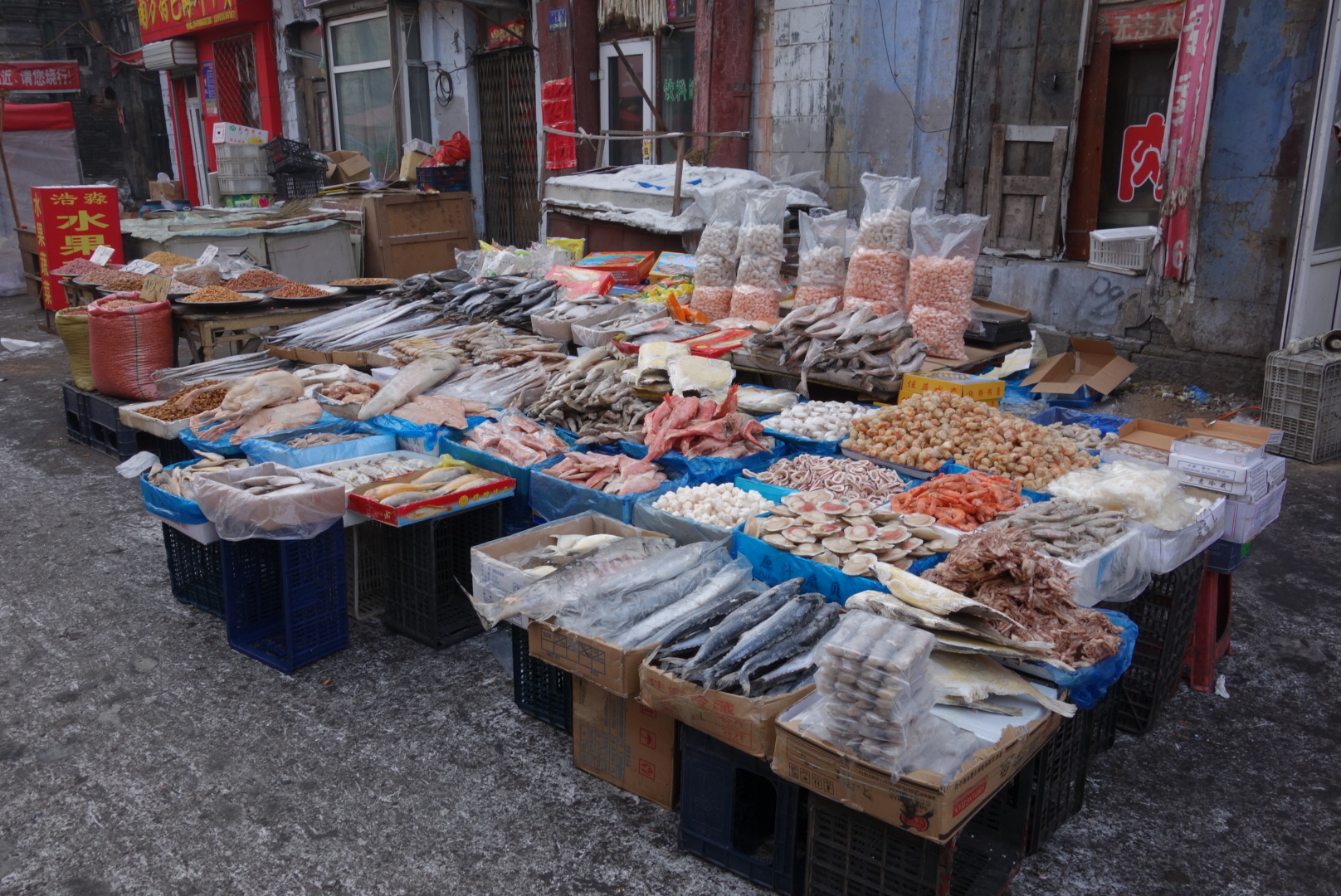
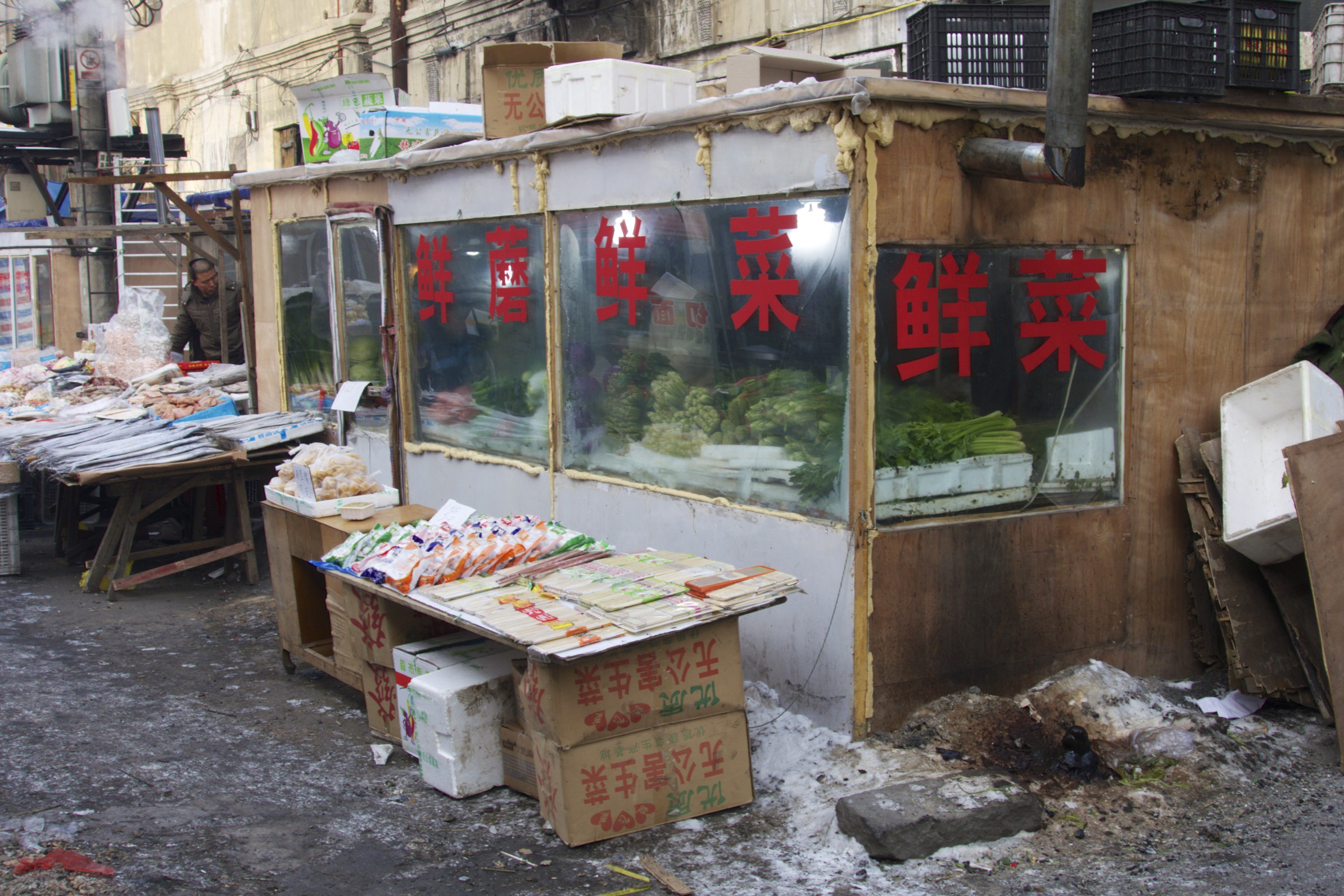
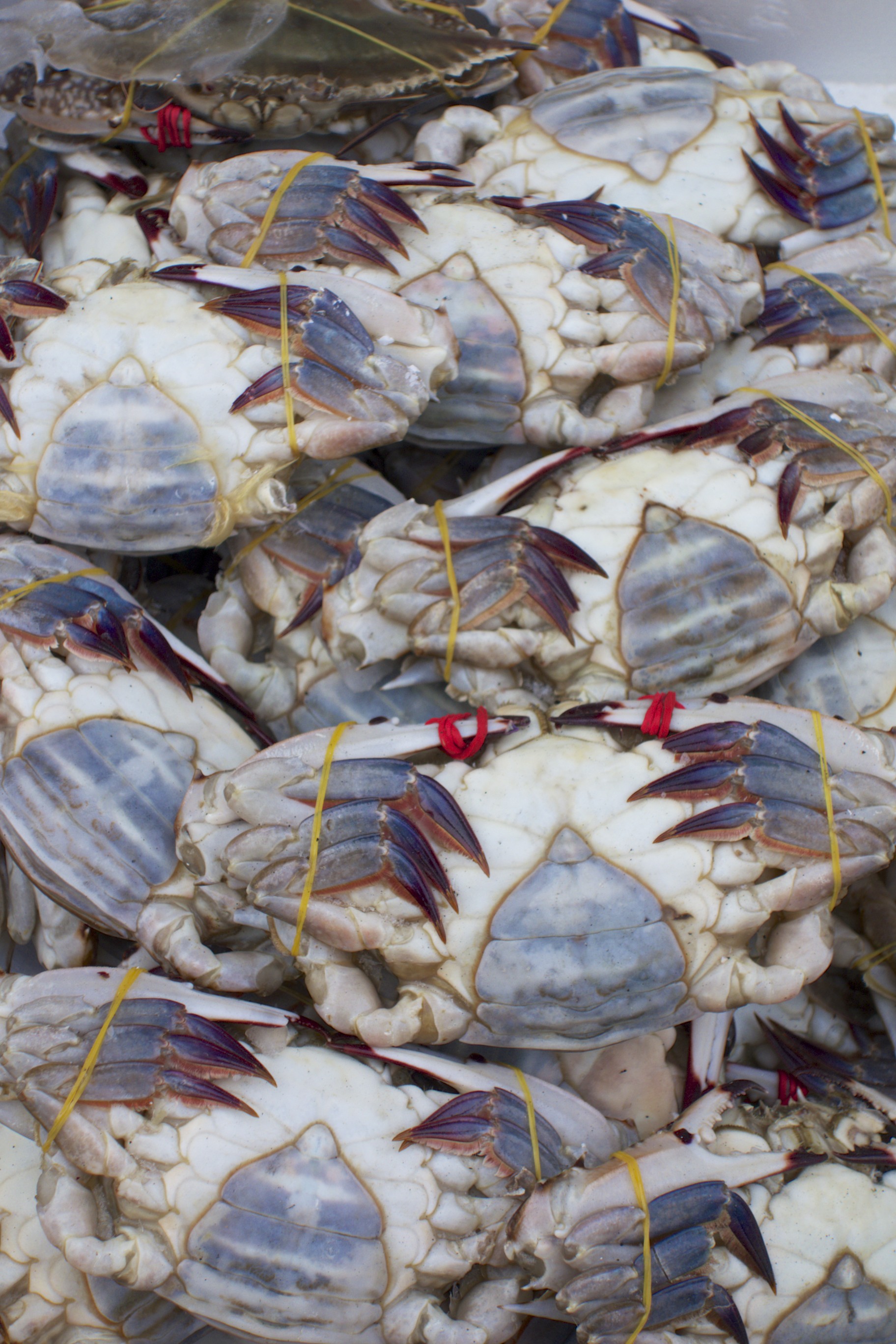
Immediately when I recently spotted frozen fish at a Harbin outdoor market (everything is frozen outdoor in Harbin at this time of the year), I thought that I have seen something very similar before. Now I know: they were perhaps the models for Michael Sowa's painting below. I came across it on a blog which i like very much, called www.artistsandart.org and the posting on Michael Sowa you fine by clicking here. Still trying to find out what fish these actually are.

Fish seen on a Harbin street market, on December 25th, 2013.

Fish seen on a Harbin street market, on December 25th, 2013.

Painting by Michael Sowa, as seen on www.artistsandart.org.

Painting by Michael Sowa, as seen on www.artistsandart.org.

White Christmas in Harbin

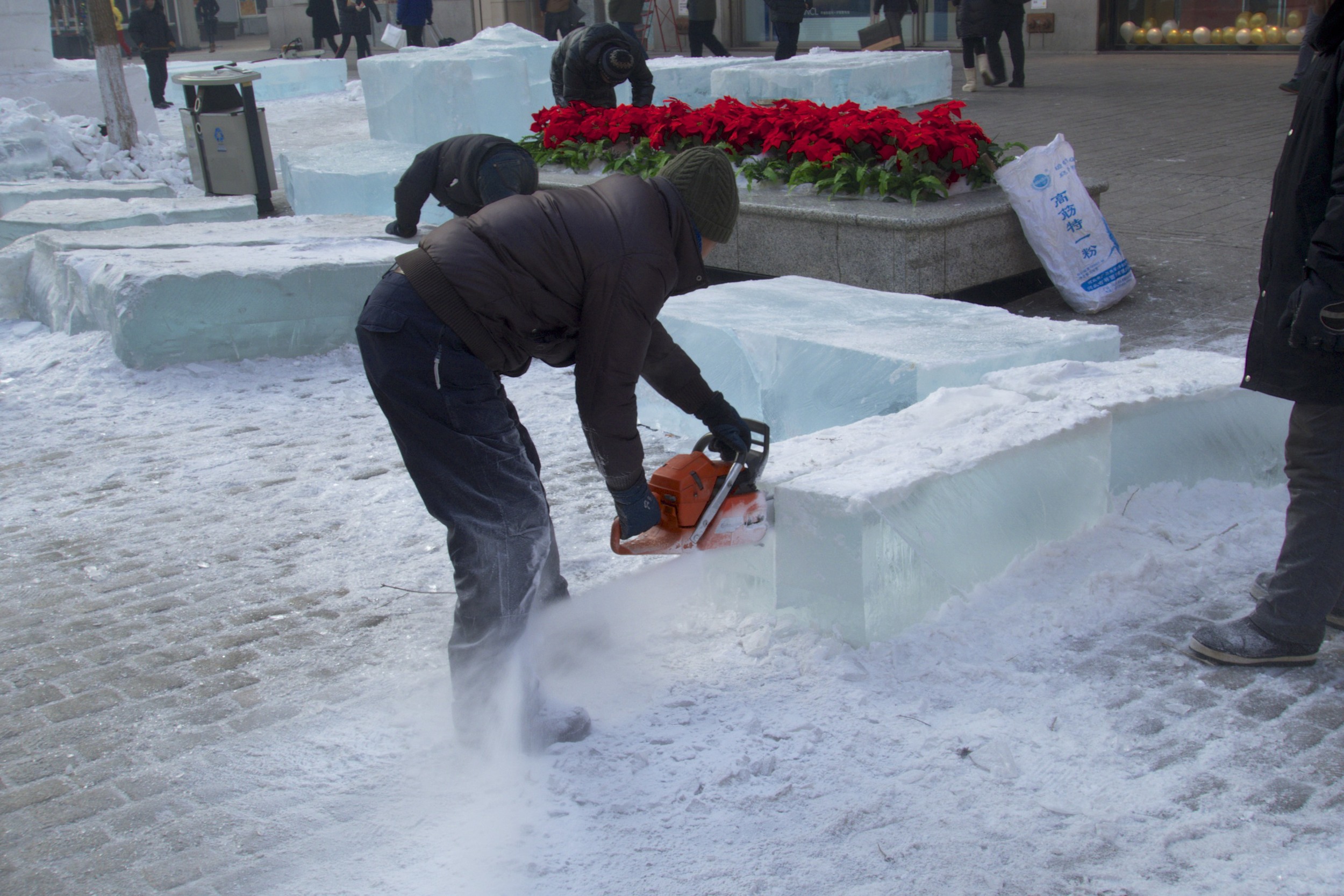
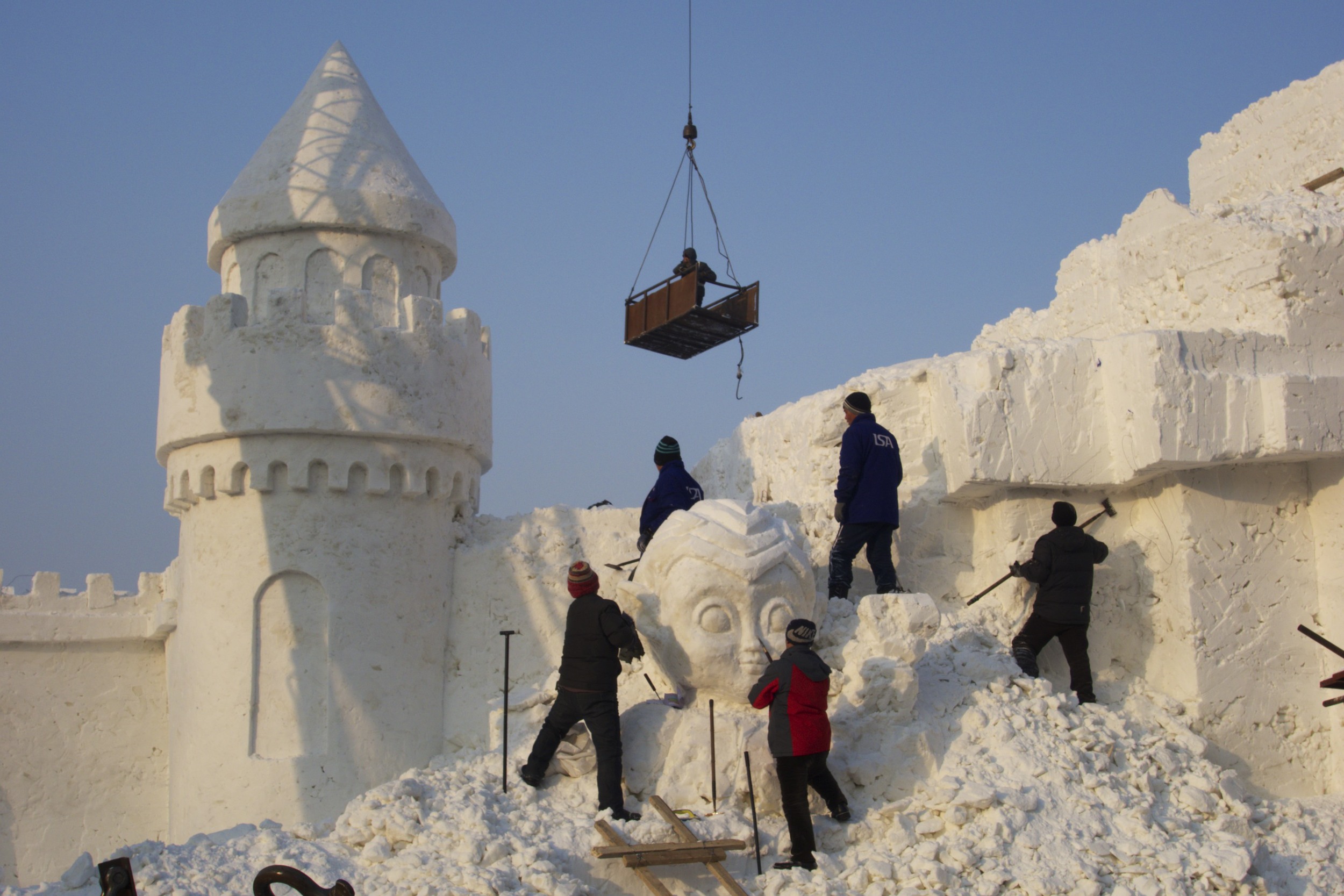
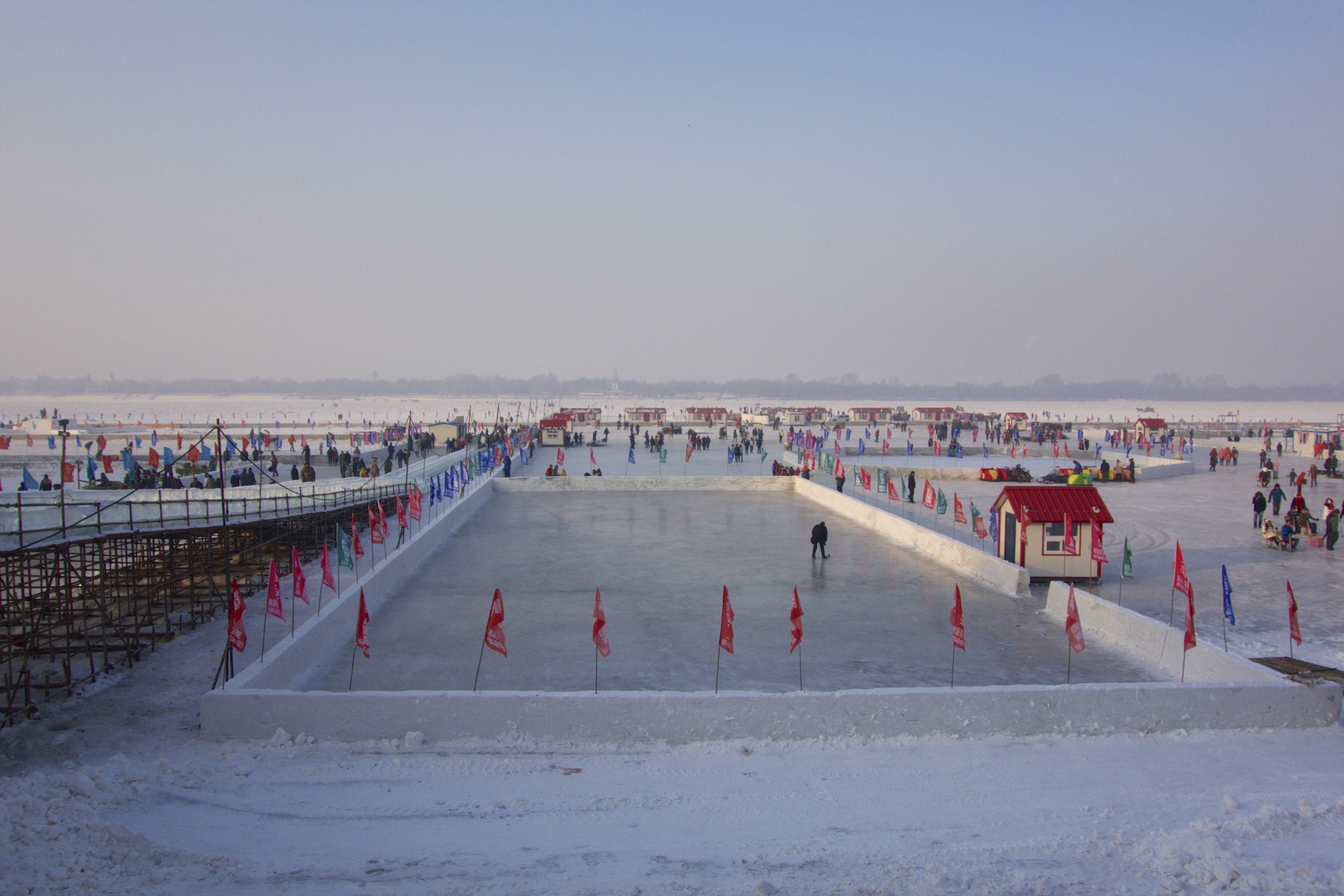
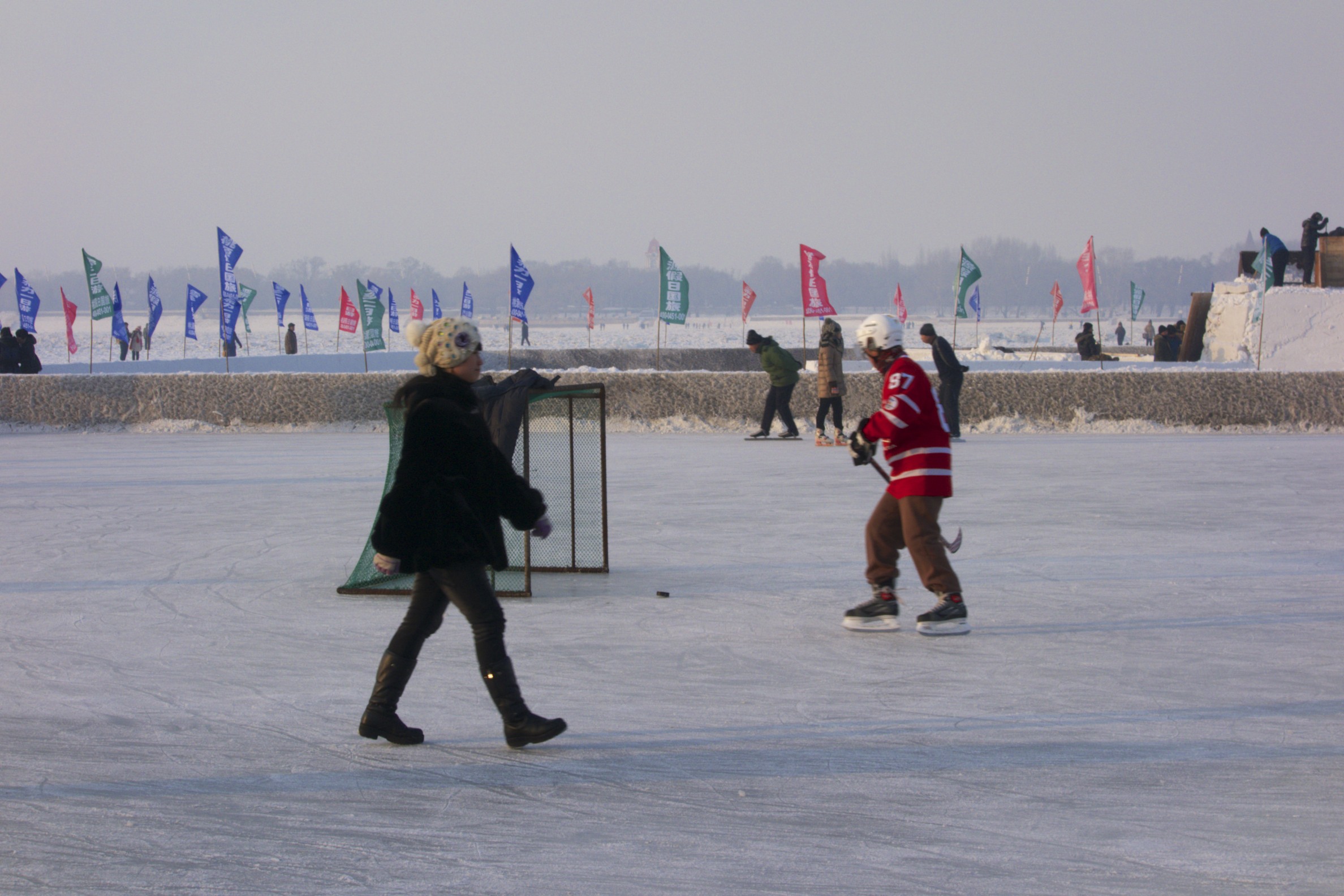
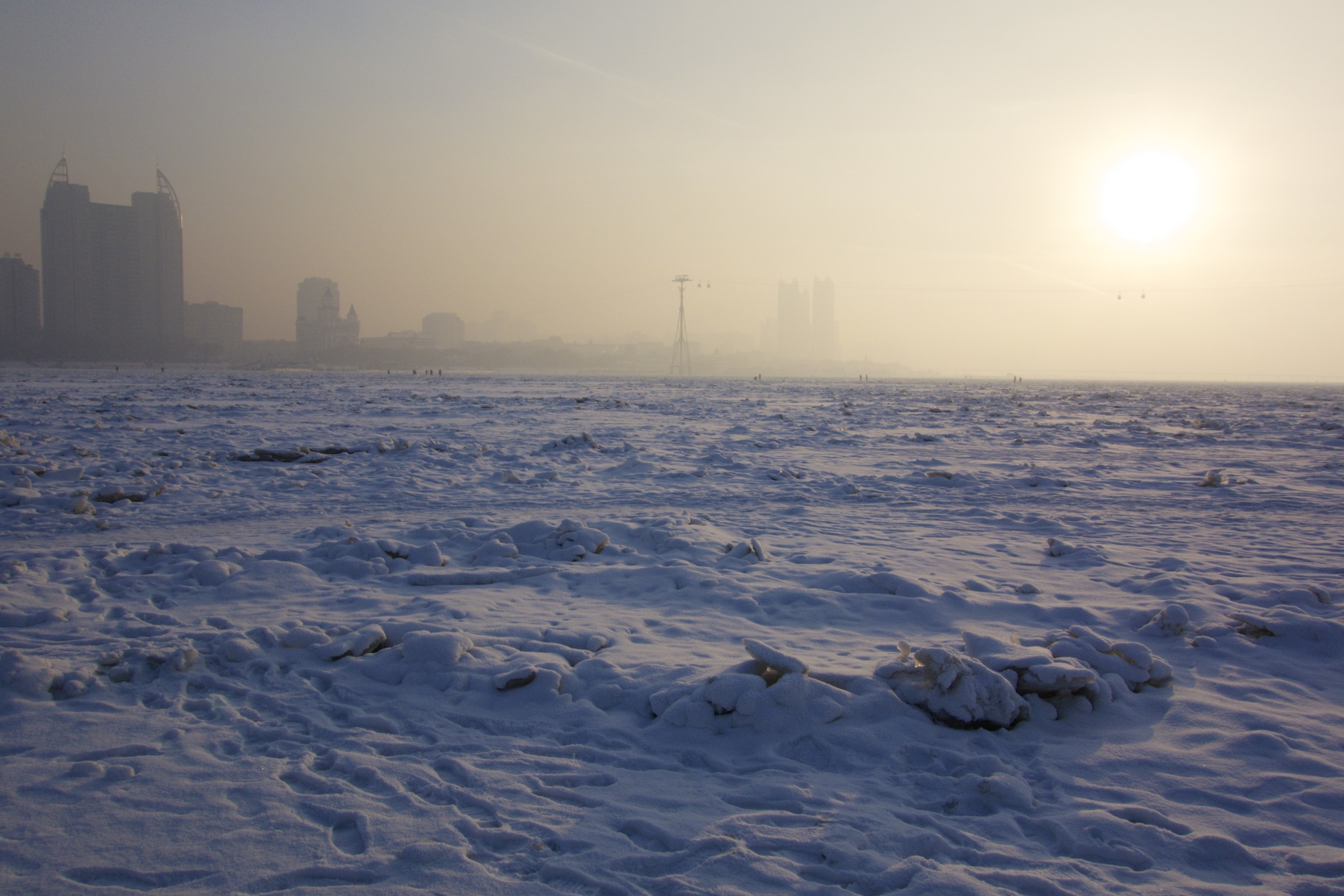
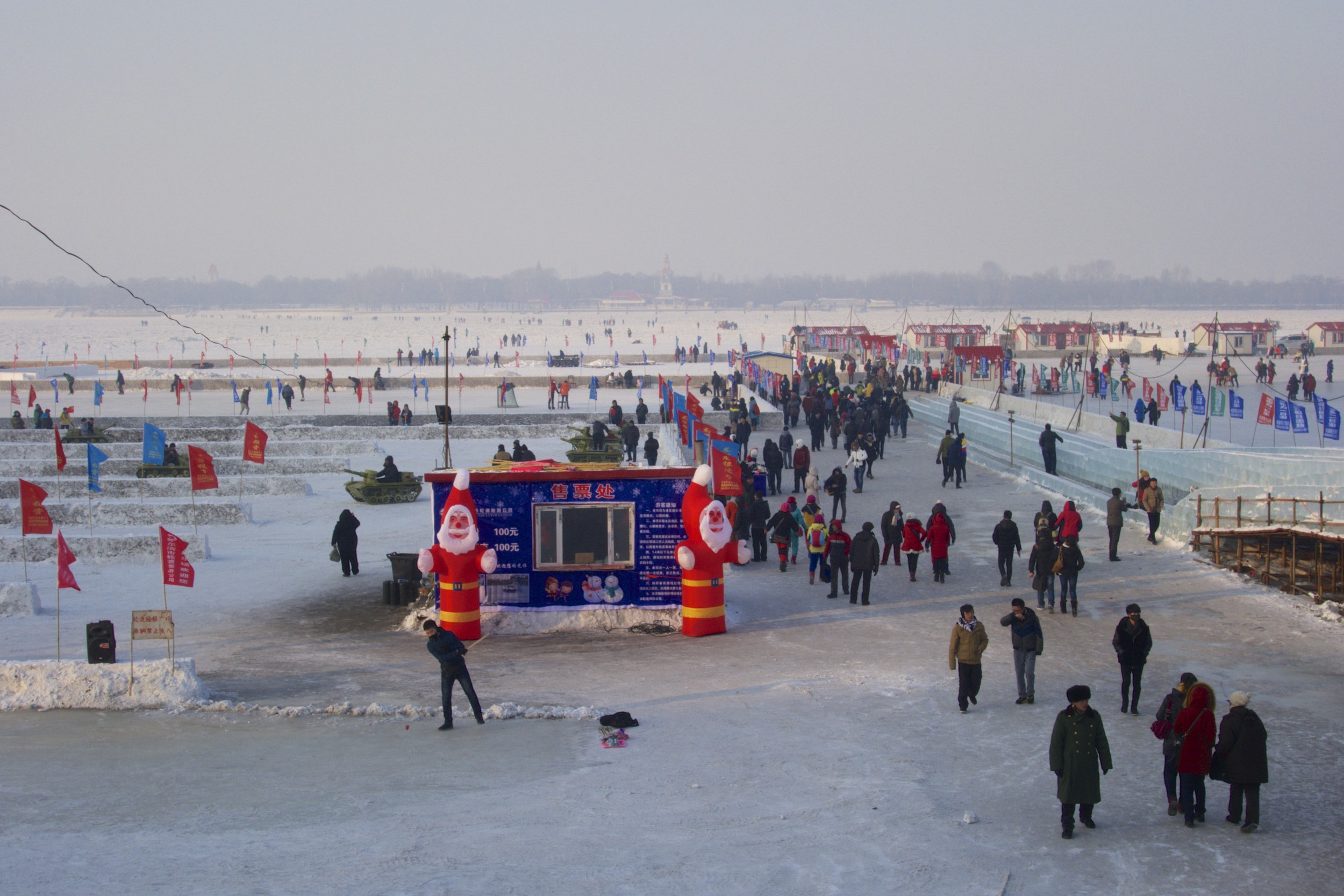
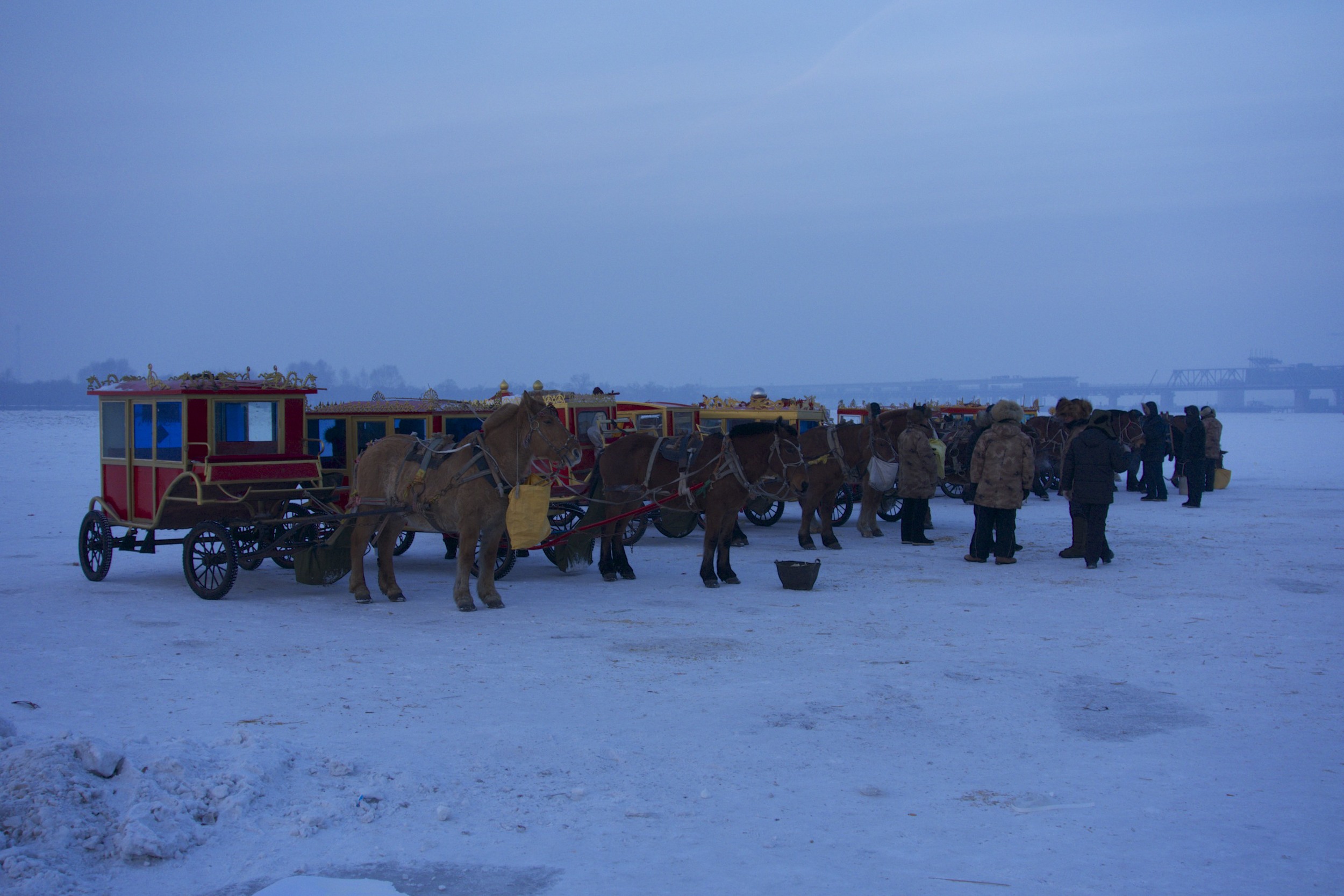
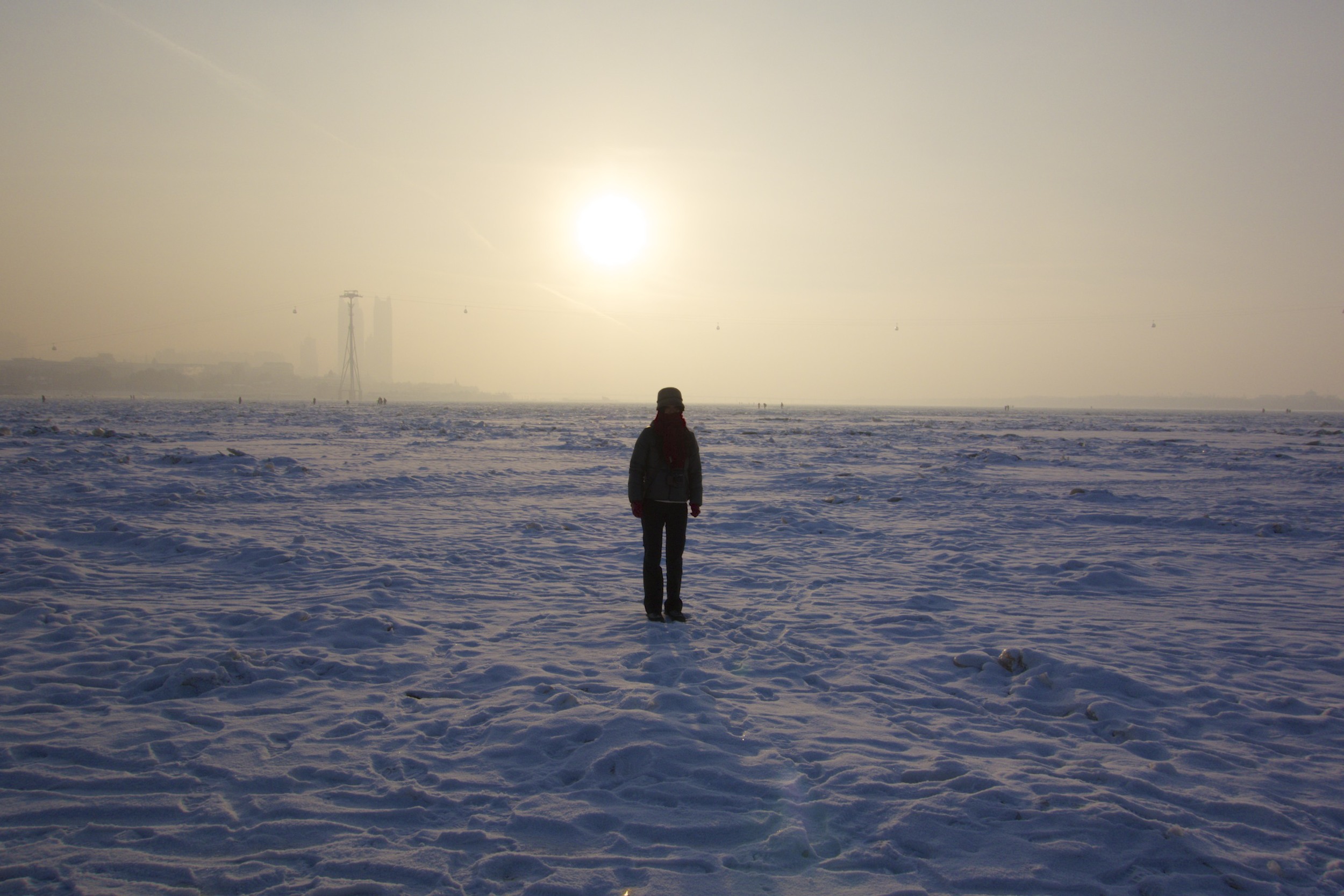
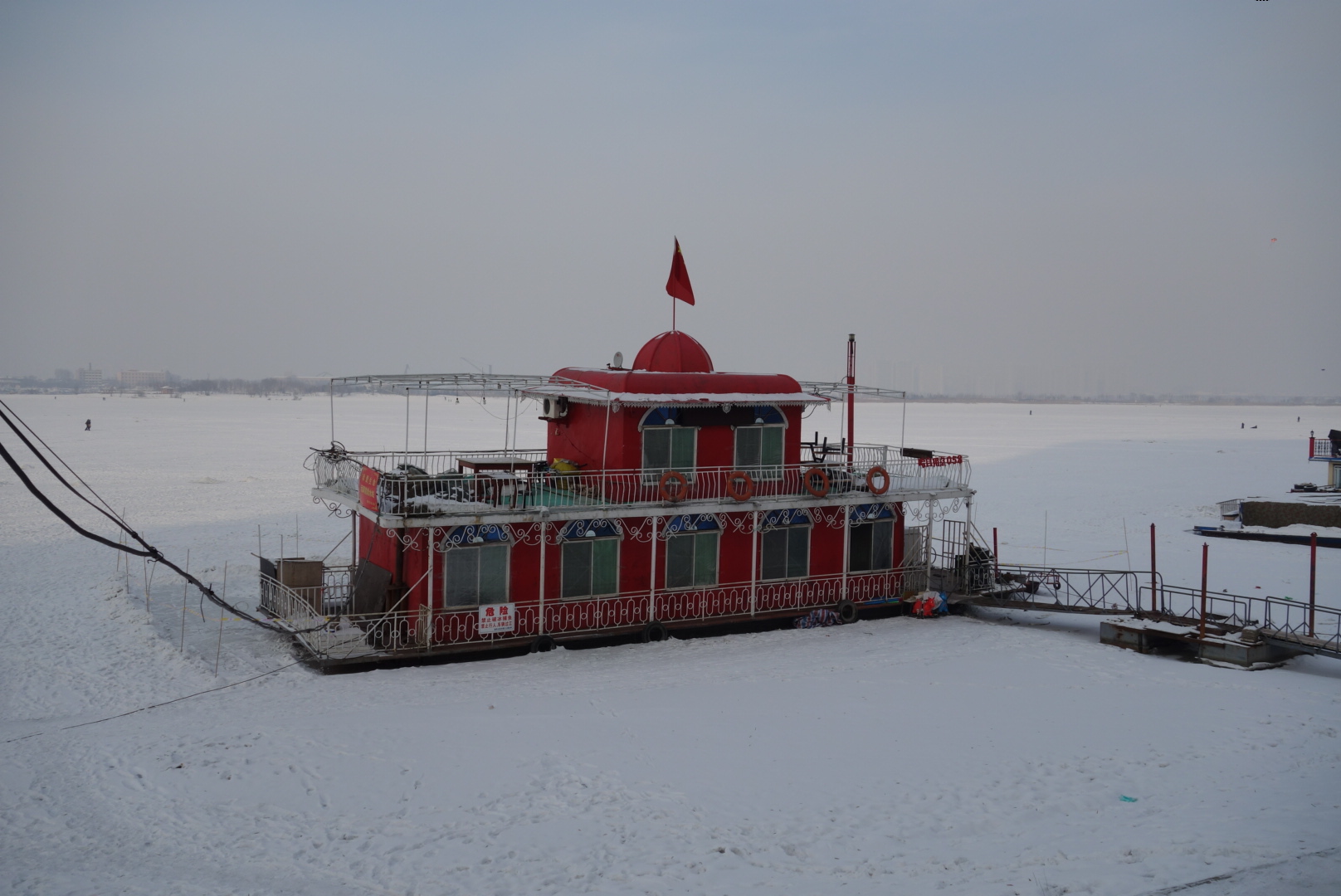
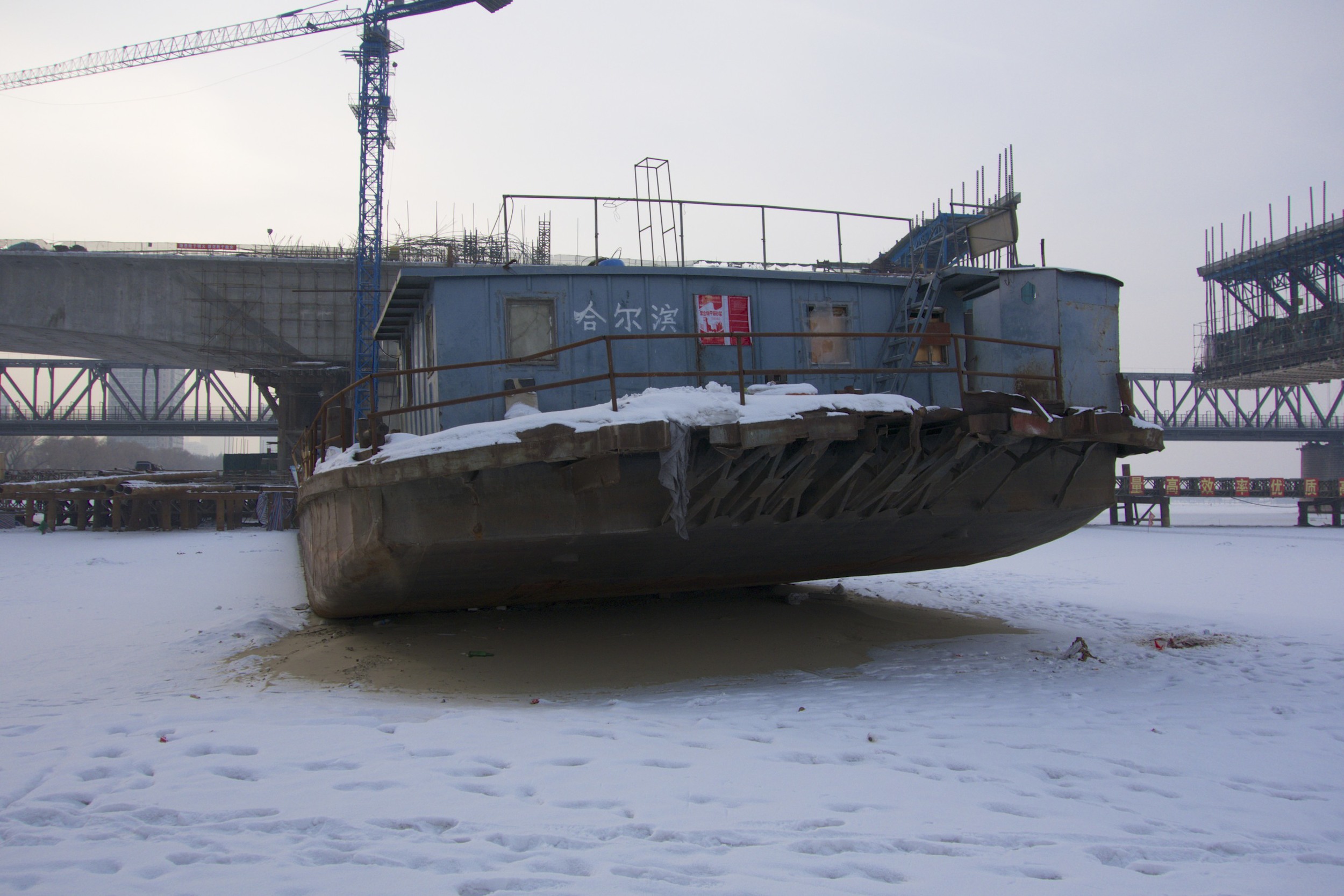
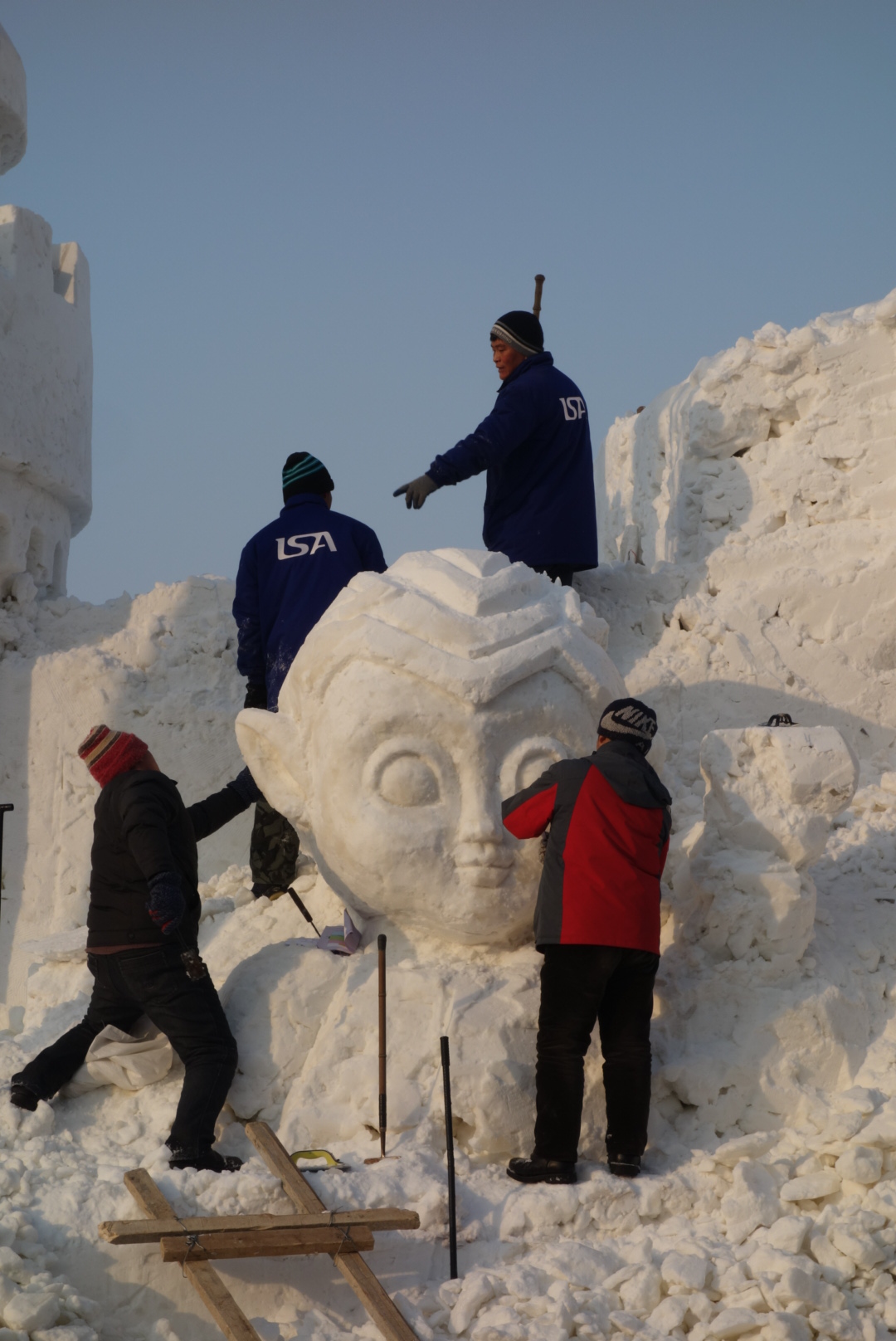
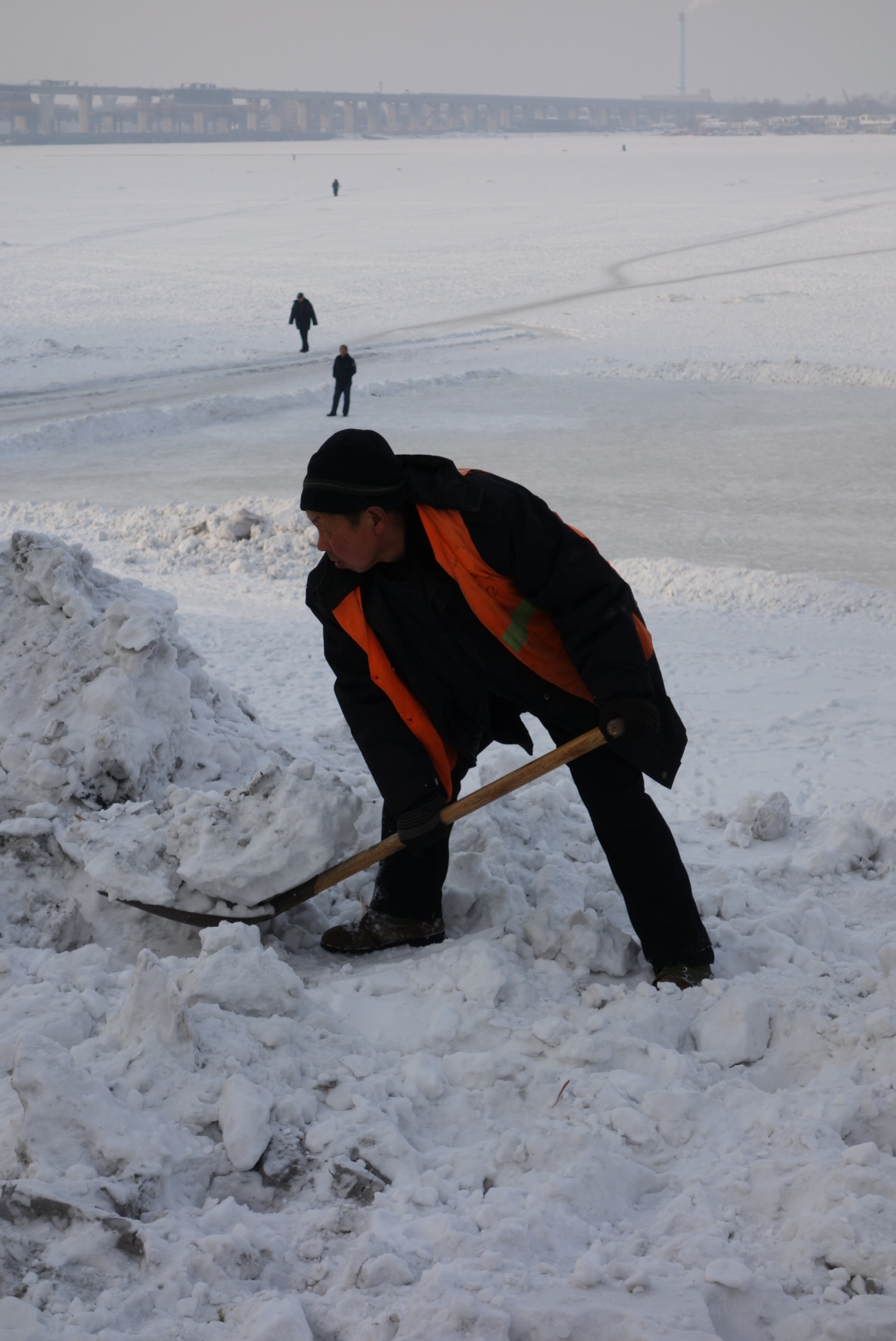
After returning from spring temperatures in Germany, a guarantee for white Christmas was making us head to Harbin in North China's Heilongjiang Province, one of the three Provinces forming Dongbei. Harbin is famous for its Ice Festival starring nice ice sculptures. But at sustained -20 Degrees Celsius, there is about anything you can do there which requires temperatures below freezing. The Songhua River is deeply packed with ice and all kinds of amusement is arranged on its surface. 

Harbin street scene in the early 20th Century. Taken in the church St. Sophie, which is converted into a photo exhibition.

Harbin street scene in the early 20th Century. Taken in the church St. Sophie, which is converted into a photo exhibition.

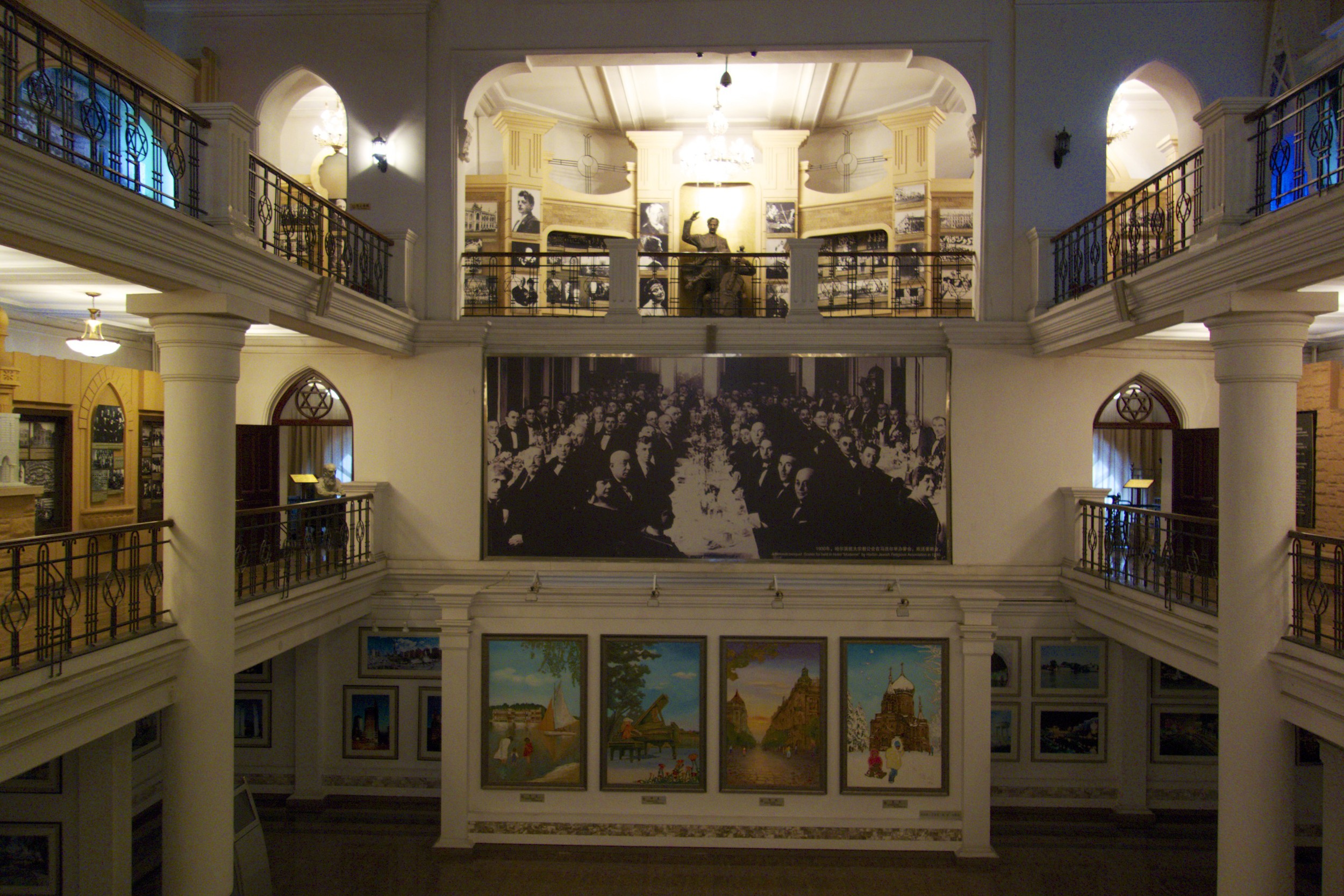
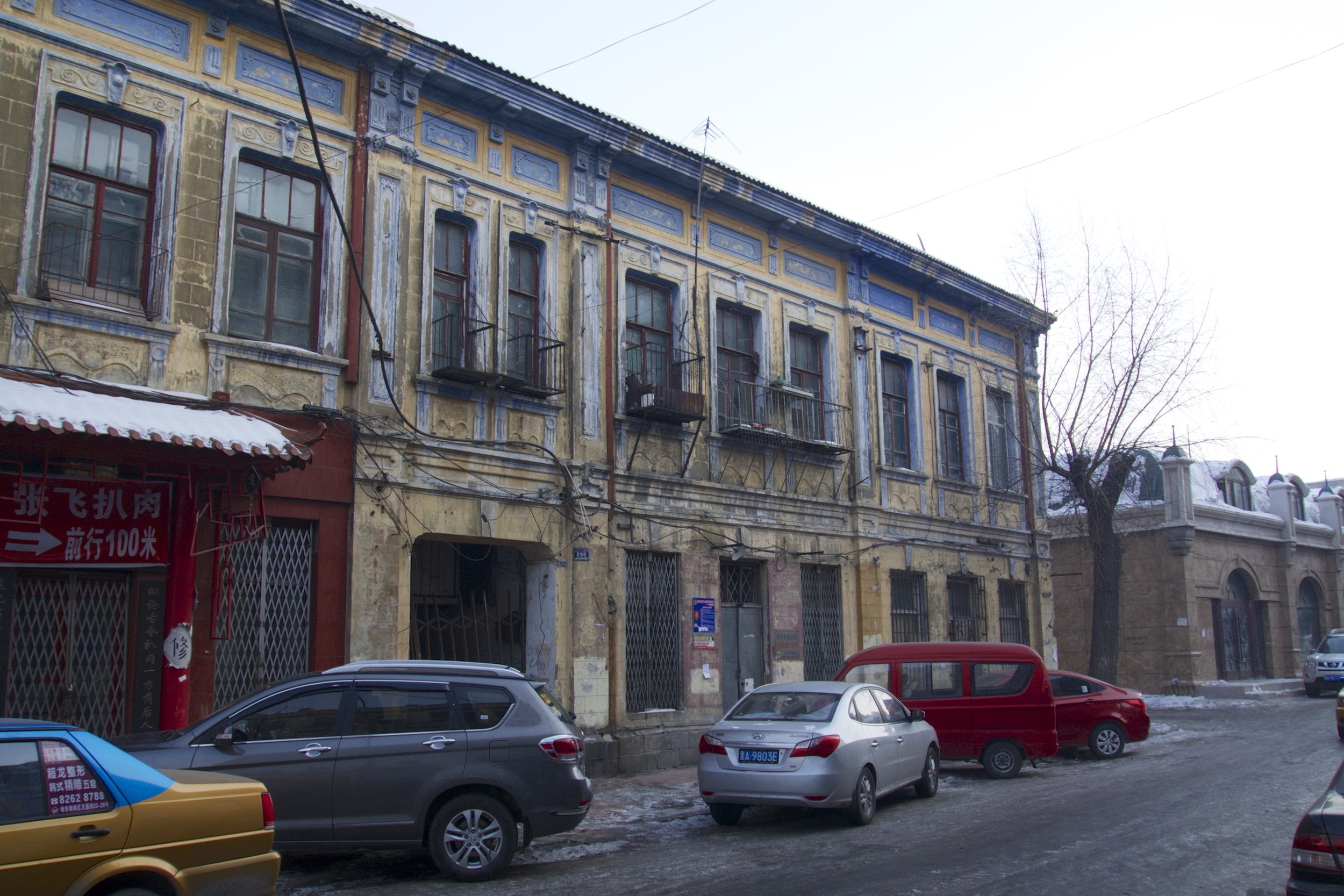
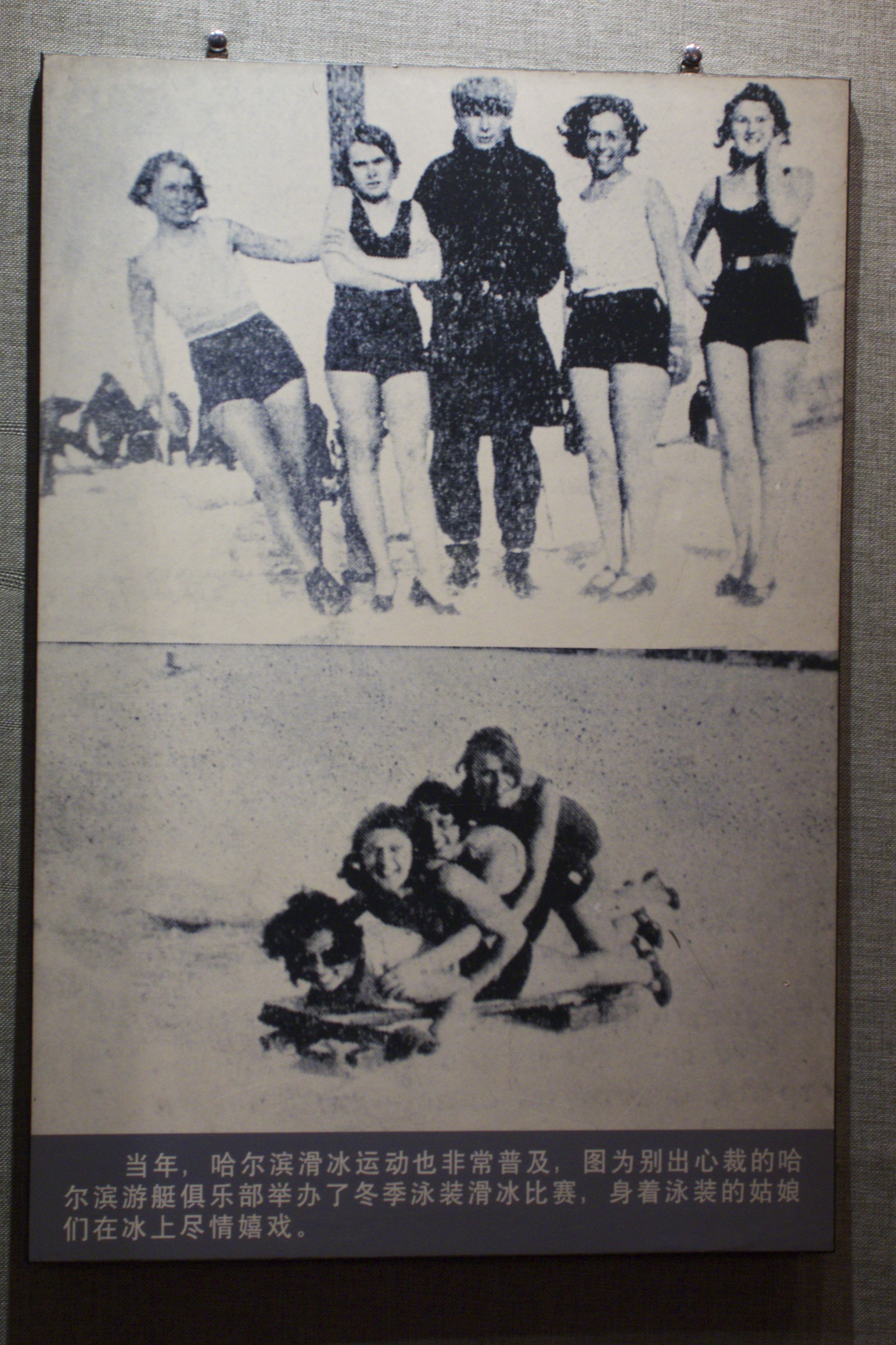
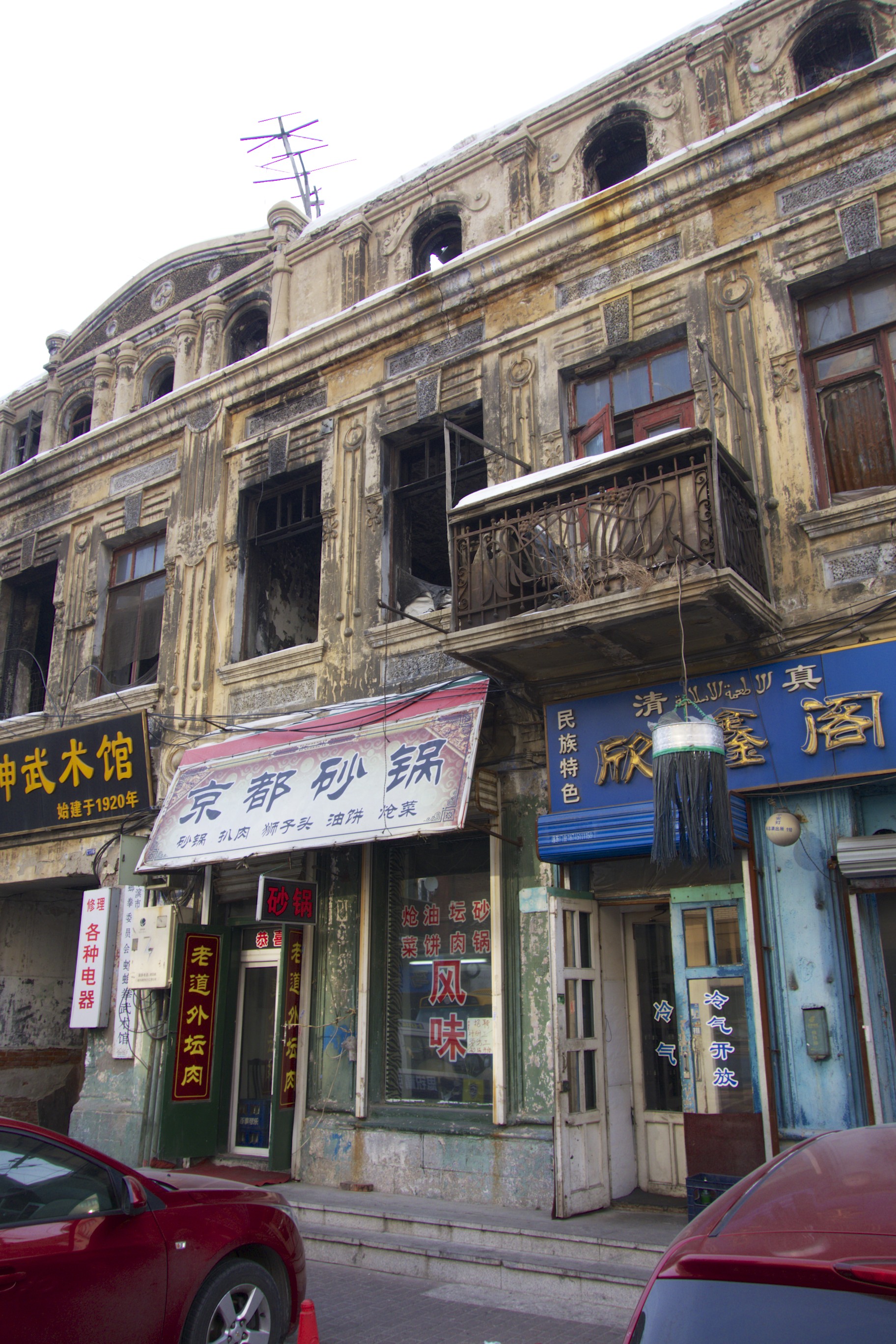
Harbin is often called the Moscow of the East, due to the early Russian settlements and also contemporary remains of Russian architecture. However, Harbin is still about 500 km away from the Russian border. The city was founded only in 1898 by a Polish engineer, during the construction of the Trans-Manchurian Railway which was linking Vladivostok, Dalian  and Port Arthur to the Trans-Sibirian Railway in the East. Russia held a military base in Harbin during the Russo-Japanese War and they were defeated by Western expeditionary forces and Chinese allies soon after. Immigrants from over 30 counties settled in Harbin soon after and a big push of Russians came who fled Communism after the Russian Revolution - mainly White Russians, and about 20 000 Jews - specially in the 1930s fleeing the German Holocaust. They contributed a lot to Harbin's culture and economy and it is said that Western artists and fashion designers first reached Harbin, before Shanghai. Today, one of the very interesting destinations in Harbin is the Jewish Museum, which gives accounts to this period. In 1931 the Japanese invaded Harbin and a concentration camp style medical experimentation site, the Unit 731, was established and operated, committing war crimes at utmost horror. There is still a museum in the South of the city. But it is said to be not a real museum, but just an Anti-Japanes propaganda site, which is not worth visiting if interested in what really happened there. The Kuomintang never got hold of Harbin, but what followed were the Chinese Communists. Having Stalin and the Russian Communists in the North, and Mao and the Chinese Communists in their neck, many Jews took their chance and fled to the newly established Israel. Many other foreigners fled to Australia and Brazil. During Mao's era, Harbin was a focus point for projects of many of his misguided projects, like The Great Leap forward and it suffered severe destruction during the Cultural Revolution. There are still a few architectural remains, but generally the city now looks like any Chinese mega town. What has not been destroyed by Japanese bombs or Mao's Red Guards, has been flattened by modern real estate developments and makes Harbin as ugly as any modern Chinese city. Still there are attempts to remain cultural heritage, like music festivals and other cultural events. However, with no significant infrastructure, heavy pollution, and a corrupted local government, the city has a bigger fish to fry than being pretty.