In a "Slam-Bang" from Adelaide to Melbourne

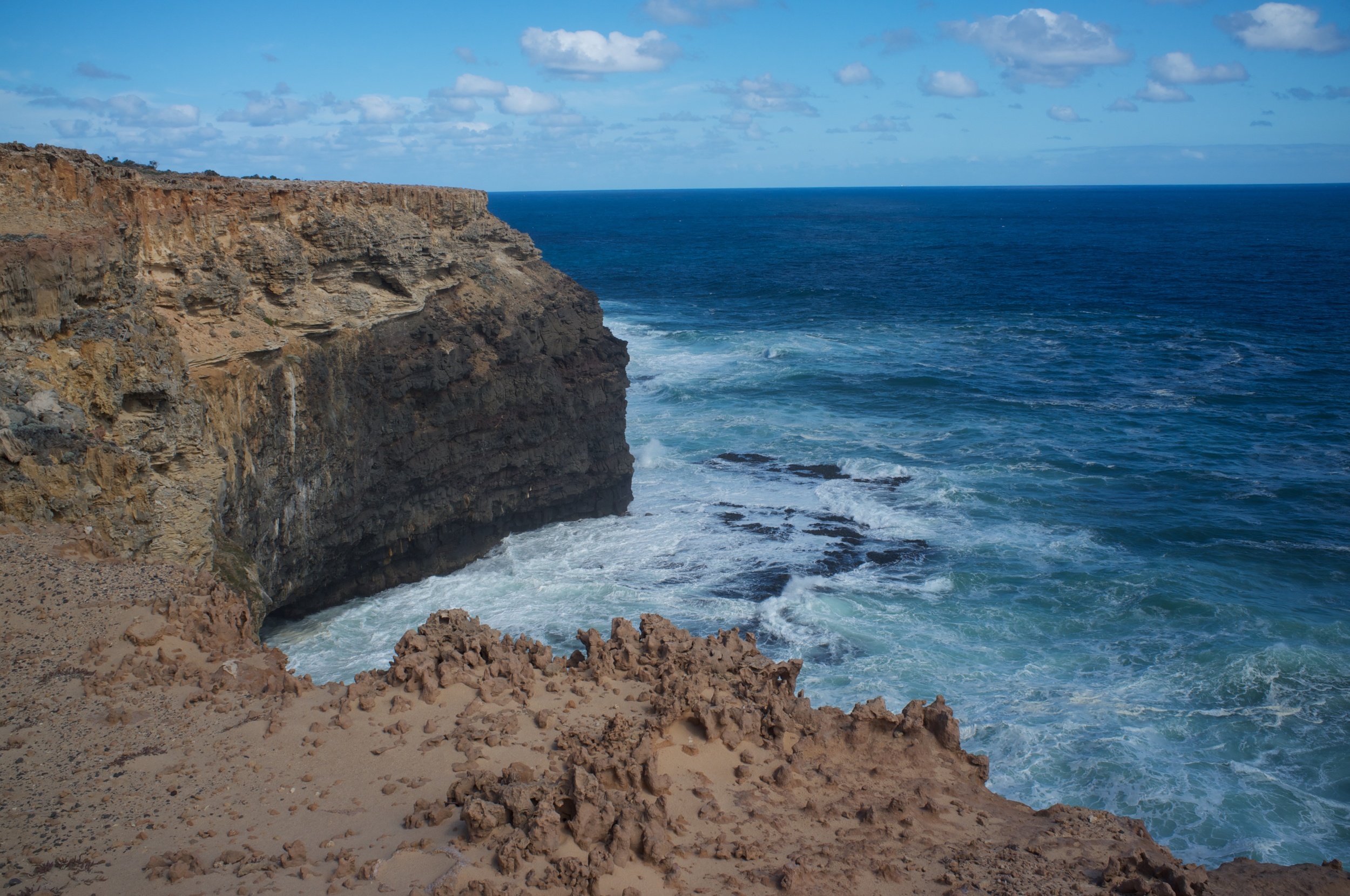
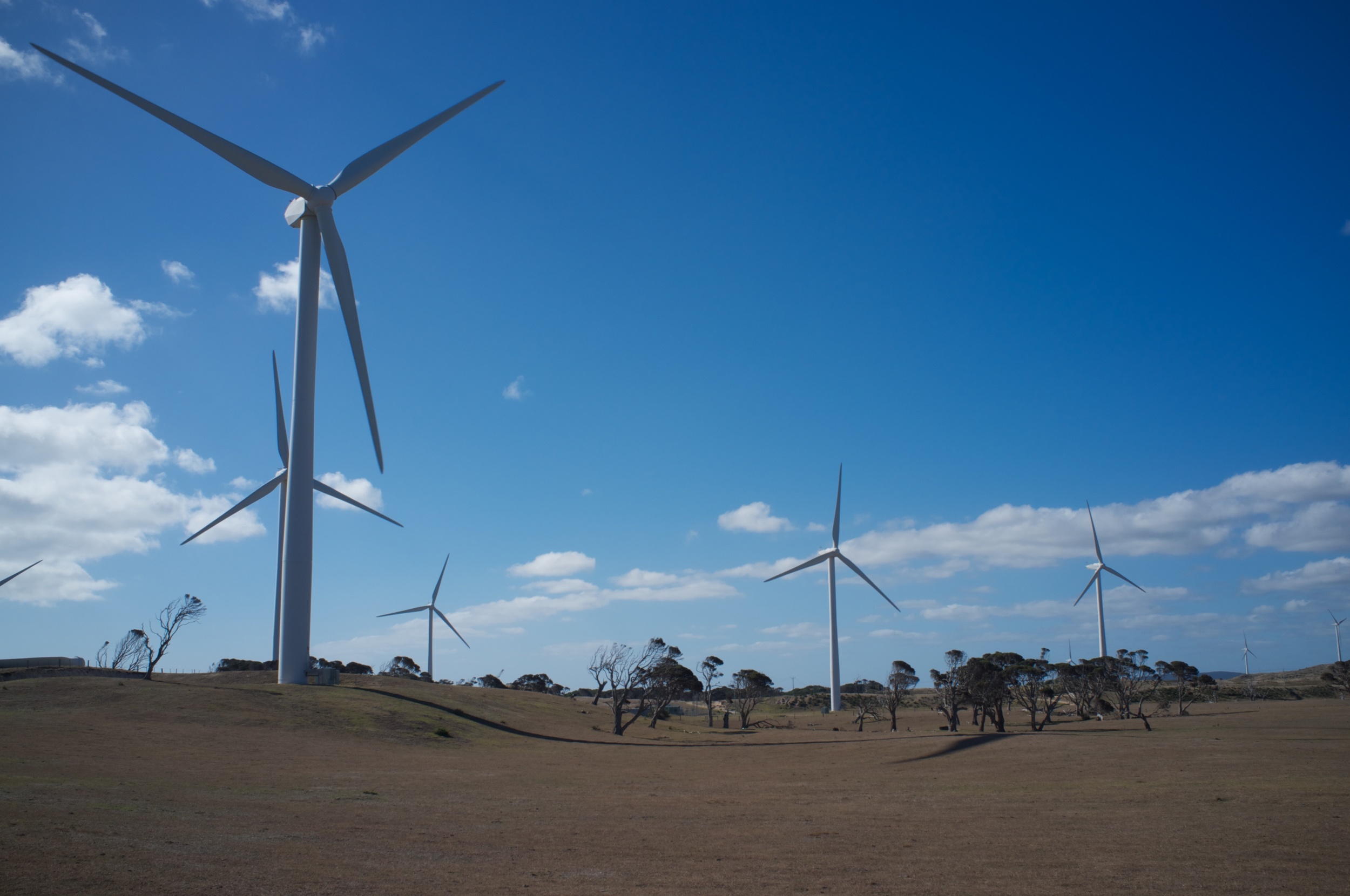
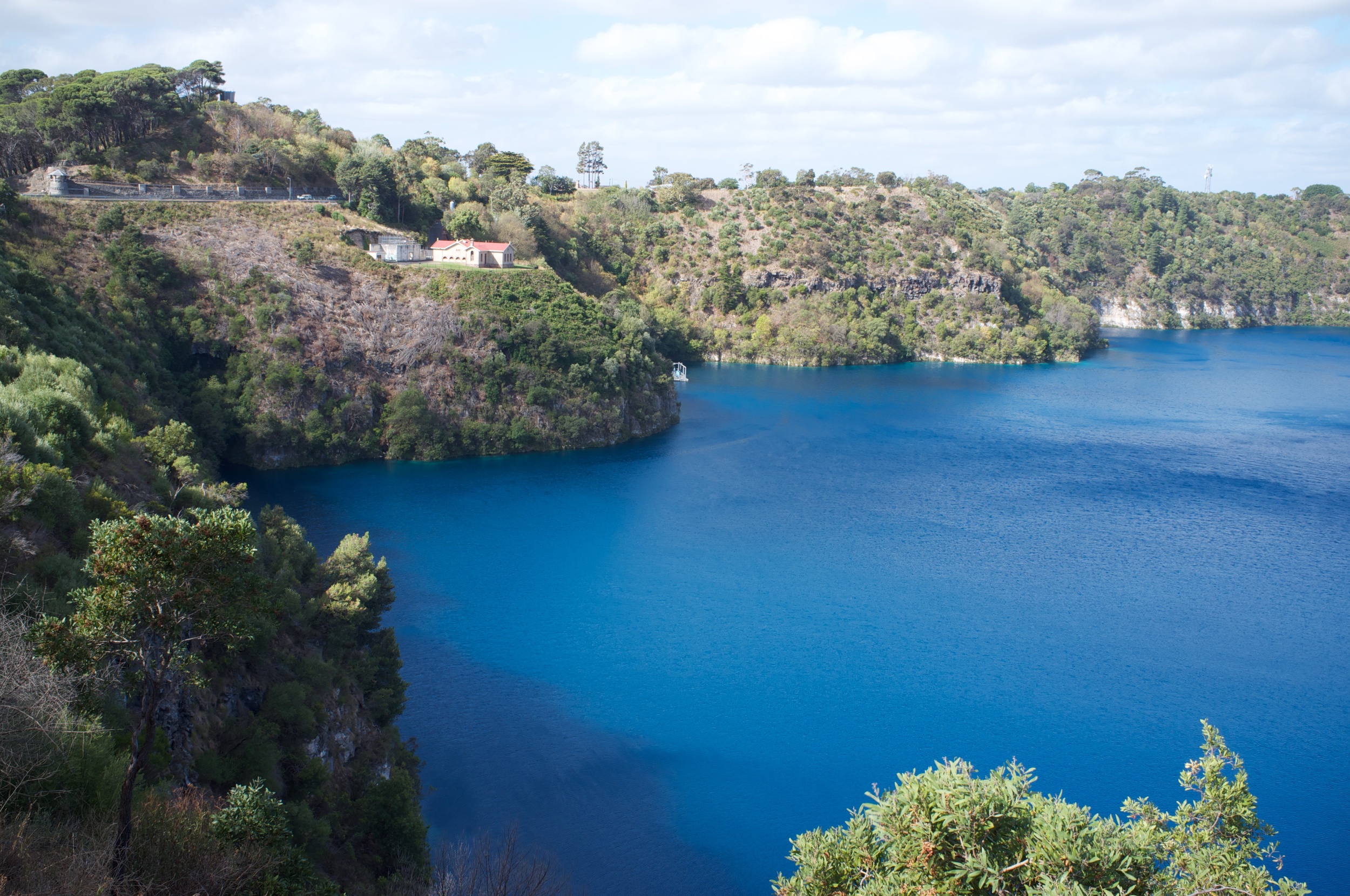
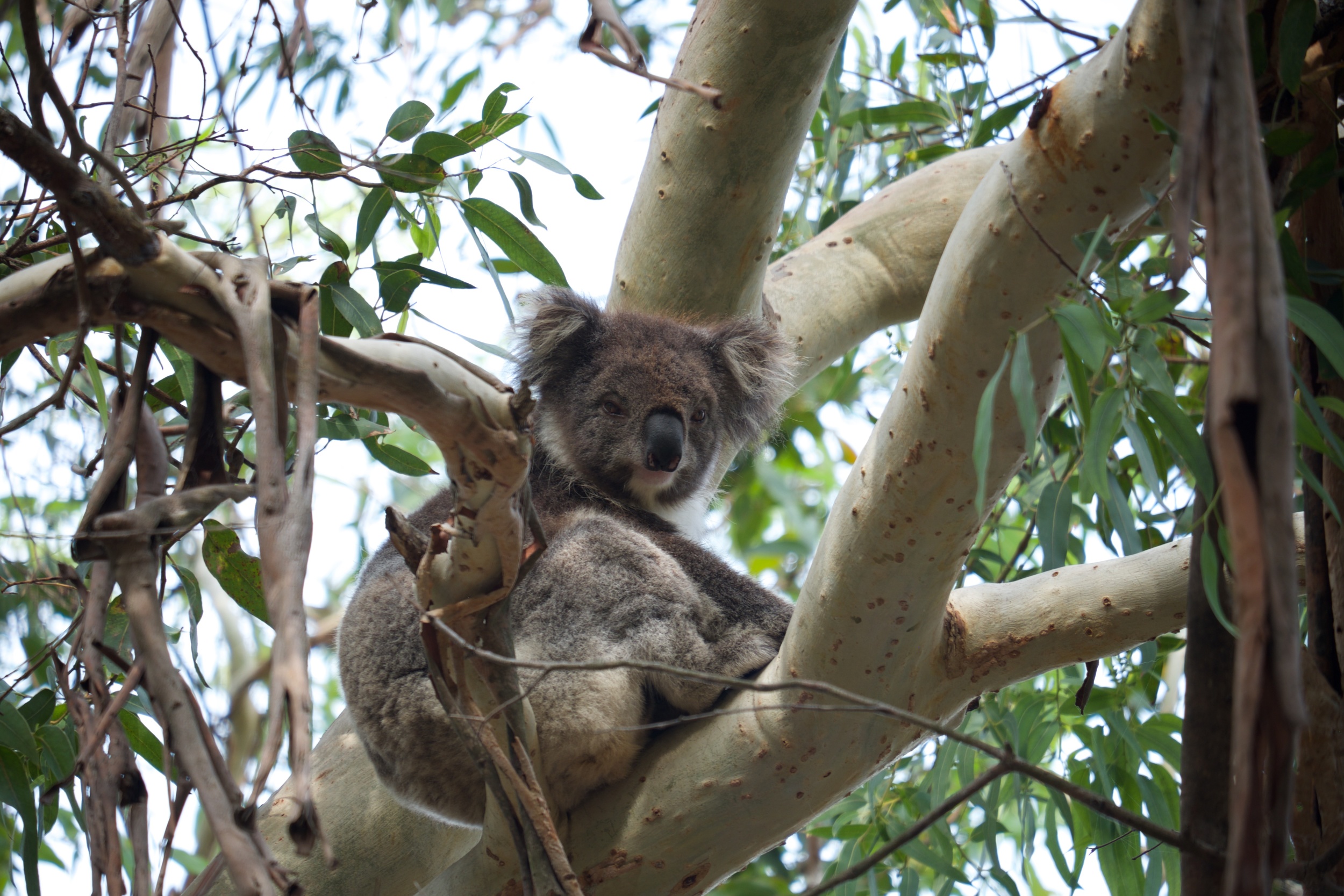
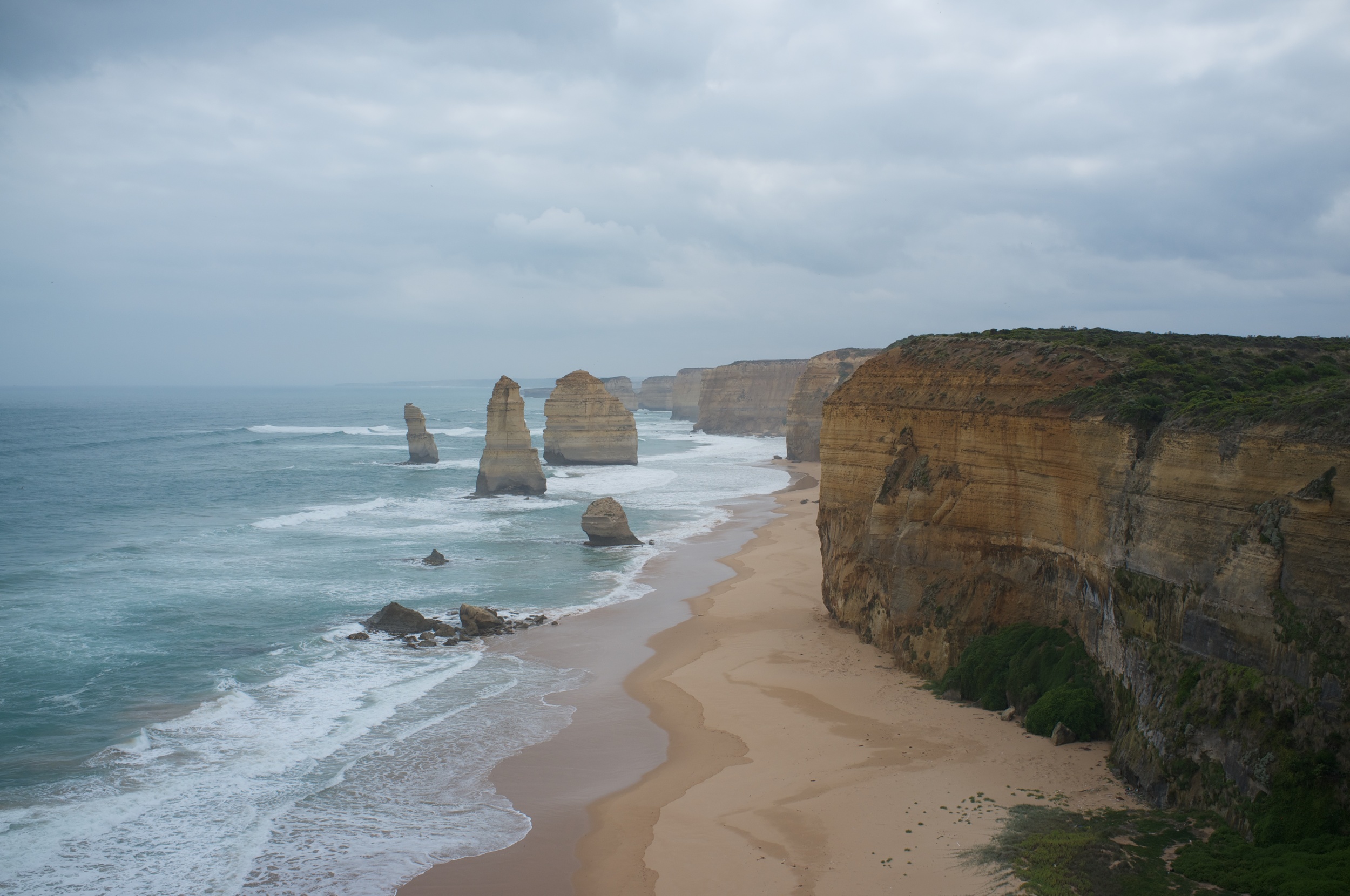
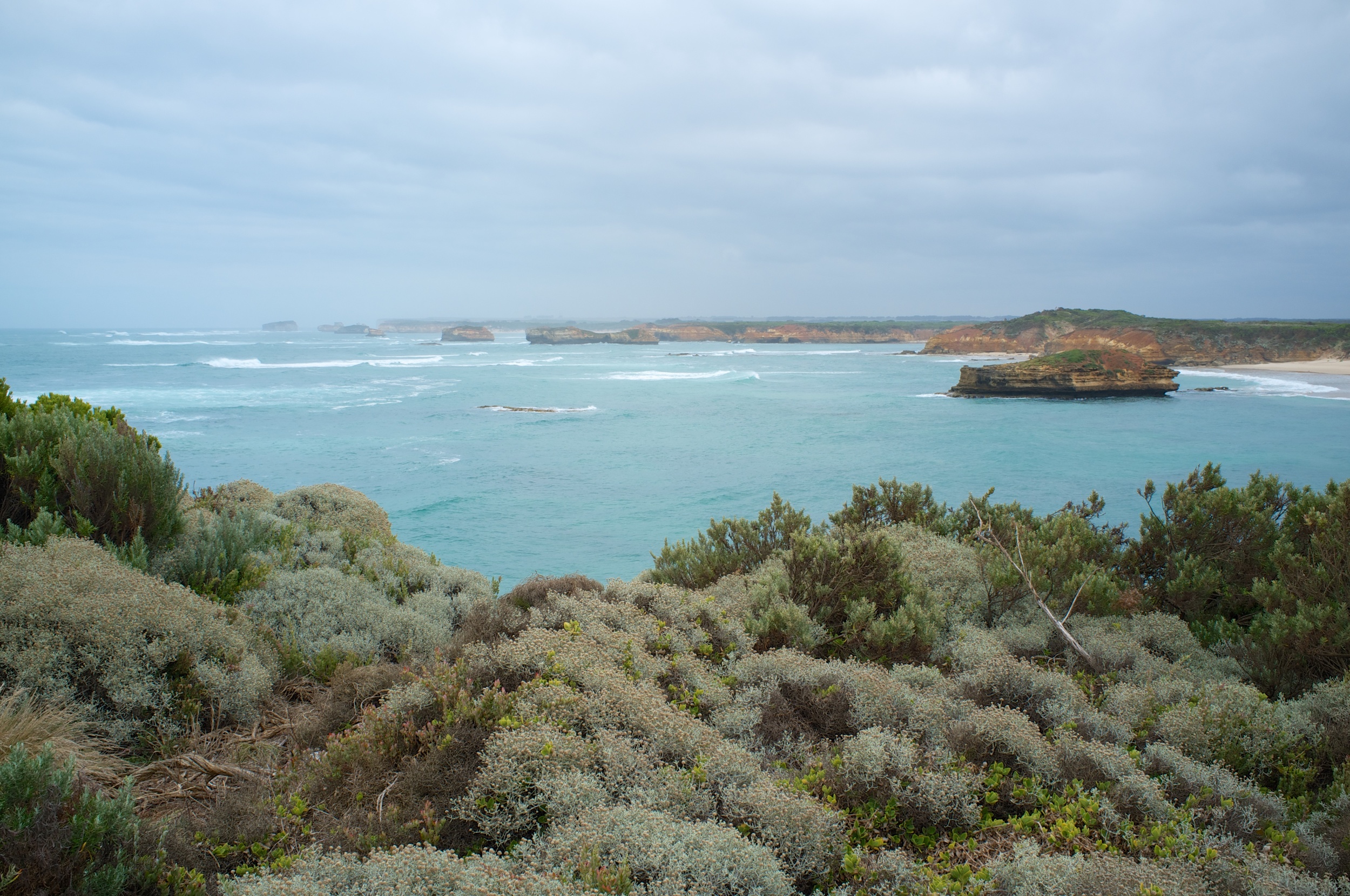
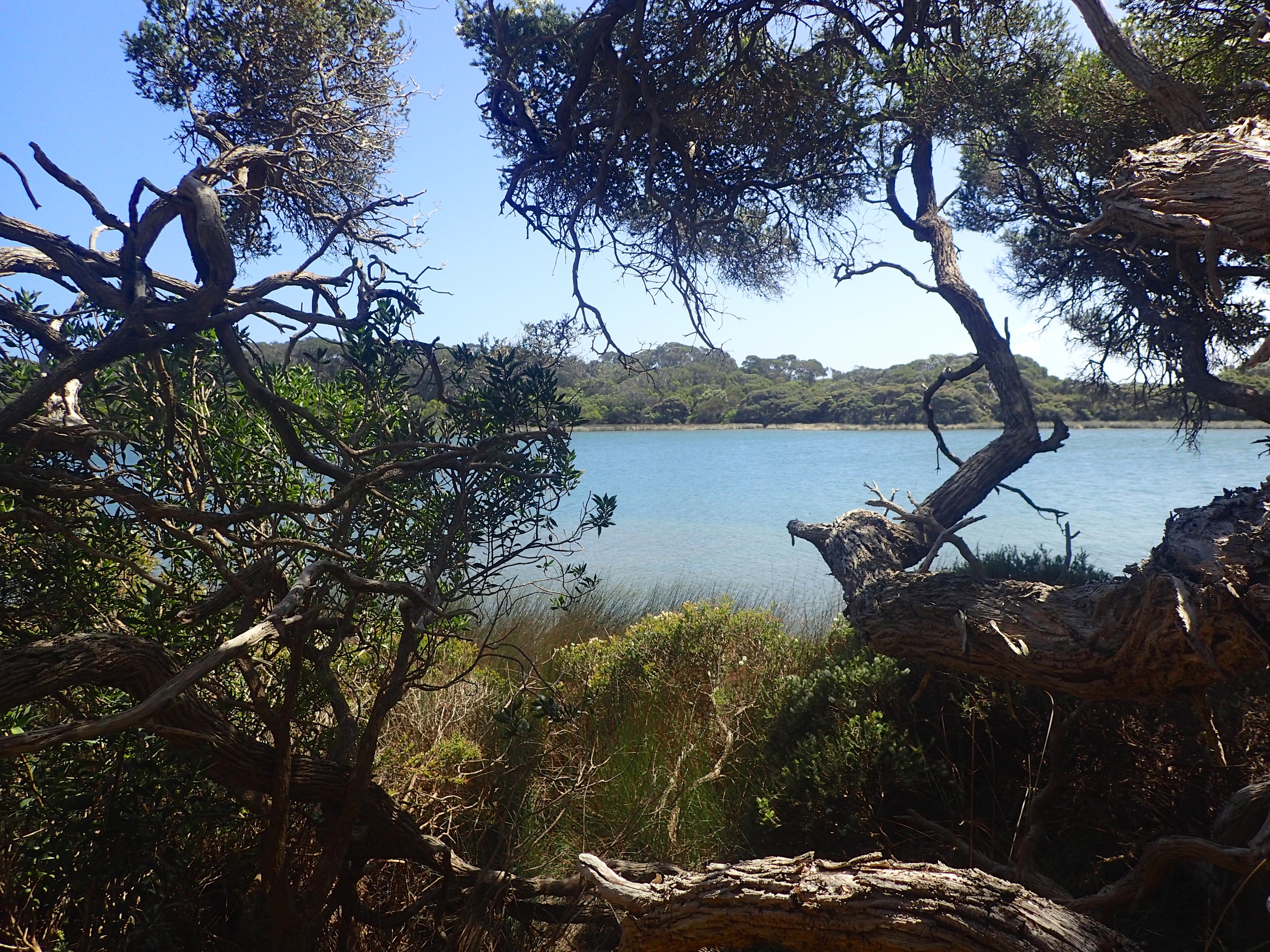
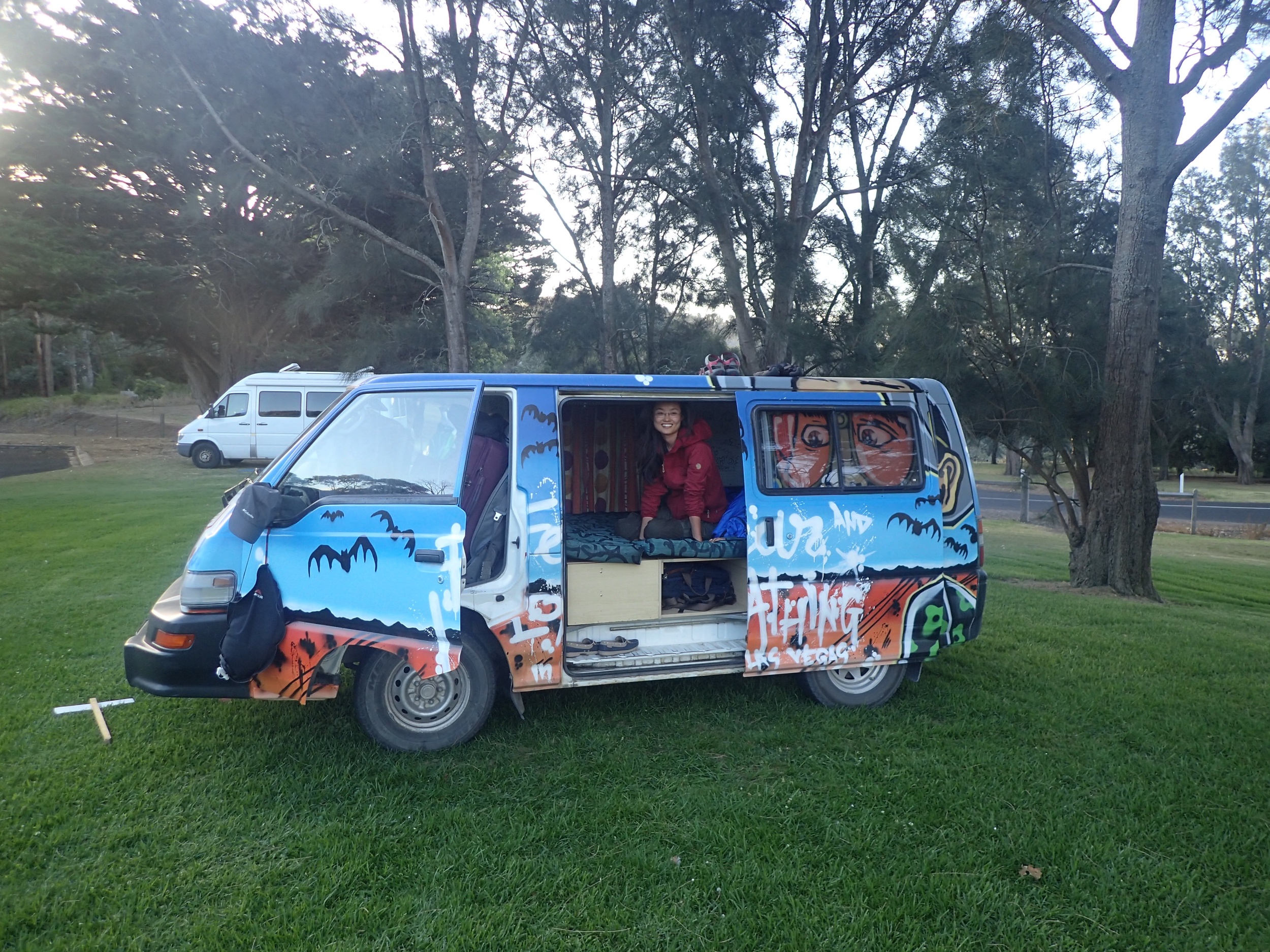
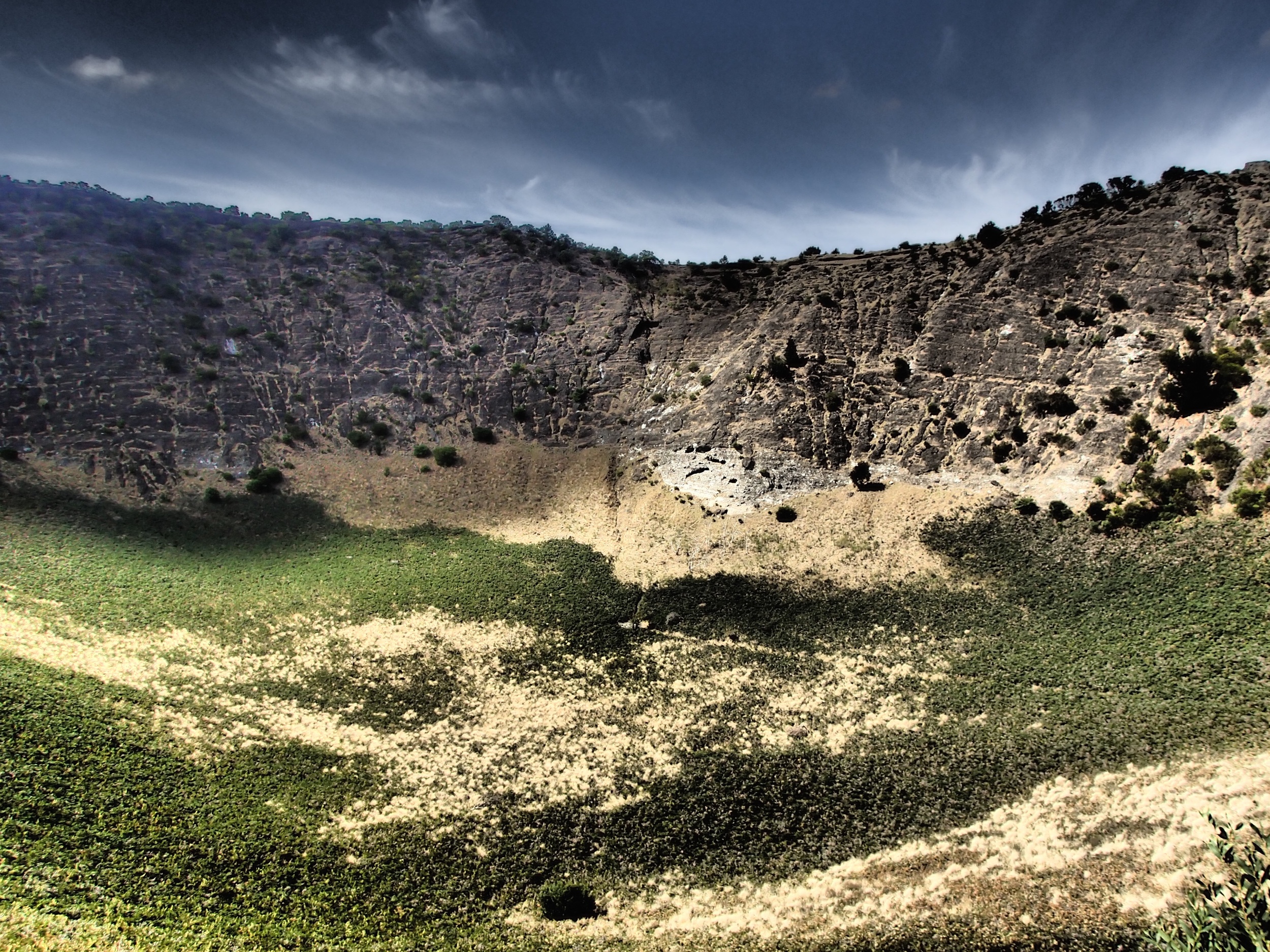
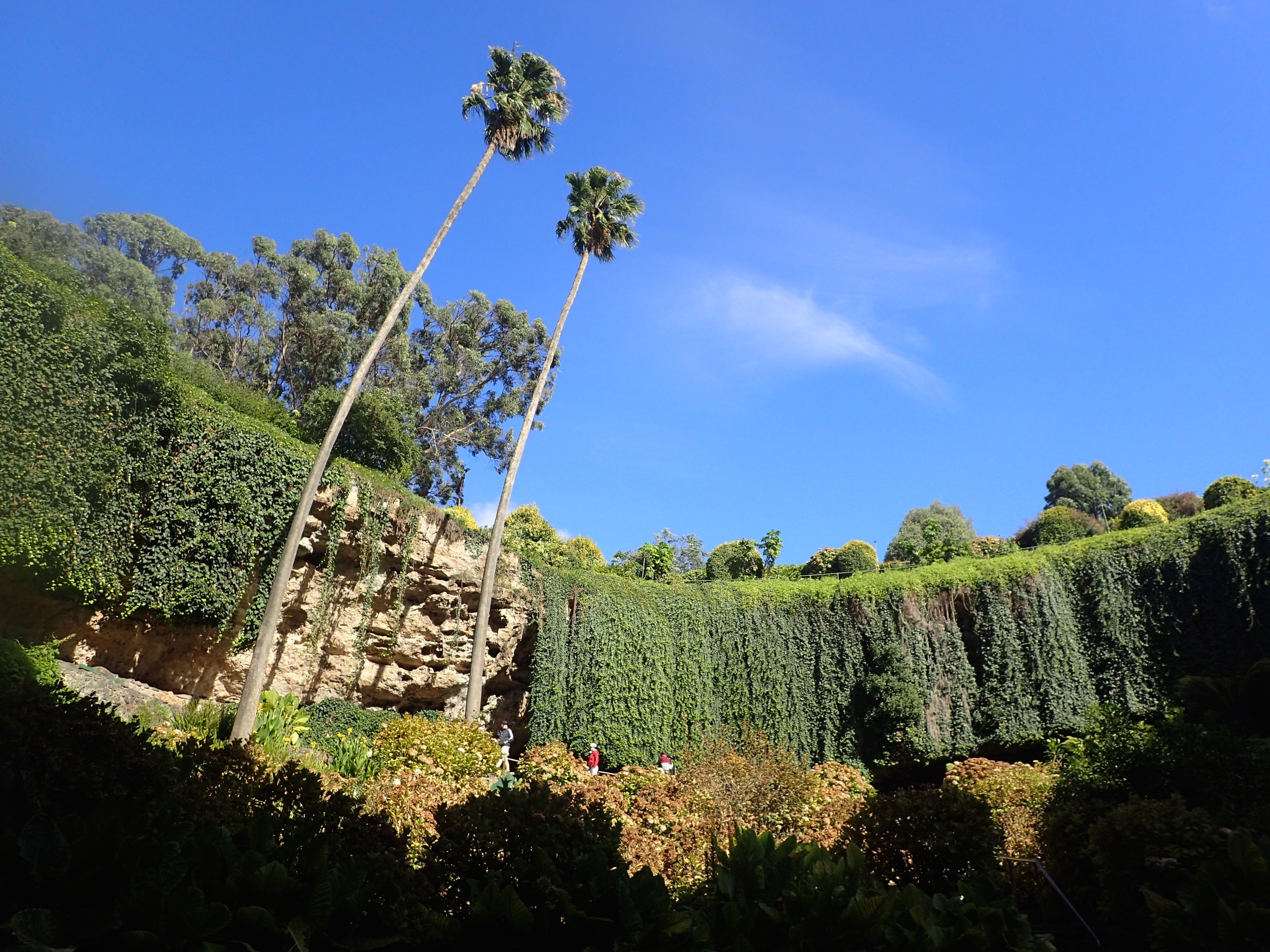
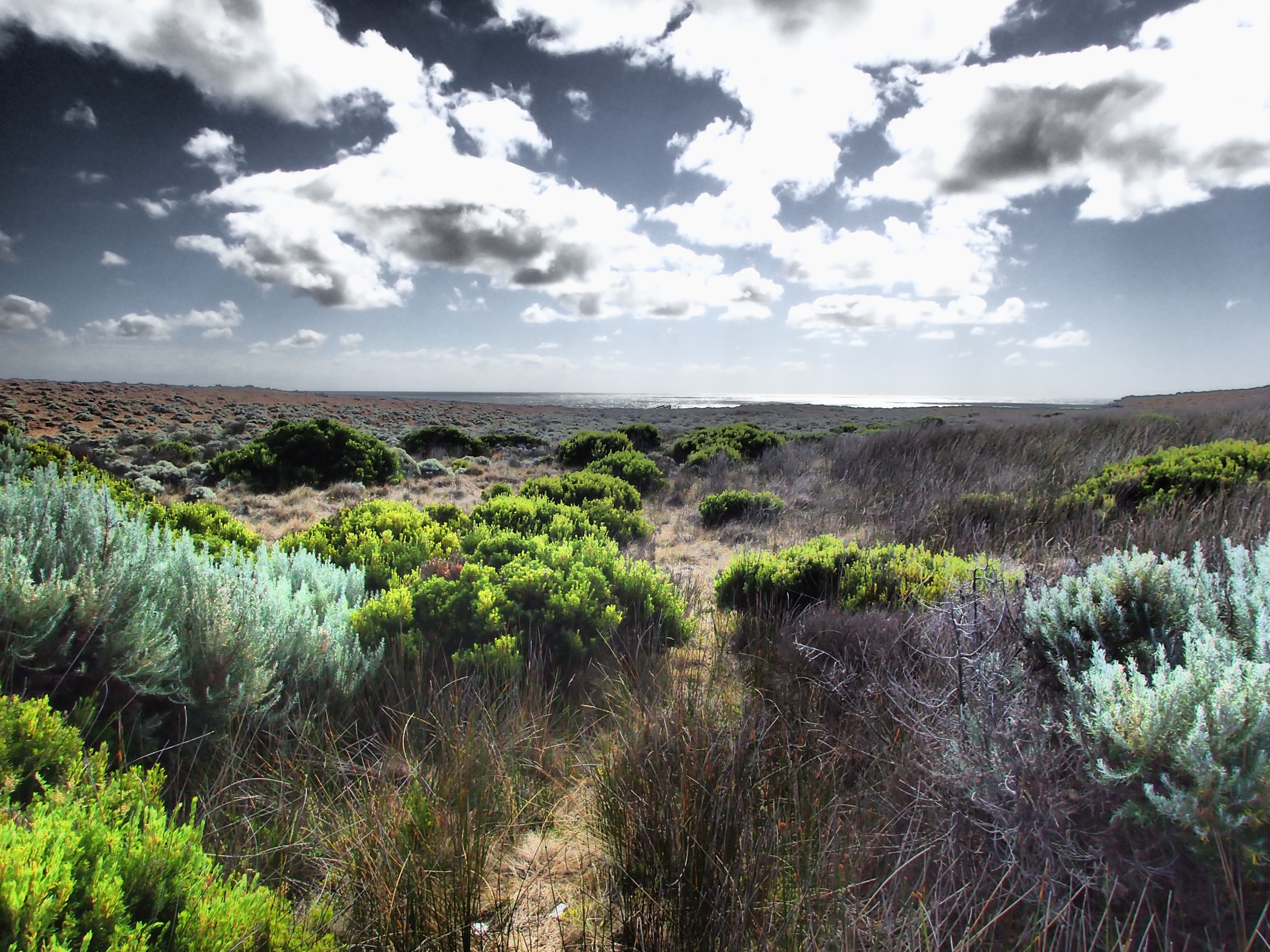
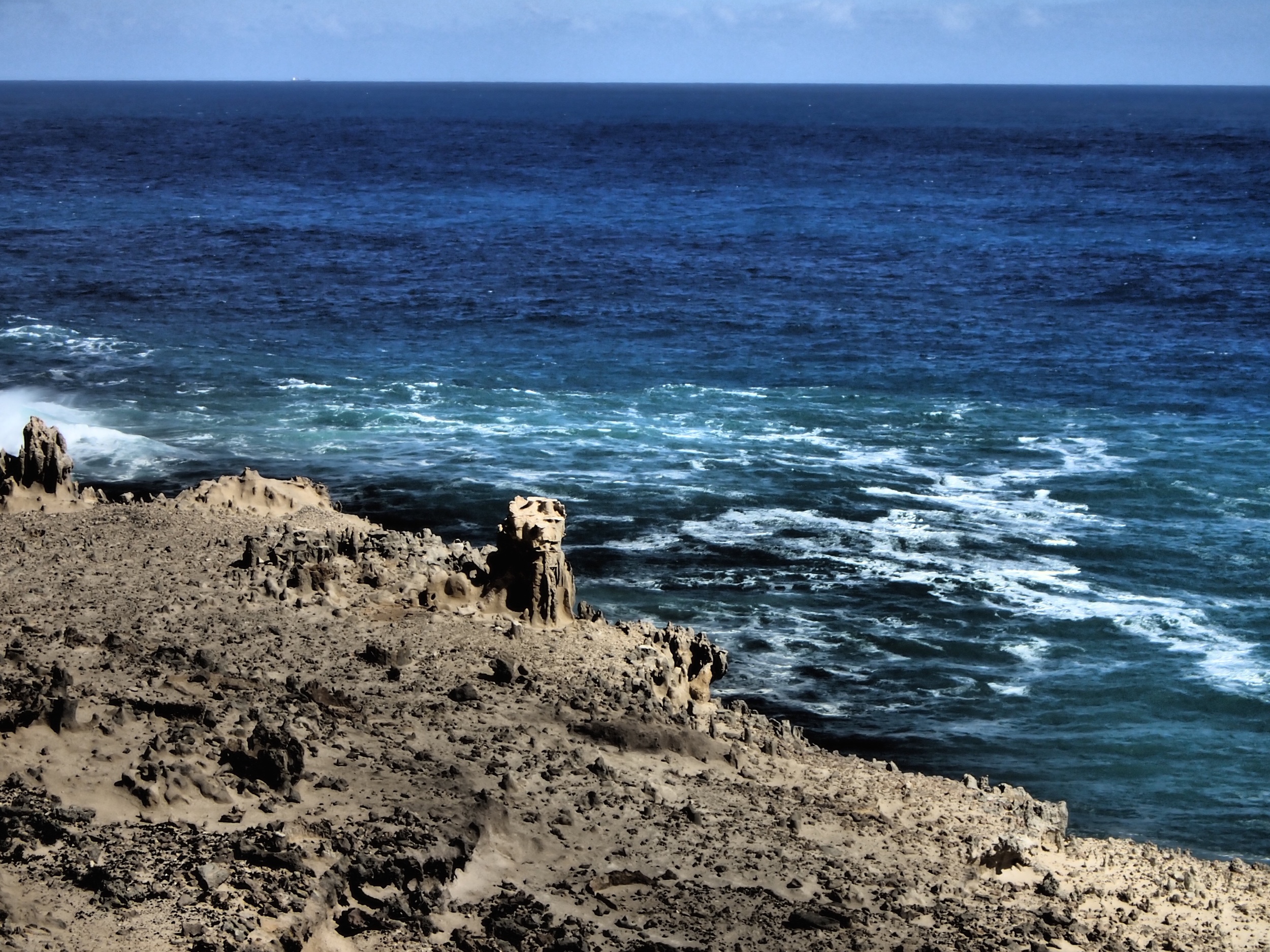
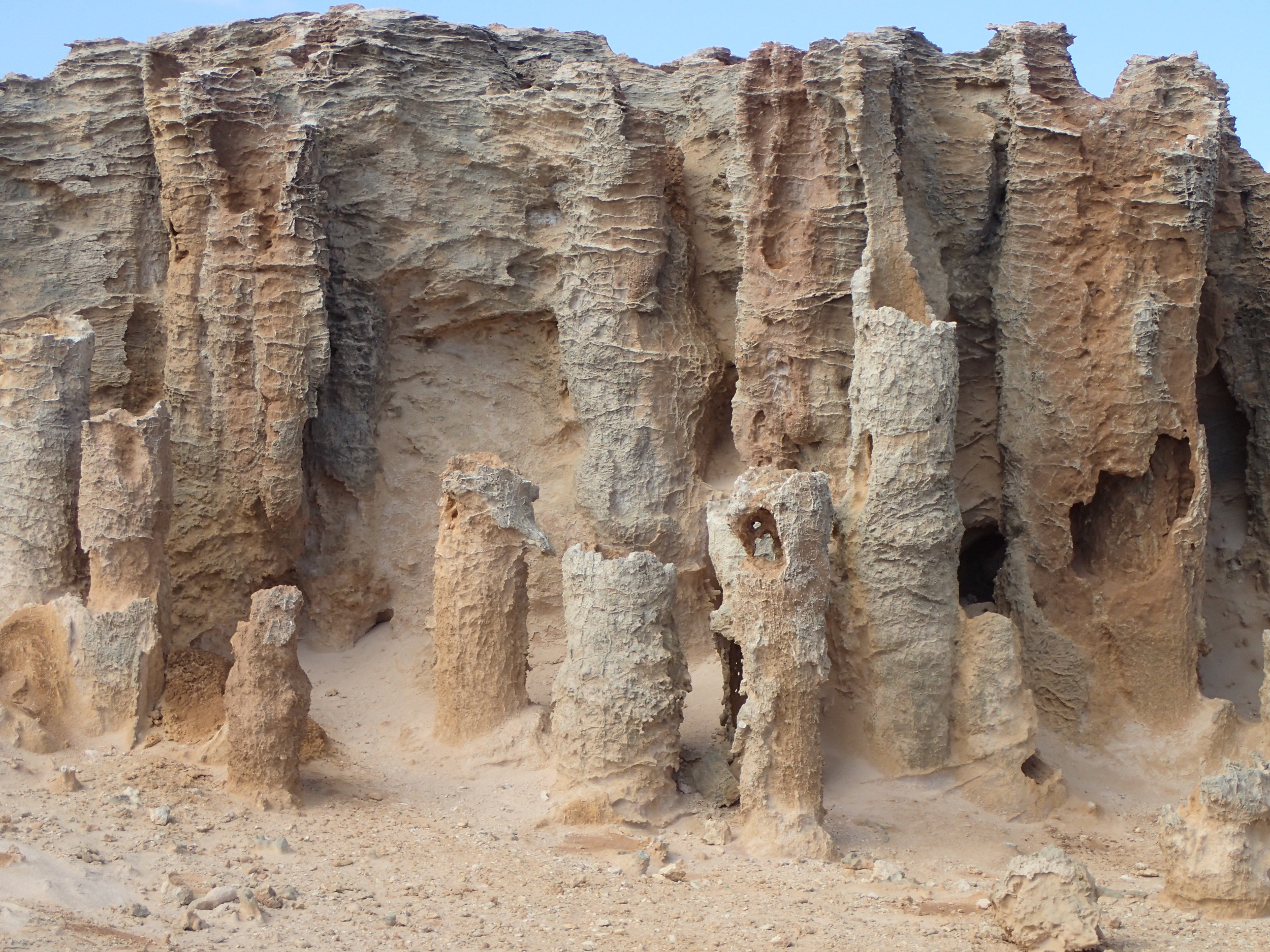
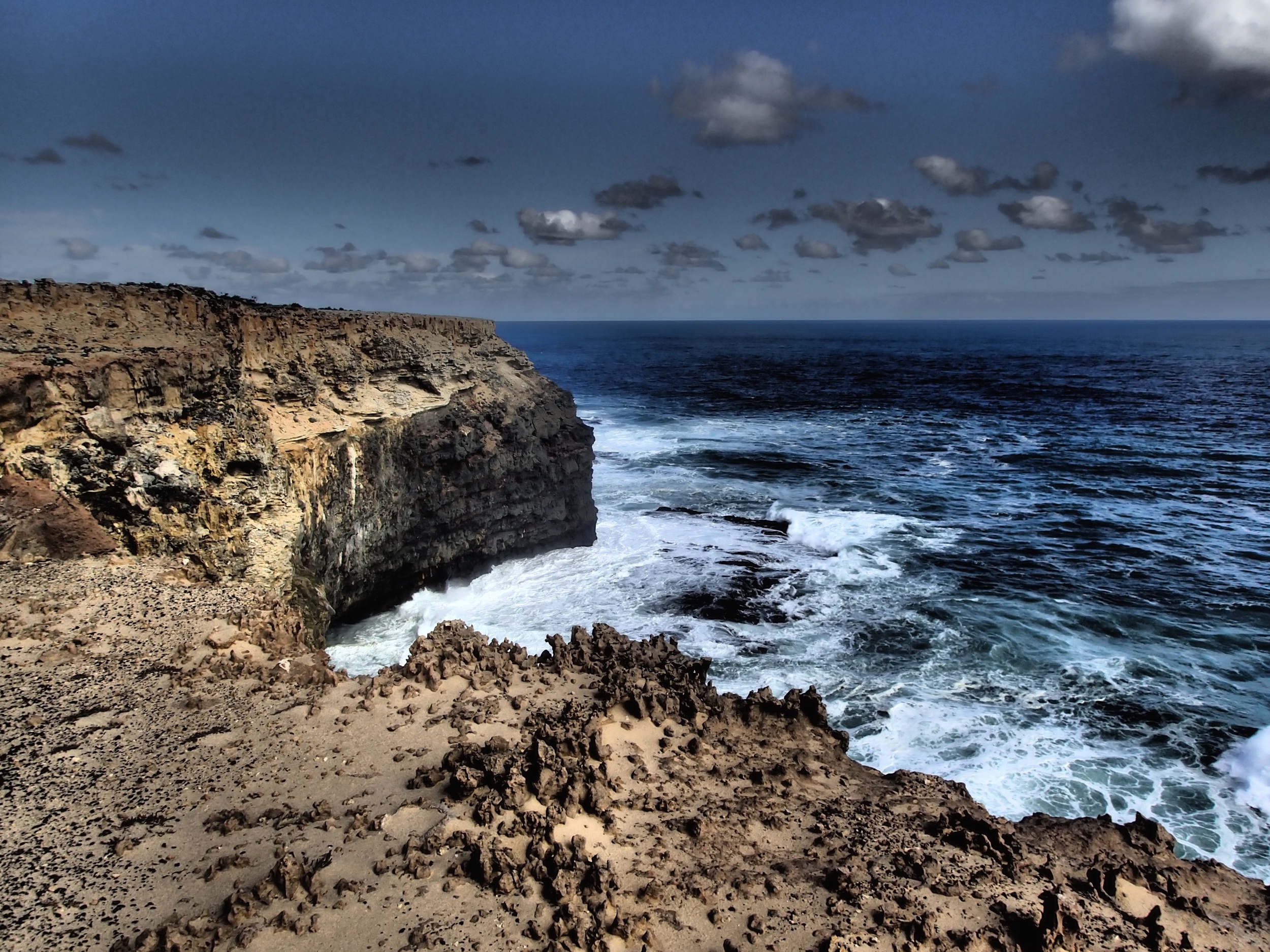
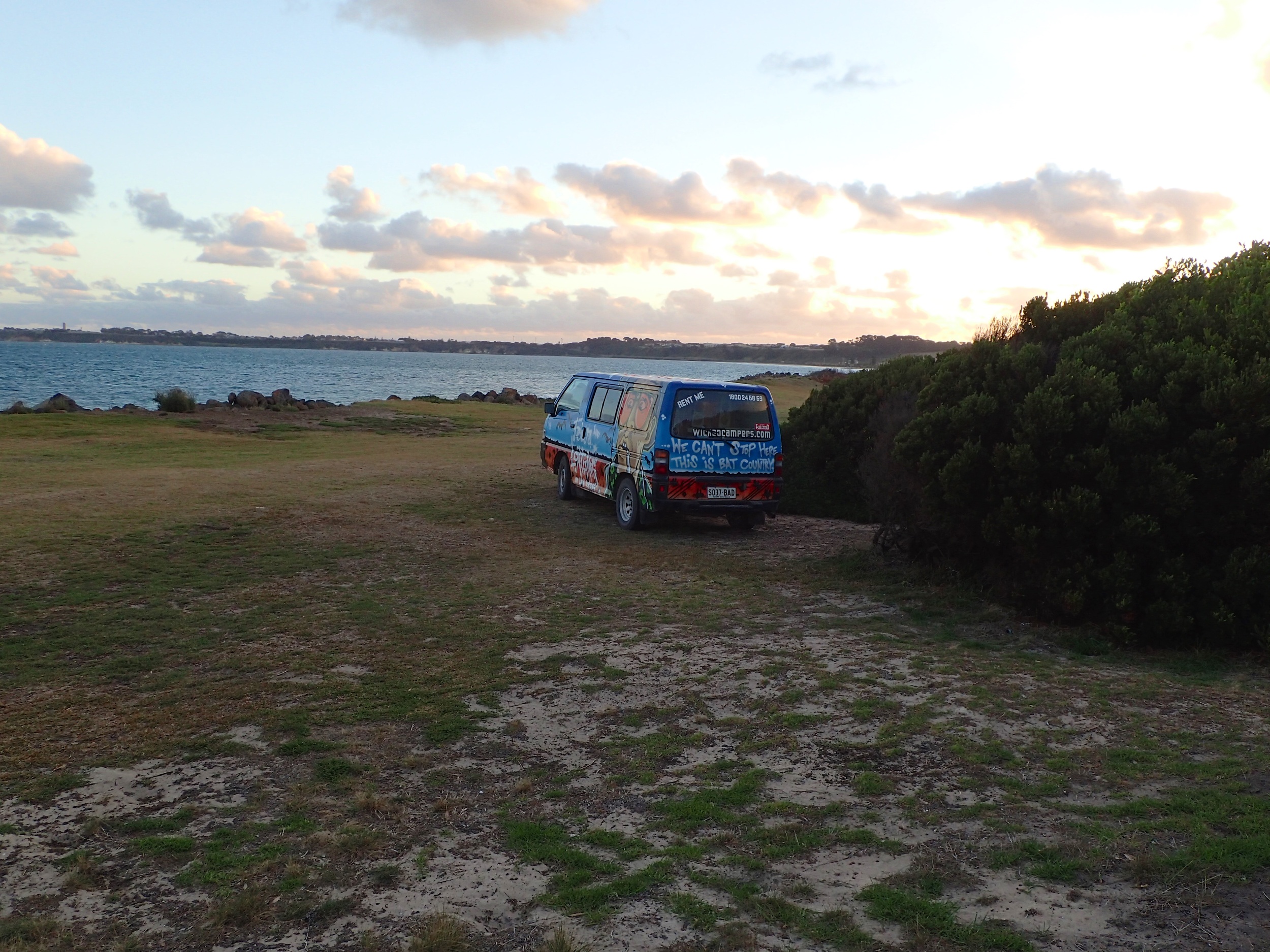
After two marvelous weeks in Adelaide, we drove with a Wicked Camper van to Melbourne. These cars are quite iconic for Australia and ours was a Mitsubishi, with a sliding door. When you close it, you have to use some force and it makes a sound, which gave these vehicles their nick name: "Slam-Bang". The road trip took a week and the nice thing with such a car is, that you are very self sustained and can stop and stay anywhere. The Great Ocean Road was actually not what impressed me most. But I was thrilled by the volcanic geology and landscapes, as well as by the coastline. When watching the ocean swells (which only make 1 % of the sea's surface, but 50 % of marine life) you can feel not just the enormous power of these currents, but also that they are some of the most venerable point of our planet's ecosystem.

Rediscovering SCUBA diving

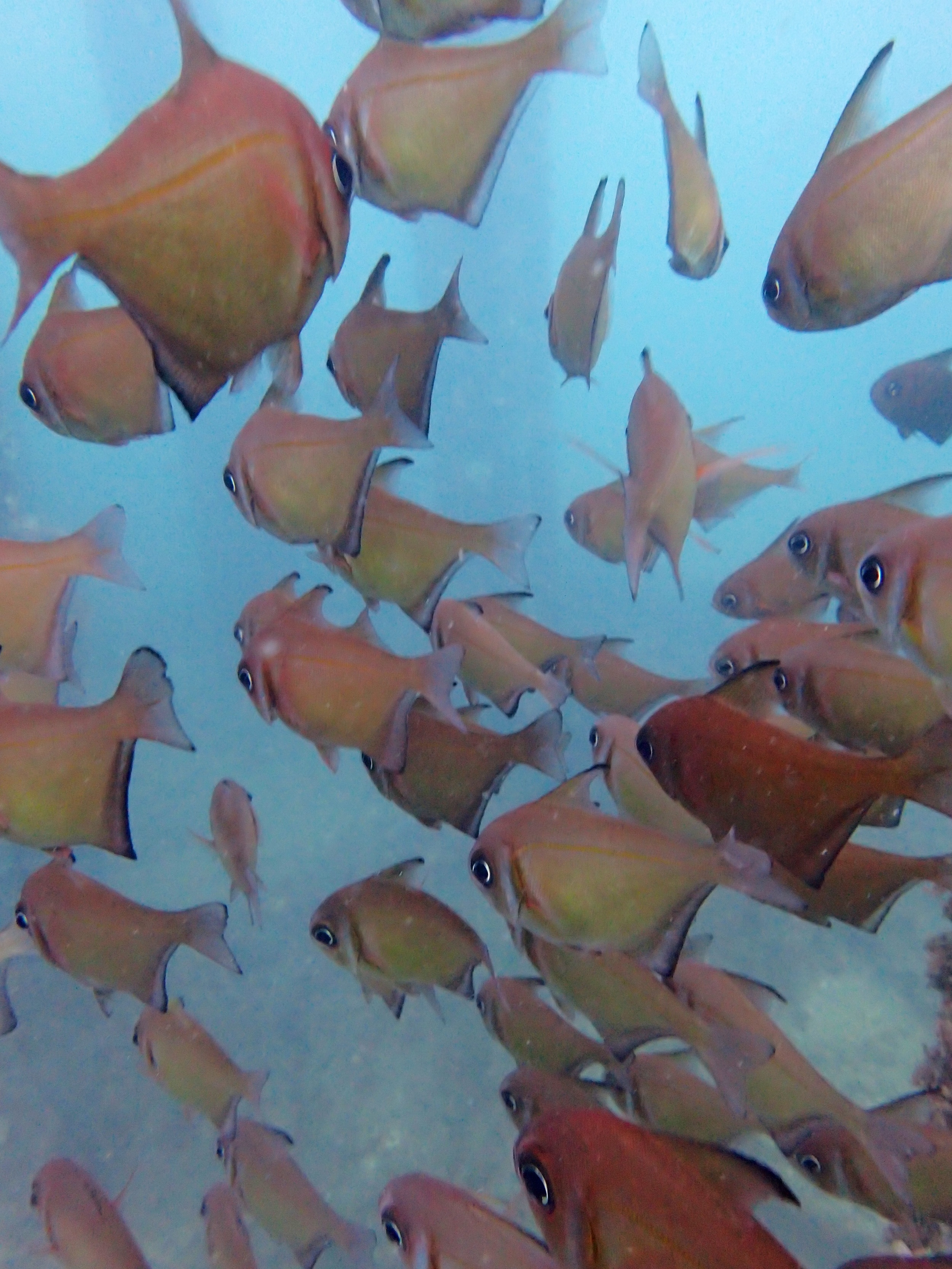
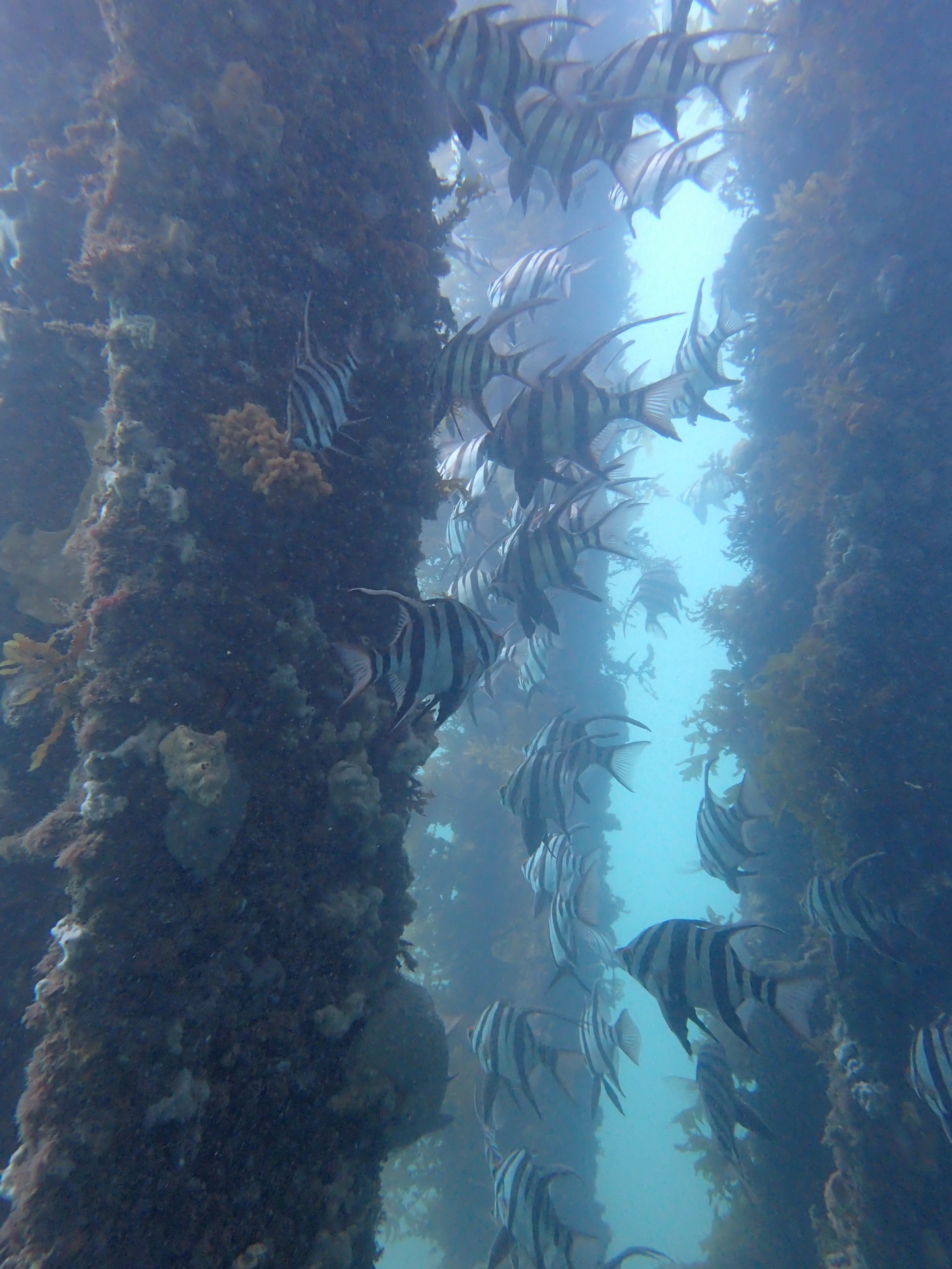
So many things have changed in the world of SCUBA diving. First of all, for me and just right now, I am not only around flooded quarries and with the Indian Ocean in front of my nose, it would be a strange not to go and have a look how it looks like. Secondly, Feibai found a very good Diving School (Diver's Delight). After so many years, I found it best and safest to start as a beginner - because that's what I technically am. So, I learned about PADI (which did not exist back in the late 1970s and early 80s), and new tools and equipment. I started looking at things, still coming from the world of Hans Hass and Jaques Yves Cousteau. Sure, some things are like riding a bicycle and you never forget them. But better to find that out slowly. Scott and Steve from Diver's Delight were brilliant teachers and yesterday we had our final training dive in Rapid Bay, South Australia (download GPX-file by clicking here). Feibai joined also, and it is the first time we were dive buddies. Great fun. Now we are ready for more.

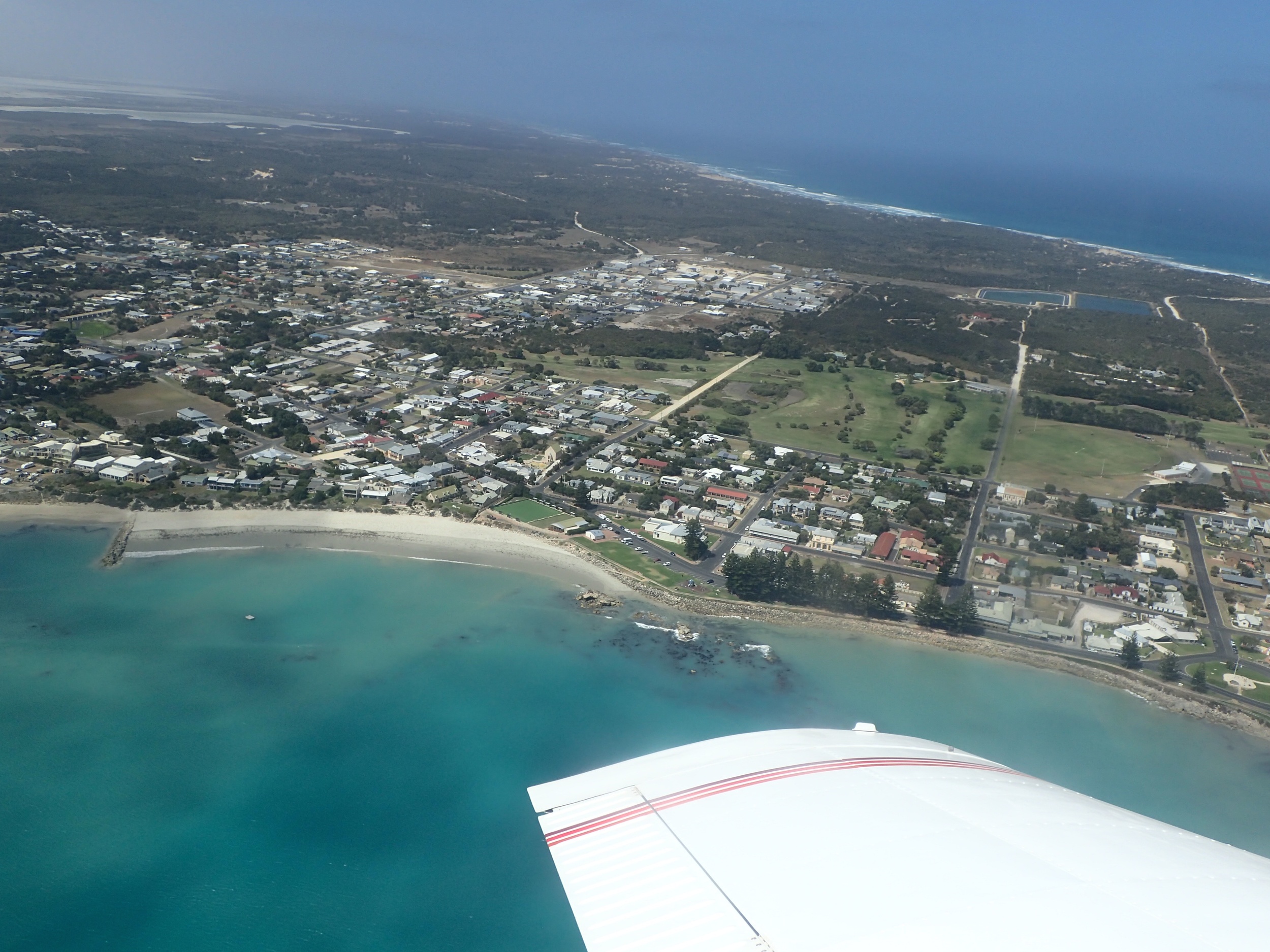
Driving from Adelaide to Rapid Bay.

Driving from Adelaide to Rapid Bay.

No worries

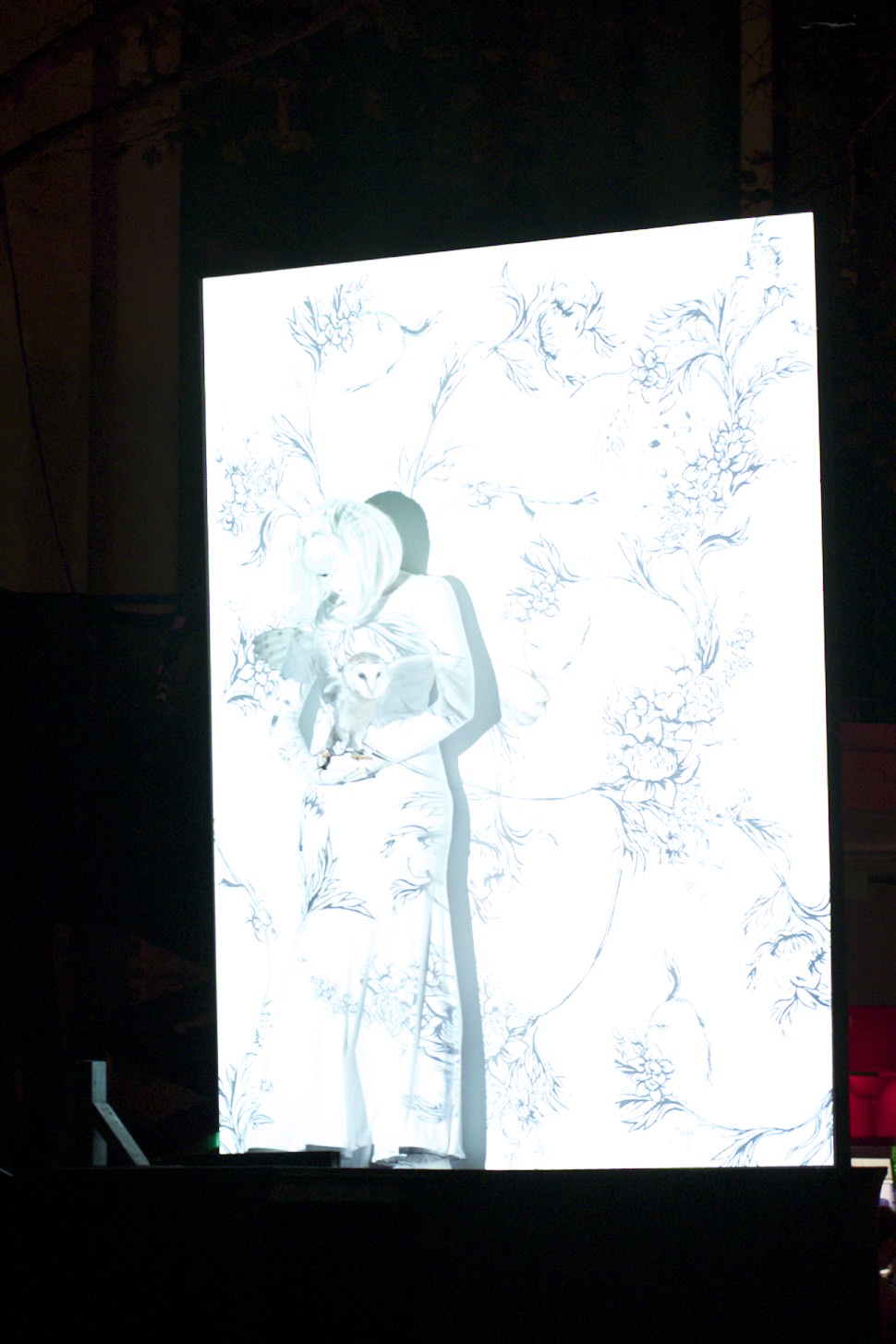
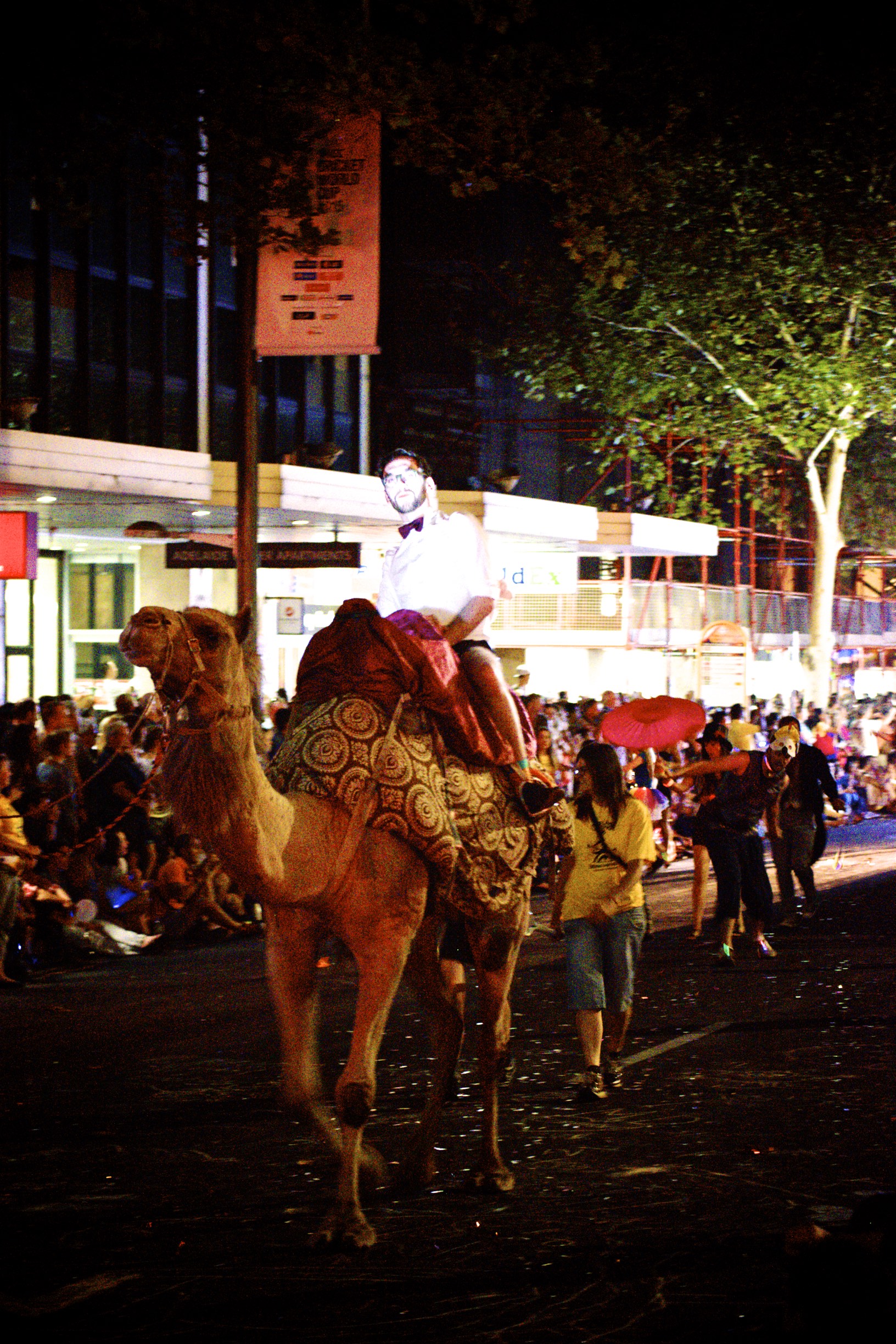
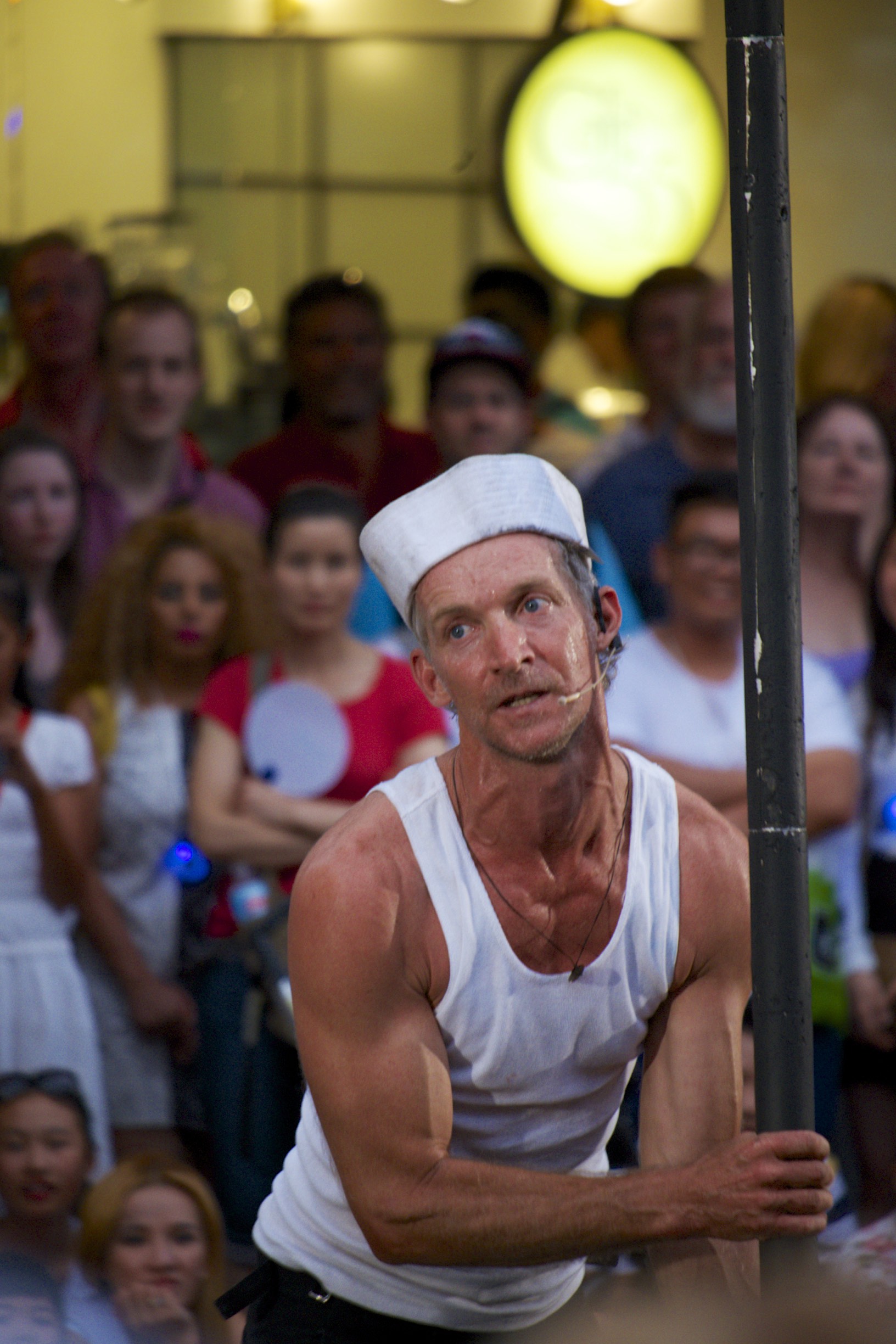
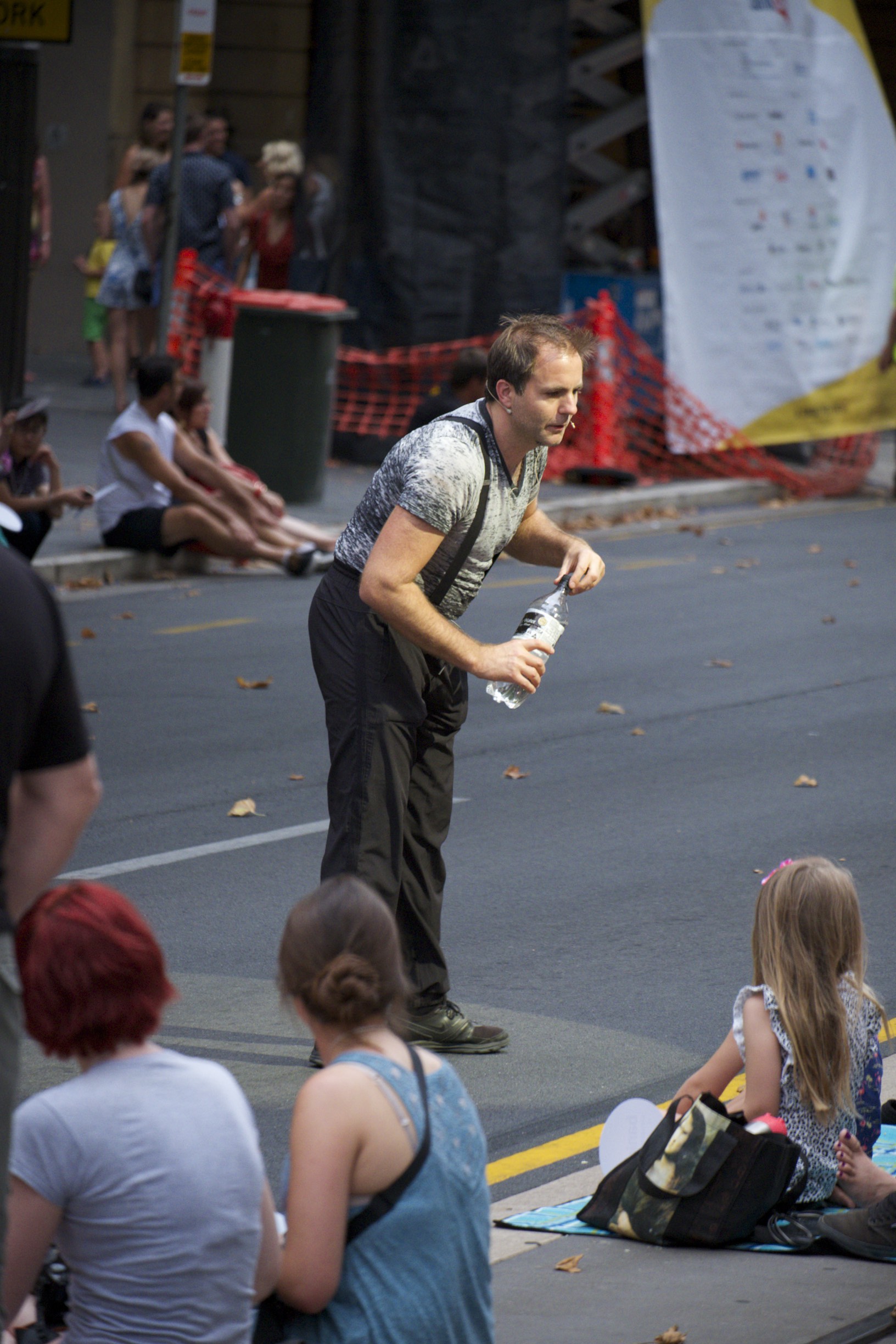
After SCUBA-Diving last Thursday, I had a good mix of work and leisure. Friday night the Fringe Parade opened the festival in Adelaide, which is a very broad and nice cultural event. We had great fun, and the whole city was partying. The last few days then were quite hot and beside a weekend stroll over the beach, we did a small trip up to Port Adelaide, where there are quite a few efforts going on to attract visitors into markets, events and museums. I liked the South Australia Maritime Museum, which combines its topic naturally with immigration and how it partly formed Australian culture, while the South Australian Aviation Museum displays quite a bit of pioneering spirit. Starting the week at Adelaide University and in the State Library with meetings and preparations. Unfortunately, the library had to be evacuated due to a failure of the fire alarm system. But just a few hundred meters on, is already the City Library. No worries. Also nice, with a large rooftop terrace, and more of a community flair: kids doing homework, far sounds of electric guitars from the street artists, people coming up from the computer store and setting up their new laptops.

Olympus Tough 2.0 (TG-2)

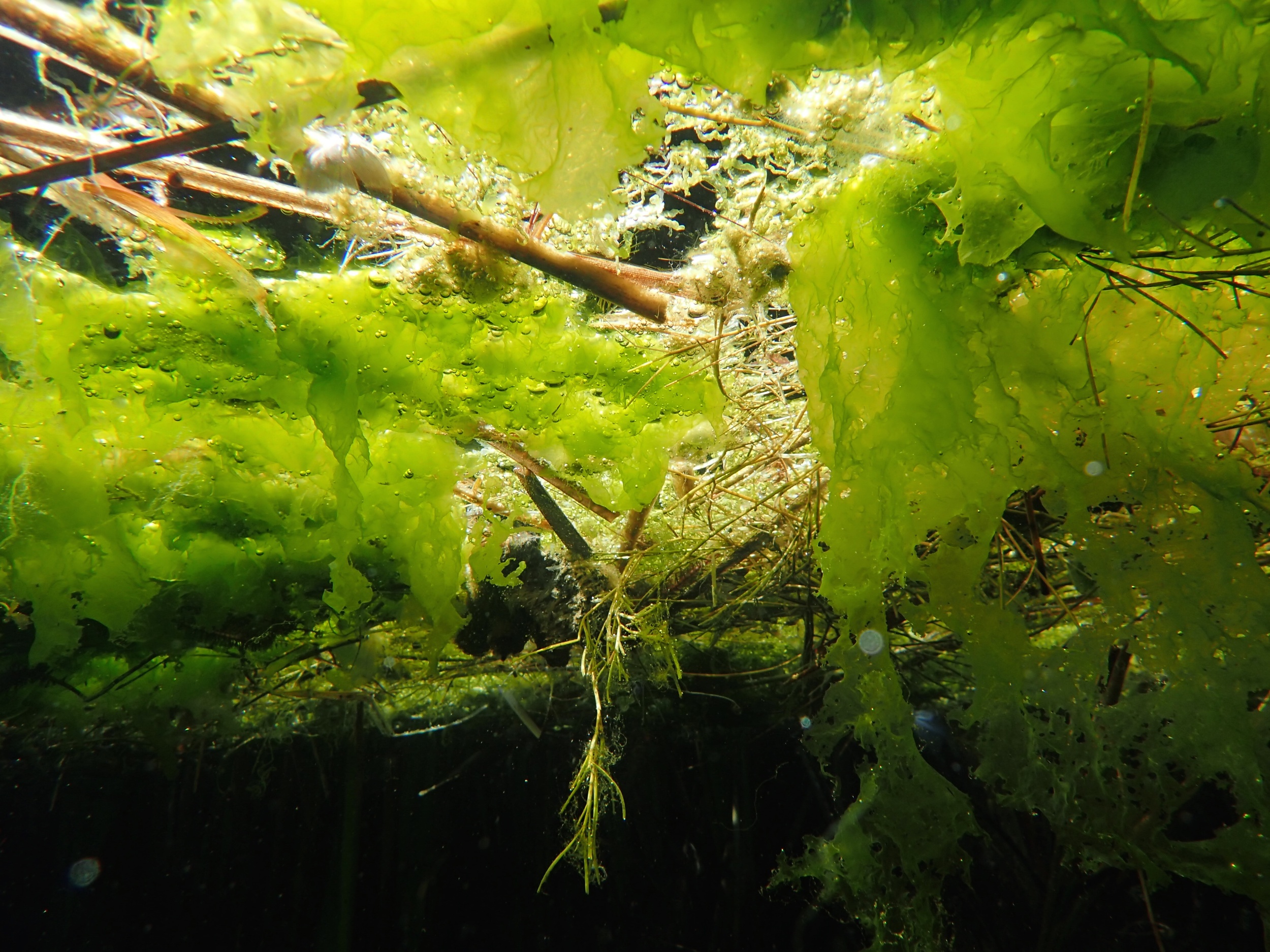
When we were in the Netherlands in December, the Olympus Tough 2.0 (TG-2) was promoted. And as the Euro already was quite down (thank you Greece), I bought one thinking of rough weather and a bit of snorkeling ahead. I had before, one of the previous models, which was quite good, but had sometimes problems with the lens protector opening in murky water. But this new model really goes beyond my expectation. It seems to keep its promise of 15 meters submersible depth and the f/2.0 is really great at low light. I am impressed.

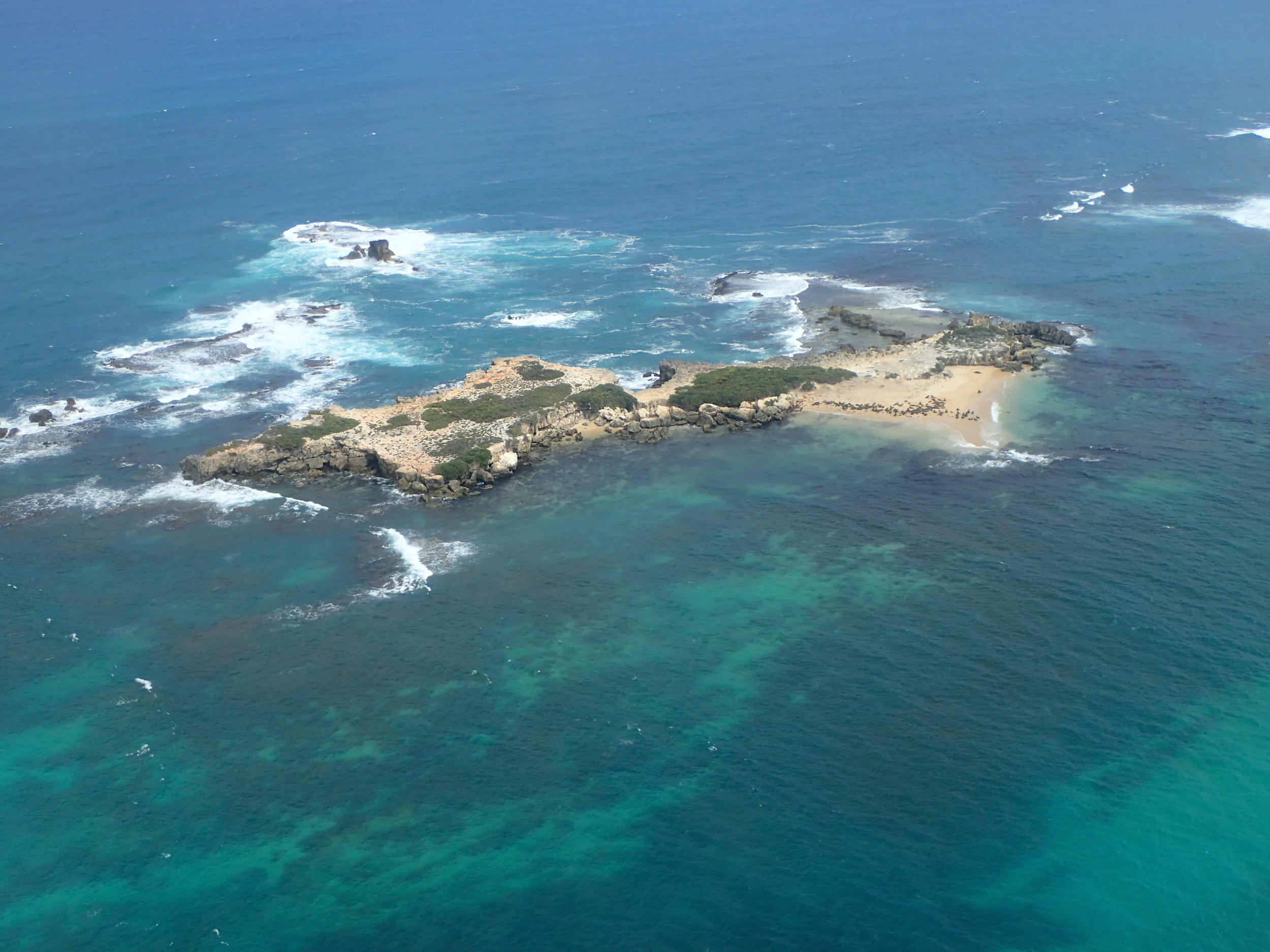
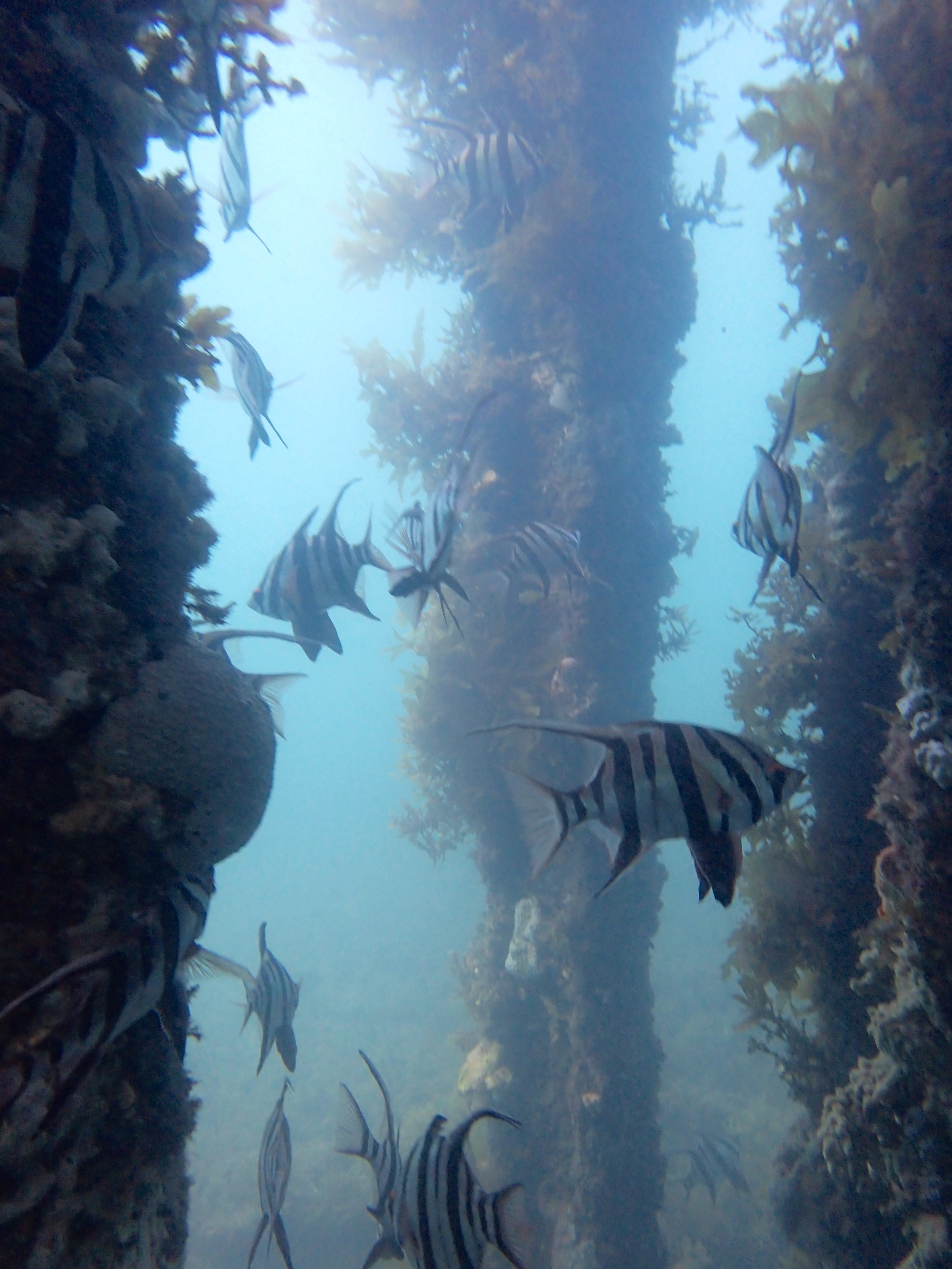
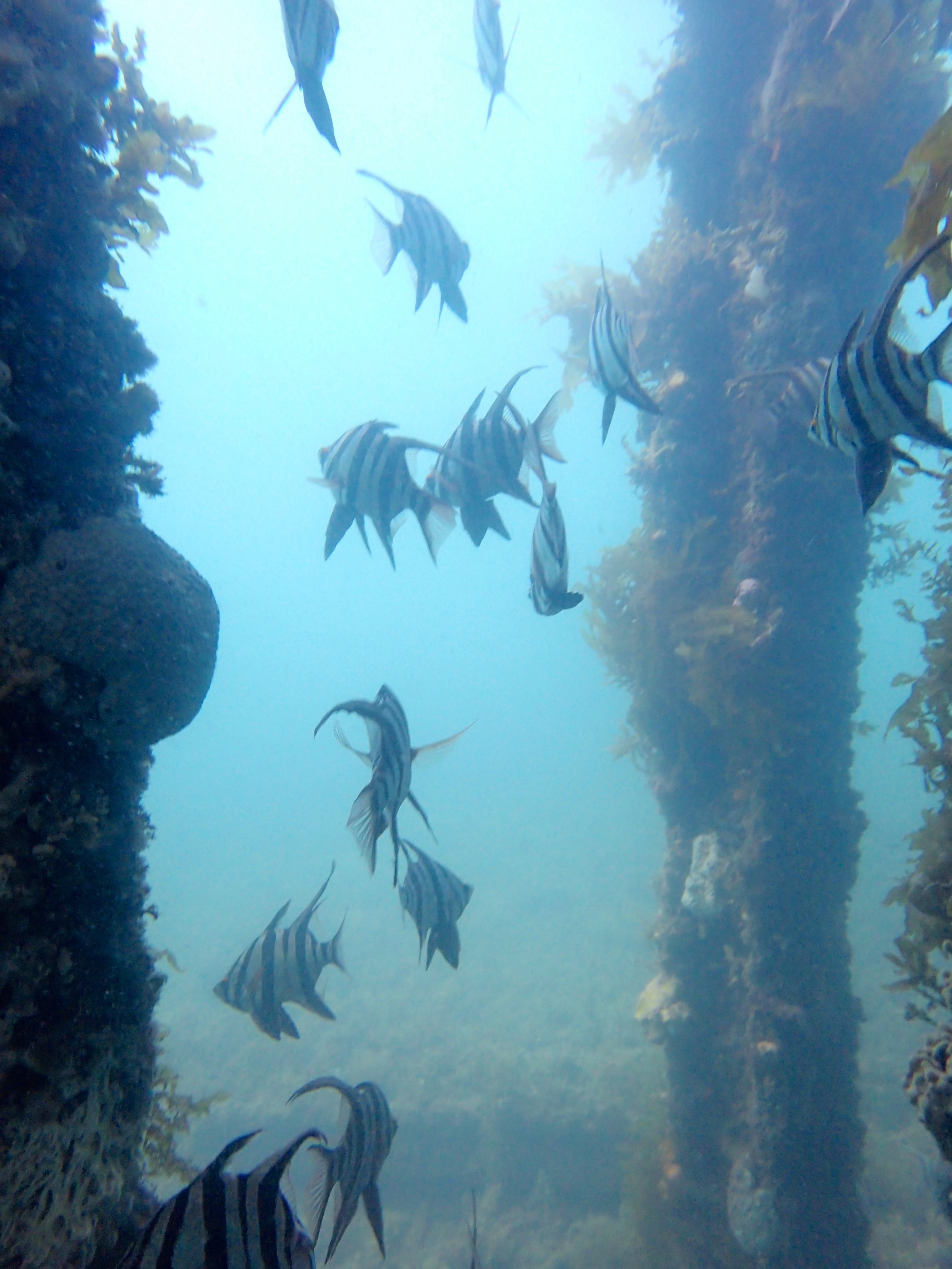
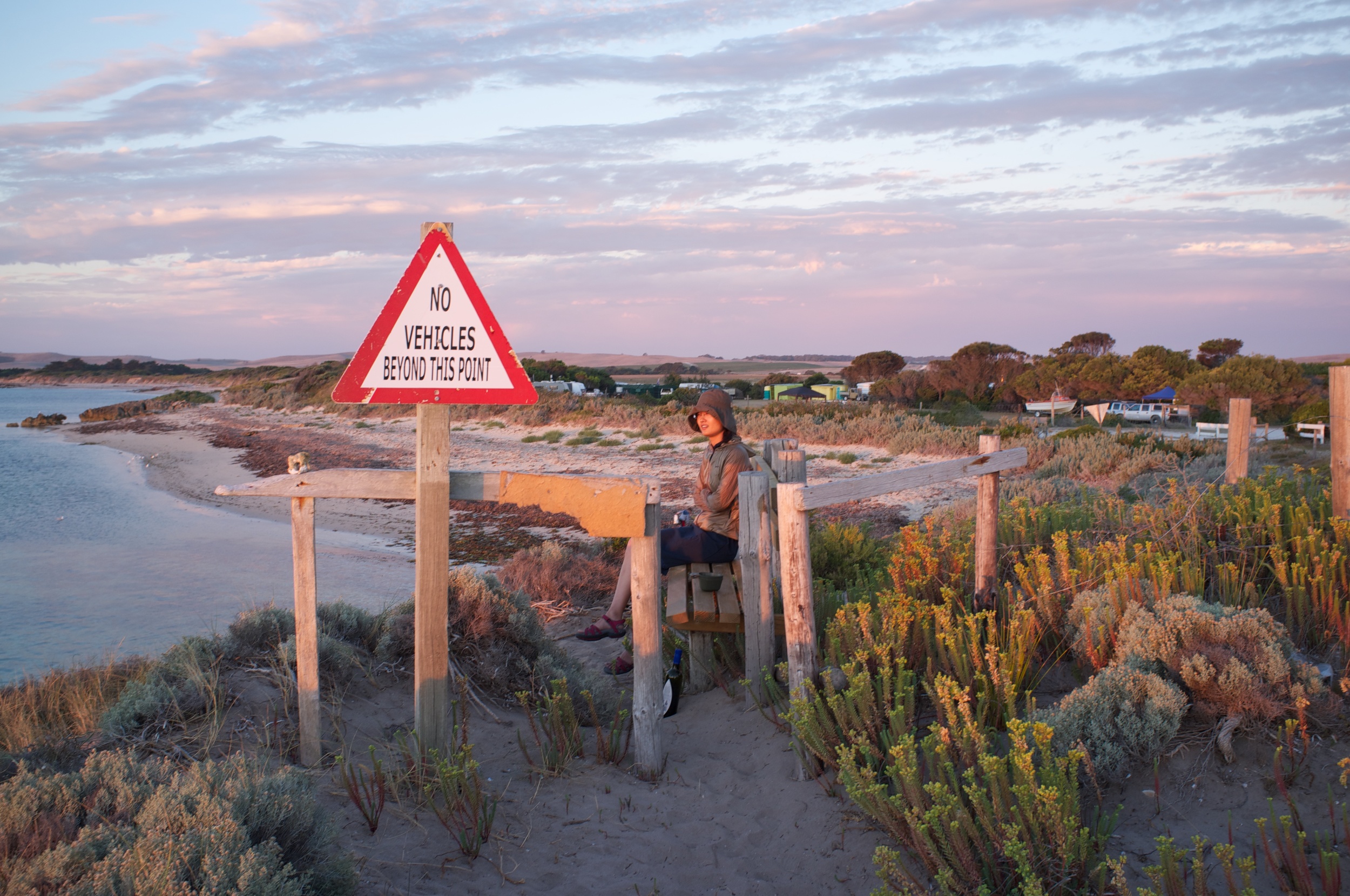
Snapshot with my Olympus Tough 2.0 in the Indian Ocean close to Adelaide.

Snapshot with my Olympus Tough 2.0 in the Indian Ocean close to Adelaide.

Office Hours

Hong Kong was busy and somehow over a month time you catch up with the speed. It does not mean you work more, but actually less. Now we are already a week in Adelaide, South Australia, staying in a very nice place in Carrington Street. The city is slow, and I get much more "done" here. Undistracted I prepare lectures and sit for hours in libraries working on publications. And the rest of the time I spend outdoors, out of which even some hours under water in a PADI diving school. I always found short office hours very important to work efficiently, since I booked on my time sheet "Office & Administration" together in the same category as "Sick Leave". Anyways, new things are not discovered in offices, but in labs, workshops, libraries, and perhaps even in a coffee shop or beer garden.  

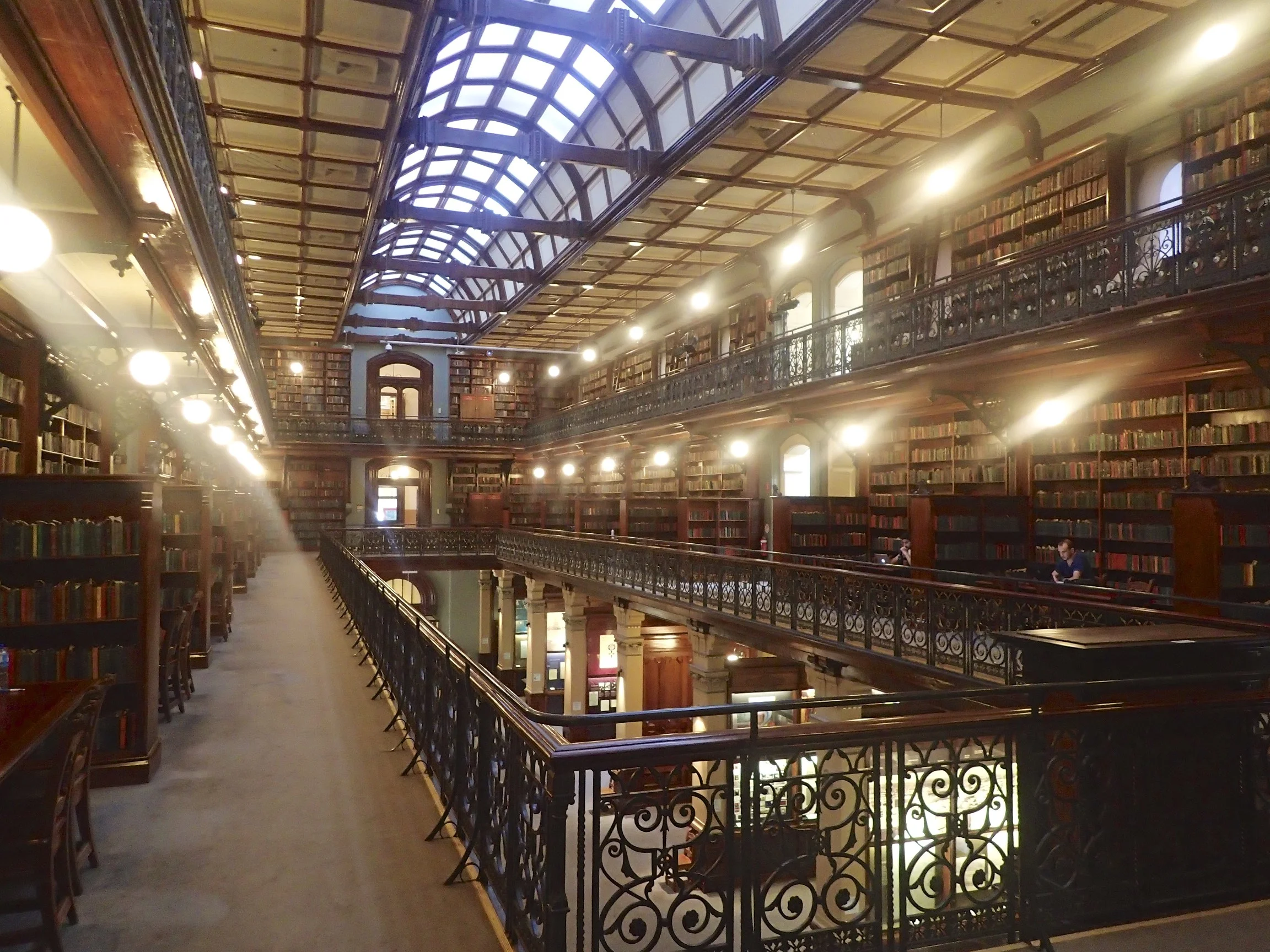
Opening hours of the Royal Geographical Society, North Terrace, Adelaide (South Australia). 

Opening hours of the Royal Geographical Society, North Terrace, Adelaide (South Australia). 

Impressed by EMBA Global Asia

Yesterday night I was invited to to the Hong Kong Four Seasons Hotel, and talk on the future of the Chinese Auto Industry. This was for the information session of EMBA Global Asia. It is a joined Executive MBA Programme of London Business School, Columbia Business School, and The University of Hong Kong School of Business. Back in 2008, when I was the Programme's Dean in Hong Kong, I already believed that we are creating something exceptional in Business Education: truly global, academically rigorous and a life changing experience far beyond the classroom. And when I met yesterday some of the alumni and prospect students, I was literally blown away. Under the restless effort of many people after my time involved, this has developed into one of the world's strongest Executive MBA-Progammes. It will be interesting where it will be in the rankings, once the time has come. The mother programme, EMBA Global, which is run unitedly by London Business School and Columbia University Business School, has been ranking world's number one in the Financial Times, just when EMBA Global Asia was launched. At that time, we always comforted ourselves that the ranking of the Asia stream will be still years ahead. But soon this time has come. And I am very confident, that the quality will be recognized also in the rankings.

Old and New

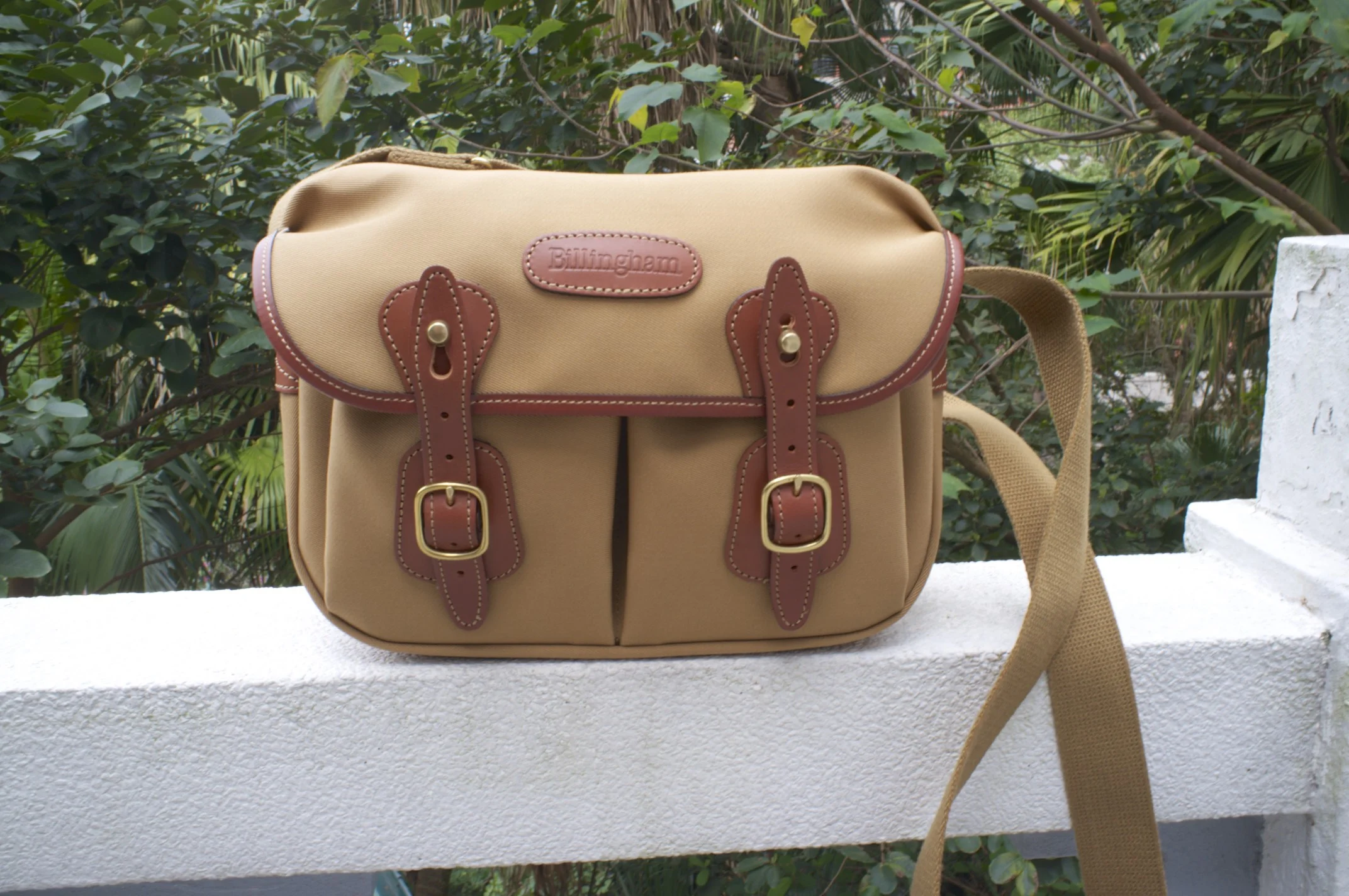
As I posted before, most of our belongings got destroyed while shipping them from Beijing to Germany at the end of last year. It became not really clear how this happened, as there were at least three companies involved in the sea freight. It is not value added by a service, when at the end of the value chain stands an insurance company. But luckily the financial settlement went through reasonably well. So, here we are: value destroyed, and price refunded - a bundle of cash in our hands. First of course, we bought the things we needed. They are actually not many. All our destroyed items have been well selected and carefully maintained. They were never our "stuff" only, but more of a collection of items. You cannot just go shopping and buy them again. Specially, as we both hate shopping anyways. But as books are closed, here and there comes a piece which is special and new, and another one which is a successor. Feibai bought me back my camera bag. Very happy with it. And soon, it will also have seen the world, as we are just now exploring it. The rest of the compensation, we decided to spend on memories and not on "souvenirs".

My brand new photo bag, as I got in in Hong Kong

My brand new photo bag, as I got in in Hong Kong

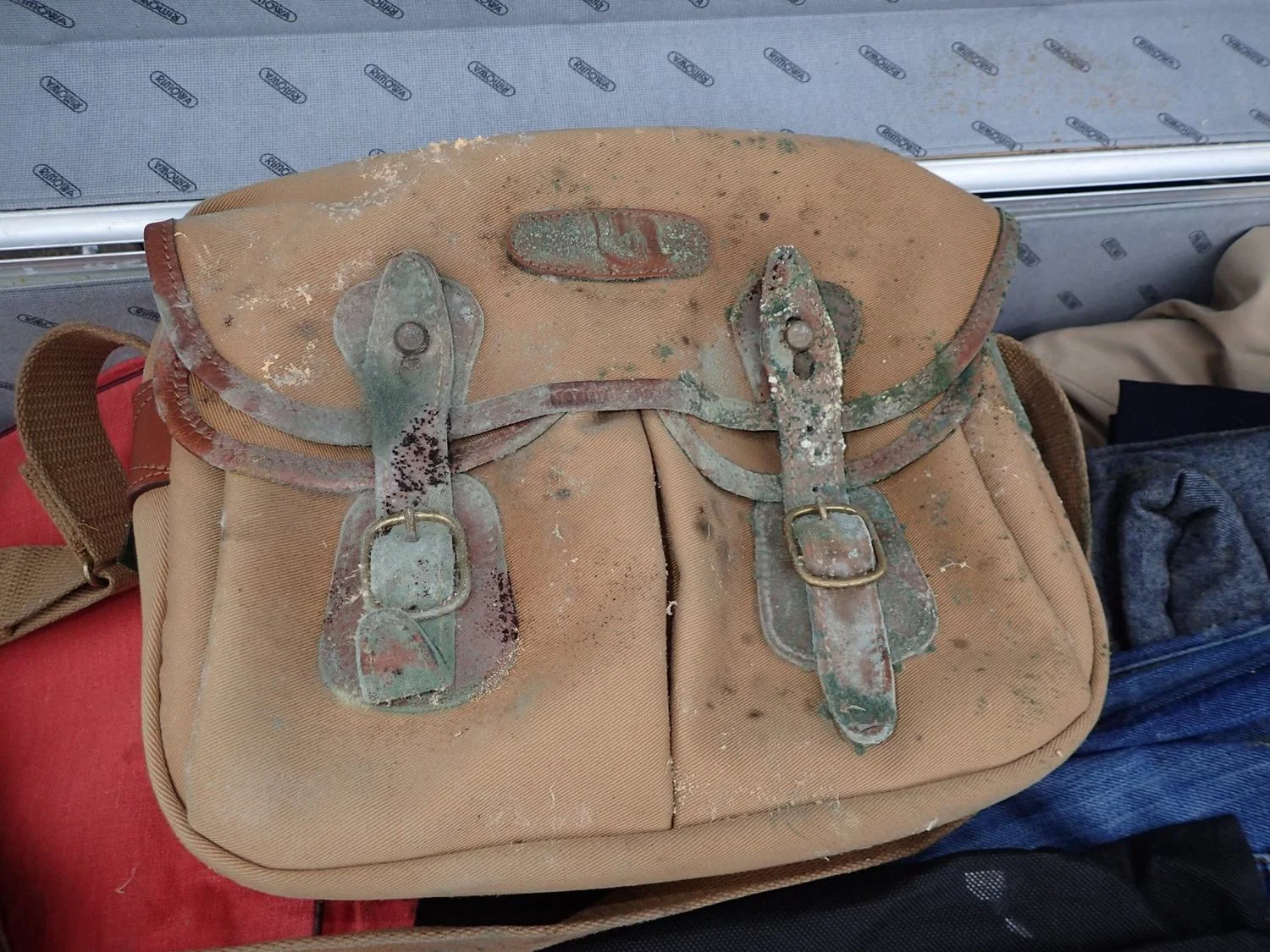
My old photo bag, carrying not just my camera, but also memories of world travel, after it was shipped from Beijing to Germany.

My old photo bag, carrying not just my camera, but also memories of world travel, after it was shipped from Beijing to Germany.

Thank you and good bye

Last Saturday I taught the last class of my course on "Management Consulting" in the MBA Programme of The University of Hong Kong. As often said, you learn things by teaching them. It is because, you have to do the abstraction first, before you can teach. And in this case, I enjoyed it even more, because I had very smart students. My guest speakers, Joanne Ooi, Thomas Lesinski and Feibai made it even more colorful. Great fun. This, and of course the very nice faculty interaction at the Faculty of Business and Economics, made me decide that I will come back later this year. For now, it is time to say thank you and good bye. But  also, as it is a term in anglo-american environments: take care and stay in touch. And I mean it. 

PMBA6016 exhausted but still smiling at the end of an intensive course. 

PMBA6016 exhausted but still smiling at the end of an intensive course. 

After a whole day teaching on Saturday, our Sunday was quiet and we started off with a long morning walk up to the little and less visited summits around The Peak. I will resume on the basic concept of not working on weekends, I think. As our next stop is Australia, this will come quite naturally, I guess. In the afternoon, we went to a movie theatre to see a performance of National Theatre Live in London. It is really a great idea for a Performing Arts venue, to reach out to a world audience this war. Very well made.

We watched Frankenstein with Benedict Cumberbatch and Jonny Lee Miller. Watch trailer by clicking here. It was amazing. Of course, it is different than being in the theatre in London. But it also has its advantages, as you have the best angles through the camera and are not bound to your seat. The performance itself was spectacular. I was shivering in my seat, not because it is "horror", but because of the way the rather deep story was represented. Back to the campus, I swiftly signed up for their Newsletter (which I do rarely) and started to re-read Mary Shelley's novel. 

One month in Hong Kong

After heading for Europe from China, and enjoying the Christmas month in a traditional environment, we were heading for a month to Hong Kong. I have lived on Lamma Island for five years. Not surprisingly, this felt more like coming come than Germany. But also some things have changed since I left for Beijing at the end of 2011. 

Hong Kong view on a hazy day (which there are many) from the end of the first section of the Wilson Trail.

Hong Kong view on a hazy day (which there are many) from the end of the first section of the Wilson Trail.

One remarkable change is the impact which the Occupy Central demonstrations had on the consciousness of many people I spoke with. No matter whether the person actually supported or disagreed with the initiative and its targets, it left marks in the understanding of the status quo. For example, a few years ago, when you asked people where they come from, they often quoted the origin of their family, for example: "I am from Guandong/Shanghai/Yunnan". Now, when you ask the same question, you mainly get the answer: "I am from Hong Kong". There are many reasons for this, which have nothing to do with the targets of the pro democracy demonstrations. But no matter why, this is not good news, as the identity gap between Hong Kong and its mother country has widened. Many people in Hong Kong are worried about the city's future. Economic reasons are prevailing for one group, as Hong Kong's economy is running only on one cylinder, which cripples most others. For others, the special rights Hong Kong has, are under threat. It is naive to believe that in a China where the Government consolidates its power and the country goes through a major transition with uncertain outcome, Hong Kong can really expand these rights. It will be hard enough, even only to preserve the status quo. Often I heard that Hong Kong would like to be the "democratic experiment" for China. But back when the agreement of "One Country, Two Systems" was formed, what was meant with two systems was Capitalism and Communism, not Democracy and Dictatorship. And as a "Capitalist Experiment", Hong Kong has failed, as the so-called free economy here, still tied up Adam Smith's invisible hand. So why should the "Democratic Experiment" work any better, in the eyes of the Beijing Government? 

My life in the University of Hong Kong, and as a guest on its campus, is of course very different from most people here. I enjoyed very much starting the days with breakfast in the company of other visiting faculty. As as friendships grow and old ones re-connect, I gathered again a sense of home here. Still very different from living on my island in the South China Sea, but close. Also, the very friendly welcome and the many helpful hands, made this stay very nice. Last but not least, I had a great class of postgraduate students to teach, which I really enjoyed. Still I also got reminded of the downsides of Hong Kong, specially the incredible noise pollution, and the often very closed mindset. I never understood how a city which is technically so open, can be so self centered. But as a short term visitor, surrounded with the forefront of Hong Kong academics and entrepreneurs, these downsides vanished into the backdrop and were easy to be ignored. 

I like Hong Kong. Not every part of it. But I like the country parks, as well as the narrow street canyons. It is a city that works, and people make the most out of their limited resources. In the end Hong Kong, is a city "on the rocks" - where no city would have been built, was there not an anomaly in history. It is a city that exists against the odds. And as long as it keeps its skills of doing so, it will be an interesting place to visit. 
Good news from a far away country

On a visit to the Hong Kong General Post Office, I saw the former gate kept hanging on an inner wall, of the today very practical building. It says: "As cold waters to a thirsty soul, so is good news from a far away country". I know this spot, as I always liked writing letters and postcards, and came here often during the days living here. It is an unpractical, but beautiful alternative to the electronic means we have. Imagine, back in these days, what it meant to receive somewhere in England a letter from the Colony "Victoria", Hong Kong. Perhaps generations later, these papers were found in an abandoned storage in a shoe box. And what stories they told, and what travel they witnessed? And what do they tell the people who find them? Wondering who will log on our servers, and download our emails one day, long after we have gone. And how would we they even find the plot of our life's stories in all these gigabytes? Will they have to do "Data Mining", or find love letters by "Big Data"? 

Jungle Books

Hong Kong is a funny place, as it is very easy to be accelerated by its speed. After a few hours of buzz, I am always happy to retreat either into my University Office, or back to our temporary home in the Robert Black College Guesthouse. From here I overlook the main campus of the University of Hong Kong, and see even a bit of Victoria Harbour. On my right I have a judge view, and this is why I coined the book I read here "jungle books". This week's highlights so far, were very interesting. When I start with this morning, Barry Kerzin and me ambulated together up to The Peak and I showed him my favorite spot (off the crowds) to overlook Hong Kong. Who would have thought, that I (the orthodox atheist par excellence) become friends with a Buddhist Monk, and find this interesting and inspiring. And he does not just make me think, but we also laugh about the same jokes. Yesterday - the second highlight of this week - I met the newly appointed Dean of the Business School of the University of Science and Technology: Prof. Jitendra Singh. Very quickly our conversation went far beyond business and I was hugely impressed by the broadness and excellent analysis of our exchange. After the meeting, unplanned, we stayed in his office over a spinach pie and continued the conversation, overlooking the sea of Clearwater Bay and its islands. Since then, I have been thinking how the three big players of Business Education could join forces to do even more for Hong Kong.

Jungle Book view from Robert Black College Guesthouse.

Jungle Book view from Robert Black College Guesthouse.

Monday-Sunday

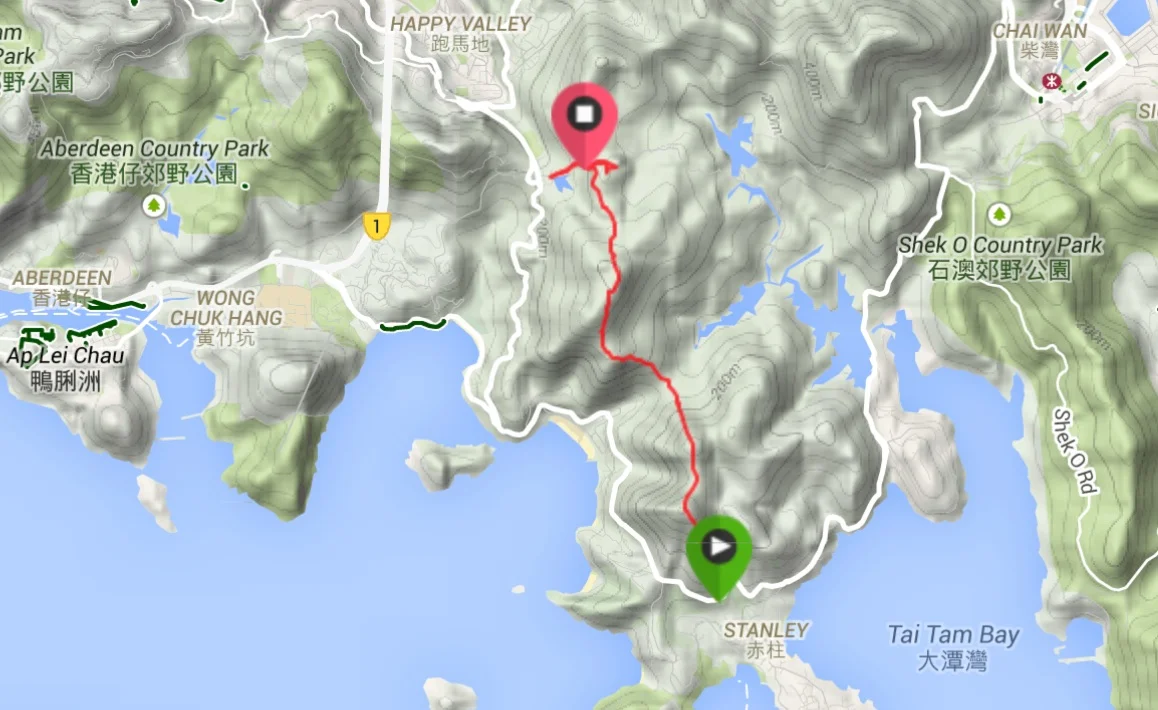
As yesterday afternoon I was panelist in a class of the Kellogg EMBA Programme visiting Hong Kong and China, I decided today to make Monday a Sunday. And what could be better to do on such a day than going for a hike. Choose the first section of the Wilson Trail on Hong Kong Island, starting North of Stanley. Very beautiful views. I found that from the places I feel home, the Hong Kong Country parks are one of them. Entry point is not that easy to find, so you may want to download the GPS-log (GPX-Format) by clicking here.

Steep starting point of the Wilson Trail, North of Stanley (Hong Kong Island)

Steep starting point of the Wilson Trail, North of Stanley (Hong Kong Island)

Map view of the first section of the Wilson Trail

Map view of the first section of the Wilson Trail

View before descending down into the buzzing Hong Kong

View before descending down into the buzzing Hong Kong

Back to the classroom

Teaching my MBA Elective at HKU is great fun. It is a very nice class of smart and engaged students. Even the course covers the whole Saturday and is quite intense, a critical mass stays switched on all day. Given that some of them have a full time job aside, I really respect this level of energy. The Friday before, we had an excellent dinner with Maurice Tse, Sachin Tipnis and Josephine Chan. Under the leadership Dean Eric Chan, their team has built up the MBA Programme of the University of Hong Kong to the level that it was recently ranked Best Programme in Asia by The Economist. Given the intense competition in the region, this is really an outstanding achievement. I know this from my own previous experience with launching the EMBA Global Asia here in Hong Kong University. It is tough. So congratulations. Even rankings are not the only thing to look at, they do reflect the quality of delivery and design of educational programs, and last but not least the standard of students. And this time they are really good. Nice to be back to the classroom.
Getting ready for the next lecture on Sunday

Getting ready for the next lecture on Sunday

New Territories

Yesterday morning I made a trip to the wonderful green campus of the Chinese University of Hong Kong in the New Territories in Shatin. Was nice to be on the train to Luohu again after so many years. It changed. Still of course it is the terrestrial axis for a lot of exchange between Hong Kong and Shenzhen, which in many ways are becoming more and more sister cities. The train carries a large spectrum of people: transit travelers, business people, trades people, students. In my perception there were this time less smugglers, and less "foreign friends" yelling at their mainland factory managers on the phone. For those who want to know more, a nice local literary account of this train is The Train to Lo Wu by Jess Row.

I dropped off the train at the University station, briefly took the chance to congratulate Kalok Chan, the recently appointed Dean of the Business School, on his new position. Then I had an excellent lunch and conversation with Michael Ferguson and Marjorie Chang, whom I both have not seen for ages. Definitely I wanted to spend more time on the campus, but returned to HKU in the afternoon to attend the public lecture of Roderick MacFarquhar, who is currently visiting from Harvard University as a Distinguished Chair Professor. He spoke on China in Transition - The Impact of Xi Jingping. His book Mao's Last Revolution, co-authored with Michael Schoenhals, has been on my reading list for long. Now that I heard the lecture, actually I want to add his publications on the Great Leap Forward. But my reading list is already very long and I have to catch up with the current titles first.

This talk was really excellent. Among many insights, my main takeaway was, that Xi Jingping might be better understood, when acknowledging that the collapse of the Soviet Union was a trauma for the Chinese Communist Party. If you look at what made the Soviets fail, then some of the tight actions of the new Chinese government are better understood. Also, it was interesting to see the current role of the PLA and the curbing of corruption seen in perspective. As a evening event I attended the Swire scholar's event on the Fall of the Berlin Wall in the Robert Black's College Guesthouse. It was a nice little gathering, and great to get to know most of my neighbors. 

Midtime Hong Kong

Every morning around five, groups of elderly ladies gather on the still empty campus and do exercise. Sometimes it is a form of Tai Chi, sometimes normal gymnastics and stretching. It is not surprising when you see this that Hong Kong has one of the world's highest life expectancies. I was also told it is a certain soup, people drink here. Mostly, it is of course the well managed public health service. So, it gets a bit noisy in the early morning, while our days starts with a late breakfast, where we often meet and chat Barry Kerzin, who recently founded an initiative on Altruism in Medicine and is teaching at the Medical School and the Centre of Buddhist Studies. Very refreshing. 

My courses are going well, and I am trying not to be overwhelmed by all the friendly and kind invitations I receive, since I am here. One month, I have to admit, is too short. Next time would be longer. It is already mid-time in Hong Kong. 

Construction workers in Wanchai. I love the practical spirit in Hong Kong. Though this one looks a bit unstable, it is perfectly save. Perhaps. 

Construction workers in Wanchai. I love the practical spirit in Hong Kong. Though this one looks a bit unstable, it is perfectly save. Perhaps. 

Campus life

Enjoying the campus, since this week I moved into my new office on the Main Campus of  The University of Hong Kong. Even the view is less spectacular than in Cyberport, I like the atmosphere. It is nice to mingle across faculties, and to catch up with friends and what is often called the business world. Quite enjoyable and sparking many new ideas. Tomorrow will be a long teaching day and I am looking forward to see what my students came up with in their assignments. This should become an interesting discussion. And for the next week, we already raise the stakes. 

Hanging out in the Earth Sciences of The University of Hong Kong.

Hanging out in the Earth Sciences of The University of Hong Kong.

First week in Hong Kong

Since I have arrived in Hong Hong I have been preparing course material, teaching a class of smart students at HKU, and catching up with friends. The week passed by very quickly, and perhaps I should have scheduled more than a month in town. But we can always come back. Yesterday, we visited my friend Magnus Barlett in his habitat on Lamma Island - the publisher of wonderful books and maps and owner of Odyssey Publishing Company. It is always a nice trip over to the island, specially off the beaten tracks. Sure, there is a bit of melancholy swinging for me when setting foot on the island. There were times I thought I should have never left it, perhaps like the pianist in the movie 1900. We had coffee on his sunny terrace and seafood, as you should never miss it, when you come here. Magnus' parents were painters and at his wall, in his study, he has a painting by his father, showing a bedroom in their house in Greece. It immediately resonated with me, like Chambre a Arles. I like it a lot.

Room in Greece (Bartlett Sr., as taken with a point and shoot camera on Magnus' wall - against the South China sea sunlight coming in from the right)

Room in Greece (Bartlett Sr., as taken with a point and shoot camera on Magnus' wall - against the South China sea sunlight coming in from the right)

49th Birthday in Hong Kong

Many thanks for all the birthday wishes. I have spent quietly my 49th birthday, working leisurely and having a modern Japanese dinner in the Hong Kong Mid Levels. It is a perfect season here: palms, but no mosquitos. I am impressed by the new HKU subway station, which just opened a few weeks ago (MTR they call it here). In 10 minutes I can be in Admiralty.  Very kindly, the Faculty Office will provide me an office on campus from next week on. Cyberport has a great view and excellent facilities, but of course the main campus has a different aura and it is easier to mingle with colleagues and friends.

I am enjoying a lot to stay at a comprehensive University, which spans all faculties. Joined a talk by Prof. Lucien Bianco yesterday, comparing the role of peasants in the Communist Revolutions in Russia and China. Was interesting for me to realize that the Russian Communists had their waves of rapid modernization, leading to severe famines, well before Mao's Big Leap Forward. They could have been a warning for Mao, what might happen. He either didn't do his homework, or had other priorities. 

My main focus is now on preparing lectures, which will start by tomorrow. This will be fun.