
Leaving Hong Kong in difficult times
After six weeks, I am leaving Hong Kong as planned. Since five months the city is in the grip of mass ignorance, incompetence and is terrorised by a small number of violent rioters. Daily life is ruled by avoiding disruptions, adjusting to event cancellations and rescheduling. On the campus of The University of Hong Kong, students go on their nightly spray of "F-words" with no content, but just brainless anger. Since a student of HKUST suffered a fatal brain injury by falling down a parking deck, there is beside the mourning, another round of black-dressed mob rampaging streets, vandalising shops and more and more also performing racist violence against mainland Chinese citizens. Even the tragical death of the student is misused for blaming the police. But if anyone is to blame for this accident, then it is those who fuel these rampages by agitation and misinformation; domestically and from abroad. Overall, many people have probably forgotten why they went to the streets in the first place. It's a circus.
Being struck by significant economic losses, soon people will lose their jobs in large numbers. Frustrations will mount, living conditions will deteriorate, and the brain drain is already setting in. People who speak out reasonably are silenced. Democratic candidates for the local council elections are threatened or even attacked, just by those people who claim they want more democracy. There are all kinds of fractions now, of which the ridiculous one also asks Donald Trump to send troops. People who can do so leave. Companies rethink their Hong Kong exposure and start pulling out, partly because of uncertainty coming from the recent amendment of the US 1992 Hong Kong act. Should the decline continue, some economists believe the pegging of the Hong Kong Dollar against the US Dollar may not sustain. Others think a potential capital outflow could be curbed by rising interest rates. This would have devastating effects on the economy again and let the housing crisis spiral down further. Last but not least, Hong Kong is turning for China from being an asset to a liability. Obviously, there will be soon alternatives to the functions Hong Kong has for China. And as soon as these become available, Hong Kong may sink like a stone in a pool of ignorance, arrogance and self-pity.
During my stay, I had two escapes to Malaysia from Hong Kong. One to Kotakina Balu (for a rest), the other one to Kuala Lumpur. Both I enjoyed, and especially Kuala Lumpur seems a viable alternative to Hong Kong for businesses which operate in South East Asia. The other, even more, an obvious one, is Singapore. I still hear often that Hong Kong would be a "gateway to China". Perhaps it makes sense to adjust this claim to the realities of the 21st century. I lived and worked for many years since 2003 in Shanghai and Beijing. If you want to go to China, go to China. And if Hong Kong does not see itself as a part of that, then that's Hong Kong's problem.
I regret, I could not meet even some of my best friends in Hong Kong this time. And many planned glasses of something cheerful stayed untouchched. But I hope we will have the chance to catch up again soon, may it be in the fallen city or anywhere else on the planet. Keep well. I will be back.

This year I stayed again in the Robert Black College Guest House on the campus of The University of Hong Kong. It is a rustique but quiet place, secluded from the Buzz of Hong Kong.

Twin Towers in Kuala Lumpur and the KLCC. The city appears to be a viable alternative to Hong Kong when it comes to having a South East Asia headquarter. And it is much less cramped also.

Oyster farming in the mangroves close to Kotakina Balu.

After a chaotic week in Hong Kong
The tensions have been building up, at least since I had moved to Hong Kong in 2006: dangerously unequal income distribution, monopolistic real estate development, and fading prospects for the young. I left Hong Kong and moved to Bejing in 2011.
After a century of British occupation, China left Hong Kong untouched and in the spirit of an experiment, whether an ultra-capitalist system can deliver superior living conditions and what can be learned from this. It has been evident for years that this experiment has failed. The British had set up a system of mistrust to the Hong Kong Chinese, and a tight mechanism of checks. But they did not build up a Hong Kong Chinese elite, which would be able to step into their role and at least lead somewhere. Like all their colonies, Britain has ruled these places for the benefit of Britain, not the local people. The tale that Britain brought infrastructure and education to colonies is often distorting the fact that this was only to exploit the colonies more efficiently and to have qualified servants. This is how Hong Kong, for example, became a city of accountants and completely failed to build up technical knowledge or the capability to innovate. Until today, large parts of the education system are mere training entities for useful skills. Very rarely, you find an educated person, and if so, they often come from the Chinese Mainland. One of the last British stunts before the handover was to make the British electric power socket compulsory, to fill their own order books, and make things incompatible to China. Divide and conquer down to a micro-level. I am sure the last British Governor, Chris Patten, has more romantic things to say. That's something they do well: talking.
Four months ago, the bubble burst (a second time). Millions demonstrated peacefully against the implementation of an extradition agreement between the Hong Kong SAR and its mother country. Hong Kong has extradition agreements with many countries. And given that one of the key "services" Hong Kong has to offer, is money laundry and facilitating asset transfers, you can imagine that China does not appreciate having a save heaven for economic criminals within its own borders. But sure, you can't ignore the fears of millions, so the extradition bill was withdrawn. But the frustration, of course, stayed because the extradition bill had nothing to do at all with the shortcomings of Hong Kong's governance. I guess it could have been anything sparking unrest.
Since then, the peaceful protests have bred a violent group going on rampages destroying public and private property and using iron rods, slings, brick, Molotov cocktails (petrol bombs), and sharp objects against citizens and the police. For what I have seen, the police are handling the situation very defensive. Just the fact that there have been until today no casualties is terrific. I cannot believe in any other country, at this level of violence, you would have nobody killed yet.
I have talked to University students ganging up for rampages. They don't know a lot of facts and have a very naive belief in what they think "democracy" can do. Riots give them a sense of belonging and "purpose" in their, at other times, boring and quite meaningless lives. Luckily most of them learned their infantry skills from catching Pokemon and other video games. I do believe they live in some augmented reality. But that they have no clue what they are doing, does not mean they can't be physically dangerous. If you have ever seen what happens in a chicken stable when they start hacking down on a chicken that struggles: this is how these kids fight. They smash from the back people who are struggling, and then they run. Not exactly Bruce Lee. At the same time, they talk of "police violence" and even demand an independent investigation. My guess is that this investigation would find that the rioters have been treated very mildly. Too mild for my taste. But that's perhaps a different cultural viewpoint.
The infrastructure is undergoing repairs, while the rioters now focus their violence on Mainland Chinese shops and tycoon's property. I had to tell a bunch of them off today who wanted to make trouble to the staff in a Park & Shop convenience store (owned by Li Ka Shing, who definetly is a contributor to the struggles of Hong Kong people). They would really harass some of the poorest of the poor Hong Kong shop workers, laboring in this store "to teach Li Ka Shing a lesson". What a bad joke! I can't help thinking of the Nazi mob in Germany in 1933 looting and burning Jewish stores. This was the beginning of a very dark chapter in world history. I hope here things clear up and start to tackle the real issues. In the end, most of Hong Kong's problems are homemade. And if China would not protect and support Hong Kong SAR, most of the accountants here would be already back to fishing.

Star ferry to Kowloon. The good news is that it’s not crowded.

I understand, it’s hard to “think outside the box”, if you live like that (opposite Belcher’s Towers, Pokfulam)

Stanley Tin Hau Temple
Graduating the Masters in International Management
Today I had the honor and privilege to address the students to address students of Tilburg University’s Master of International Management Program at their graduation ceremony. In US schools, this is called “commencement speech”, and I like to keep it in the spirit that it is mainly about things to come. We are increasingly releasing students into an unpredictable future. There are unprecedented opportunities and threats side by side. Increasingly education will be the key to finding solutions and inventing the skills needed for problems of which most are still unknown. What makes Tilburg University special, compared to the other schools I teach, is that it is a humanistic university. As a natural scientist by training, I have often ignored the social sciences side of problems. That’s why for example we discussed Climate Change since the 80s but got nothing substantial done until (hopefully) today. This is what we can’t afford to continue doing and without “Understanding Society” (the slogan of Tilburg University) many of our technical capabilities will be in vain or even backfire. First of all, I wish all students graduating now all the best for their professional and personal future. But there is also something for me in graduation events. It’s always a bit like graduating again myself, role up the sleeves, and go out shaping the future with the best I can. This is how University work is a real win-win situation. Good luck to all. See you out there.

In the Aula of Tilburg University - Understanding Society
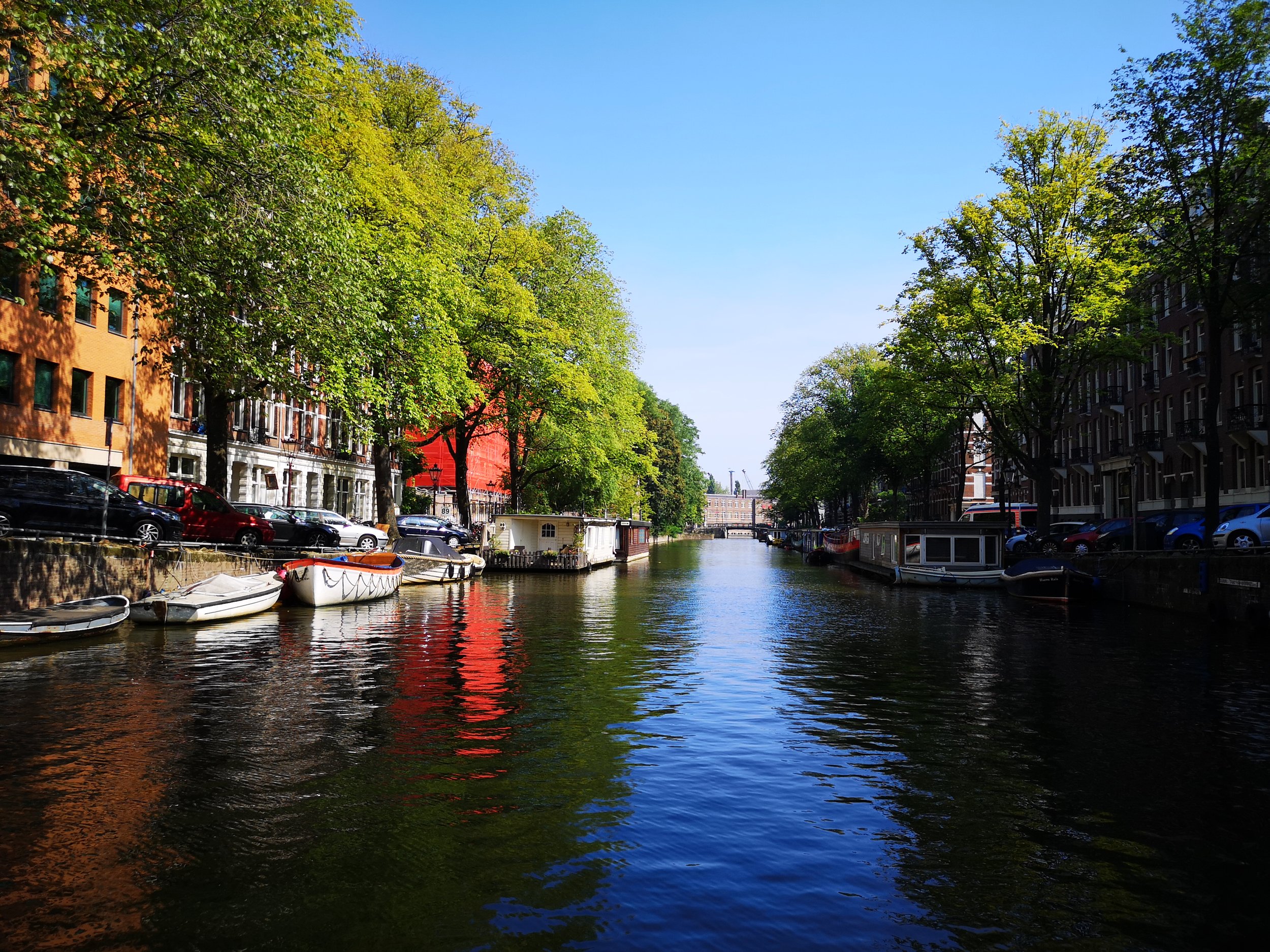
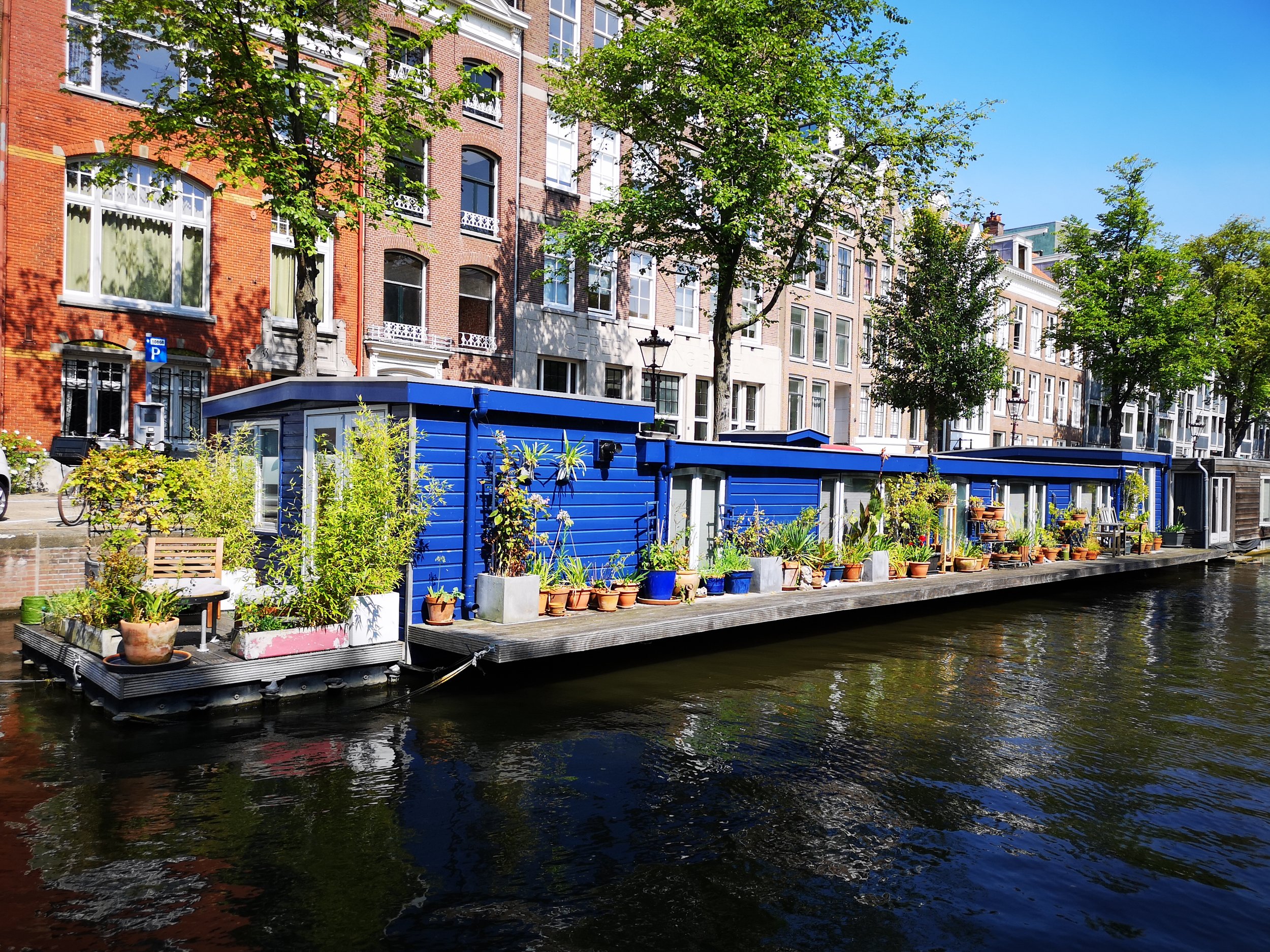
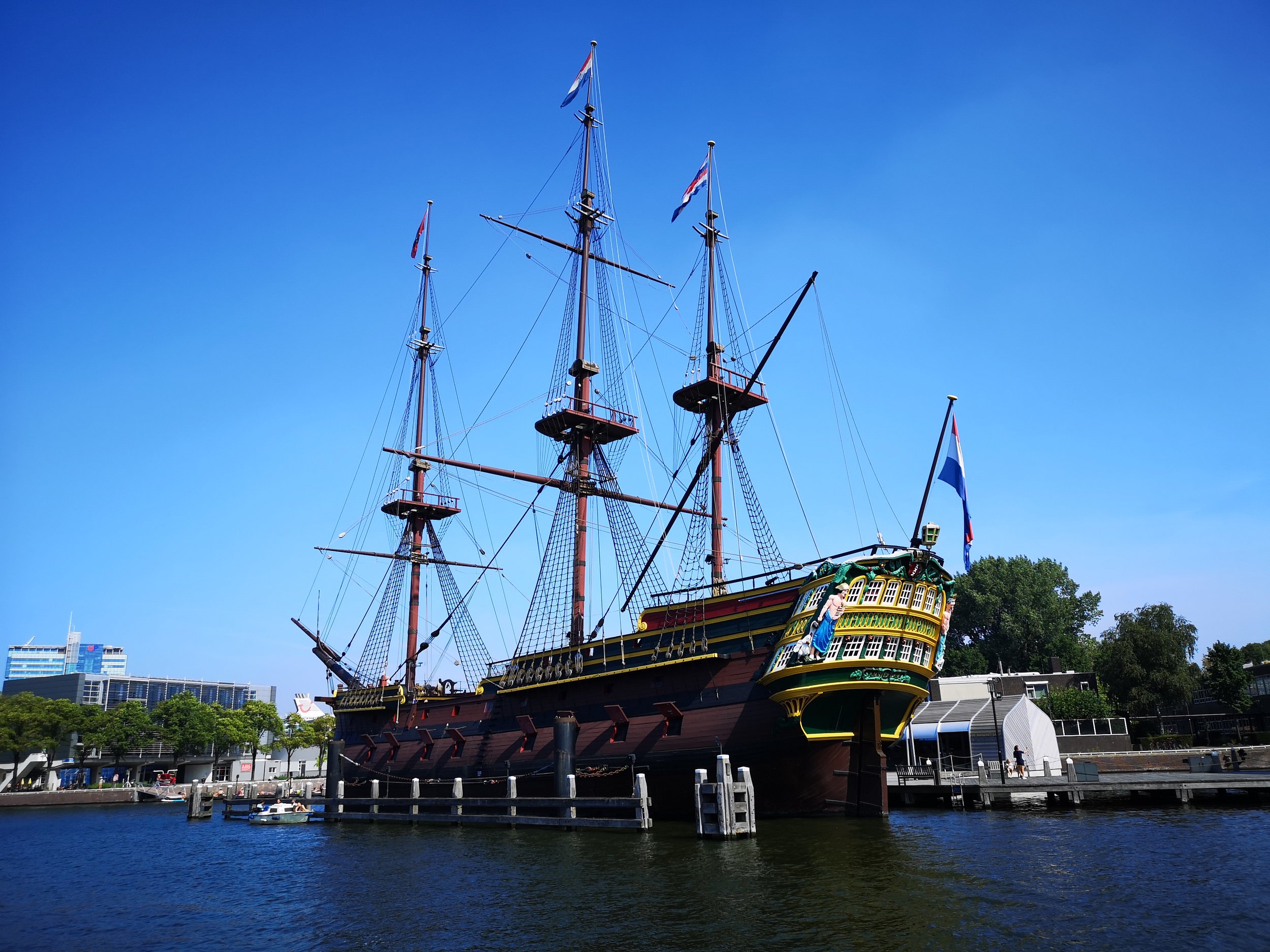
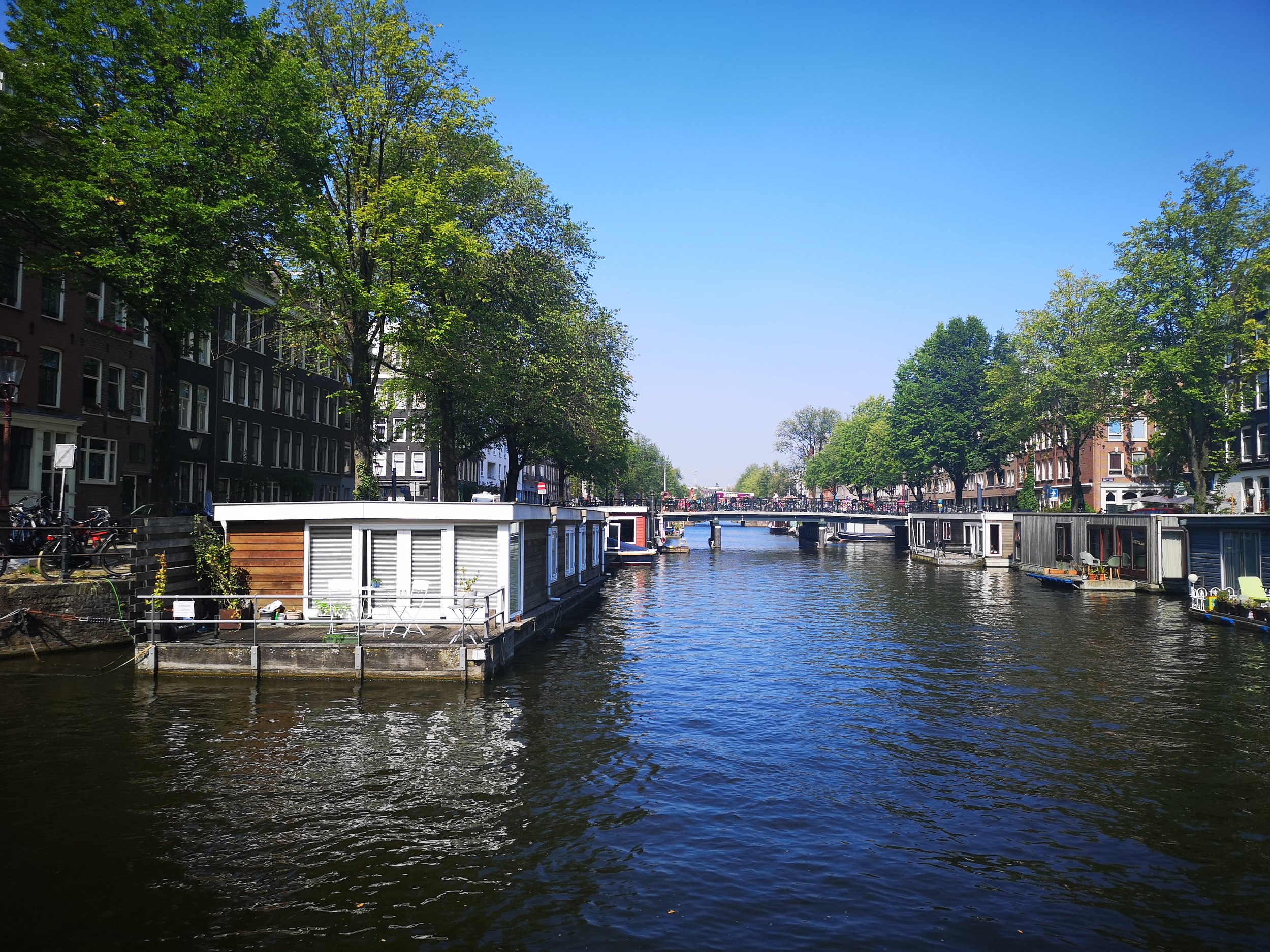
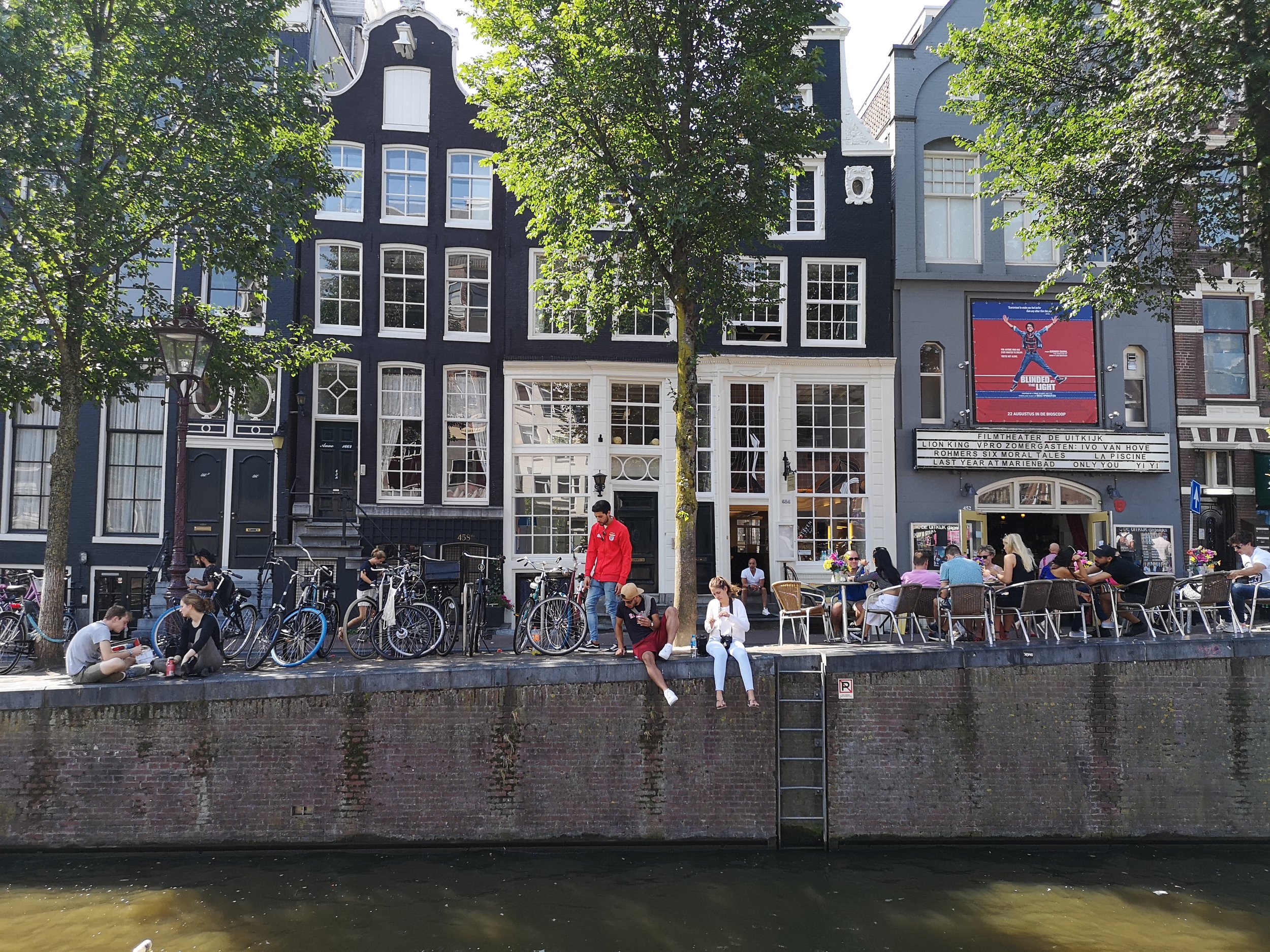
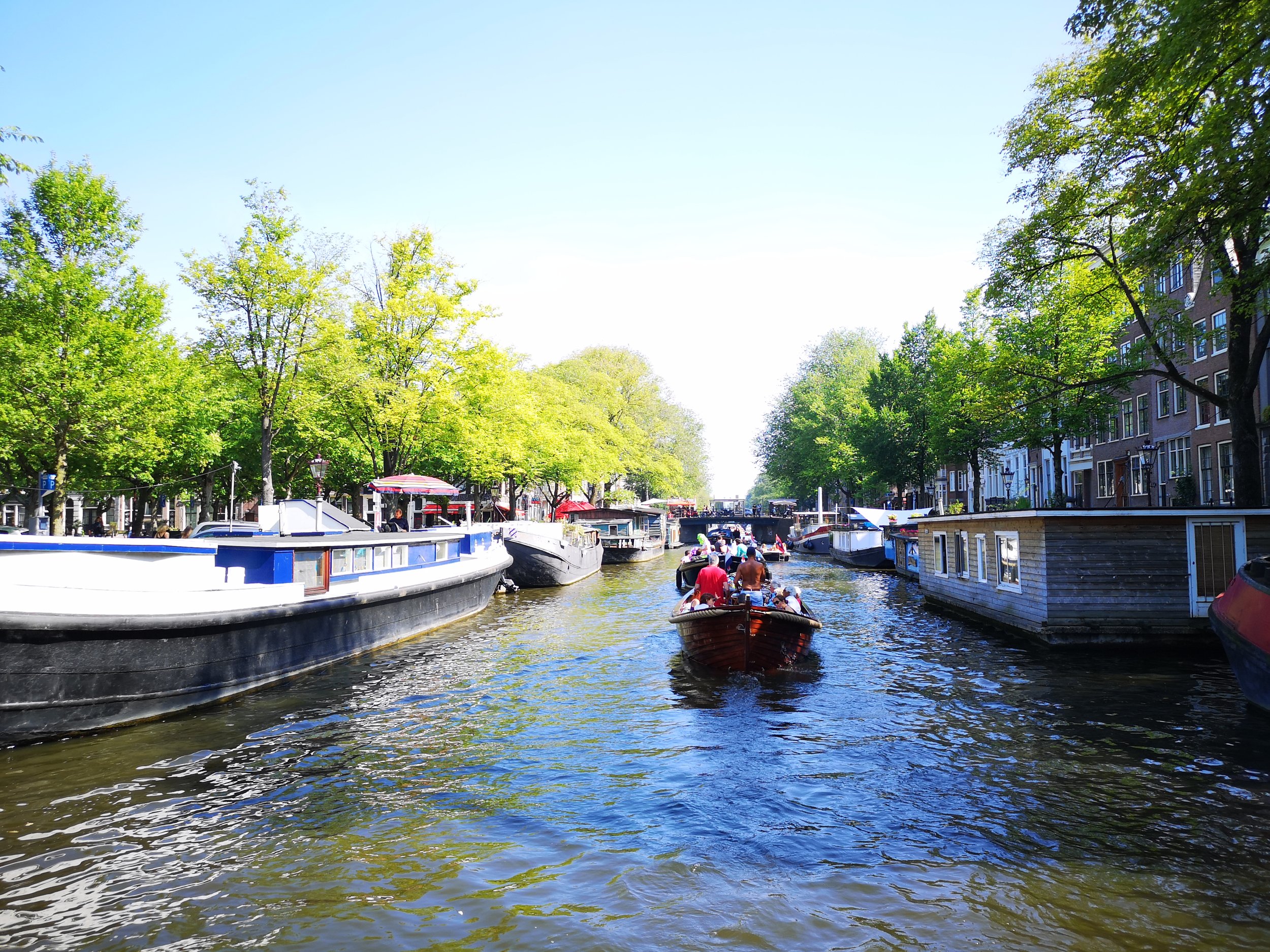
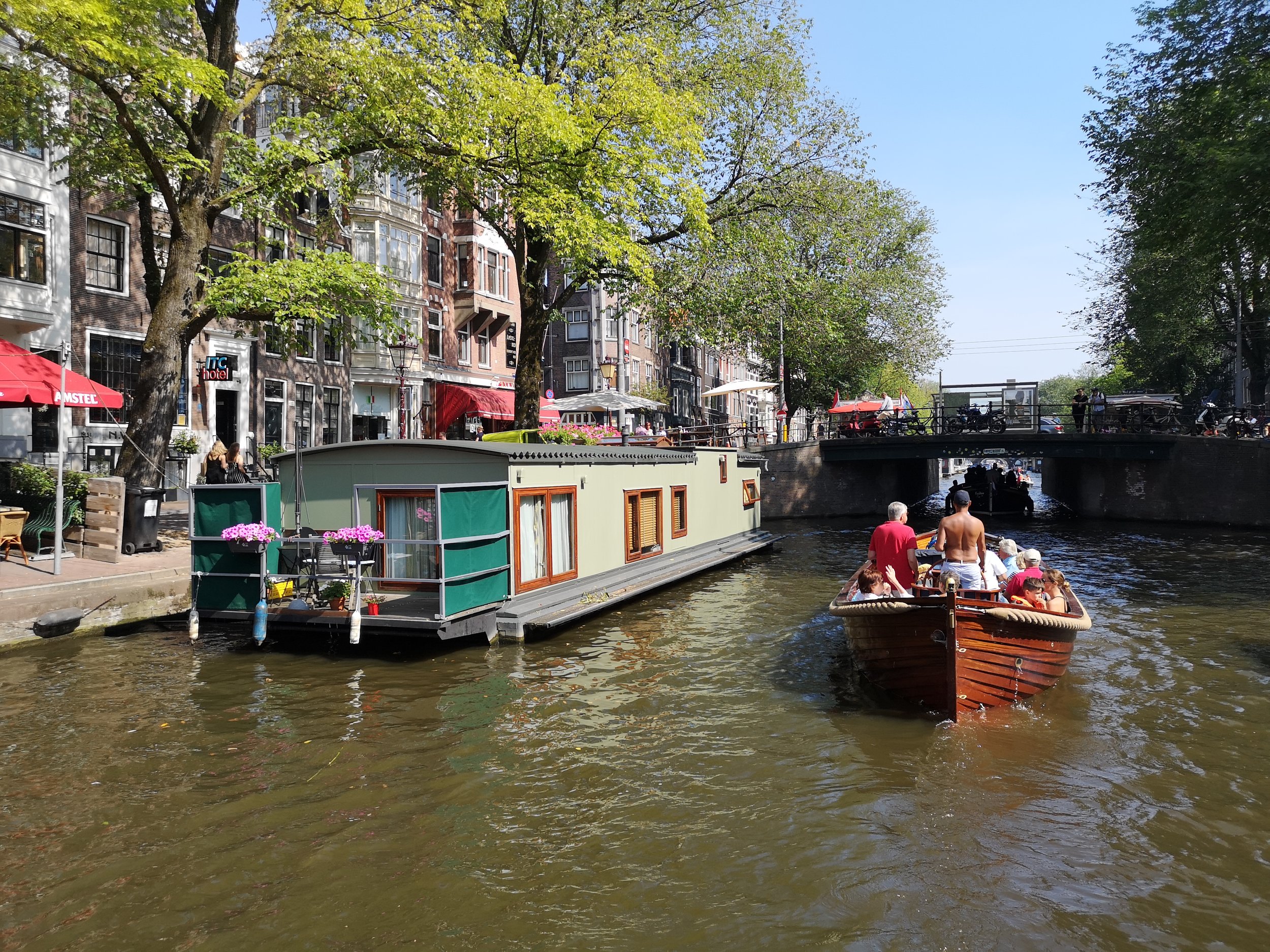
Amsterdam Canals
Seeing a city has a lot to do with perspective. For example, one winter, I commuted with ice skates to my office in Beijing on the frozen canals in Chaoyang District. It was like being in a different city altogether. Then, also in Beijing, I took 30 times different commuting routes, and like this came to places I would have never seen otherwise. Most people only consider the shortest way, because they only think of its utility getting to work and back hassle-free and fast. In the long run, and expanded to all areas of life, efficiency makes stupid. Also, the first impression of a city defines a lot how you feel about it: the road you take, the station you arrive, people, you meet first. So, when I come to a city the first time, I take good care of how I enter it and who I see first.
I was reminded of this impact of your perspective when last weekend, a friend took us out on his boat through the canals (gracht) of Amsterdam. Amsterdam is a lovely city - traditional and progressive and innovative at the same time. Seeing it from the waterside, made it even more clear to me. What I mean, is the perfect blend in traditional and modern architecture and city planning, the cultural richness, liveliness, and for example that Amsterdam will be a fully electric car city by 2030. I like coming to Amsterdam, no matter from which angle. But the boat’s view was again an exceptional one.

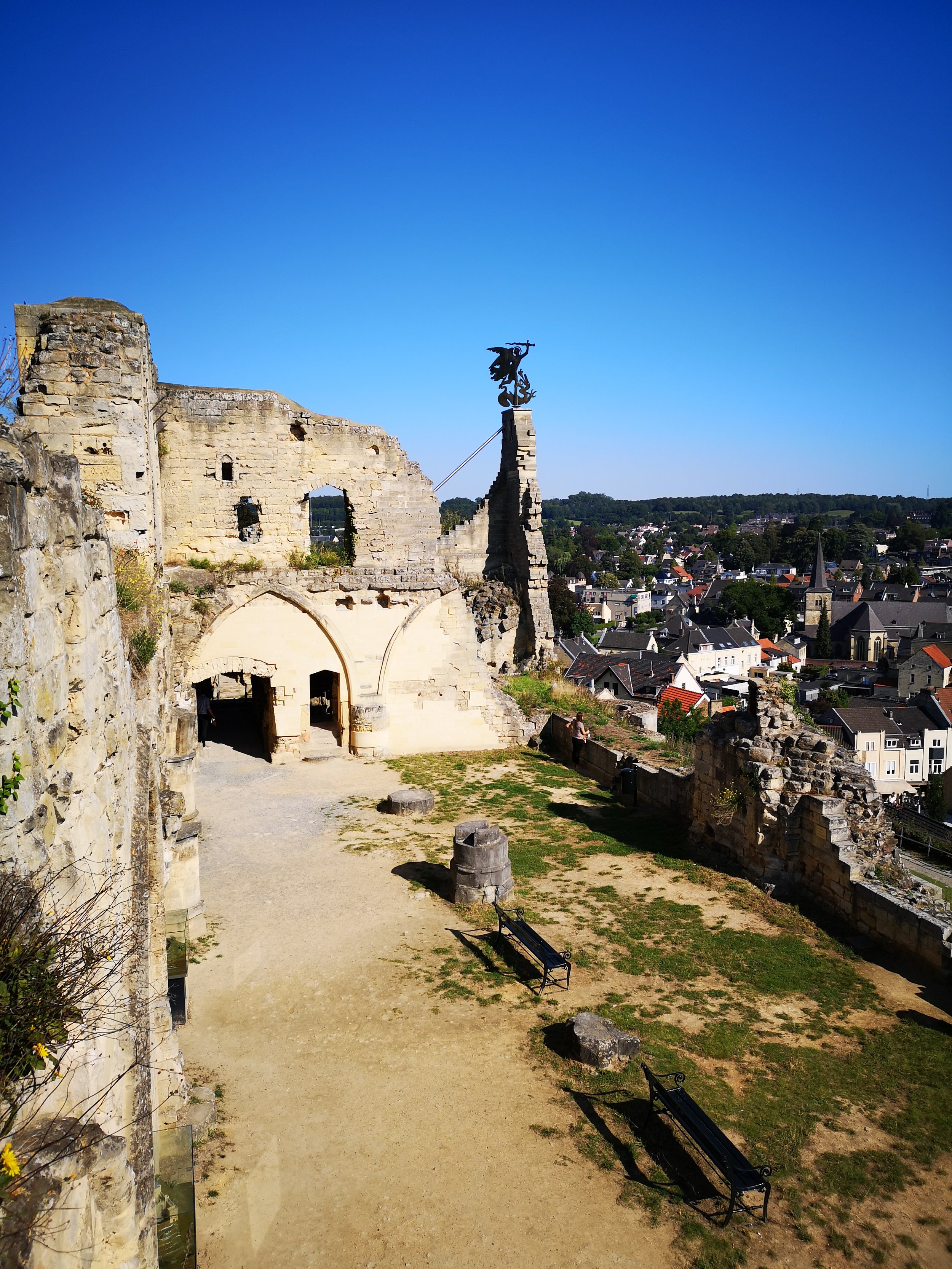
Valkenburg aan de Geul (Limburg, Netherlands)
Castle ruins, impressive caves, châteaus, forests and lots of history reaching back to the Roman time: Valkenburg aan de Geul was a lovely weekend stopover on the way to Tilburg. Also, the weather was superb, the food excellent and last but not least people are extremely friendly. A trip to Maastricht is just 20 minutes away: a vibrant University town, lifely and with an impressive11th-century Basilica in its center. I personally always enjoy the Netherlands coming from Germany. Holland is better managed, more practical, and maintains its character at the same time. There is a lot of effort put into making things neat: the home, the garden, oneself, the car ... and I have often experienced a great sense of community. Cities have a colorful mood, and even I am not a big fan of larger towns, even Amsterdam is a place I feel comfortable, and also Rotterdam has its kind of charm. Tomorrow, I will continue the journey to Tilburg, where I will again stay about a month at the University. It is usually the time, the seasons change from summer to fall, and I am looking forward to my stay there.
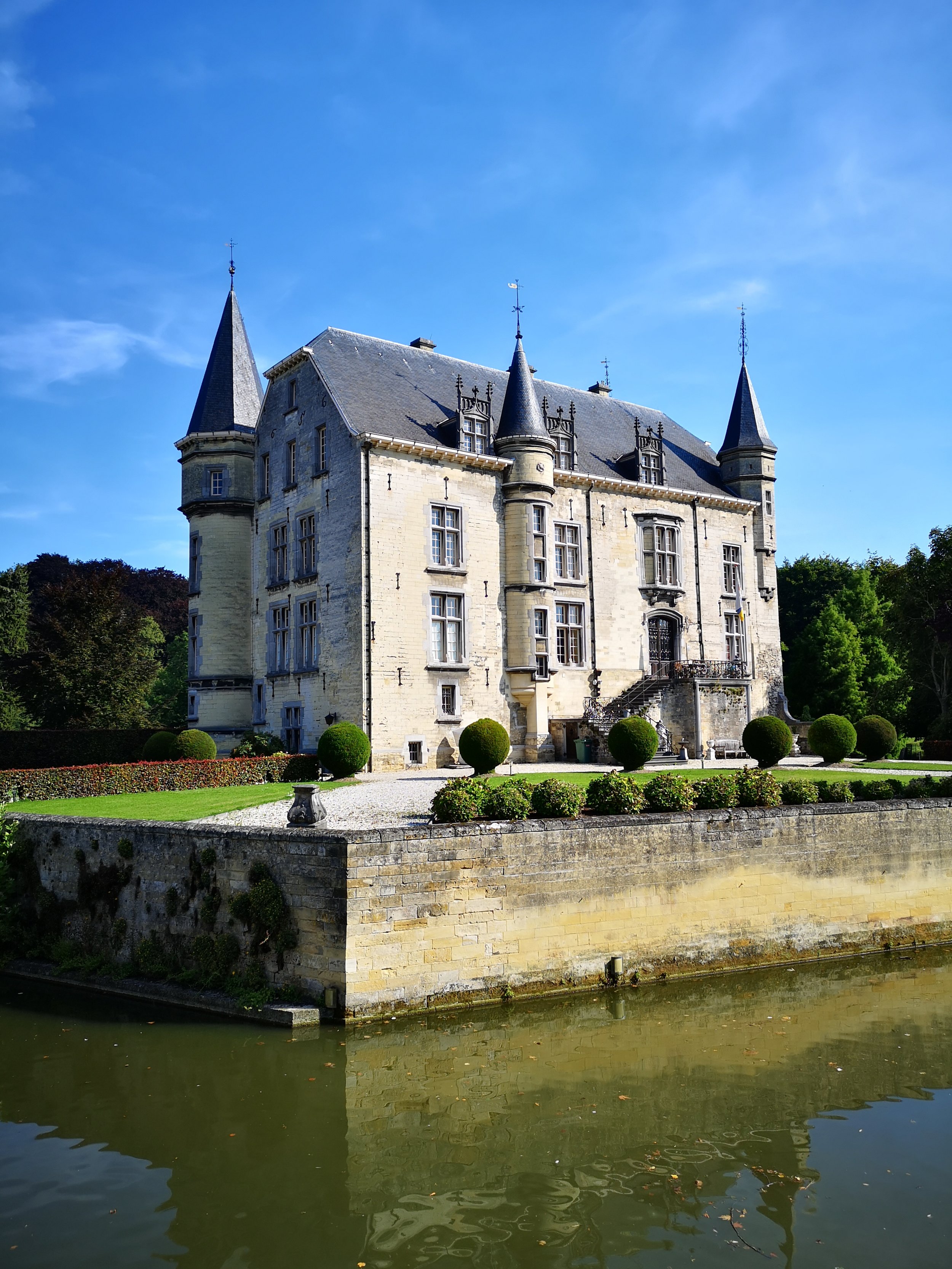
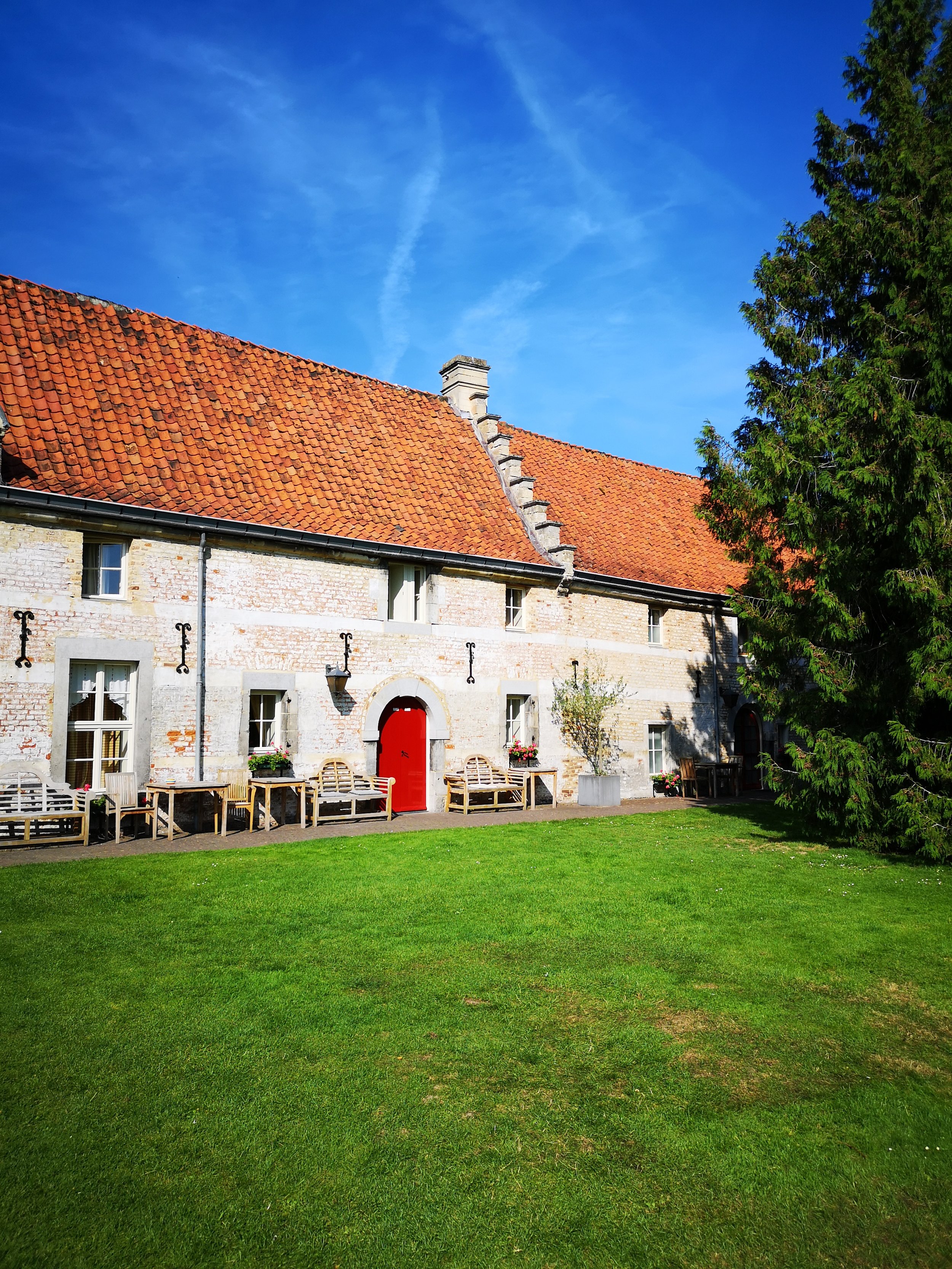
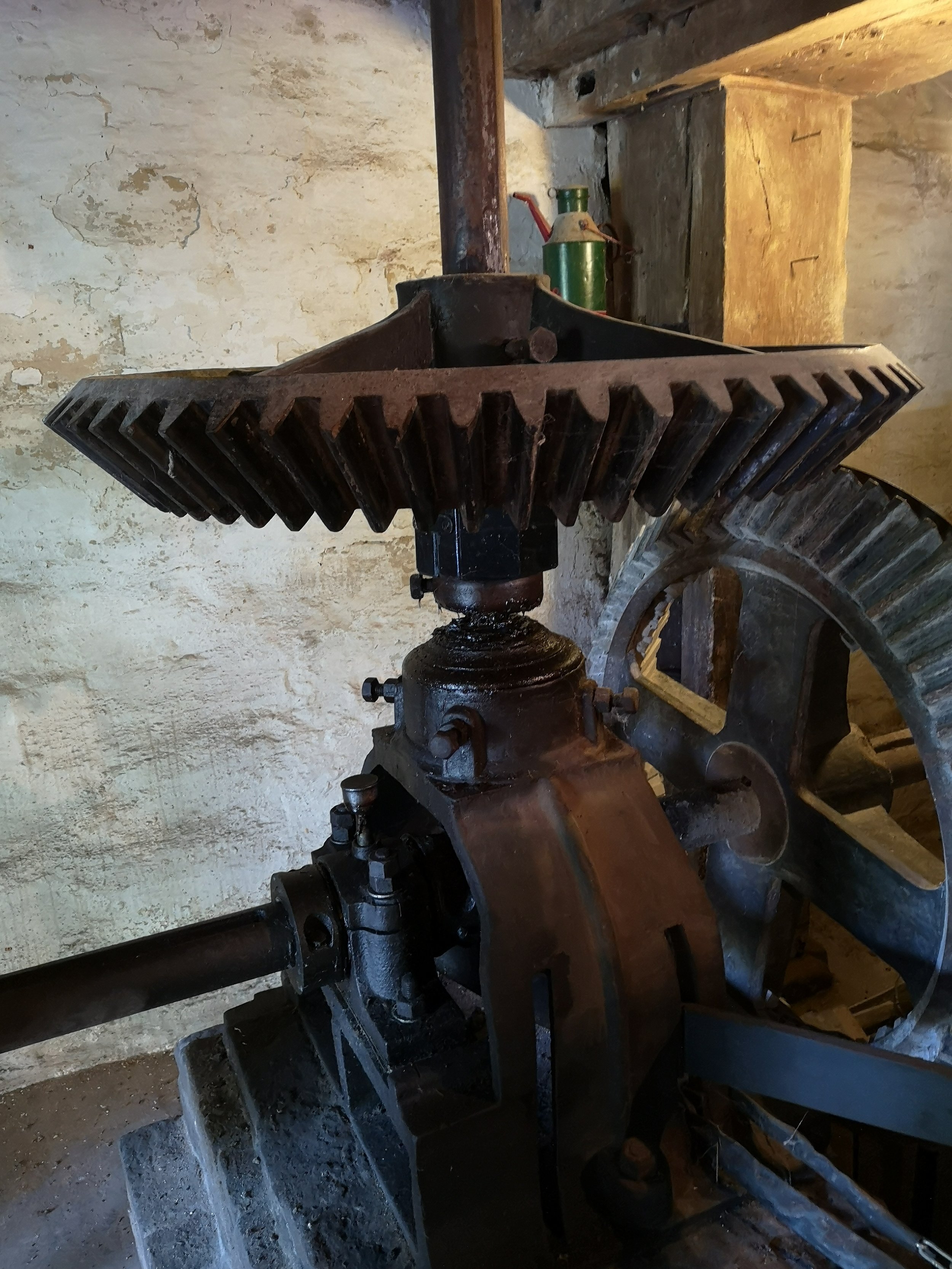
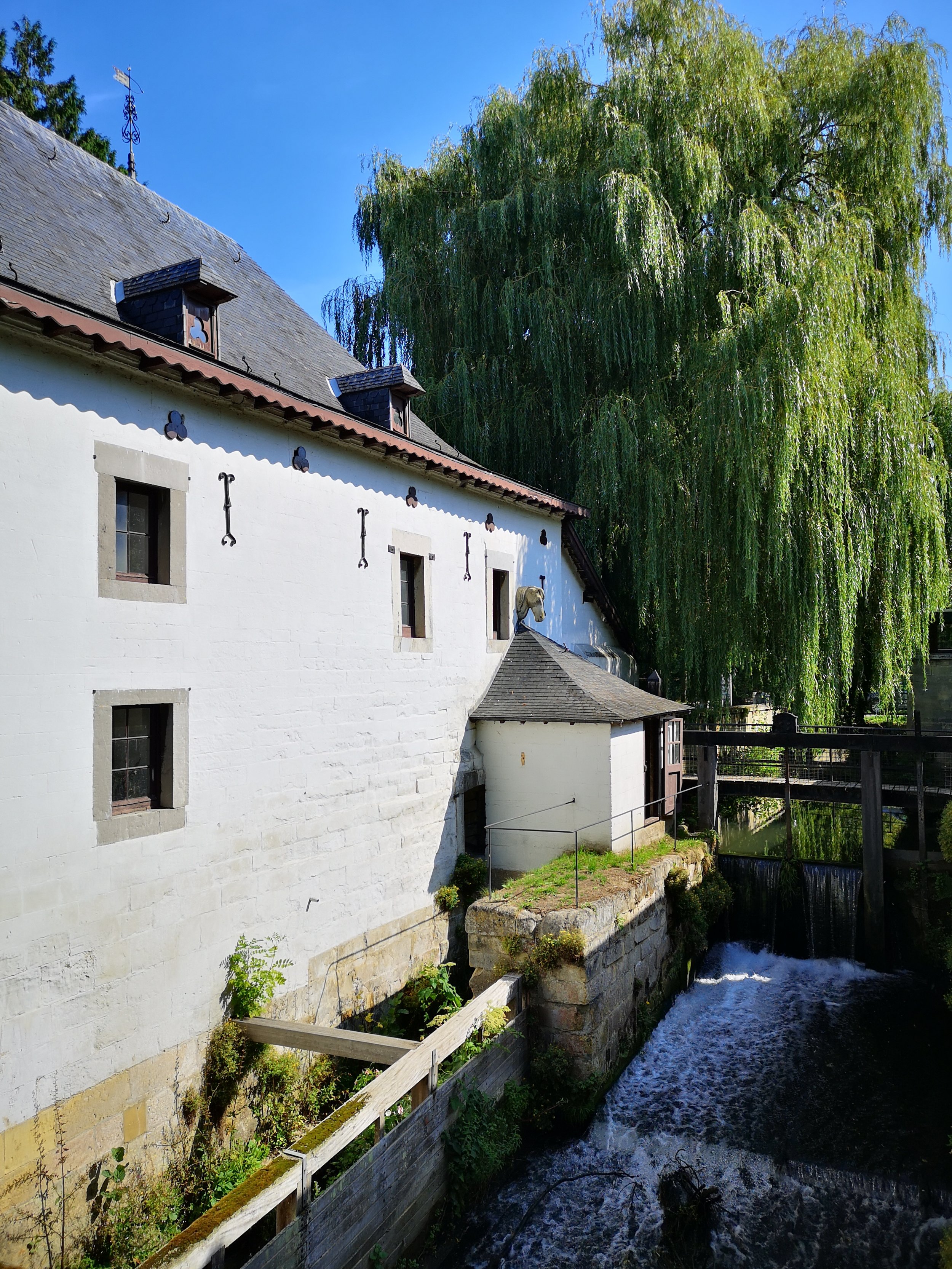
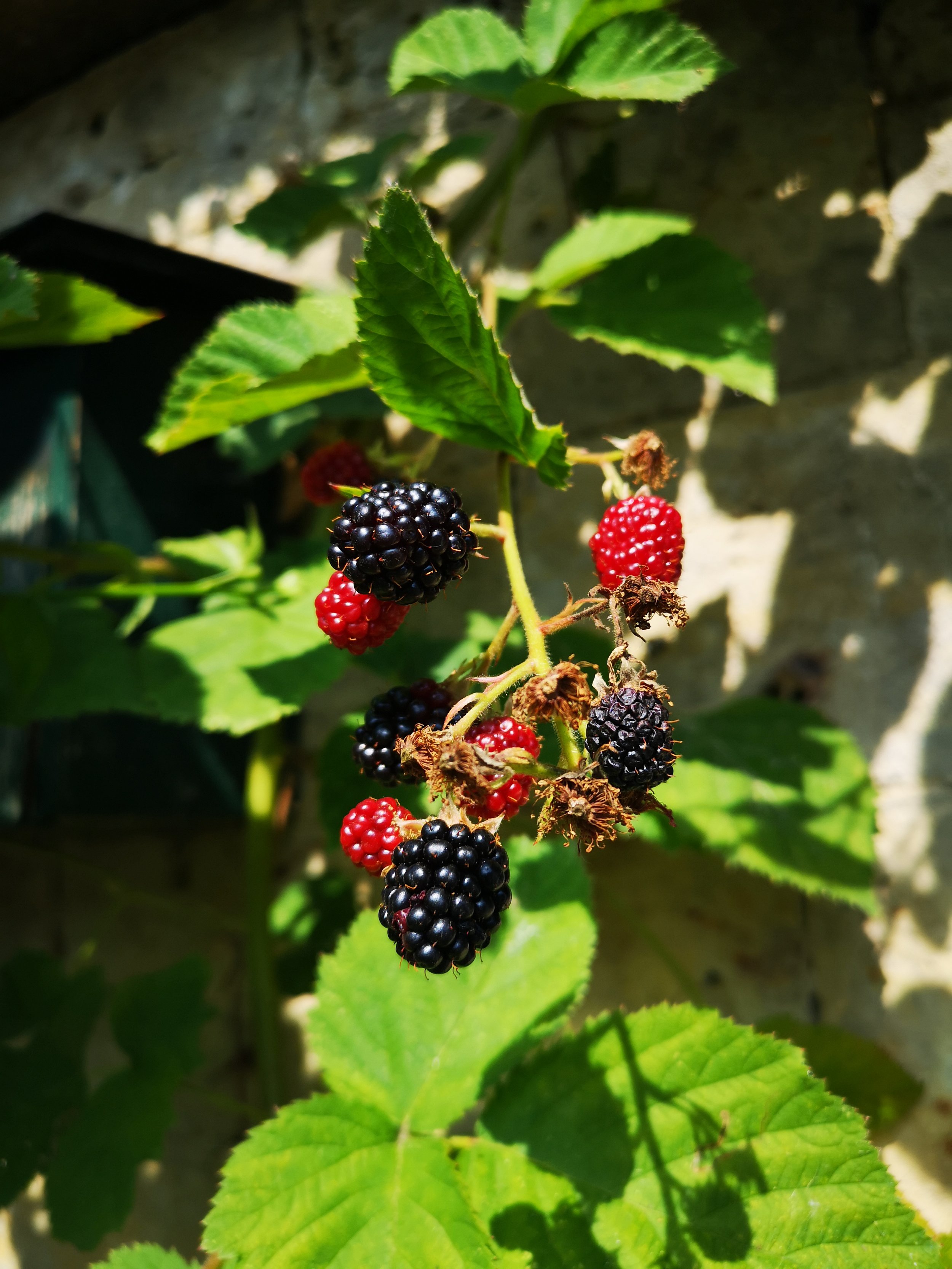
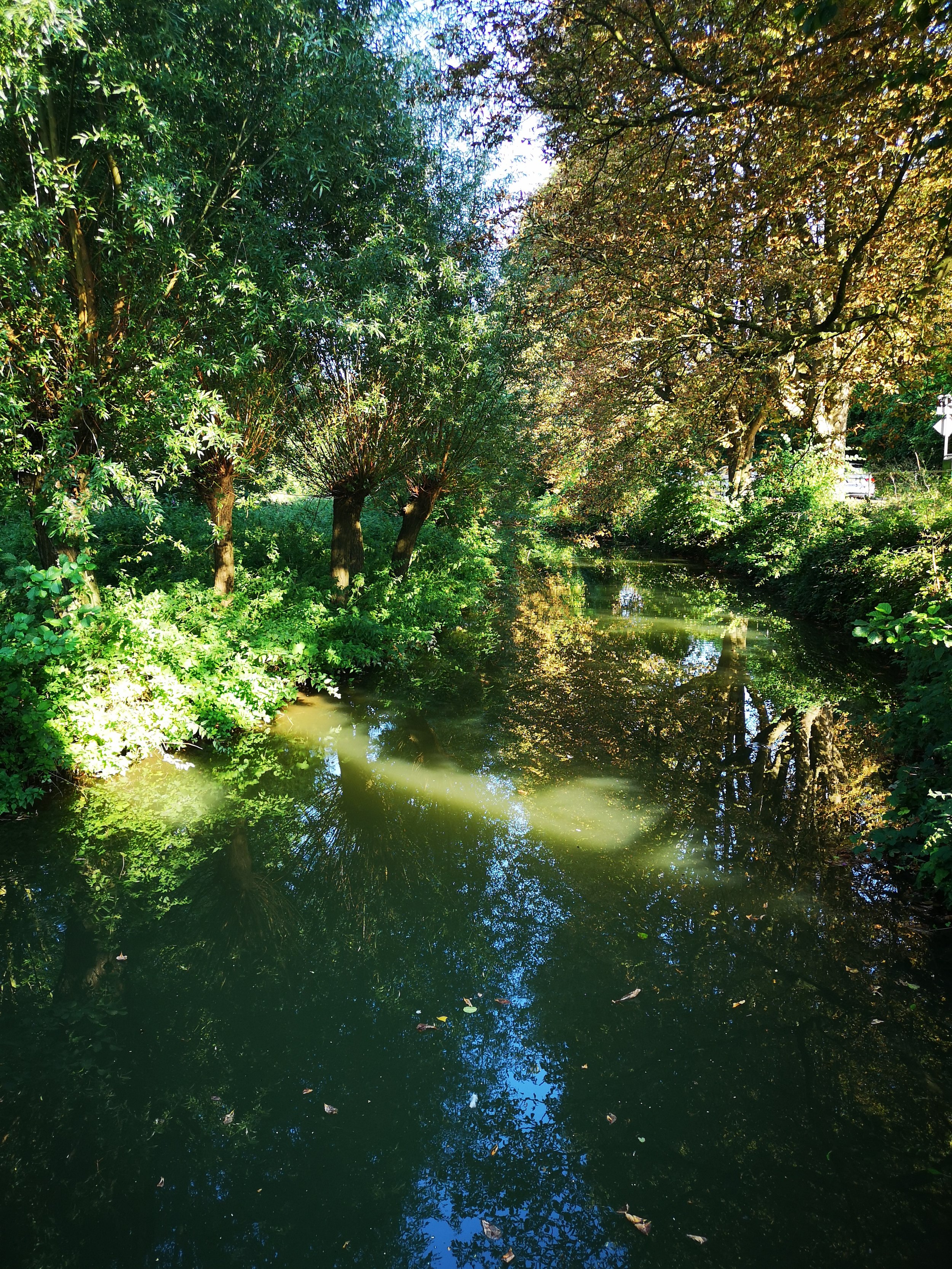

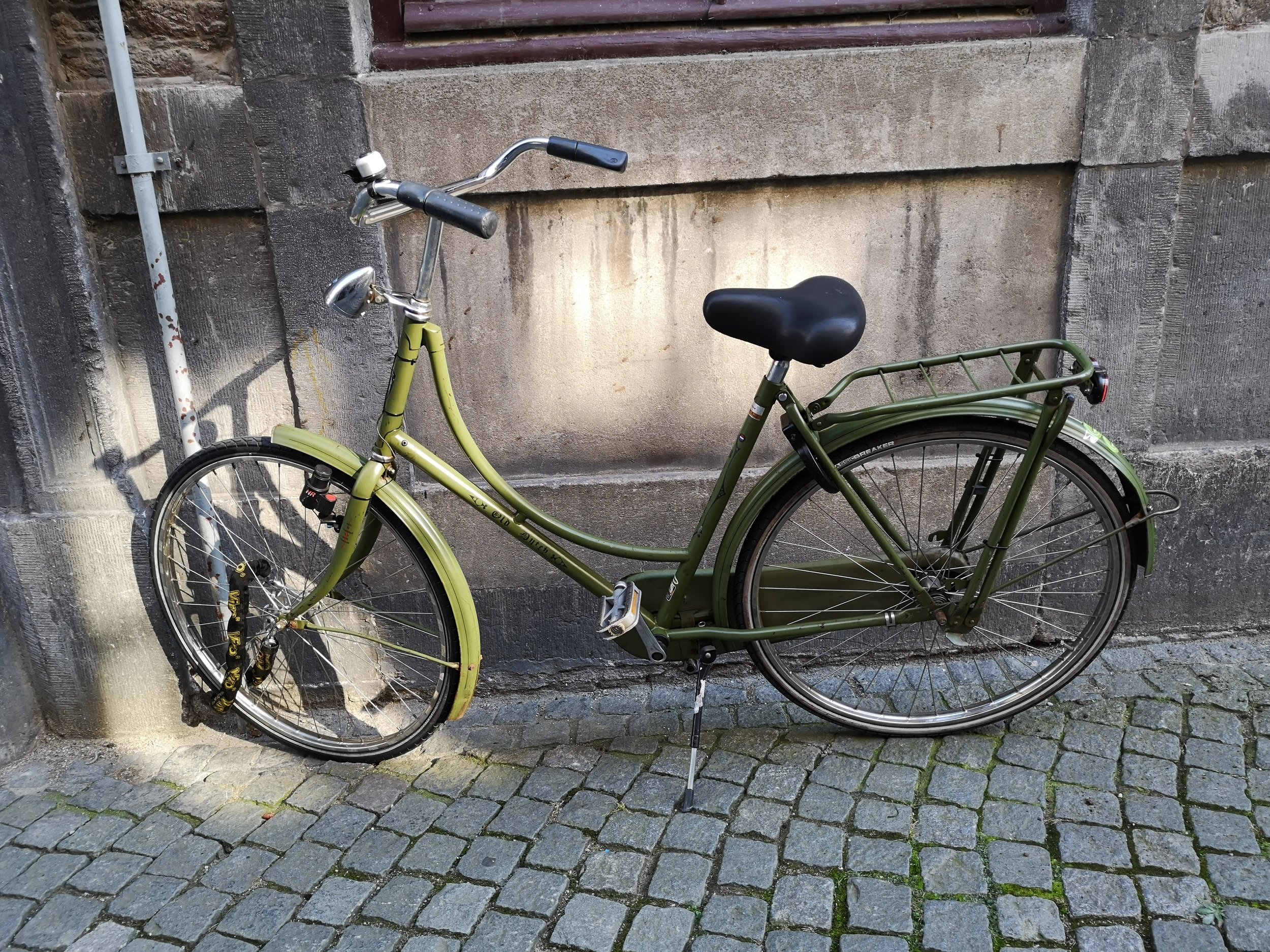
The heat is on in Malta and I am back North
August is the hottest month in Malta. It’s the time when public life falls into a long rest between noon and 4 p.m. and then gets to the feasts. So did I, and I relaxed a lot. Not much to do, so not much done and here just a few snapshots and impressions from the short ways in Valletta and the Three Cities. By the time I post this, I am already out of holiday mood again and facing a rigoros schedule of content and travel: Germany, Netherlands, Hong Kong, Germany, Russia, and a few small Trips between the lines. Even Hong Kong will be chilly against August in Malta.

Evening view over to the Old Bakery, which is now hosting the Malta Maritime Museum


"It was beautiful to fill your silence"
Since my return from Lebanon, I have been busy with preparing the B+L Zukunftsforum. It is an annual event of B+L to present views on the future of the construction supply industry and discuss them with clients. There are always two main blocks. One is the presentation of the forecasts of volumes in residential and non-residential construction by regions and countries. This data is also provided in the Global Building Monitor (GBM), which is the data portal of B+L. But in the event, we also have the chance to tell the story behind the numbers, and especially when we divert from numeric models to quantify the effects of policy changes, this becomes extremely interesting. The other block is to discuss work on future trends affecting the industry, such as digitalization, demographic changes, and their impact on the demand side and shifts in the distribution channels. It was an excellent event, and we start joking that Cologne is the "Davos of the Construction Material Industry." But seriously, there is a lot of expertise and experience on parade, which is far different from a "conference" but displays facts and figures for the industry.
Already during that preparation and unfortunately ongoing, I was busy with moving. This became a complete nightmare, so I was happy to get away for a concert of Cristina Branco in Bad Homburg as part of the Rheingau Musik Festival. I like Portuguese Fado and also her interpretation of it, which became more modern over the years. What surprised me was the age structure of the audience, which was more on the old side. It may be that the marketing of the Rheingau Musik Festival did not reach a younger audience, or also that Bad Homburg is a spa and retirement town. But if this would be the target group of Fado, then about half of the audience would be dead in 20 years, and with it a big part of this culture. The quote of Ms. Branco, which made me laugh, was when she thanked the audience with: "It was beautiful to fill your silence." That's about how passionate it can get when you sing for Germans in Bad Homburg.

Welcome to Beirut
Once upon a time, Beirut was dubbed that it has been the "Paris of the Mediterranean". This goes back to the time before the tragedy of a vicious 25 years lasting civil war from 1975 to 1990. It left 120 000 dead and lead to over a million Lebanese leaving the country. It is no surprise, you find Lebanese presence nearly all over the world today; often with multiple passports, well educated and with extremely professional and entrepreneurial spirit. Professional opportunities are limited in Lebanon today, and still many leave or at least keep a multinational spirit. Today there are an estimated 2 million Syrian refugees in Lebanon. That makes about every second person in the country a refugee. Some had the means to find new homes, but many of the less fortunate live in tents in refugee camps for example in the Beqaa valley, close to the Syrian border. Today, you can drive with no problems to Damascus. But refugees are hesitating to move back, partly because the Syrian government does not encourage such moves. The refugees take, of course, any job they can get, and the unemployment among Lebanese is about 40 %. A lot of indicators would suggest the security situation should be bad in Lebanon and for example the US travel advice sound hysteric as always. But you will meet the most friendly and hospitable people in Lebanon. Still, the situation is fragile, even though on an improving trend. Lebanon is a beautiful country, and should there be stability any less corruption, I guess that it may have a great future. These preconditions are moving slowly in the right direction, and there is hope this may continue.
On the bright side, Lebanon is beautiful, has the most hospitable people with extremely good humor, excellent food, and multicultural and open society. This alone is already enough to make me visit again soon. Welcome to the re-emerging "Paris of the Mediterranean*.

Beit Beirut (http://www.beitbeirut.org/english/ )
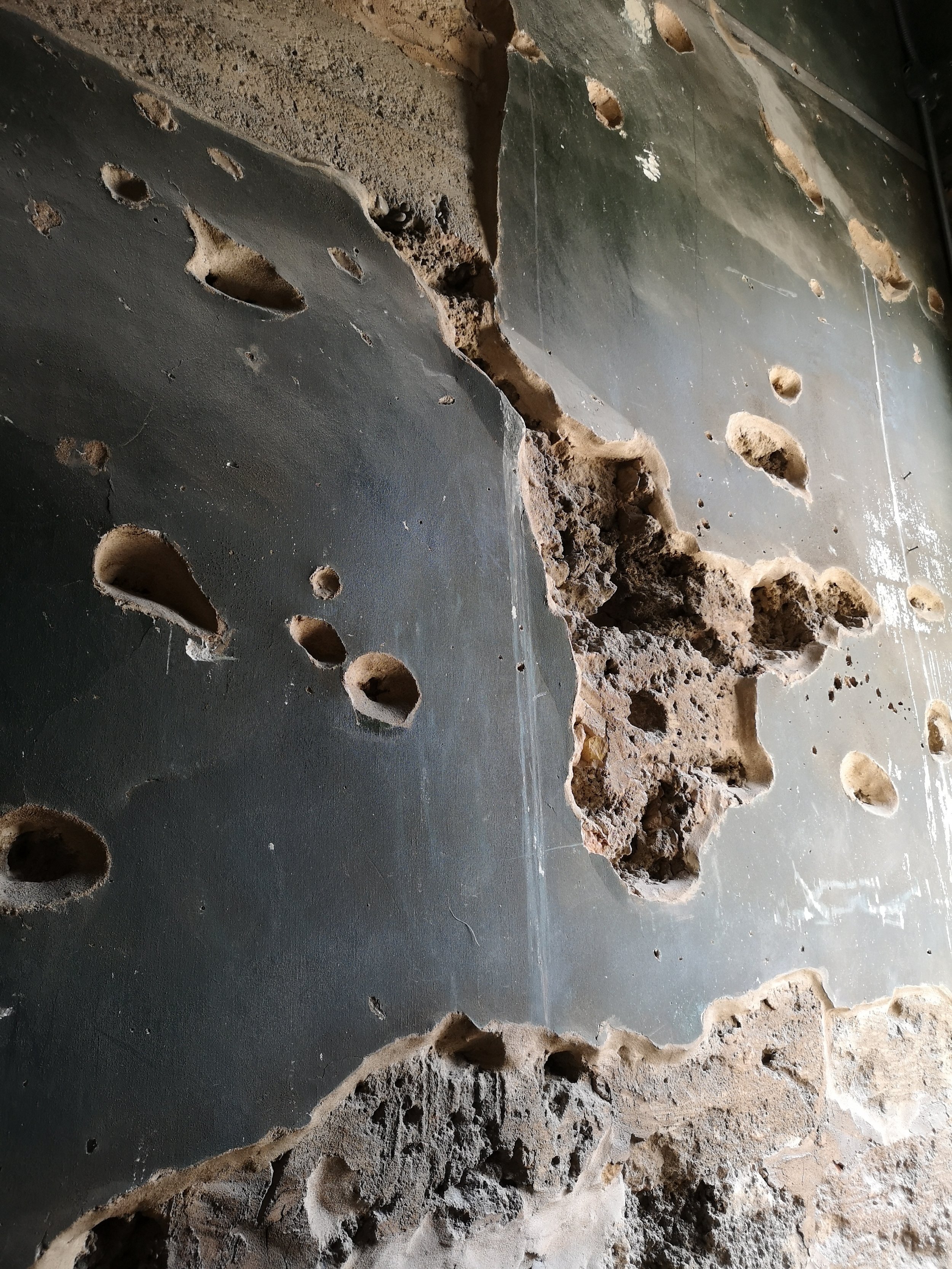
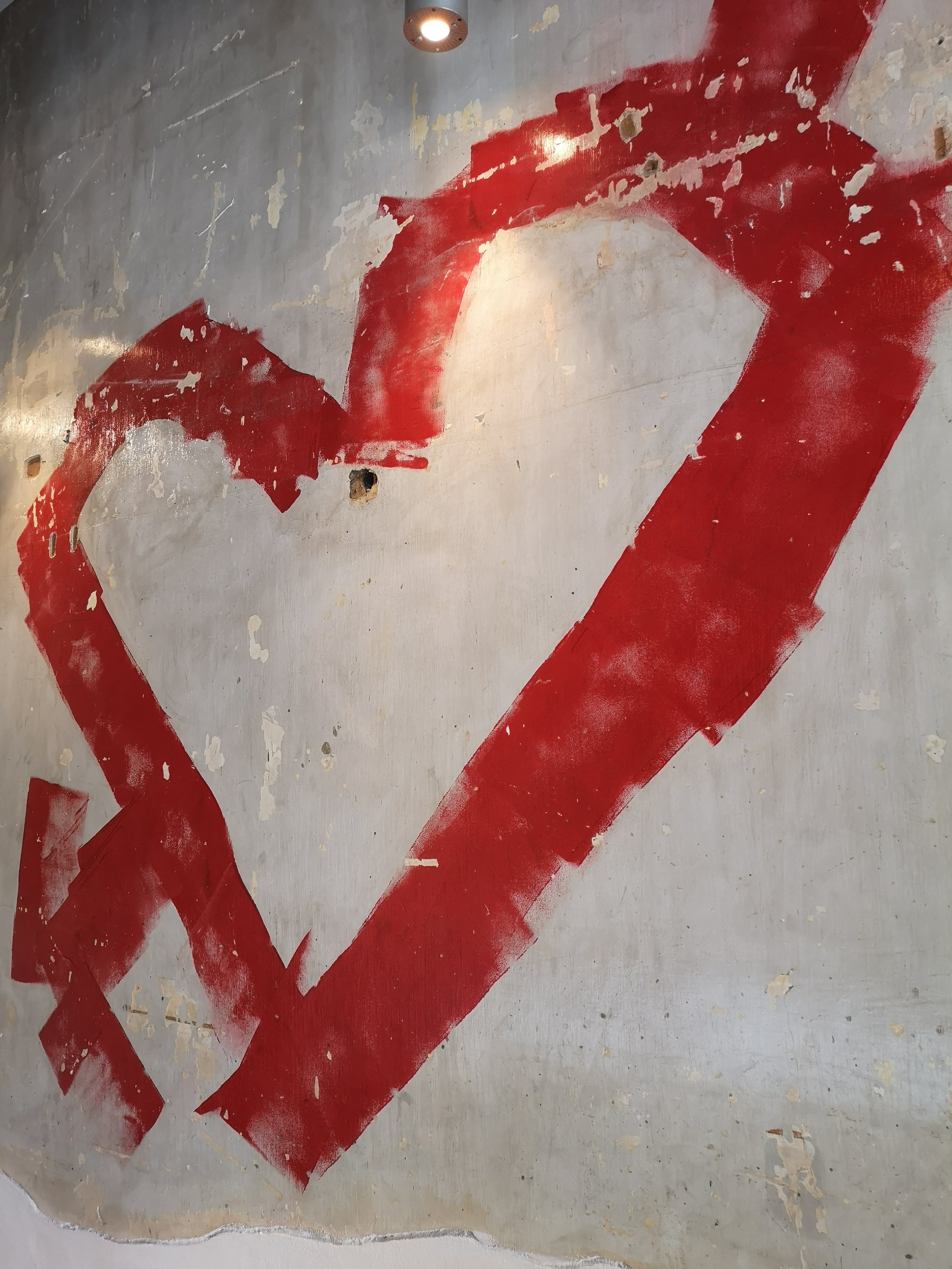
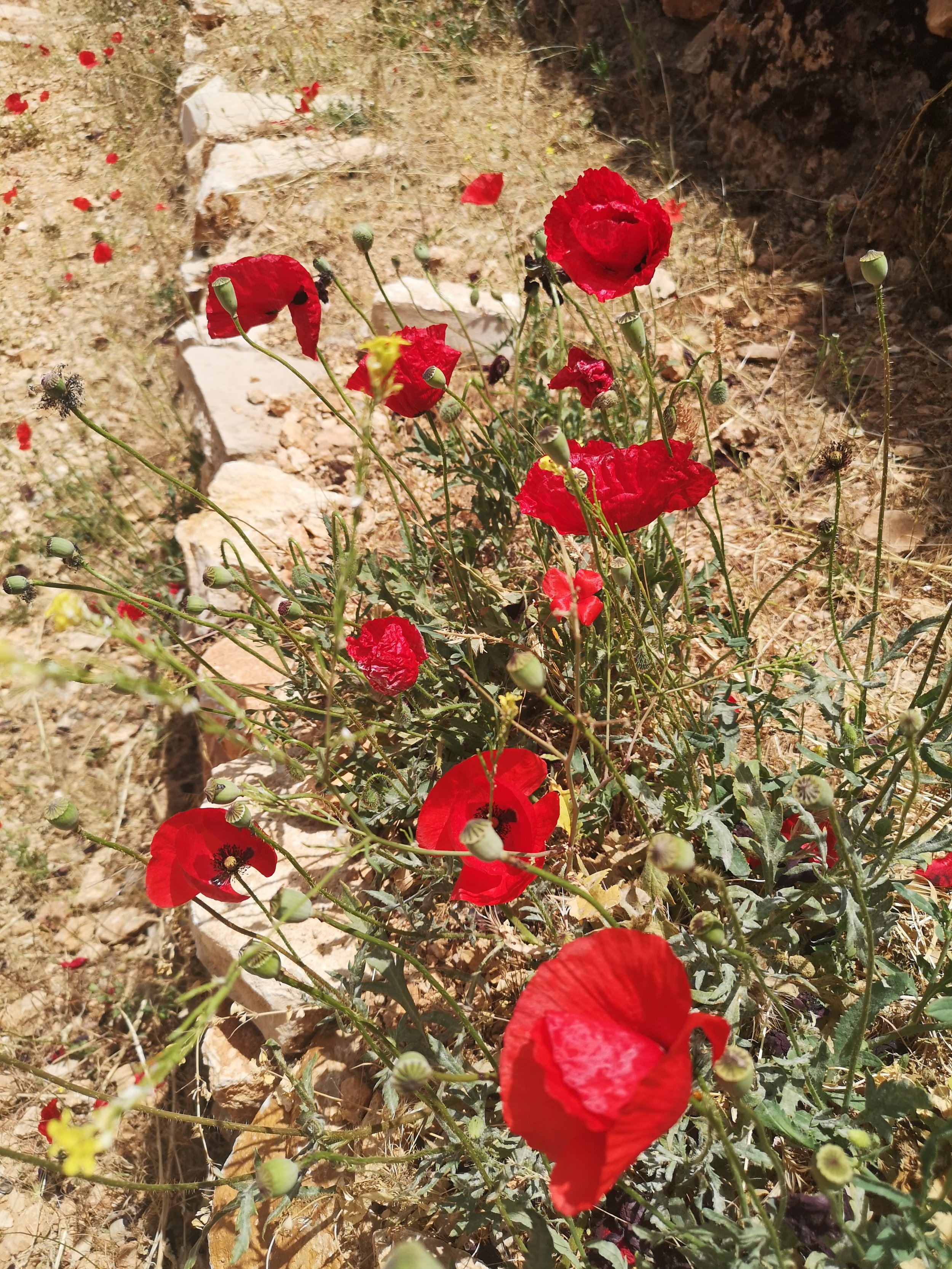
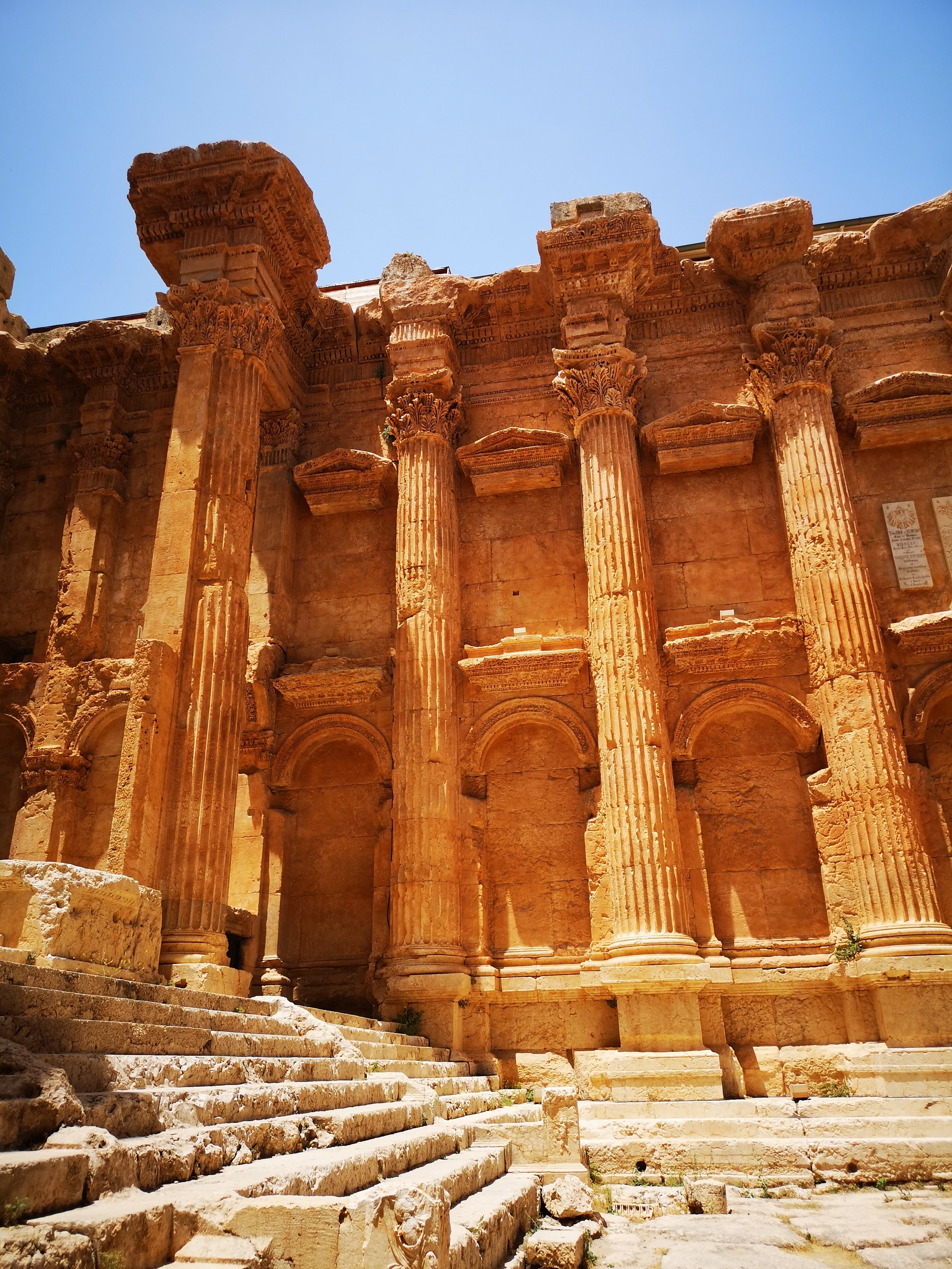
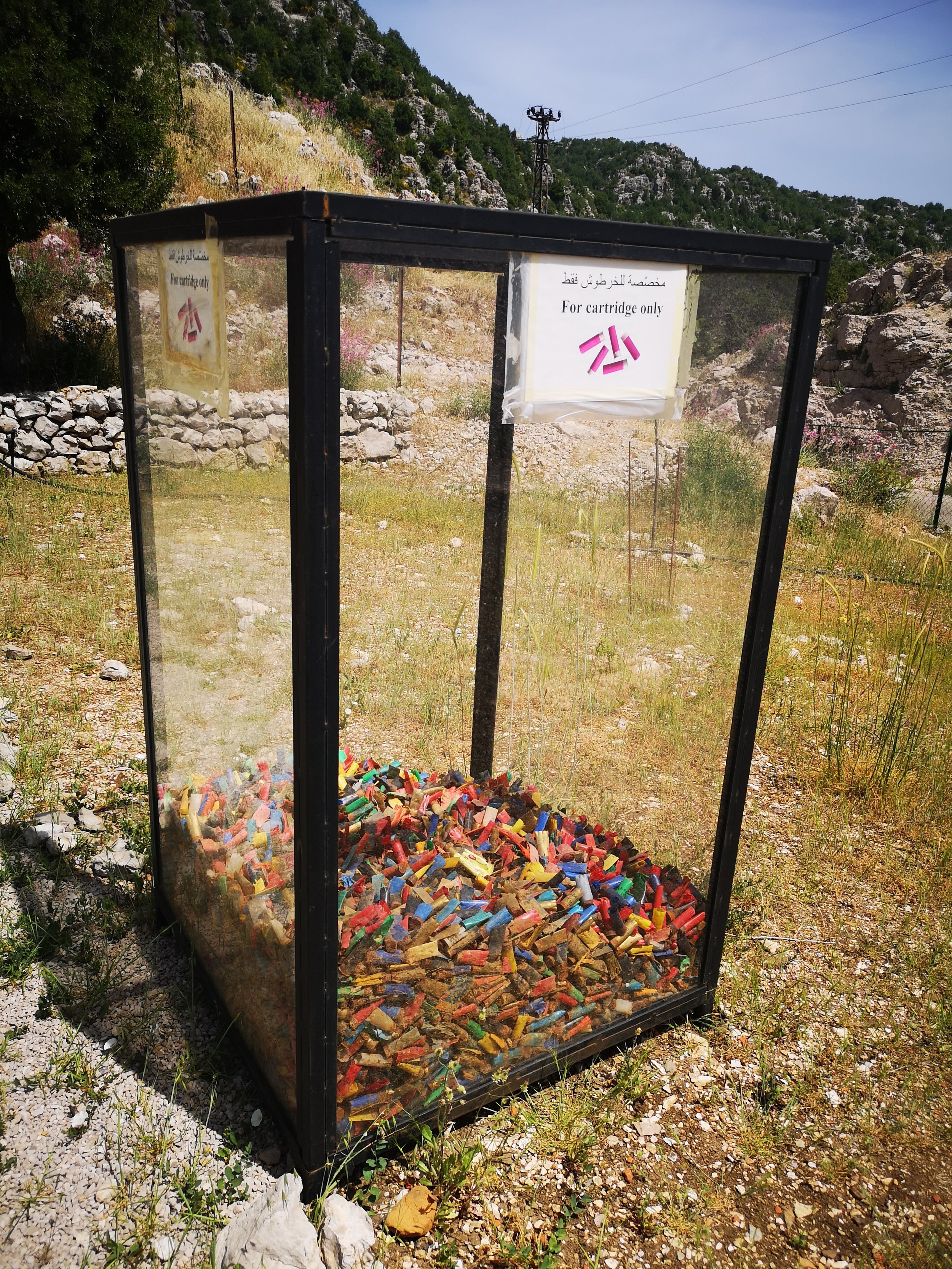
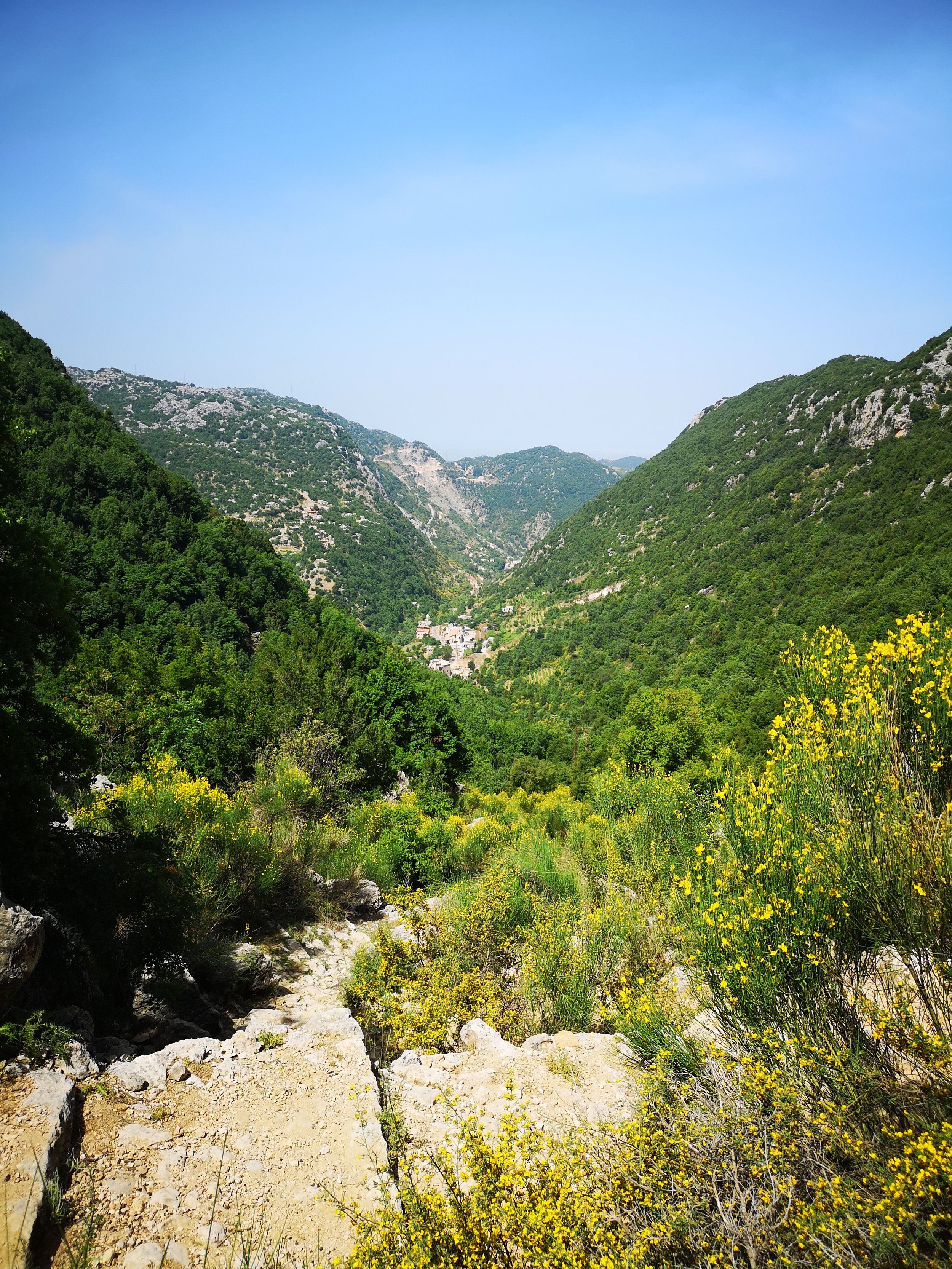
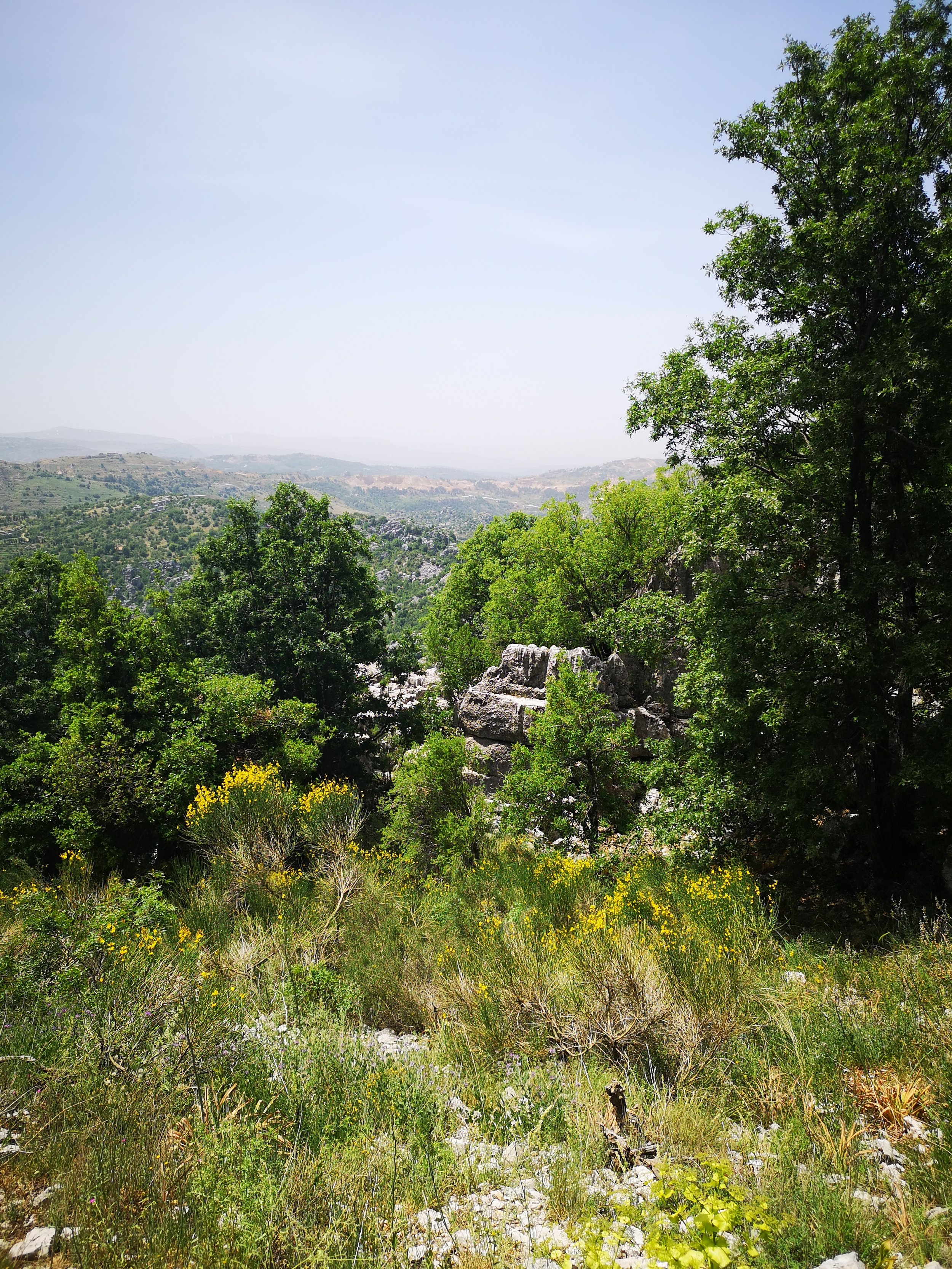
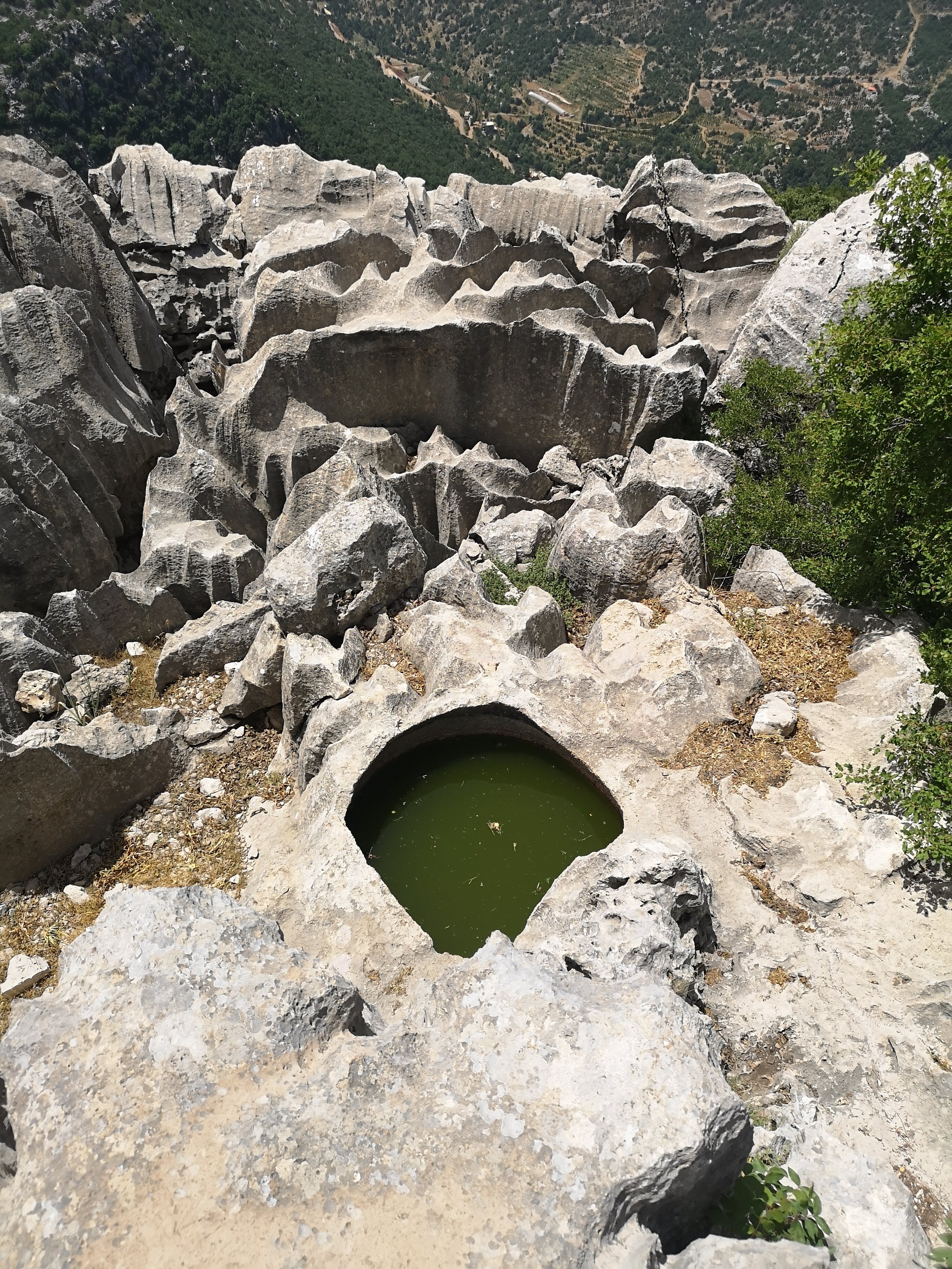
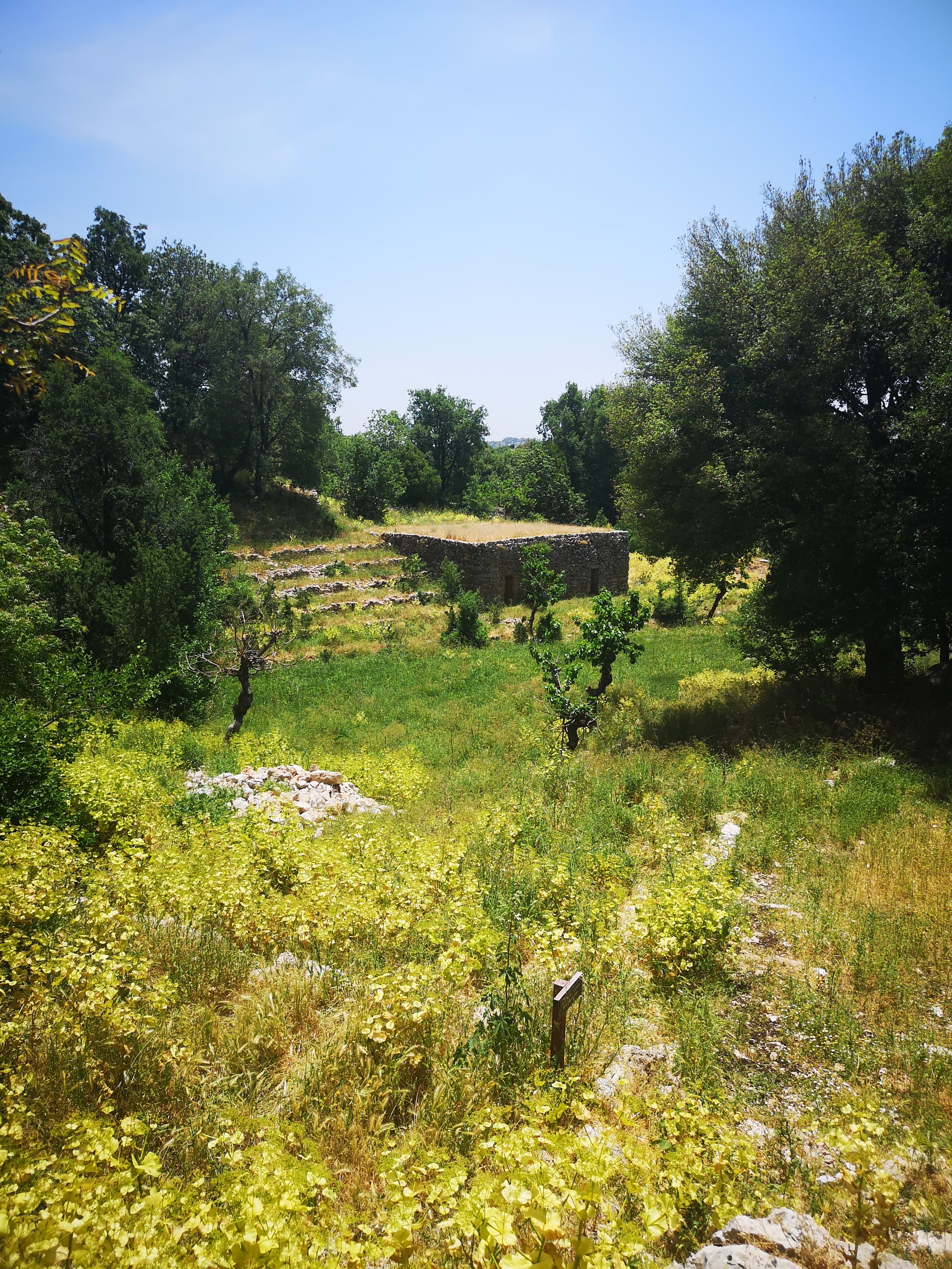
Obviously, Beirut is the backdrop of multiple thrillers, one of them “Beirut” set in 1982. Below is the trailer.
And there are at least two price winning Lebanese movies, which are a must see. Please find trailers below.
Search for the middle of the world
Searching the middle of the world is a very legitimate calling, I find. Stories of such searches have been told in many ways. For some, like Jule Verne, it is an expedition to the geometric center of the globe. For others, like Ursula Priess it is the encounter with stories and people in Istanbul, as she wrote in “Mitte der Welt: Erinnerungen an Istanbul” (The Middle if the World: Memories on Istanbul). I have visited this beautiful and magic town for a few days and was unfortunately only able to browse through her book before departure and not to read it properly, similar to also just scratching the surface of the town. I will for sure read the book upon return to Germany and blend it with my impressions. Luckily I read Orhan Pamuk’s “Istanbul, memories of a city”, which is a Turkish memoir which I liked a lot.
My main task here this time was to understand the economic momentum concerning the construction material industry. It is research done regarding the Zukunftskonferenz of B+L GmbH in July 2019, in which the future of residential and non-residential construction output will be forecasted and discussed. The basis of this. are quantitative models which have been developed for over 20 years. For cases with big question marks and large political interference, we conduct fact-finding trips and meet and interview industry insiders in the country. And this is what brought me to Istanbul.
Since the attempted military coup in July 2016, Turkey has been in the light of scepticizm. As one of the three main factors for driving construction output is people's confidence in the future, this is not helpful. When the Turkish Lira lost value against the US$ by about 30 % in a crash in mid-2018, this was also an expression of this sentiment and was driving inflation up to around 20 % today. The bank lending rates are also about this high (20%), which does not combat inflation, because other stimulus activities overcompensate this. One effect is, that nobody borrows money to buy residential property. Those who would have the money to do so, rather deposit it in the bank, where they get a higher interest return than they would ever get by renting out. And currently, if you need a home, renting is the much better deal. Even the potential demand for residential units is high with a young population of 80 million, the low confidence and bad financing situation brought construction to a shrieking halt. For developers, now it's a "wait and see game" which the ones with the deeper pockets are likely to win. For office buildings in Istanbul, some talk about a utilization of only 2/3. And walking through the places, this seems plausible. I spare you the photos of abandoned construction sites and homes for sale and offices for rent. But I do post some pictures of the bright sides I encountered below. The brightest though were the people I met, which will be for obvious reasons not represented by photos. Turkey is one of the most friendly places when it comes to its people. And I do wish them well.


Two touch downs in Malta within 8 Minutes
Touched down in Malta twice today, as the first landing was aborted. All went safely, but a good reminder that it always is necessary to close safety belts tightly and stow away things that can fly around in such a procedure, or others.

First attempt to land in Luqa...

... and the second one a few minutes later.
Germany and France: international field trip of The University of Hong Kong
I had the pleasure to invite a group of 30 MBA students from the University of Hong Kong over for a comparative field trip Germany and France. We visited companies and institutions like Hessischer Rundfunk, Porsche, Mercedes Benz, the Multi-Generation House of the Gebrüder Schmid Foundation, EUROCORPS, the E.A.S.E training factory, an institution of the European Parliament, a Vinyard, BASF, HPP Consulting and the German Central Bank. We had excellent speakers and guides in all these venues and everybody, including me, learned a lot. On weekends and public holidays we strolled through cultural and historic places, and shopped down the Middle Rhine Gorge diving into medieval history. The weather was extremely changeable, but we were resilient to the showers and treated ourselves with great food choices. Now I am looking forward to read reflections and project reports due on May 19th. I am really eager to learn different perspectives and thoughts on my home region.

Kloster Eberbach
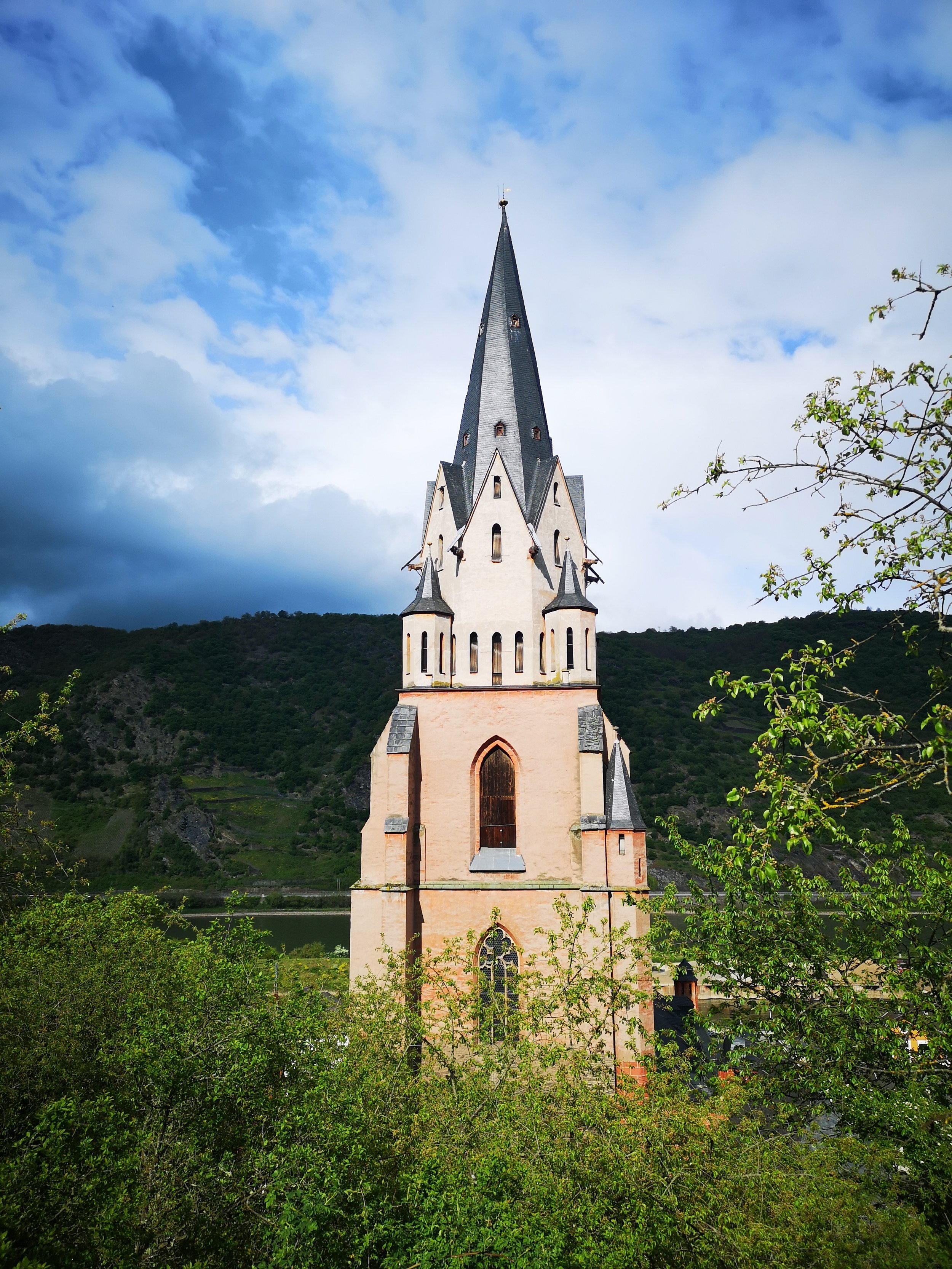
On the way from Oberwesel to Schoenburg.

Schoenburg Oberwesel

View into the Rhine Valley.


La Petite France, Strasbourg

A building in Strasbourg

Entrance to a fort of Ligne Maginot.

Students exiting an infantry combat stand at Ligne Maginot after an underground hike (photo with permission).

Malva color change
Yesterday I picked Malva to make tea. Tastes nice and the color is yellowish at first. Then I added some lemon to make it more refreshing and surprise: it immediately turned pinkish, more resembling the malva flowers. I repeated it on a white kitchen towel, and see the difference below. I tried to grasp the kitchen chemistry behind it by strolling through Wikipedia while drinking the tea, but remained unsuccessful. Does anybody know what happens here and why the color changes? Is it any drop of pH (I can try that tomorrow) or is it something else in the lemon?

Malva tea made of fresh flowers: before adding lemon

The same malva tea after adding lemon.
Malva tea and GDP
About from an annual GDP growth rate of 5% people appear to become wasteful. I have seen it in East Germany after the 1989 reunification, when people were running to Aldi to buy fruits, while tons were rotting on the trees. I have also seen it in Hong Kong, Shanghai, Singapore, now Malta. I came back from a walk with a few branches of Malva to make some tea at home. On the way I met a neighbor, let's call him George. He became excited when he saw my Malva branches and told me, that when he was a child, they ate the flowers with honey. "Do you want some, George?", I asked him. No thanks, I got some Coke in the fridge.
About from an annual GDP growth rate of 5% people appear to become wasteful. I have seen it in East Germany after the 1989 reunification, when people were running to Aldi to buy fruits, while tons were rotting on the trees. I have also seen it in Hong Kong, Shanghai, Singapore, now Malta. I came back from a walk with a few branches of Malva to make some tea at home. On the way I met a neighbor, let's call him George. He became excited when he saw my Malva branches and told me, that when he was a child, they ate the flowers with honey. "Do you want some, George?", I asked him. No thanks, I got some Coke in the fridge. "Yes, economy is booming", I said. "Yes, I am on sick leave", he answered.


School of International Studies (ZIS) at Technical University Dresden
It was a pleasure to follow the invitation to give a guest lecture at the School of International Studies (ZIS) at the Technical University Dresden. It is the 4th year I received the honor to speak on different topics, taking the perspective of a practitioner in a school which has a far broader scope than this. This time it was on Opportunities and Risks along China‘s One Belt One Road Initiative. Again, I specially enjoy the discussions with the excellent students there and last but not least the friendly atmosphere in the faculty. At first sight, the small red brick building hosting the ZIS does not let you anticipate what a great reach this interdisciplinary center at the TU Dresden has. I had the pleasure to flip though a folder of alumni, and the little place is actually like the spider in the web of a global network reaching into institutions like the World Bank, OECD, Central Banks, major corporations and German and international diplomacy and even NATO. I am not surprised, knowing the students and the quality of teaching they receive.

The little brick building housing the School of International Studies (ZIS) at the TU Dresden.

I also always enjoy strolling through the old part of town. Dresden was infamously and entirely destroyed by British and American air-forces dropping fire bombs and performing area bombardment on mainly civilians, refugees, wounded and even own prisoners of war. It set the scene of Kurt Vonnegut’s “Slaughterhouse Five”. Today Dresden is beautifully rebuilt, including the Frauenkirche.
Hamburg
Hamburg greeted me with extremely nasty weather. Still, I walked around a lot and was introduced by a friend to the new development of the "Hafenstadt". It is quite a colossal development and, given I dislike retro-design, I always find it difficult to match the new and the "old" of the Speicherstadt. Given the weather, I opted to visit the museums and my favorite is always the maritime exhibition, which brings me back to the time of my university studies and own travel. I guess that's what always happens when you love the subjects you studied: each visit you dig some level deeper. And then I found in the Arts Hall (Kunsthalle), another painting in parallel to Vermeer's Geographer. It's Corlenis de Man's "Geographers at work". I still favor the Vermeer though. Unfortunately, the photo exhibitions at the Deichtorhalle was just under construction for the next exhibition. After three sustained days of rain, I took the train back to Frankfurt. But I enjoyed being in the north. I even went “shopping” at my one and only clothing store, which is Ernst Brendler and got a woolen Troyer. I really needed it.

Alsterarkaden at Binnenalster seen from the Town Hall in Hamburg.

Tourist boats pausing in the rain in Binnenalster.

Speicherstadt Hamburg

Coffeeshop and “museum” in Speicherstadt Hamburg.

Coffee roastery in Speicherstadt.

Headquarter building of “Der Spiegel”
Not quite the case
Over the years I was the subject of a few business cases, and also found it useful to build up an own stock of such cases for my teaching in postgraduate business programmes and Executive Education. The case method goes back to the law school of Harvard University where it was introduced in the 1870s. The approach to derive common principles from cases in a system where case law in place, appears reasonable. In 1920 the Harvard Business School introduced cases as a method to train management students. Normally, to “crack it” the students have to put themselves into the shoes of a business leader and derive a suggestion for action, using the information given in the text and also applying a framework or “theory”.
Especially, in cases where I was the subject myself, like in “Shanghai Volkswagen: Time for a radical shift or gears” (2005) it strikes me how oversimplified the students propose their suggestions. Sometimes, when I google on the web, I find sample solutions and interpretations which really make me laugh. For example one was praising my strategic foresight of a decisions, while in reality it was 3 in the morning in a meeting room and I wanted to get my team to get some sleep before the board meeting on the same day.
Also, the in cases, which I published myself with colleague I can well imagine what really went on in the manager’s mind and this had far more dimensions than we can state in this format. And I can imagine, most other case have the same issue, specially those written by pure academics who never actually decided anything of substance. There is normally more than one solution, the situation is more complex than stated in the case and the information is given, is not sufficient to come up with a real proposal which would work outside the textbook.
There was some critique to the case method, that there should be more of a philosophical undercurrent included in decision making, for example by Donham and Whitehead in Business Adrift. Also, in 2016 a paper by Todd Bridgman, Stephen Cummings, and Colm McLaughlin is "Restating the Case: How Revisiting the Development of the Case Method Can Help Us Think Differently About the Future of the Business School". And of course Minzberg commented critical and others. Still the Harvard style machine kept running.
I use cases only for introductory purposes and to have some “lab environment” of an isolated problem. That’s useful, but not sufficient. After that, I immediately switch to real-life examples, where finding and analyzing information available and useful is part of the assignment. I was never a big supporter of frameworks anyway and I honestly have never seen any complex problem, which can be solved by for example by a blabla-Matrix. It may help to structure initial thoughts or communicate with people who have been trained in the same jargon. But it’s unlikely to deliver an intelligent and holistic solution.
I find business problems extremely interesting to solve. But cocking by the book does not appear to me being the golden bullet, specially when you look at the books the management profession has. I fully agree that learning by doing and dealing with real-life problems is a good element in business education. But is that really what we are doing with these cases? It looks pretty 1920s type of analysis to me. And “doing”? What do you mean? A presentation is not the kind of “doing” I normally experience.
Anyway, now I have to think about a teaching note for a new case which will be published soon. They always come as a package. I am always a bit puzzled when Professors need teaching notes. But they come as a package. It’s a bit like you need a recipe to make a pizza. Hope they grow quickly into cooking gourmet meals. Don’t slide into hot dog. Enjoy.

From the sketchbook of my mind: The launch of the Santana 3000 in 2005 and the many other things which became the “Shanghai Volkswagen Case”. I really like this one, but of course there is much more to it than ever has been written.
Sunshine after rain
There was a teriffic storm in Malta. My plan to enjoy an earlier start of spring there, than in Germany, did not succeed. There were even biblical scenes of fish bashed out of the sea onto the roads. Some of the offshore fish farms broke open in the wild sea. Back in Germany, I spent most time in the National Library in Frankfurt and stroll through the museums from time to time, when I need a break. I closed my Facebook account, as it became too repetitive and actually a bit boring. Those missing me there, can follow here on my website, which I will revive a little in the months to come. I kept the Instagram account though, and if you visit this website from a PC browser you can see this “snaps” in the right hand column.

View from home, when there is sunshine after rain.
Tizian and the Renaissance in Venice
Just back from Milan and visiting the Pinacotheca di Brera, I ran into Tizian again in the exhibition of “Tizian und Renaissance in Venedig” (Tizian and the Renaissance in Venice) in the Städel Museum in Frankfurt. Then went over to the Schirn Kunsthalle to see the sculptures of Gironcoli exhibited there in a single room. At least it let me put Murphy by Samuel Beckett put on my reading list, which was taken reference to.

Frankfurt seen from crossing the “Eiserner Steg” bridge coming from the Museum bank side.
Westerwald weekend
Even in the mornings the grass still has its white iceing, spring is around the corner. It was a short winter after an endless summer of 2018, and it feels like only now the new year has really started. It is time to get out in the forest and this weekend I went back to my home turf, the Westerwald. It is a region, said to have chilling winds, but that every little sunshine pierces the heart. So, what can be a better place to go for greeting the first mild and sunny days? I also visited the Archeological Institute and Museum at Monrepos. Back being a student a student, I was involved in Paleolithic excavations with a research group around Gerhard Bosinki. This was the cradle of this museum and I was extremely happy to see, it is in such good shape and very active.

Geese migrating back North from Africa (Westerwälder Seenplatte). Just the sound is already magic.
The future of work - Fu.Se (Future Series)
The Boston Consulting Group (BCG) and the Adecco Group, together with a wide list of sponsors, has produced an interesting format to discuss the future of work in the view of AI (Artificial Intelligence). It is coined Future Series (Fu.Se). This is not exactly my field, but as I am watching some aspects of it for the future of the the construction supply industry at B+L GmbH, I followed the kind invitation to the kick off in Milan on February 13-14. I never go to conferences, but as this was introduced to me as an action oriented “anti-conference” I got interested. I specially enjoyed the podium discussion between Guy Ryder, the Director General of the Internation Labour Organization (ILO), and Alain Dehaze, the CEO of the Adecco Group, on the need to renew the “social contract” in the new context. Alain also was in the Global Commission for the Future of Work, which published a report I found very comprehensive and insightful (click here to download). All over it was a colorful mix of industry leaders, public institutions, advisors and researchers, which made the breakout sessions extremly interesting. With Brad Smith, the President of Microsoft, using an analogy how long it took from the invention of the automobile to the time it shaped the streets, he convinced not just the car parts of my brain (which are many) that AI’s take off point is about to come changing work life extremely significant. I also enjoyed hearing about the research on the “gig economy” by Judith Wallenstein from BCG, which she conducted as the European Head of the Henderson Institute - the think tank of the consultancy. Just a day later, I received the compilation of results and action items of all parallel break out groups. The only remaining question now is not what to do, but how to do it and when? I am looking forward to that.

One of the breakout venues: the library in the Microsoft Building in Milan.