Follow the bubbles

Malta’s economy has been growing steadily and at impressive rates in the last few years. Like so often, this has been orchestrated and facilitated by a few clever policy moves. And also, as it happens frequently, the phase where physical reconstruction sets in, is stressful to the inhabitants, and besides all the improvements and advantages, bears the risk of falling victim to the own success. There has been a discussion on a property bubble building up, and experts say, as long as the influx of well-paid buyers continues, things there will be a soft landing. Not quite sure, where we land though. But I hear the message. Currently, vast amounts of residential units are in the pipeline and will come to the market in the next few months or year. Asking prices jump up on the rumour that somewhere else the price was jacked up 20 %. Transaction prices are opaque because they are not published. Construction quality is generally low, and architectural finesse is often that of garages, which is painful to see in the otherwise charming heritage of Malta. Meanwhile, yes, companies are moving into Malta - still mainly for regulatory loopholes and tax purposes - and some as an effect of Brexit. Primarily these are service companies which do not need much technical talent. But still, it is hard to fill positions locally. Low education levels and inefficient unreliable work culture make Malta a tough hiring place. And then, beside the shortcomings in capabilities, Malta currently has a massive lack of infrastructure. It is worked upon that, but it will take time. Luckily, many Maltese buy their properties in cash and should there be a downturn this would not put the stress on the banks. But still, as there is not that much corporate lending in Malta, the books of banks are packed with mortgage loans and not very diversified. Should a property bubble burst, by people not coming anymore, or an otherwise induced economic downturn, then we would have all wished the economy of Malta would have had a few more dimensions. But luckily, so far, all is going well. Construction is a bit annoying. It changes the character of the island state, for the good and the bad. I also share the fear that the natural environment is suffering. In the end, a lot of the residential developments look a bit like there is not much oversight. And unfortunately, Malta seems to have not much of a vision, of what it wants to become. That may be why a lot of developments look somewhat inconsistent to me. But let me see what comes out. In the end ther is not much else we can do than folloing the bubbles.

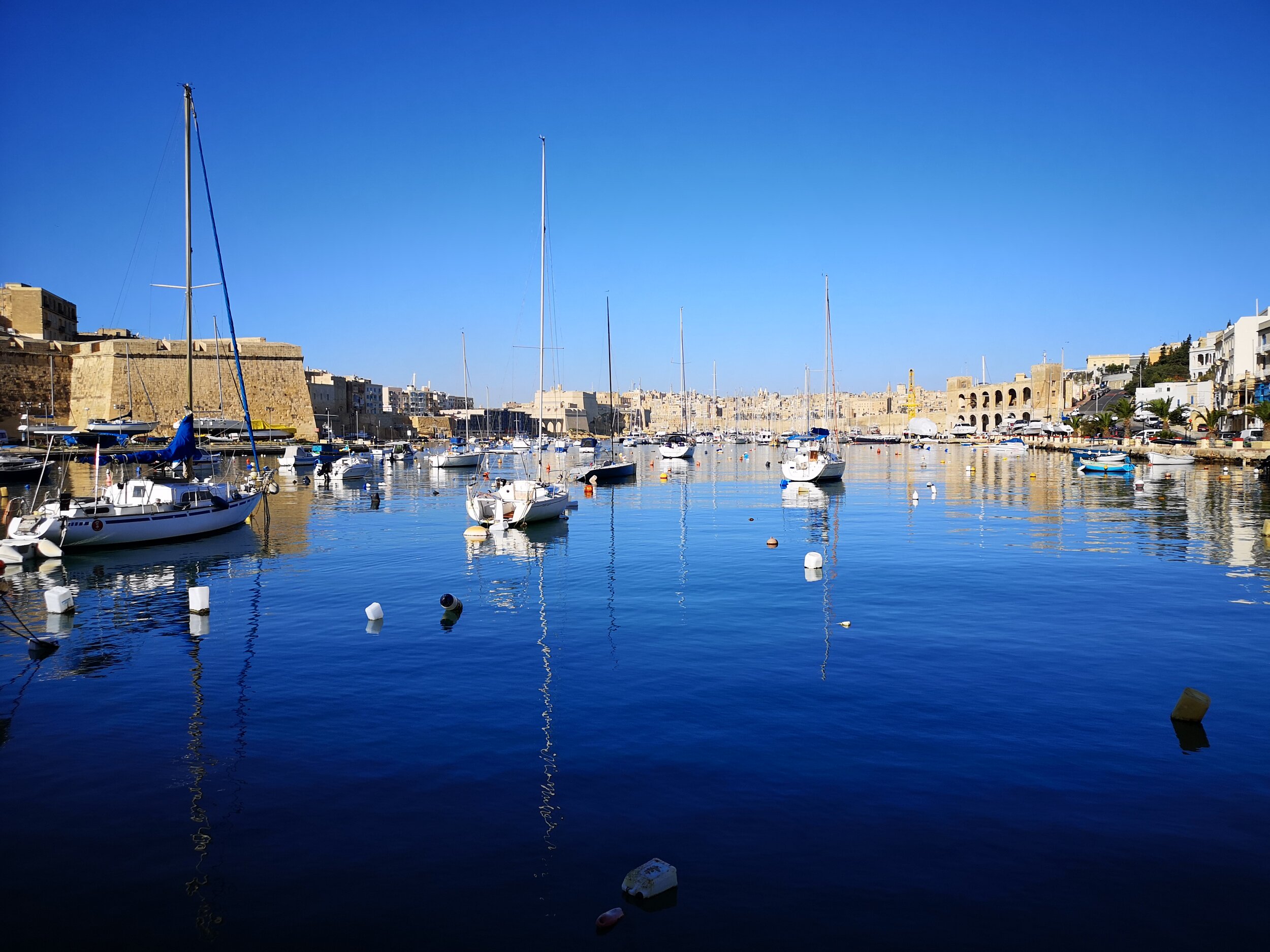
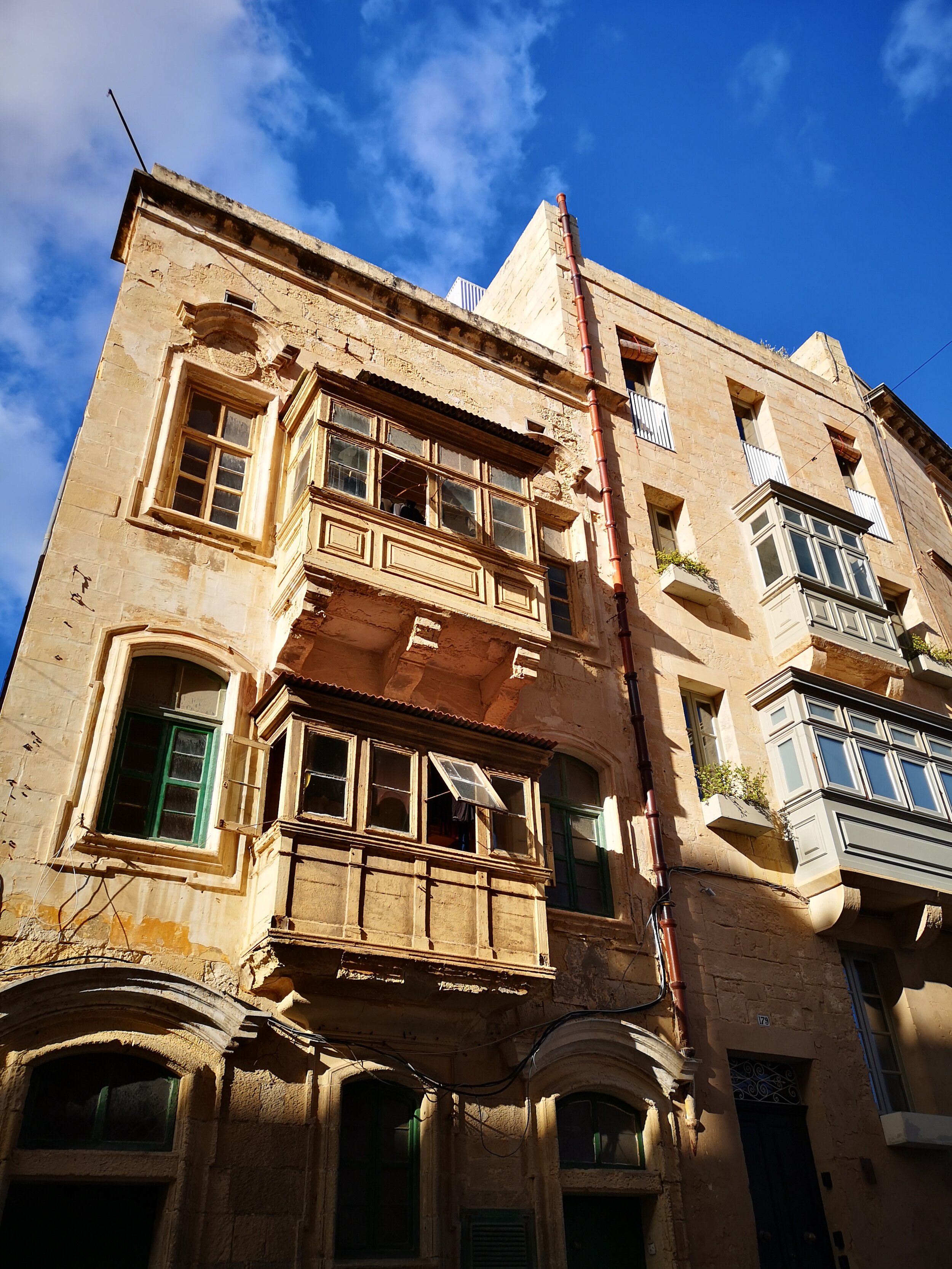
Birgu is one of my favorite places. It is one of “The Three Cities” and it is mainly up to the local community that it is preserved and cultivated tastefull. That’s not the norm in Malta, unfortunately. This building is one of my favorites on my way…

Birgu is one of my favorite places. It is one of “The Three Cities” and it is mainly up to the local community that it is preserved and cultivated tastefull. That’s not the norm in Malta, unfortunately. This building is one of my favorites on my way home from the Birgu central square.
Birthday in St. Petersburg

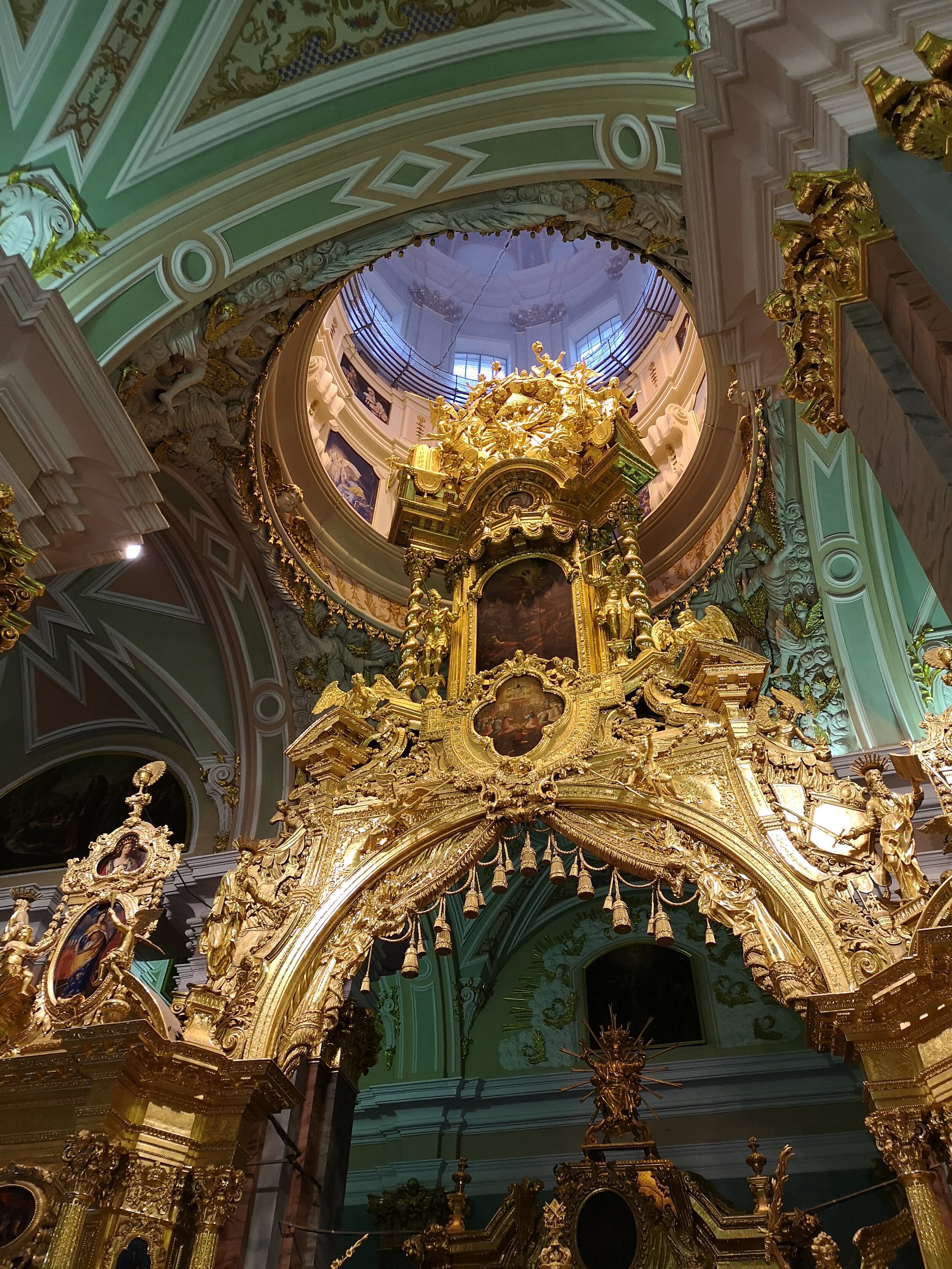
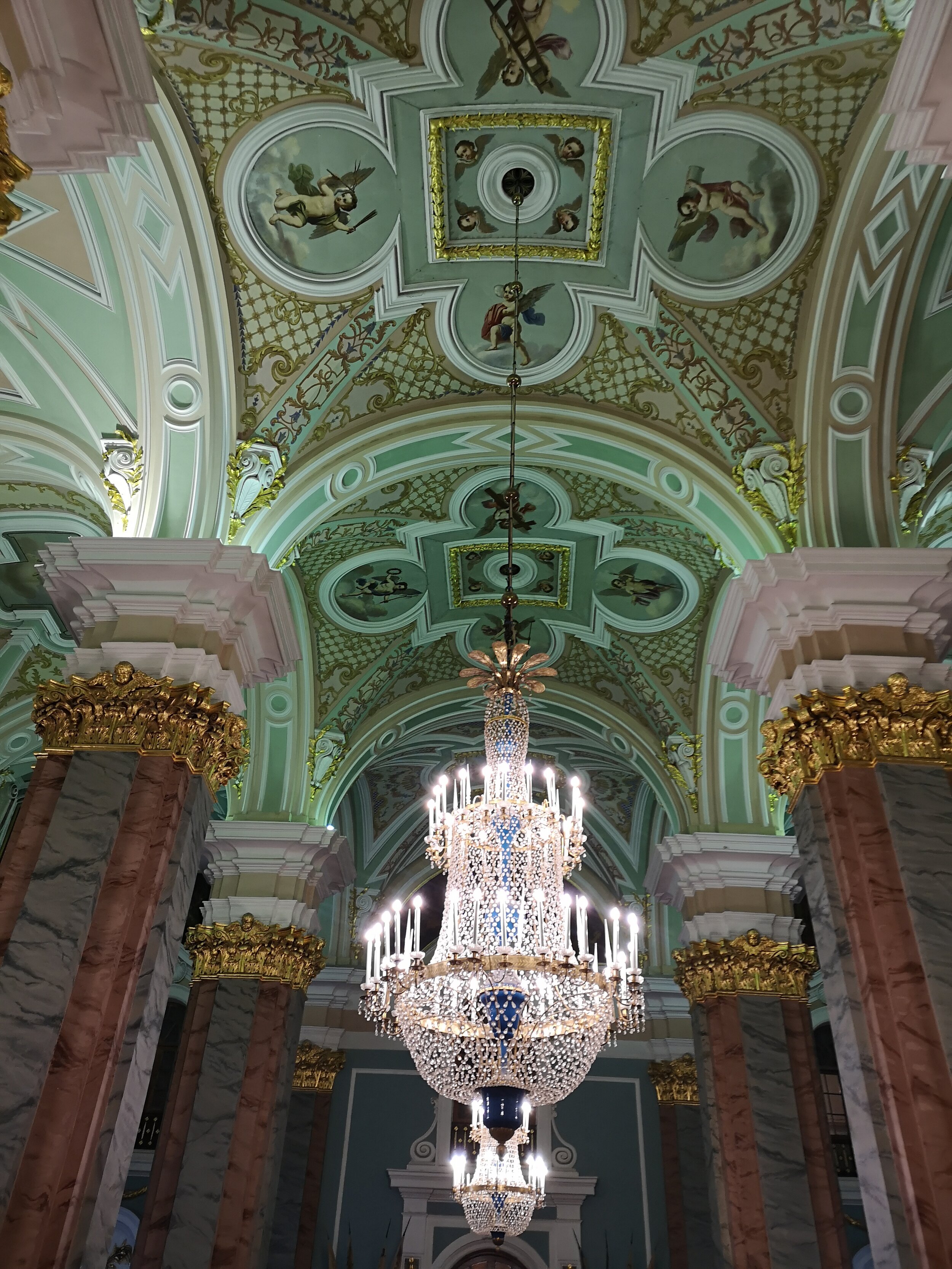
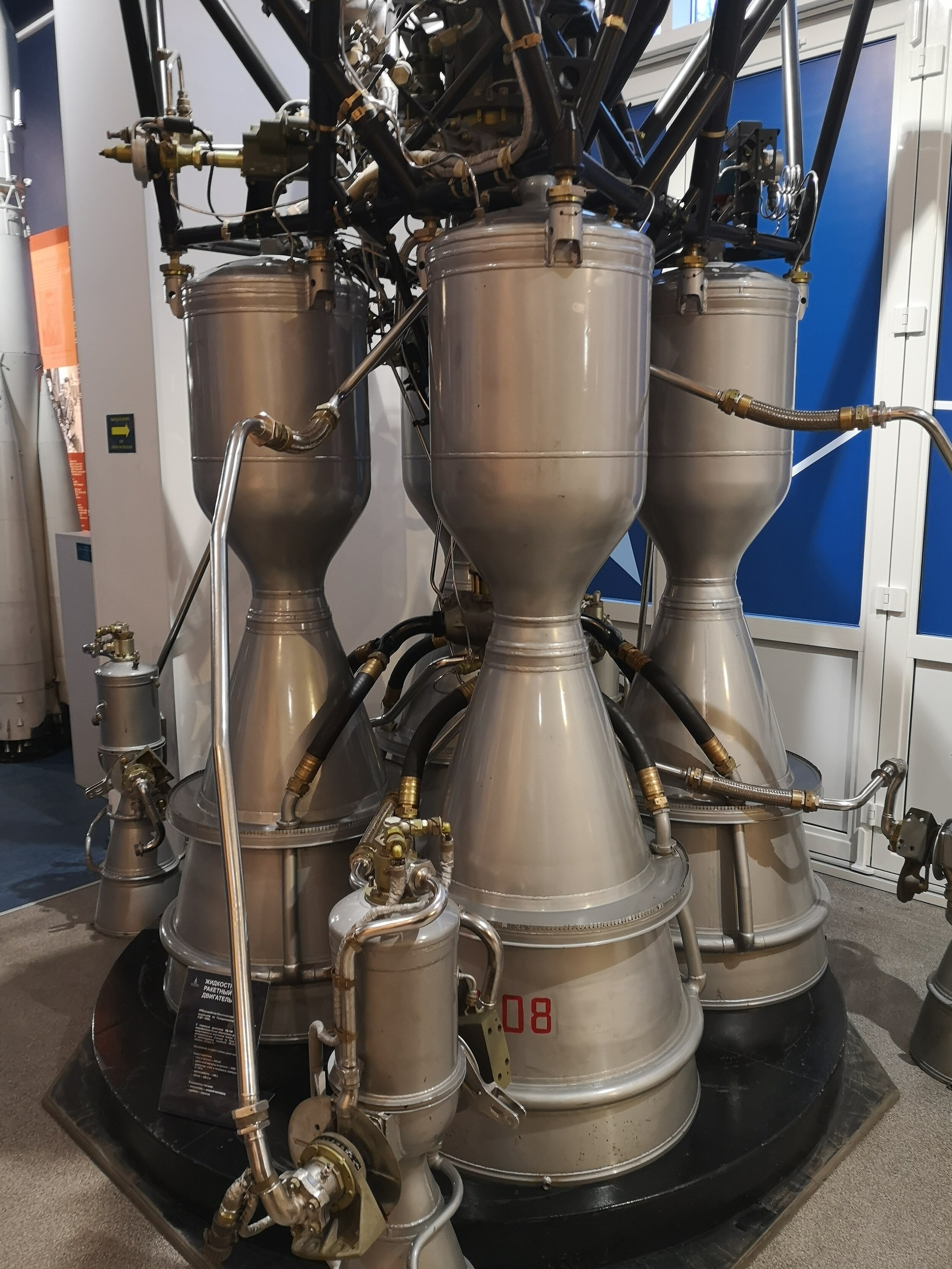
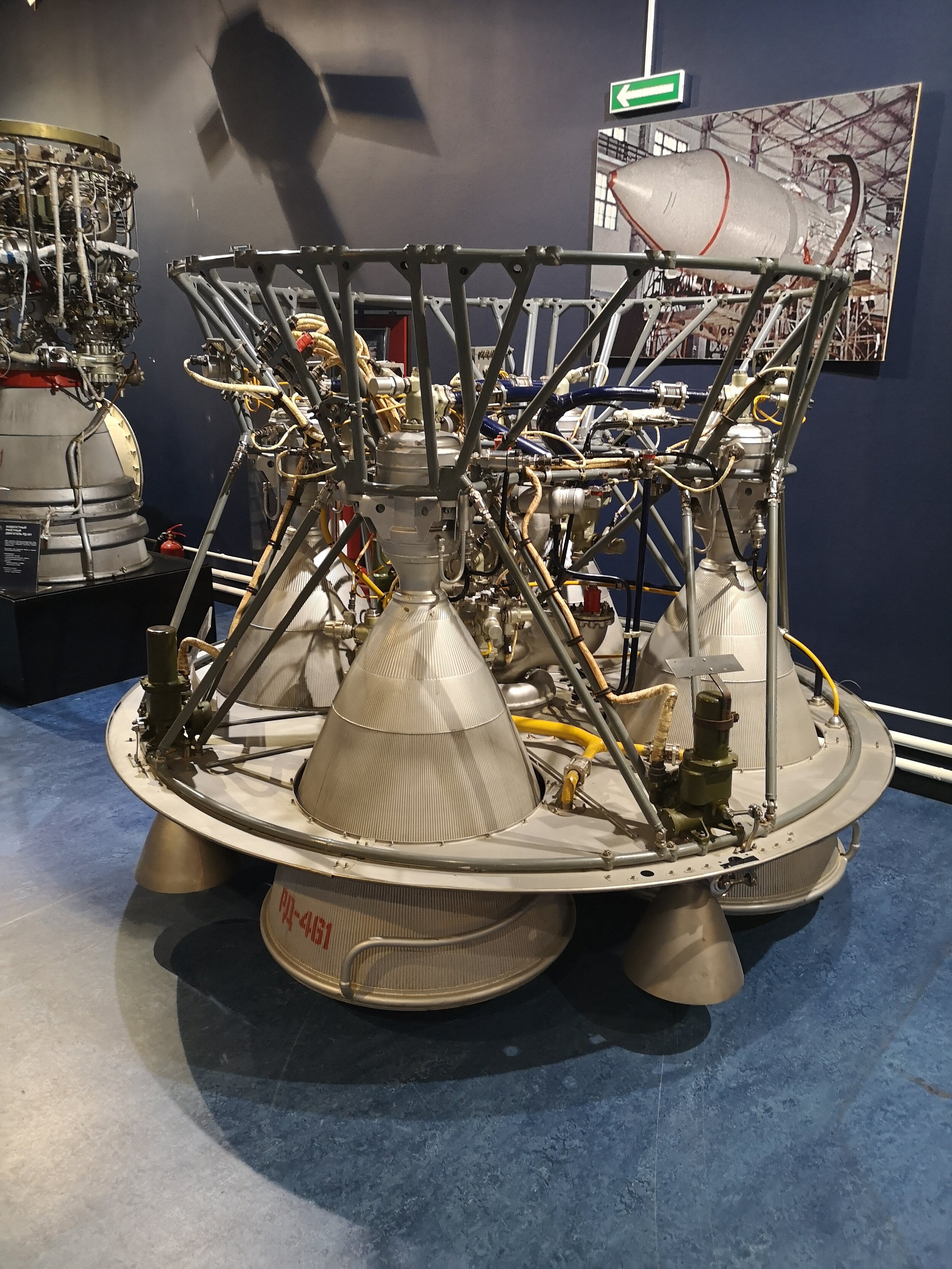
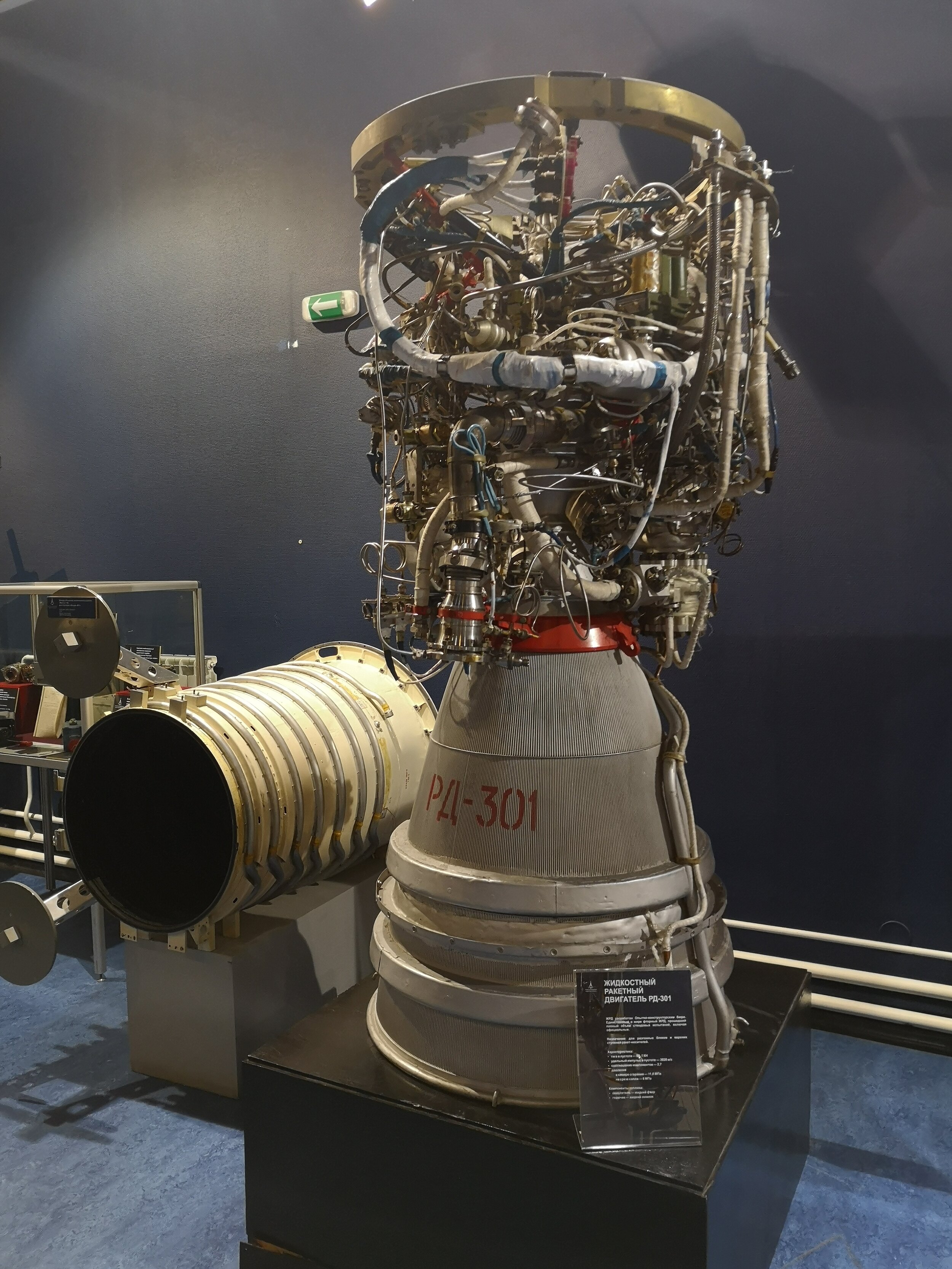
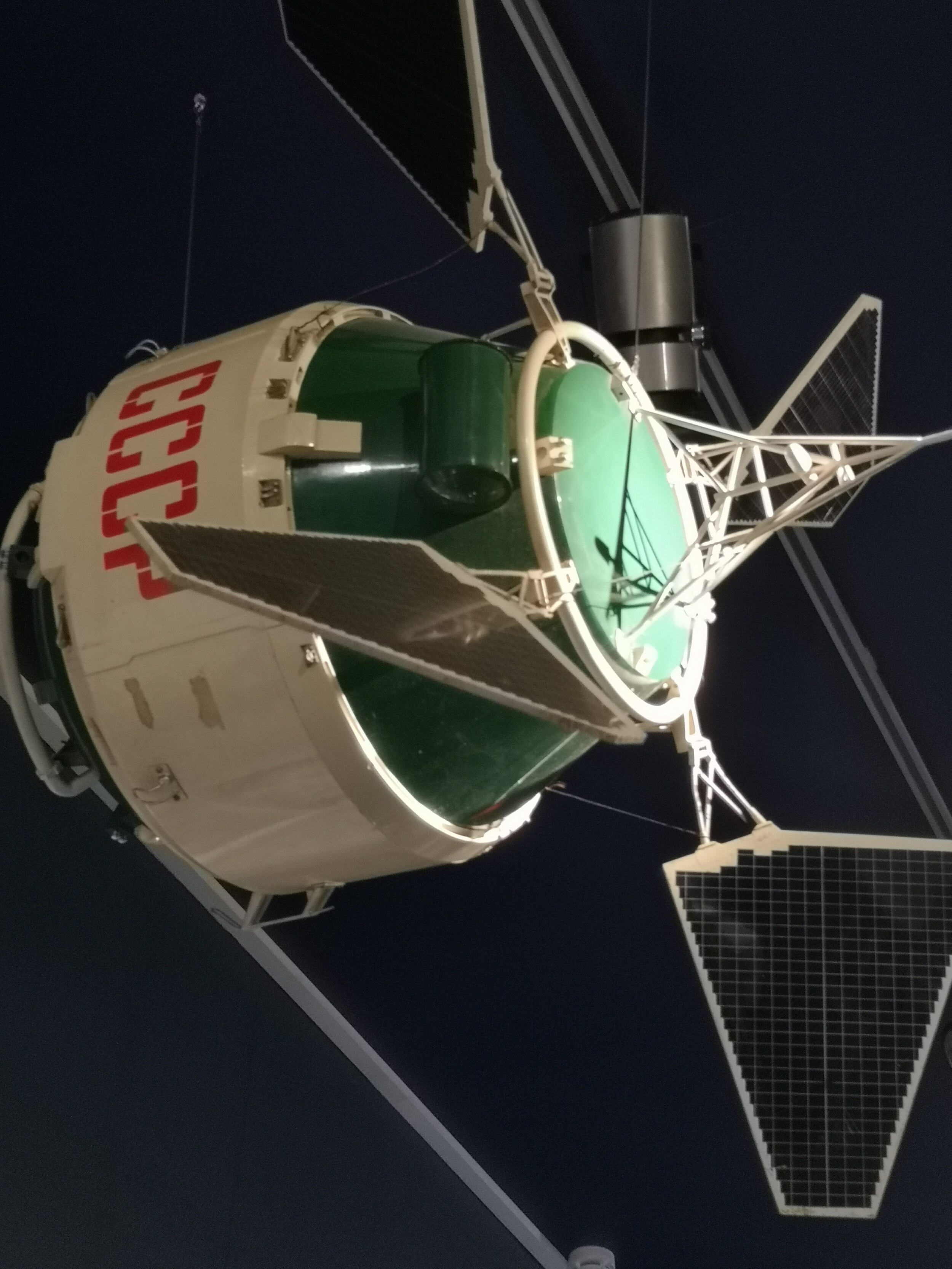
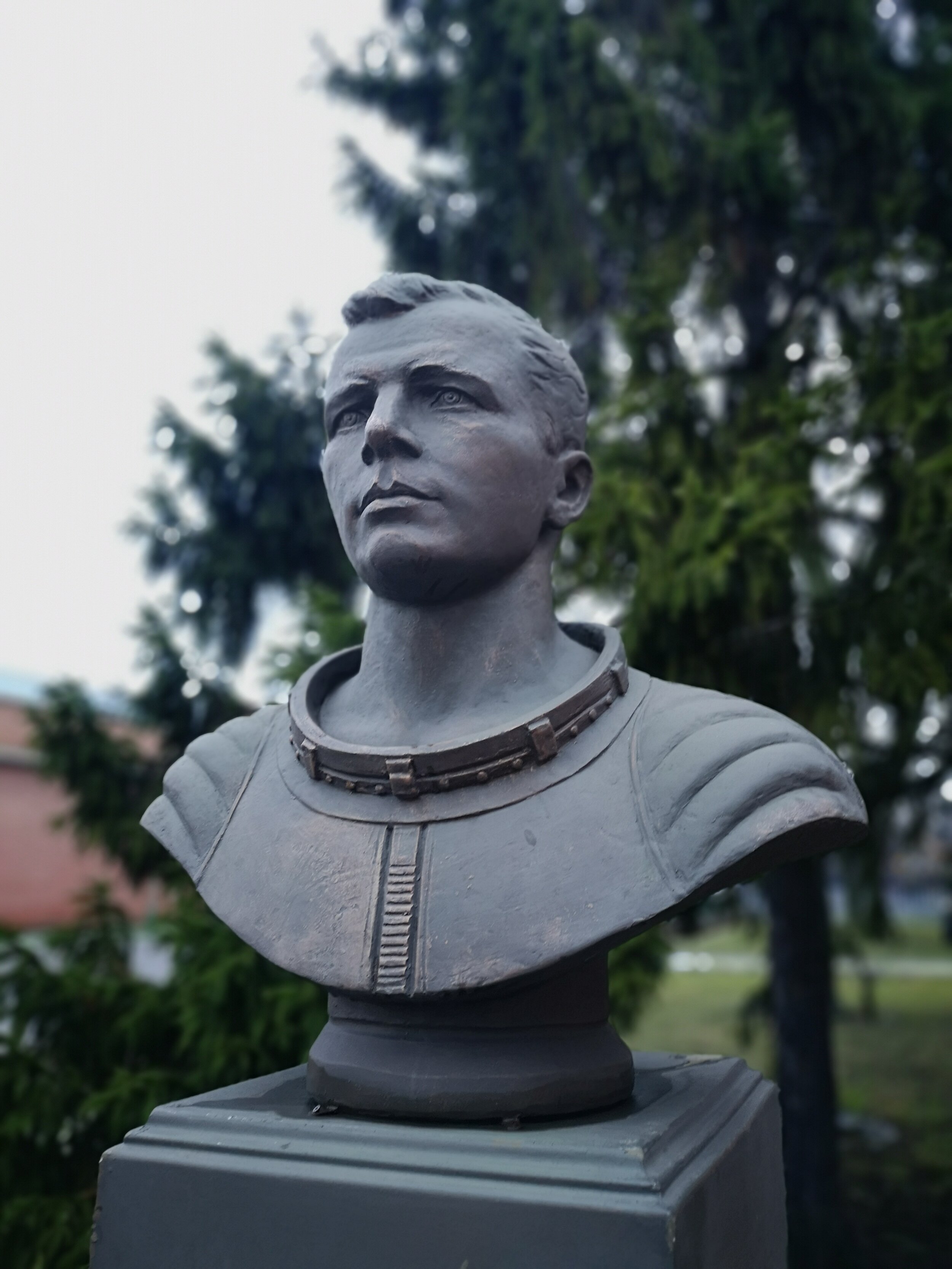
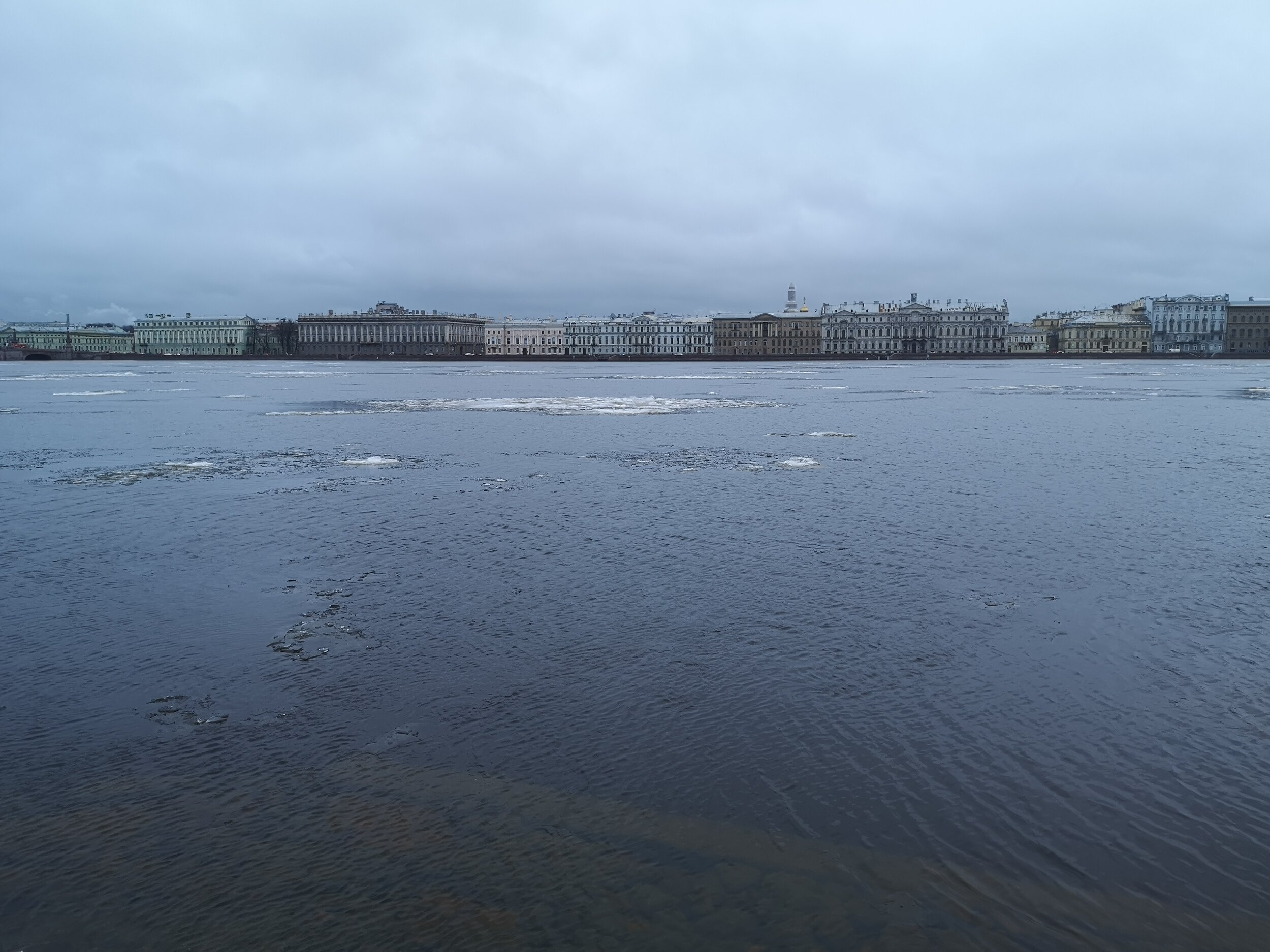
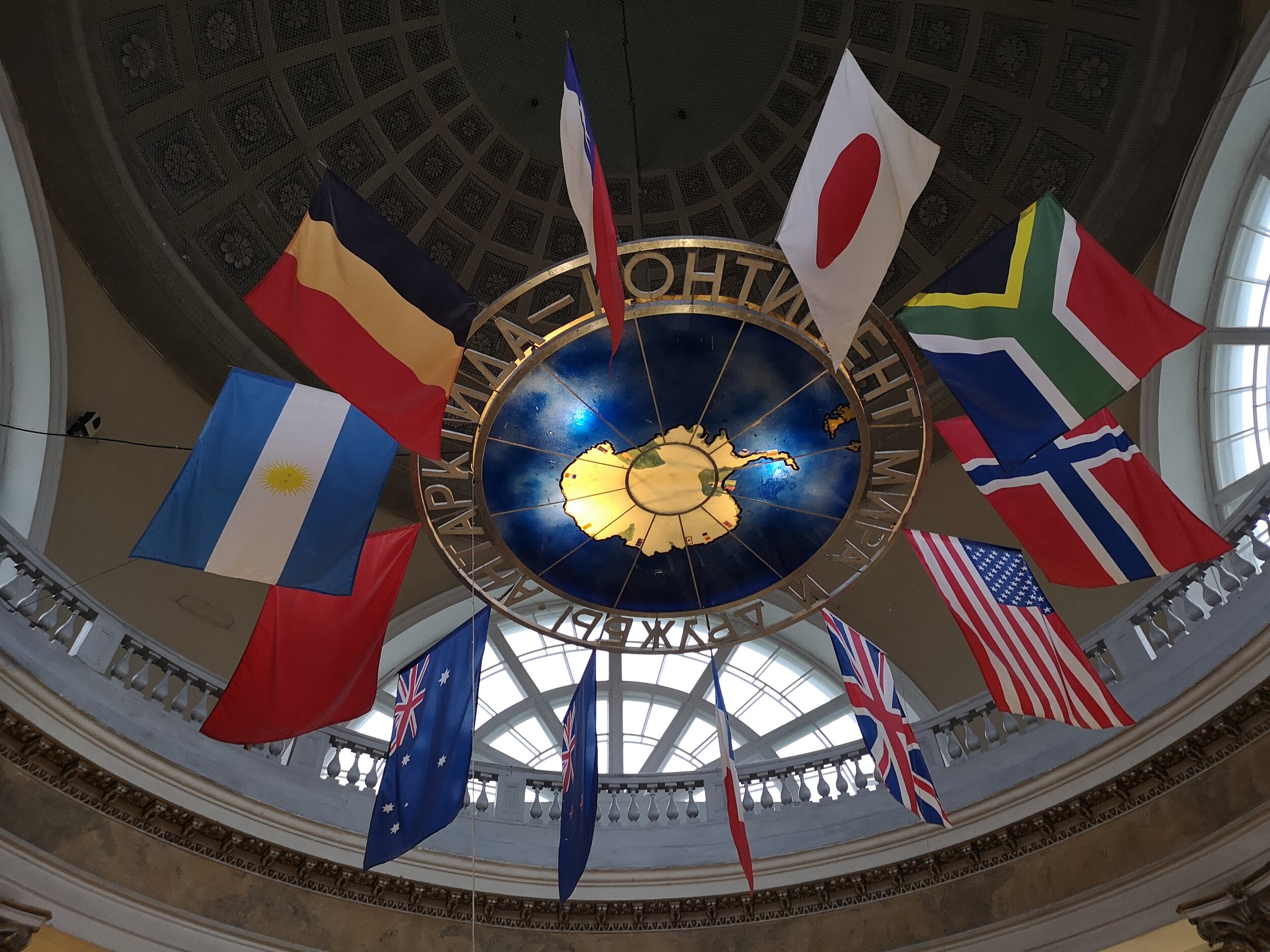
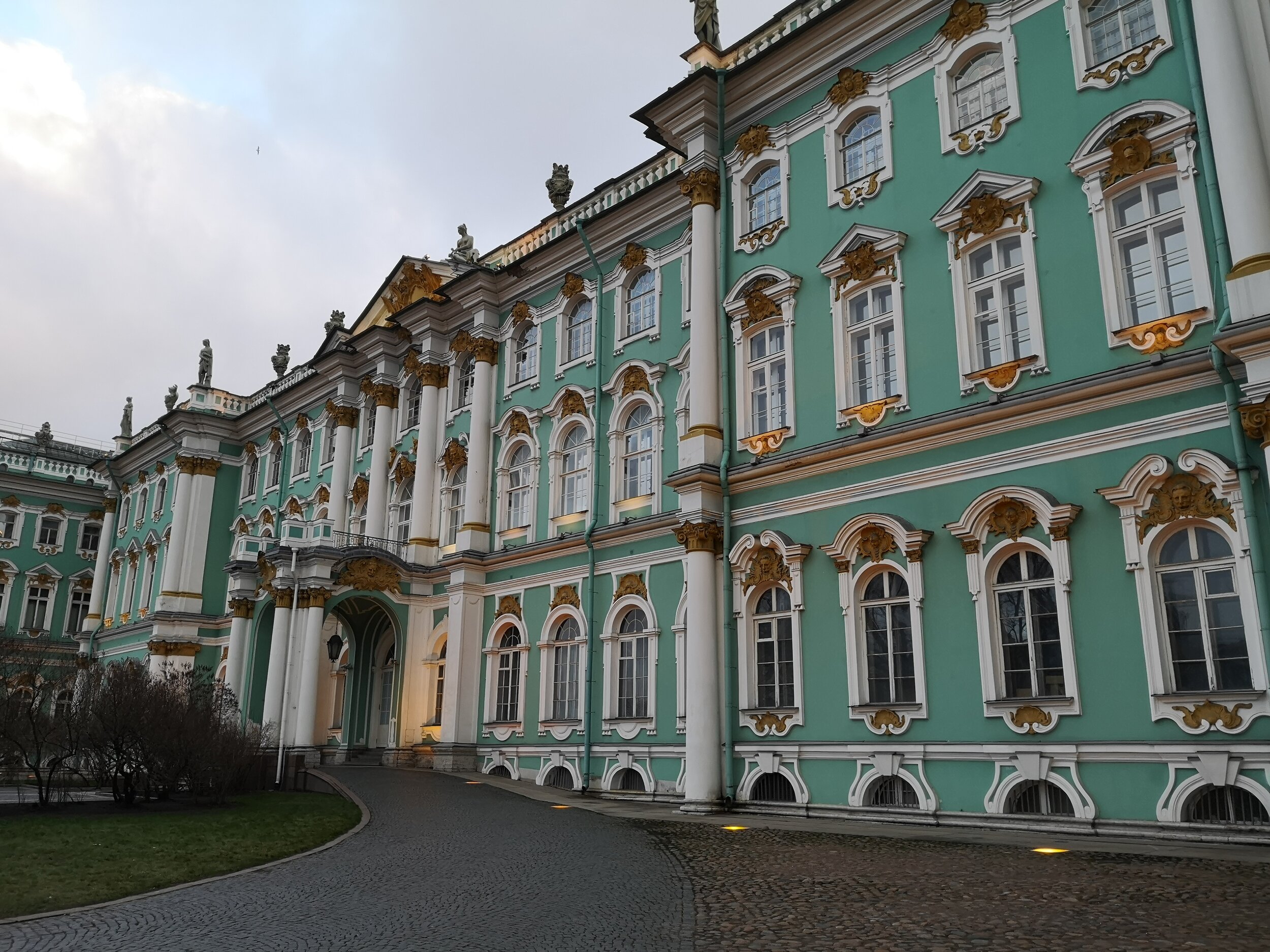
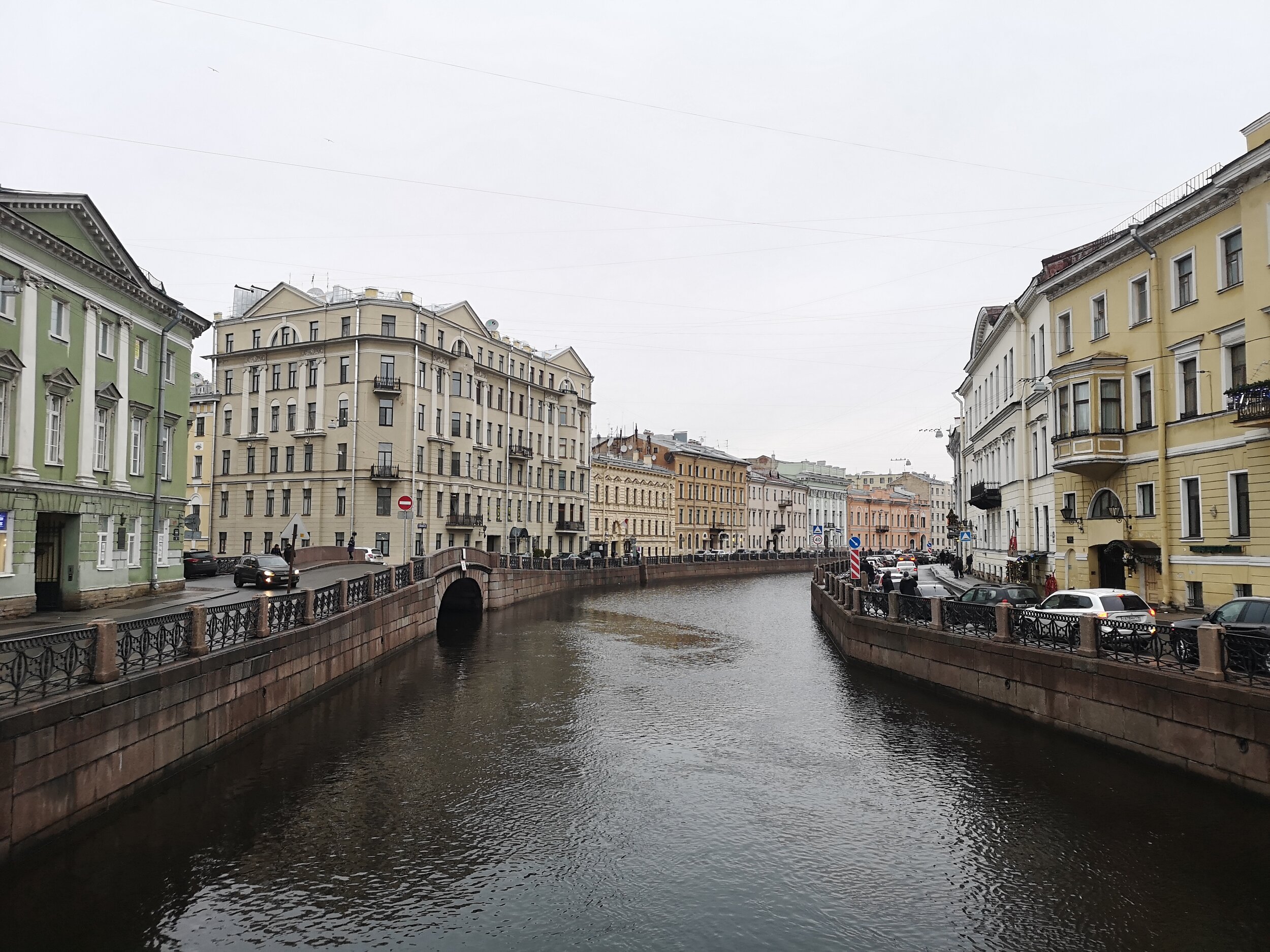
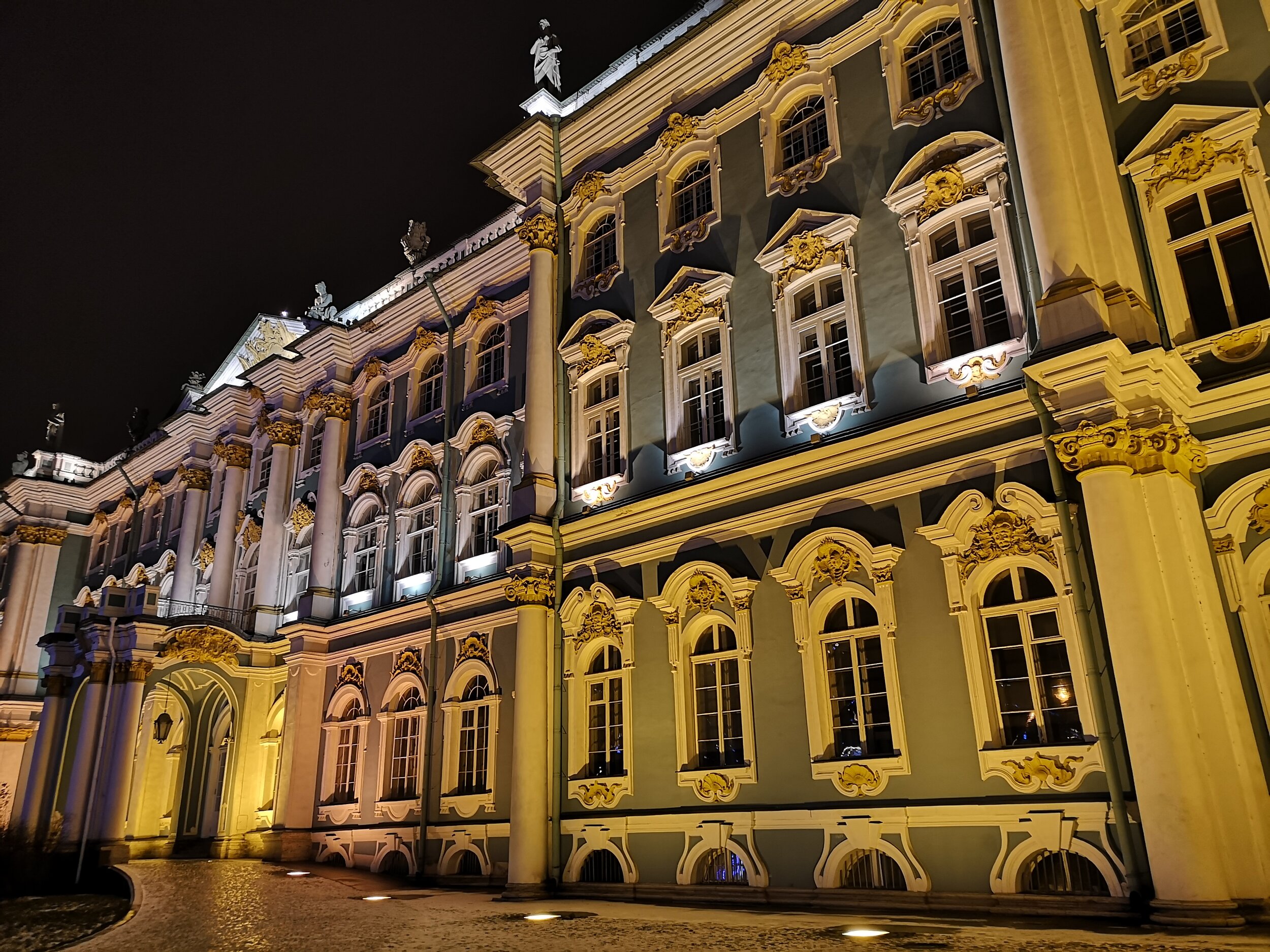
To my surprise, well maybe not anymore, the winter was not very cold in Russia. And now really to my surprise the high speed train from Moscow to St. Petersburg was amazing (wish the German “ Deutsche Bahn” would have a little of this grand attitude instead of being just an extended suburban railway - late, crowded, unreliable) . St. Petersburg itself equally amazed me: a museum in itself, the biggest and best assorted bookshops I have seen for a while. You may think this is strange, but my favorite museum in town was the Arctic- and Antarctic Museum, in a building which was originally constructed to be a church. Of course, the Hermitage is great too, and needs at least a week. The Russian Arts museum I missed unfortunately, and will have to catch up when I am back next time. Instead I went to Space Exploration and Rocket Technology on the Petrograd side of town. Yes, and talking about museum: I also had my 54th birthday in St. Petersburg. Now back in Malta for some administrative tasks. And even it was not freezing in Russia, I caught a cold and try to cure it quickly by taking a good rest.

Started 2020 in Moscow

Started 2020 in Moscow

Moscow during this time of the year, it's cold yes, but decorated so nicely that you won't feel the frost. Especially the cultural offerings make the city, together with an excellent infrastructure, really worth staying. A lot changed in the last years, and for those who still have the immediate past Perestroika Moscow in their minds, it's time to return and have a look. Given I would decide to move to a big city, Moscow would be my first choice, and this not just in summer (still in close competition with Buenos Aires). For some winter impressions, have a look below: from the Chrismas and New Year Market on the Red Square to “The Chinese Pilot Jao Da” (a cult venue, where the first Sovjet Rock Bands played and which still performs in a cellar in central Moscow).

Museum of Russian Impressionism

There is only a small body of Russian Impressionism, mainly because of the Russian Revolution gave culture a more monolithic spin. In the All-Union Congress of Sovjet Writers in 1934, Maxim Gorky centred all contemporary literature around Socialist Realism, and this put Russian Impressionist painting into a dead end - until the 1950s. A collection of Russian Impressionist works is exhibited in the Museum opened in 2016 in the former sugar and flour warehouse of the Bolshevik chocolate factory at the Leningradsky Prospect in Moscow (the Museum of Russian Impressionism). It is a small but excellent museum showing paintings of Konstantin Korovin, Igor Grabar, Konstantin Yuon, Petr Konchalovsky, Yuri Pimenov and some selected pictures by Boris Kustodiev and Valentin Serov. My personal favourite though is none of the above, but Tit Dvornikov's "By the Sea" (1912) showing a scene of a gathering of women around a table at Odessa. But I liked the entire exhibition a lot, which is located on the upper two floors of the round building. The basement showed an exhibition on Spanish Impressionism, and I found it interesting to see the differences literally side by side. The former chocolate factory is entirely refurbished and rebuilt into a cultural centre and high-end office space, which appears a good mix, also on the commercial side of the project. I just arrived in Moscow, and I really like the city. It is my favourite European capital. Not that cold yet, in December, but around - 8 to -2 °C, but it feels like in the next few days temperatures will drop, and so the weather forecast said.

“By the Sea” (1912) by Tit Dvornikov (with kind permission of the Museum of Russian Impressionism)

“By the Sea” (1912) by Tit Dvornikov (with kind permission of the Museum of Russian Impressionism)

Litter, lies and Sunshine - The contemporary Malta Experience

Had a stopover in Malta and gave a few guest lectures. The little country is in turmoil after a long story of greed, corruption and murder, which seem to have entered the government. I hope this is a chance for a step forward and also a trigger for long-overdue judicial reforms. There are many things stuck in Malta in a gridlock of tribal fights and system abuse. Now is an excellent time to move forward - potentially.

In my University lecture about the "One Belt, One Road Initiative", also sometimes coined "The New Silkroad", I was a bit surprised that on the level of postgraduate business students nobody heard of this term which stands for a Multi-Trillion USD programme. But I changed the sequence of my plot and hoped I was able to make an introduction. The next guest lecture was on innovation and disruption in the auto industry in a Master for Entreprenneurship programme. This one, I enjoyed a lot. Nice discussions, smart questions. Again, I could not catch up with all friends. Now I am already sitting at the Malta airport, which is always a zoo of English tourists and tatooed people serving coffee. But it’s working - sort of.

Blue sky over Beijing

It has been nearly five years since I was to Beijing last time. And the first thing which surprised me was a week of blue sky. I saw the formerly notoriously polluted city in bright light. And I did have the chance to stay a few days in the Hutongs and re-explore my old places, as also getting to know some new ones.

After this stroll, work took me out to Changping district in the North West of Beijing, close to the Great Wall. There is a large Marriot hotel, very different from the previous Hutong courtyard, which seems to sustain its business mainly by corporate events. My colleague from Ivey University and I were there to support a development programme for partners of a large professional services firm, with input and training on disruption and innovation. There were good discussions, and I enjoy most about Executive Training that it makes a practical impact and secondly that I also learn something myself. It's inspiring both ways.

In the second morning came a colleague from Tsinghua University, Prof. Xudong Gao, and shared his view on the recently fast rise of Chinese innovation. He did his PhD at the MIT, and like all Tsinghua Professors, I have the privilege to know, he was extremely smart. Unfortunately, my Mandarin is not good enough to follow it all. He said a combination of new Chinese entrepreneurs and company innovation are in the drivers, and he quoted a lot of excellent examples. Obviously, he also had to touch on the tense Chinese-American relationship, and he shared my disappointment with Hong Kong.

Changping district is at the 6th ring and is during the week like a ghost town. Some admin work and -7°C kept me inside the colossal hotel, also after the event. And when I saw that my website suffered a bit from cyberattacks since my last two Hong Kongs posts (that's their idea of how "democracy works"), I also decided to fix this and do a significant redesign of the site. It will take a while until everything is in the right place. Please bear with me.

DSCF3572.JPG
DSCF3547.JPG
IMG_20191124_150348.jpg
IMG_20191124_150524.jpg

Leaving Hong Kong in difficult times

After six weeks, I am leaving Hong Kong as planned. Since five months the city is in the grip of mass ignorance, incompetence and is terrorised by a small number of violent rioters. Daily life is ruled by avoiding disruptions, adjusting to event cancellations and rescheduling. On the campus of The University of Hong Kong, students go on their nightly spray of "F-words" with no content, but just brainless anger. Since a student of HKUST suffered a fatal brain injury by falling down a parking deck, there is beside the mourning, another round of black-dressed mob rampaging streets, vandalising shops and more and more also performing racist violence against mainland Chinese citizens. Even the tragical death of the student is misused for blaming the police. But if anyone is to blame for this accident, then it is those who fuel these rampages by agitation and misinformation; domestically and from abroad. Overall, many people have probably forgotten why they went to the streets in the first place. It's a circus.

Being struck by significant economic losses, soon people will lose their jobs in large numbers. Frustrations will mount, living conditions will deteriorate, and the brain drain is already setting in. People who speak out reasonably are silenced. Democratic candidates for the local council elections are threatened or even attacked, just by those people who claim they want more democracy. There are all kinds of fractions now, of which the ridiculous one also asks Donald Trump to send troops. People who can do so leave. Companies rethink their Hong Kong exposure and start pulling out, partly because of uncertainty coming from the recent amendment of the US 1992 Hong Kong act. Should the decline continue, some economists believe the pegging of the Hong Kong Dollar against the US Dollar may not sustain. Others think a potential capital outflow could be curbed by rising interest rates. This would have devastating effects on the economy again and let the housing crisis spiral down further. Last but not least, Hong Kong is turning for China from being an asset to a liability. Obviously, there will be soon alternatives to the functions Hong Kong has for China. And as soon as these become available, Hong Kong may sink like a stone in a pool of ignorance, arrogance and self-pity.

During my stay, I had two escapes to Malaysia from Hong Kong. One to Kotakina Balu (for a rest), the other one to Kuala Lumpur. Both I enjoyed, and especially Kuala Lumpur seems a viable alternative to Hong Kong for businesses which operate in South East Asia. The other, even more, an obvious one, is Singapore. I still hear often that Hong Kong would be a "gateway to China". Perhaps it makes sense to adjust this claim to the realities of the 21st century. I lived and worked for many years since 2003 in Shanghai and Beijing. If you want to go to China, go to China. And if Hong Kong does not see itself as a part of that, then that's Hong Kong's problem.
I regret, I could not meet even some of my best friends in Hong Kong this time. And many planned glasses of something cheerful stayed untouchched. But I hope we will have the chance to catch up again soon, may it be in the fallen city or anywhere else on the planet. Keep well. I will be back.
This year I stayed again in the Robert Black College Guest House on the campus of The University of Hong Kong. It is a rustique but quiet place, secluded from the Buzz of Hong Kong.

This year I stayed again in the Robert Black College Guest House on the campus of The University of Hong Kong. It is a rustique but quiet place, secluded from the Buzz of Hong Kong.

Twin Towers in Kuala Lumpur and the KLCC. The city appears to be a viable alternative to Hong Kong when it comes to having a South East Asia headquarter. And it is much less cramped also.

Twin Towers in Kuala Lumpur and the KLCC. The city appears to be a viable alternative to Hong Kong when it comes to having a South East Asia headquarter. And it is much less cramped also.

Oyster farming in the mangroves close to Kotakina Balu.

Oyster farming in the mangroves close to Kotakina Balu.

After a chaotic week in Hong Kong

The tensions have been building up, at least since I had moved to Hong Kong in 2006: dangerously unequal income distribution, monopolistic real estate development, and fading prospects for the young. I left Hong Kong and moved to Bejing in 2011.

After a century of British occupation, China left Hong Kong untouched and in the spirit of an experiment, whether an ultra-capitalist system can deliver superior living conditions and what can be learned from this. It has been evident for years that this experiment has failed. The British had set up a system of mistrust to the Hong Kong Chinese, and a tight mechanism of checks. But they did not build up a Hong Kong Chinese elite, which would be able to step into their role and at least lead somewhere. Like all their colonies, Britain has ruled these places for the benefit of Britain, not the local people. The tale that Britain brought infrastructure and education to colonies is often distorting the fact that this was only to exploit the colonies more efficiently and to have qualified servants. This is how Hong Kong, for example, became a city of accountants and completely failed to build up technical knowledge or the capability to innovate. Until today, large parts of the education system are mere training entities for useful skills. Very rarely, you find an educated person, and if so, they often come from the Chinese Mainland. One of the last British stunts before the handover was to make the British electric power socket compulsory, to fill their own order books, and make things incompatible to China. Divide and conquer down to a micro-level. I am sure the last British Governor, Chris Patten, has more romantic things to say. That's something they do well: talking.

Four months ago, the bubble burst (a second time). Millions demonstrated peacefully against the implementation of an extradition agreement between the Hong Kong SAR and its mother country. Hong Kong has extradition agreements with many countries. And given that one of the key "services" Hong Kong has to offer, is money laundry and facilitating asset transfers, you can imagine that China does not appreciate having a save heaven for economic criminals within its own borders. But sure, you can't ignore the fears of millions, so the extradition bill was withdrawn. But the frustration, of course, stayed because the extradition bill had nothing to do at all with the shortcomings of Hong Kong's governance. I guess it could have been anything sparking unrest.

Since then, the peaceful protests have bred a violent group going on rampages destroying public and private property and using iron rods, slings, brick, Molotov cocktails (petrol bombs), and sharp objects against citizens and the police. For what I have seen, the police are handling the situation very defensive. Just the fact that there have been until today no casualties is terrific. I cannot believe in any other country, at this level of violence, you would have nobody killed yet.

I have talked to University students ganging up for rampages. They don't know a lot of facts and have a very naive belief in what they think "democracy" can do. Riots give them a sense of belonging and "purpose" in their, at other times, boring and quite meaningless lives. Luckily most of them learned their infantry skills from catching Pokemon and other video games. I do believe they live in some augmented reality. But that they have no clue what they are doing, does not mean they can't be physically dangerous. If you have ever seen what happens in a chicken stable when they start hacking down on a chicken that struggles: this is how these kids fight. They smash from the back people who are struggling, and then they run. Not exactly Bruce Lee. At the same time, they talk of "police violence" and even demand an independent investigation. My guess is that this investigation would find that the rioters have been treated very mildly. Too mild for my taste. But that's perhaps a different cultural viewpoint.

The infrastructure is undergoing repairs, while the rioters now focus their violence on Mainland Chinese shops and tycoon's property. I had to tell a bunch of them off today who wanted to make trouble to the staff in a Park & Shop convenience store (owned by Li Ka Shing, who definetly is a contributor to the struggles of Hong Kong people). They would really harass some of the poorest of the poor Hong Kong shop workers, laboring in this store "to teach Li Ka Shing a lesson". What a bad joke! I can't help thinking of the Nazi mob in Germany in 1933 looting and burning Jewish stores. This was the beginning of a very dark chapter in world history. I hope here things clear up and start to tackle the real issues. In the end, most of Hong Kong's problems are homemade. And if China would not protect and support Hong Kong SAR, most of the accountants here would be already back to fishing.

Star ferry to Kowloon. The good news is that it’s not crowded.

Star ferry to Kowloon. The good news is that it’s not crowded.

I understand, it’s hard to “think outside the box”, if you live like that (opposite Belcher’s Towers, Pokfulam)

I understand, it’s hard to “think outside the box”, if you live like that (opposite Belcher’s Towers, Pokfulam)

Stanley Tin Hau Temple

Stanley Tin Hau Temple

Graduating the Masters in International Management

Today I had the honor and privilege to address the students to address students of Tilburg University’s Master of International Management Program at their graduation ceremony. In US schools, this is called “commencement speech”, and I like to keep it in the spirit that it is mainly about things to come. We are increasingly releasing students into an unpredictable future. There are unprecedented opportunities and threats side by side. Increasingly education will be the key to finding solutions and inventing the skills needed for problems of which most are still unknown. What makes Tilburg University special, compared to the other schools I teach, is that it is a humanistic university. As a natural scientist by training, I have often ignored the social sciences side of problems. That’s why for example we discussed Climate Change since the 80s but got nothing substantial done until (hopefully) today. This is what we can’t afford to continue doing and without “Understanding Society” (the slogan of Tilburg University) many of our technical capabilities will be in vain or even backfire. First of all, I wish all students graduating now all the best for their professional and personal future. But there is also something for me in graduation events. It’s always a bit like graduating again myself, role up the sleeves, and go out shaping the future with the best I can. This is how University work is a real win-win situation. Good luck to all. See you out there.

In the Aula of Tilburg University - Understanding Society

In the Aula of Tilburg University - Understanding Society

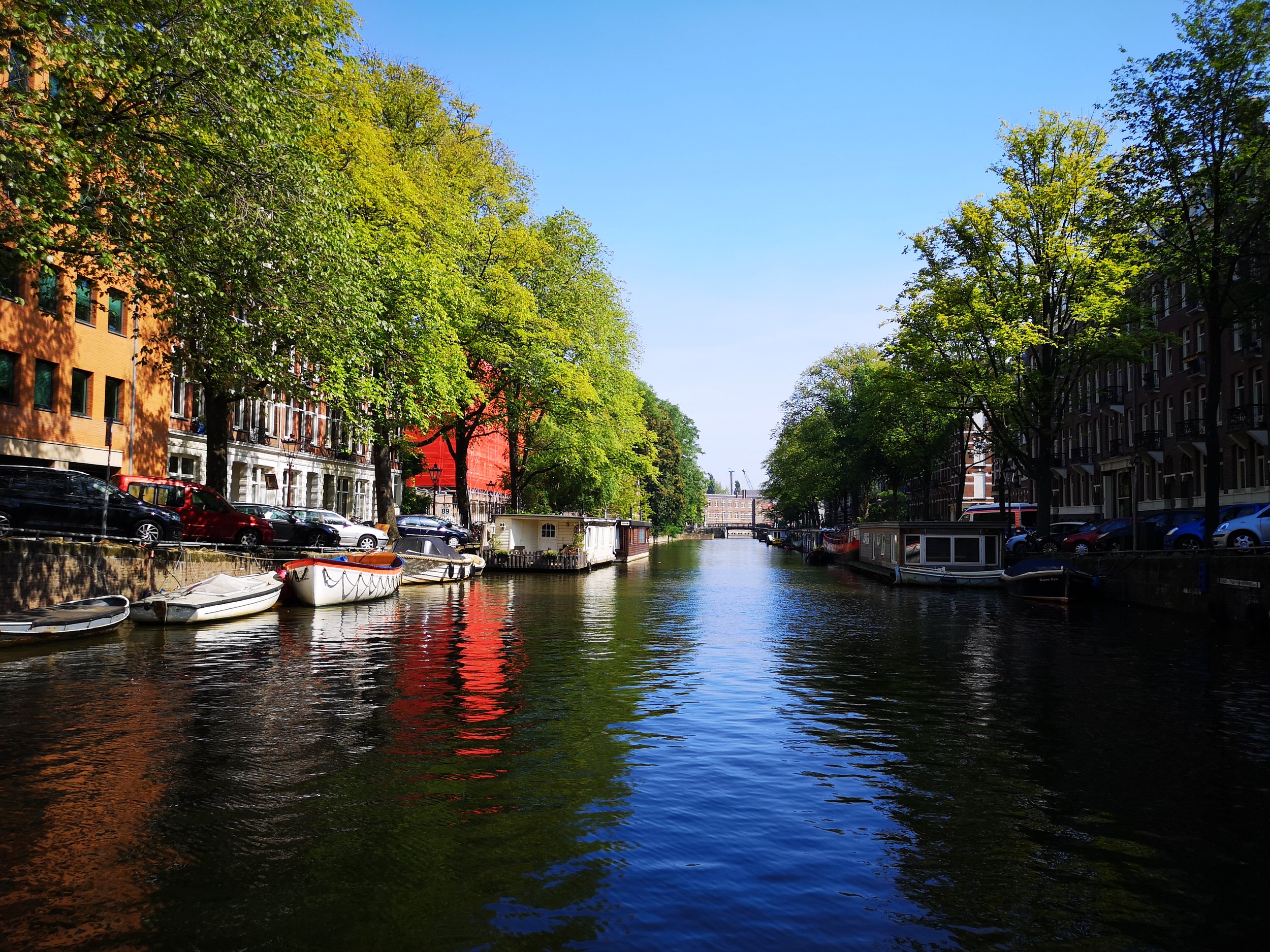
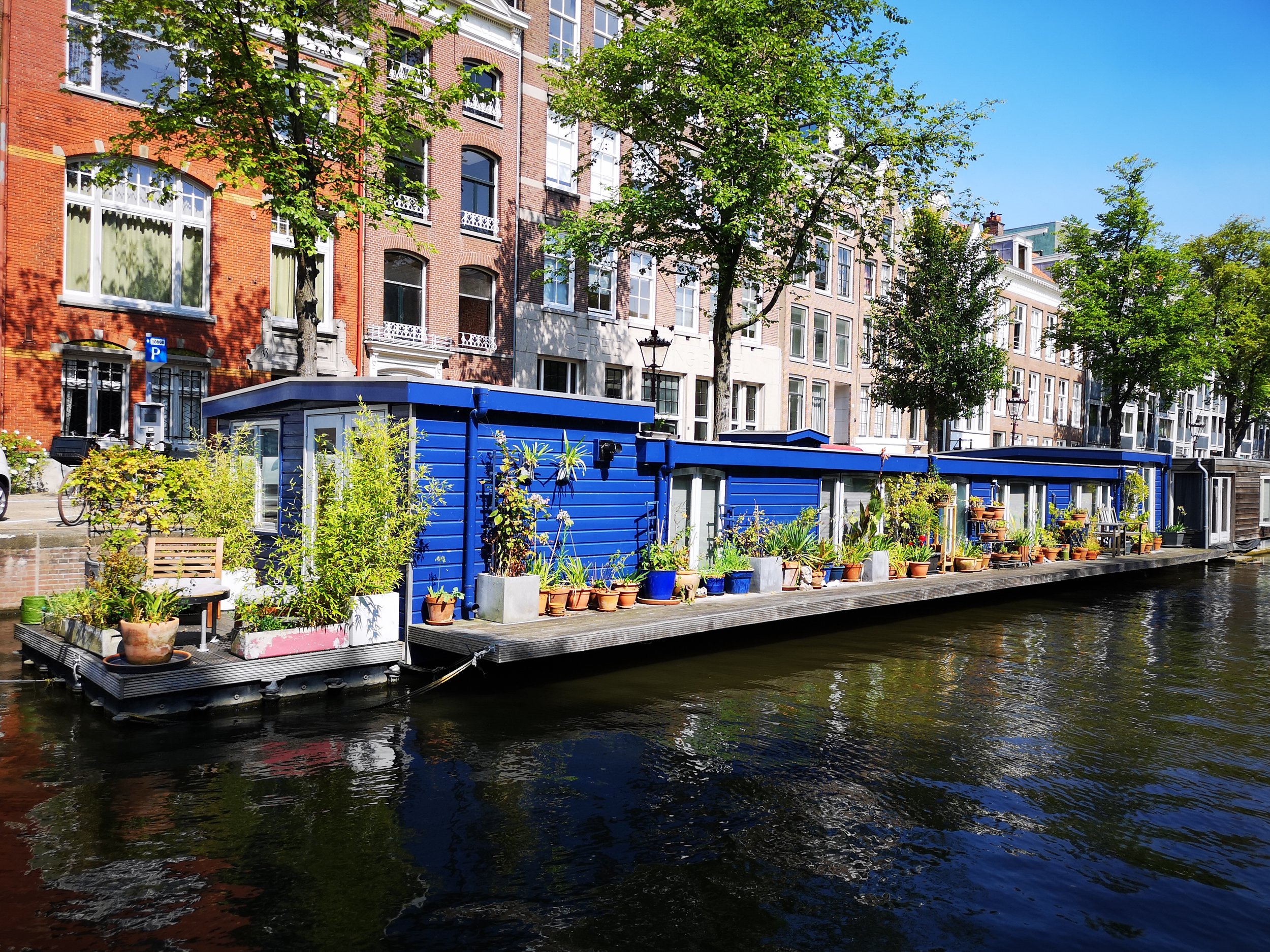
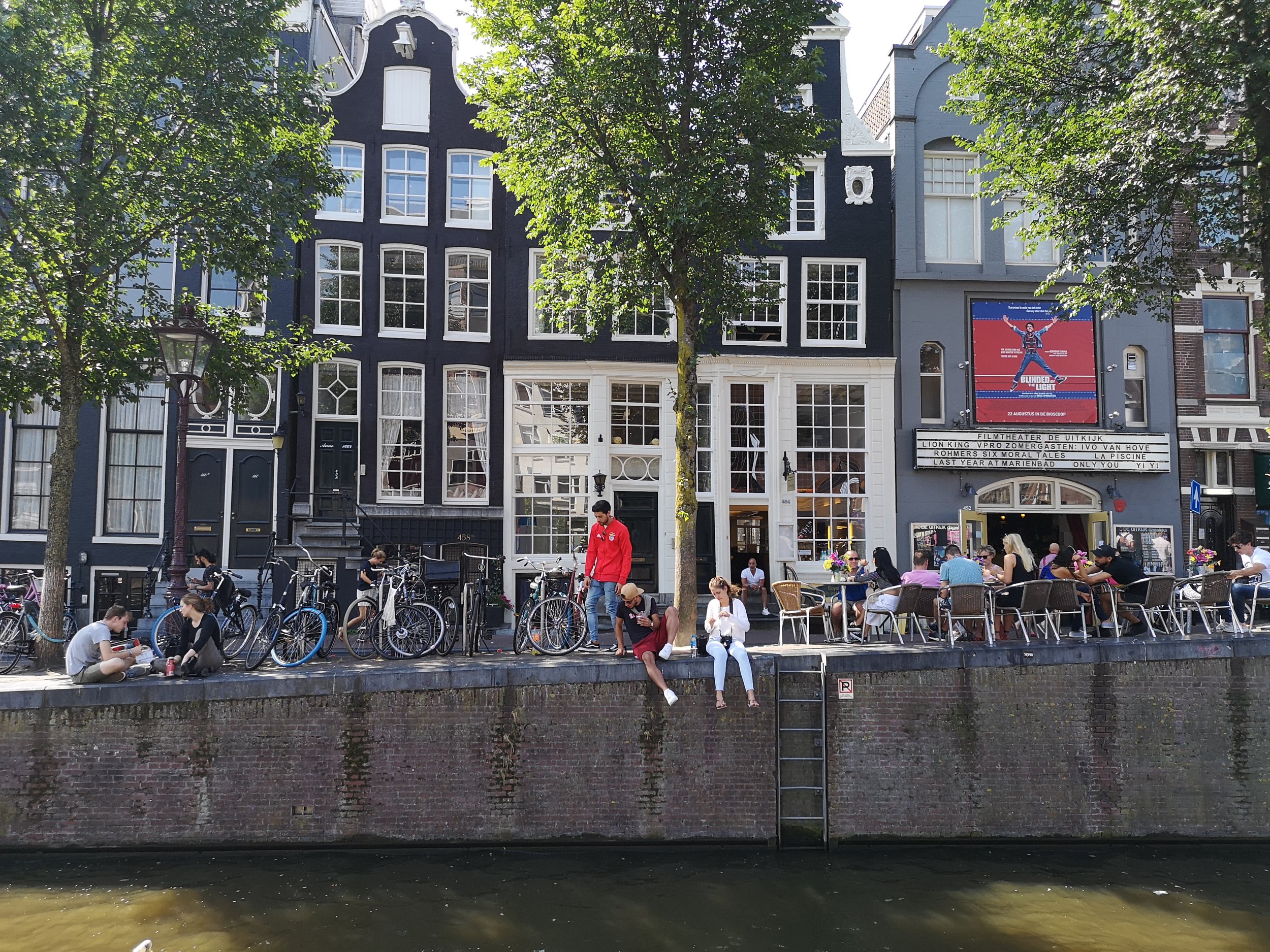
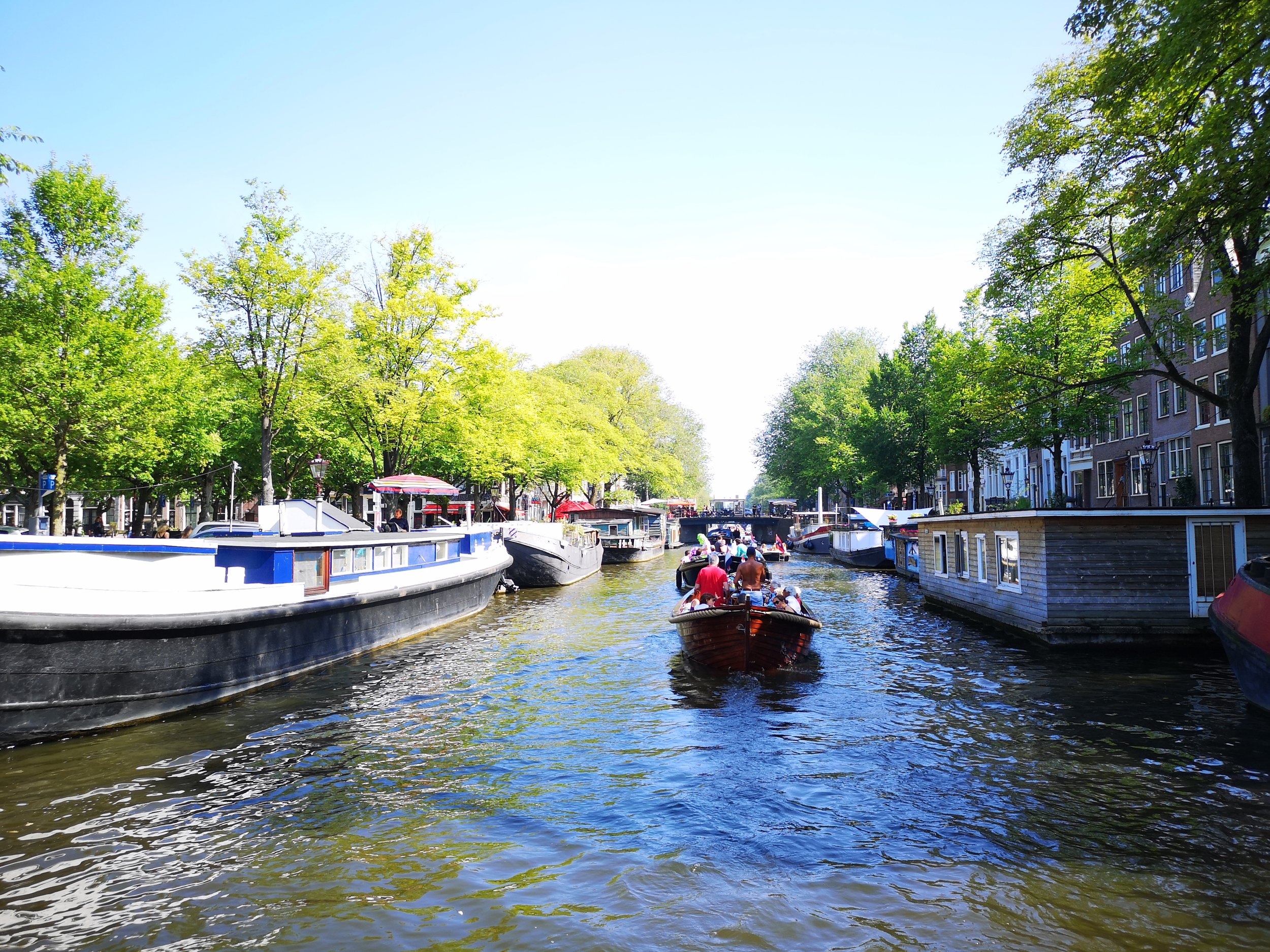
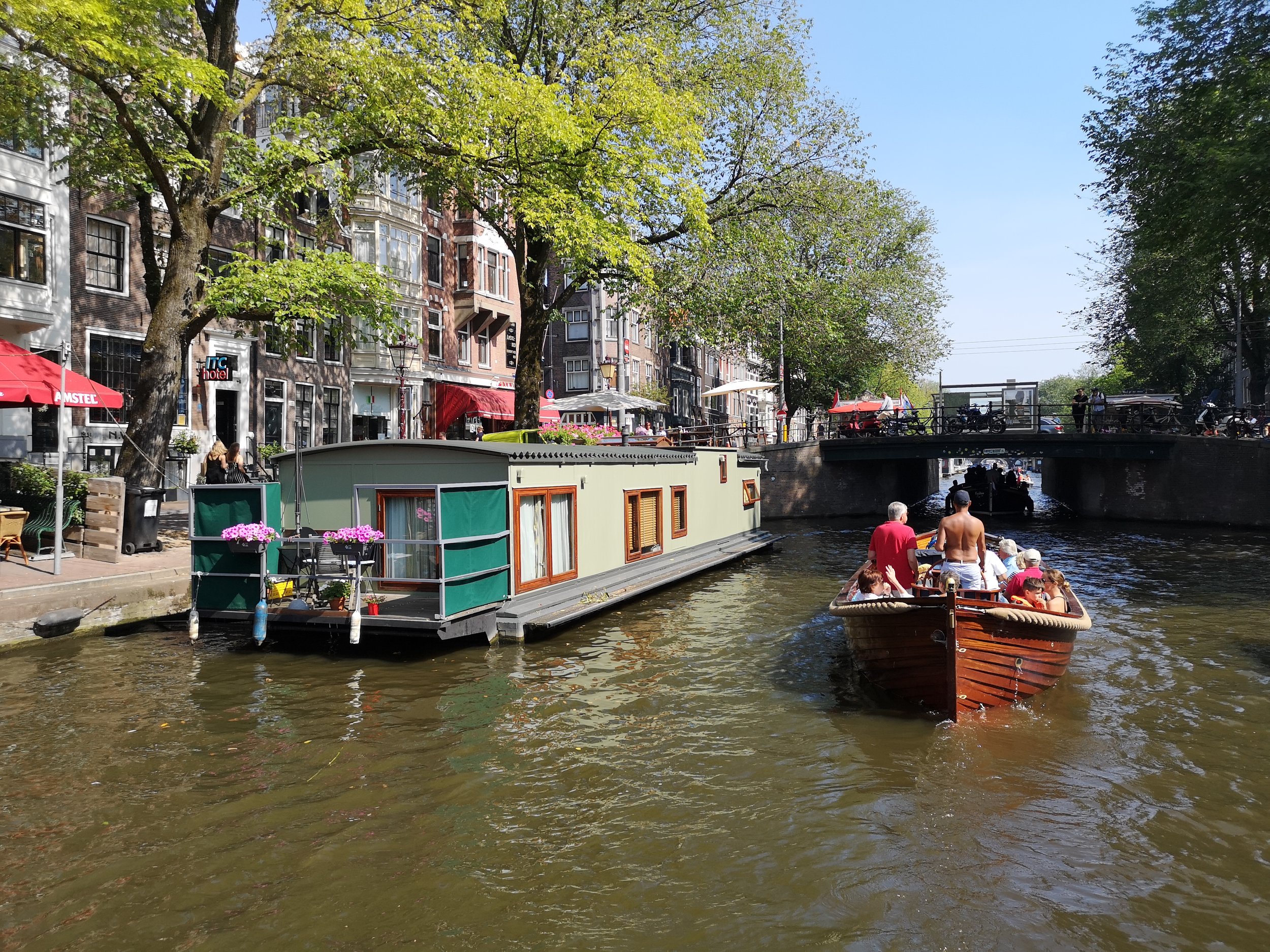
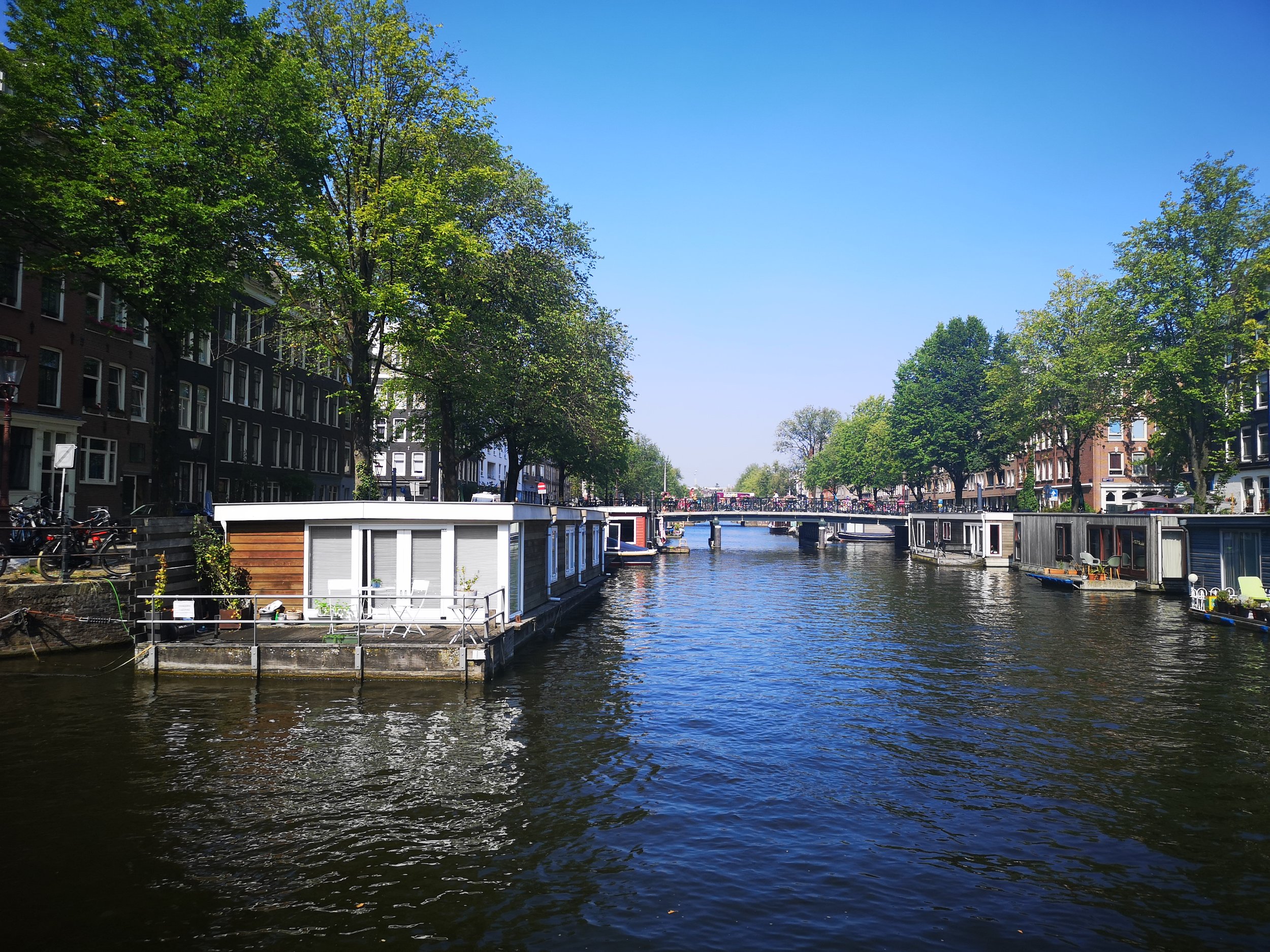
Amsterdam Canals

Seeing a city has a lot to do with perspective. For example, one winter, I commuted with ice skates to my office in Beijing on the frozen canals in Chaoyang District. It was like being in a different city altogether. Then, also in Beijing, I took 30 times different commuting routes, and like this came to places I would have never seen otherwise. Most people only consider the shortest way, because they only think of its utility getting to work and back hassle-free and fast. In the long run, and expanded to all areas of life, efficiency makes stupid. Also, the first impression of a city defines a lot how you feel about it: the road you take, the station you arrive, people, you meet first. So, when I come to a city the first time, I take good care of how I enter it and who I see first.

I was reminded of this impact of your perspective when last weekend, a friend took us out on his boat through the canals (gracht) of Amsterdam. Amsterdam is a lovely city - traditional and progressive and innovative at the same time. Seeing it from the waterside, made it even more clear to me. What I mean, is the perfect blend in traditional and modern architecture and city planning, the cultural richness, liveliness, and for example that Amsterdam will be a fully electric car city by 2030. I like coming to Amsterdam, no matter from which angle. But the boat’s view was again an exceptional one.

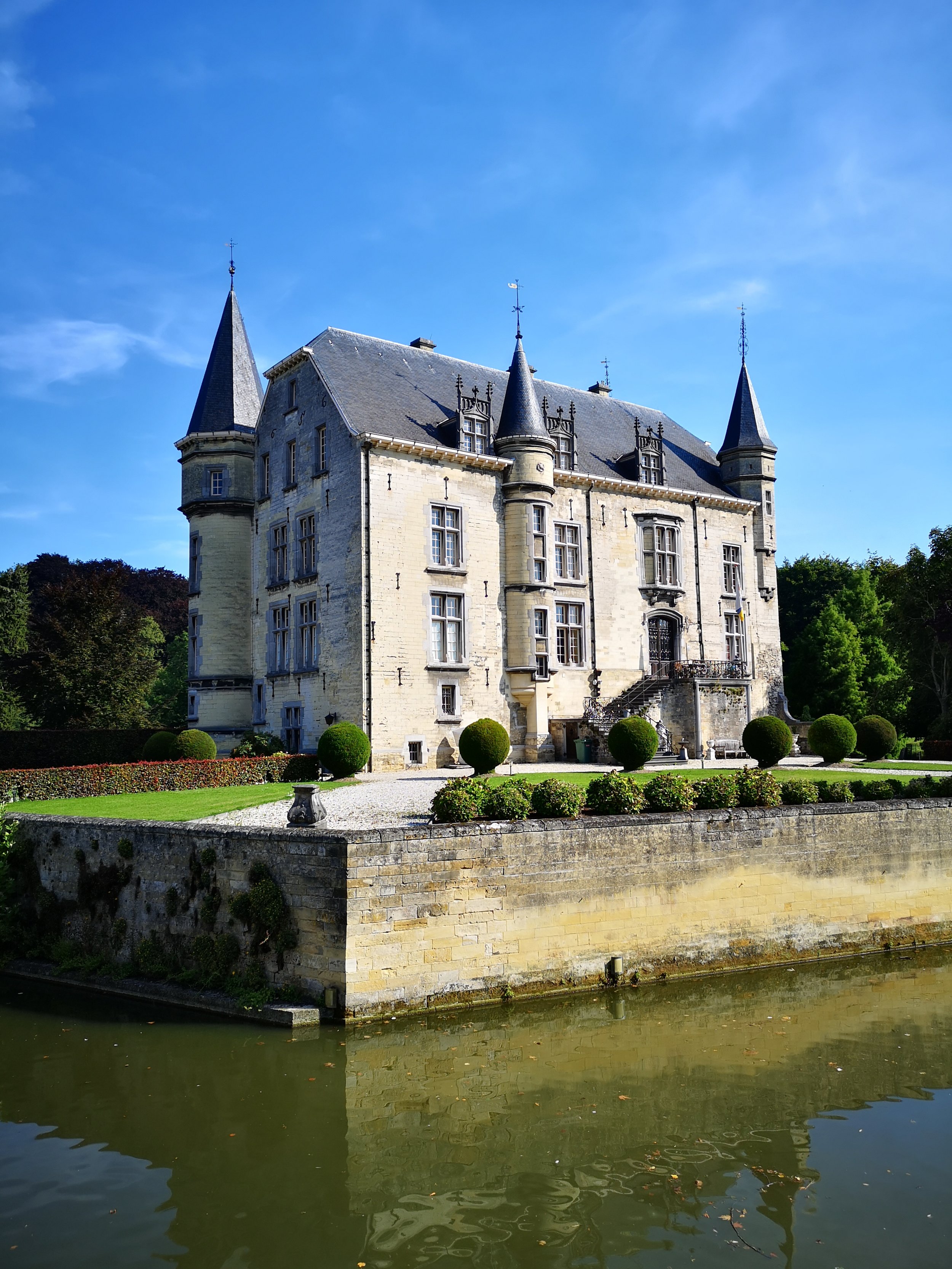
Valkenburg aan de Geul (Limburg, Netherlands)

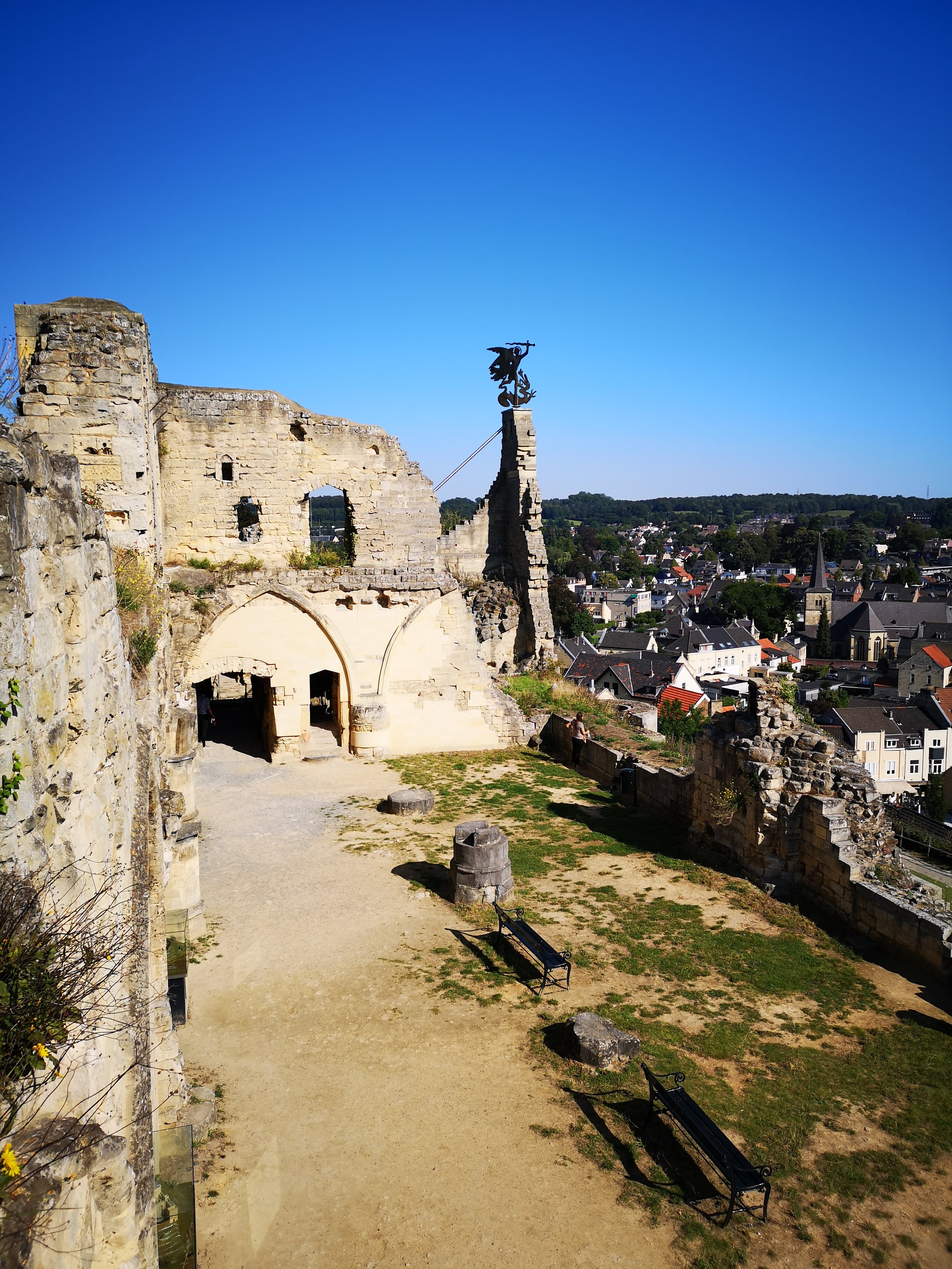
Castle ruins, impressive caves, châteaus, forests and lots of history reaching back to the Roman time: Valkenburg aan de Geul was a lovely weekend stopover on the way to Tilburg. Also, the weather was superb, the food excellent and last but not least people are extremely friendly. A trip to Maastricht is just 20 minutes away: a vibrant University town, lifely and with an impressive11th-century Basilica in its center. I personally always enjoy the Netherlands coming from Germany. Holland is better managed, more practical, and maintains its character at the same time. There is a lot of effort put into making things neat: the home, the garden, oneself, the car ... and I have often experienced a great sense of community. Cities have a colorful mood, and even I am not a big fan of larger towns, even Amsterdam is a place I feel comfortable, and also Rotterdam has its kind of charm. Tomorrow, I will continue the journey to Tilburg, where I will again stay about a month at the University. It is usually the time, the seasons change from summer to fall, and I am looking forward to my stay there.

The heat is on in Malta and I am back North

August is the hottest month in Malta. It’s the time when public life falls into a long rest between noon and 4 p.m. and then gets to the feasts. So did I, and I relaxed a lot. Not much to do, so not much done and here just a few snapshots and impressions from the short ways in Valletta and the Three Cities. By the time I post this, I am already out of holiday mood again and facing a rigoros schedule of content and travel: Germany, Netherlands, Hong Kong, Germany, Russia, and a few small Trips between the lines. Even Hong Kong will be chilly against August in Malta.

Evening view over to the Old Bakery, which is now hosting the Malta Maritime Museum

Evening view over to the Old Bakery, which is now hosting the Malta Maritime Museum

processed_IMG_20190802_155559.jpg
processed_IMG_20190731_101636.jpg
processed_IMG_20190728_172316.jpg

"It was beautiful to fill your silence"

Since my return from Lebanon, I have been busy with preparing the B+L Zukunftsforum. It is an annual event of B+L to present views on the future of the construction supply industry and discuss them with clients. There are always two main blocks. One is the presentation of the forecasts of volumes in residential and non-residential construction by regions and countries. This data is also provided in the Global Building Monitor (GBM), which is the data portal of B+L. But in the event, we also have the chance to tell the story behind the numbers, and especially when we divert from numeric models to quantify the effects of policy changes, this becomes extremely interesting. The other block is to discuss work on future trends affecting the industry, such as digitalization, demographic changes, and their impact on the demand side and shifts in the distribution channels. It was an excellent event, and we start joking that Cologne is the "Davos of the Construction Material Industry." But seriously, there is a lot of expertise and experience on parade, which is far different from a "conference" but displays facts and figures for the industry.

Already during that preparation and unfortunately ongoing, I was busy with moving. This became a complete nightmare, so I was happy to get away for a concert of Cristina Branco in Bad Homburg as part of the Rheingau Musik Festival. I like Portuguese Fado and also her interpretation of it, which became more modern over the years. What surprised me was the age structure of the audience, which was more on the old side. It may be that the marketing of the Rheingau Musik Festival did not reach a younger audience, or also that Bad Homburg is a spa and retirement town. But if this would be the target group of Fado, then about half of the audience would be dead in 20 years, and with it a big part of this culture. The quote of Ms. Branco, which made me laugh, was when she thanked the audience with: "It was beautiful to fill your silence." That's about how passionate it can get when you sing for Germans in Bad Homburg.

IMG_20190714_194809.jpg

Welcome to Beirut

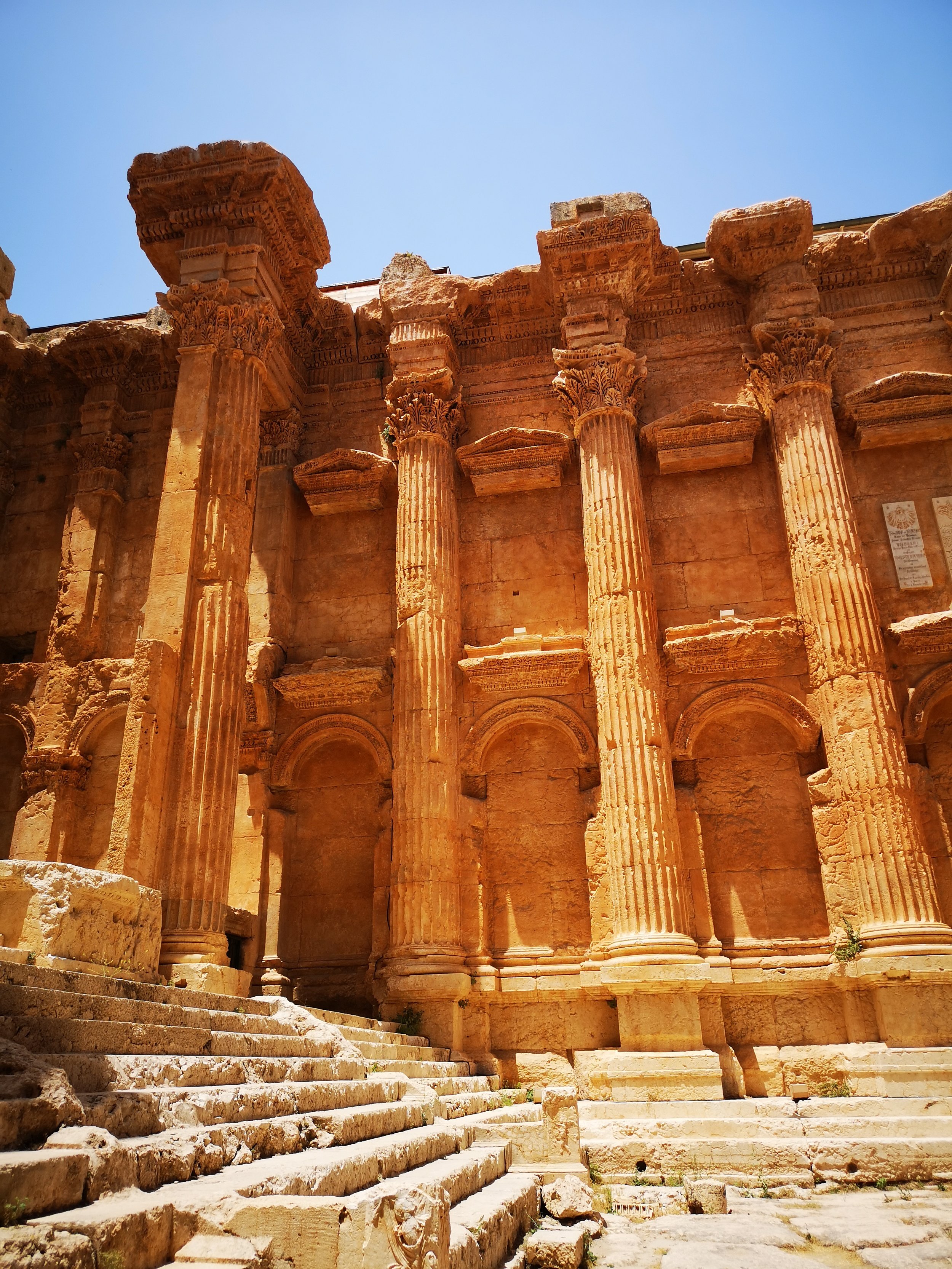
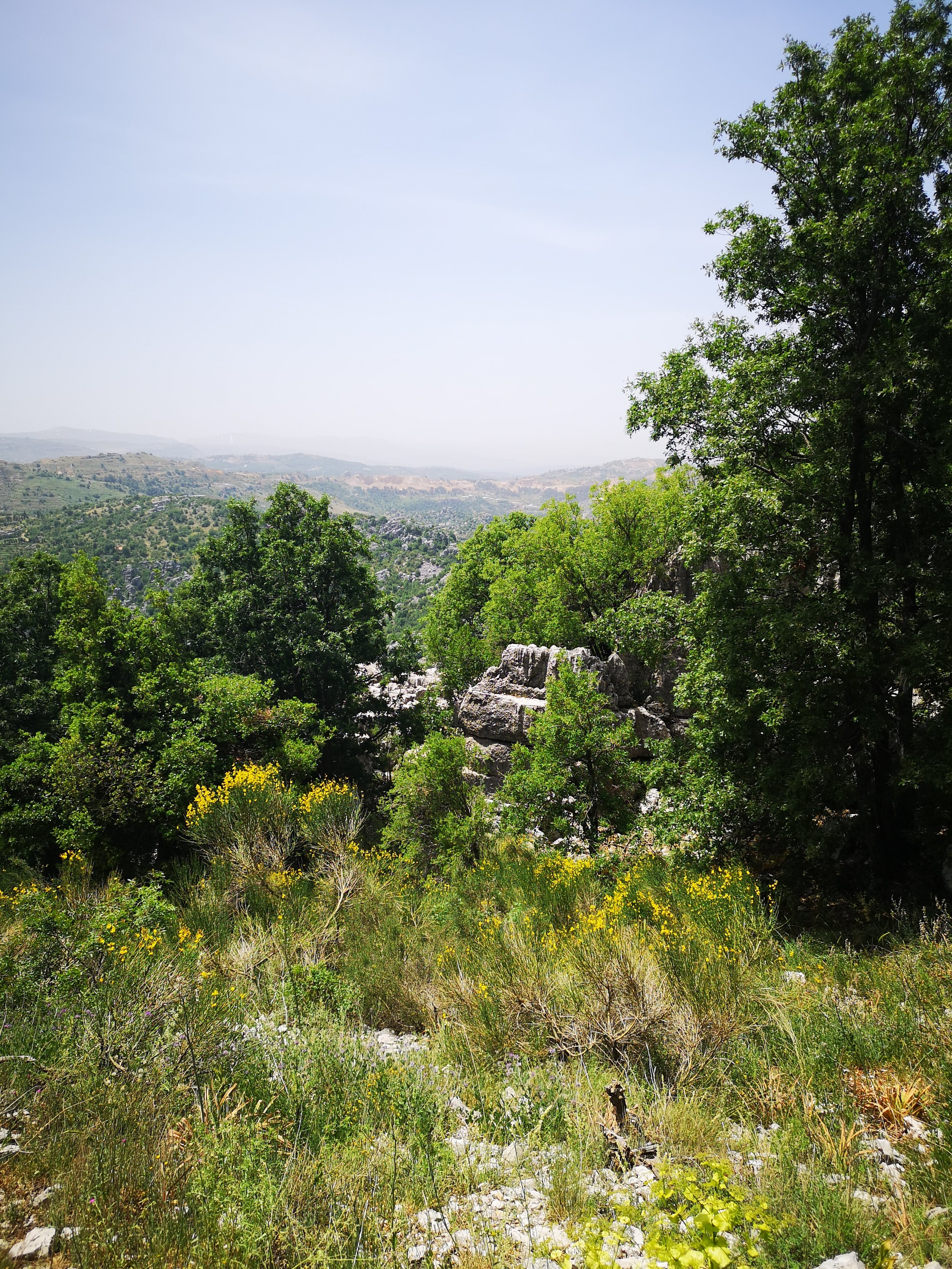
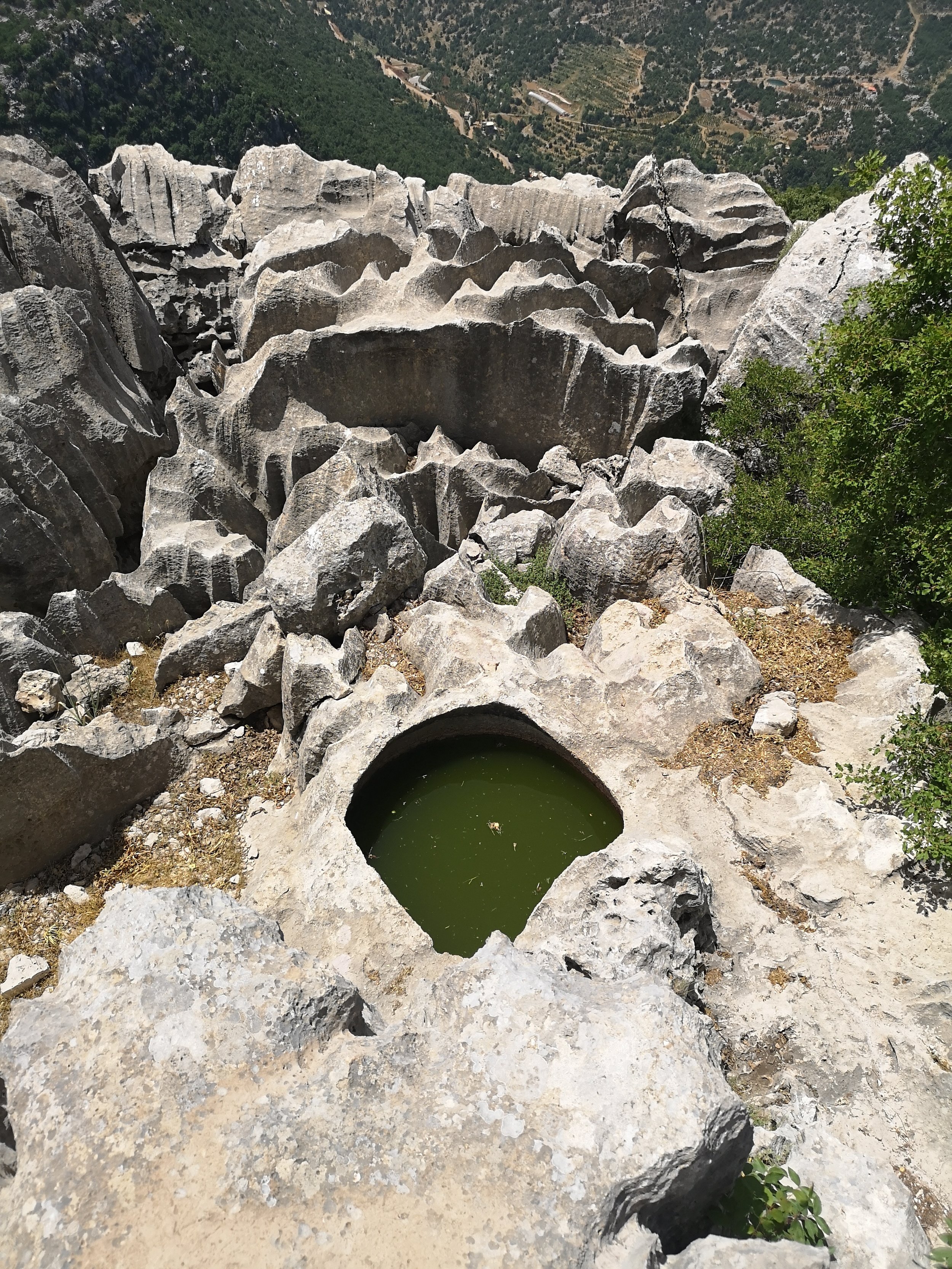
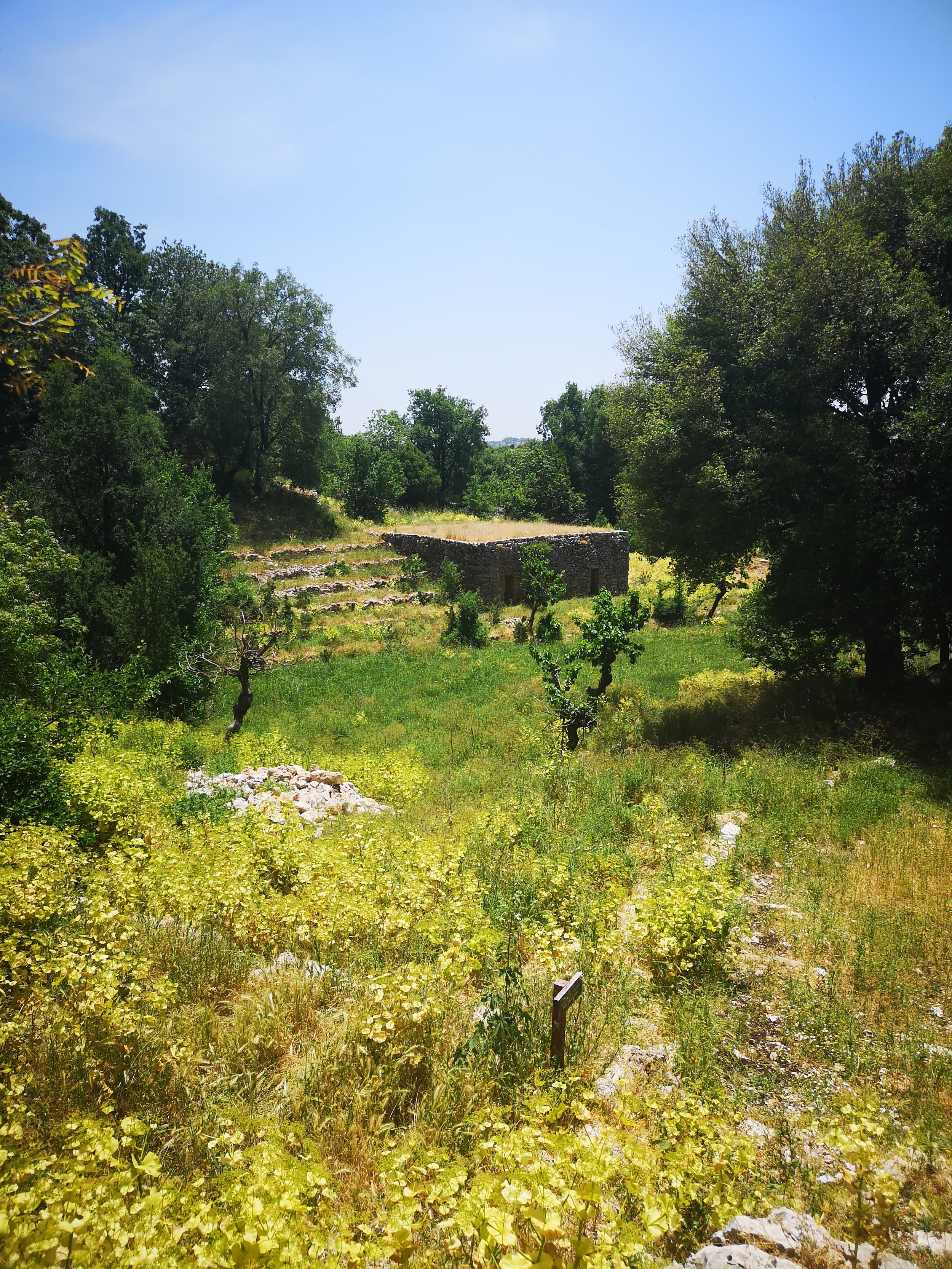
Once upon a time, Beirut was dubbed that it has been the "Paris of the Mediterranean". This goes back to the time before the tragedy of a vicious 25 years lasting civil war from 1975 to 1990. It left 120 000 dead and lead to over a million Lebanese leaving the country. It is no surprise, you find Lebanese presence nearly all over the world today; often with multiple passports, well educated and with extremely professional and entrepreneurial spirit. Professional opportunities are limited in Lebanon today, and still many leave or at least keep a multinational spirit. Today there are an estimated 2 million Syrian refugees in Lebanon. That makes about every second person in the country a refugee. Some had the means to find new homes, but many of the less fortunate live in tents in refugee camps for example in the Beqaa valley, close to the Syrian border. Today, you can drive with no problems to Damascus. But refugees are hesitating to move back, partly because the Syrian government does not encourage such moves. The refugees take, of course, any job they can get, and the unemployment among Lebanese is about 40 %. A lot of indicators would suggest the security situation should be bad in Lebanon and for example the US travel advice sound hysteric as always. But you will meet the most friendly and hospitable people in Lebanon. Still, the situation is fragile, even though on an improving trend. Lebanon is a beautiful country, and should there be stability any less corruption, I guess that it may have a great future. These preconditions are moving slowly in the right direction, and there is hope this may continue.

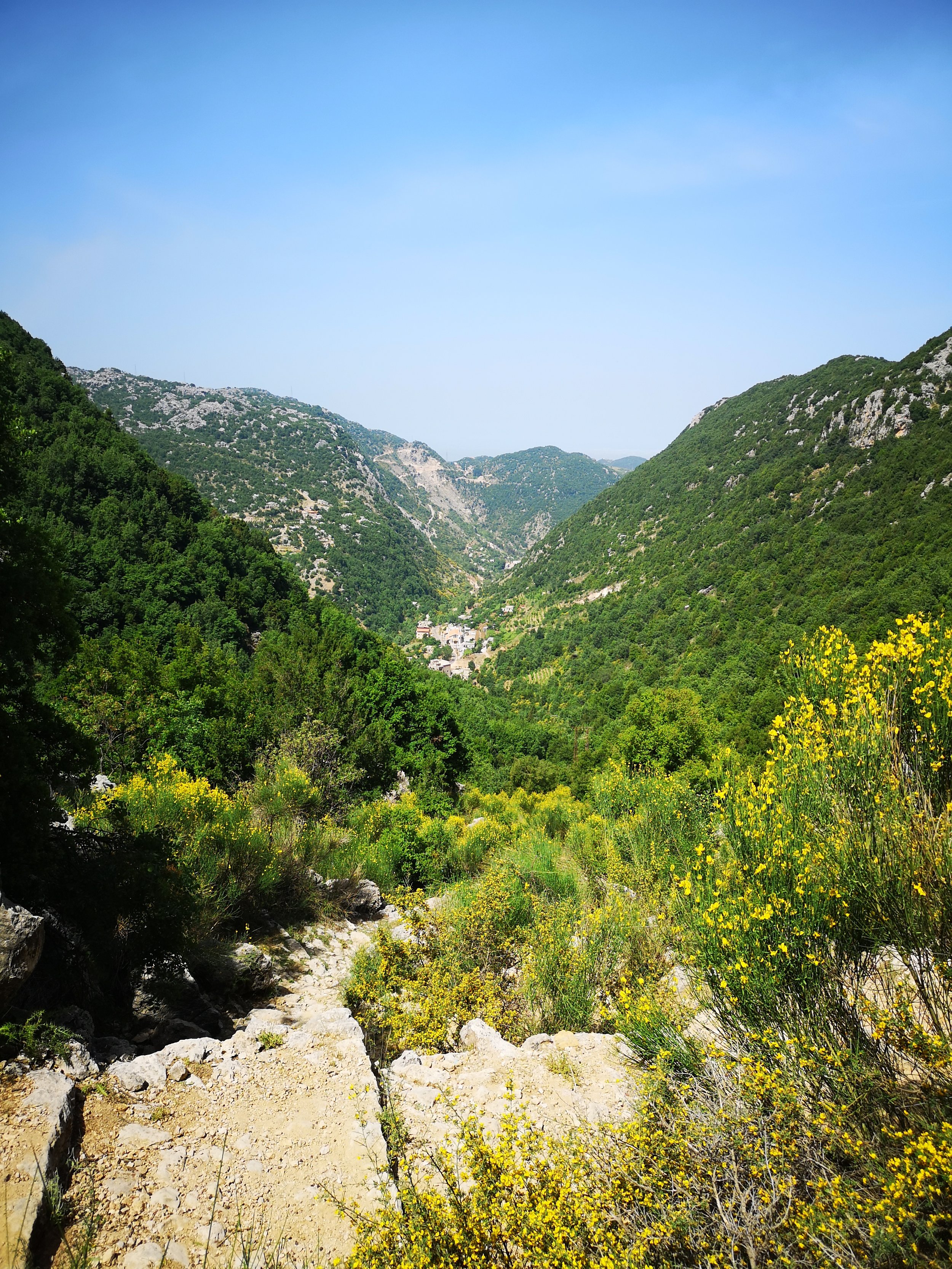
On the bright side, Lebanon is beautiful, has the most hospitable people with extremely good humor, excellent food, and multicultural and open society. This alone is already enough to make me visit again soon. Welcome to the re-emerging "Paris of the Mediterranean*.

Obviously, Beirut is the backdrop of multiple thrillers, one of them “Beirut” set in 1982. Below is the trailer.

And there are at least two price winning Lebanese movies, which are a must see. Please find trailers below.

Search for the middle of the world

Searching the middle of the world is a very legitimate calling, I find. Stories of such searches have been told in many ways. For some, like Jule Verne, it is an expedition to the geometric center of the globe. For others, like Ursula Priess it is the encounter with stories and people in Istanbul, as she wrote in “Mitte der Welt: Erinnerungen an Istanbul” (The Middle if the World: Memories on Istanbul). I have visited this beautiful and magic town for a few days and was unfortunately only able to browse through her book before departure and not to read it properly, similar to also just scratching the surface of the town. I will for sure read the book upon return to Germany and blend it with my impressions. Luckily I read Orhan Pamuk’s “Istanbul, memories of a city”, which is a Turkish memoir which I liked a lot.

My main task here this time was to understand the economic momentum concerning the construction material industry. It is research done regarding the Zukunftskonferenz of B+L GmbH in July 2019, in which the future of residential and non-residential construction output will be forecasted and discussed. The basis of this. are quantitative models which have been developed for over 20 years. For cases with big question marks and large political interference, we conduct fact-finding trips and meet and interview industry insiders in the country. And this is what brought me to Istanbul.

Since the attempted military coup in July 2016, Turkey has been in the light of scepticizm. As one of the three main factors for driving construction output is people's confidence in the future, this is not helpful. When the Turkish Lira lost value against the US$ by about 30 % in a crash in mid-2018, this was also an expression of this sentiment and was driving inflation up to around 20 % today. The bank lending rates are also about this high (20%), which does not combat inflation, because other stimulus activities overcompensate this. One effect is, that nobody borrows money to buy residential property. Those who would have the money to do so, rather deposit it in the bank, where they get a higher interest return than they would ever get by renting out. And currently, if you need a home, renting is the much better deal. Even the potential demand for residential units is high with a young population of 80 million, the low confidence and bad financing situation brought construction to a shrieking halt. For developers, now it's a "wait and see game" which the ones with the deeper pockets are likely to win. For office buildings in Istanbul, some talk about a utilization of only 2/3. And walking through the places, this seems plausible. I spare you the photos of abandoned construction sites and homes for sale and offices for rent. But I do post some pictures of the bright sides I encountered below. The brightest though were the people I met, which will be for obvious reasons not represented by photos. Turkey is one of the most friendly places when it comes to its people. And I do wish them well.

IMG_20190526_175856.jpg
IMG_20190526_174048.jpg
IMG_20190526_175004.jpg
IMG_20190526_185627.jpg
IMG_20190529_142438.jpg
IMG_20190529_142533.jpg

Germany and France: international field trip of The University of Hong Kong

I had the pleasure to invite a group of 30 MBA students from the University of Hong Kong over for a comparative field trip Germany and France. We visited companies and institutions like Hessischer Rundfunk, Porsche, Mercedes Benz, the Multi-Generation House of the Gebrüder Schmid Foundation, EUROCORPS, the E.A.S.E training factory, an institution of the European Parliament, a Vinyard, BASF, HPP Consulting and the German Central Bank. We had excellent speakers and guides in all these venues and everybody, including me, learned a lot. On weekends and public holidays we strolled through cultural and historic places, and shopped down the Middle Rhine Gorge diving into medieval history. The weather was extremely changeable, but we were resilient to the showers and treated ourselves with great food choices. Now I am looking forward to read reflections and project reports due on May 19th. I am really eager to learn different perspectives and thoughts on my home region. 

Kloster Eberbach

Kloster Eberbach

On the way from Oberwesel to Schoenburg.

On the way from Oberwesel to Schoenburg.

Schoenburg Oberwesel

Schoenburg Oberwesel

View into the Rhine Valley.

View into the Rhine Valley.

upload.jpg
La Petite France, Strasbourg

La Petite France, Strasbourg

A building in Strasbourg

A building in Strasbourg

Entrance to a fort of Ligne Maginot.

Entrance to a fort of Ligne Maginot.

Students exiting an infantry combat stand at Ligne Maginot after an underground hike (photo with permission).

Students exiting an infantry combat stand at Ligne Maginot after an underground hike (photo with permission).

upload.jpg

Malva color change

Yesterday I picked Malva to make tea. Tastes nice and the color is yellowish at first. Then I added some lemon to make it more refreshing and surprise: it immediately turned pinkish, more resembling the malva flowers. I repeated it on a white kitchen towel, and see the difference below. I tried to grasp the kitchen chemistry behind it by strolling through Wikipedia while drinking the tea, but remained unsuccessful. Does anybody know what happens here and why the color changes? Is it any drop of pH (I can try that tomorrow) or is it something else in the lemon? 

Malva tea made of fresh flowers: before adding lemon

Malva tea made of fresh flowers: before adding lemon

The same malva tea after adding lemon.

The same malva tea after adding lemon.

Malva tea and GDP

About from an annual GDP growth rate of 5% people appear to become wasteful. I have seen it in East Germany after the 1989 reunification, when people were running to Aldi to buy fruits, while tons were rotting on the trees. I have also seen it in Hong Kong, Shanghai, Singapore, now Malta. I came back from a walk with a few branches of Malva to make some tea at home. On the way I met a neighbor, let's call him George. He became excited when he saw my Malva branches and told me, that when he was a child, they ate the flowers with honey. "Do you want some, George?", I asked him. No thanks, I got some Coke in the fridge.