Travel tips

Recently, I am often asked whether I have “travel tips”. Such advise is provided on Tripadvisor, Lonely Planet and other publishers and platforms of that kind. They also have the “insider tips” for outsiders. So, I can’t comment on that too much. Don’t know enough about it. Still I am sometimes asked what travel resources I use. That's a bit easier.

Resources? Most importantly, when you travel, you want to have people to talk to and who can explain cultures and places. You want to form your views with own impressions but also in exchange with others. So you do need friends all over the world, if I may call this a resource. You obviously know, that you can’t “make friends”. It is like you also can’t “make money”. Friendship is earned. So the first travel tip I could give is to be worth being a friend yourself. And never network! Networking is a complete waste of time and annoys people. It annoys me, at least.

Serengeti Airstrip. Main parking lot and runway (2011).

Serengeti Airstrip. Main parking lot and runway (2011).

Travel is not equal to transportation. But of course without logistics there is no travel either. I personally do not like large airplanes very much. And it is less the airplane itself (which is a wonderful machine), than how airlines operate them and how airports are today. A small plane or helicopter bringing you to a place which is out of reach somewhere in the wilderness, is a completely different thing. But when I have to spend time in an Airport Lounge, I usually just want to take a whole bottle of wine over, pull a blanket over my head and continue reading in there with my headlamp on. Like this, I do not have to interact with these people around me at all and my brain dims away for the case somebody wants to network. There is only one nice lounge experience I ever had, which was in 2003 when I met Sir Peter Ustinov sitting in a wheelchair surrounded by stewardesses and telling them stories. I am glad, I did not miss it. He was one of my great childhood story tellers and soon after this encounter, he passed away.

Jordan, towards Wadi Rum.

Jordan, towards Wadi Rum.

Long haul travels are much better with trains and by ship, than by plane. For example right now, as Feibai has her passport with the UK Embassy and her Resident Permit is accepted by countries but not airlines, we are banned from air travel and took the train from Rome to Palermo. Wonderful. Our way back North will be by ship through the Mediterranean Sea. You might say that this is very slow. Well, if you don’t have time, don’t travel. A very good resource on train travel all over the world is “The Man in Seat 61” (www.seat61.com http://www.seat61.com/). Railways have been for long the very axis and frontier of economic development, and they have stories to tell about this time and these places. As most of the planet is covered by water, obviously ships are essential for traveling to most of it. There are rumors that you can board cargo ships and travel on them for free. The truth is, that due to issues of human trafficking in some of these ships, regulations have become very strict. A captain would not take the risk to be mistaken to carry blind passengers. And the better way is to stay within these rules. For sure, sailing yourself is what makes the real connoisseur. Leave the large motor yachts to the Nouveau Riche. Ever thought why there are nearly no sailing yachts in Hong Kong waters? Because they need more than just money to be understood and appreciated. There is also short range water travel of course, which brings you for example on land from a larger vessel, or deep into a jungle river system. There are two versions of that which I like very much. One is the legendary Zodiac. Highly motorized this is the machine for any job. And when you want it quiet, there is the Klepper Aerius. This one you can even carry over some barriers, and in the worst case disassemble it for that. There is a reason, why you find this boat exhibited in the German Science Museum in Munich.
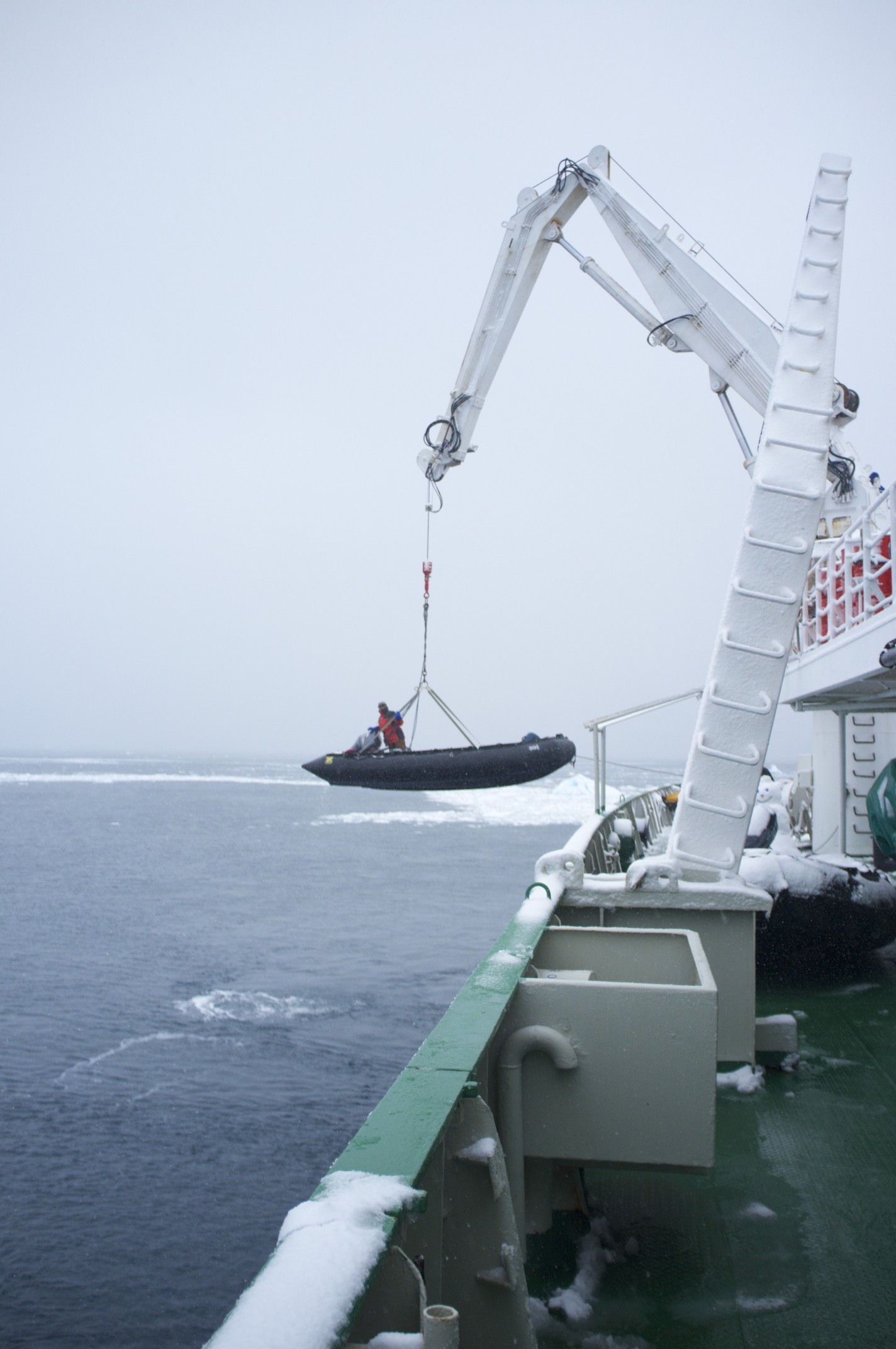
The Zodiac with which I made my first landing on Antarctica.

The Zodiac with which I made my first landing on Antarctica.

Where trains cannot reach, land travel is the most rewarding when riding horses, elephants and camels. Also a donkey might do, when crossing extremely rocky terrain. All these animals have their natural habitat and have been used for travel for centuries. Of course, forget “cabin luggage” for that. In the past Luis Vuitton made very good travel luggage. Just remember the old wardrobe trunks. But that’s more than a century ago. Now it is different. But over time you will find what luggage suits which travel. When you choose motorized land transport, the best payload ratio and off road capabilities you get with a motorcycle. I personally am very fond of the BMW G650 GS. It does not have the typical BMW boxer like the larger models. But it is a very powerful and robust piece of gear, with only 192 kg (fueled up) and a very economical 48 BHP engine. I had an overdose of cars in my previous professional life and as many car brands are going the way of Luis Vuitton or the airlines. There is only the Land Rover Defender (which has been recently discontinued) and the G-Class Mercedes left. For a Safari also the Toyota Land Cruiser is a choice. But the 2 x 90 Liter dual fuel tank (which you need) scares me a bit. For hopping around also the older Suzuki 4x4 Models are quite handy. But normally, if you don’t live in the countryside (which less and less people do), cars are something you rent or share. Unless, of course, you are really interested in them.

Breakdown of the axel, unload and repair by the local blacksmith. Only Land Rover can do that.

Breakdown of the axel, unload and repair by the local blacksmith. Only Land Rover can do that.

Stuttering engine over East Africa. Before the take off further, Zanzibar runway had a power blackout.

Stuttering engine over East Africa. Before the take off further, Zanzibar runway had a power blackout.

I am sometimes asked about my opinion of travel gear. Well, there is so much these days and I am sure most of it is bought by people who dream of escaping their cubical office with it. Travel clothes are for me only different from normal clothes when you are heading for extreme terrain or climate. Running around in an alpine goose down jacket in a city is about as silly as wearing SCUBA diving gear there. Something annoying me personally very much, is the amount of electronics which I carry. This is the downside of having all these possibilities of the digital world these days. So I accept it and try to manage all these chargers, cables, adopters and batteries efficiently. Generally, in terms of luggage, it is best to have non of it. But that’s hard to achieve. What else? Oh yes. I am sometimes surprised that people have the most fancy travel insurances, but don’t carry a first aid pack. Sure, insurances are important, and I experienced that myself. But then the same silly kids are taking risks doing extreme sports, wearing no helmet or seat belt, going into unsafe locations and even try their manliness by looking actively for trouble. The best insurance policy is first to stay out of trouble, and second to know what to do when you still got in. I have seen people doing quite extreme ski on the Antarctic Peninsula. The ship did not even have an x-ray and it would have taken at least 5 days to reach Ushuaia (the world’s most southern urban settlement) - through the Drake Passage and around Cape Horn! At the same evening they were talking about the (excellent!) travel insurance policies provided by the British Mountaineering Association. Hello? Get real!

Engine failure close to the Polar Circle.

Engine failure close to the Polar Circle.

Actually, I was very surprised when I was in a German book shop last time. The largest proportion of the assortment was in the sections for travel, self help and cooking. And having a second look at the cooking and travel books offered there, I found that they are really also about self help. My conclusion was, that the real value of travel books, is to see what places they cover and then go exactly the opposite direction. There are only very few exceptions. And that’s exactly what makes it for the real travel books so complicated to sell these days. I love the books published by my friend Magnus Bartlett (Odyssey Publishing Limited, Hong Kong). And there are some others which are timeless and very good. Mostly, what to read when you want to know about travel, is to read the narratives of life itself. That’s called literature, and it is by far the better “travel guide”.

On the way to Ash Kabat.

On the way to Ash Kabat.
Arrived Sicily

This morning I first had to confirm where we actually woke up. At the beginning the GPS did not get a useful signal to elaborate meaningfully on the satellite configuration, as its electronic memories were still in Rome. But then, after a few minutes having on the laundry rack outside the balcony, it was clear: we are in the center of Palermo, just a few minutes walk from the Cathedral. By the time this location was produced, I did not need a GPS anymore to come to the same conclusion. This city is quite a beauty. I really like it here.

Daquinghe ends service

A last picture of ship, captain and crew of the "Daquinghe" Container vessel. These days larger ships are more economical and this ship now has been handed over to the scrapyard, after having served as one of the first ships "Made in China". Captain Zhu, my father in law, wears his captain's uniform with running shoes. As if he wants to get used to waking on land.

Captain Zhu and crew posing for a last photo together on the Daquinghe.

Captain Zhu and crew posing for a last photo together on the Daquinghe.

Farewell.

Farewell.

The Eternal City

Lively mix of centuries.

Lively mix of centuries.

Back when I had my first corporate science job at Wardell Armstrong, a geotechnical company in England, a senior engineer had his own way to motivate us then junior folks to overcome problems with the delays caused by sudden archeological discoveries during mining activities. I remember that one day when I was pulling my hair trying to keep my budget and timeline he said: "If you think that's bad, I send you to build a subway in Rome". And this was also the first time I came here - not for the subway, even though I immediately understood why there is not much of a network. 

It is always nice to be back to Rome for a visit. After a bit of work and a Webinar (just learned today what that is) in the morning , we strolled a bit around the city centre. I specially like the lively mix of centuries, some of them remains and others in use, as if it would be normal to have a flat or office on a two thousand year old foundation. 

"If you think this is bad, I send you to build a subway in Rome"

"If you think this is bad, I send you to build a subway in Rome"

"Critics may live in New York, but writers don’t"

W.H. Auden (1980) quoted Charles Osbourne with “Critics may live in New York, but writers don’t”. I myself found this again complied in Paul Theroux’s ‘The Tao of Travel - Enlightenments from Lives on the Road’ (2011), which is a book I enjoy a lot giving me Eureca moments since it was recommended to me by my friend Thomas Baur back in Australia, before I moved to Beijing. Since we started our travel over six months ago, I am constantly evaluating the polarity of (big) cities and the countryside under the aspect of finding a good environment to work. Though it appears generally, that cities are where you deliver your goods to the market, trade them, and may be inspired by the work and comments of others. This is why cities emerged in the first place: to trade the surplus of the rural surrounding and provide services which need a concentration of knowledge and capital. But they are often not conducive to creative work itself, as their business and their people are disturbing. It is very rare to find both in one place, or located so closely together that you can enjoy a balance of both. Since my five years living on an Island in the South China Sea, with Hong Kong just a short boat ride away, I always look for such islands. I do not mean the strict geography of a small land with water around, but some place of solitude which can be sustained while still close enough to some kind of metropolis. I am also wondering whether with the current changes in communication, whether it maybe possible in the future to be in such metropolis without being there physically. At the beginning of the year, for example, I enjoyed very much a performance of the London National Theatre into a cinema to the other side of the planet. Even tough, I cannot imagine that media will ever substitute the “real thing”, they may stretch the boundaries and blur the line between places to produce and places to deliver.

German Field Trip

Since coming from London to Germany I have been busy and was rarely online. Landed in Berlin more than two weeks ago, and met friends there in the first of these. It was really nice to catch up and I enjoyed to see people which I was accustomed to in front of a Chinese backdrop, now to be in Germany. Sometimes it looked like a collage of different worlds. Berlin has become a very international city. There is a lot of talk about innovation taking place there. Maybe that’s true. But as I came in from London, I was not utterly impressed. My feeling is that London still attracts far more talent and a good global network. But the low cost level in Berlin, allows for more experiments. The mayor of Berlin once said, that the city is bankrupt but sexy. I can relate to what he means with that. But, to stay with this metaphor: Berlin also looks like carrying a few STDs. So better just look at it, but don’t engage too closely. It seems that the scandal which happened to the construction to the new airport is somehow symptomatic for a complete incompetence of the Berlin municipal government to manage anything. No doubt, Berlin is very special.
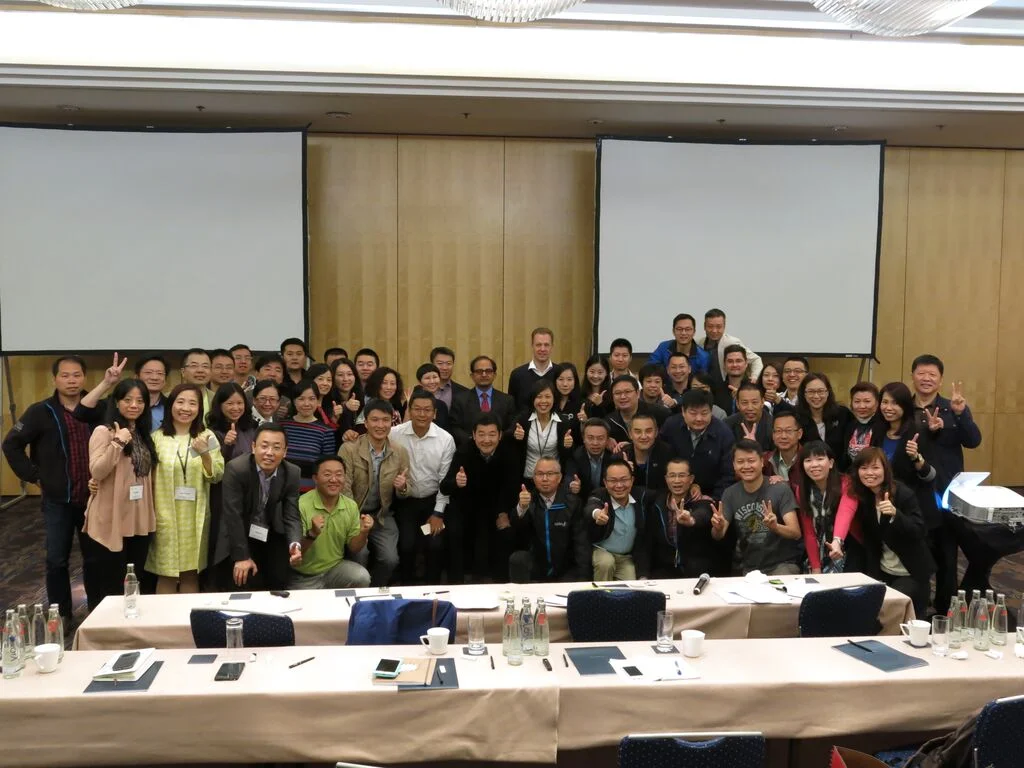
A bit more than a week ago then, more than 60 EMBA Students of the bilingual (Chinese and English) programme of the Business School of the Hong Kong University of Science and Technology (HKUST) landed in Berlin on a field trip I had the privilege to lead. It was a great honor that the Dean of the School, Professor Jitendra Singh, also joined and it made discussions and conversations extremely interesting. The trip was titled “German’s Hidden Campions” and I had the challenge to show exactly that when we visited companies and Universities. It was great. More than once, the students - which are mostly senior Chinese executives - were interested not to buy a product, but a share of a company. And this somehow became an underlying mood of the trip, even it was not the official topic. From Berlin, we drove to Wolfsburg, Dortmund, the Sauerland, passed the Rhine-Ruhr-Area to Cologne and finally in Frankfurt they took off back to China again. We had wonderful hosts and speakers, and it could not have been a deeper insight. And of course, the logistics challenge was handled extremely well by the HKUST team and their support. On Friday night I arrived exhausted but content in Montabaur: my meeting point also with Feibai, who has been traveling separately since I was engaged with the students. We now spend time with the family and enjoy the early summer in the green Westerwald. What else can you wish for?
Group photo at the end of our field trip.

Group photo at the end of our field trip.

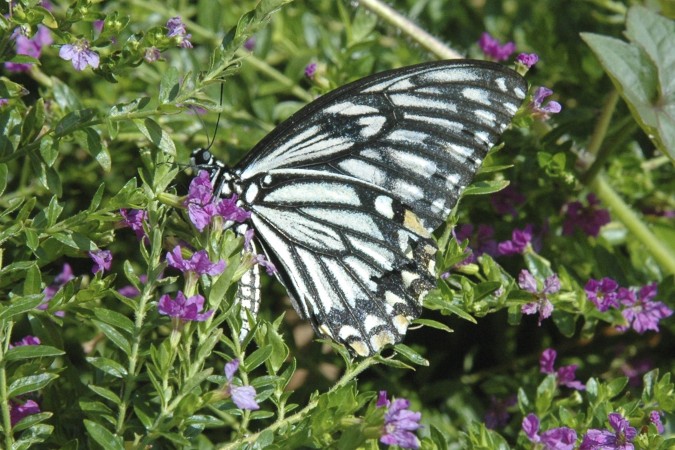
Butterflies

Yesterday I visited the 2015 Wildlife Photographer of the Year Exhibition at the Natural History Museum in London. Amazing pictures. Wildlife photography today is far more than "only" documentary. On the lawn of the museum, they installed a butterfly house, which reminded me of the one in the making at Dundee Park, Mission Beach (Australia). This is the forth time, I came across butterflies. First of course, like every boy in the countryside, I had a little collection of species which I caught back in the fields in the Westerwald and pinned them to a wall. Then I got quite interest in tropical butterflies, when living on Lamma Island in the South China Sea (see the photo gallery below). Earlier this year, we helped a bit our friends Thomas and Lina Baur in Dundee Park with moving earth inside their butterfly house under construction. It was amazing for me to learn, how picky butterflies are on plants for feeding and breeding, and I realized how important floral diversity really is for them. I was frequently told by Chinese silk producers that this is a big problem on the Chinese part of the Silk Road, where the mulberry trees are cut down and there is a shortage of feed for silk worms now. Instead the farmers grow nuts.

Butterfly house on the lawn of the National History Museum in London

Butterfly house on the lawn of the National History Museum in London

Butterfly house in the making at Dundee Park, Mission Beach, Queensland, Australia

Butterfly house in the making at Dundee Park, Mission Beach, Queensland, Australia

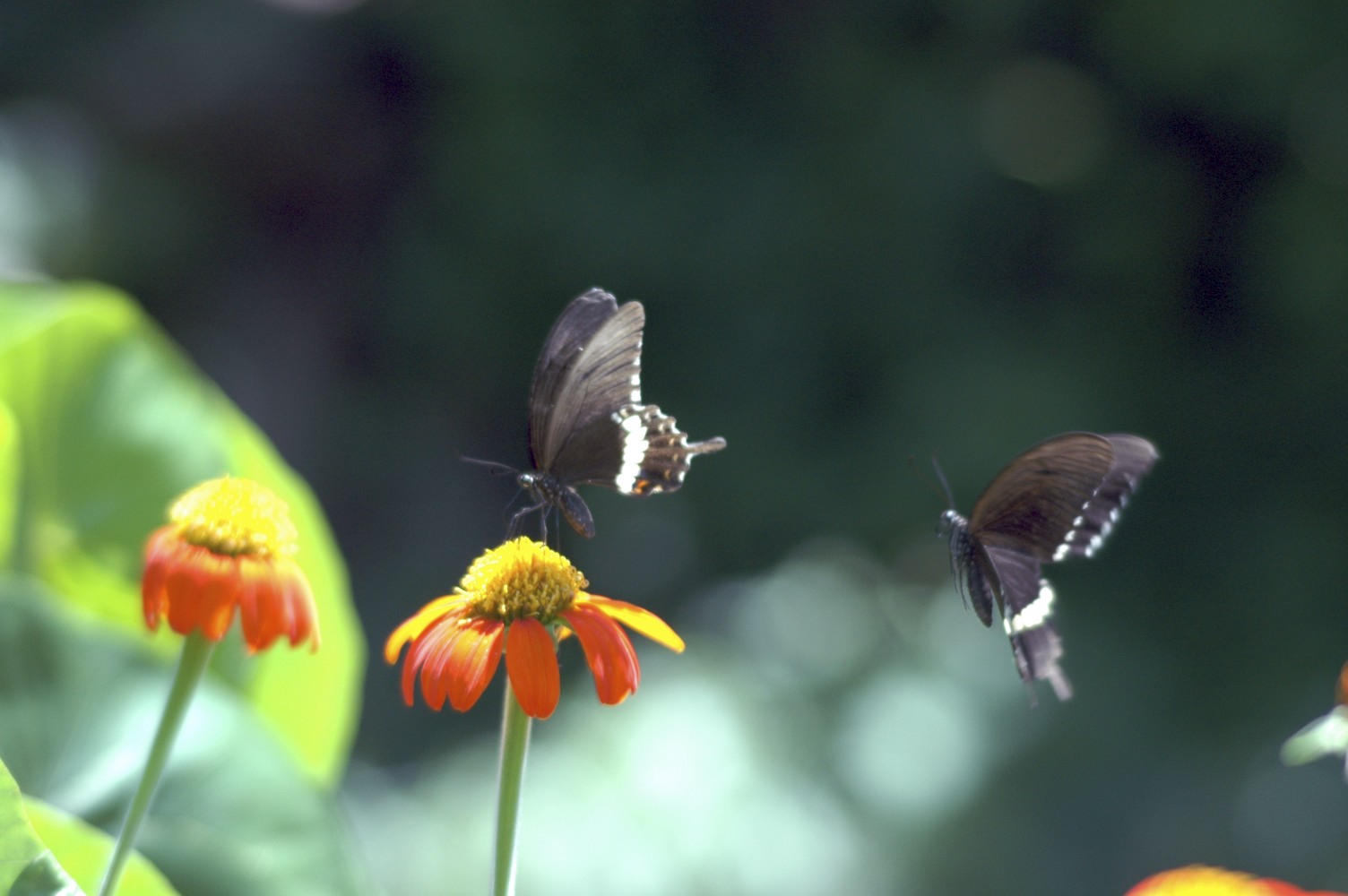
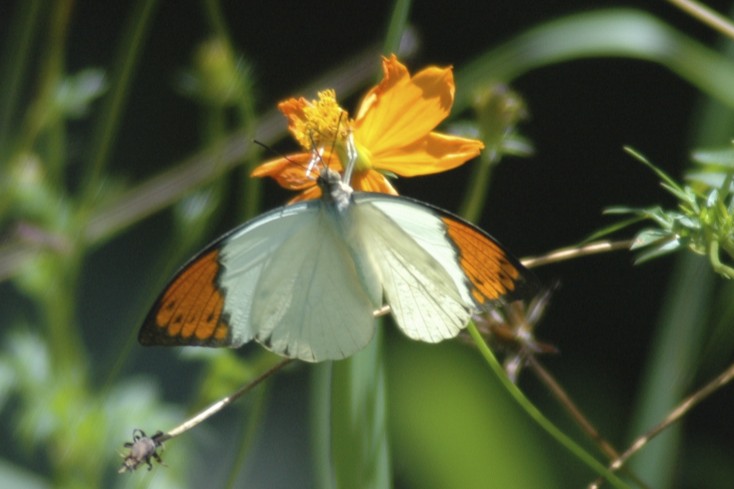
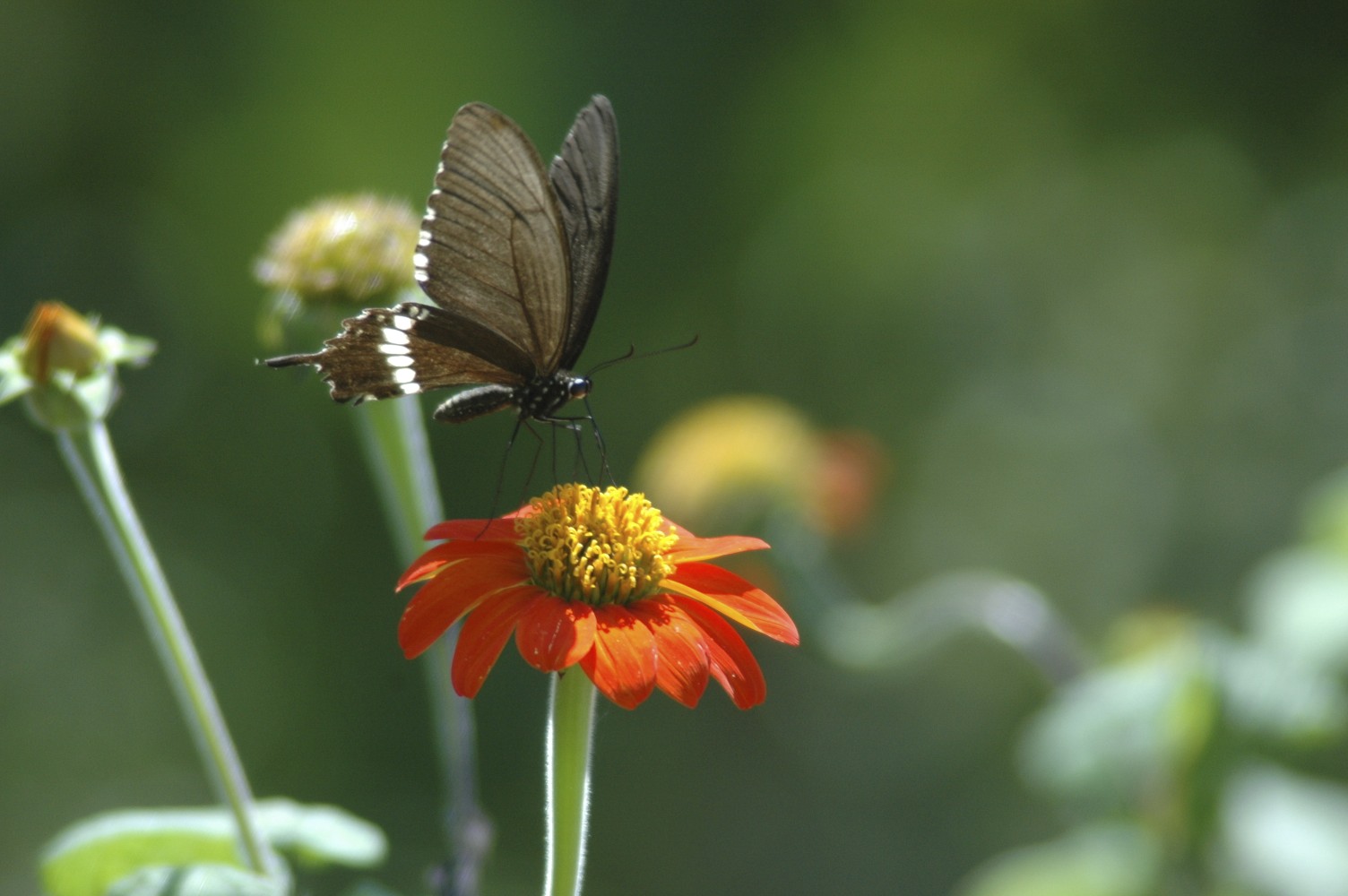
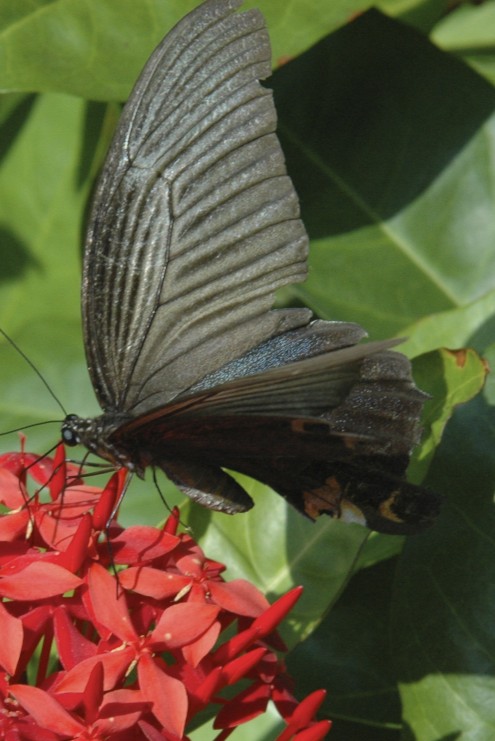
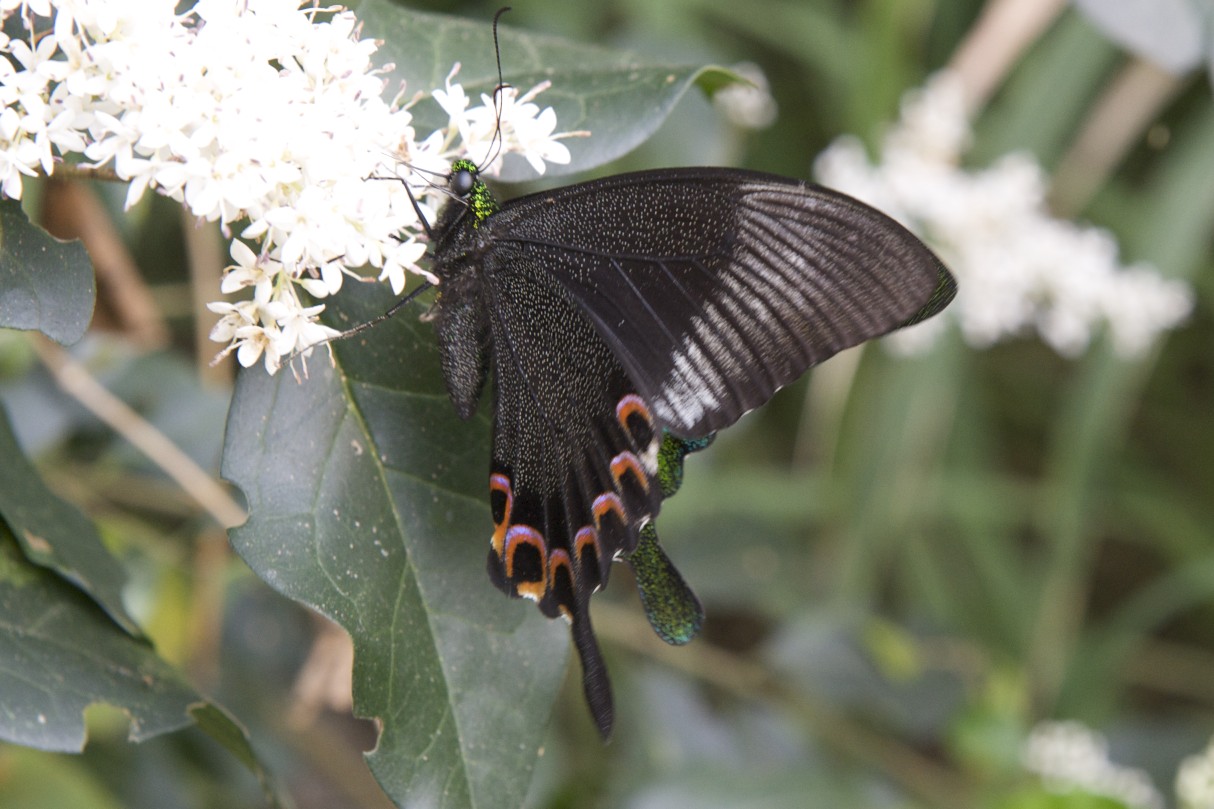
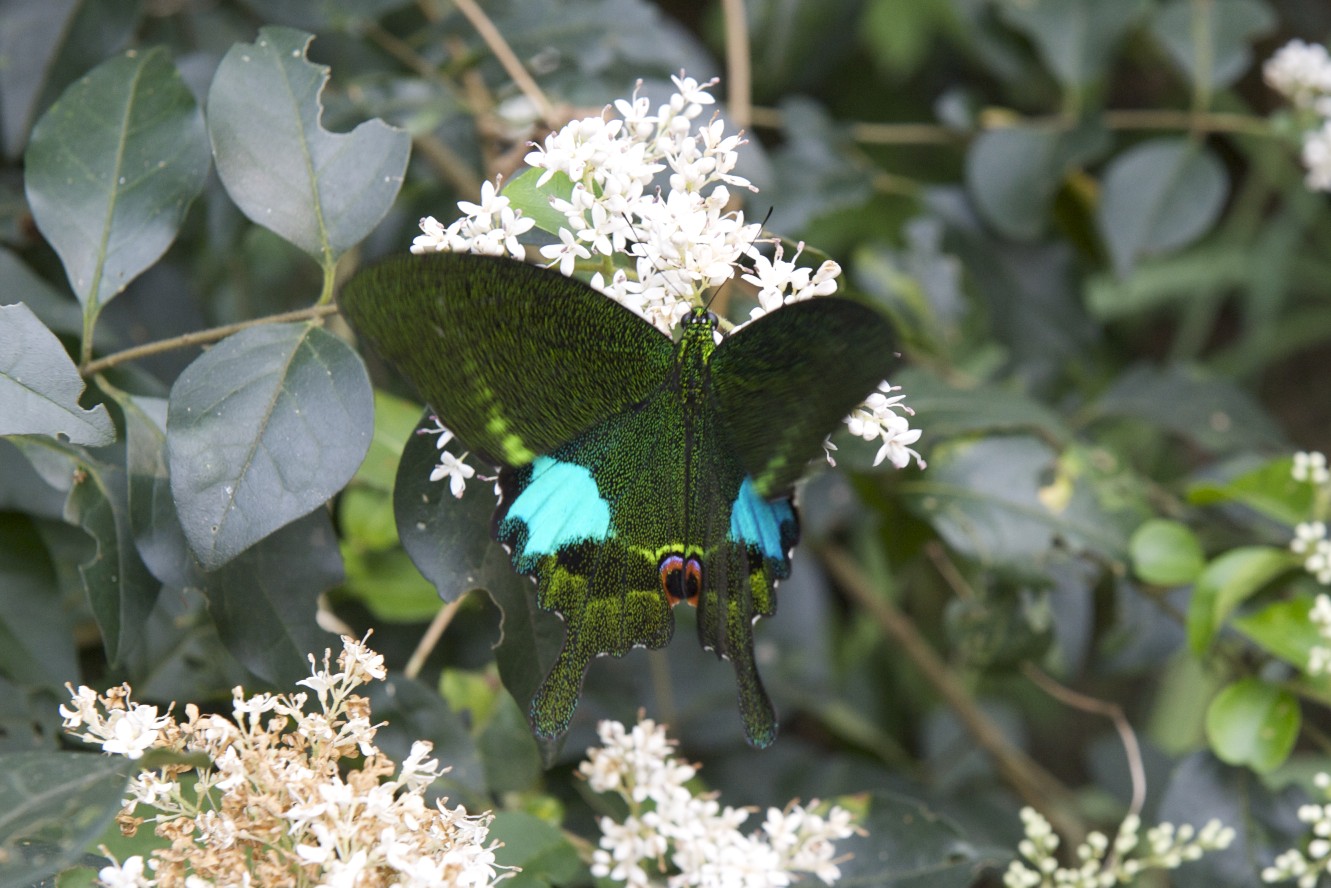
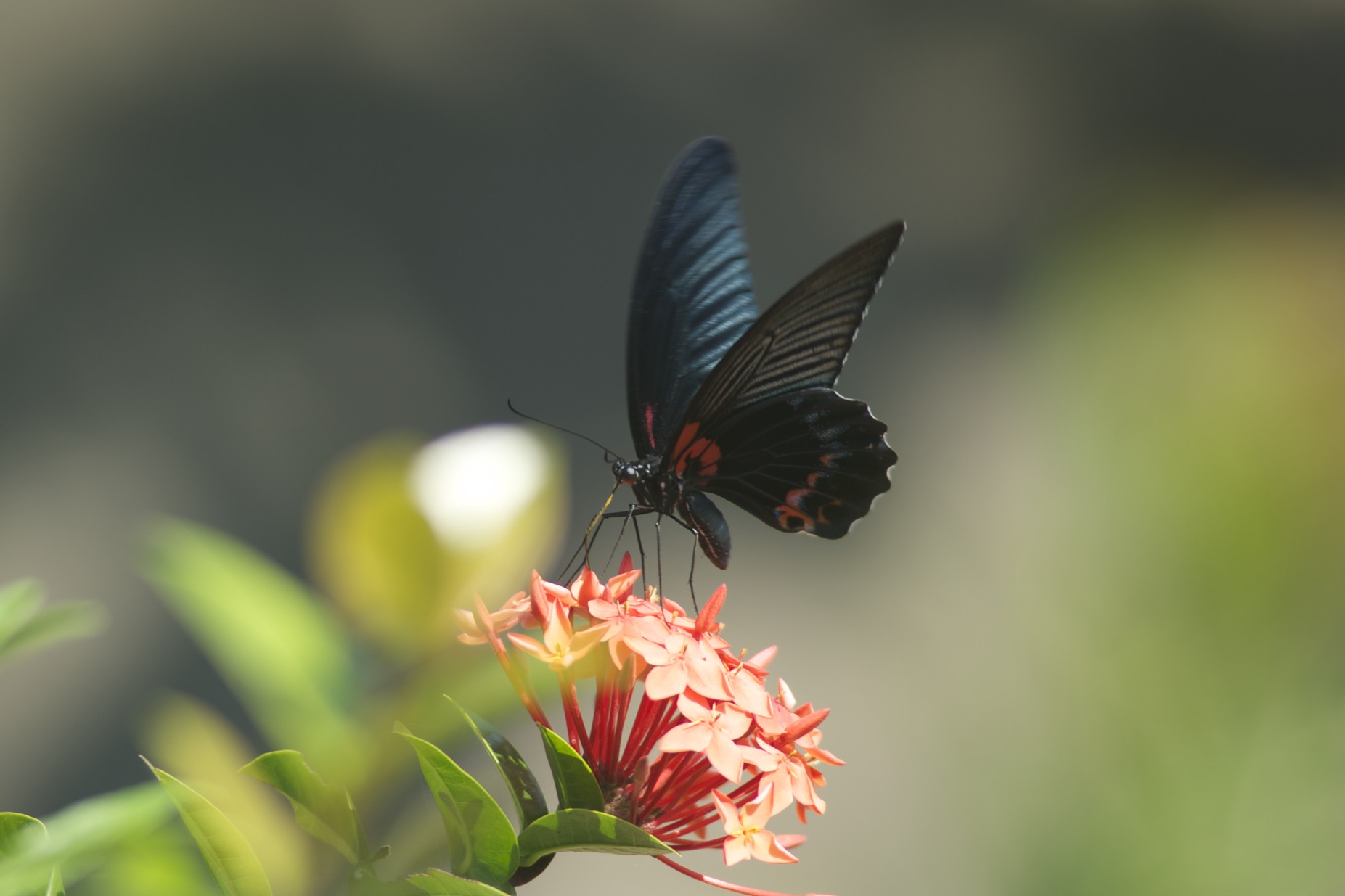
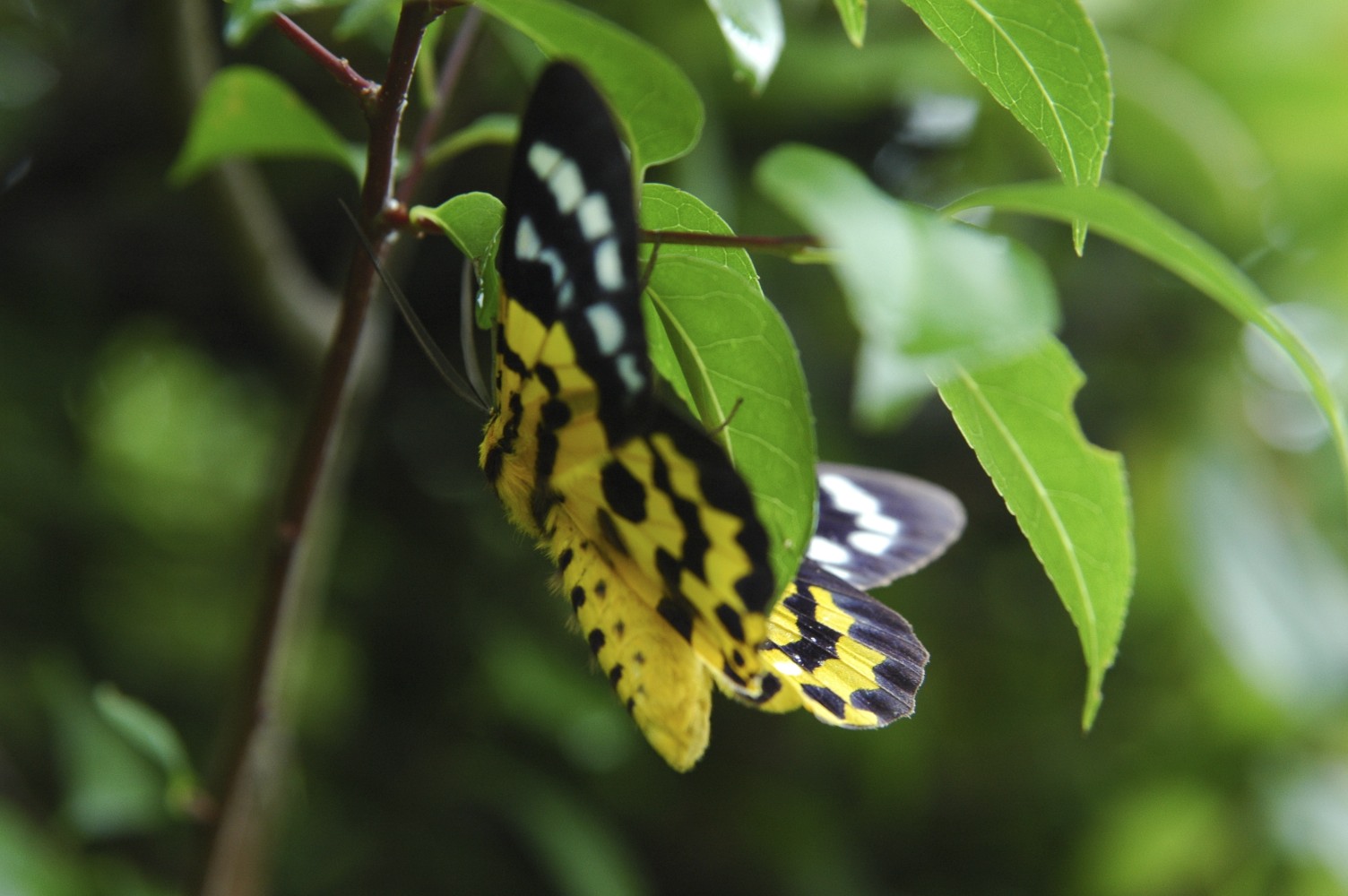
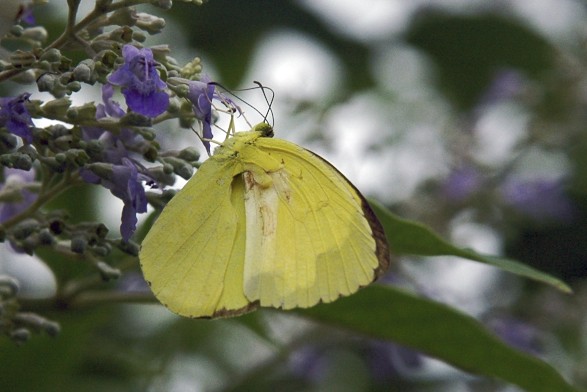
The few butterfly shots below are taken on Lamma Island in 2008 - 2011.

Constant travel

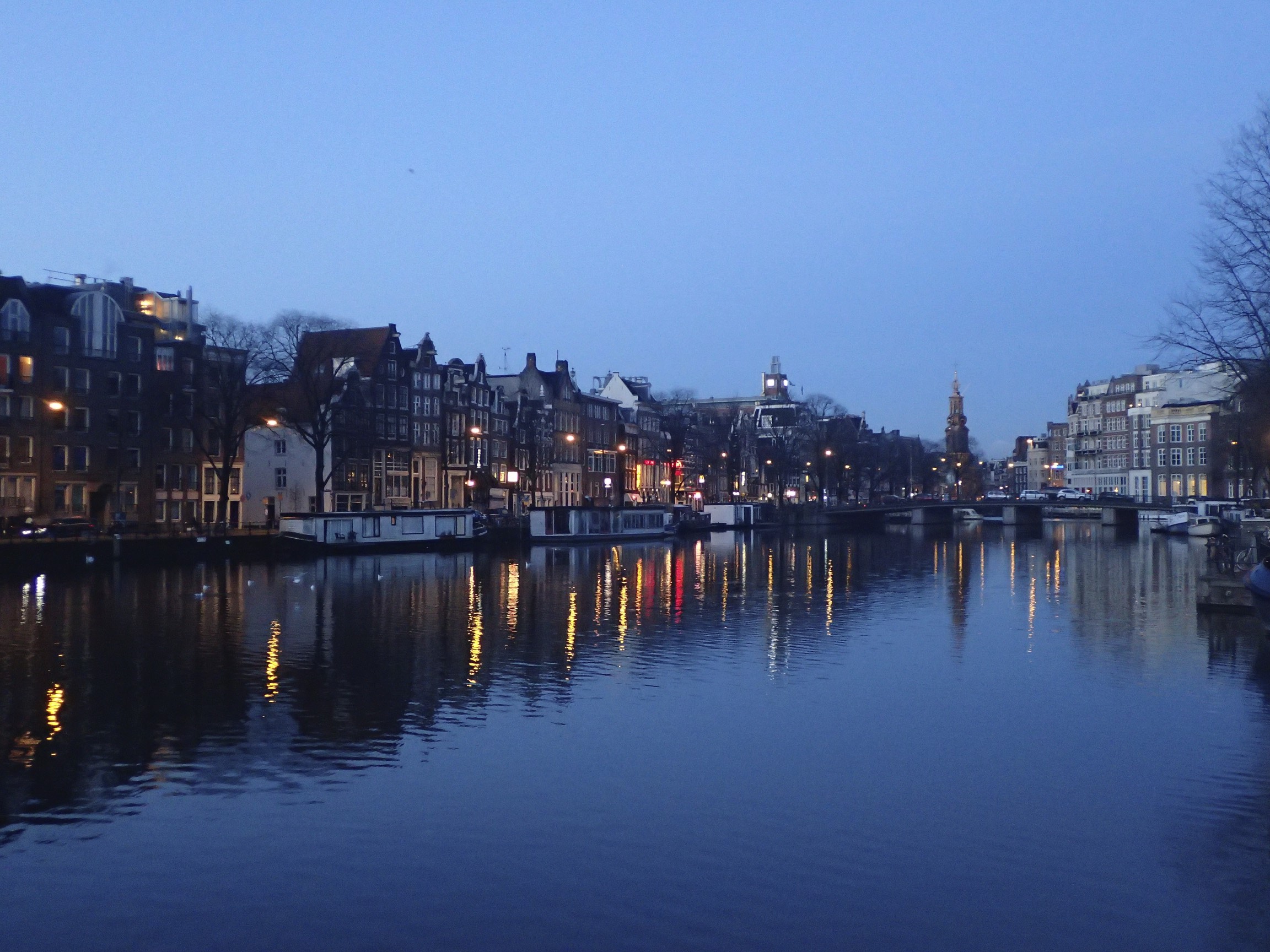
Global view in Amsterdam.

Global view in Amsterdam.

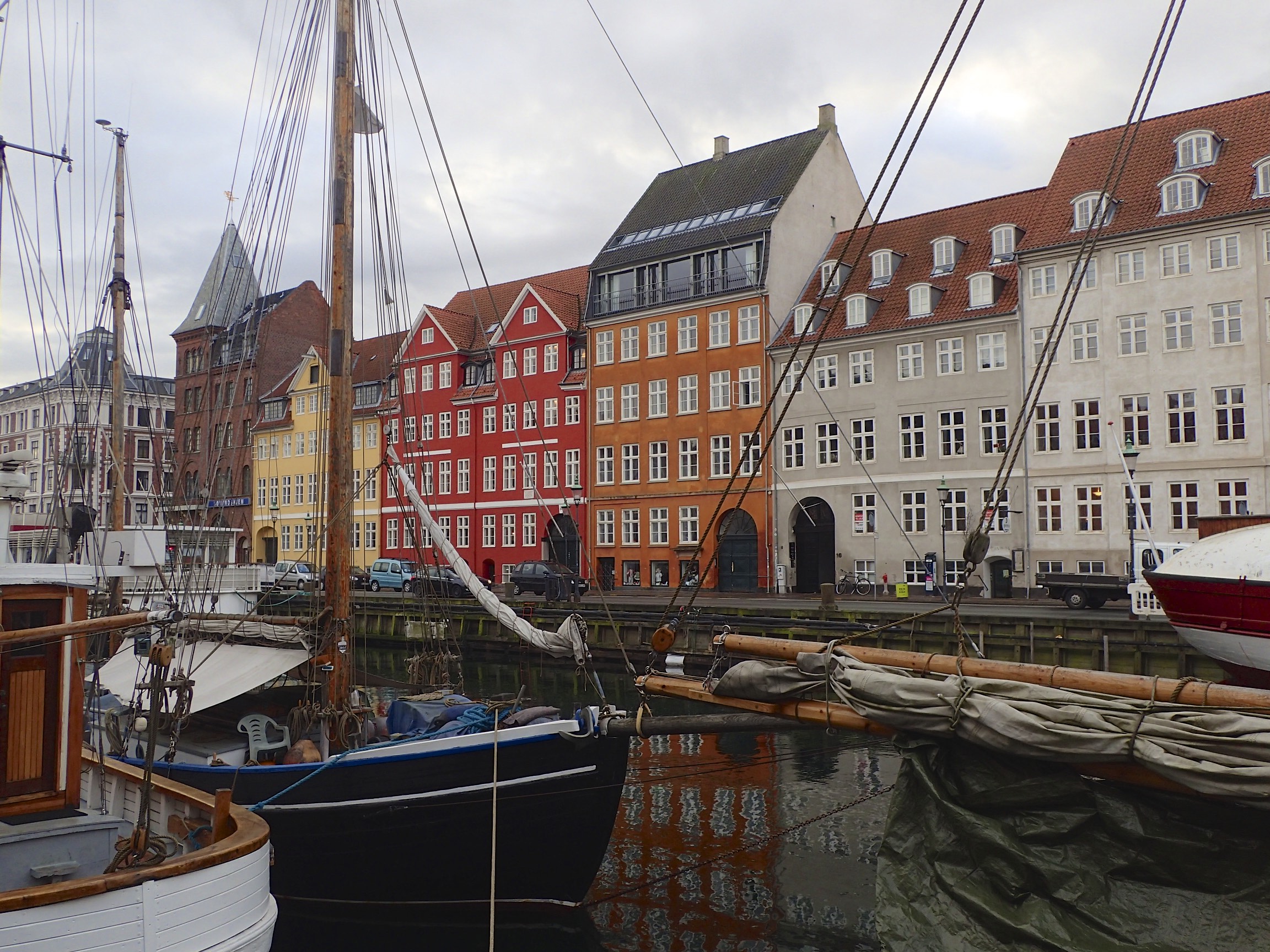
Travel became so much the norm for me now, that most of the path is described in my normal blog. There is no base from which I do "trips" now. But it is all one long journey, since the end of November 2014. Starting from Beijing, first some places Germany, then Amsterdam, Copenhagen. Then one month in Hong Kong, 6 weeks in Australia and New Zealand. Back to Germany. And now as I write these lines, I am sitting in London.

Sydney Rawson Institute for Seamen

Sydney Rawson Institute for Seamen

Sometimes I try to make an analytical judgement on which might be a place to settle. But there are so many factors, which are completely random, but still making a deep impression. In the end it is more the what than the where, on which the decision will be based.

But a few things, I learned about travel itself. For example to stay in every place at least a week, if not a month. If you move around too much, you don't find the time to get things done, and you stay a tourist. Also it became quite conscious, that I don't like winters. They are cold, dark and you have to carry a lot of clothes. Traveling light is important: rather 15 kilograms, then 20. Also when you mix urban and real outdoor trips in one bag, this will get quite bulky and not appropriate for any of the two purposes. As we had to repurchase a lot of things, after our destroyed container from Beijing to Germany, this also lead to quite a "modernization". There are no heavy leather good or business suits any more. And when you live so minimalistic, you think twice, whether you buy a book on paper or electronically. I even have a luggage balance, with which I scale a pair of socks before I buy them. 


Poem of the week: Sonnet XIV

Arrived in London. Quiet weekend, working on lecture preparations. Tried whether the coffee shop of the British Museum or Tate Modern are more conducive to do such thing. I preferred the British Museum for the spirits living in the walls, and Tate for the esprit (that't more French, isn't it?) in the halls. Another thing I noticed, was that I completely forgot over my years of corporate brain drain, the poetry which was so present to me ages before. So, from now on I will recite and remember one poem per week. Will start with the ones which I knew by heart before. That's easier. I commence with Shakespeare's Sonnet XIV, as this always reminds me of the limits of my mathematical models. And I am not so far next week from Stratford upon Avon. 

View on St. Pauls from Tate Modern

View on St. Pauls from Tate Modern

B-05 Arts and Design Center

About 2 weeks ago, we had the chance to visit the former Horressen Ammunition Depot, which has been converted by Jan Nebgen and his wife Leisa in 10 years of hard work into an Art and Design Center. I was serving there in the mid 80s, at the end of the cold war, in the Rak. Art. Btl. 350 which was operating MGM-52 Lance Rockets and missile launchers for conventional and chemical warheads, as well as for the nuclear W70 warheads of our American allies. The W70-3 was a warhead which had enhanced nuclear radiation, and was often described as some kind of neutron bomb. But while the real neutron bomb was designed to discriminate between people and hardware, and only kill biology by radiation, the W70-3 actually destroyed everything and by radiation just "made sure" nobody was left behind alive. The conventional heads were designed for fire support and carried so-called "cluster bombs" which have the purpose of devastating indiscriminately large areas. As the Lance rockets only had a medium range, our potential targets were in the Communist German Democratic Republic, today the "Neue Bundeslaender", and for many of us aiming at our family members who remained East of the Cold War's Iron Curtain. As I was serving in encrypted communication, I knew what our Commanders were talking about during maneuvers. We sometimes called Dresden "Slaughterhouse Number 6". It was meant to be a kind of humor. And I think when you put 19 to 20 year olds in such an apocalyptic scenario, regularly at three in the morning, they tend to make bad jokes to cheer themselves up a bit. We were not there to maintain peace in the way it is tried today in some unfortunate countries. We were the threat of total destruction of all life on earth. And we hoped that we were scary enough, that nobody would every try it out. So far my little personal history with this place.

Last time I crossed this gate, I was in a different movie.

Last time I crossed this gate, I was in a different movie.

Since the depot is abandoned, Jan & Leisa found this a perfect site to be converted into an Art- and Design Center. And it is. The region is developing economically quite well, but when we are there, we always look for something cultural, and find there is a serious under-supply. This is where B-05 could play an outstanding role. There were excellent events there, for example the Apocalyptic Opera with Werner Herzog. But there are many problems the two are facing. First of all the former top secret site, is obviously not easy to find. But even more, the extremely tight budget, has been dropped by the main sponsor (Skoda) recently. It is a gloomy place, yes. And for a car brand, I understand that marketing departments are questioning whether this is doing their positioning good. The government budgets are small and not available. The public institutions spend their time on talking about the problem and are (again) pretty useless. And the local business people don't understand what's happening and are too busy building shopping malls. If this place would be close to Berlin, it would have a great future. But out here, it would need committed financial support to launch something which is not a missile.

Bremen, in a Seaman's Mission

We are exploring Bremen. Staying in a Seaman's Mission. Feibai always likes a bit of nautical flair. It is her way of getting an impression how her father's working life on a Chinese Containership (registered in Panama) might be. Languages spoken here are mainly German and Russian. I am guessing, just guessing, that latest in the dining hall, she will realize, why this is called Sea-man(!)'s Mission. No problem. As long as my favorite Gerber knife (for introduction click here) is in my pocket and a chair or broken glass bottle are in reach, I usually can handle group dynamics quite well. Just joking. They are nice neighbors, right?

Bremen, Altes Rathaus

Bremen, Altes Rathaus

Cleaning up the glass ball

Last week the Westerwald showed itself from its best side, with blue sky and daytime temperatures around 24 Celsius. April weather in Germany is said to be unpredictable and highly volatile. But we have been really lucky. There was a bit of administration to do, and there after now we are working in Bonn on predictive modeling for the construction industry. It is a challenging task, specially as in current times, government interference into markets is intense. But it is hugely interesting to see, how markets would develop without this modification and estimate the effect of government incentives. The most recent and interesting case is the is the pre-election UK. Democracy is becoming a funny animal in Europe and you don’t have to go to Greece to see that. In the course of this project, I am also looking at real estate market reports of the major companies. Obviously, they have a lot of market transparency and enormous information on the construction pipeline. But transparency itself, is not insight. The explanatory value they provide, is often just anecdotal. The academic world, also does not produce much of practical value. Unfortunately, this does not come as a surprise to me any more. So our work here is to clean up the glass ball and have a clearer glimpse into the future than all the others. And we are quite good in that.

Evening walk at the Rhine River in Bonn.

Evening walk at the Rhine River in Bonn.

Auckland - Last stop in New Zealand

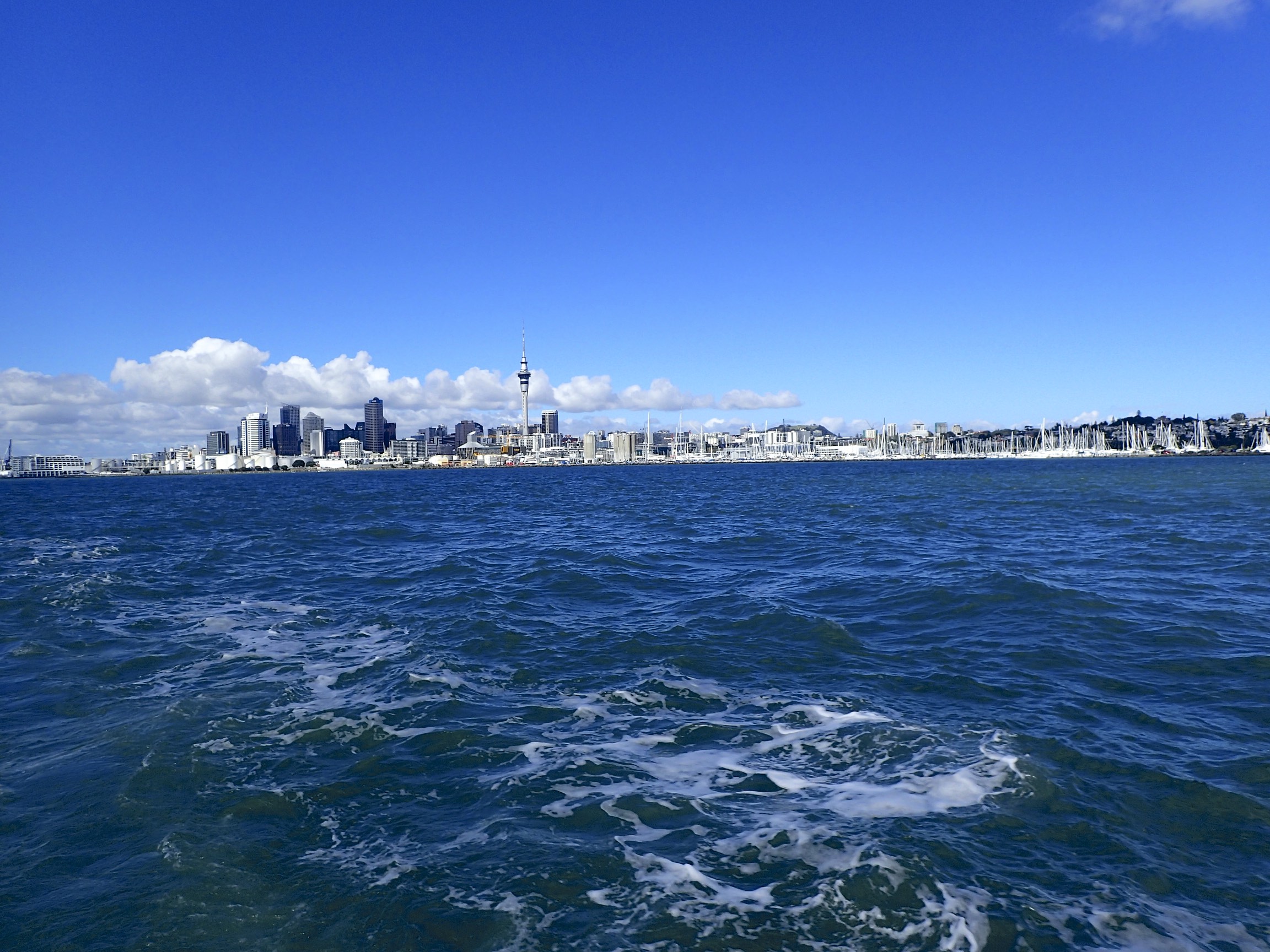
We are spending an "urban weekend" in Auckland, which is our last stop in New Zealand. It is a nice city, and as everywhere in this country, people are very friendly. I am a bit troubled with wearing leather shoes. They just don't have the grip, like Vibram soles. But otherwise, I enjoy the town. Learned today about Scow Ships, which are designed with a flat bottom and were used for transportation along the coastline, where there are no ports. Due to their construction, these ships can during high tide sail on the beach and fall dry when the water is low again. During this time they do the loading and at the next high tide they sail off again. I also learned about Sir Peter Blake, his amazing achievements and legacy. I am impressed - also by his red socks. Time to say goodbye to New Zealand. Soon we will take the trip around the globe by plane. Remember what we learned in Germany in the primary school: when you put a knitting needle through the globe in Germany, passing the centre of the earth, then the other side will come out in New Zealand. Well, that's actually not exactly right, like many other things in primary school. But it is a long trip. That's what it means. Goodbye New Zealand. We will be back.

View on Auckland from the harbor.

View on Auckland from the harbor.

Back online, but with my mind still out there

Sorry, for the reduced frequency of posts recently, but I have been enjoying the (mostly) offline wilderness of one of the planet's most Southern tips. We today arrived Thames on New Zealand's North Island, after a journey through the stunning beauty of this country and are now lodging in a very nice and civilized accommodation called Grafton Cottage & Chalets. I caught myself, having my first shower here, that my hand did not reach for the nice and ecological shampoos provided, but grabbed the antibacterial hand wash with which I ended myself smelling like a biogas plant. Chlorine actually can smell nice, believe me.

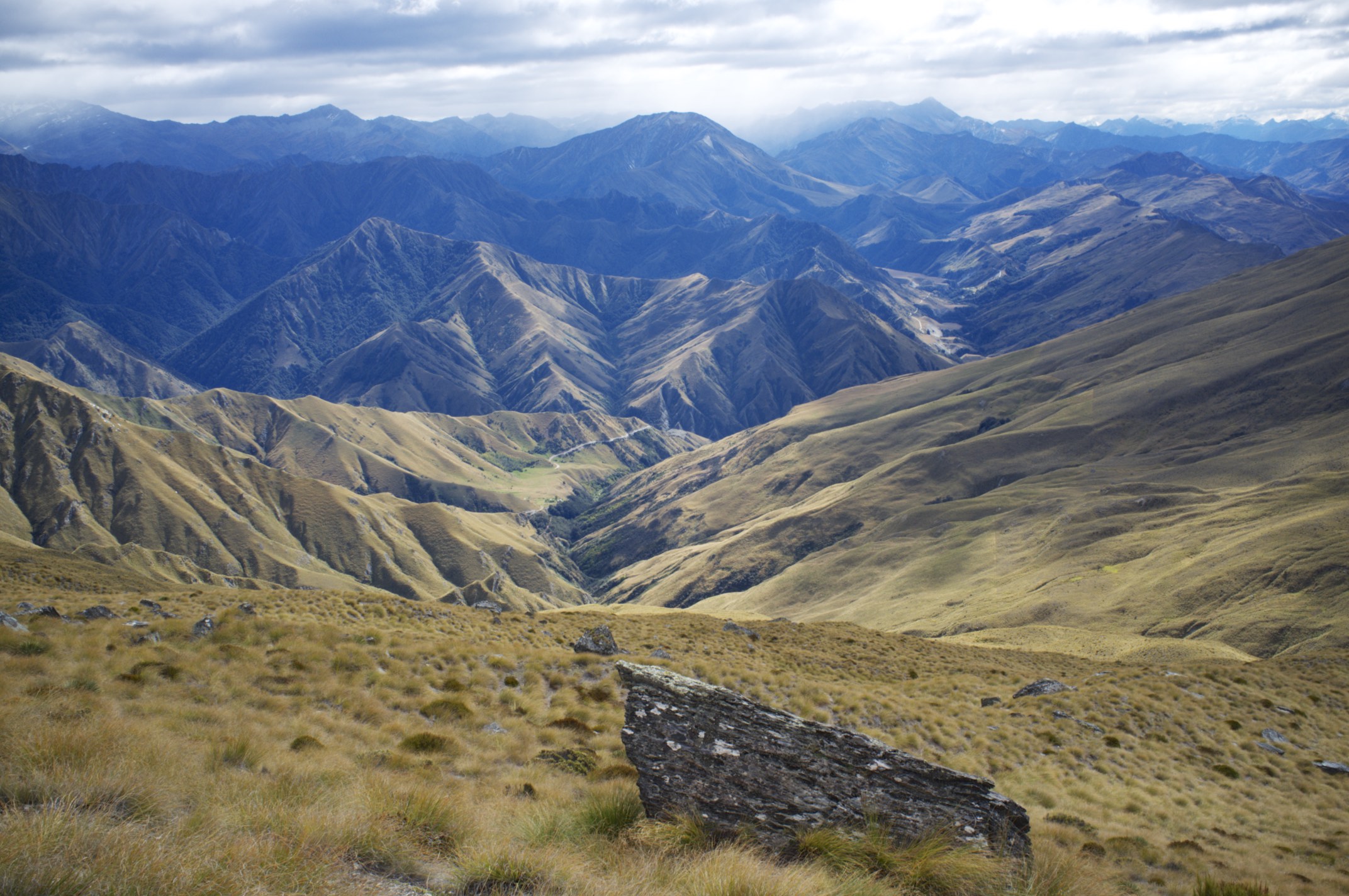
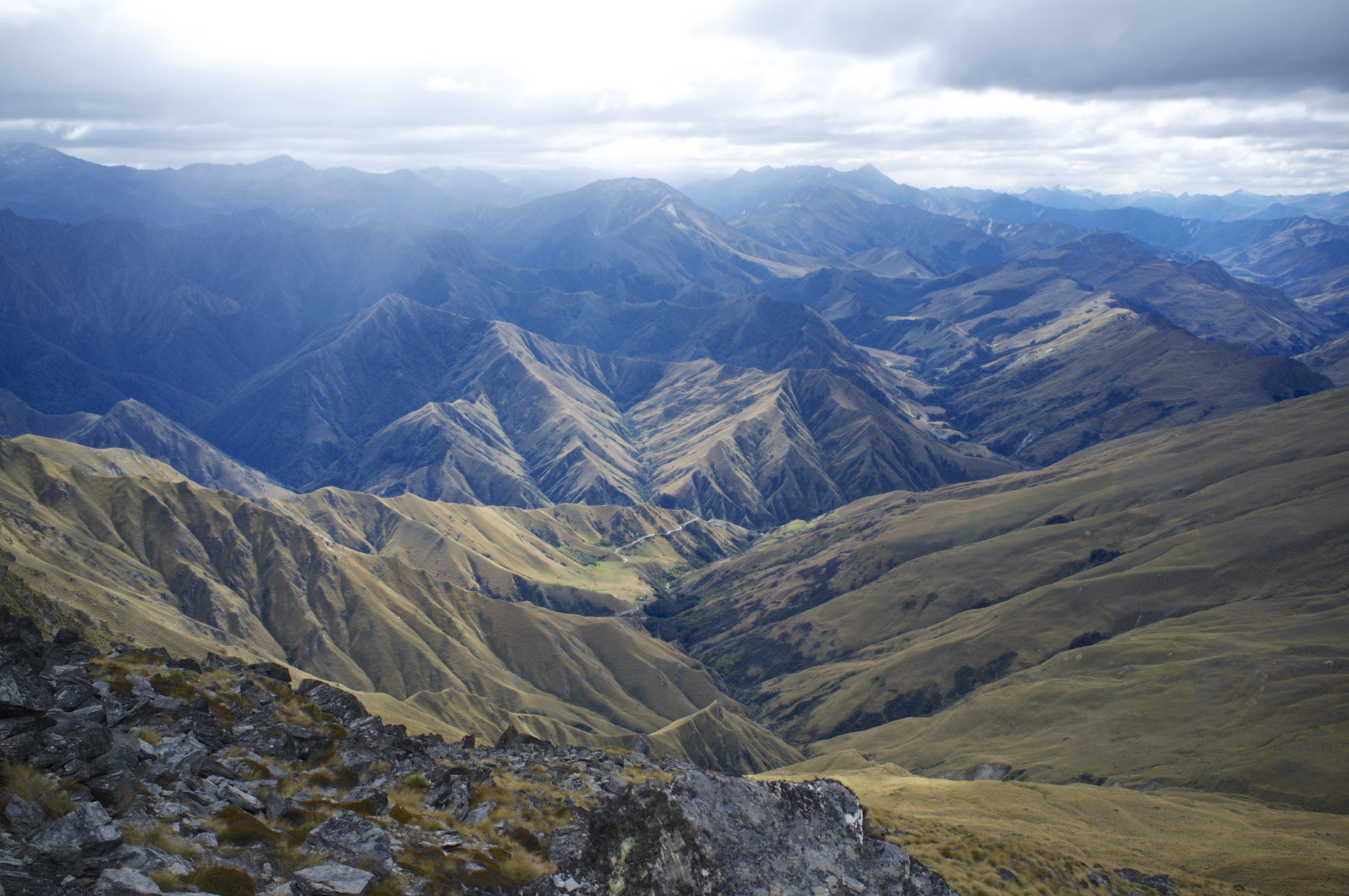
View from Ben Lomond Summit (1700 m).

View from Ben Lomond Summit (1700 m).

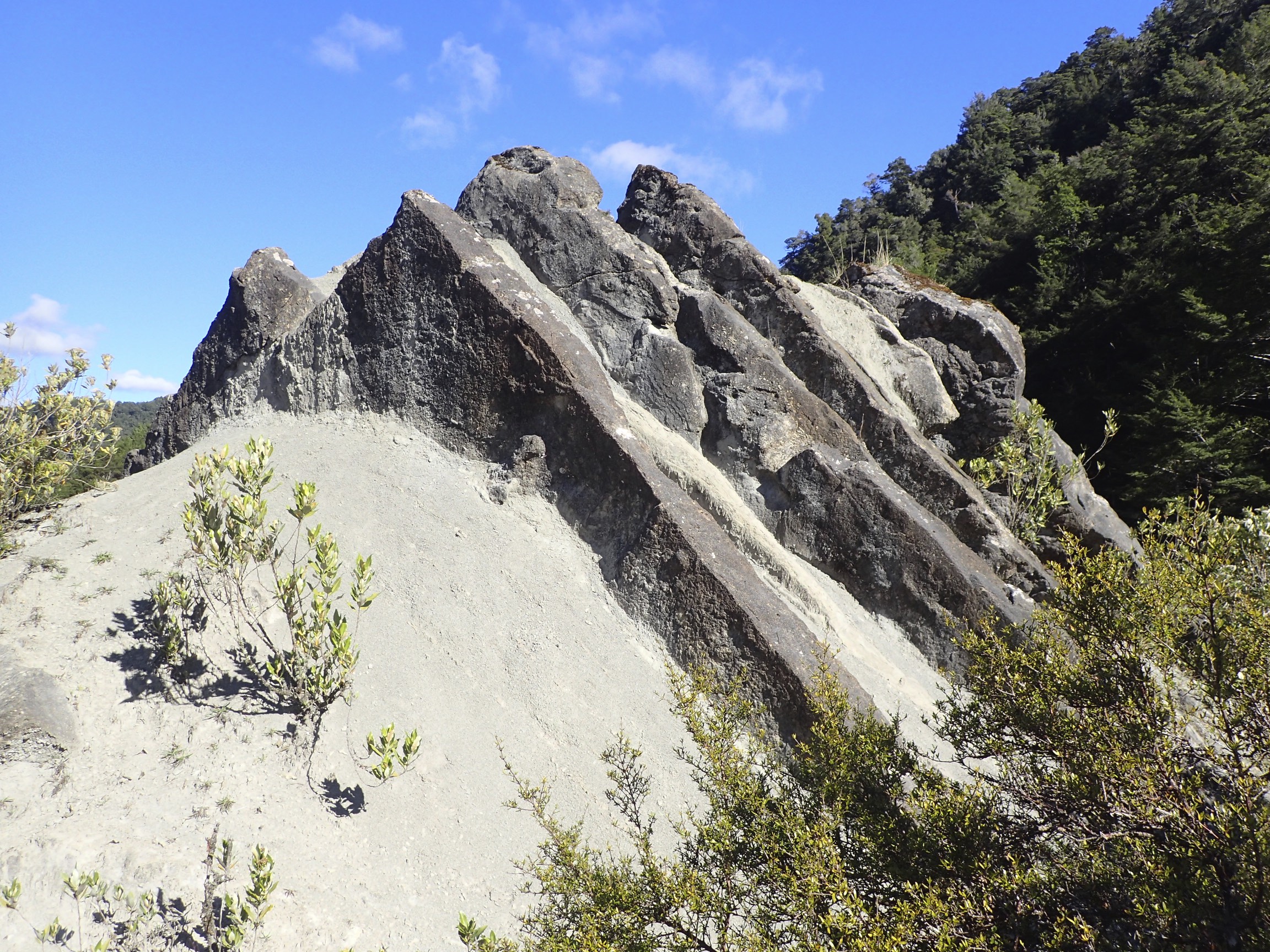
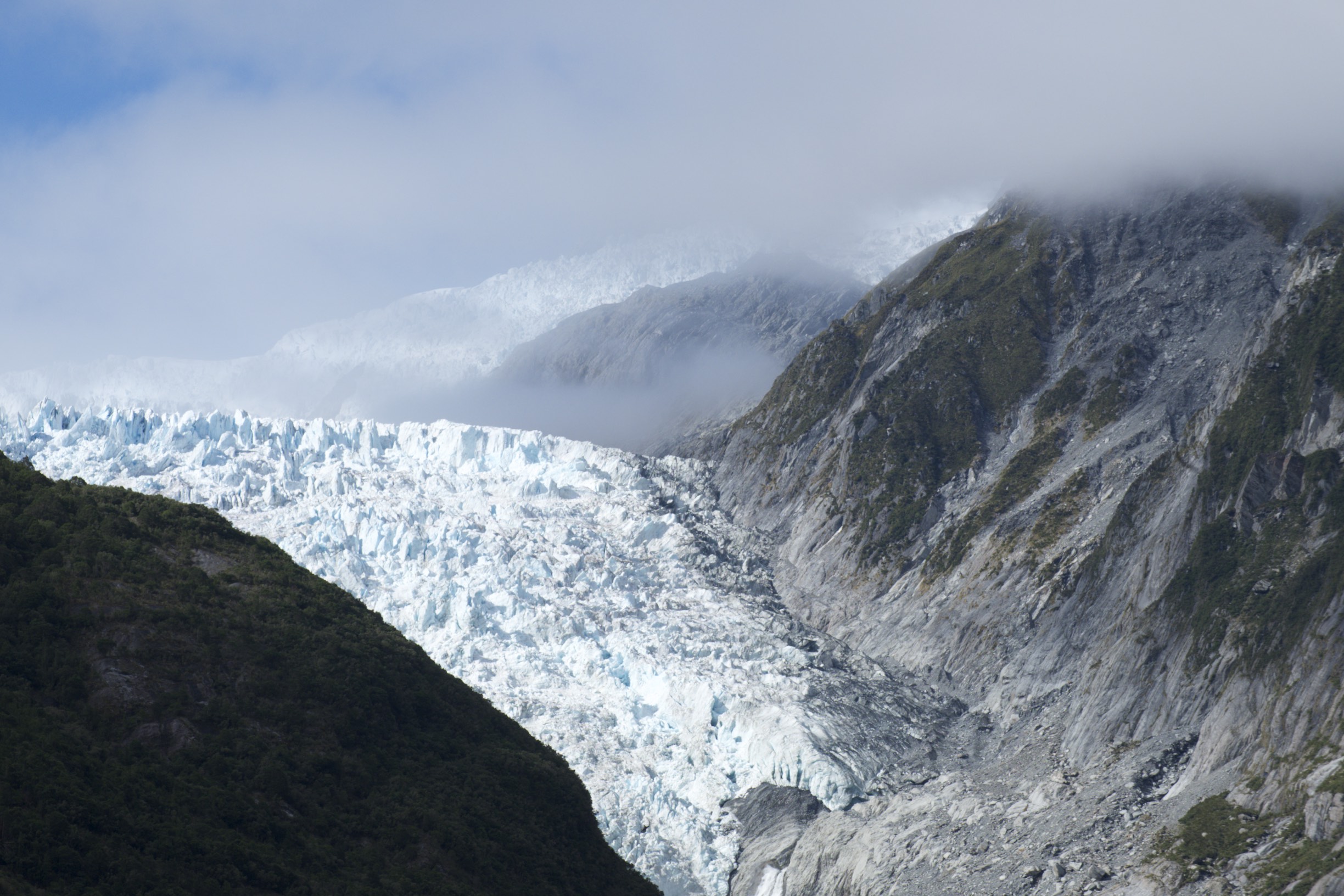
Since the last time a message appeared on this website, we have been exploring the mountains around Queenstown as a warm up. Then we took the coastal route through rainforests, which appear on first sight Mesozoic, along the glaciers Rob Roy, Fox Glacier, and Franz Josef, with small detours into landscapes like the azure blue Hokitika Gorge. Like with many glaciers, it was amazing to see once more, how much they actually retreated in recent history. Around Murchison we followed the Johnson Creek to the site where the 1929 Murchison Earthquake left amazing traces by bending and breaking rocks in a manner that put for me the term "earth quake proof" into a new perspective. When it comes to something like that, nothing is earth quake proof. Never seen anything like it. The site is not easy to find, and you may want to download the GPS-Track (click here to download).

Franz-Josef Glacier

Franz-Josef Glacier

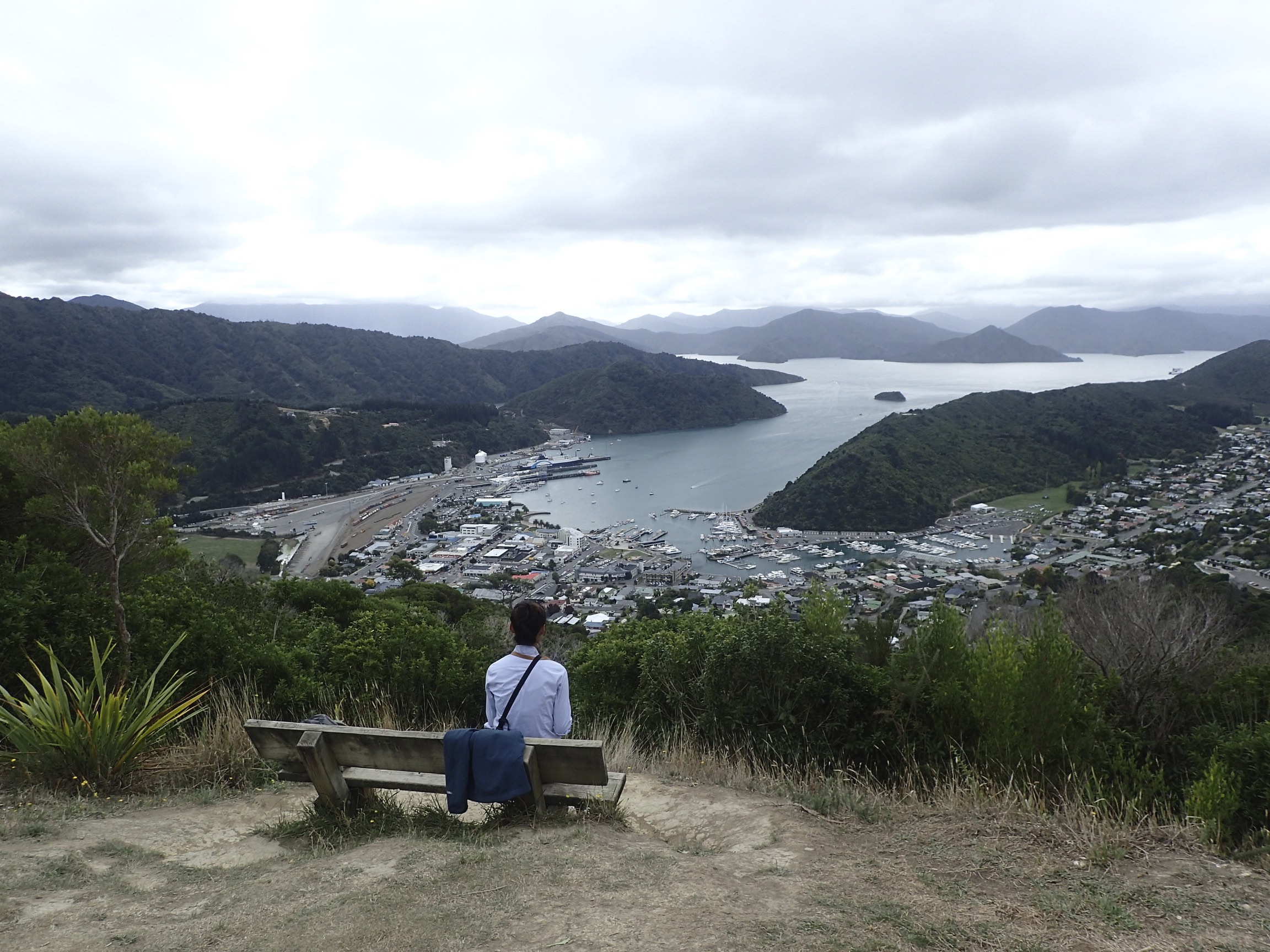
Leaving the alpine region of New Zealand, we took the ferry from Picton to Wellington which is a very scenic cruise through islands and peninsulas. But we did not stop in Wellington, but headed further to the Tongarino National Park (a volcanologist's paradise), and then to Thames, chilling down today the outdoor time with a hike to the Pinnacle. 

Hokitika Gorge

Hokitika Gorge

Browsing through the "documentary footage" of my small pocket camera, literally hundreds of questions come back to my mind. Like, why did the minerals and metals fall out in this sequence at the Silica Rapids? Or, what was the chemistry again which made this water so blue? Plants I have never seen, birds I have never heard, and wild footprints I can not recognize ... I will keep my mind a bit longer occupied with these questions and note down the explanations. For now, I am back to a hot shower. It is nice. But not for too long. Then its boring. Too many things to see out there.

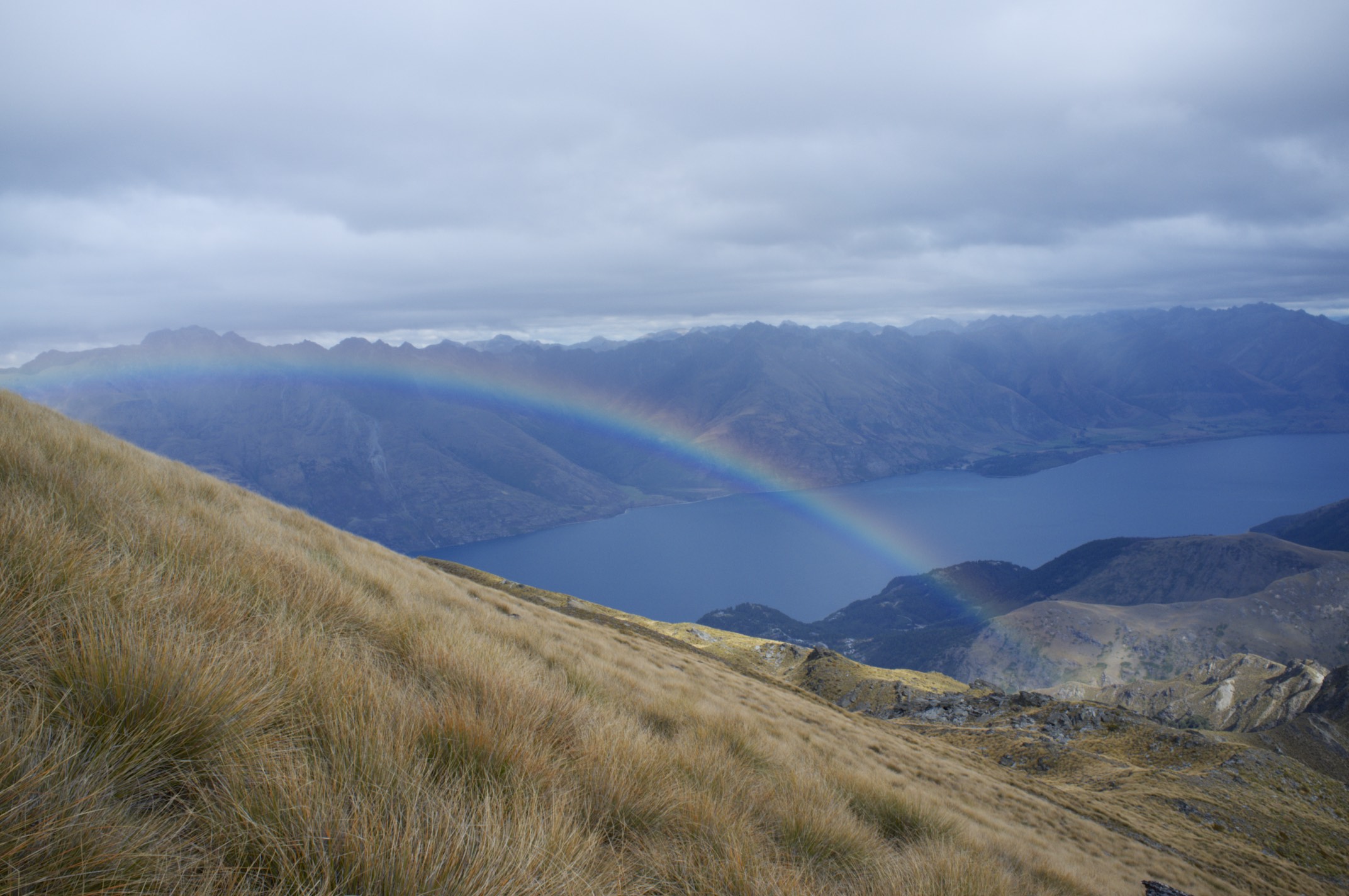
Both ends of the rainbow above lake Wakatipu.

Both ends of the rainbow above lake Wakatipu.

Walking in a painting

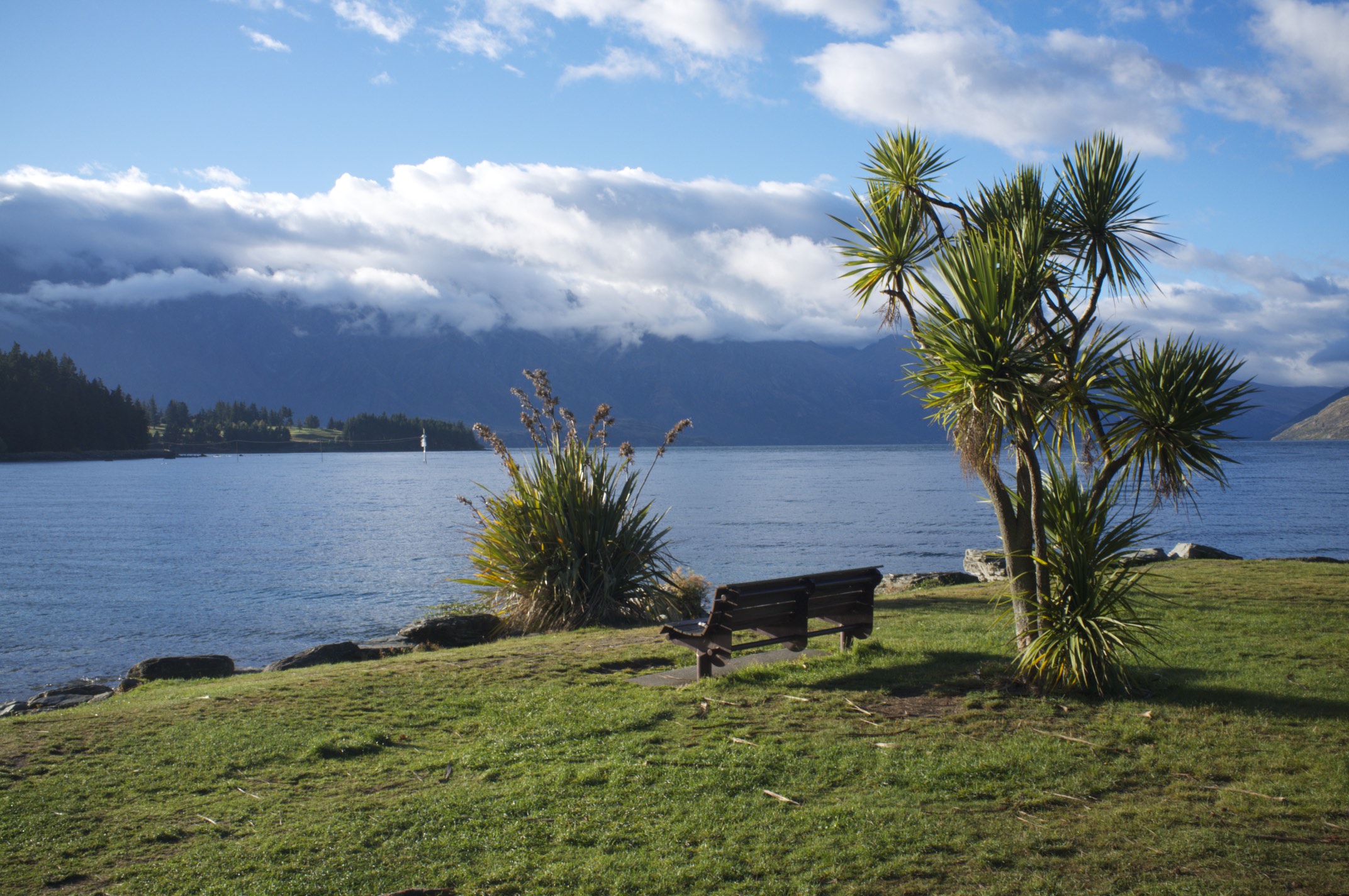
There are not many places, where I reconsider the possibility of the existence of fairies, draws, hobbits and unicorns. But New Zealand is one of them (the other one is Iceland). Feibai said it with: "It feels like we are walking in a painting".

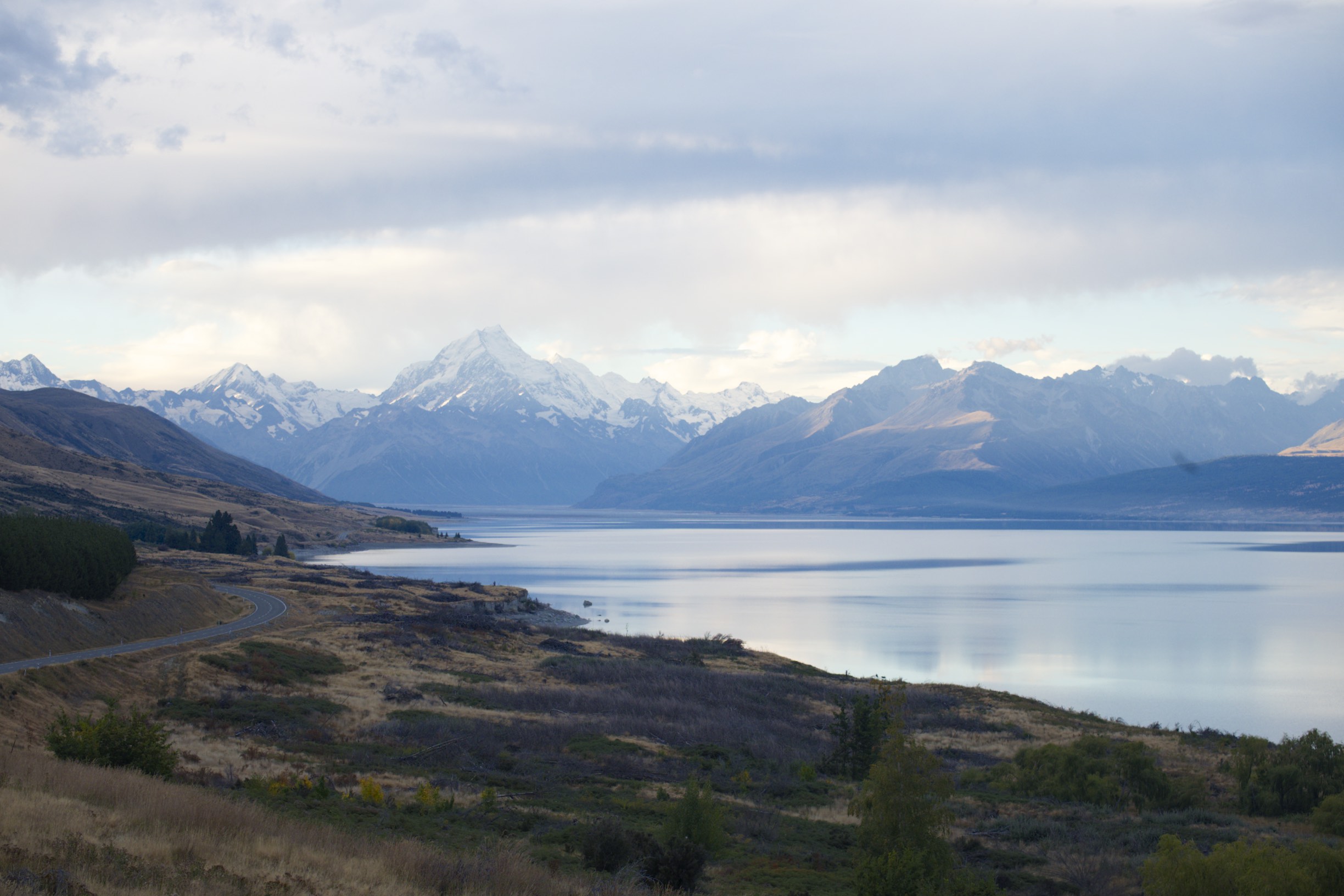
Evening view on Mount Cook

Evening view on Mount Cook

We arrived the South Island of New Zealand in Christchurch. The scares of the 2011 earth quake, which flattened most of the city, are still very visible. But the new Christchurch will be modern, quake proof and is aiming to be an inspiration for the world. And I think it really can be, once it is finished. It is an amazing financial and spiritual effort to rebuild the city. Also the quake left scares in people's souls. But they have a great spirt to deal with it. It was touching to hear the comment of a museum staff, saying: "Oh, I wish the city could be ready for Christmas". It will not be. But it is improving every day. And even it is becoming a modern town now, the heritage around. 

We drove from Christchurch to Mount Cook and had one overnight before reaching Queenstown. This is a beautiful place, and we will stay a few days, exploring the mountains around by foot. We already hiked up the Shotover River, looked a bit into the old gold mining projects, like the Oxenbridge Tunnel at Arthurs Point, and learned about the Chinese gold trader Sew Hoy, who was active in this region around 1885. Today took the Fernhill Loop Track through the forests up to about 1000 meters. Again, a beautiful view. This was a warm up, to get a bit higher in the next days.

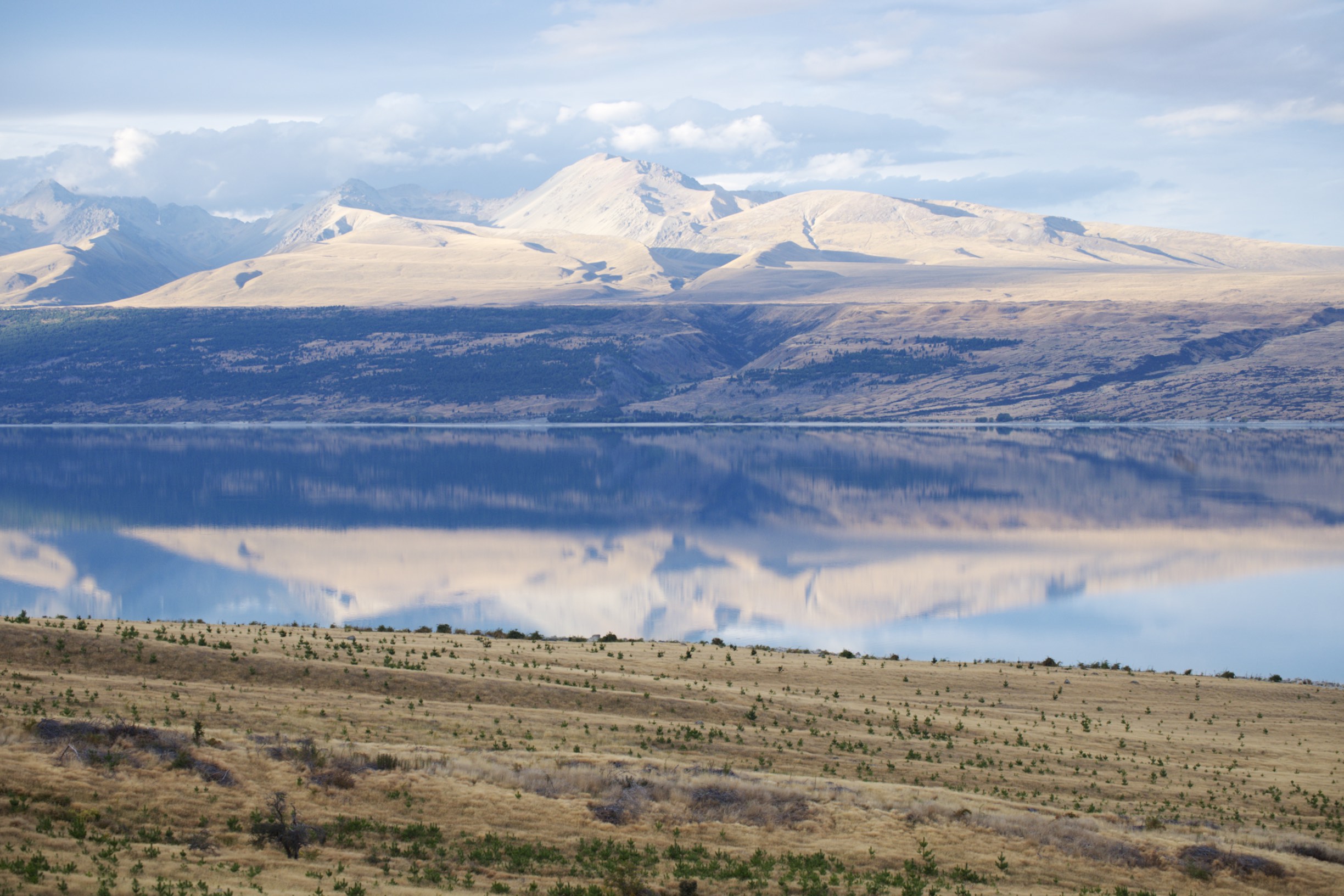
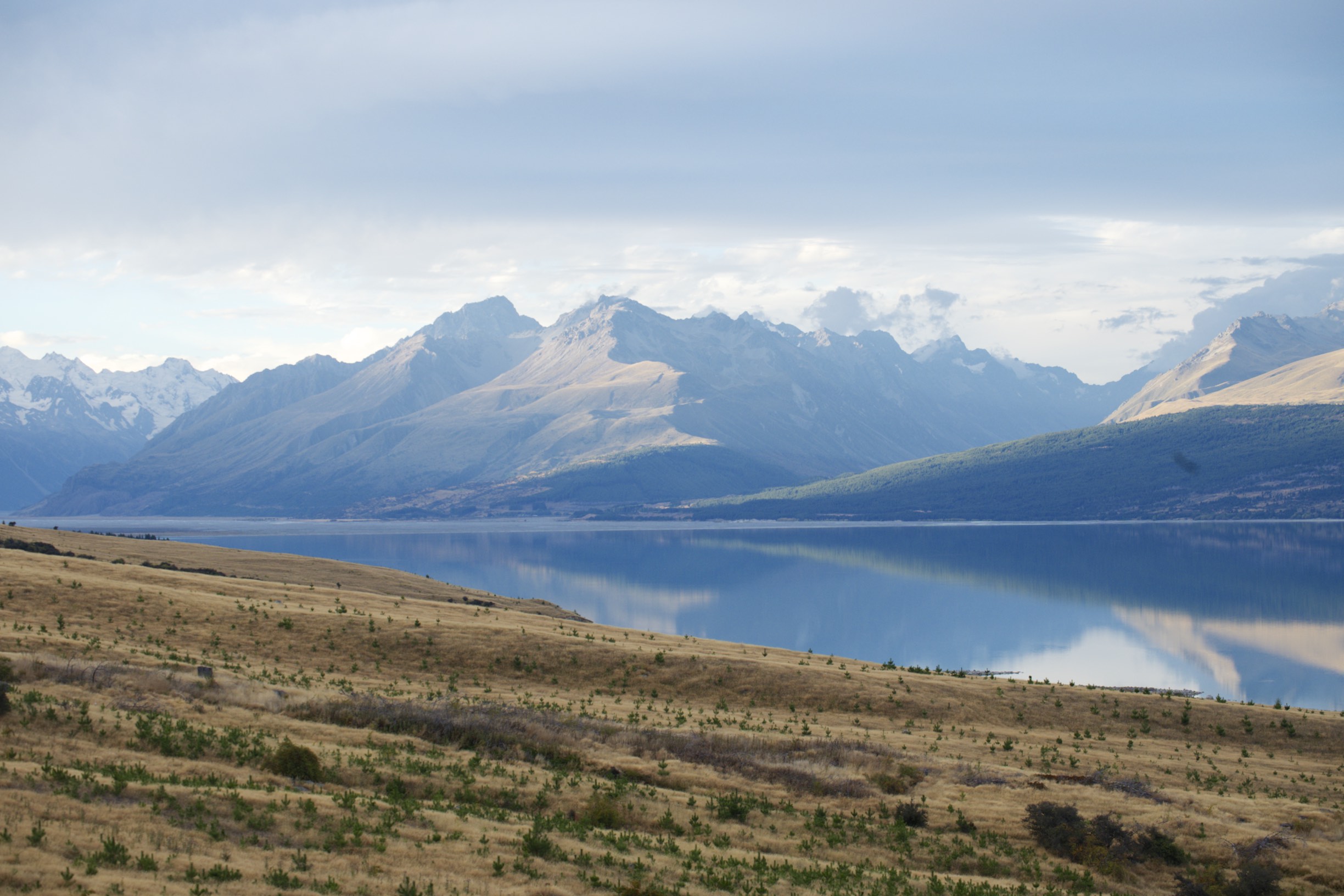
Lake Pukaki

Lake Pukaki

The predominant mushroom in the forests around. A pity, the Brothers Grimm missed New Zealand. 

The predominant mushroom in the forests around. A pity, the Brothers Grimm missed New Zealand. 

Hanging around in Cairns

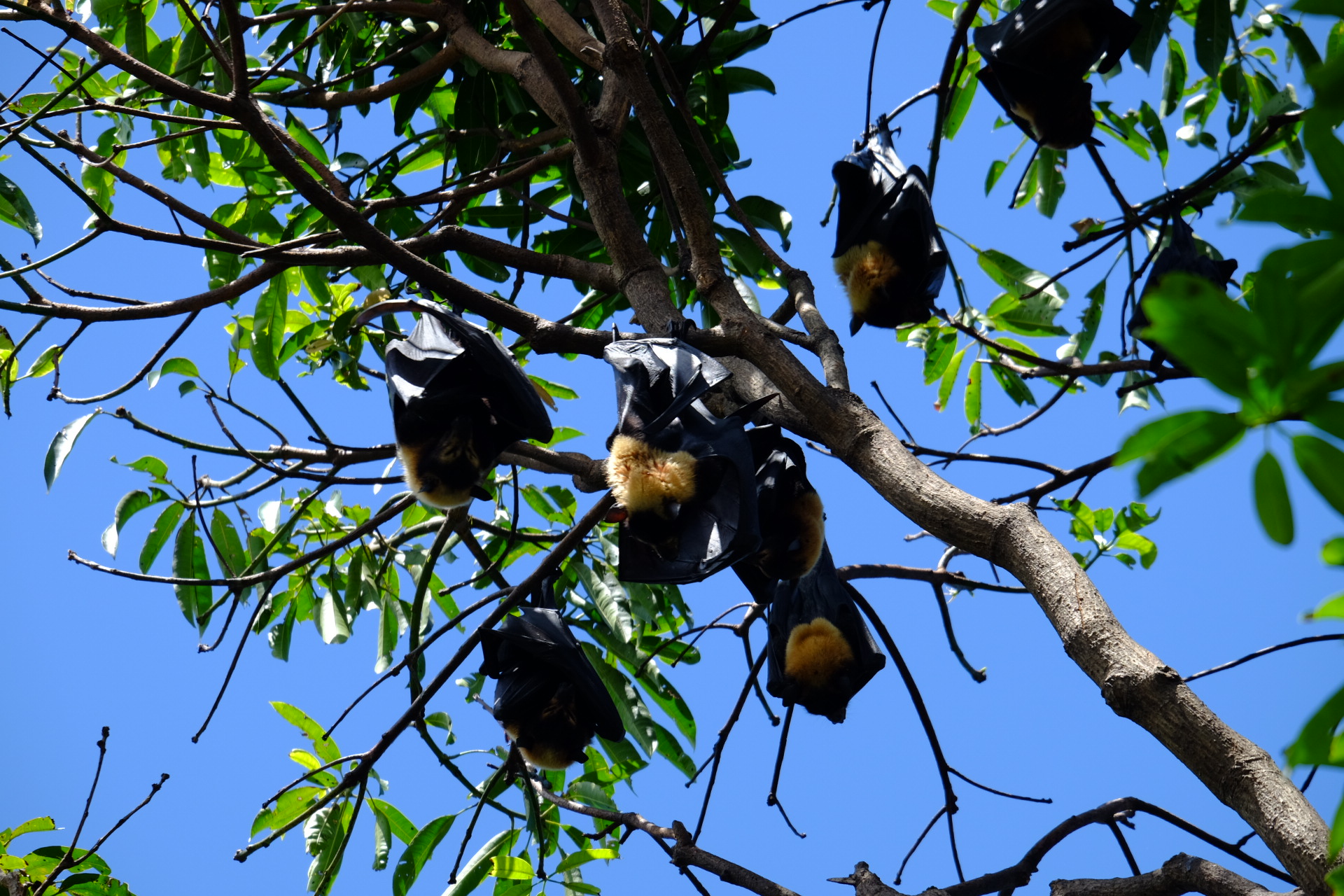
Flying Fox, or Fruit Bat (Pteropus) hanging around in the trees in Cairns.

Flying Fox, or Fruit Bat (Pteropus) hanging around in the trees in Cairns.

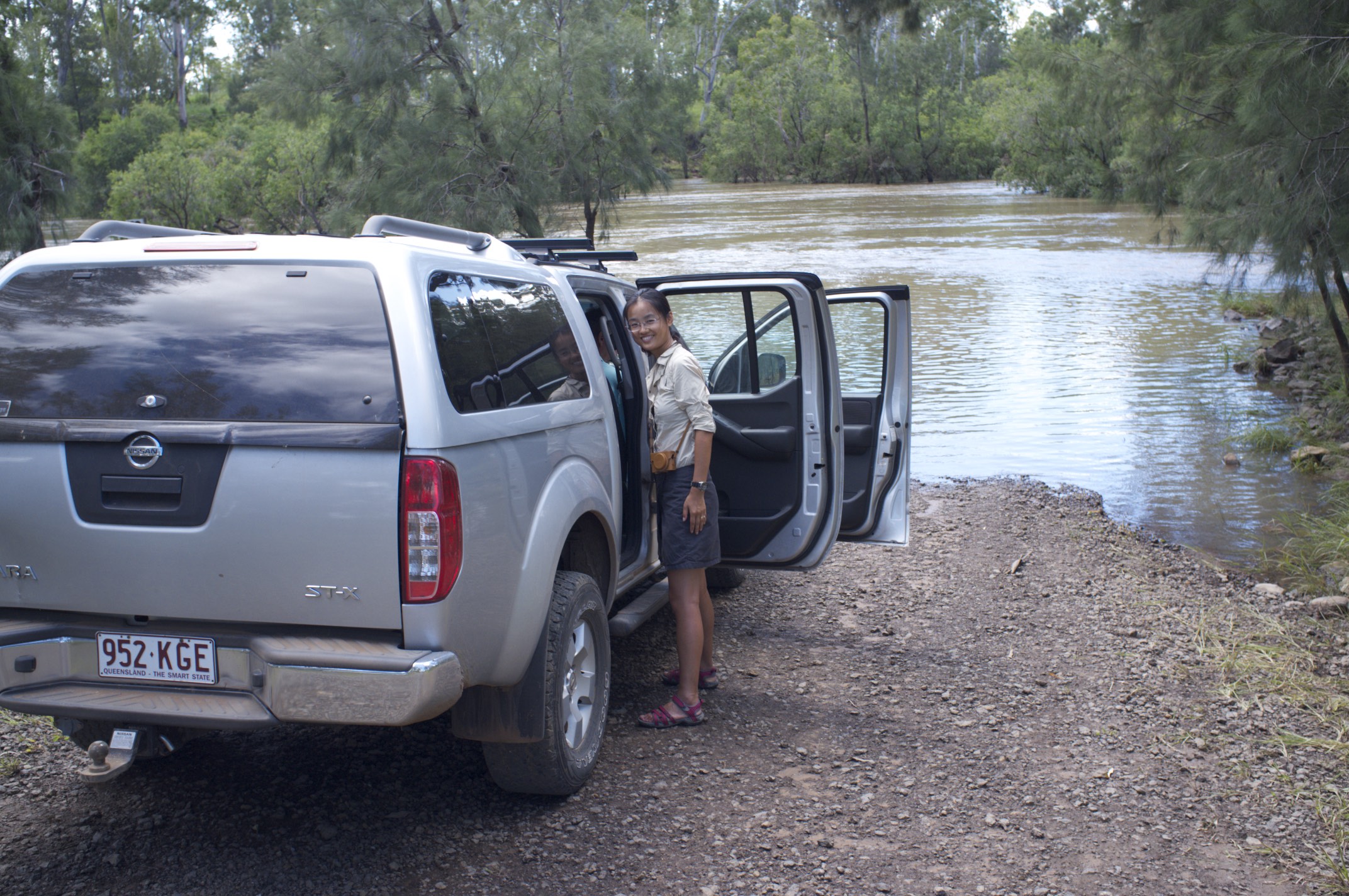
We decided to drive to Cairns a few days early, as there was the potential that Cyclone Nathan makes landfall where it would either flood or blow away our road. Luckily non of this happened and the storm hit about 100 km North of Cairns (strange to think that way, because lucky for us means bad luck for somebody else). But one thing is sure: we are happy, it did not flood Thomas' and Lina's new Butterly House in El Arish (Australia). Now we are having more time ein Cairns than planned and the city is quite a sleepy one: get a haircut at the night market, go for a swim in the lagoon. The reef is not that easy to reach and waters are still rough from the storm. Cairns is an "old" sugar town, and quite nice. There are free barbecues along the sea side. Eating is important in Cairns. Should you consider to go and swim in any of the natural waters here, you might end up as a meal for a salt water crocodile.

All flights are up and running again, so that tomorrow we can leave on time via Sydney to New Zealand. 


Dundee Park and Kirrama Range

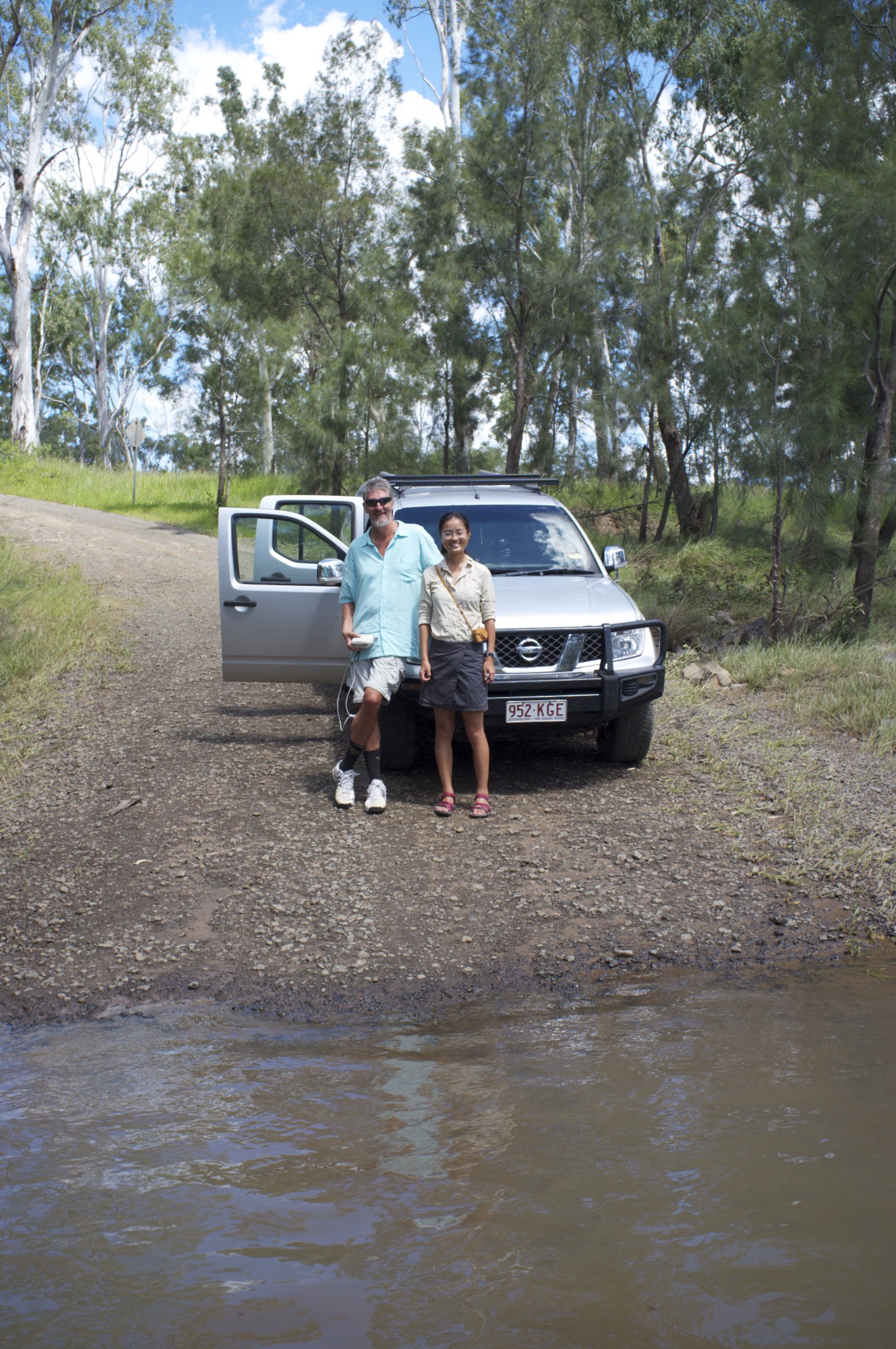
We arrived in Dundee Park, El Arish (named by Australian soldiers who served in North Africa and received this land plot to settle). Staying here with long time not seen friends: Thomas and Lina Baur bought the former crocodile farm and converted it into an Ecotourism Education Centre. It is a wonderful estate, but huge amounts of work for the two of them. Labour is expensive in Australia, and trade unions make it an entrepreneurial nightmare for small businesses. So some need to work much harder. Feibai had her “re-education” with shovel and pick on the construction site of the large butterfly house. She could have modeled for one of Mao’s Communist propaganda posters. The butterfly house will be really wonderful. I can already imagine it full with tropical butterflies. Thomas took us in his 4x4 up to the Kirrama Range (download track here). It is amazing how quickly vegetation changes in different belts from the tropics to savanna land. Up on the table lands, if imagine different trees, you could think you are in East Africa. On the way there are amazing waterfalls. And nobody makes it there. It only costs you the effort to go there. The Herbert river flooded the track in the end. After a quick inspection (crocodile country!) of depth and the strong current we returned and did not make a full 400 km loop. Tropical Cyclone “Nathan” (a Hurricane or Typhoon, however you may call it), after making strange turns in the Coral Sea for more than a week now, is now heading back for North Queensland and has built up its strength to a Category 3. It is forecasted to hit land at Cooktown, North of Cairns, on Friday. But who knows? We should fly out Cairns on Monday via Sydney to Christ Church, New Zealand. It is a bit tricky to plan the travel, as the coastal road to Cairns might get flooded, and the mountain routes might get blocked by falling trees. We are traveling light and without a decent chain saw, which limits this choice. Just hoping Dundee Park will not flood and that Nathan is wise enough to make another turn back to the Corals Sea. But this seems unlikely. So let’s wait and see, as the forecast is getting more and more accurate by the hours now.

DSCF0556.jpg
"Table Lands" travel height log

"Table Lands" travel height log

Gold Coast Days

If you give me a map and ask where "the comfort zone" lies geographically, I would point at the Gold Coast: perfect temperature, blue sky, the ocean at the door step, excellent food. Life is easy and people are very friendly. I was teaching on Sunday a preparation lecture for an upcoming China Field Trip at Bond University, which is headed by Keith Duncan. Thereafter we had an excellent seafood dinner with view on the surprising skyline of Surfer's Paradise. While teaching Australian students about China, I actually learn a lot about Australia. There are a few more guest lectures and chats with the faculty colleagues coming this week. And then we already pack up and travel North. Time flies.

Balance of Power as a Domestic Concept

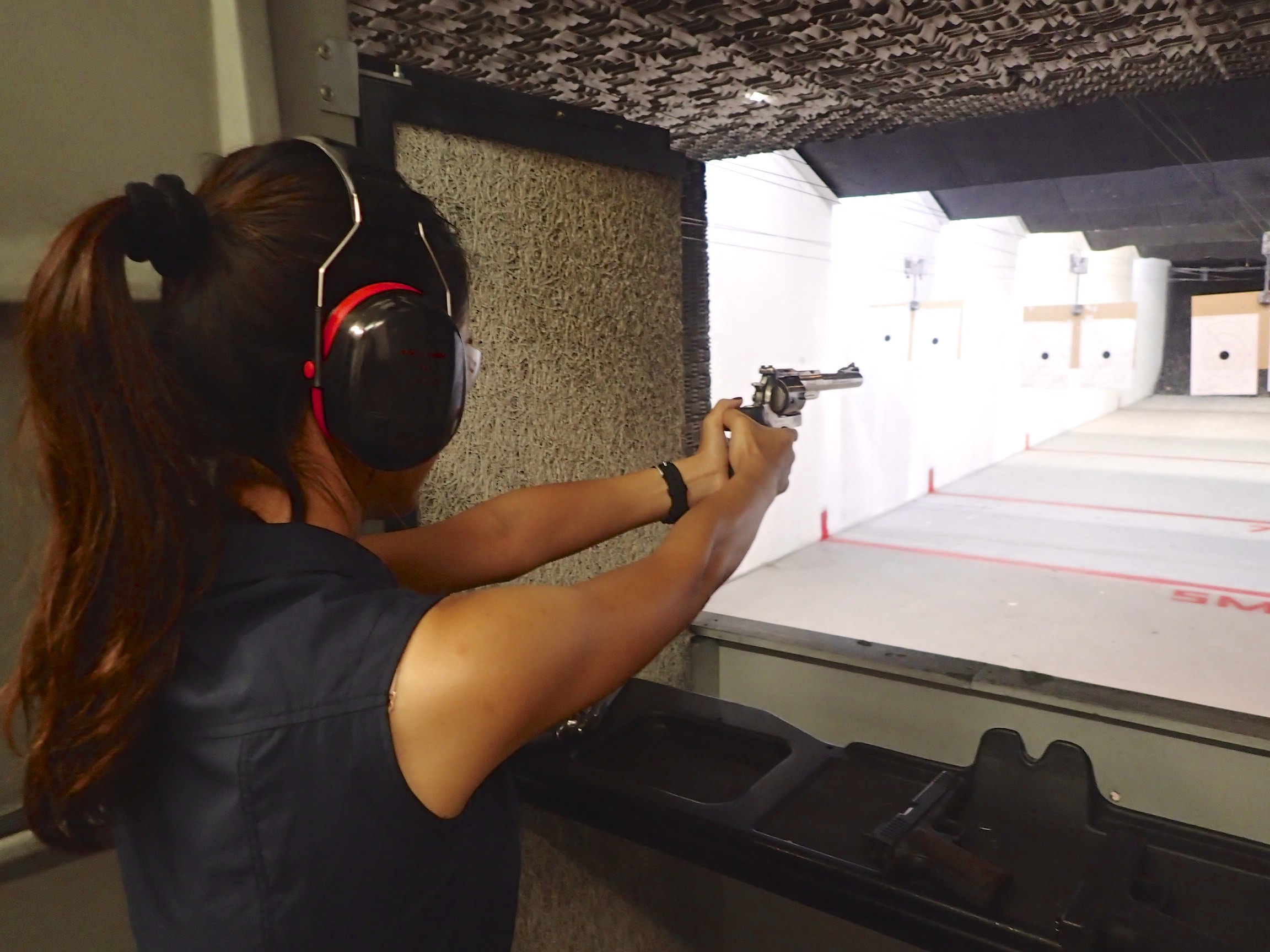
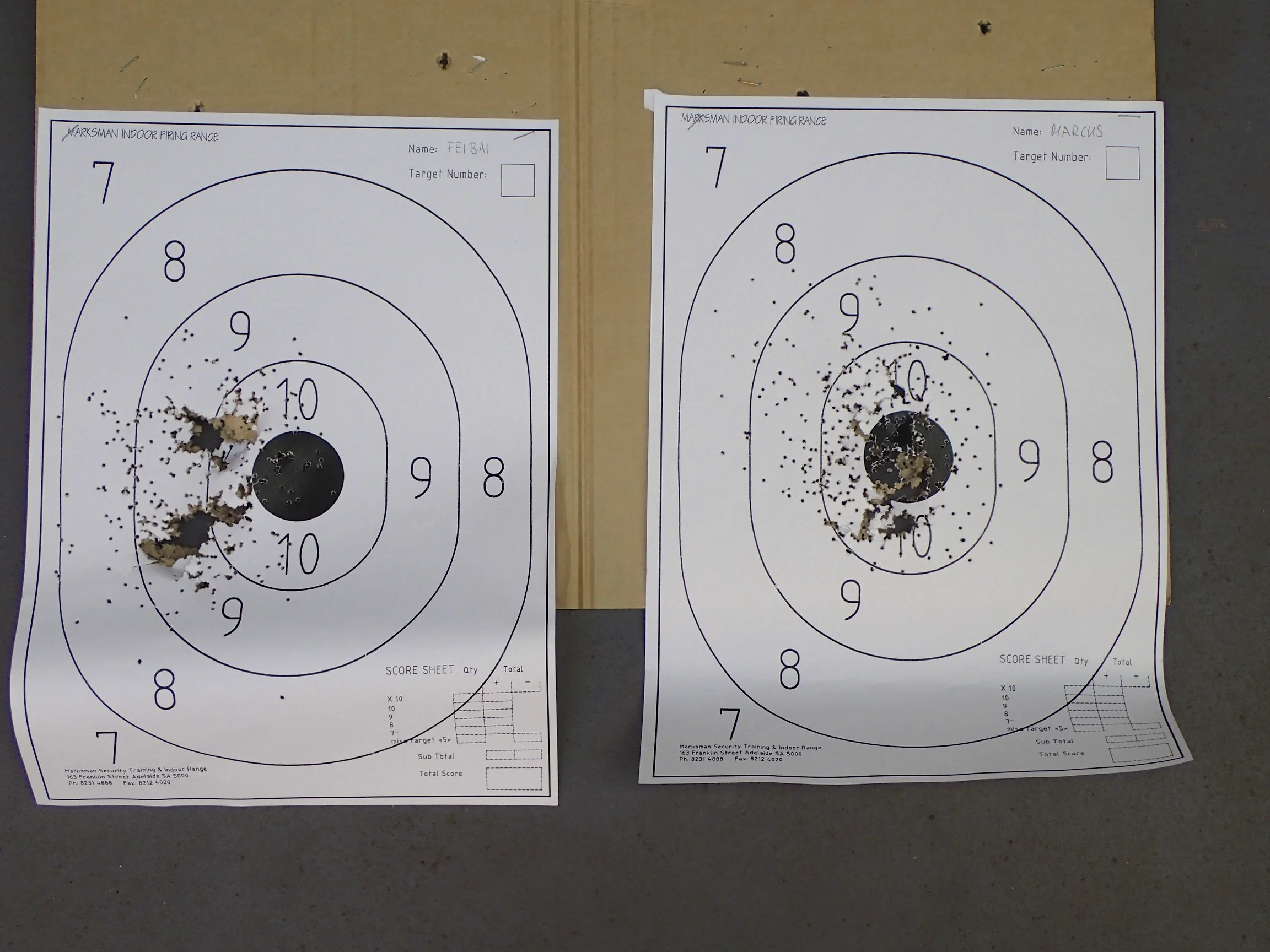
Tried the Glock 17 (9mm), STI-Spartan (.45 ACP), Ruger GP100 (.375) and finally Dirty Harry's .44 Magnum size Ruger Super-Redhawk. Because Feibai was so good the bonus was two rounds with a shotgun. I did only marginally better, so we agreed on trying to resolve all domestic affairs non-violenty. The next exercise will be shooting a beer can with the Magnum in one hand, while eating a hot dog. I might be better on that one, because she is vegetarian and will be scared by the hot dog.

I still have some small advantage in accuracy and speed (left Feibai, right Marcus)

I still have some small advantage in accuracy and speed (left Feibai, right Marcus)

Visiting Bond University (Gold Coast)

Arrived at Australia's Gold Coast - not for holidays, but as a guest lecturer at the Business School of Bond University. It seems mind boggling to pass by places like Surfer's Paradise on the bus to head for an academic institution. But then really it appears: a small but very fine University under a stunning blue sky. The first thing I noticed was that the library is on weekdays open until 1 am. For those of you who stereotype Bond with surfing and barbecue: does 1 am in the library sound like vacation? 

I had a very nice welcome by faculty and students on campus yesterday and gave my first guest lecture in the class of Lars Isaksson. Today I spent with preparing more and meeting students. Excellent environment and excellent people.