Places

Finally arrived Hong Kong - really

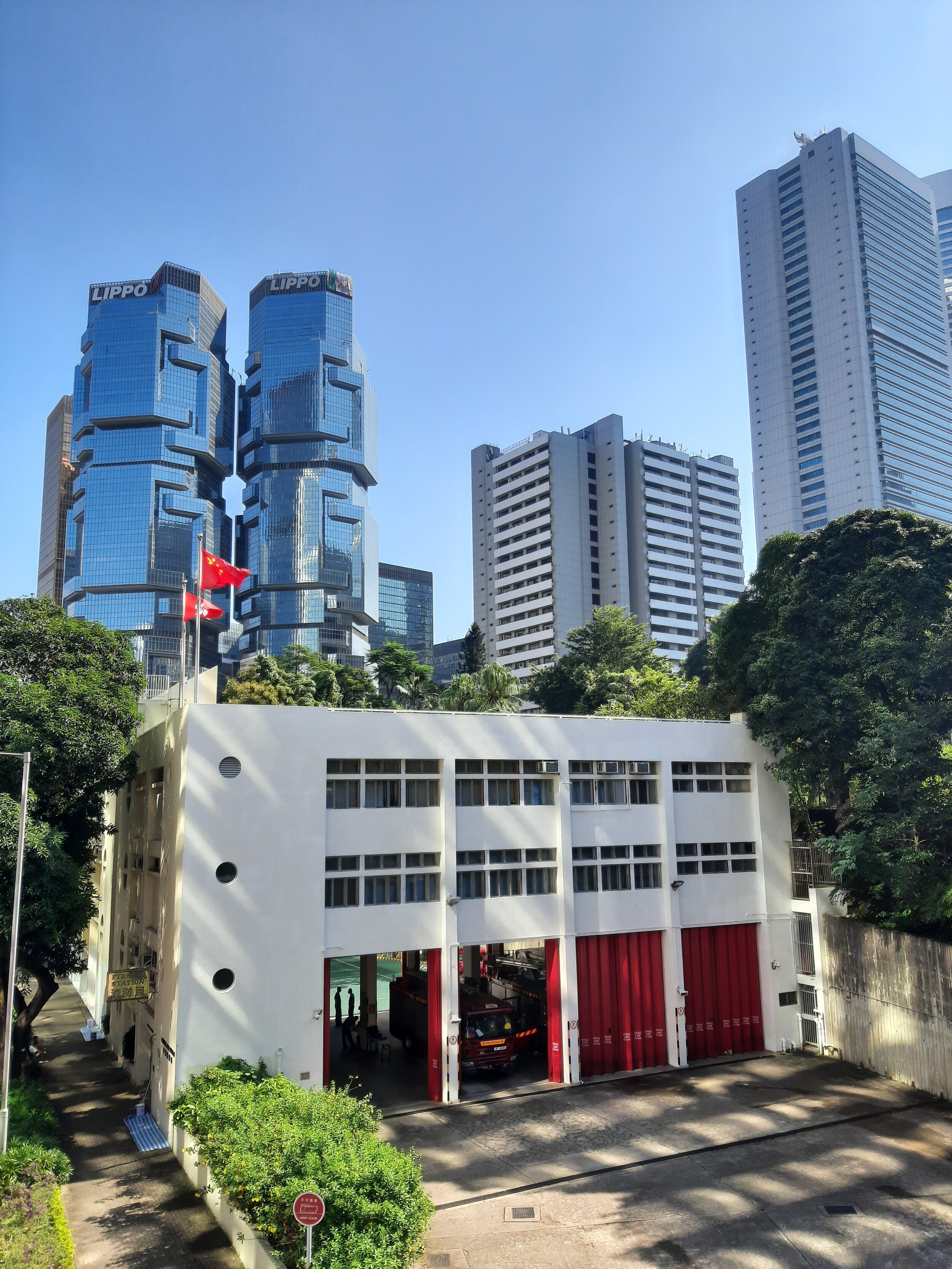
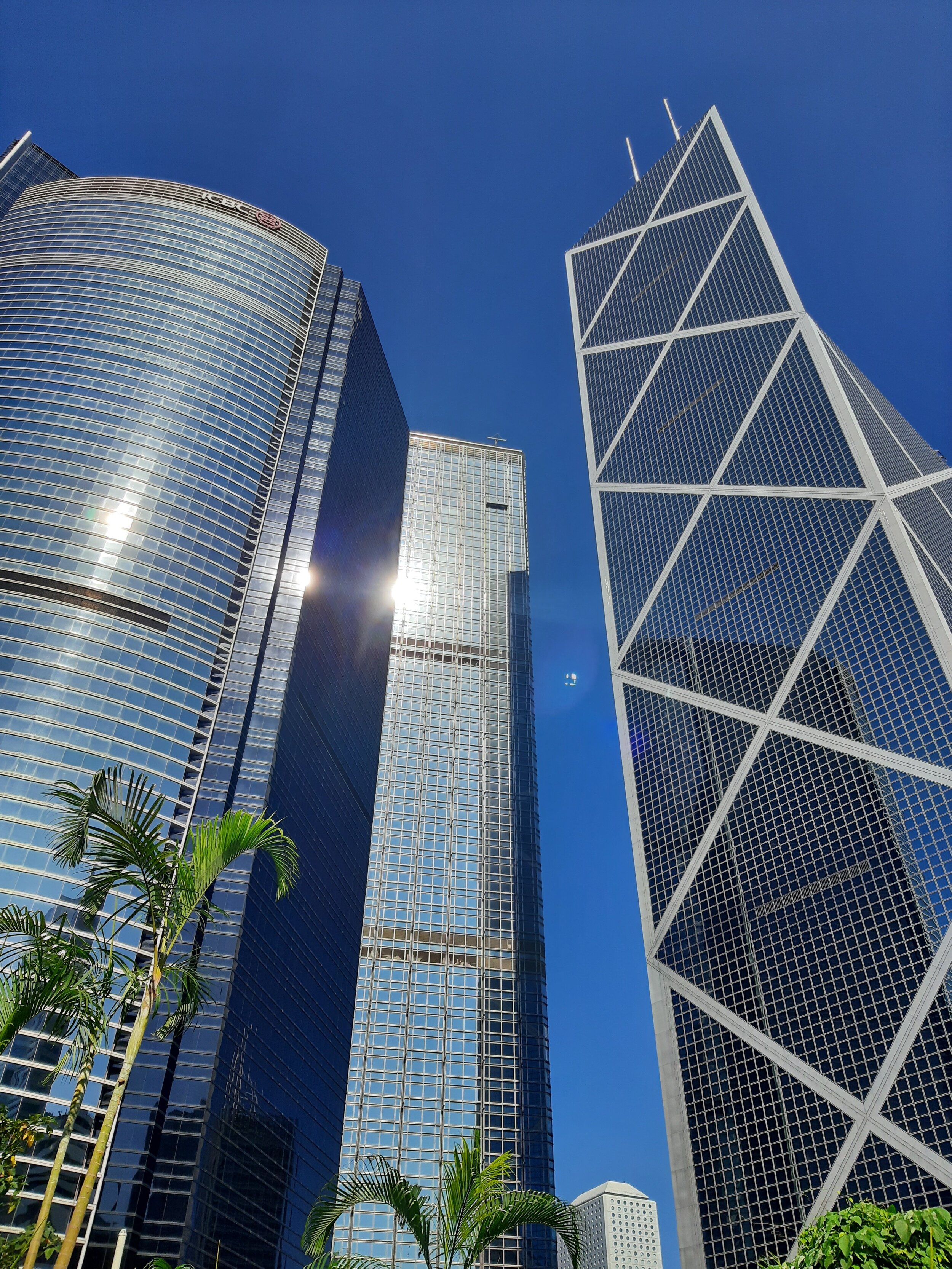
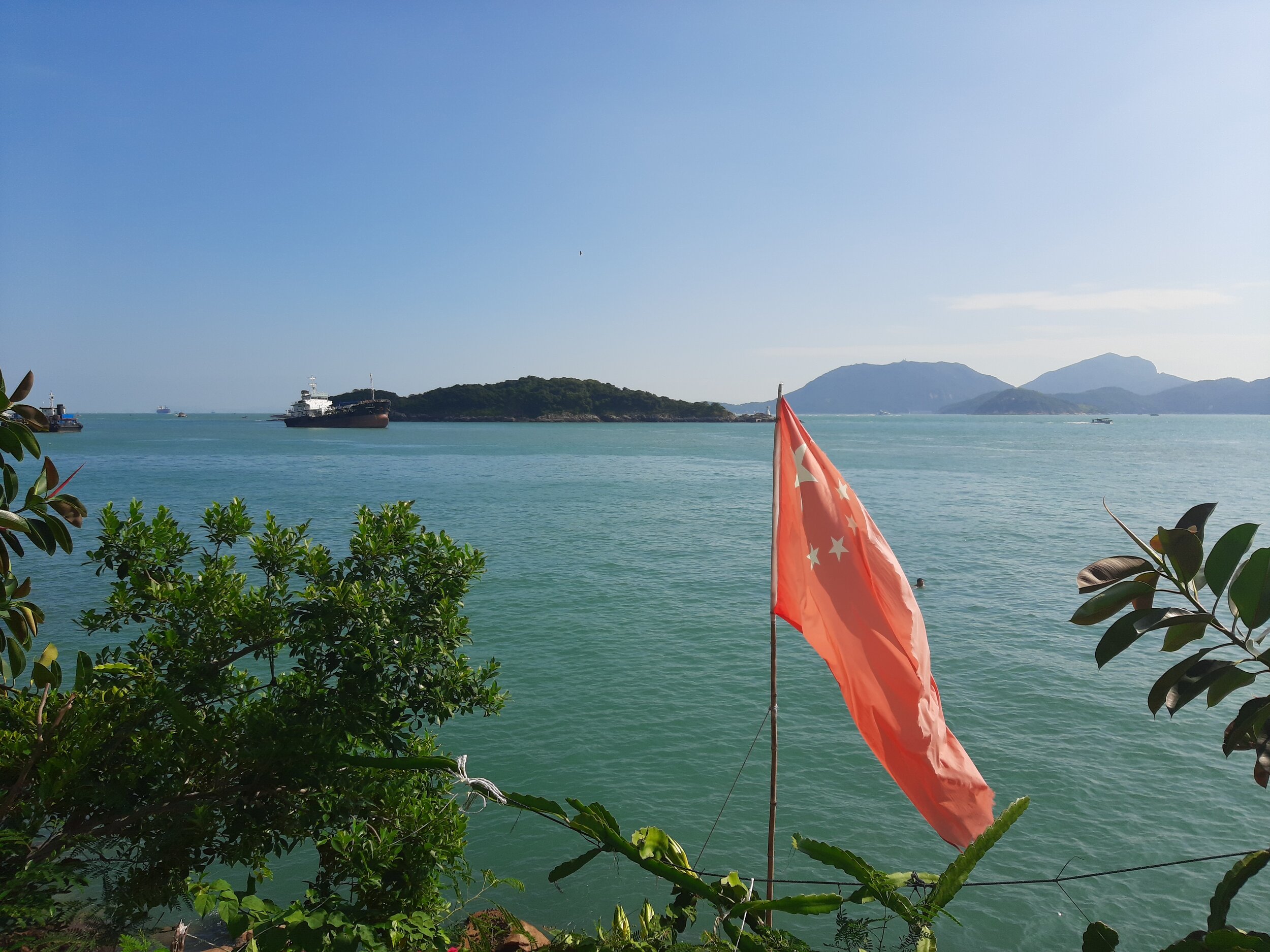
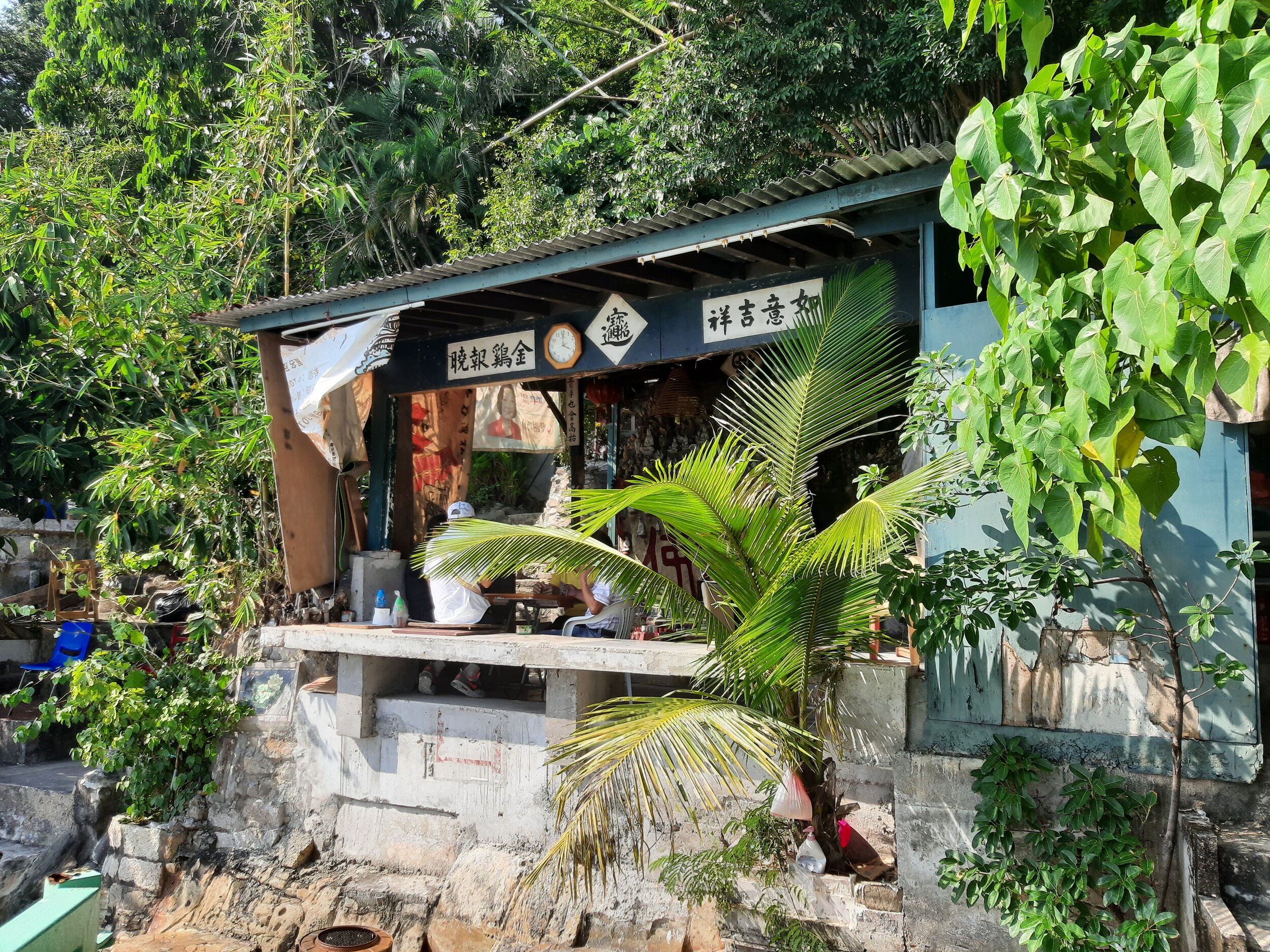
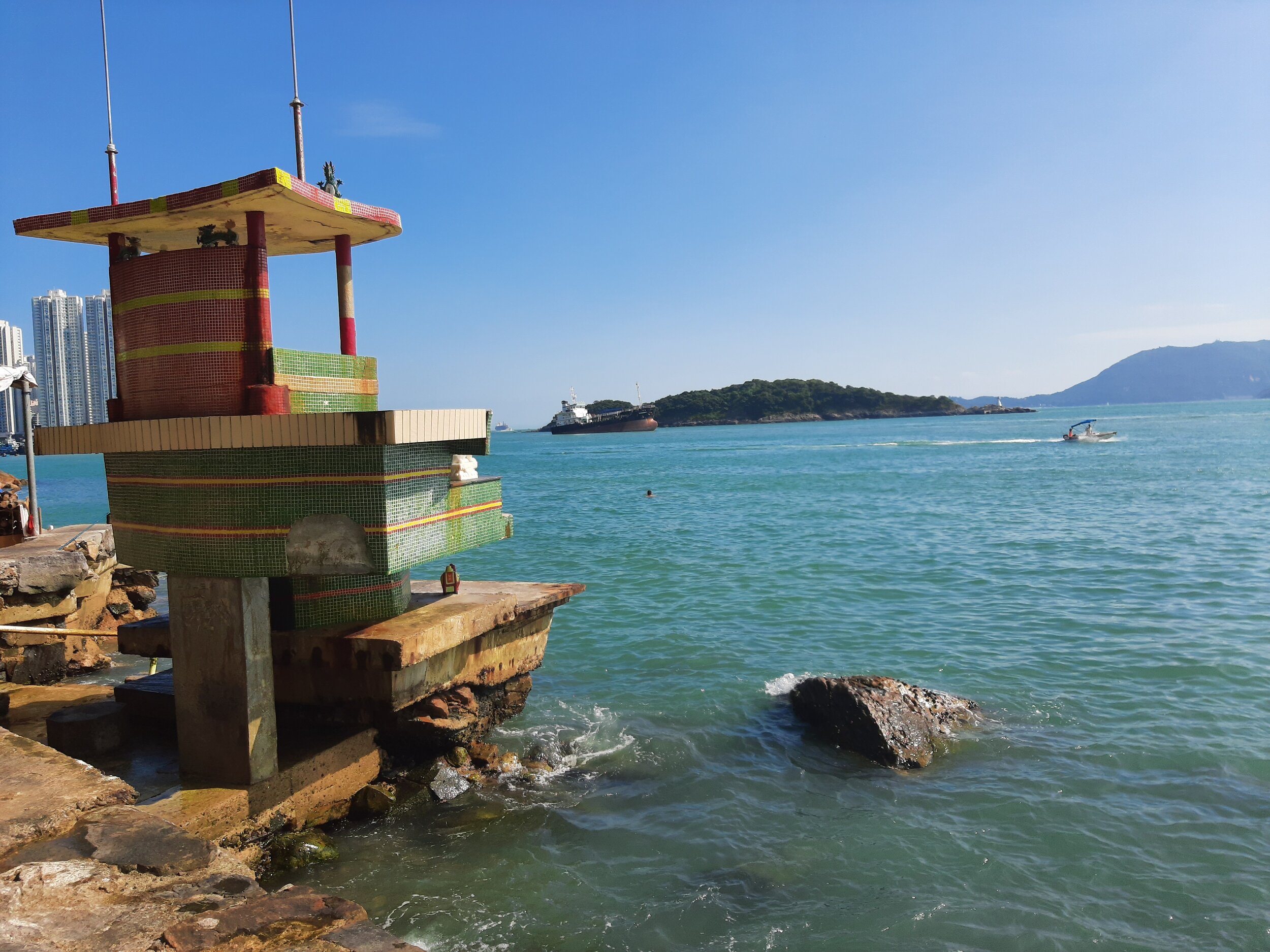
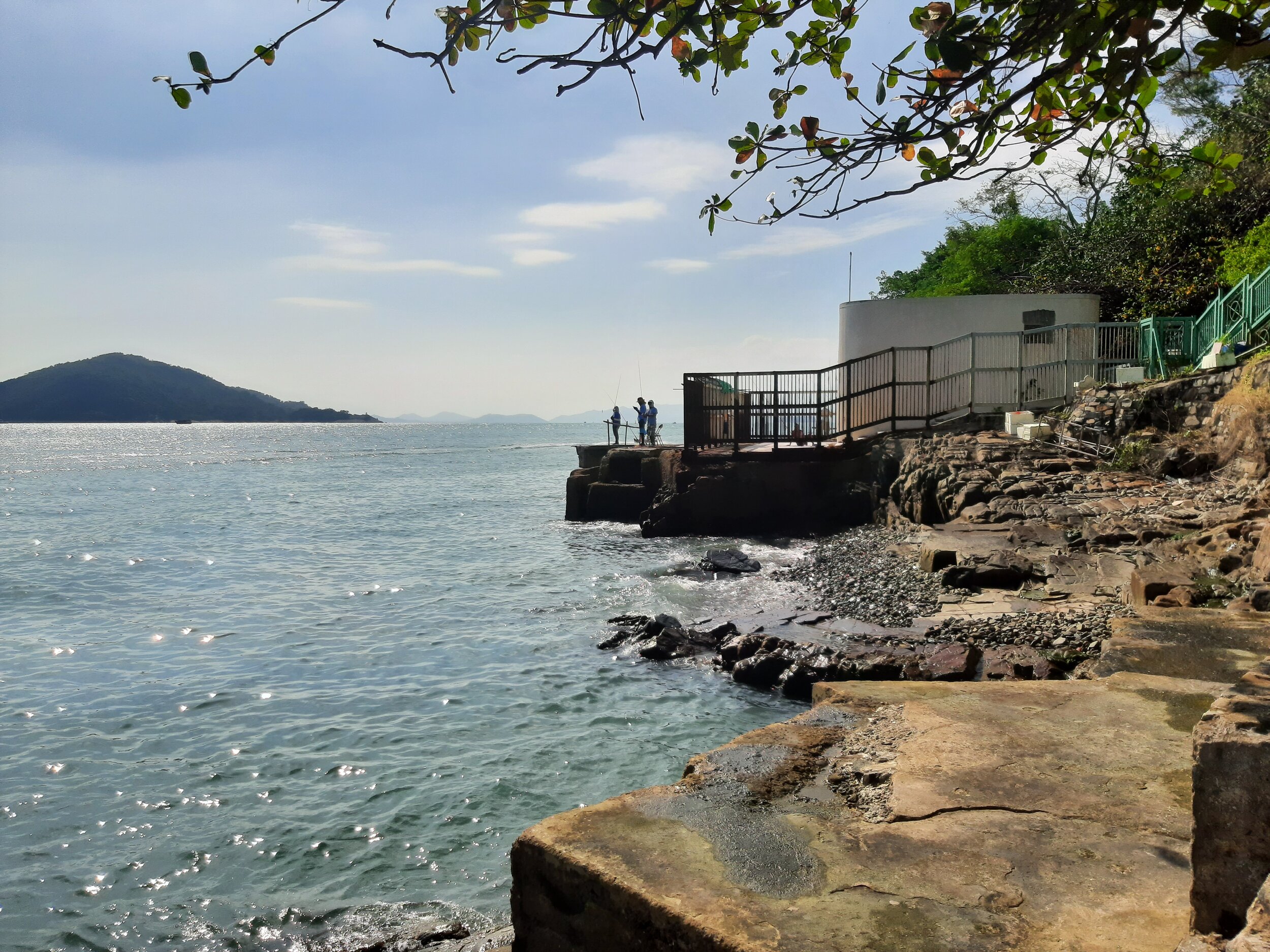
After two weeks of quarantine, Hong Kong greeted me with a marvellous sunny and mild day. I spent all of it walking, and had to learn that being looked up in a room for that time, makes me shaky on uneven ground. This was really a long journey to Hong Kong. I could have taken the train from Tilburg through Chengdu down here (in normal times).

Beyond midtime quarantine in Hong Kong

Another 6 days of 14 to stay in quarantine. It is not dull, but I do start missing to move around. Gymnastics is not the same as being outside or at least running up a staircase. But all this is not allowed. All I can do is open the window for a bit. Joints and muscles seem to ache more when you don’t use them. Nothing serious, just uncomfortable. Otherwise, I go with my days quite disciplined. I slept in the first day, as a result of jetlag and the hilarious journey. But the rest of the time, I am preparing material in the morning and then read in the afternoon. In the evenings, I listen to audiobooks. Now, it is Mikhail Bulgakov’s Master and Margarita. Before it was Max Frisch’s Homo Faber and Montauk. Audiobooks I find a good way to recapture on the common literature body. But I would feel strange to listen to a book, I never read before. I also tried some American nonfiction. Even though the books may be good, narrators with American accents talk very straight into your face. Then I tried a female American narrator, and it was like listening to Amy Coney Barrett’s pressing voice.

I am now down to one meal a day and rarely get hungry. Even I exercise, I need no energy at all above the base metabolism. For that, I made a choice of restaurants registered on Foodpanda. It works great. The driver delivers to the reception and the concierge will make sure it arrives quickly. I don’t have a microwave to heat things up. So, speed is essential. Then the bell rings; I put on my mask and Lisa, a middle-aged lady from South East Asia, has put my package on a little chair outside my door. Sometimes, I chat a few sentences with Lisa, who is very friendly. She takes care of at least a whole floor of quarantines, like me. This is my only human-human interaction. Then I get a call once a day, where I report my body temperature. Even with my laptop, I am very “connected”, I avoid private “Zoom calls”. I had a few calls work related to Tilburg University. But that’s it. I am quite lucky in this situation, that I am more of an introverted character. I can imagine for somebody extroverted, it must be hell.

I have a huge can of Nestle instant coffee. That was not a good choice. A friend made me aware of Aeropress. That looks like a handy piece of equipment, and I will get one for sure once I am out.

Tomorrow morning, I have to submit another specimen and submit it to a lab in Wanchai. For that, I booked a delivery service online. Let’s see how it goes. Only after confirmation of my negative COVID-19 test will I be released on Sunday, October 18th. Even though this is not pleasant for me, SARs 2 - COVID-19 is even less pleasant for others. I heard from friends, what it means to get it. And, seems not everybody has the immune response of the current US president. Whatever that story was. So, I instead keep a low viral footprint.

I am running my computer models to understand the spread of the epidemic. Some decades ago, I had the idea to use these models in marketing and treat it like a “disease”. These were interesting consulting projects in the 1990s. But rather than showing you my raw Pascal code, I recommend looking at the models merged below by Grant Sanderson, who also has a website I follow regularly: https://www.3blue1brown.com/

A ray of sunshine in quarantine: German organic apple juice.

A ray of sunshine in quarantine: German organic apple juice.

My longest journey to Hong Kong

I heard from a dear old friend, that some of the ancient faculty contracts with The University of Hong Kong contained a 3 months “home leave”. It assumed the “foreign” professors would retreat to London during the time of dreadful humid heat in South China, by means of a Lockheed Super Constellation via India or a ship through the Suez Canal. Compared with that, I was quick. But it was still my longest journey to Hong Kong. Actually, I still have not really arrived.

It started with the modern Airbus 340-300, operated by Lufthansa. Due to technical problems we had to abort boarding. They could neither mend it that night nor swap planes because of the night flight restrictions in Frankfurt airport. This meant a 16-hour delay and a night in a rather rundown nearby facility called Steigenberger Airport Hotel. Next day, the crew’s Covid tests had expired and had to be retaken. And as it sometimes happens a few of them turned out to be invalid and had to be redone again. This delayed the take-off for another 2 hours.

Arriving in Hong Kong, I found the airport was converted into something like a very professional field laboratory. Arriving passengers first had to scan a QRC with their smartphones and submit online a health declaration to the Department of Health. In return, you download a personal QRC which is your key through the process gates ahead. Next, you will get an electronic wristband, which you link to an App on your smartphone, again via QRC. Then you receive a lab sampling kit, watch a video explaining how to take a deep throat saliva sample and submit it. Thereafter you will be assigned a numbered chair and table in the former departure hall, grouped by planes. It looks like the setting of a huge exam and reminded me of taking “Abitur” (A-levels). There you sit 6 - 8 hours with a bottle of water and a few biscuits, waiting for the result. If negative, you go into quarantine for 14 days. When you arrived at your quarantine venue, you have to activate your wristband using your smartphone. Over the quarantine period, the smartphone app will alert you at random intervals (during daytime) to scan your wrist band and confirm your location. 12 days after commencing this, you have to submit another saliva sample by courier to a lab and wait until you are re-confirmed negative. Then you are free to go. If you don’t have a permanent residence in Hong Kong, you are supposed to check into a government-approved quarantine hotel. In my case, I choose a place in Wanchai, where it is easy to live of “Foodpanda” (a food delivery service) from the local restaurants and grocery stores which also use that service. You are not supposed to leave your room at any time.

It is a nice hotel on Hennessy Road. The staff is doing everything to make the stay as comfortable as possible. You will be greeted by somebody in full protective gear, with mask, gloves, face shield and disinfectant. It’s a government requirement and we joked about that I never before felt so much like being a biohazard. All deliveries will be contact-free and put in front of your door immediately. Once a day, you have to submit your body temperature, which was 36.4 °C today for me. You are of course not allowed to receive any guests.

Being locked in a room for 2 weeks is not something you are looking forward to. And I can’t say yet, how I will cope with it, as I am just now on day 1 of 14. But I am having for work and entertainment my laptop, a paperback of Evelyn Waugh’s The loved One (which I received as a gift before leaving Germany), and my Kindle book reader. I am, just now, listening to Marie Lafôret “Manchester et Liverpool”, as I write this, and having an instant coffee with milk powder. Life is good.

For exercise, I have been looking at inmate’s forums in the “Darknet”, exchanging ideas on how to exercise and keep fit in prison cells under solitary confinement. You see, the dark internet is not as dark as some might imagine. Neither is quarantine. I guess most of you have been in a prison at some time in your life, at least at a young age. Otherwise, I would consider you as boring and uninspired.

I also have a few comments to those fellow passengers who complained during the exhausting trip. Firstly, it is better to change an aircraft than to fly intercontinental with a technical defect which is classified critical.

Secondly, it is better to have night flight restrictions at Frankfurt airport and not to swap planes at night - putting a bunch of people into a (bad) bed, instead of waking up thousands. One was yelling at ground staff: “Lufthansa, has thousands of planes on the ground now! And you can’t get us a working one! How incompetent! Corona! … blablabla!”. I really admire how they take this bullshit with a smile. I could never do their job but probably would have taken him to the men’s room for a “chat”.

Thirdly, invalid Covid-Tests have to be retaken and the lab process takes a certain time. Otherwise, why do we take them at all? I know: “Nothing is impossible!!!”. Well, sorry to tell you: it is. This comment came from a typical “corporate style” business class passenger, who probably does not even know how a virus works and thinks a DNA is an abbreviation like ASAP (As Soon As Possible), meaning “Do Not Answer” (DNA), or something, perhaps USA - who cares?

And sure, yes, it was long waiting for Covid test results on a plastic chair in Hong Kong International Airport. I agree the biscuits were bad. But again: it is what it is. Quick tests have no approval yet. And the reason is, that we don’t know how well they work. Not everything which is annoying is based on “incompetence”. No, it is here even based on competence. Seriously. Doing it “quick and dirty”, we leave to the 80 / 20 people. These are the ones doing 20 % of the task to get praise, then throw 80 % of the shit at the others to get the blame. That’s “American style”. We don’t do that in Hong Kong. Look at the infection numbers to see the difference.

Finally, one fellow complained about “personal data protection” and resisted to submit to “Big brother”. Well, first of all, Hong Kong is a “Small brother”. And then, Covid-19 is a contagious disease, spreading easily. It’s not only your private matter. You can have your heart attack just for yourself. But this one is different.

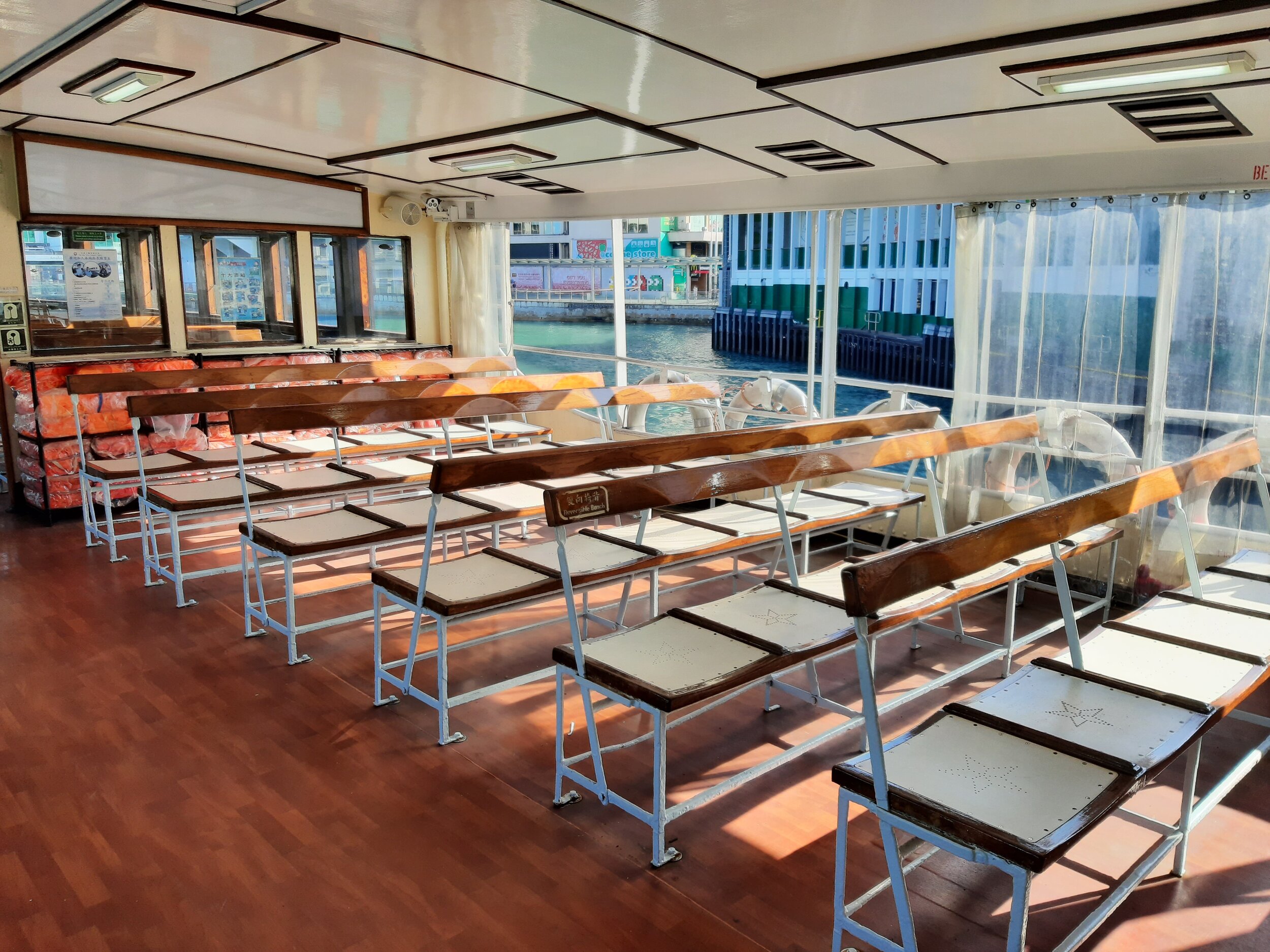
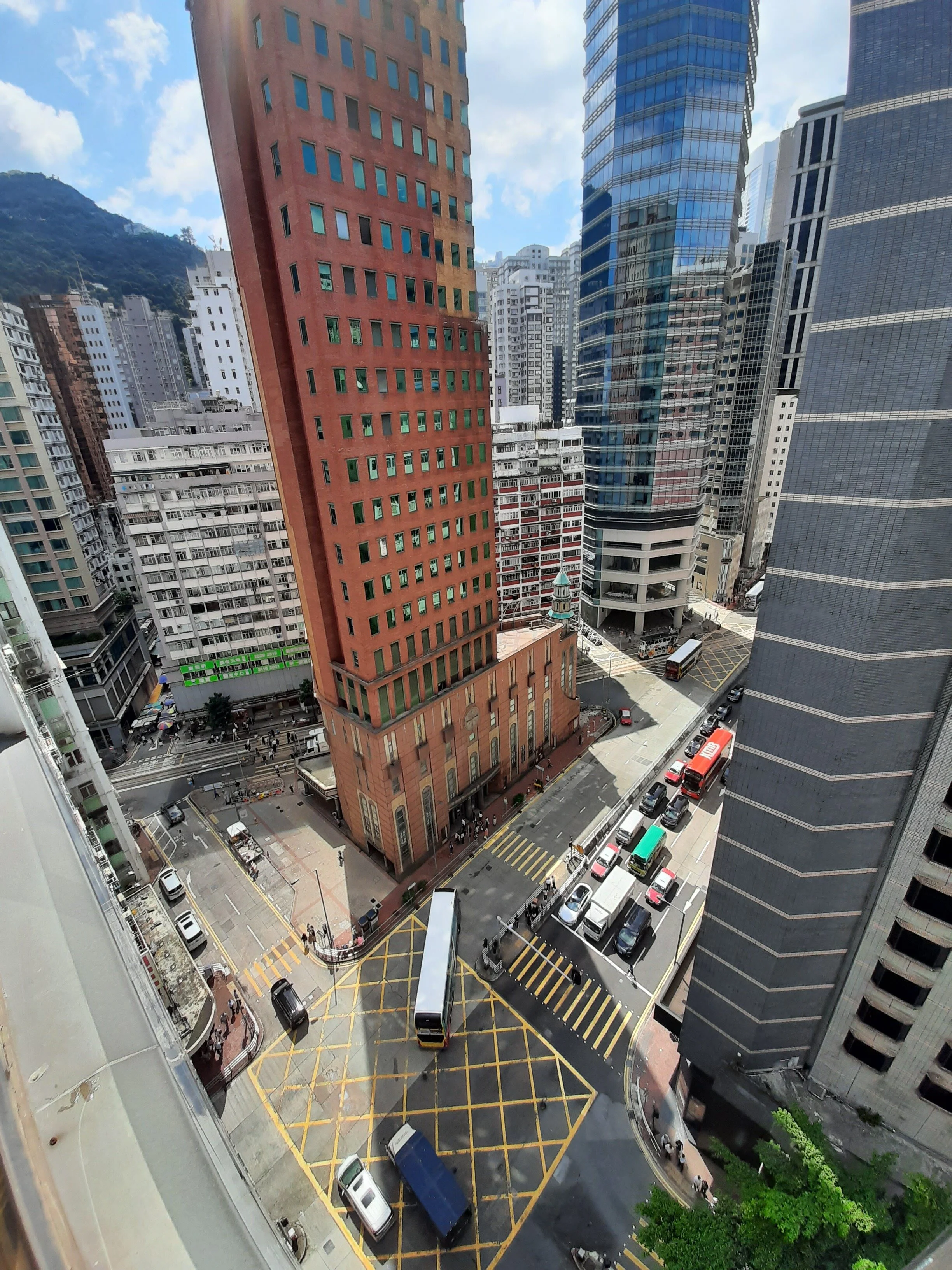
Room with a view on Hennessy Road.

Room with a view on Hennessy Road.

Grounded in Germany

We are now in Europe, where China was six weeks ago. The infection rates of Covid-19 are running up exponentially, and measures are in place, limiting travel and winding down public life. But it will take at least two weeks to see the effect. Even rich countries are experiencing capacity problems in intensive care units, and research on treatment and prevention is running high. There was the news that the US Government offered an exclusivity contract to German company CureVac in Tübingen to supply a vaccine to protect Americans, in case their mRNA method is successful in developing one quickly. Some even say, there was an offer of 1 bn USD on the table to take over the company. Curvac itself in a call announced that the medical condition of the CEO, who is now represented by a deputy has nothing to do with the visit to the White House, and they can not confirm any offer coming from the US. This is actually a very interesting call, of you have an hour to spare. By the way, why does it remain me of the German language training advert of Berlitz ((click here to watch)? Well, fair enough: it's "America first" and the "pursue of happiness" is in their constitution - their happiness obviously. We all were a bit disappointed when apparently the current US President was tested negative on Covid-19. The idea that he gets downed with a virus from China, which has a Mexican sounding name (Corona), would have been hilarious. But not the time for making jokes on the disease. It's too severe for that. And of course, we hope all (including our American friends) get will over it quickly. And over the next one also.

In Germany, public life is down severely. It will depend on whether people stick to the rules in the next whether we will get a curfew. Bavaria and some cities already announced this. I experience people here as calm, careful and helping each other out. Also, all the cancellations now are taken with the utmost goodwill by companies. I had to do a lot of travel cancellations and only experienced friendly and generous solutions. Yes, there are sometimes some empty supermarket shelves and personal tragedies, which social media and equally bad publications like the "Bild" jump on. Generally, such a crisis make it easier to distinguish "the good, the bad, and the evil". But most are good. Of course, when people lose their loved ones, and hospitals now procure iPads to make the hours of dying less lonely, we all shiver.

I also see some catalytic effect for things where a breakthrough was necessary anyway. For example, the acceptance of video conferencing instead of physical meetings, home office reducing commuting volume, integration of distance learning in education (and learning how to do it effectively), electronic payment instead of cash handling, automation and robotics, vaccine developments using modern mRNA methods (finally the “Ethics committee” is shutting up), and lastly also just better manners between people and improved personal hygiene. You see less bad behaving teenagers, nobody spits in the floor, and I was anyway really fed up by all this hugging and kissing as a greeting even of people I don’t know much. I looked at the 10 rules of Hygiene from the German Government website. And honestly, if people did not learn this as a child already, then it’s really time to learn it now. The new rule of 1.5 meters distance between each other, is for me personally less of social distancing, as it falls short of my lifetime requirement for everybody who comes closer than 3 meters has to obtain a visa. Still, this will transform the way we live in quite some way, and I think for the better. Till then, don’t forget it’s springtime. Easter is coming. A new year is lifting out of the winter. And we still have toilet paper. There is a lot to be happy about.

Spring time starting in times of shut down.

Spring time starting in times of shut down.

Friday 13th, 2020

Despite some outliers buying toilet paper and noodles, we get so far quite gracefully through this Covid-19. Since my last blogpost, the disease has been officially renamed. I was extremely surprised by how fast Malta actually implemented mandatory quarantine for people coming from risk regions. On Thursday it was also Germany, so Lufthansa cancelled all services to Malta. I should have thought twice to book myself onto a Friday 13th. Then on Friday 13th itself, Malta imposed obligatory quarantine for anybody entering from any country. Immediately three logistic hubs supplying food were set up, and delivery organised. Well, contemporary Maltese food is a bit “English”, you know what I mean, but it will supply you with more than the calories needed. Medication plans for the elderly were put on the road to have them avoid coming to the hospital for dispensing. All very swift and quite well thought through. I am even more impressed because looking at Malta, we have a county which in normal times can’t even implement traffic rules. But when things get tough, you can get a bit of a feeling why these islands have been invincible so many times. Sure, these things are hard to do. And of course, they hurt the economy. Now is the question of how to minimise the effects of that.

I was very impressed by how China was able to impose measures so quickly and curb the new infections relatively fast. Of course, not everything goes perfect, especially when as a first-mover it was not even clear what we were up against. And the effects were not just slowing down the infection rate in China effectively, but also it was a service to the rest of the world, winning time. Now it’s up to Europe and soon also to the USA to learn from that and define their strategies. Actually, this already happened in many cases. A little less dramatic, but I hope equally effective.

It took me another day in Malta until I was able to get a seat on a flight to Amsterdam, and from there I continued by train. Back in “Mainland Europe” people are calm, but take care of hygiene quite a bit. It appears that solidarity is on the rise between travellers. It’s not cool anymore to be dirty, put feet on the seat opposite, spit on the floor, or vent bad smell. It actually never was cool, but some people thought it would be. It could be that also in other aspects, there are some collateral improvements. Suddenly, people really use digital tools to avoid meetings, really do home office and avoid commutes. Last but not least, pollution is down. So is the stock market. But that’s fine. These kinds of crisis seem to have always a common pattern. And one outcome is, that a lot of “bullshit” disappears, all across the spectrum from smelly hippies to financial speculators. All gone. I don’t even know where they are now. On the other hand, creativity is blossoming. Italians perform operas at the window of the apartment they a quarantined in, others find ways to produce protective gear at home, convert household chemicals into disinfectants and find ways to keep operating under these conditions. With all the damage and tragedy acknowledged, I personally do like such circumstances more than boom times, when even the dumbest mind stays afloat in the current. Of course now they won’t sink. But this is a good exercise for the bigger problems we urgently have to solve on this planet.
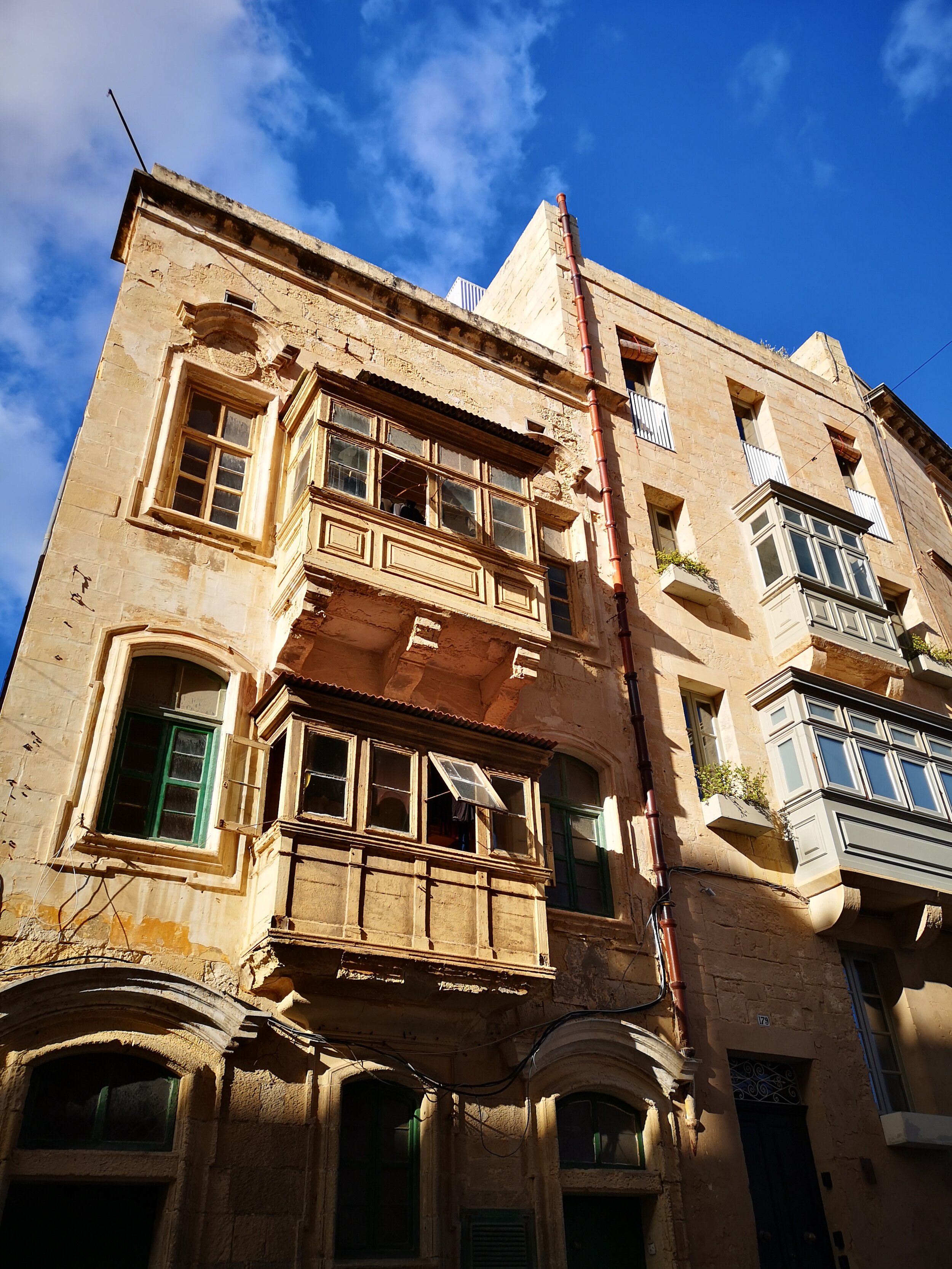
View on Kalkara on the way to Birgu. I was not subject of the quarantine, but actually there worse things than sitting here on the balcony for two weeks.

View on Kalkara on the way to Birgu. I was not subject of the quarantine, but actually there worse things than sitting here on the balcony for two weeks.

Herding, hiding and hoarding

Herding, hiding and hoarding

People in Hong Kong tend to do the same thing at the same time. This results, for example, in enormous swings in consumption when something becomes fashionable. May it be the new iPhone, a restaurant, a handbag or a celebrity. That's silly but harmless. But in times, where disease may strike the Special Administrative Region of China, it also is a self-amplifying environment for anxiety, superstition, homophobia and selfishness. No surprise the 2019-nCoV outbreak in China triggered again Hong Kong to make a fool of itself. For me, at a certain point, there was nothing to do anymore, and also nothing to help. So, I aborted my stay and flew out on a long trip through Dubai. Sorry, I did not post about culture, arts and experiences. All of that did not happen, and many other things did not happen as well.

London - Oxford - Cambridge - 2019nCoV

After an interesting and joyful trip in the UK, I arrived in Hong Kong. I especially enjoyed the exhibition in the V&A on cars. It was not very big but brought out the main milestones of automotive impact on society. Interestingly it ended with the "Popup" - a modular car, quadrocopter and train compartment project - jointly by Italdesign, Airbus and Audi. I have been using this project in my University teaching and observe its progress carefully. The UK was still an EU member when I came in, and it was not anymore when I left. Interestingly there was no Immigration checkpoint to cross when leaving for Hong Kong at Heathrow Airport. Arriving in Hong Kong then, everything came to a standstill because of the new Coronavirus outbreak centred in Wuhan. After seven months of protests and violent riots, this was not what the city needed. But of course, Mainland China, especially the province Hubei was struck much worse. Some people started hoarding products on the rumours and then of course products ran low in supply very quickly. Amusing to see how bad social media fits into all this. Somebody says online that there may be no noodles anymore as the supply chains may be disrupted due to the closing of the mainland Chinese land border, and some hours later people buy up all the pasta available, even this is mainly shipped from Italy. Surgical masks and hand sanitisers are sold out everywhere, as well as any disinfectant. Stupid people are more dangerous than most viruses. And then there are these people who try to take advantage of these shortages by hiking up the prices. They are the scum of any society. And in an ultra-capitalist environment, there may be a few more of them. But generally, despite the hysteria, I find it very professional how Hong Kong deals with this new challenge.

Stroll over Oxford University

Stroll over Oxford University

On the Cam-Bridge (Kings College, Cambridge)

On the Cam-Bridge (Kings College, Cambridge)

Follow the bubbles

Malta’s economy has been growing steadily and at impressive rates in the last few years. Like so often, this has been orchestrated and facilitated by a few clever policy moves. And also, as it happens frequently, the phase where physical reconstruction sets in, is stressful to the inhabitants, and besides all the improvements and advantages, bears the risk of falling victim to the own success. There has been a discussion on a property bubble building up, and experts say, as long as the influx of well-paid buyers continues, things there will be a soft landing. Not quite sure, where we land though. But I hear the message. Currently, vast amounts of residential units are in the pipeline and will come to the market in the next few months or year. Asking prices jump up on the rumour that somewhere else the price was jacked up 20 %. Transaction prices are opaque because they are not published. Construction quality is generally low, and architectural finesse is often that of garages, which is painful to see in the otherwise charming heritage of Malta. Meanwhile, yes, companies are moving into Malta - still mainly for regulatory loopholes and tax purposes - and some as an effect of Brexit. Primarily these are service companies which do not need much technical talent. But still, it is hard to fill positions locally. Low education levels and inefficient unreliable work culture make Malta a tough hiring place. And then, beside the shortcomings in capabilities, Malta currently has a massive lack of infrastructure. It is worked upon that, but it will take time. Luckily, many Maltese buy their properties in cash and should there be a downturn this would not put the stress on the banks. But still, as there is not that much corporate lending in Malta, the books of banks are packed with mortgage loans and not very diversified. Should a property bubble burst, by people not coming anymore, or an otherwise induced economic downturn, then we would have all wished the economy of Malta would have had a few more dimensions. But luckily, so far, all is going well. Construction is a bit annoying. It changes the character of the island state, for the good and the bad. I also share the fear that the natural environment is suffering. In the end, a lot of the residential developments look a bit like there is not much oversight. And unfortunately, Malta seems to have not much of a vision, of what it wants to become. That may be why a lot of developments look somewhat inconsistent to me. But let me see what comes out. In the end ther is not much else we can do than folloing the bubbles.
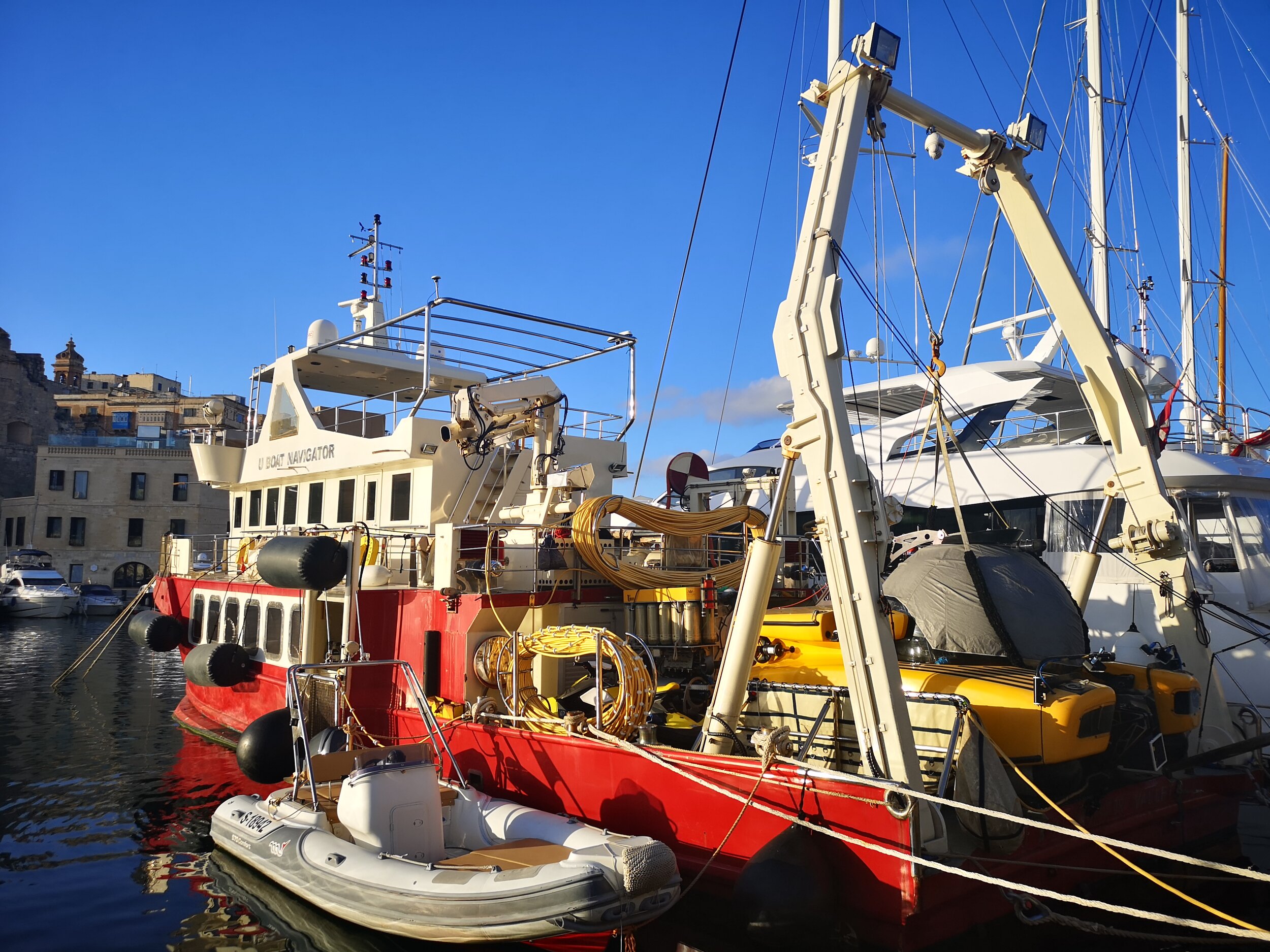
Birgu is one of my favorite places. It is one of “The Three Cities” and it is mainly up to the local community that it is preserved and cultivated tastefull. That’s not the norm in Malta, unfortunately. This building is one of my favorites on my way…

Birgu is one of my favorite places. It is one of “The Three Cities” and it is mainly up to the local community that it is preserved and cultivated tastefull. That’s not the norm in Malta, unfortunately. This building is one of my favorites on my way home from the Birgu central square.

Birthday in St. Petersburg

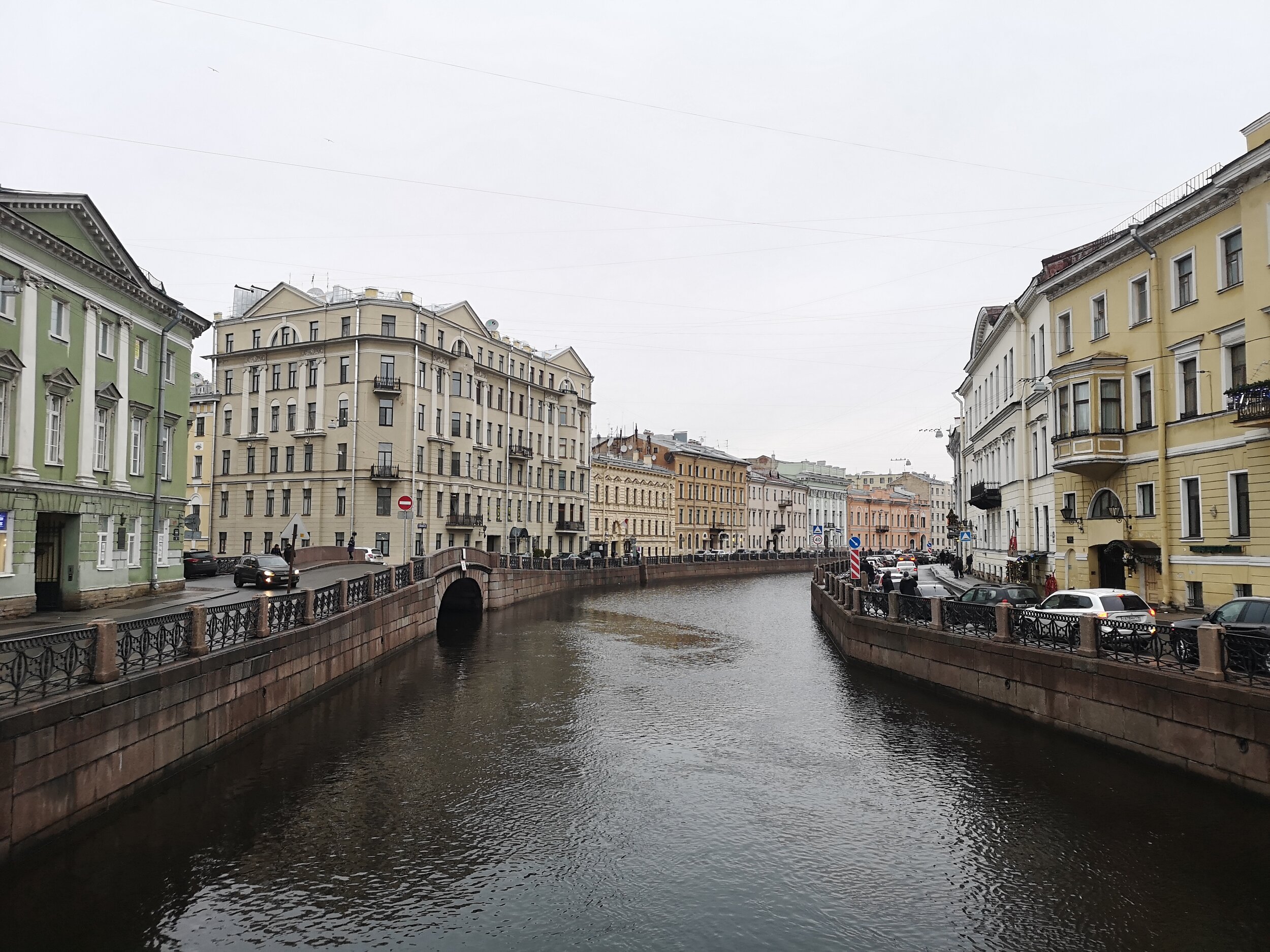
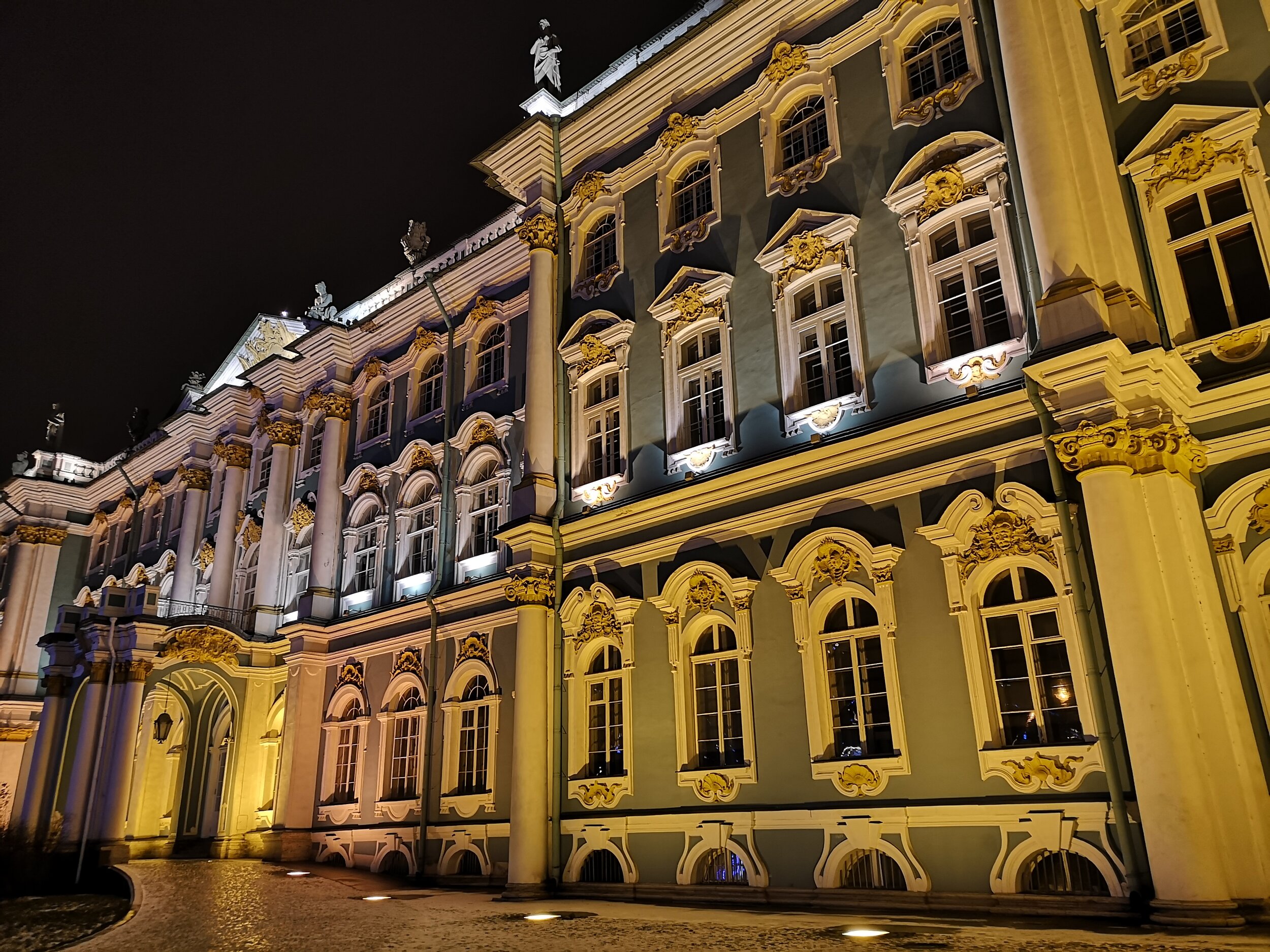
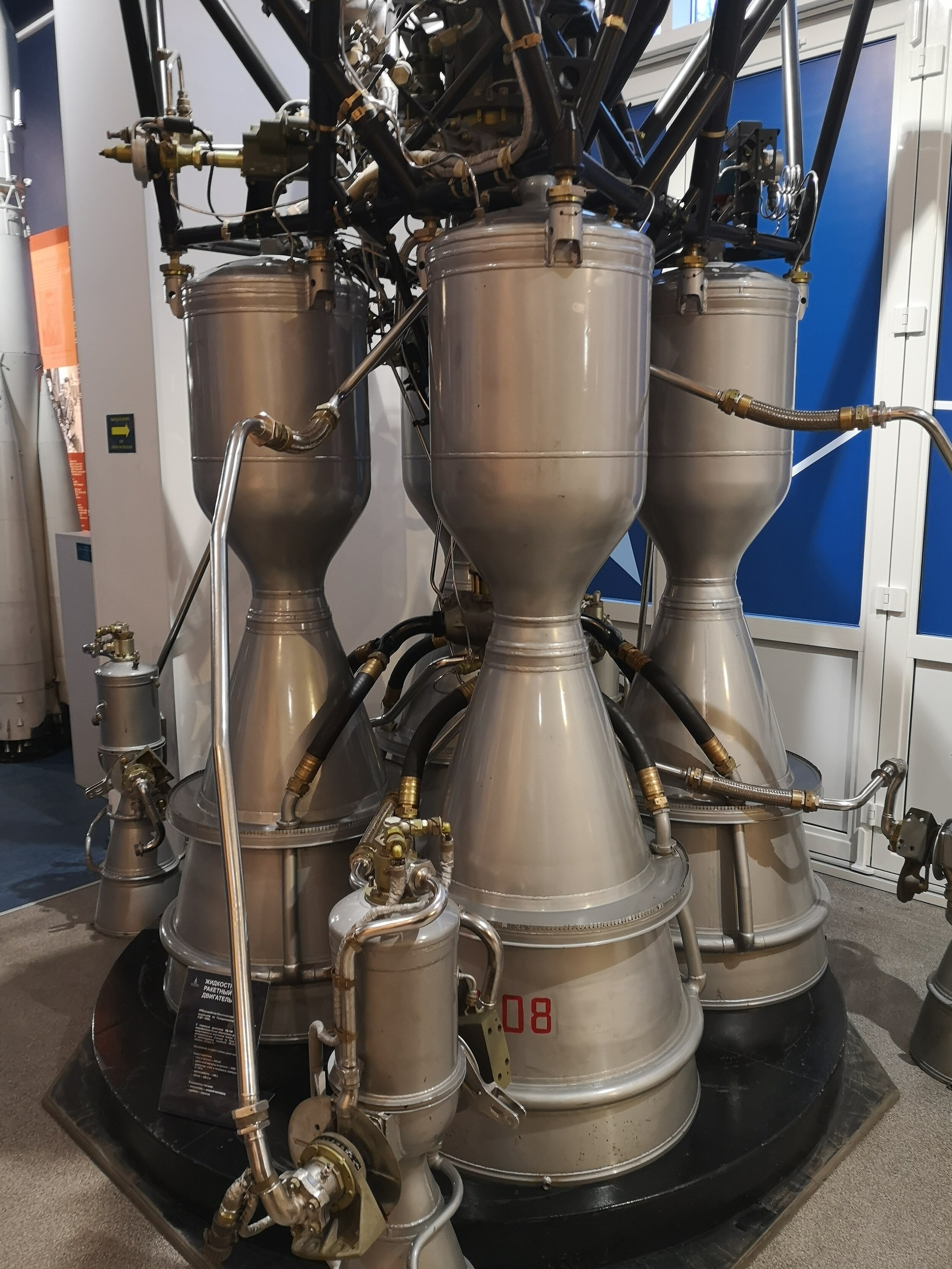
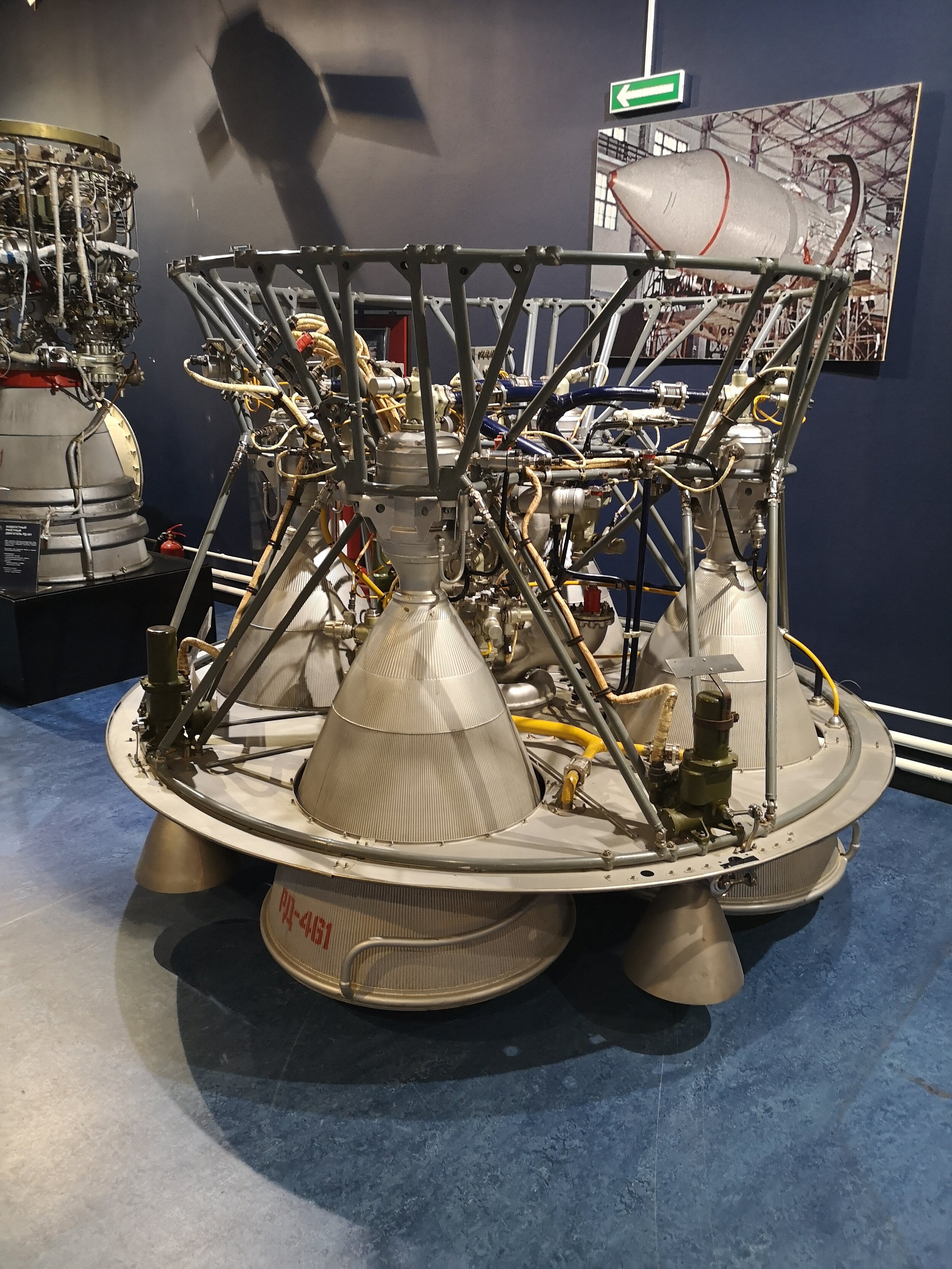
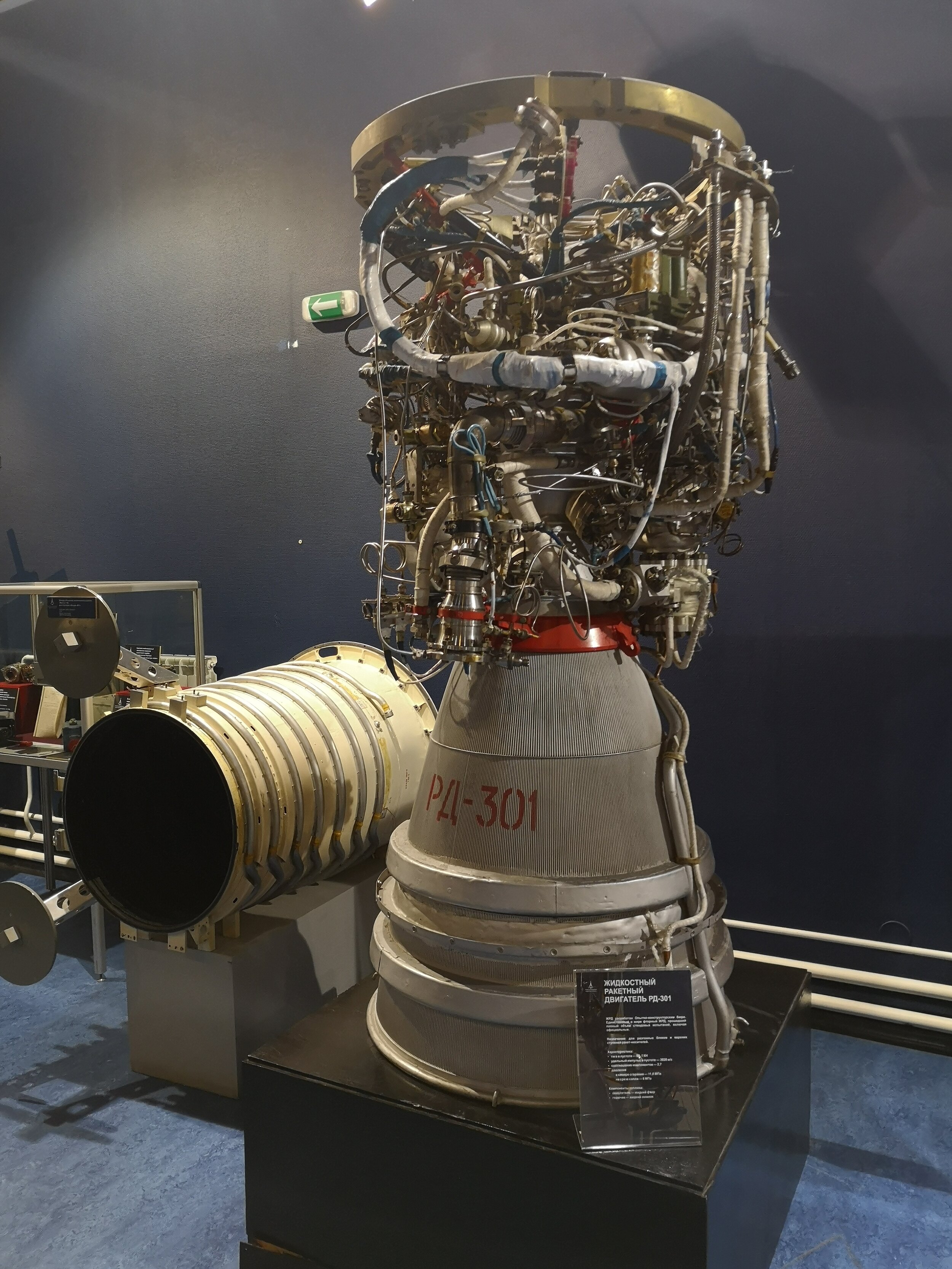
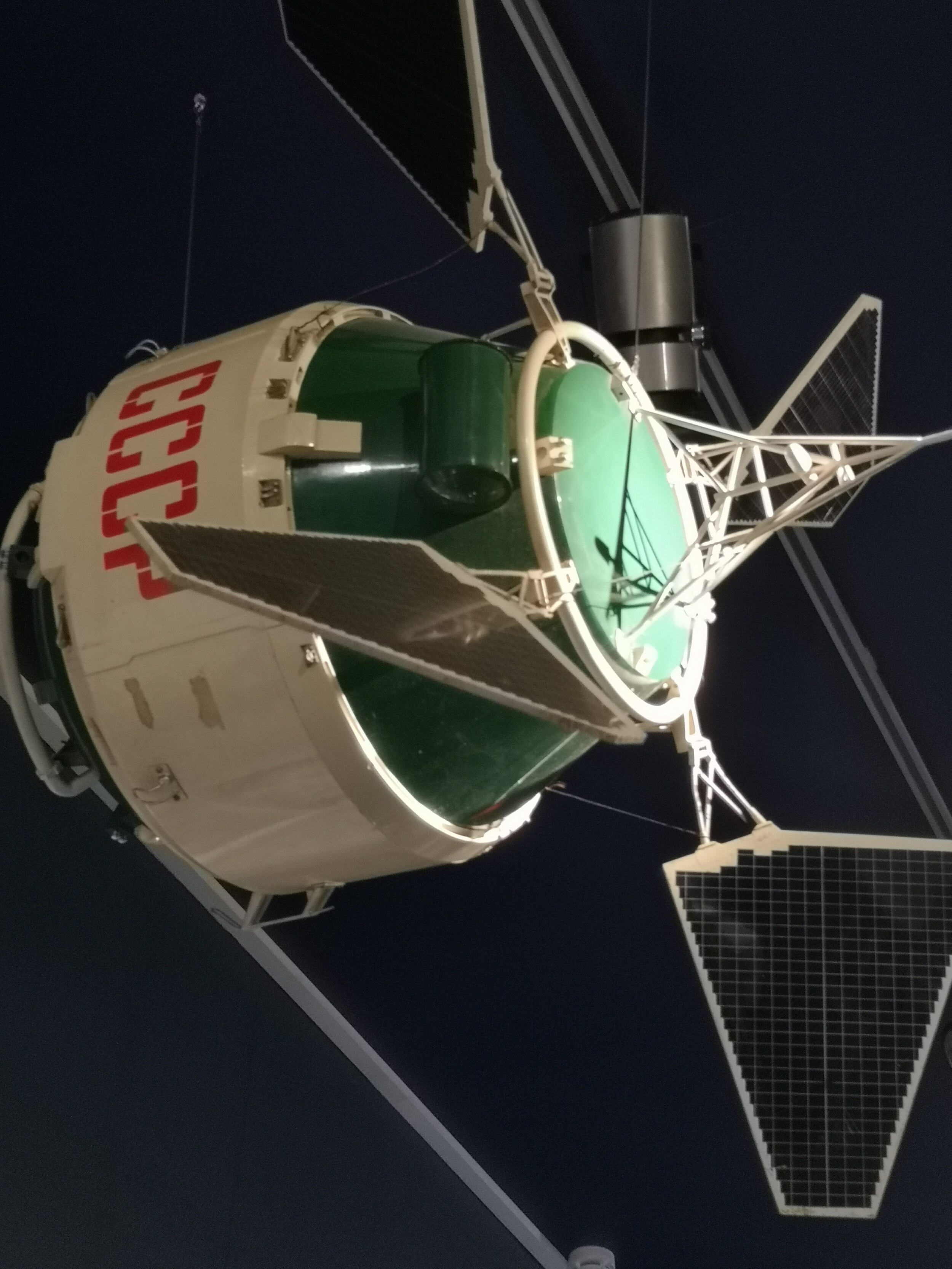
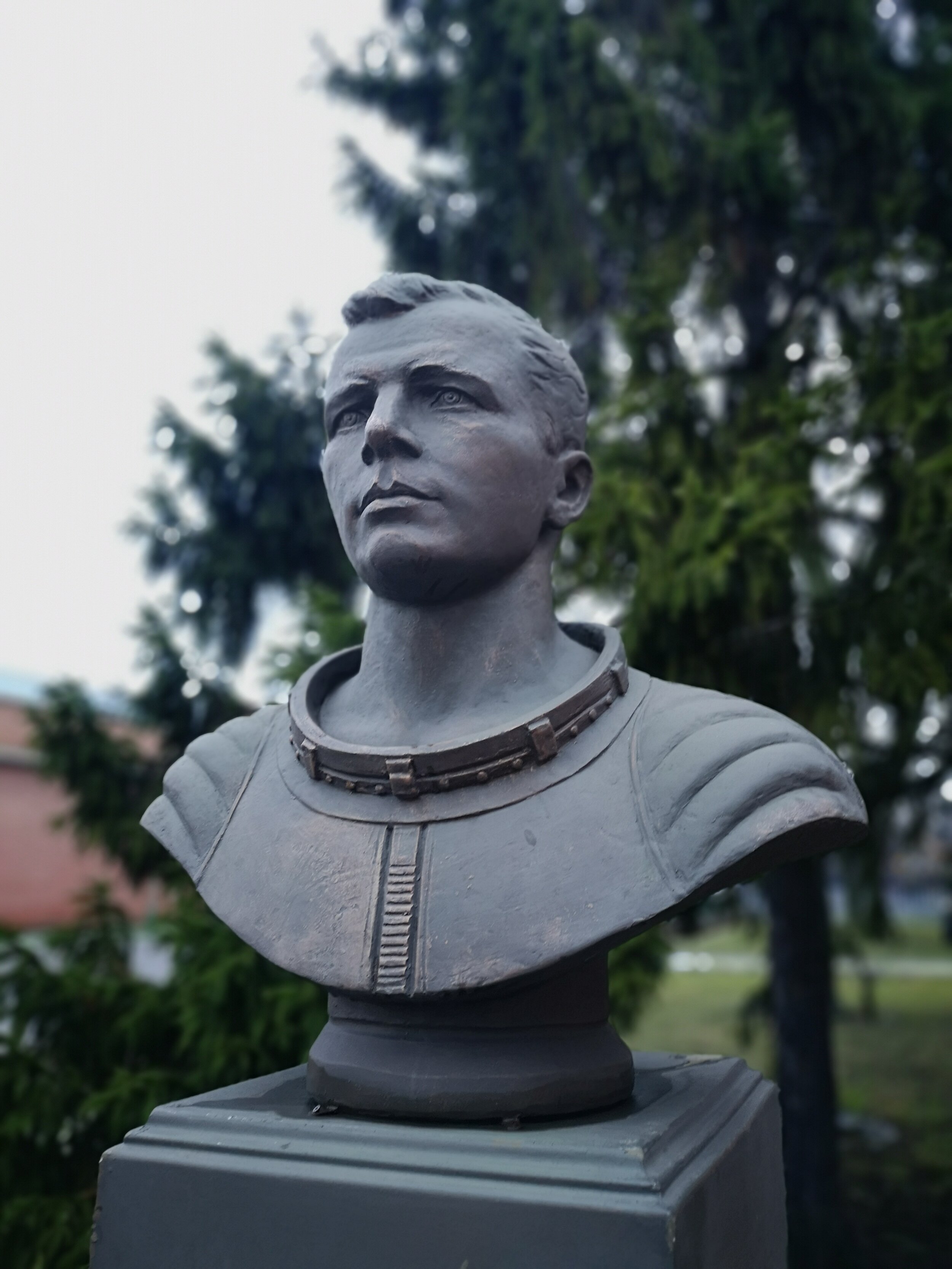
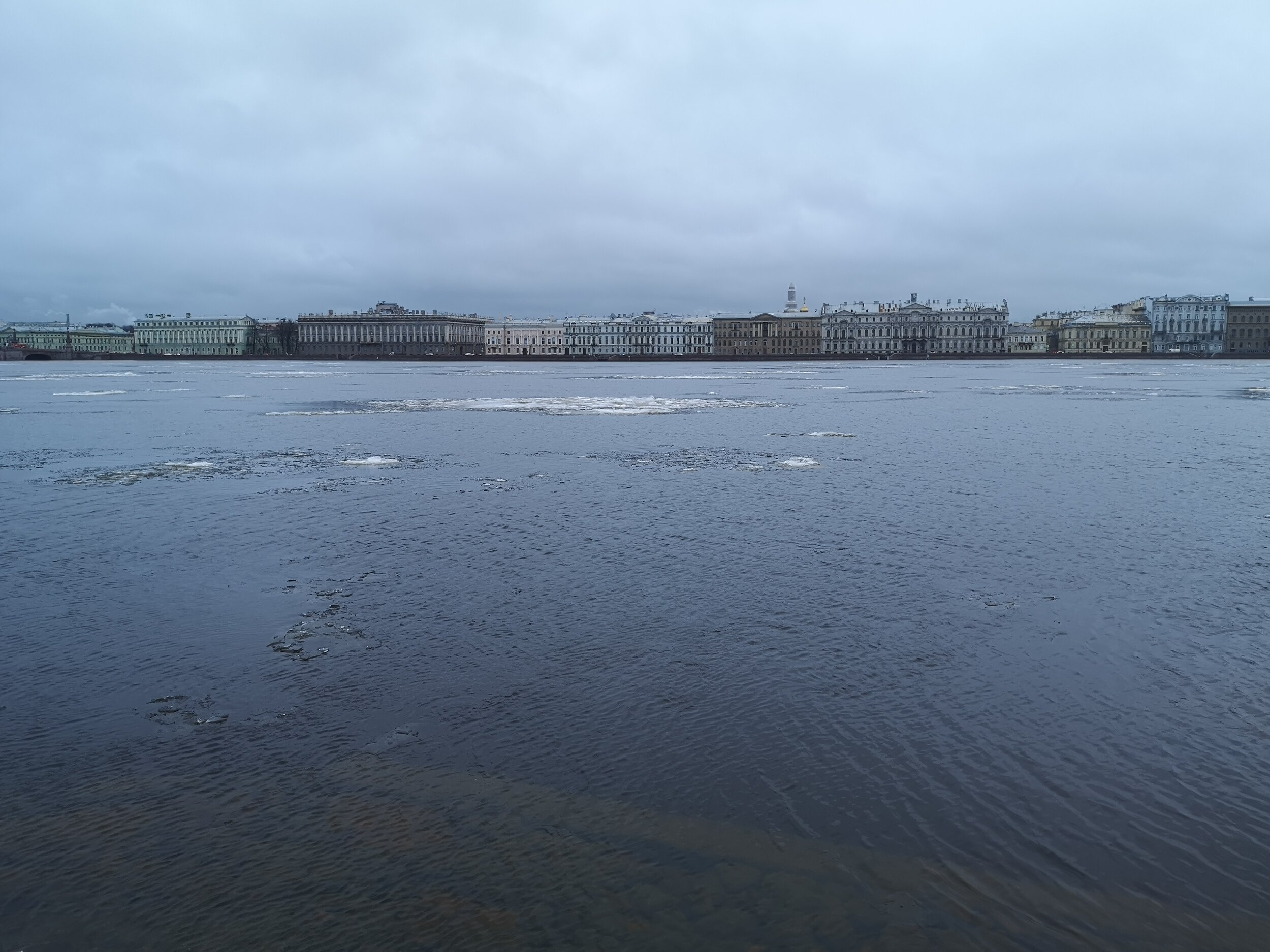
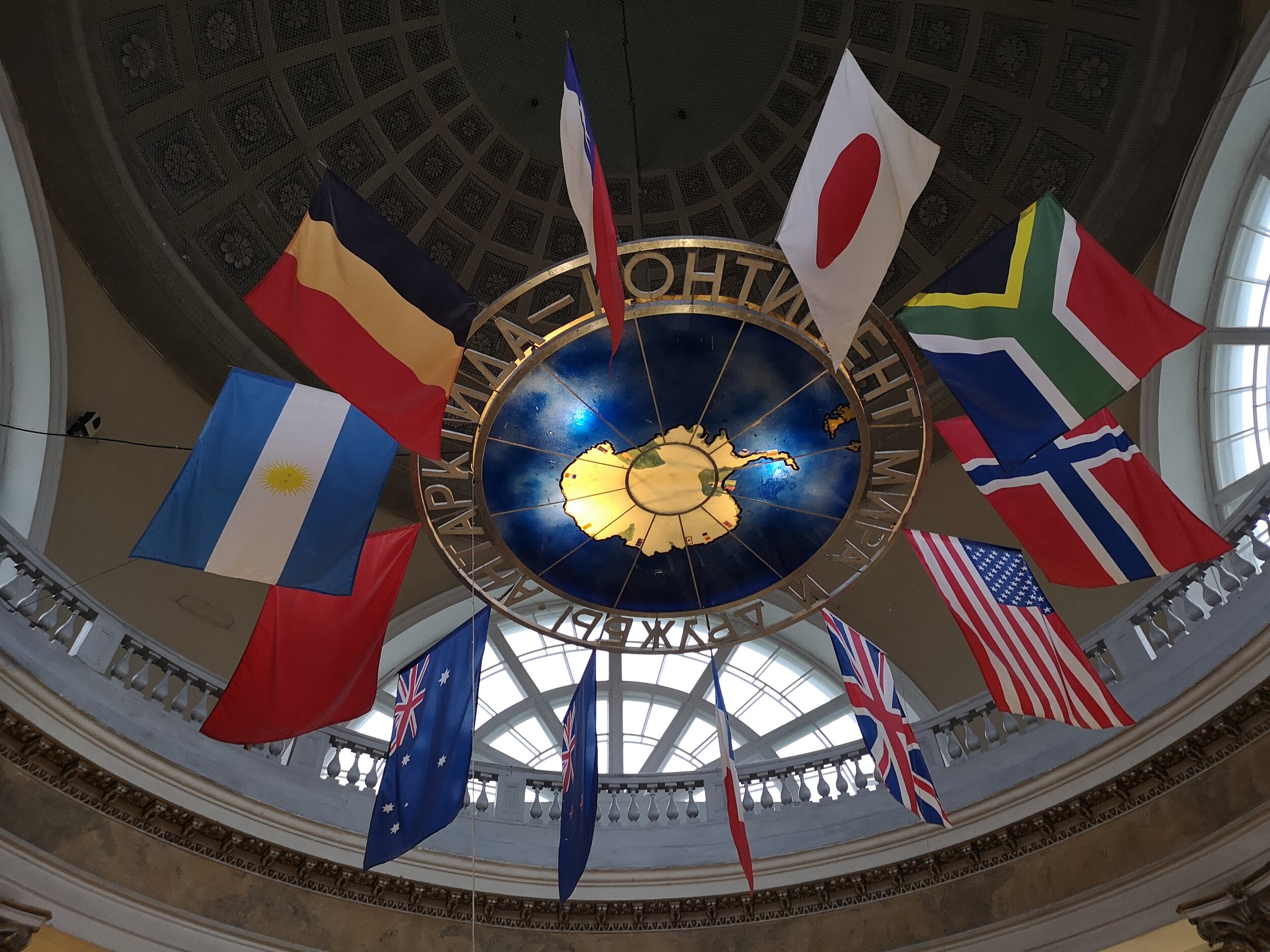
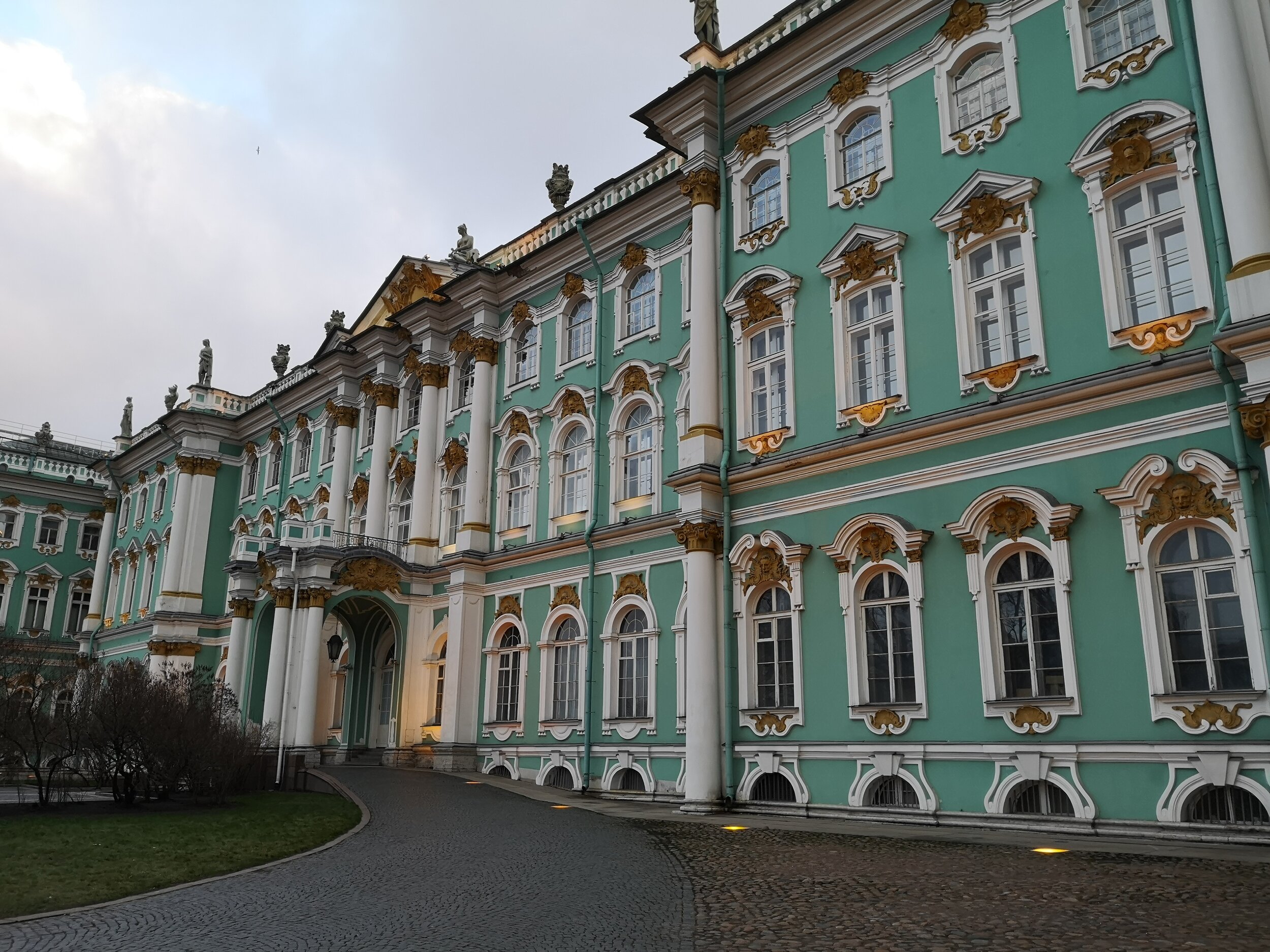
To my surprise, well maybe not anymore, the winter was not very cold in Russia. And now really to my surprise the high speed train from Moscow to St. Petersburg was amazing (wish the German “ Deutsche Bahn” would have a little of this grand attitude instead of being just an extended suburban railway - late, crowded, unreliable) . St. Petersburg itself equally amazed me: a museum in itself, the biggest and best assorted bookshops I have seen for a while. You may think this is strange, but my favorite museum in town was the Arctic- and Antarctic Museum, in a building which was originally constructed to be a church. Of course, the Hermitage is great too, and needs at least a week. The Russian Arts museum I missed unfortunately, and will have to catch up when I am back next time. Instead I went to Space Exploration and Rocket Technology on the Petrograd side of town. Yes, and talking about museum: I also had my 54th birthday in St. Petersburg. Now back in Malta for some administrative tasks. And even it was not freezing in Russia, I caught a cold and try to cure it quickly by taking a good rest.

Started 2020 in Moscow

Started 2020 in Moscow

Moscow during this time of the year, it's cold yes, but decorated so nicely that you won't feel the frost. Especially the cultural offerings make the city, together with an excellent infrastructure, really worth staying. A lot changed in the last years, and for those who still have the immediate past Perestroika Moscow in their minds, it's time to return and have a look. Given I would decide to move to a big city, Moscow would be my first choice, and this not just in summer (still in close competition with Buenos Aires). For some winter impressions, have a look below: from the Chrismas and New Year Market on the Red Square to “The Chinese Pilot Jao Da” (a cult venue, where the first Sovjet Rock Bands played and which still performs in a cellar in central Moscow).

Litter, lies and Sunshine - The contemporary Malta Experience

Had a stopover in Malta and gave a few guest lectures. The little country is in turmoil after a long story of greed, corruption and murder, which seem to have entered the government. I hope this is a chance for a step forward and also a trigger for long-overdue judicial reforms. There are many things stuck in Malta in a gridlock of tribal fights and system abuse. Now is an excellent time to move forward - potentially.
In my University lecture about the "One Belt, One Road Initiative", also sometimes coined "The New Silkroad", I was a bit surprised that on the level of postgraduate business students nobody heard of this term which stands for a Multi-Trillion USD programme. But I changed the sequence of my plot and hoped I was able to make an introduction. The next guest lecture was on innovation and disruption in the auto industry in a Master for Entreprenneurship programme. This one, I enjoyed a lot. Nice discussions, smart questions. Again, I could not catch up with all friends. Now I am already sitting at the Malta airport, which is always a zoo of English tourists and tatooed people serving coffee. But it’s working - sort of.
Blue sky over Beijing

It has been nearly five years since I was to Beijing last time. And the first thing which surprised me was a week of blue sky. I saw the formerly notoriously polluted city in bright light. And I did have the chance to stay a few days in the Hutongs and re-explore my old places, as also getting to know some new ones.

After this stroll, work took me out to Changping district in the North West of Beijing, close to the Great Wall. There is a large Marriot hotel, very different from the previous Hutong courtyard, which seems to sustain its business mainly by corporate events. My colleague from Ivey University and I were there to support a development programme for partners of a large professional services firm, with input and training on disruption and innovation. There were good discussions, and I enjoy most about Executive Training that it makes a practical impact and secondly that I also learn something myself. It's inspiring both ways.

In the second morning came a colleague from Tsinghua University, Prof. Xudong Gao, and shared his view on the recently fast rise of Chinese innovation. He did his PhD at the MIT, and like all Tsinghua Professors, I have the privilege to know, he was extremely smart. Unfortunately, my Mandarin is not good enough to follow it all. He said a combination of new Chinese entrepreneurs and company innovation are in the drivers, and he quoted a lot of excellent examples. Obviously, he also had to touch on the tense Chinese-American relationship, and he shared my disappointment with Hong Kong.

Changping district is at the 6th ring and is during the week like a ghost town. Some admin work and -7°C kept me inside the colossal hotel, also after the event. And when I saw that my website suffered a bit from cyberattacks since my last two Hong Kongs posts (that's their idea of how "democracy works"), I also decided to fix this and do a significant redesign of the site. It will take a while until everything is in the right place. Please bear with me.

DSCF3572.JPG
DSCF3547.JPG
IMG_20191124_150348.jpg
IMG_20191124_150524.jpg

Leaving Hong Kong in difficult times

After six weeks, I am leaving Hong Kong as planned. Since five months the city is in the grip of mass ignorance, incompetence and is terrorised by a small number of violent rioters. Daily life is ruled by avoiding disruptions, adjusting to event cancellations and rescheduling. On the campus of The University of Hong Kong, students go on their nightly spray of "F-words" with no content, but just brainless anger. Since a student of HKUST suffered a fatal brain injury by falling down a parking deck, there is beside the mourning, another round of black-dressed mob rampaging streets, vandalising shops and more and more also performing racist violence against mainland Chinese citizens. Even the tragical death of the student is misused for blaming the police. But if anyone is to blame for this accident, then it is those who fuel these rampages by agitation and misinformation; domestically and from abroad. Overall, many people have probably forgotten why they went to the streets in the first place. It's a circus.

Being struck by significant economic losses, soon people will lose their jobs in large numbers. Frustrations will mount, living conditions will deteriorate, and the brain drain is already setting in. People who speak out reasonably are silenced. Democratic candidates for the local council elections are threatened or even attacked, just by those people who claim they want more democracy. There are all kinds of fractions now, of which the ridiculous one also asks Donald Trump to send troops. People who can do so leave. Companies rethink their Hong Kong exposure and start pulling out, partly because of uncertainty coming from the recent amendment of the US 1992 Hong Kong act. Should the decline continue, some economists believe the pegging of the Hong Kong Dollar against the US Dollar may not sustain. Others think a potential capital outflow could be curbed by rising interest rates. This would have devastating effects on the economy again and let the housing crisis spiral down further. Last but not least, Hong Kong is turning for China from being an asset to a liability. Obviously, there will be soon alternatives to the functions Hong Kong has for China. And as soon as these become available, Hong Kong may sink like a stone in a pool of ignorance, arrogance and self-pity.

During my stay, I had two escapes to Malaysia from Hong Kong. One to Kotakina Balu (for a rest), the other one to Kuala Lumpur. Both I enjoyed, and especially Kuala Lumpur seems a viable alternative to Hong Kong for businesses which operate in South East Asia. The other, even more, an obvious one, is Singapore. I still hear often that Hong Kong would be a "gateway to China". Perhaps it makes sense to adjust this claim to the realities of the 21st century. I lived and worked for many years since 2003 in Shanghai and Beijing. If you want to go to China, go to China. And if Hong Kong does not see itself as a part of that, then that's Hong Kong's problem.

I regret, I could not meet even some of my best friends in Hong Kong this time. And many planned glasses of something cheerful stayed untouchched. But I hope we will have the chance to catch up again soon, may it be in the fallen city or anywhere else on the planet. Keep well. I will be back.

This year I stayed again in the Robert Black College Guest House on the campus of The University of Hong Kong. It is a rustique but quiet place, secluded from the Buzz of Hong Kong.

This year I stayed again in the Robert Black College Guest House on the campus of The University of Hong Kong. It is a rustique but quiet place, secluded from the Buzz of Hong Kong.

Twin Towers in Kuala Lumpur and the KLCC. The city appears to be a viable alternative to Hong Kong when it comes to having a South East Asia headquarter. And it is much less cramped also.

Twin Towers in Kuala Lumpur and the KLCC. The city appears to be a viable alternative to Hong Kong when it comes to having a South East Asia headquarter. And it is much less cramped also.

Oyster farming in the mangroves close to Kotakina Balu.

Oyster farming in the mangroves close to Kotakina Balu.

After a chaotic week in Hong Kong

The tensions have been building up, at least since I had moved to Hong Kong in 2006: dangerously unequal income distribution, monopolistic real estate development, and fading prospects for the young. I left Hong Kong and moved to Bejing in 2011.

After a century of British occupation, China left Hong Kong untouched and in the spirit of an experiment, whether an ultra-capitalist system can deliver superior living conditions and what can be learned from this. It has been evident for years that this experiment has failed. The British had set up a system of mistrust to the Hong Kong Chinese, and a tight mechanism of checks. But they did not build up a Hong Kong Chinese elite, which would be able to step into their role and at least lead somewhere. Like all their colonies, Britain has ruled these places for the benefit of Britain, not the local people. The tale that Britain brought infrastructure and education to colonies is often distorting the fact that this was only to exploit the colonies more efficiently and to have qualified servants. This is how Hong Kong, for example, became a city of accountants and completely failed to build up technical knowledge or the capability to innovate. Until today, large parts of the education system are mere training entities for useful skills. Very rarely, you find an educated person, and if so, they often come from the Chinese Mainland. One of the last British stunts before the handover was to make the British electric power socket compulsory, to fill their own order books, and make things incompatible to China. Divide and conquer down to a micro-level. I am sure the last British Governor, Chris Patten, has more romantic things to say. That's something they do well: talking.

Four months ago, the bubble burst (a second time). Millions demonstrated peacefully against the implementation of an extradition agreement between the Hong Kong SAR and its mother country. Hong Kong has extradition agreements with many countries. And given that one of the key "services" Hong Kong has to offer, is money laundry and facilitating asset transfers, you can imagine that China does not appreciate having a save heaven for economic criminals within its own borders. But sure, you can't ignore the fears of millions, so the extradition bill was withdrawn. But the frustration, of course, stayed because the extradition bill had nothing to do at all with the shortcomings of Hong Kong's governance. I guess it could have been anything sparking unrest.

Since then, the peaceful protests have bred a violent group going on rampages destroying public and private property and using iron rods, slings, brick, Molotov cocktails (petrol bombs), and sharp objects against citizens and the police. For what I have seen, the police are handling the situation very defensive. Just the fact that there have been until today no casualties is terrific. I cannot believe in any other country, at this level of violence, you would have nobody killed yet.

I have talked to University students ganging up for rampages. They don't know a lot of facts and have a very naive belief in what they think "democracy" can do. Riots give them a sense of belonging and "purpose" in their, at other times, boring and quite meaningless lives. Luckily most of them learned their infantry skills from catching Pokemon and other video games. I do believe they live in some augmented reality. But that they have no clue what they are doing, does not mean they can't be physically dangerous. If you have ever seen what happens in a chicken stable when they start hacking down on a chicken that struggles: this is how these kids fight. They smash from the back people who are struggling, and then they run. Not exactly Bruce Lee. At the same time, they talk of "police violence" and even demand an independent investigation. My guess is that this investigation would find that the rioters have been treated very mildly. Too mild for my taste. But that's perhaps a different cultural viewpoint.

The infrastructure is undergoing repairs, while the rioters now focus their violence on Mainland Chinese shops and tycoon's property. I had to tell a bunch of them off today who wanted to make trouble to the staff in a Park & Shop convenience store (owned by Li Ka Shing, who definetly is a contributor to the struggles of Hong Kong people). They would really harass some of the poorest of the poor Hong Kong shop workers, laboring in this store "to teach Li Ka Shing a lesson". What a bad joke! I can't help thinking of the Nazi mob in Germany in 1933 looting and burning Jewish stores. This was the beginning of a very dark chapter in world history. I hope here things clear up and start to tackle the real issues. In the end, most of Hong Kong's problems are homemade. And if China would not protect and support Hong Kong SAR, most of the accountants here would be already back to fishing.

Star ferry to Kowloon. The good news is that it’s not crowded.

Star ferry to Kowloon. The good news is that it’s not crowded.

I understand, it’s hard to “think outside the box”, if you live like that (opposite Belcher’s Towers, Pokfulam)

I understand, it’s hard to “think outside the box”, if you live like that (opposite Belcher’s Towers, Pokfulam)

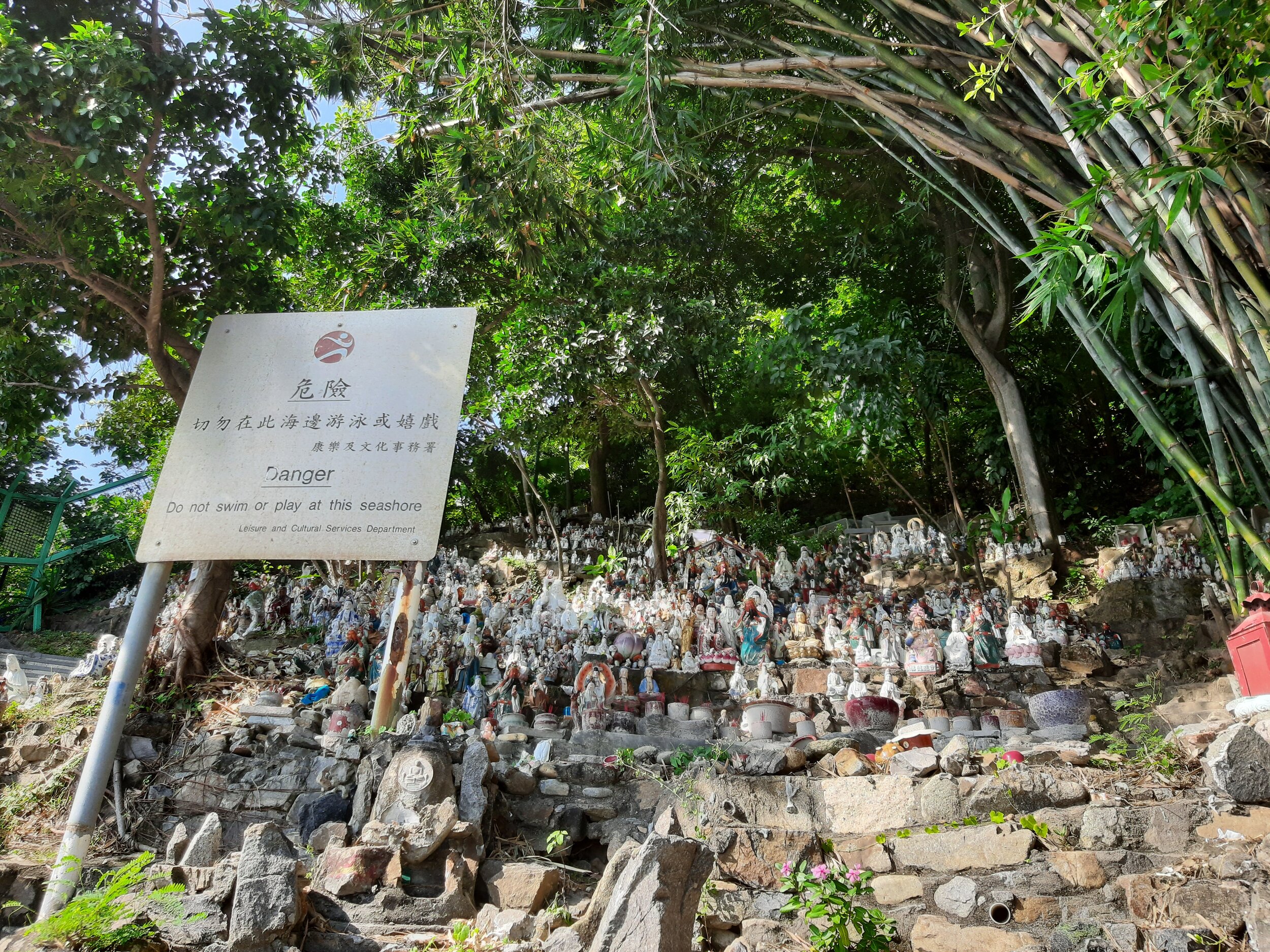
Stanley Tin Hau Temple

Stanley Tin Hau Temple

Graduating the Masters in International Management

Today I had the honor and privilege to address the students to address students of Tilburg University’s Master of International Management Program at their graduation ceremony. In US schools, this is called “commencement speech”, and I like to keep it in the spirit that it is mainly about things to come. We are increasingly releasing students into an unpredictable future. There are unprecedented opportunities and threats side by side. Increasingly education will be the key to finding solutions and inventing the skills needed for problems of which most are still unknown. What makes Tilburg University special, compared to the other schools I teach, is that it is a humanistic university. As a natural scientist by training, I have often ignored the social sciences side of problems. That’s why for example we discussed Climate Change since the 80s but got nothing substantial done until (hopefully) today. This is what we can’t afford to continue doing and without “Understanding Society” (the slogan of Tilburg University) many of our technical capabilities will be in vain or even backfire. First of all, I wish all students graduating now all the best for their professional and personal future. But there is also something for me in graduation events. It’s always a bit like graduating again myself, role up the sleeves, and go out shaping the future with the best I can. This is how University work is a real win-win situation. Good luck to all. See you out there.

In the Aula of Tilburg University - Understanding Society

In the Aula of Tilburg University - Understanding Society

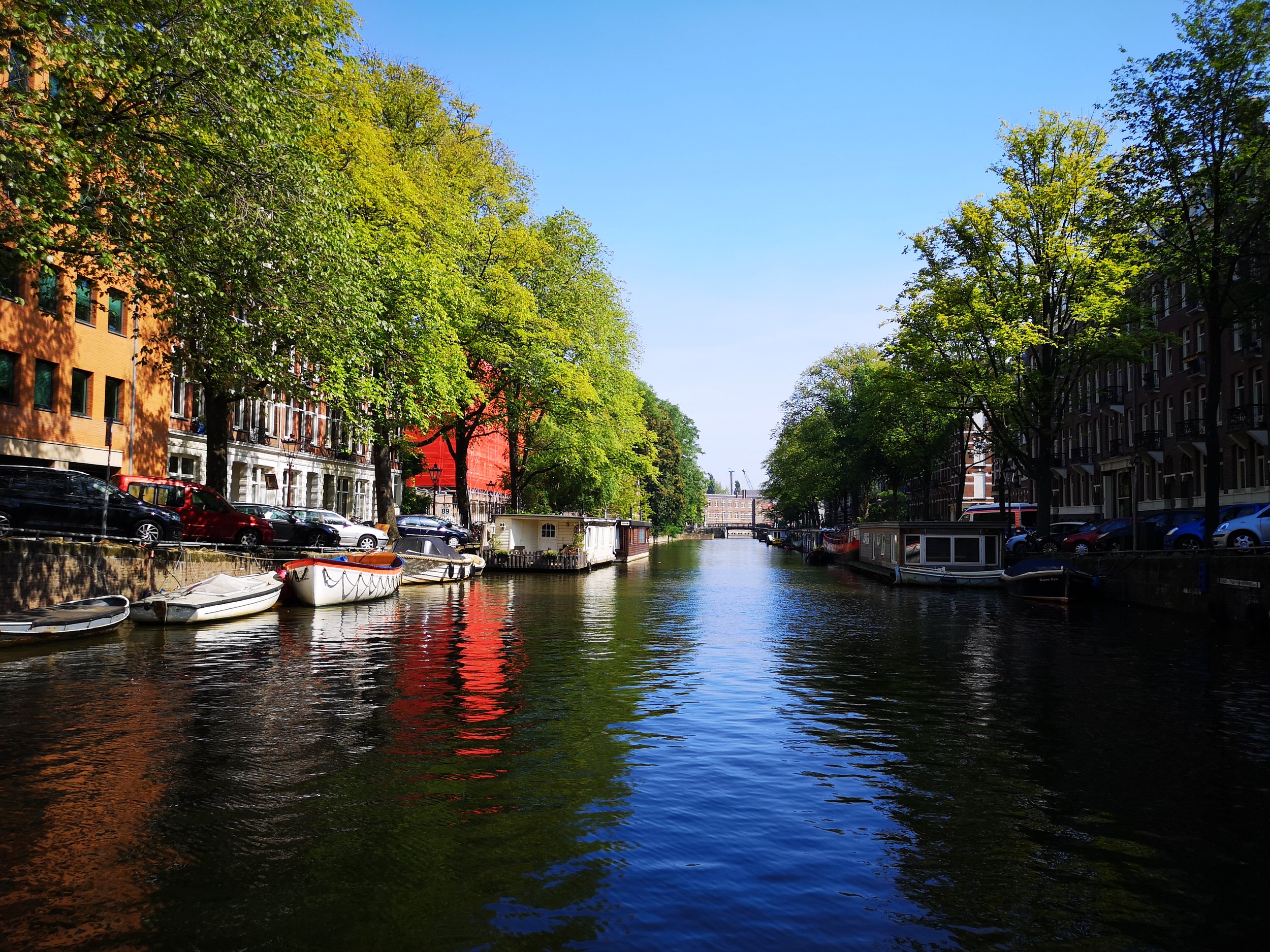
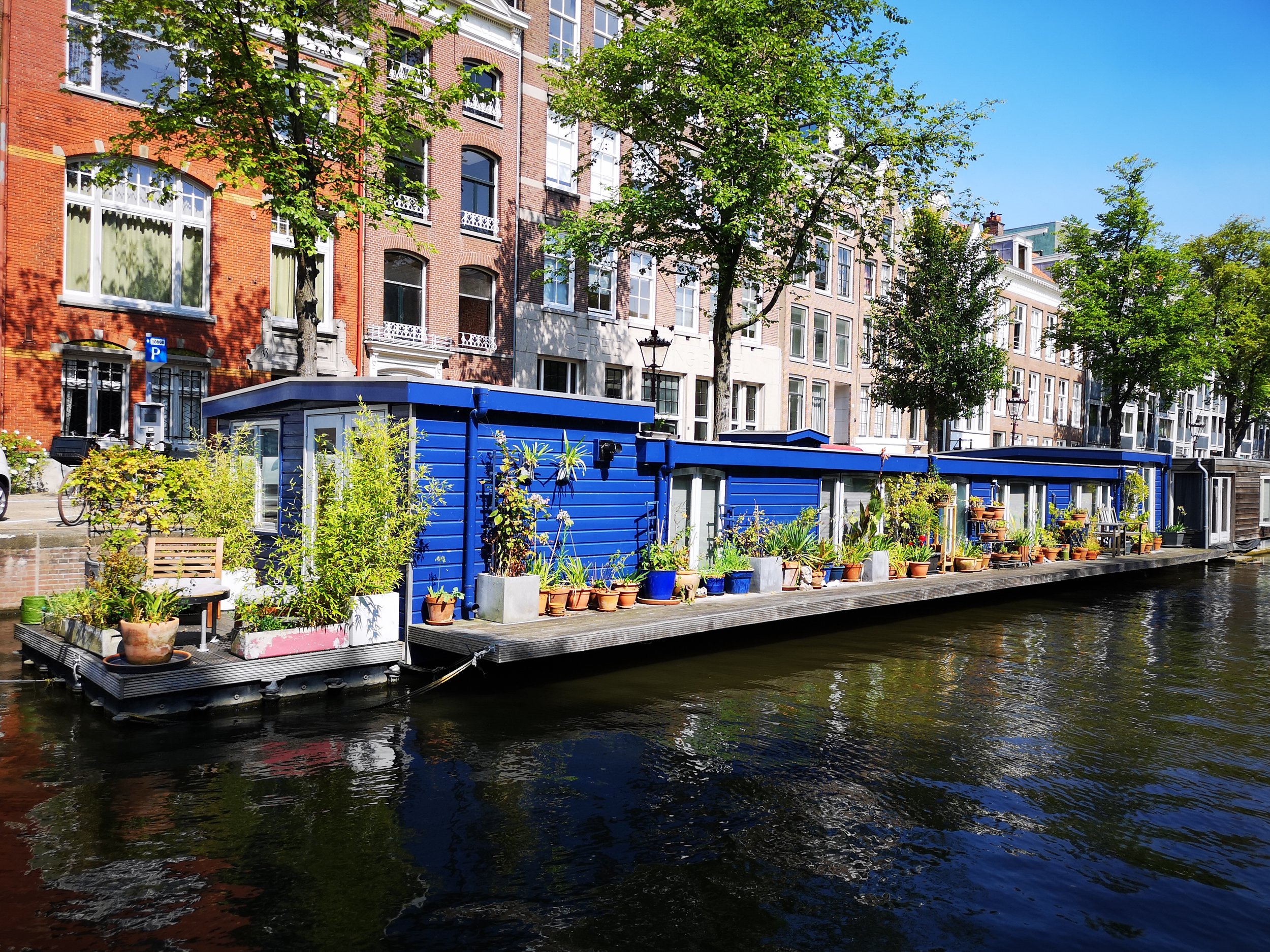
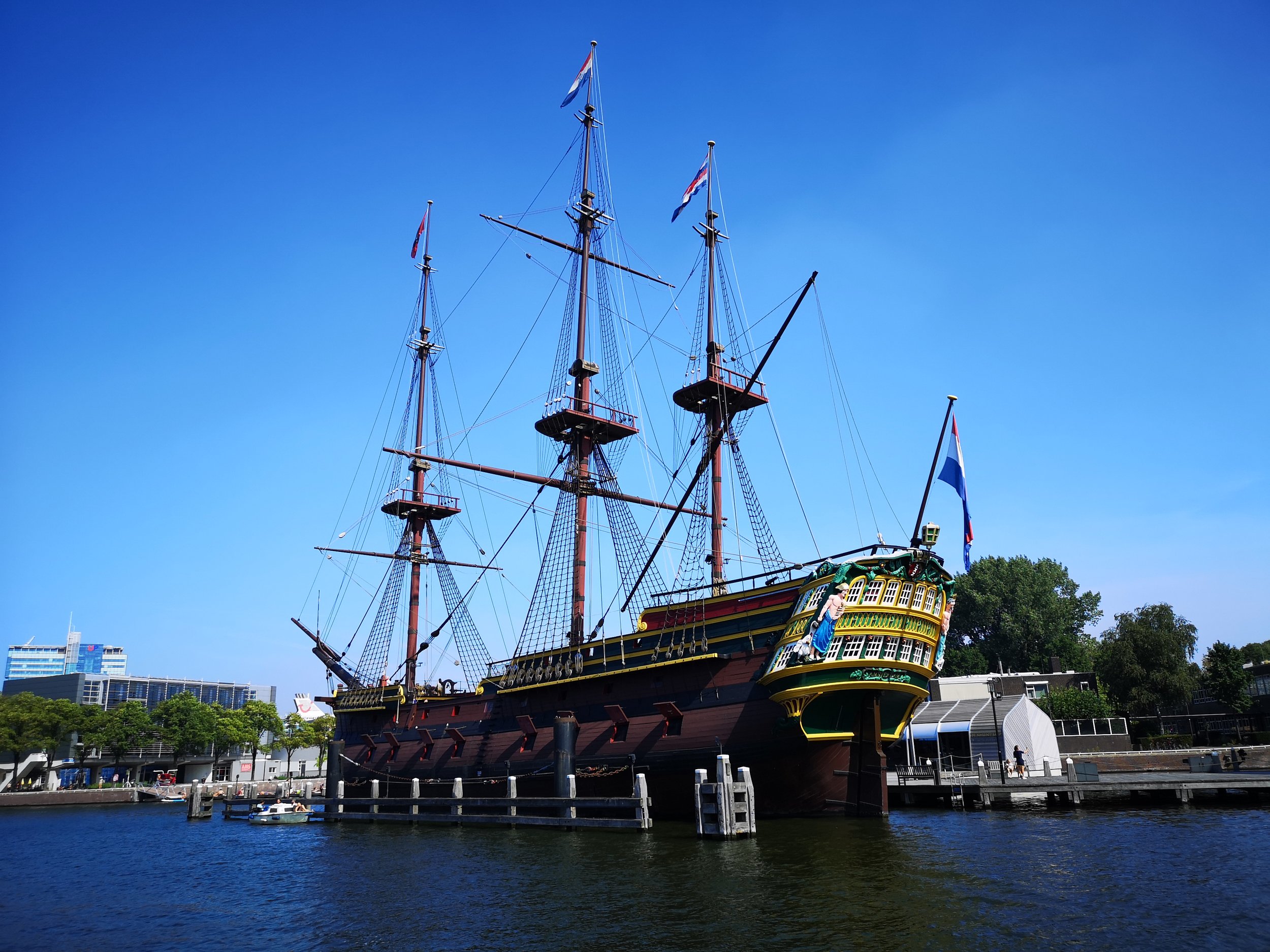
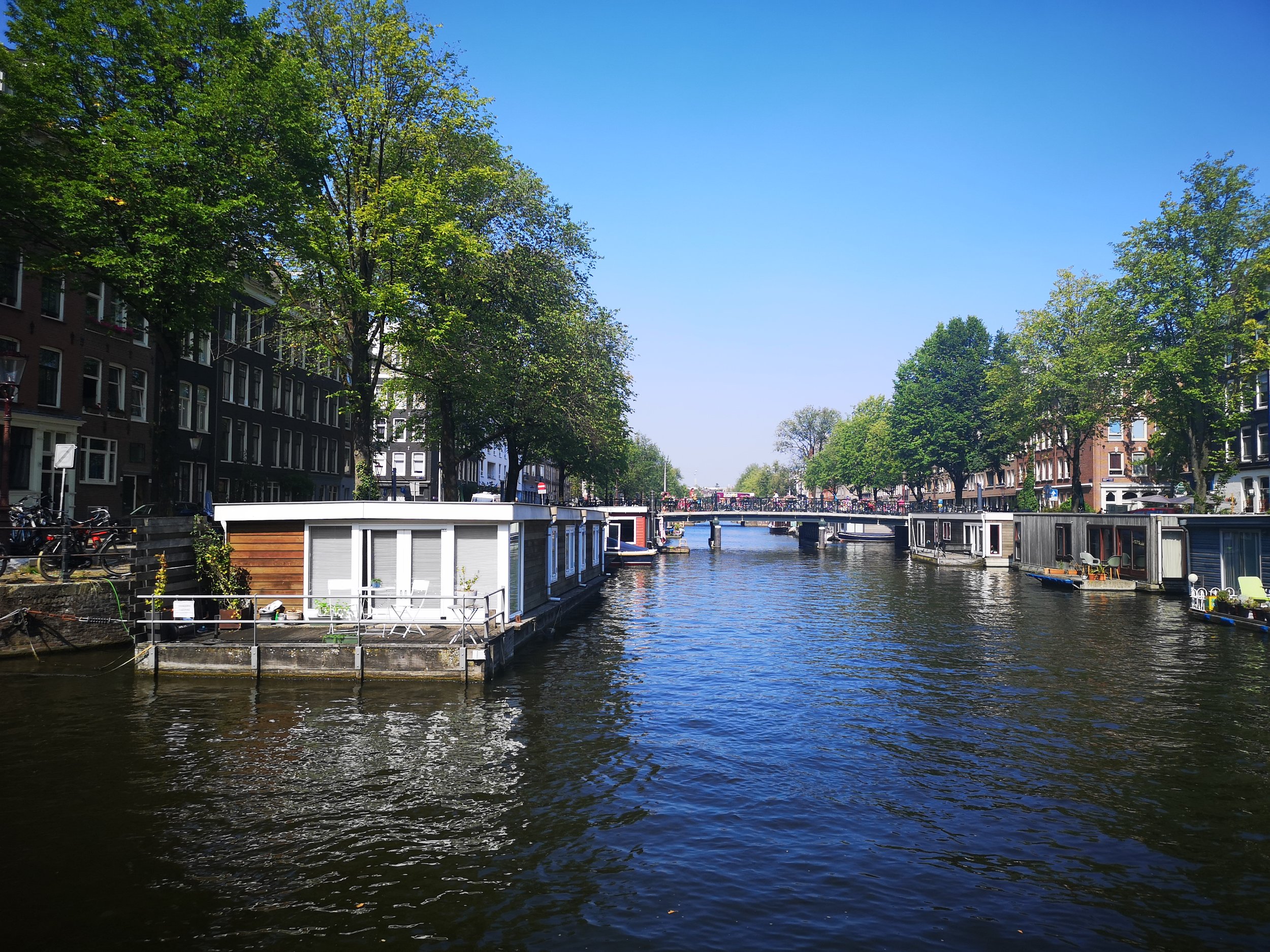
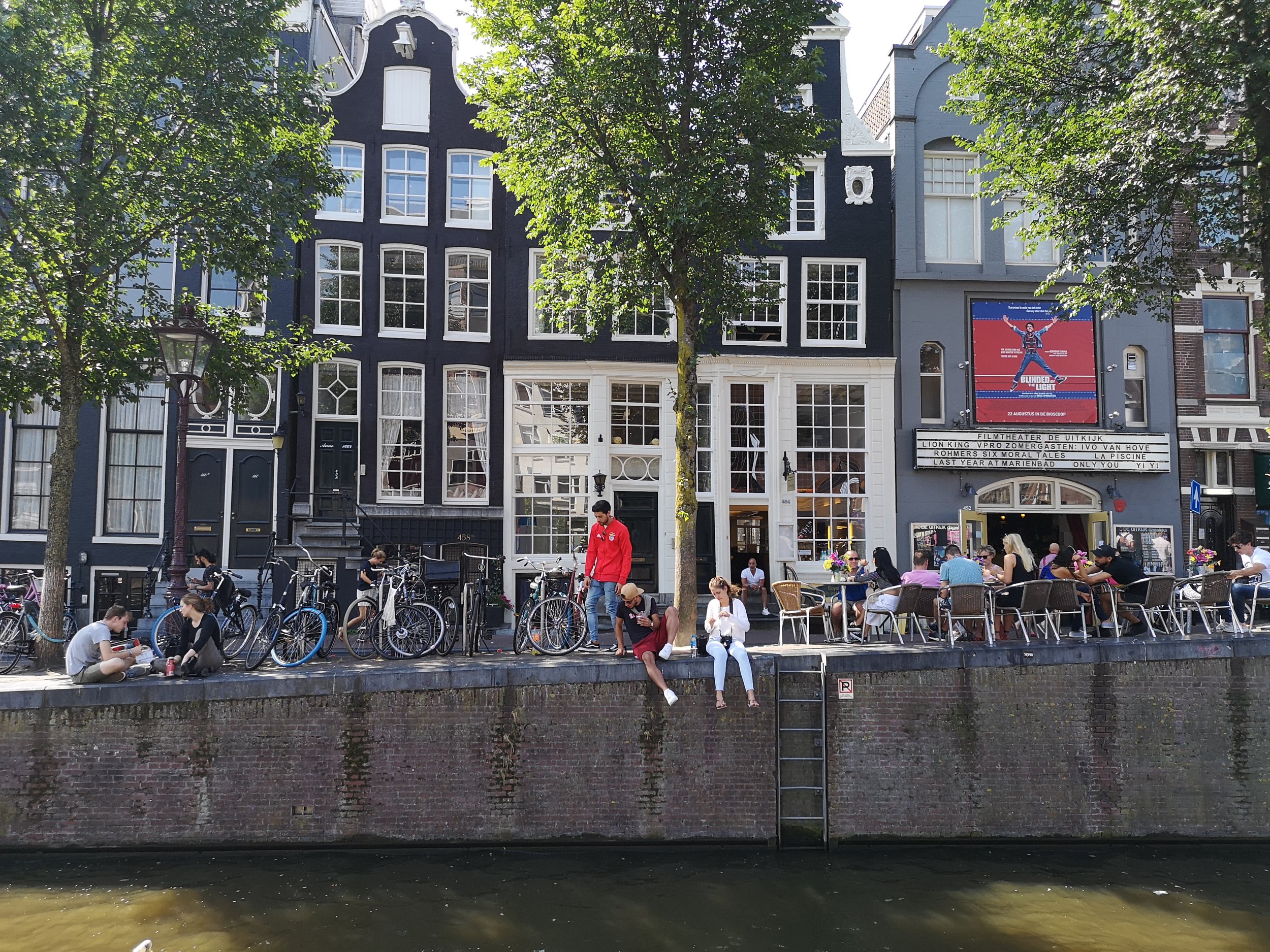
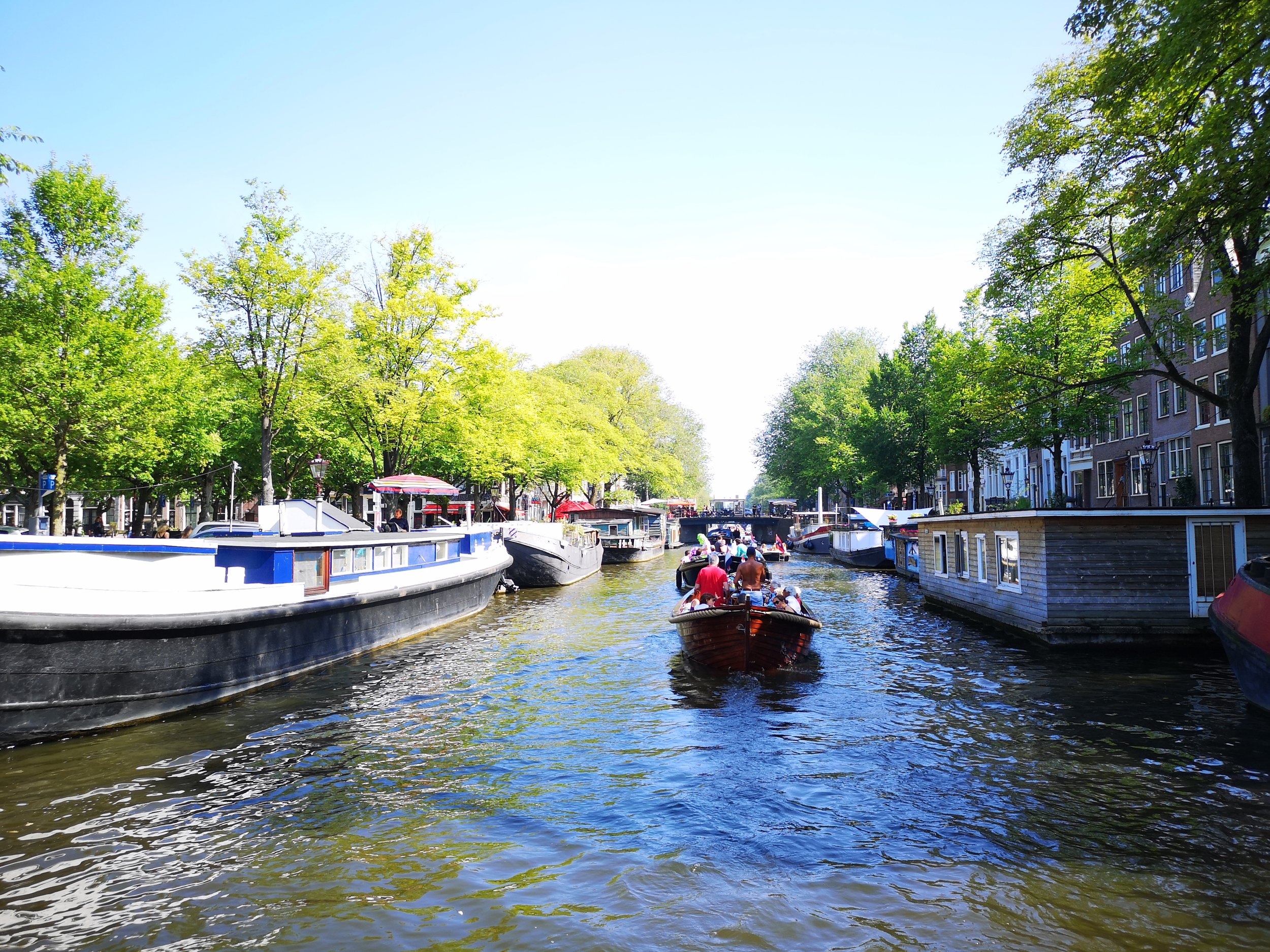
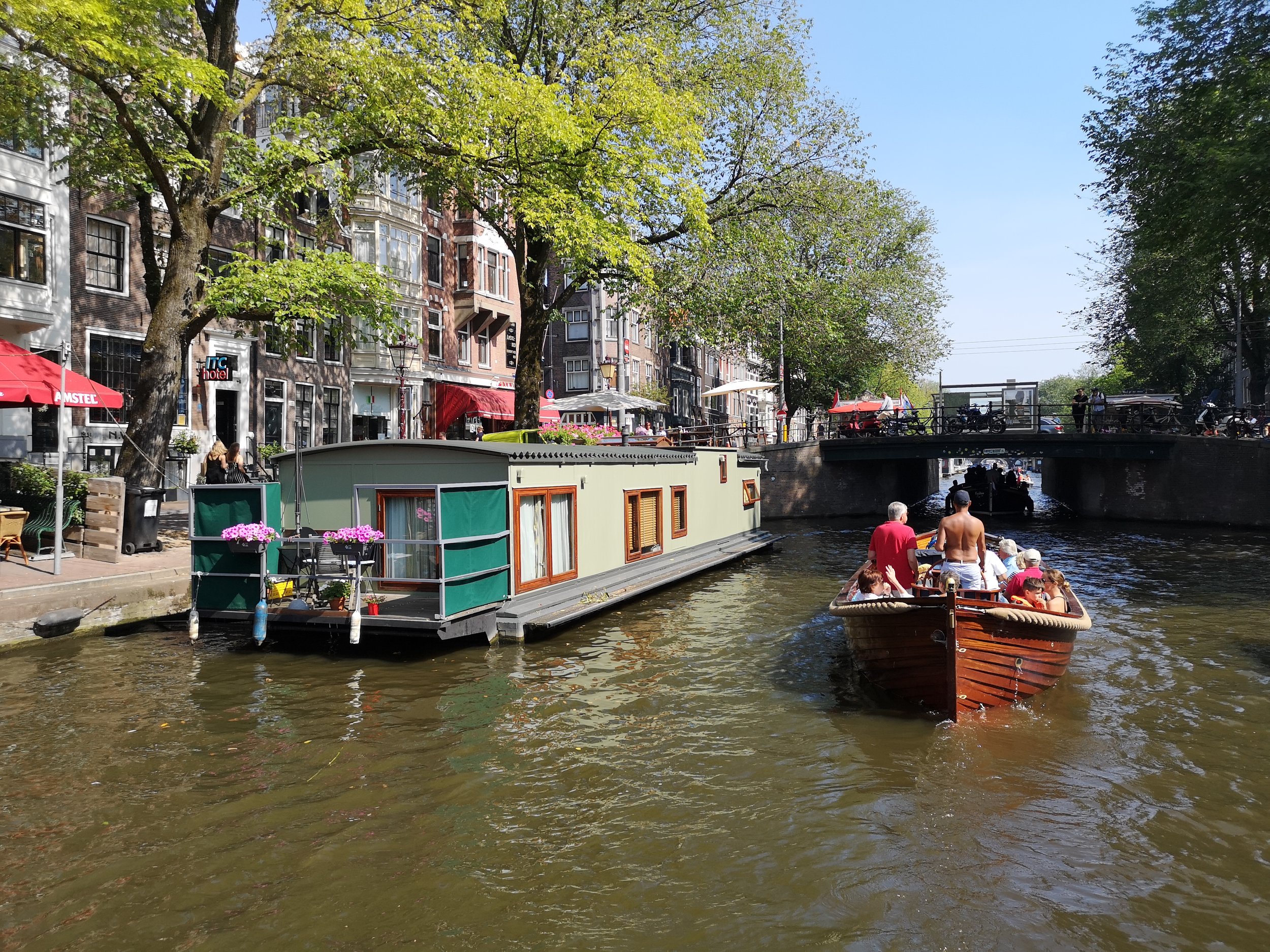
Amsterdam Canals

Seeing a city has a lot to do with perspective. For example, one winter, I commuted with ice skates to my office in Beijing on the frozen canals in Chaoyang District. It was like being in a different city altogether. Then, also in Beijing, I took 30 times different commuting routes, and like this came to places I would have never seen otherwise. Most people only consider the shortest way, because they only think of its utility getting to work and back hassle-free and fast. In the long run, and expanded to all areas of life, efficiency makes stupid. Also, the first impression of a city defines a lot how you feel about it: the road you take, the station you arrive, people, you meet first. So, when I come to a city the first time, I take good care of how I enter it and who I see first.

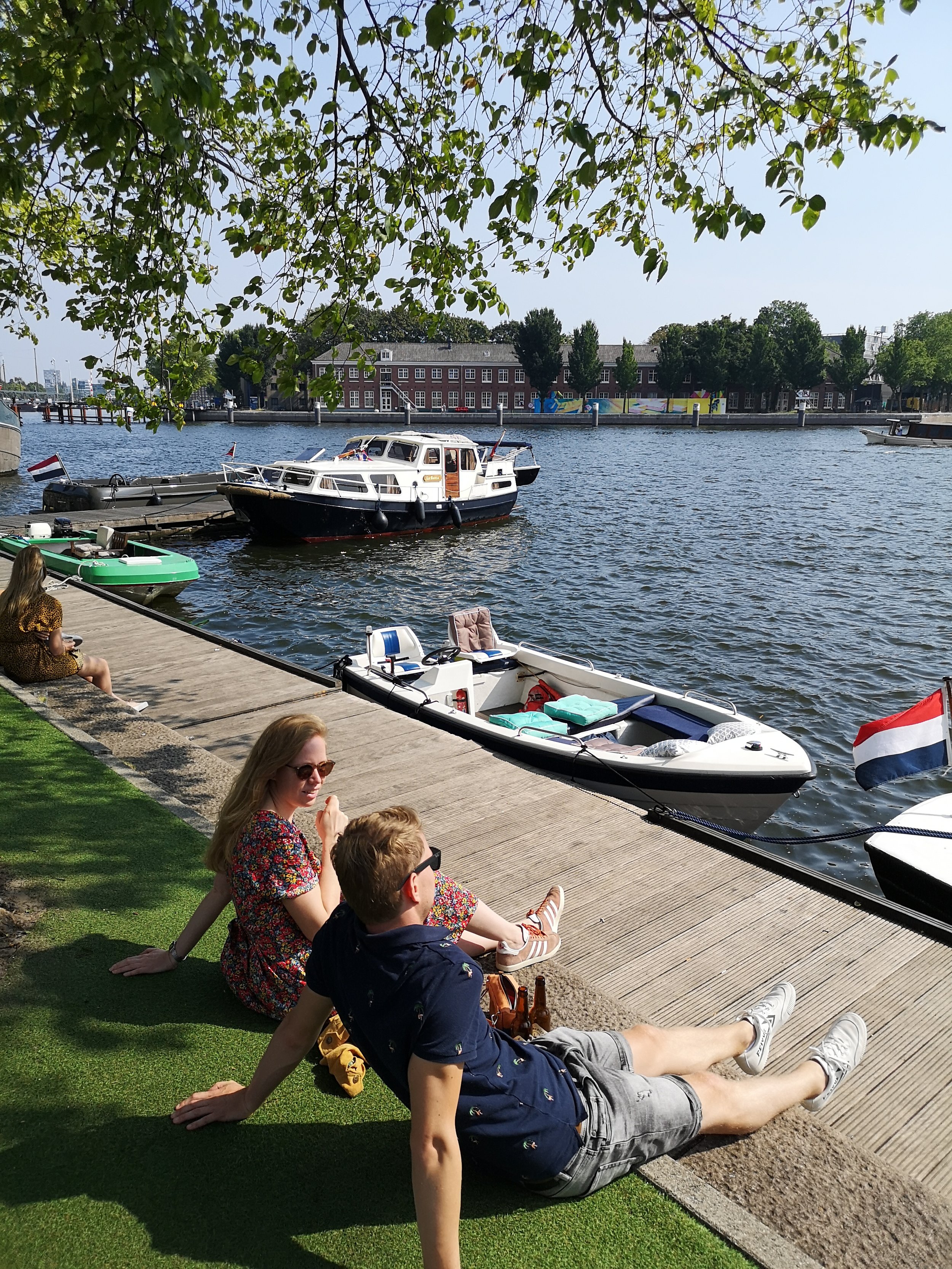
I was reminded of this impact of your perspective when last weekend, a friend took us out on his boat through the canals (gracht) of Amsterdam. Amsterdam is a lovely city - traditional and progressive and innovative at the same time. Seeing it from the waterside, made it even more clear to me. What I mean, is the perfect blend in traditional and modern architecture and city planning, the cultural richness, liveliness, and for example that Amsterdam will be a fully electric car city by 2030. I like coming to Amsterdam, no matter from which angle. But the boat’s view was again an exceptional one.

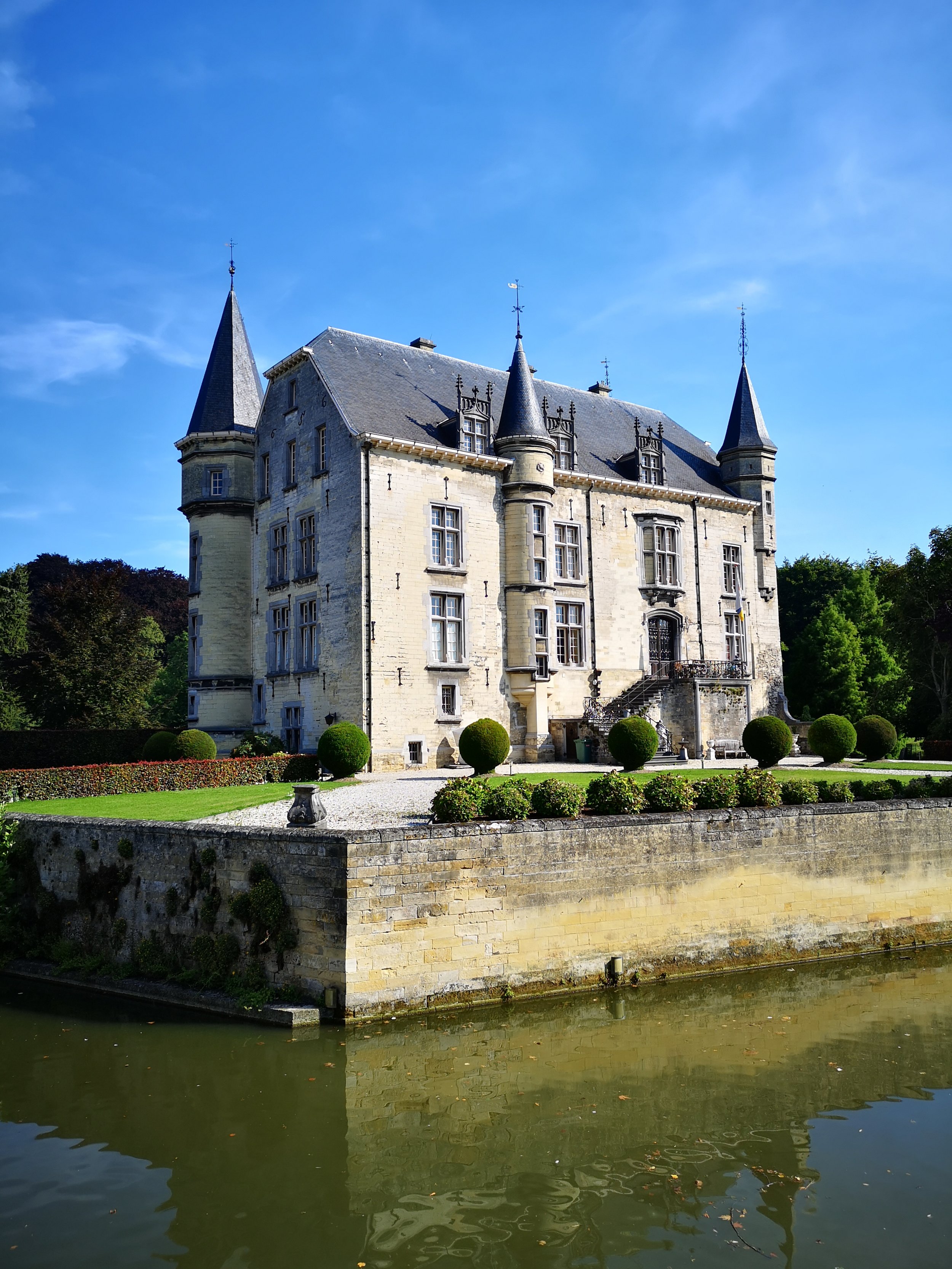
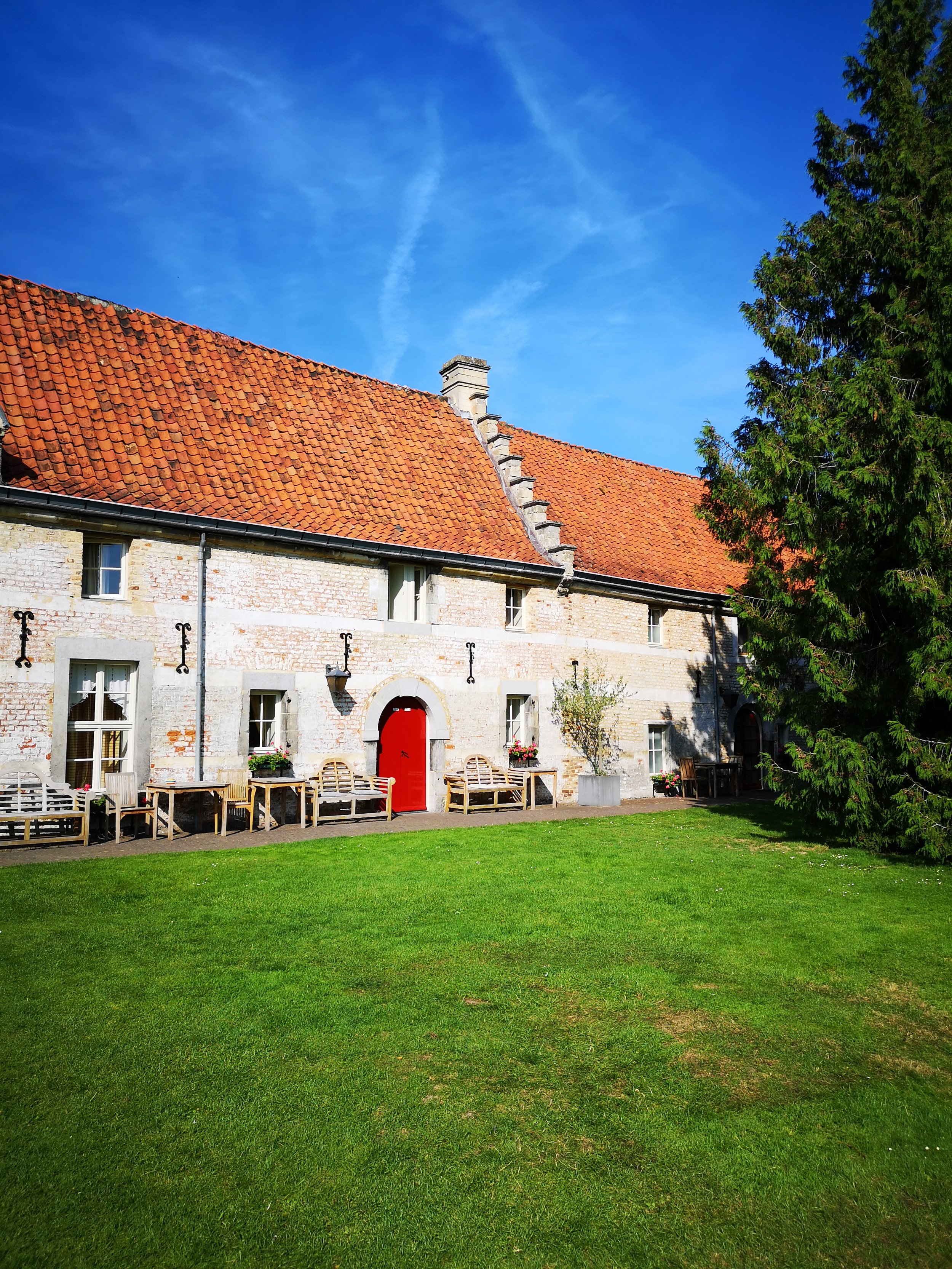
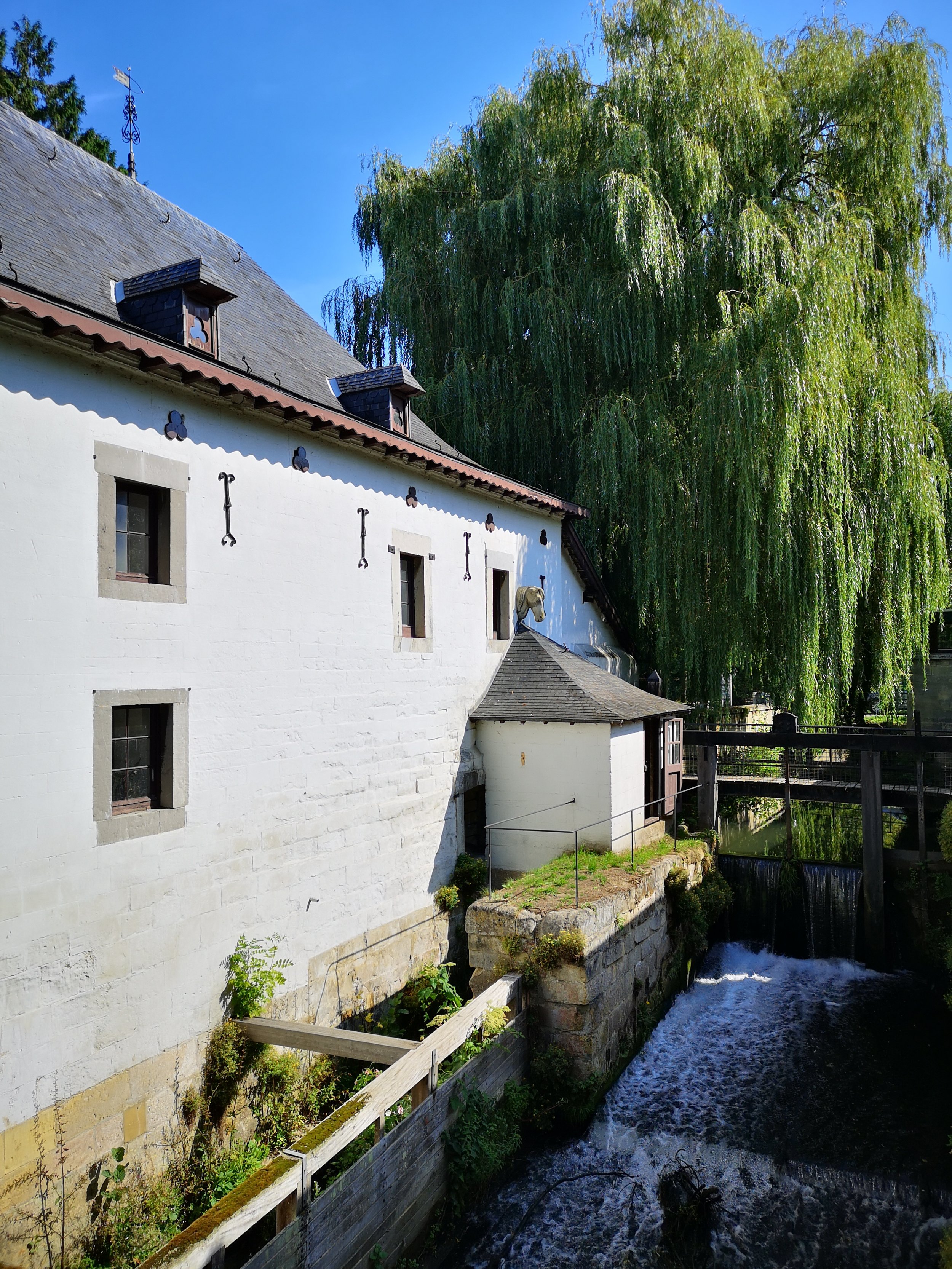
Valkenburg aan de Geul (Limburg, Netherlands)

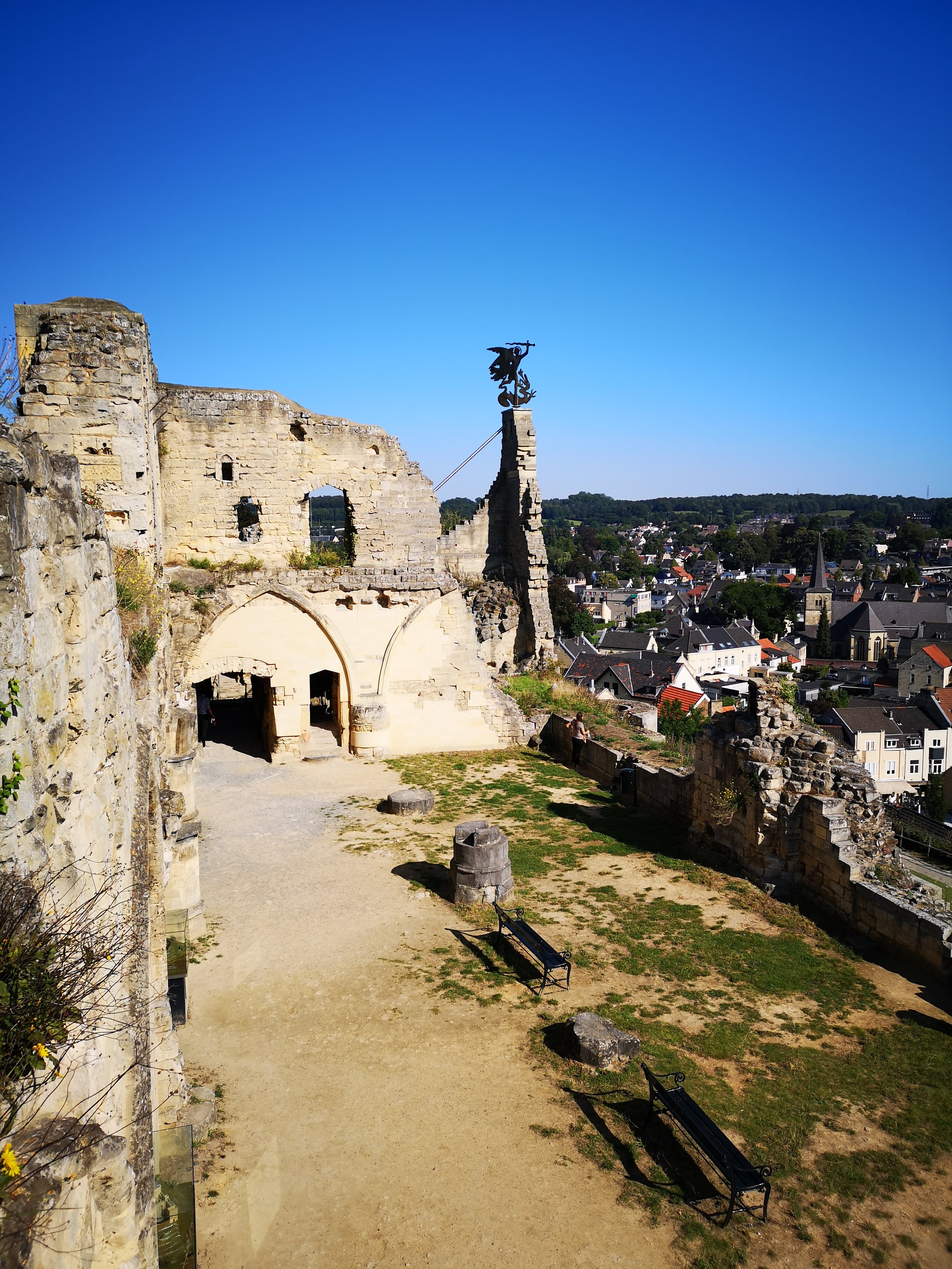
Castle ruins, impressive caves, châteaus, forests and lots of history reaching back to the Roman time: Valkenburg aan de Geul was a lovely weekend stopover on the way to Tilburg. Also, the weather was superb, the food excellent and last but not least people are extremely friendly. A trip to Maastricht is just 20 minutes away: a vibrant University town, lifely and with an impressive11th-century Basilica in its center. I personally always enjoy the Netherlands coming from Germany. Holland is better managed, more practical, and maintains its character at the same time. There is a lot of effort put into making things neat: the home, the garden, oneself, the car ... and I have often experienced a great sense of community. Cities have a colorful mood, and even I am not a big fan of larger towns, even Amsterdam is a place I feel comfortable, and also Rotterdam has its kind of charm. Tomorrow, I will continue the journey to Tilburg, where I will again stay about a month at the University. It is usually the time, the seasons change from summer to fall, and I am looking forward to my stay there.

The heat is on in Malta and I am back North

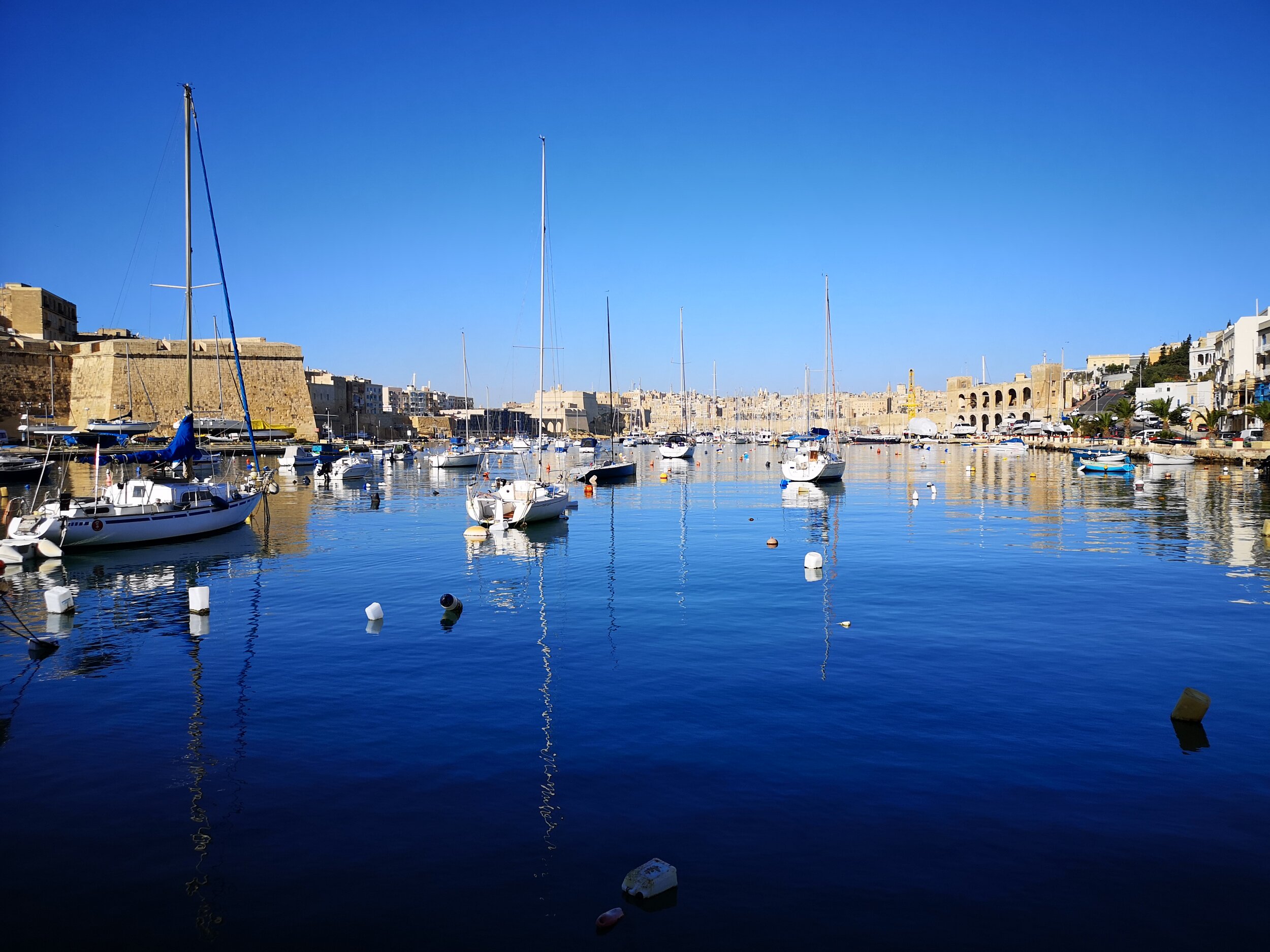
August is the hottest month in Malta. It’s the time when public life falls into a long rest between noon and 4 p.m. and then gets to the feasts. So did I, and I relaxed a lot. Not much to do, so not much done and here just a few snapshots and impressions from the short ways in Valletta and the Three Cities. By the time I post this, I am already out of holiday mood again and facing a rigoros schedule of content and travel: Germany, Netherlands, Hong Kong, Germany, Russia, and a few small Trips between the lines. Even Hong Kong will be chilly against August in Malta.

Evening view over to the Old Bakery, which is now hosting the Malta Maritime Museum

Evening view over to the Old Bakery, which is now hosting the Malta Maritime Museum

processed_IMG_20190802_155559.jpg
processed_IMG_20190731_101636.jpg
processed_IMG_20190728_172316.jpg

Welcome to Beirut

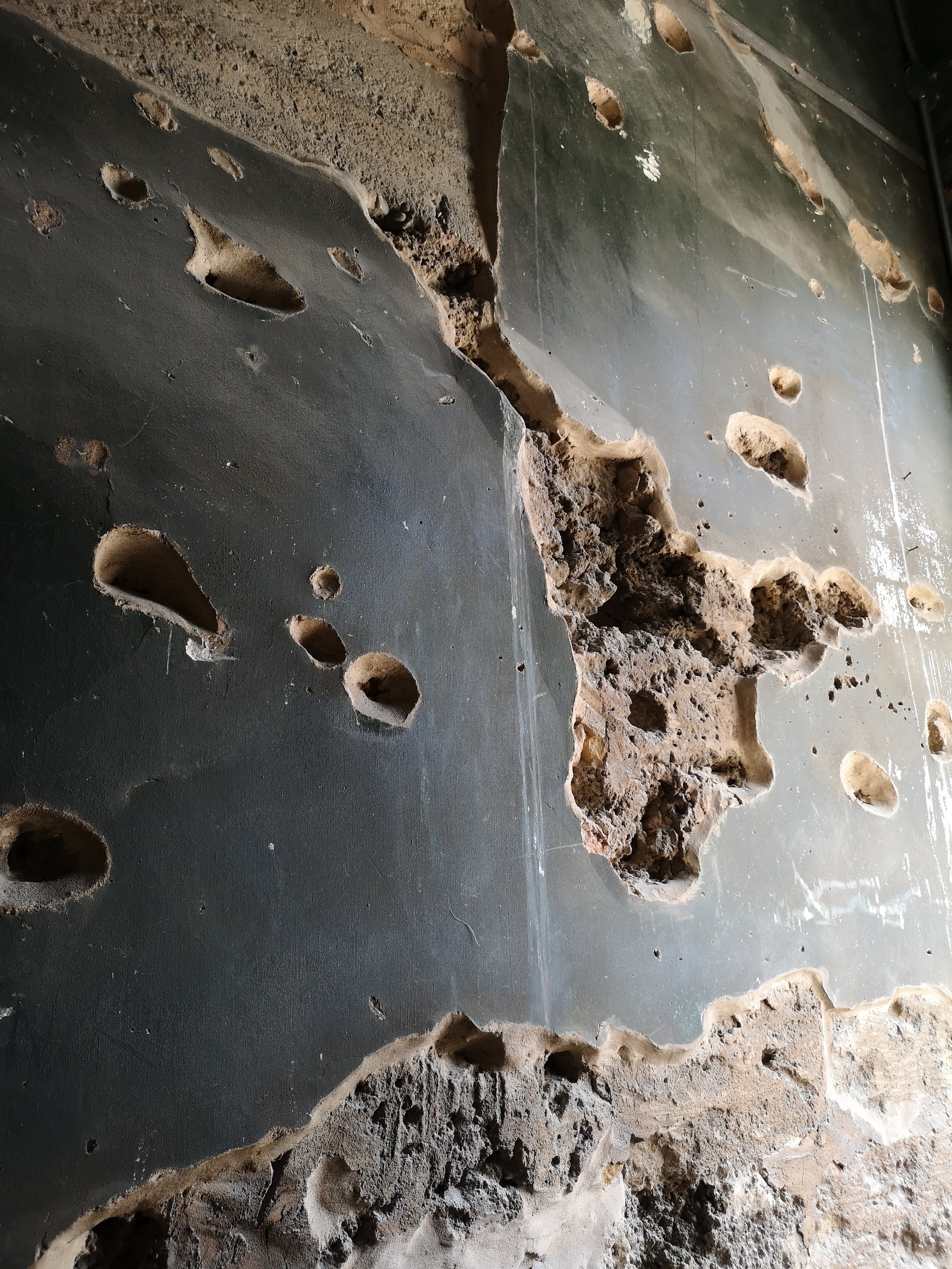
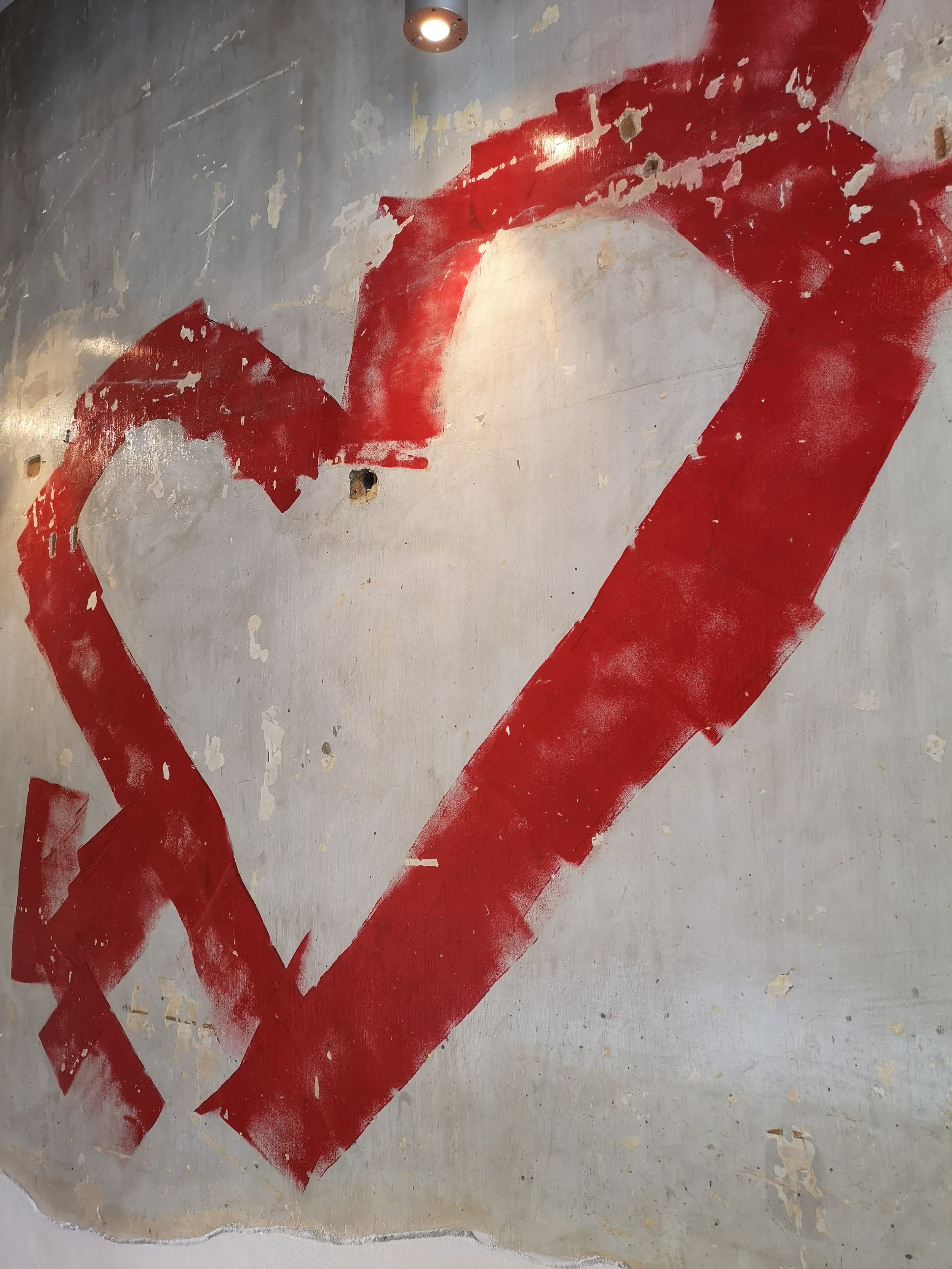
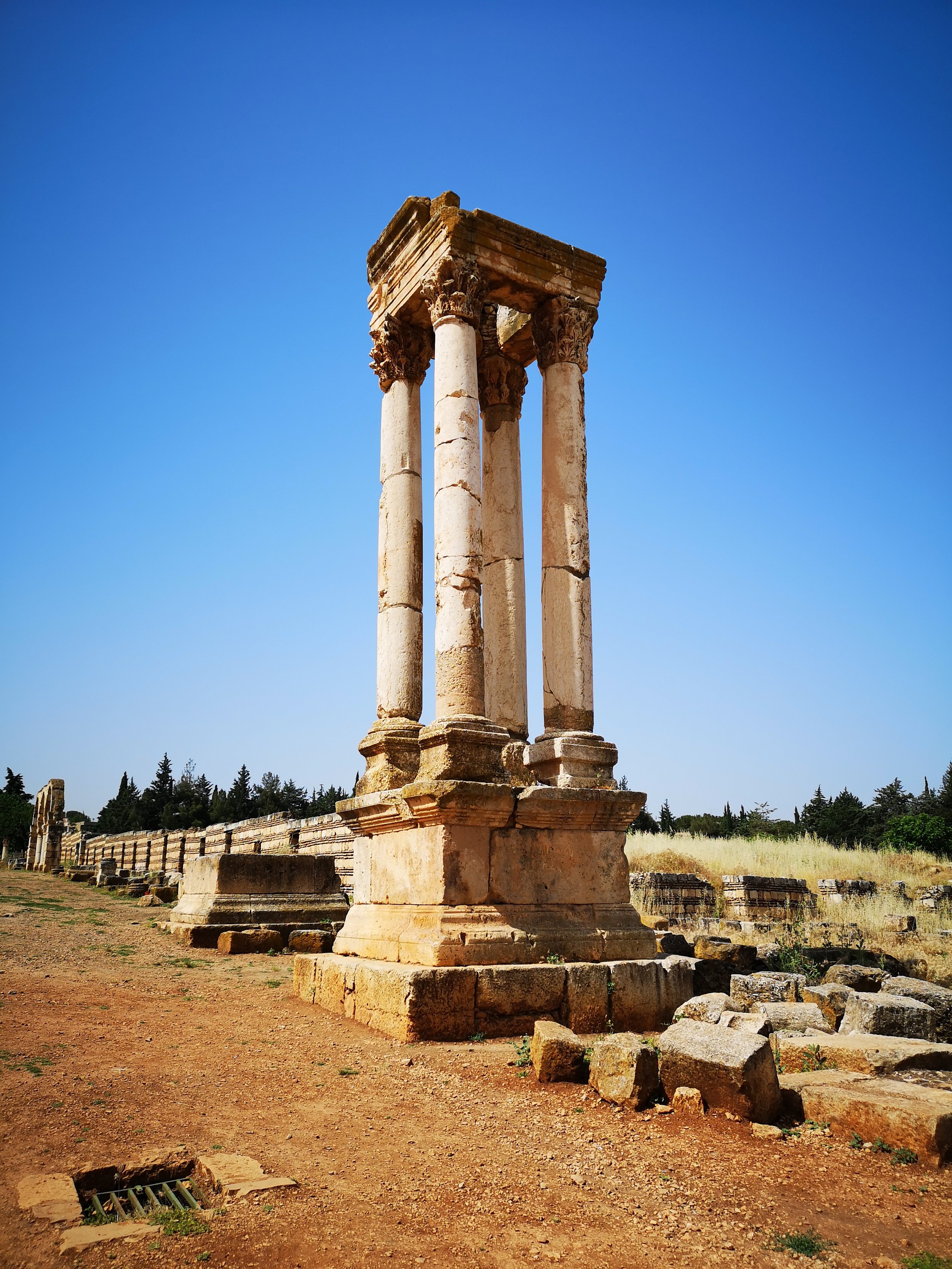
Once upon a time, Beirut was dubbed that it has been the "Paris of the Mediterranean". This goes back to the time before the tragedy of a vicious 25 years lasting civil war from 1975 to 1990. It left 120 000 dead and lead to over a million Lebanese leaving the country. It is no surprise, you find Lebanese presence nearly all over the world today; often with multiple passports, well educated and with extremely professional and entrepreneurial spirit. Professional opportunities are limited in Lebanon today, and still many leave or at least keep a multinational spirit. Today there are an estimated 2 million Syrian refugees in Lebanon. That makes about every second person in the country a refugee. Some had the means to find new homes, but many of the less fortunate live in tents in refugee camps for example in the Beqaa valley, close to the Syrian border. Today, you can drive with no problems to Damascus. But refugees are hesitating to move back, partly because the Syrian government does not encourage such moves. The refugees take, of course, any job they can get, and the unemployment among Lebanese is about 40 %. A lot of indicators would suggest the security situation should be bad in Lebanon and for example the US travel advice sound hysteric as always. But you will meet the most friendly and hospitable people in Lebanon. Still, the situation is fragile, even though on an improving trend. Lebanon is a beautiful country, and should there be stability any less corruption, I guess that it may have a great future. These preconditions are moving slowly in the right direction, and there is hope this may continue.

On the bright side, Lebanon is beautiful, has the most hospitable people with extremely good humor, excellent food, and multicultural and open society. This alone is already enough to make me visit again soon. Welcome to the re-emerging "Paris of the Mediterranean*.

Obviously, Beirut is the backdrop of multiple thrillers, one of them “Beirut” set in 1982. Below is the trailer.

And there are at least two price winning Lebanese movies, which are a must see. Please find trailers below.